
For many years, I have witnessed the lives of different communities, cities and people through my camera. Music has often been part of those journeys. Sometimes a musician playing in the middle of a wedding, on a busy street or alone outside a home caught my attention. These encounters were rarely planned. Following the sound of music often led me to another person and another story.
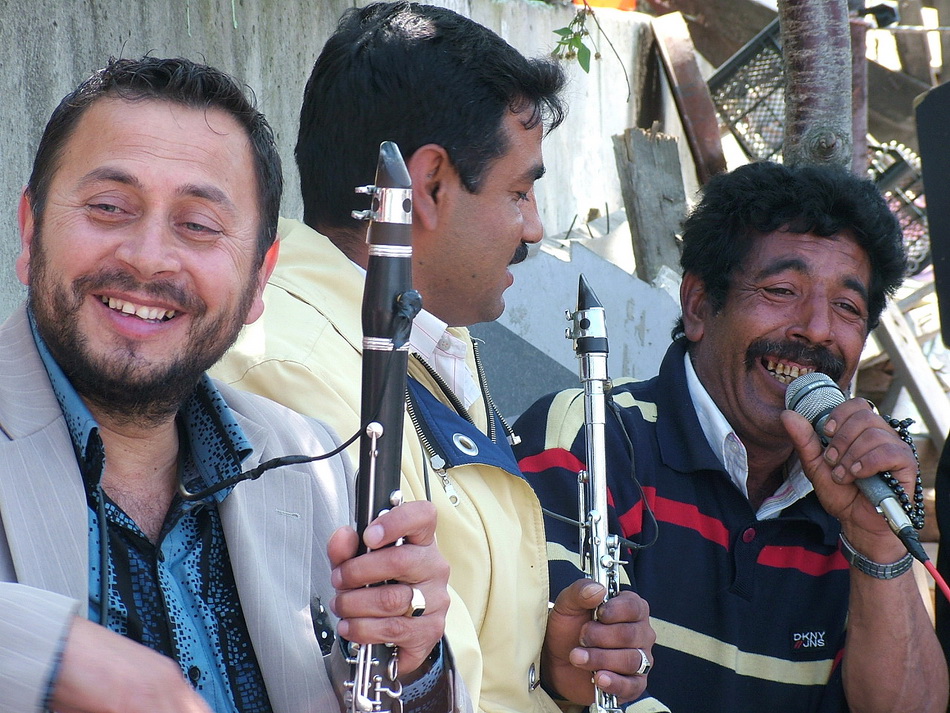
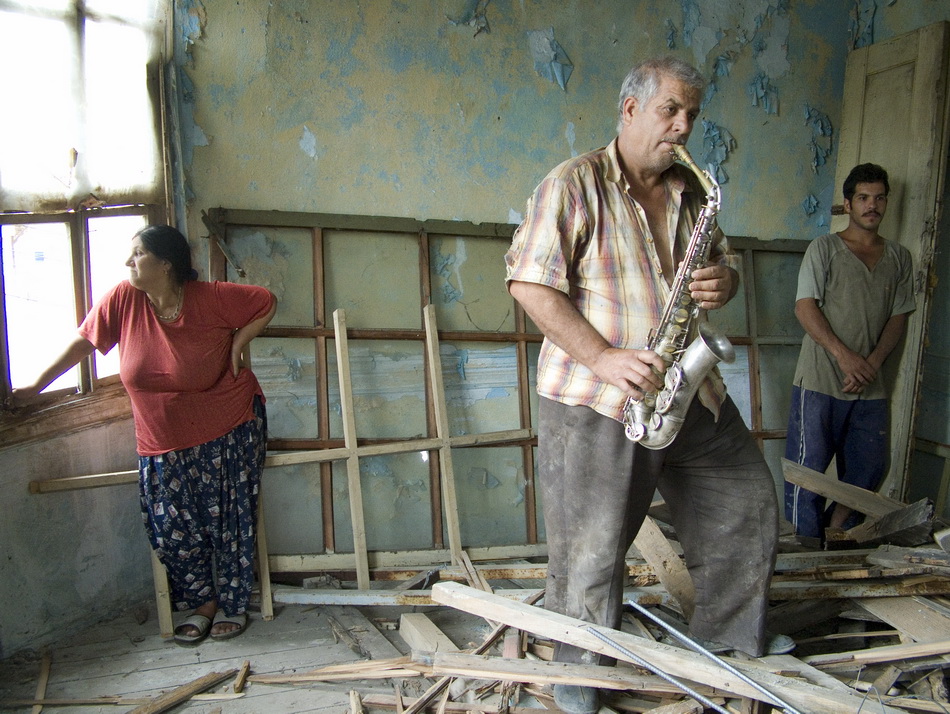
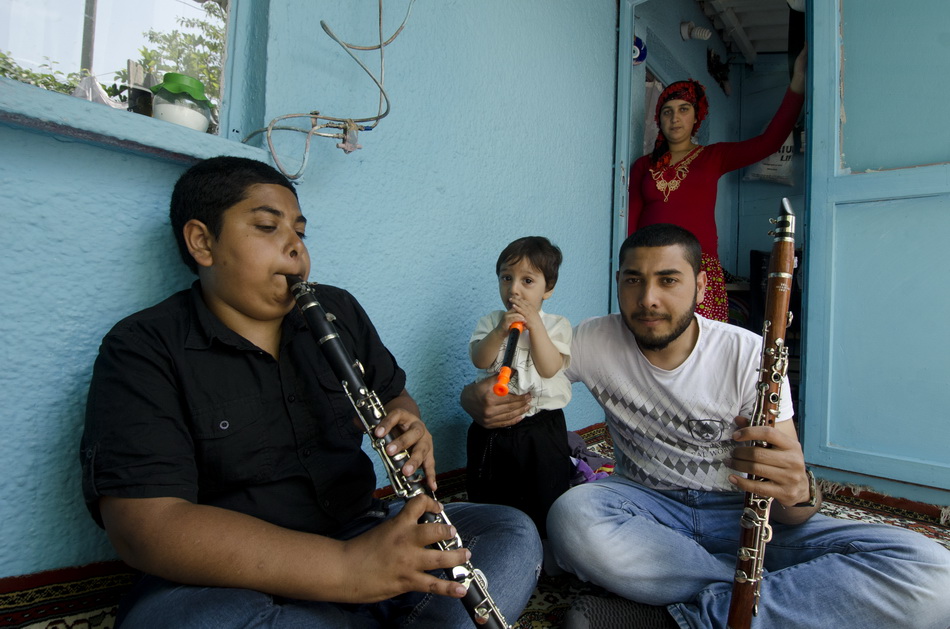
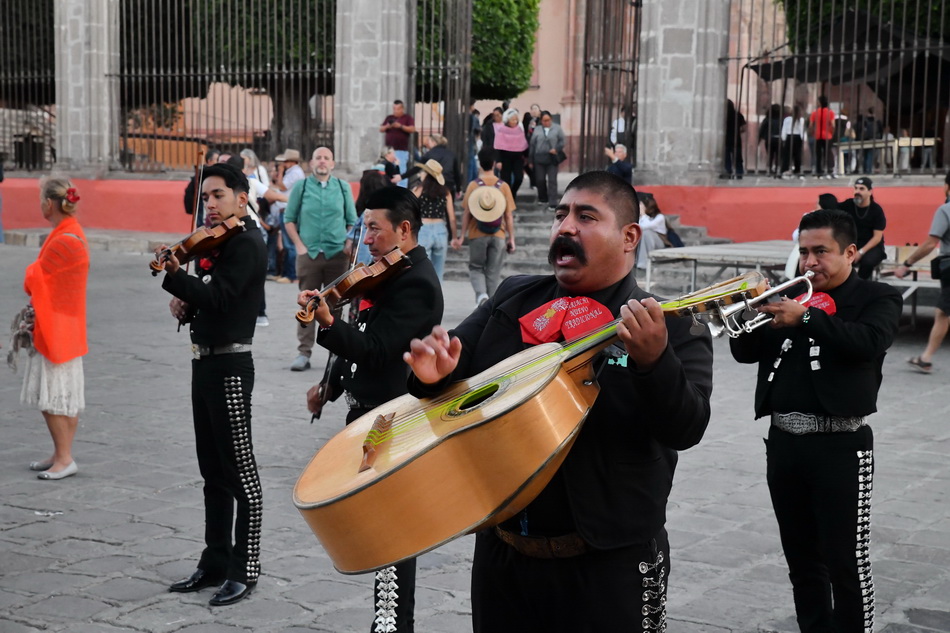
Most of the musicians I photographed were not performers on grand stages. They were people who kept music alive as part of everyday life, sometimes earning their living from it. They played at weddings, neighbourhood celebrations, in streets and public squares. Their music was more than a performance: it carried the joys, sorrows, traditions and sense of togetherness of the communities around them.
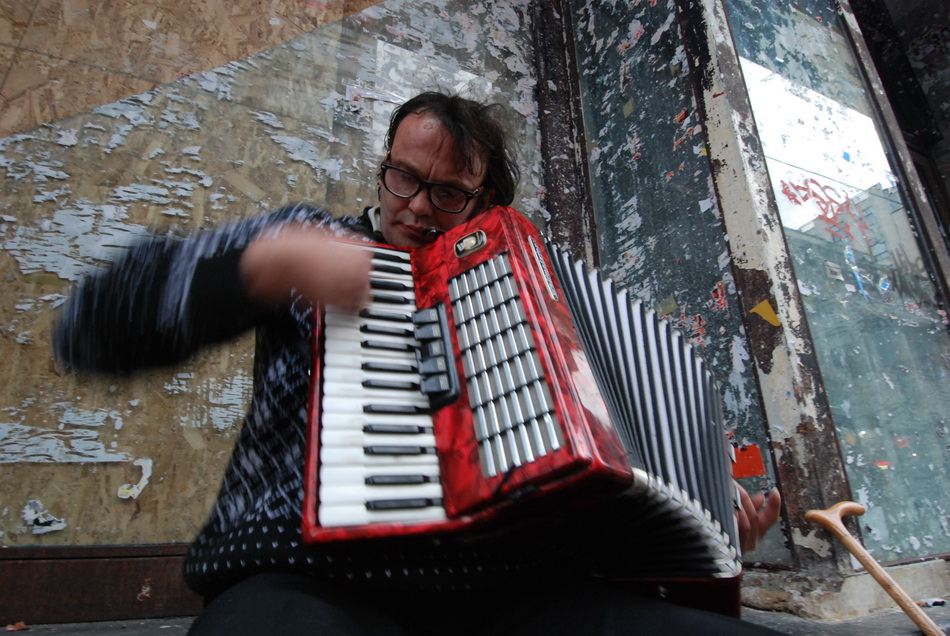
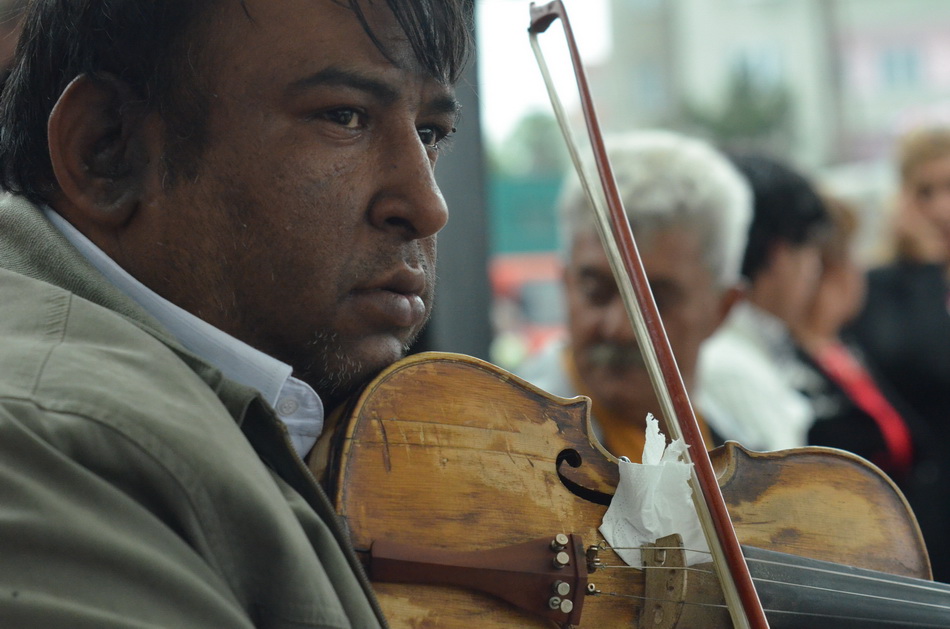
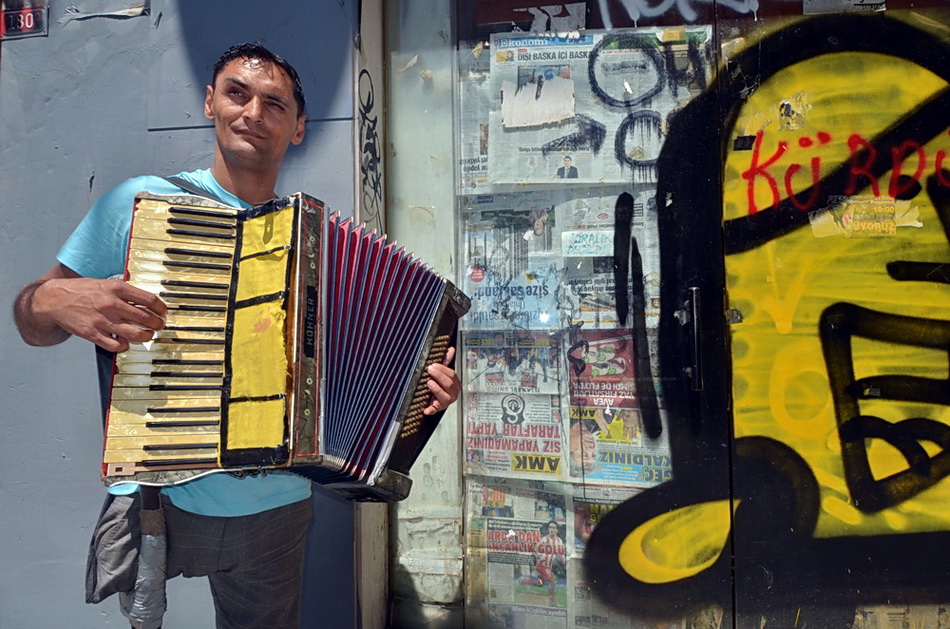
Some of their instruments particularly caught my eye. Accordions worn by years of use, with peeling paint and battered keys and bodies; old violins and wind instruments. Perhaps many of them should have been replaced long ago. Yet economic circumstances did not always allow that. The musicians continued to live and make music with the instruments they had, for as long as they could still play them. Each instrument had become a witness bearing traces of its owner's life.
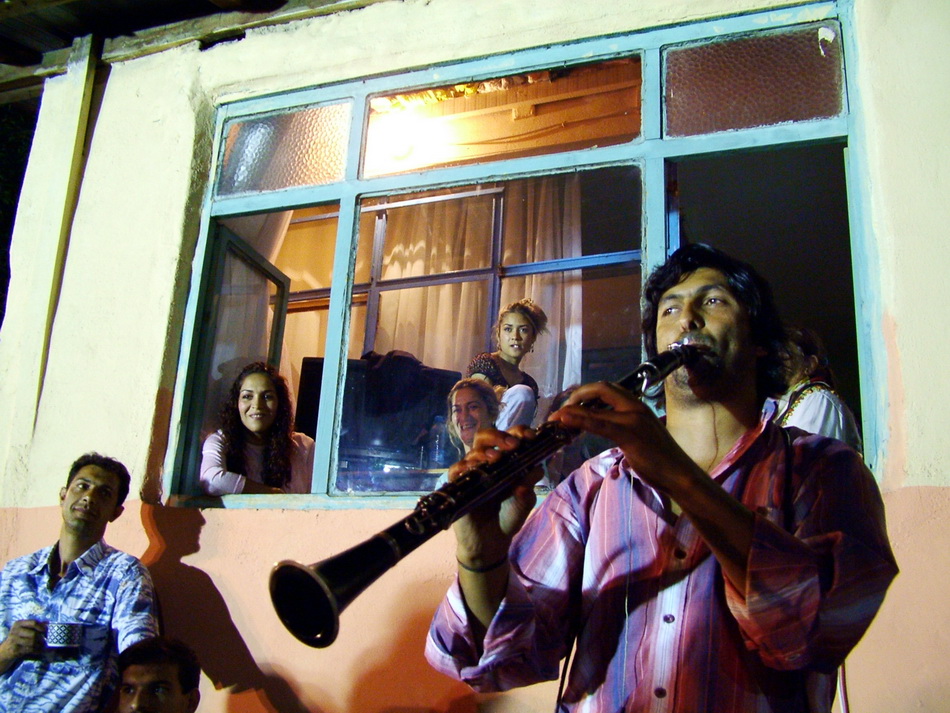
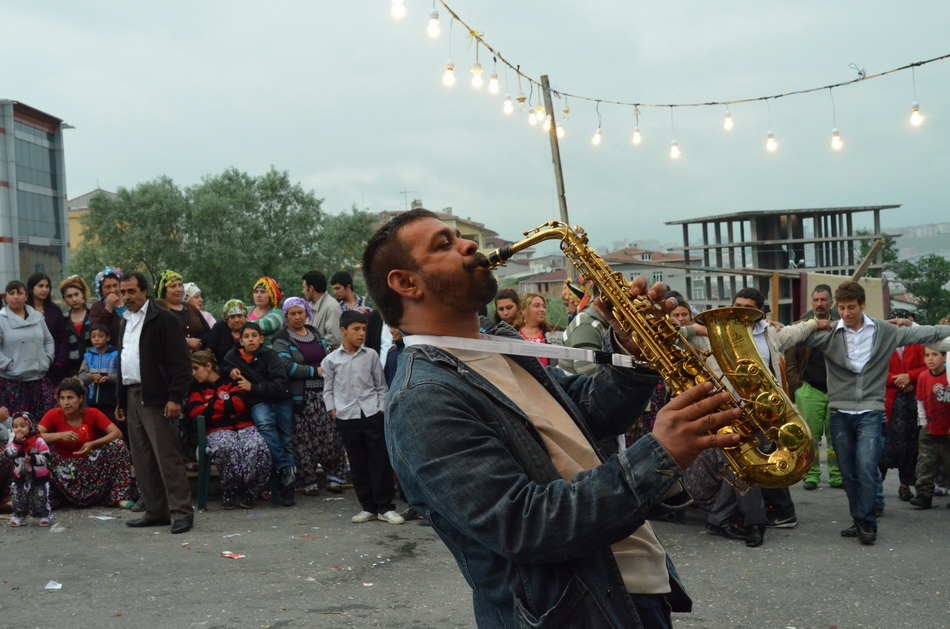
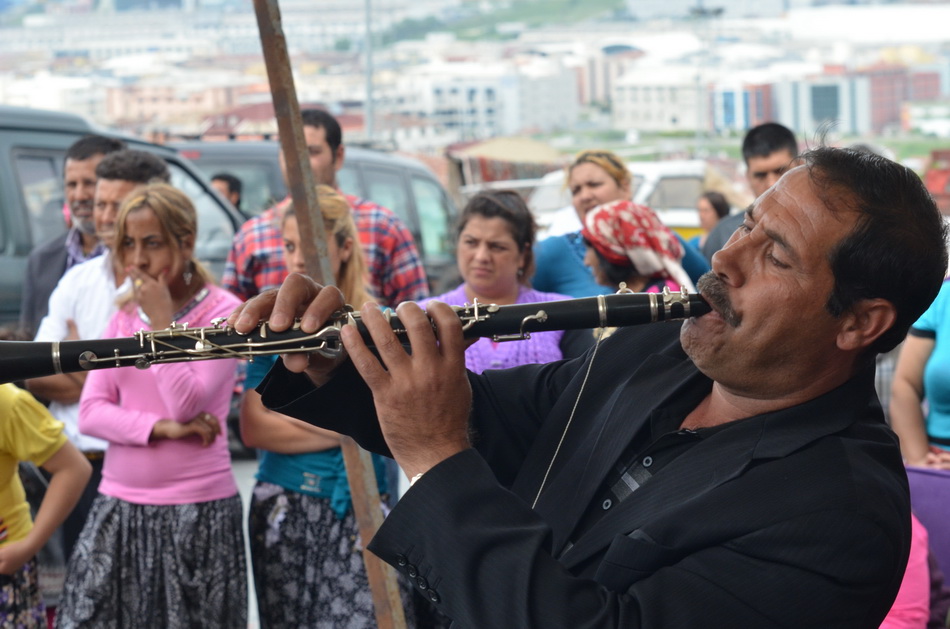
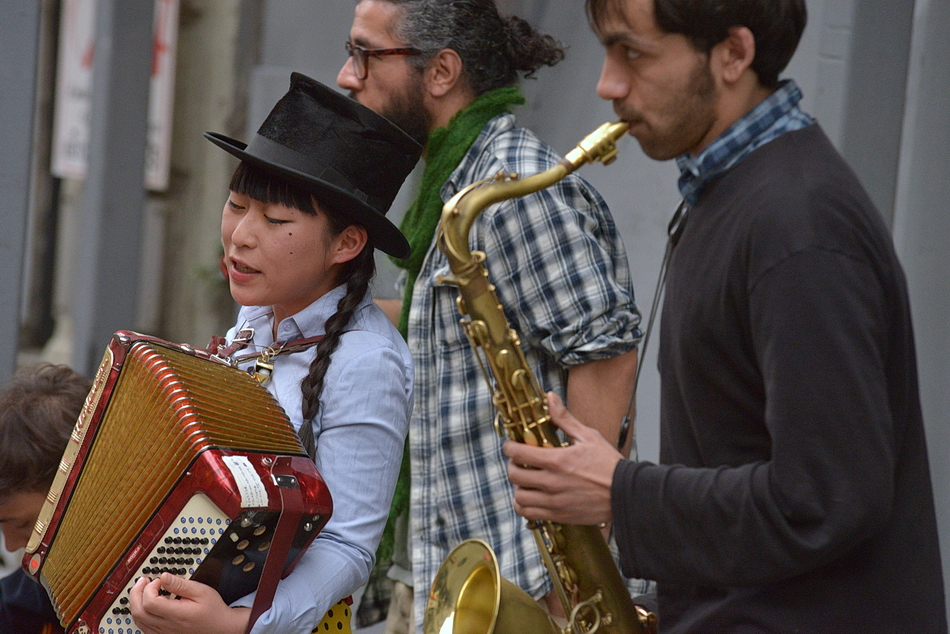
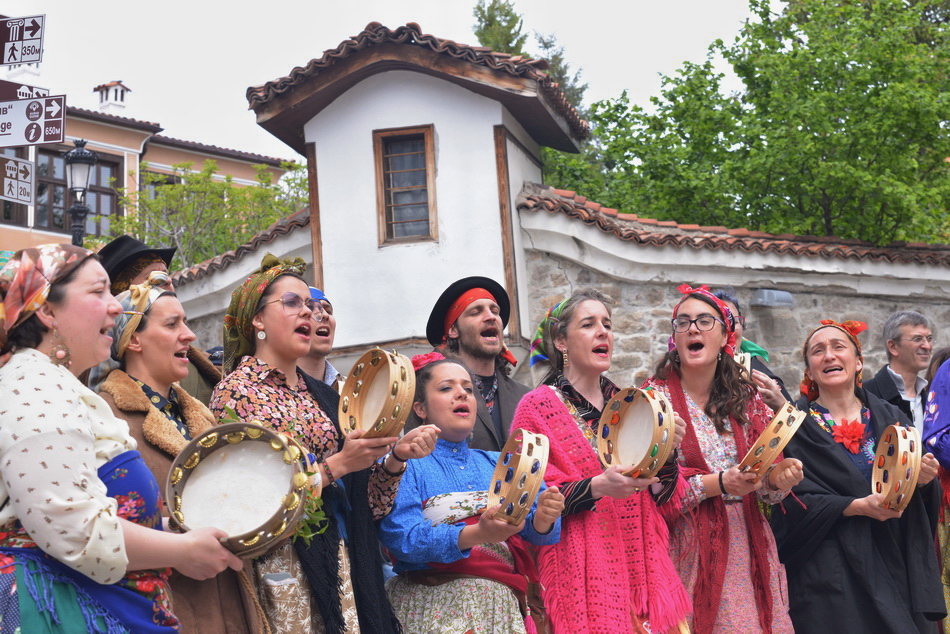
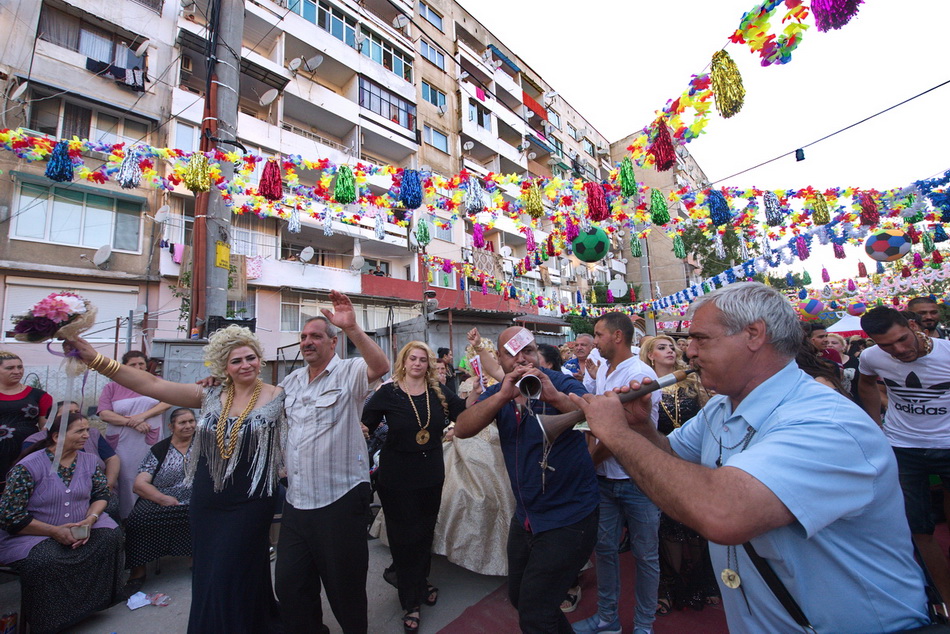
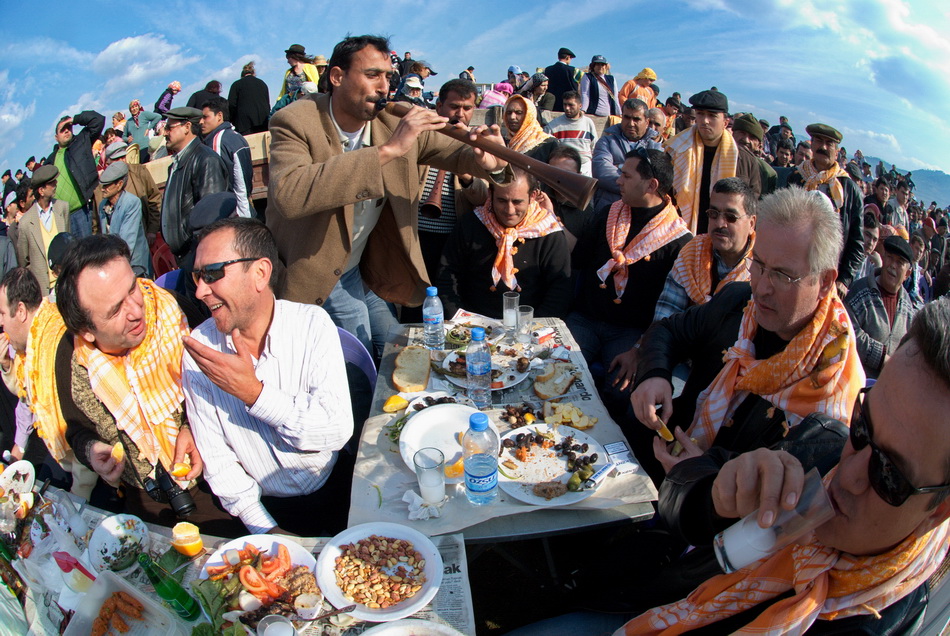
I also saw how music brings people together. At a wedding, the sound of a clarinet could set a gathering in motion and soon draw everyone in. People stopped around a street musician to listen, sometimes to dance, sometimes simply to continue on their way. At times, there was hardly a clear boundary between musician and audience. Those making the music and those joining in became part of the same moment.
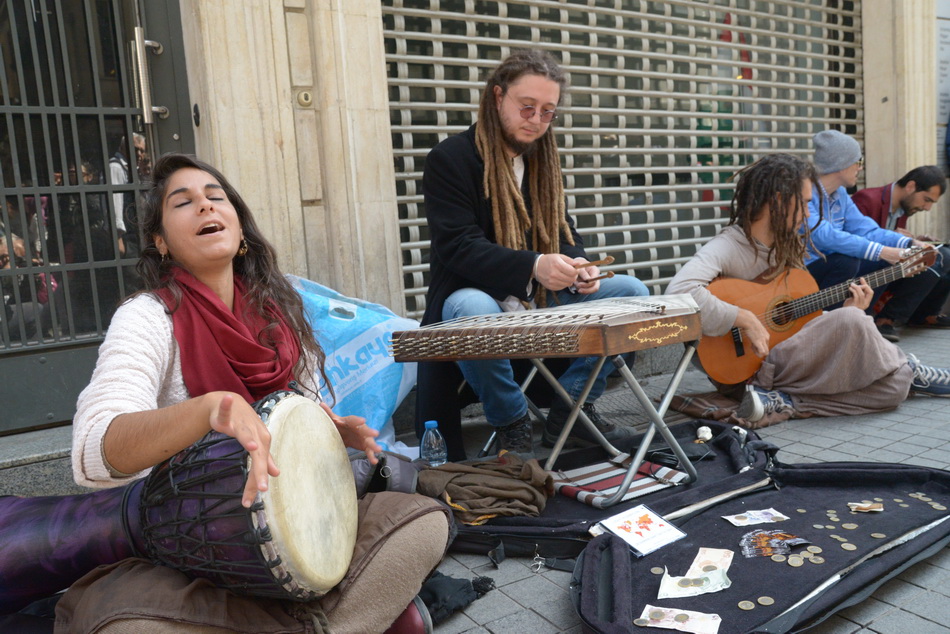
Street musicians I encountered in different countries reminded me that music can be a shared language. Instruments, melodies and traditions may change, yet people's responses to music are often similar. Gathering around a tune, following a rhythm, singing together or simply stopping to listen creates a spontaneous connection across cultures.
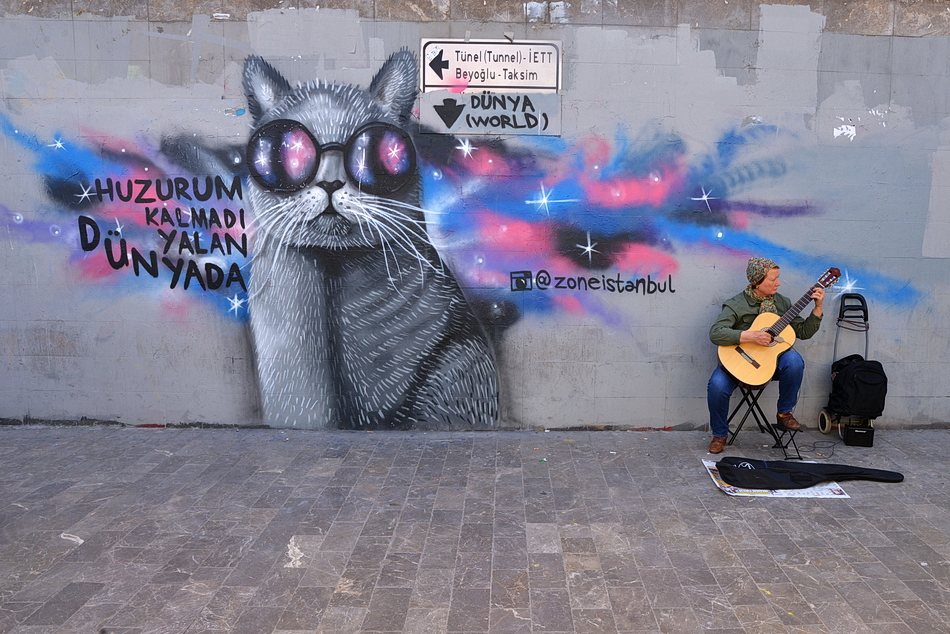
When taking these photographs, I did not want to present the musicians in staged portraits. I wanted to document them in their own surroundings, while they were playing, together with the people and places around them. For me, the pavement where a musician sat, the old wall behind him, the people gathered nearby and the worn instrument in his hands were as much a part of the story as his face.
These photographs were taken at different times and in different places. Each preserves the memory of a separate encounter. Seen together, however, they tell of a shared way of life: people who sustain music not only as an art, but as an inseparable part of daily living, the struggle to earn a living, celebrations and human relationships.
Some instruments may have been nearing the end of their lives. But the bond between the people playing them and their music was still alive. Through these photographs, I wanted to leave a trace of that bond and of those passing moments.