
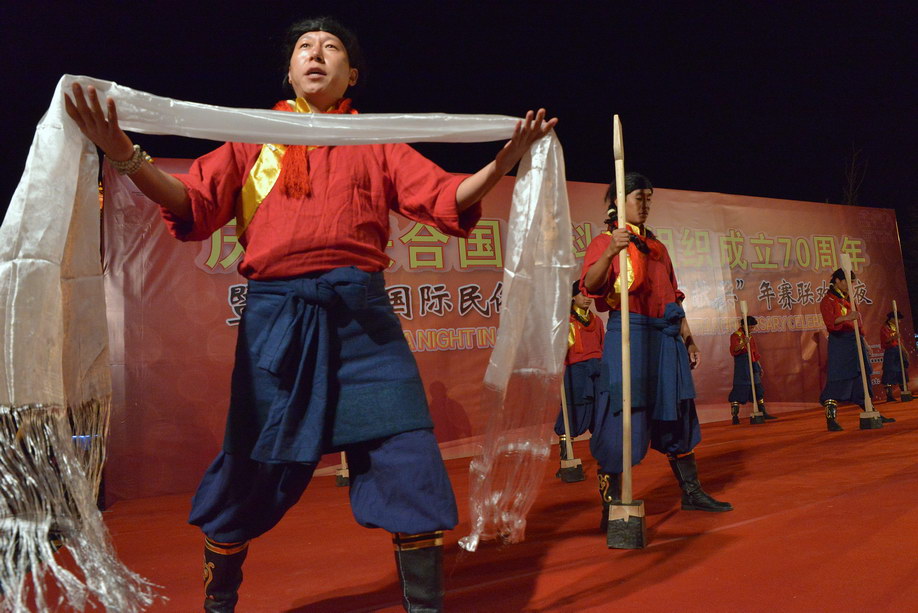

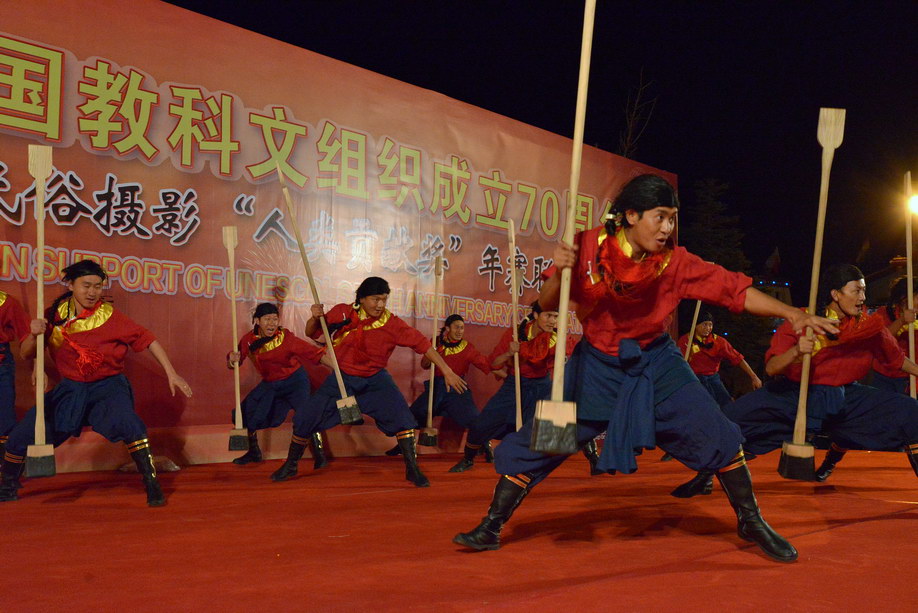
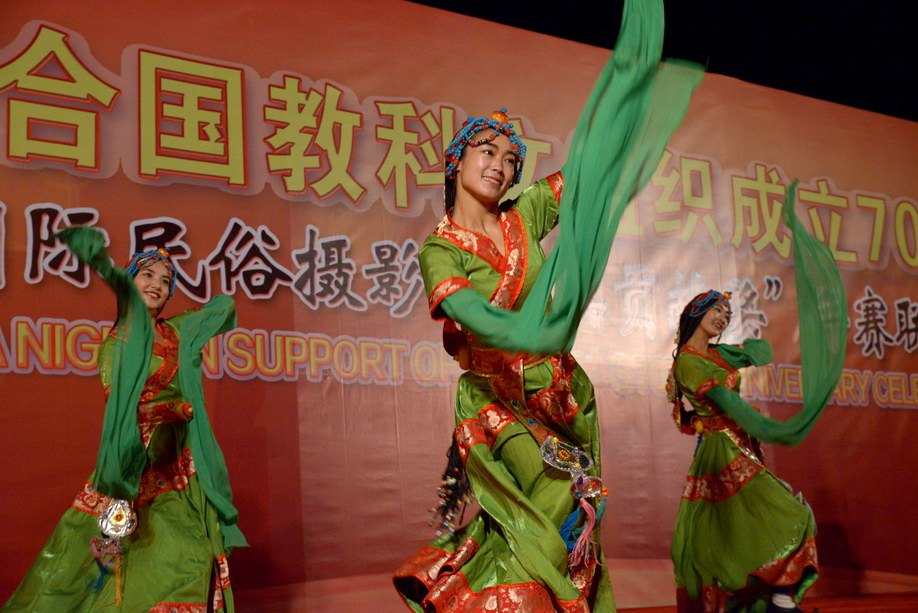


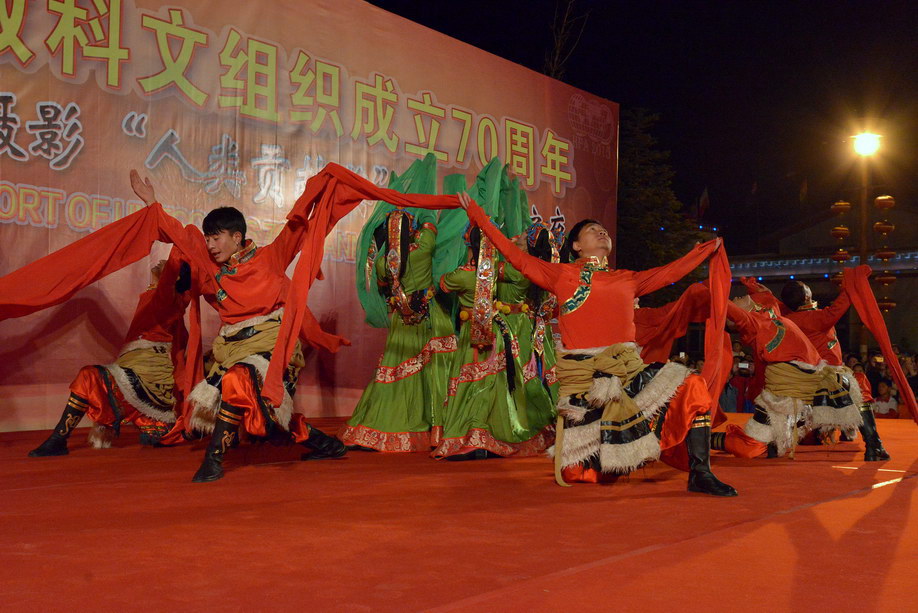
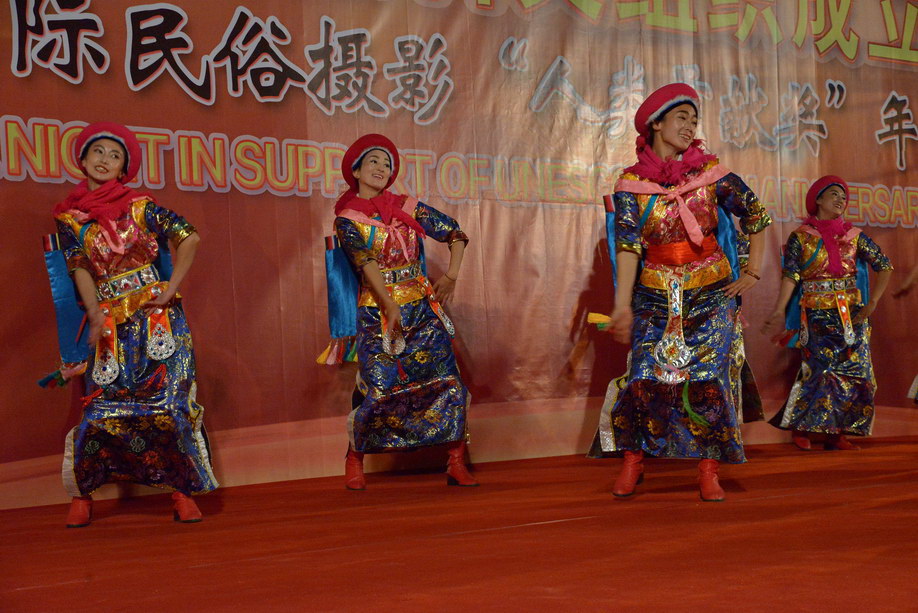
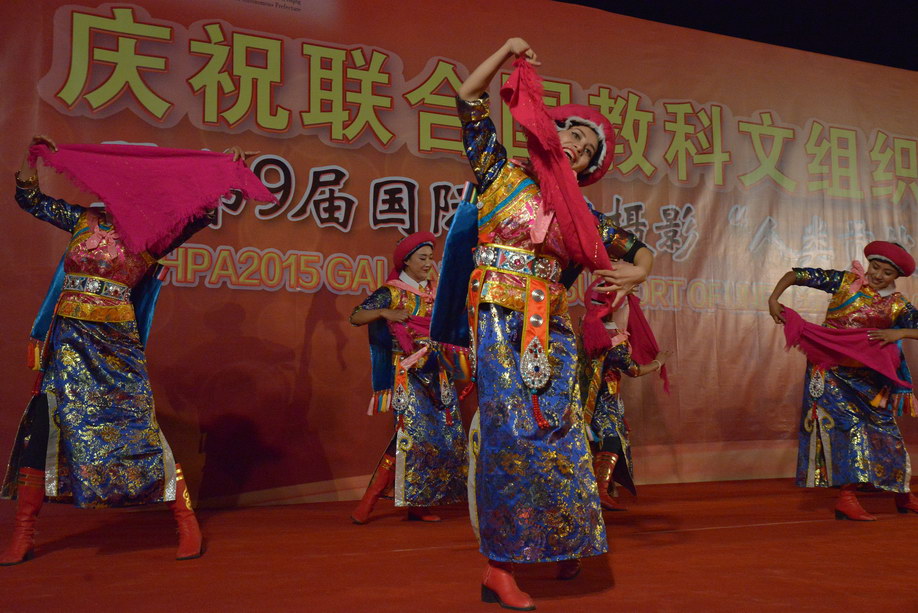
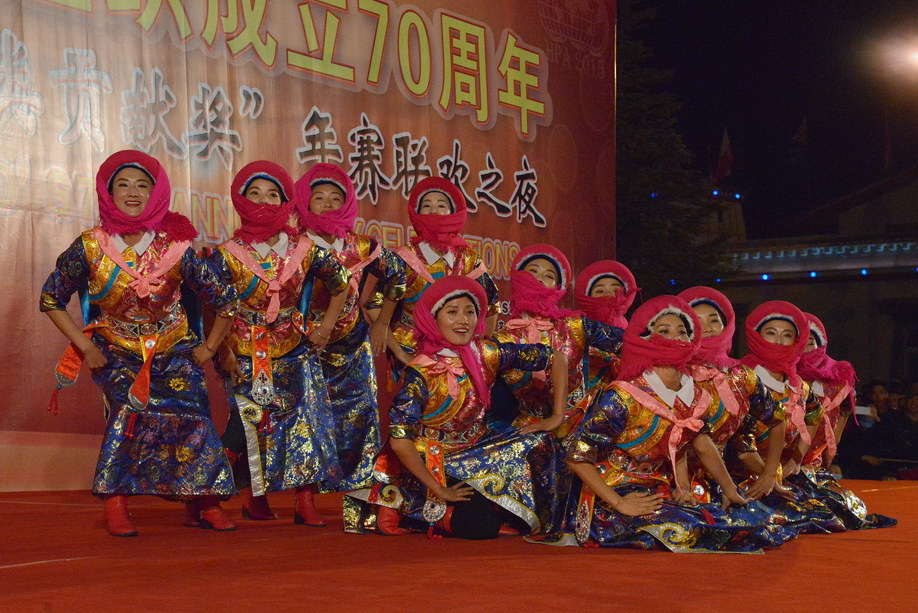
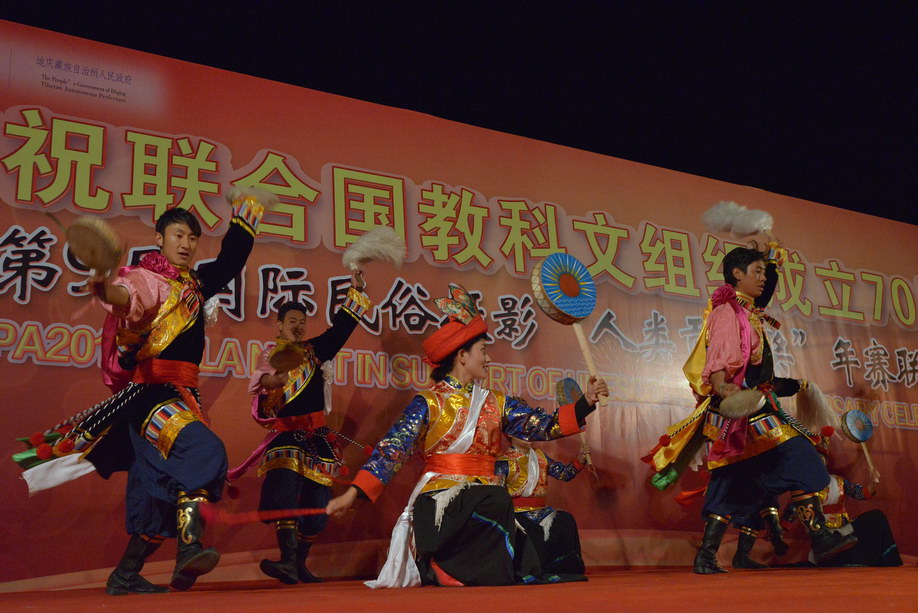

On 18 September 2015, I attended the opening-night programme of the Humanity Photo Awards in Shangri-La, China. The event was organised by the China Folklore Photographic Association (CFPA) in association with UNESCO. I had received three awards in three different categories, and being there among photographers and people from different cultures was an unforgettable experience.
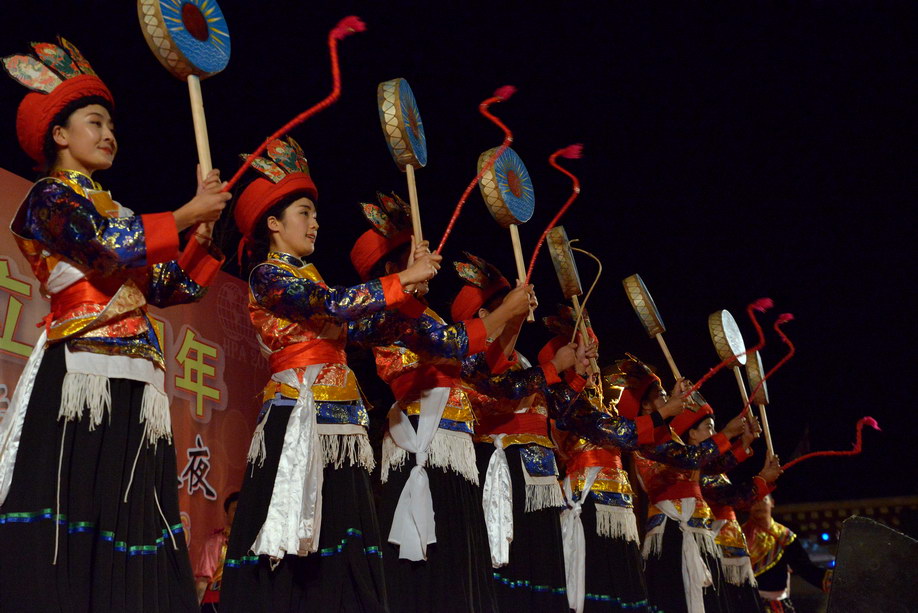
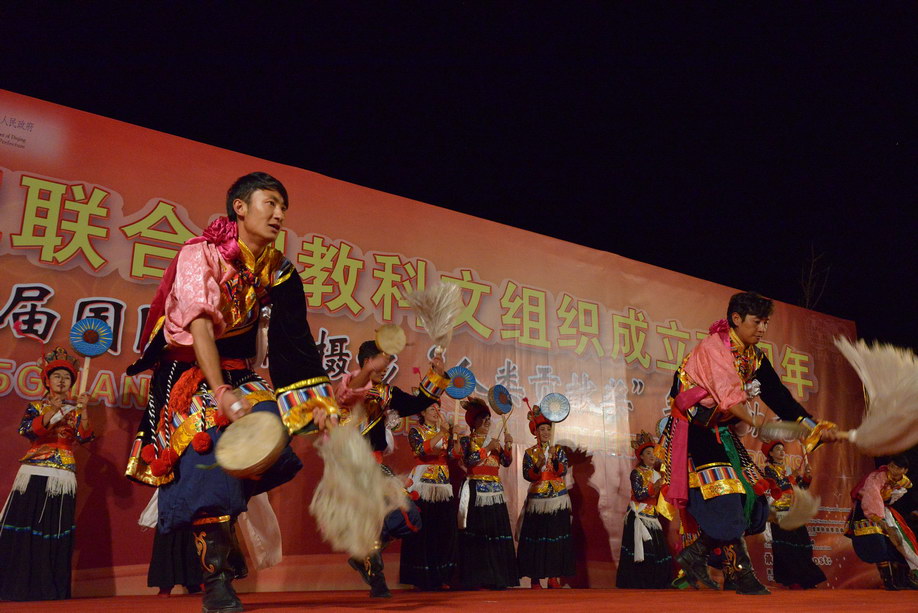
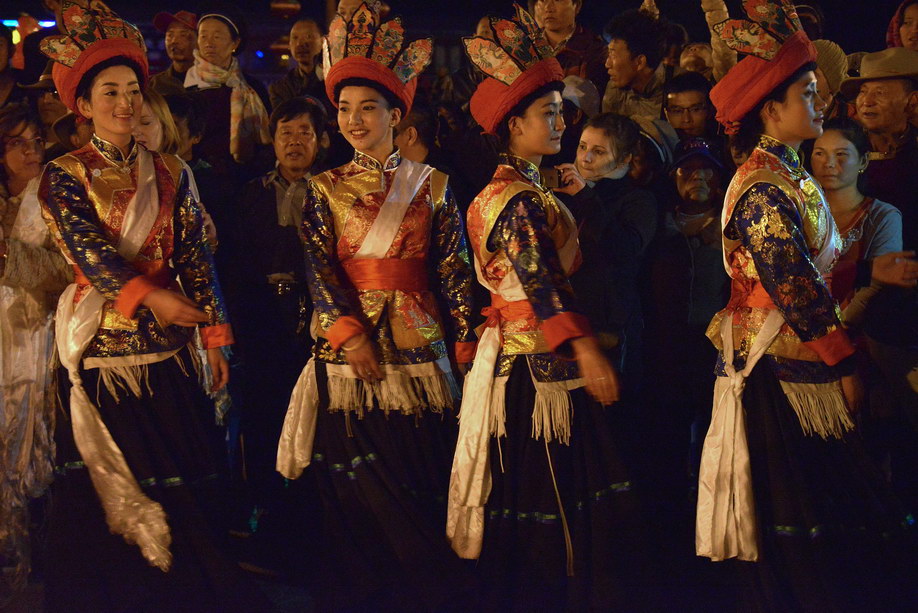
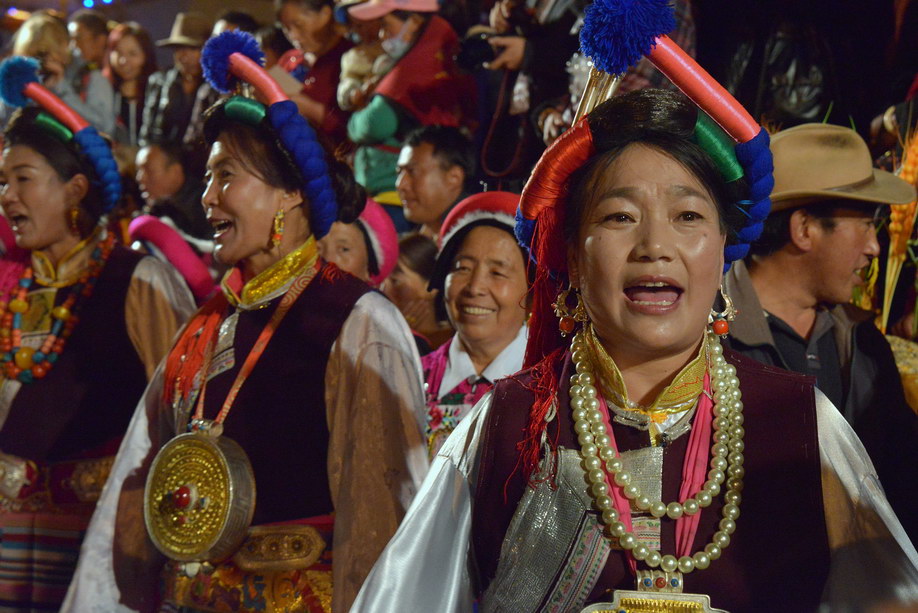
The organisers prepared a rich cultural programme in the large open area in front of the building where the award-winning photographs were exhibited. Traditional Tibetan dance groups performed in colourful regional costumes. Their movements, music and costumes gave the evening an energy quite different from the formal presentation of awards.
The Tibetan cultural world encompasses a wide range of regional traditions. Dance may accompany community celebrations, festivals and other occasions, and costumes often reflect local styles and histories. It would be misleading, however, to assign a particular story or ritual meaning to these performances without knowing the names and origins of the individual dances.
I photographed the performers as they moved together, watching the patterns formed by their bodies and the changing expressions on their faces. For me, the attraction was not only the colour of the clothing but also the concentration, rhythm and sense of shared participation that a still photograph can sometimes preserve.
I wished I had been able to spend more time speaking with the dancers about the stories behind their performances. A conversation with the people who carry a tradition can reveal meanings that are not visible in a photograph. On that evening, I could observe and record, but I could not learn everything I wanted to know.
This series of sixteen photographs is therefore a personal record of a remarkable evening in Shangri-La: a celebration of photography that also gave me a brief encounter with living Tibetan performing traditions. I remember it both as a moment of recognition for my own work and as an opportunity to turn my camera towards the cultural life around me.