
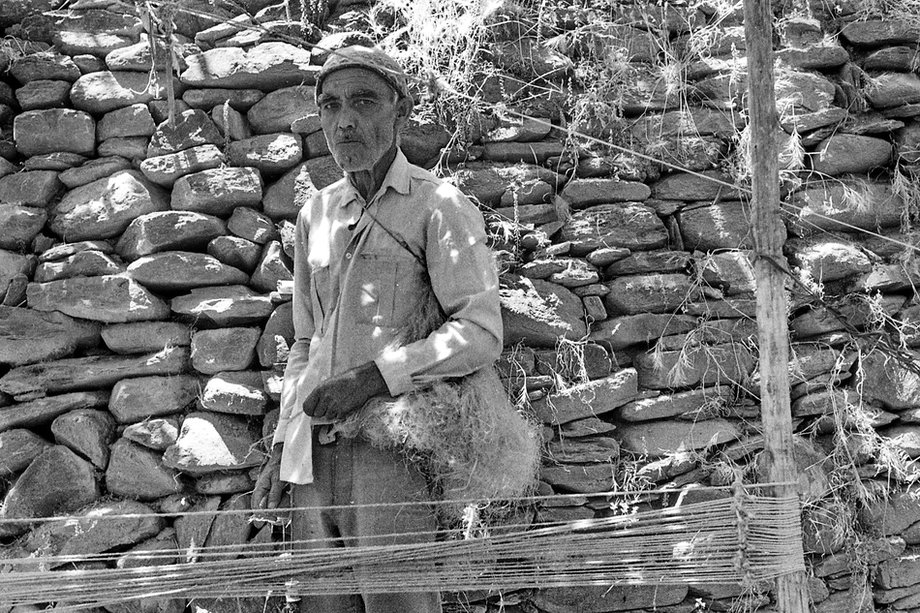
In 1999, while photographing traditional crafts in Tire, near İzmir, I met Ali Usta. I was told that he was the only person in the town still making rope entirely by hand. Rope had once been essential to farming and everyday work, but industrial production had largely replaced the old methods. I visited Ali Usta several times, hoping to understand his craft and photograph the different stages of his work.
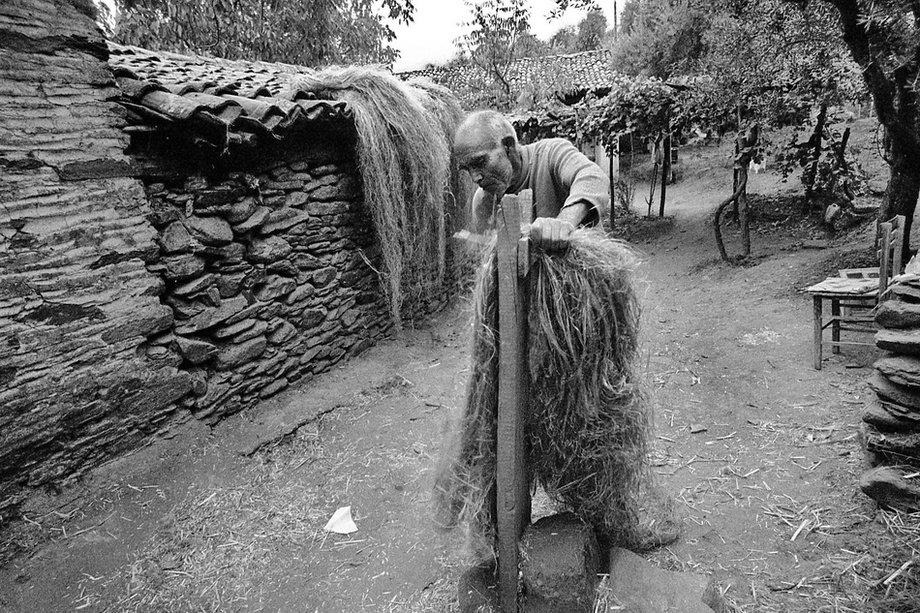
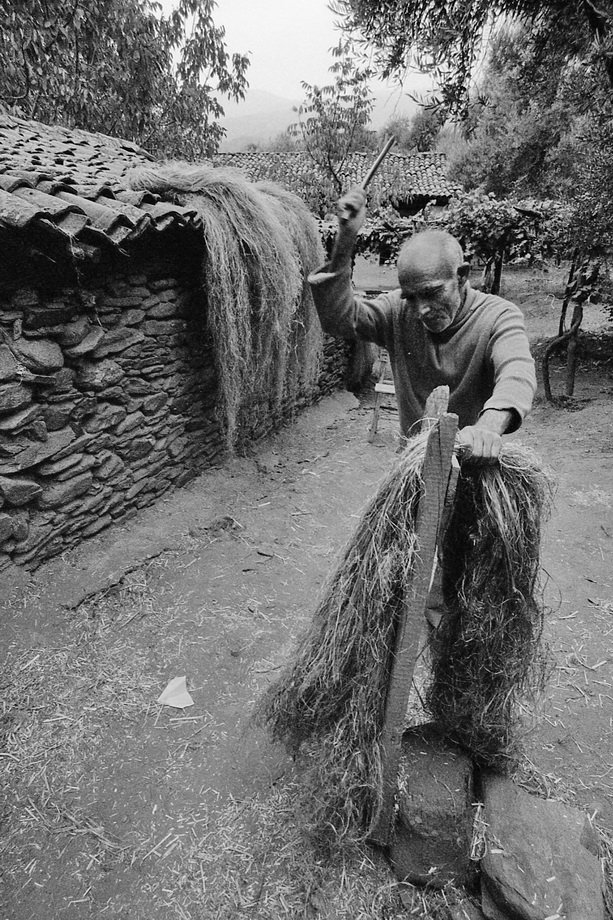
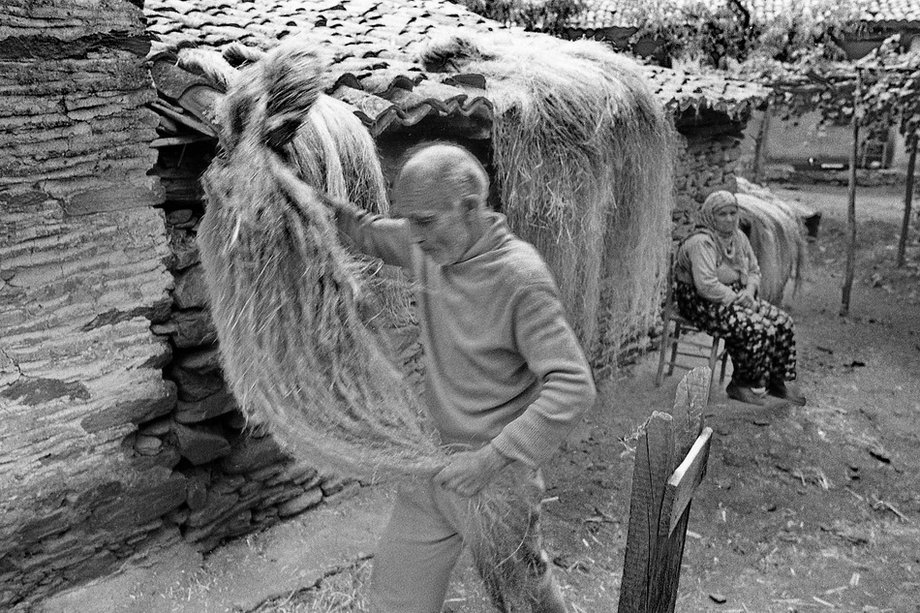
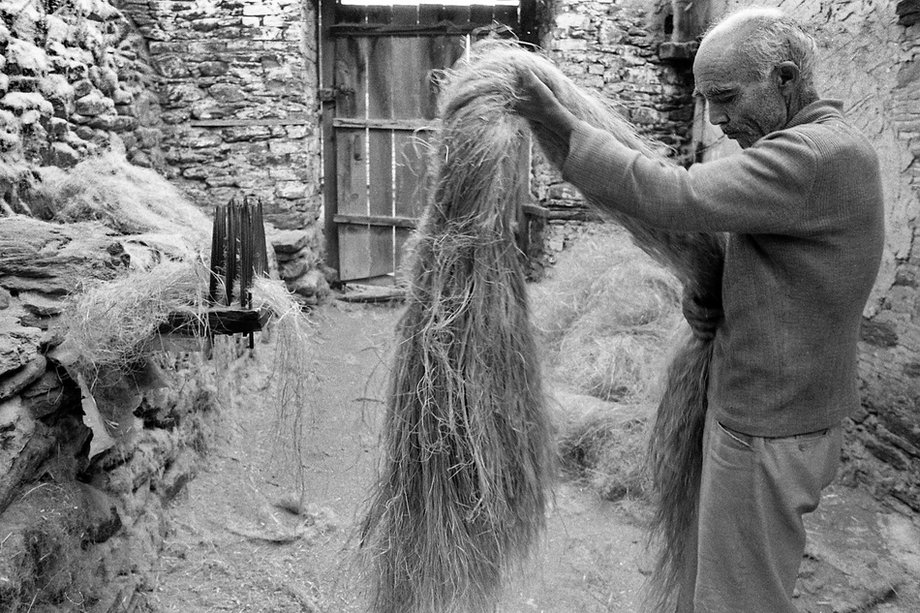
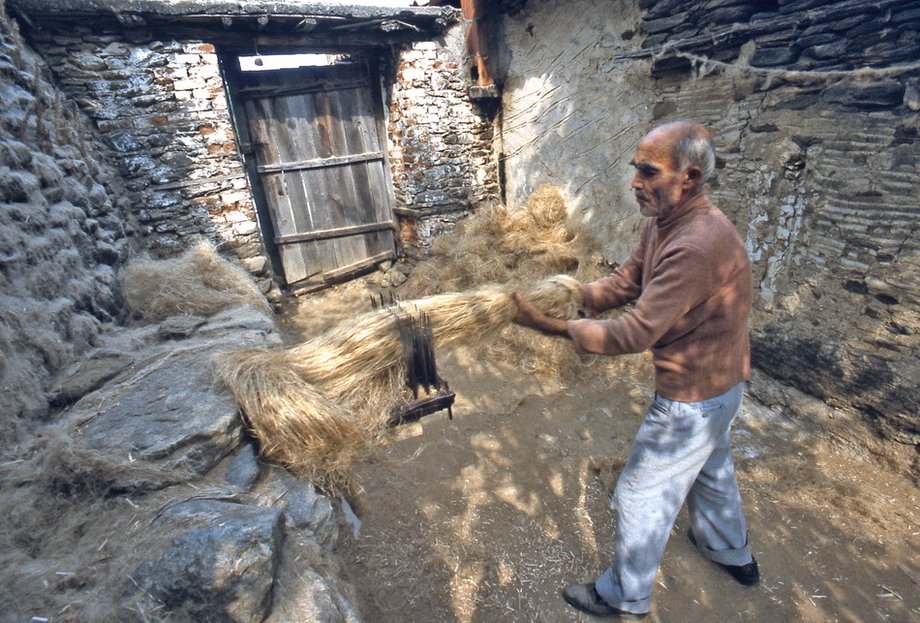
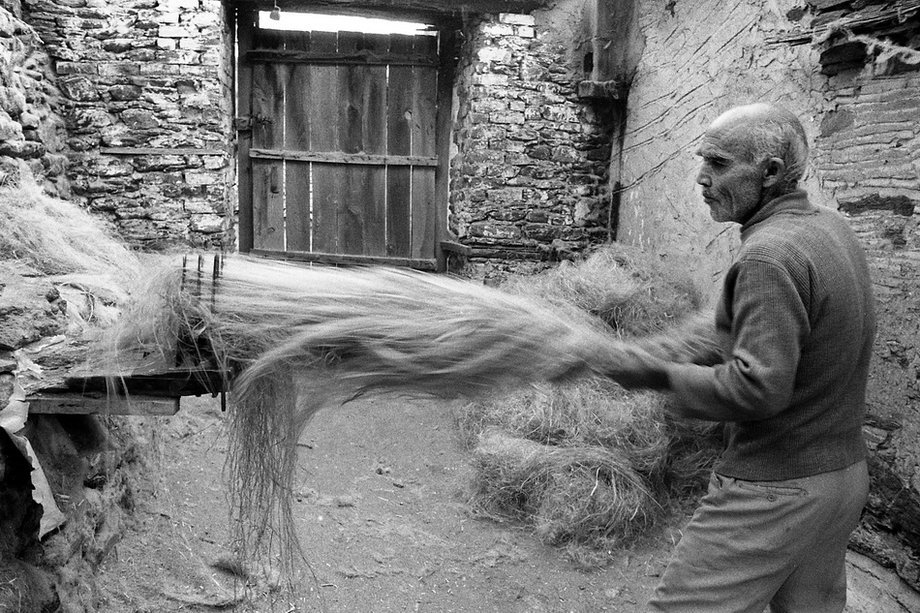
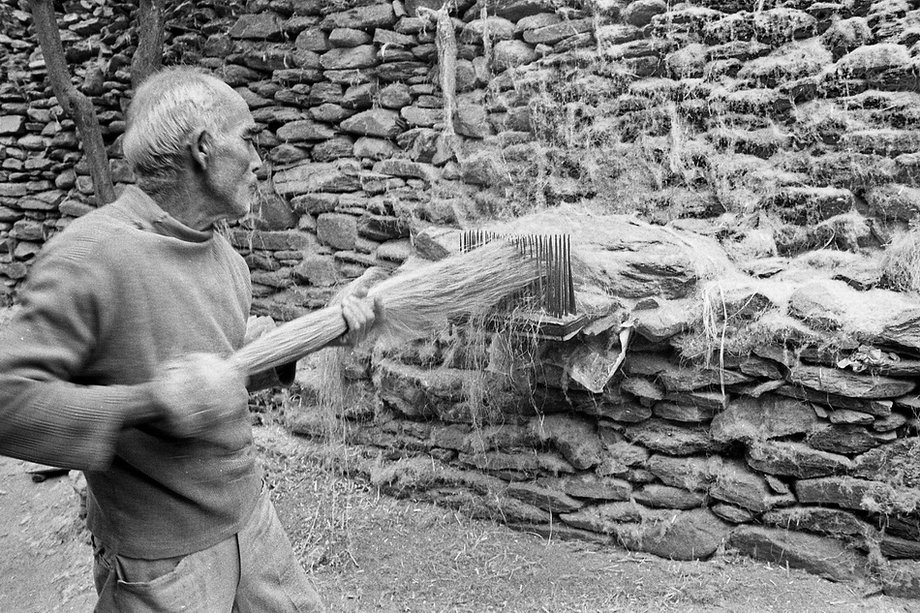
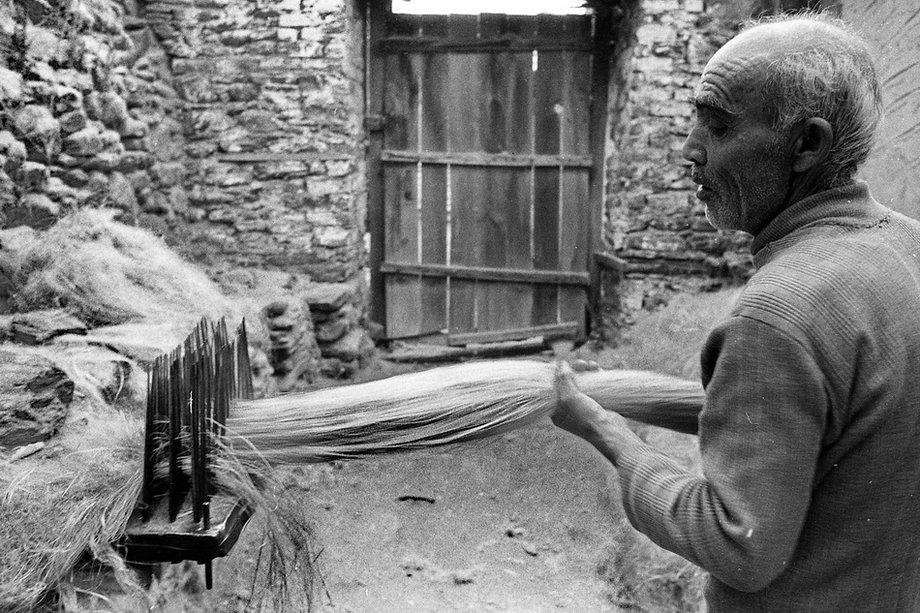
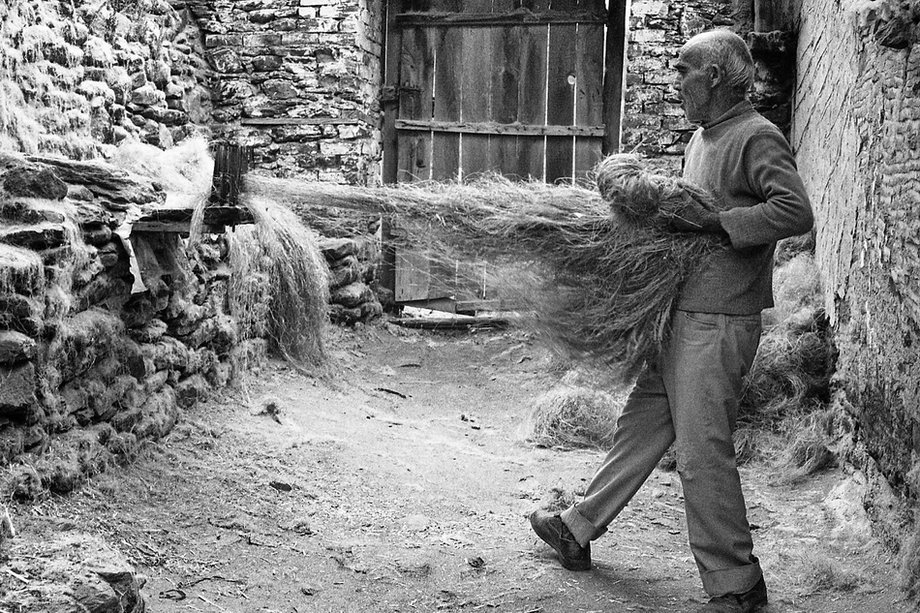
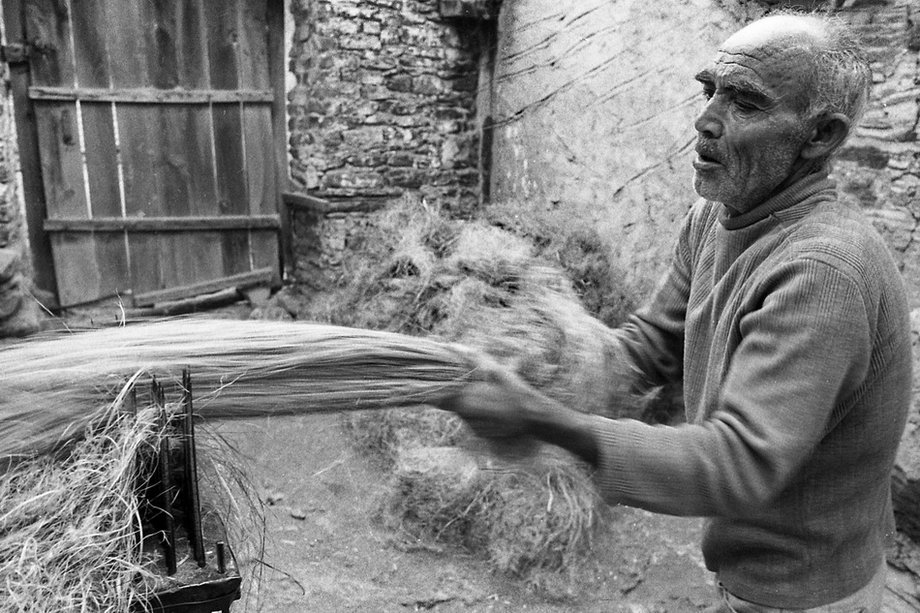
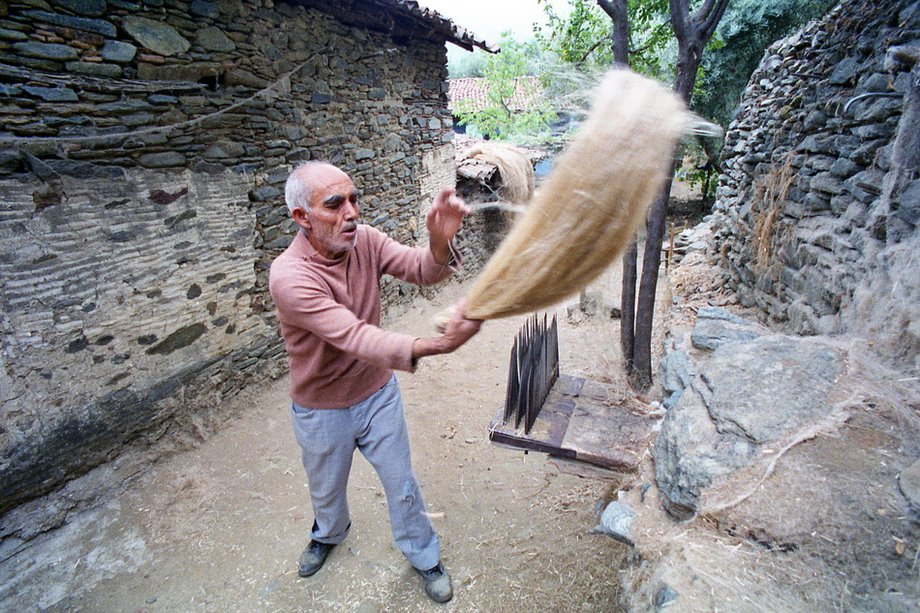
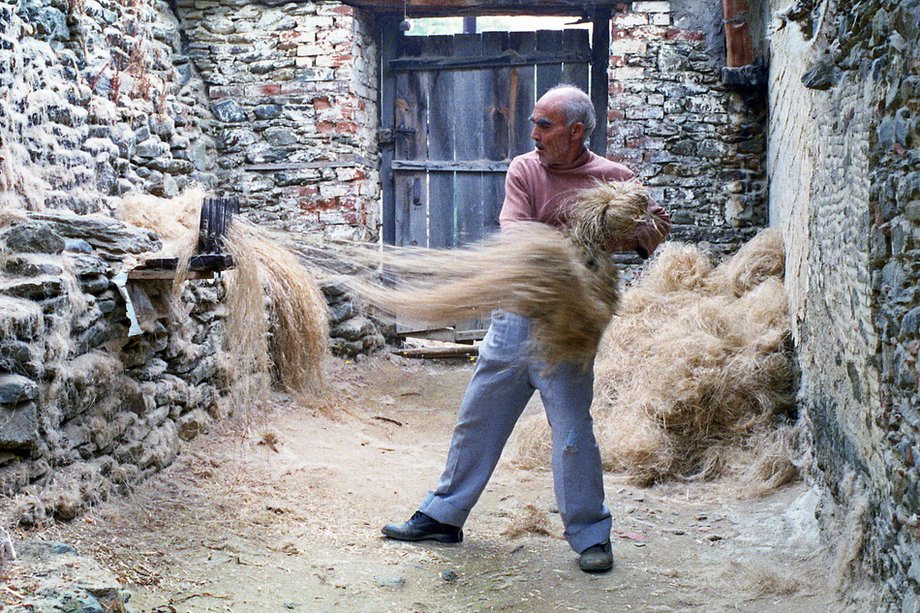
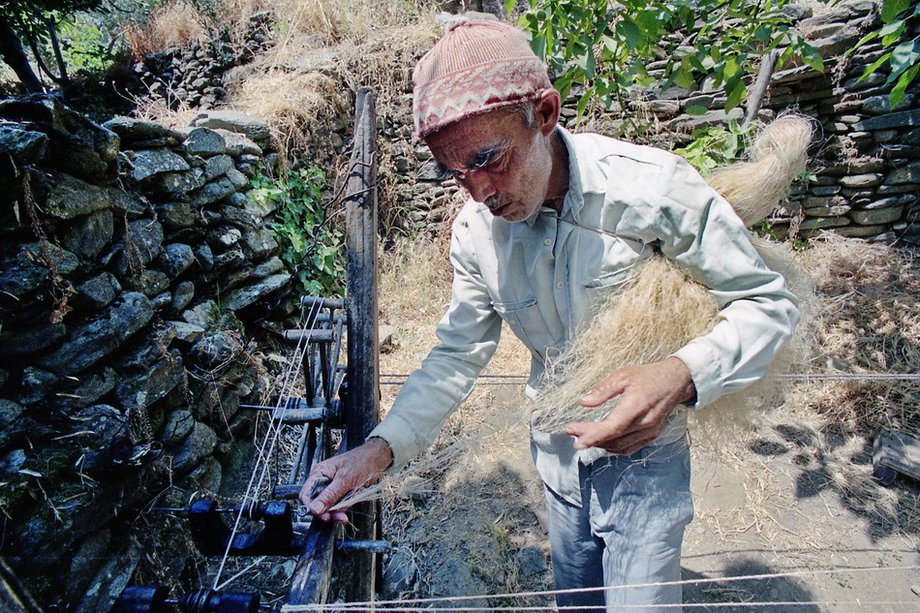
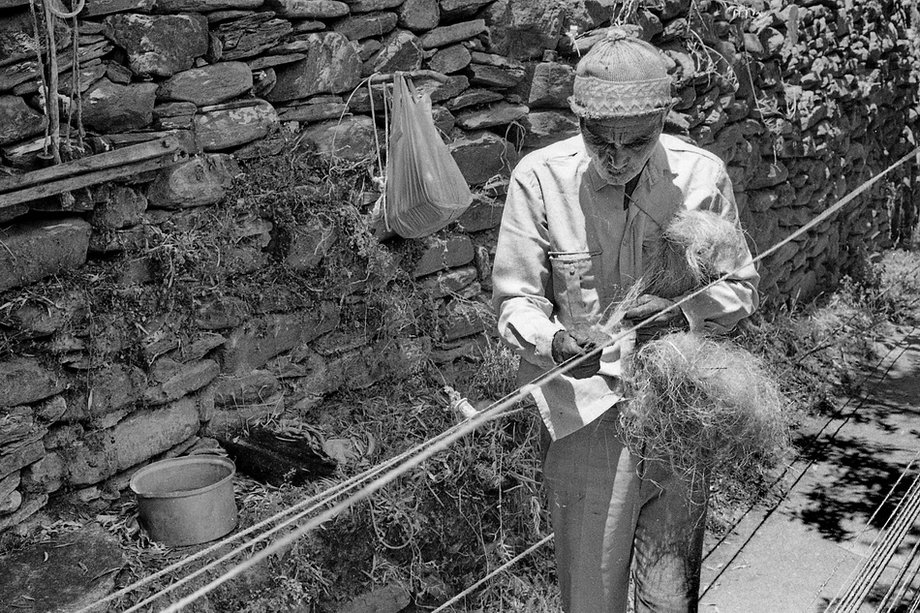
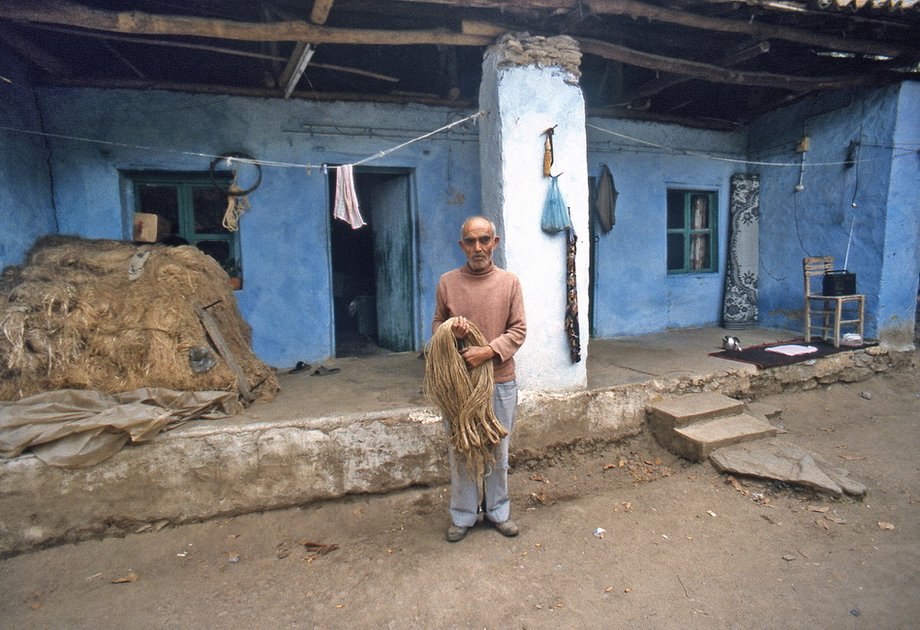
His workplace was an old courtyard enclosed by stone walls. Bundles of long fibres lay in the corners, tools hung nearby, and the space was arranged around the demands of rope making. Ali Usta told me, as I recall, that the fibres he used were imported from Malaysia. I cannot now identify the plant with certainty, but I remember the striking contrast between the distant origin of the material and the traditional methods he used to transform it in Tire. He lifted, shook and separated the fibres before preparing them for twisting.
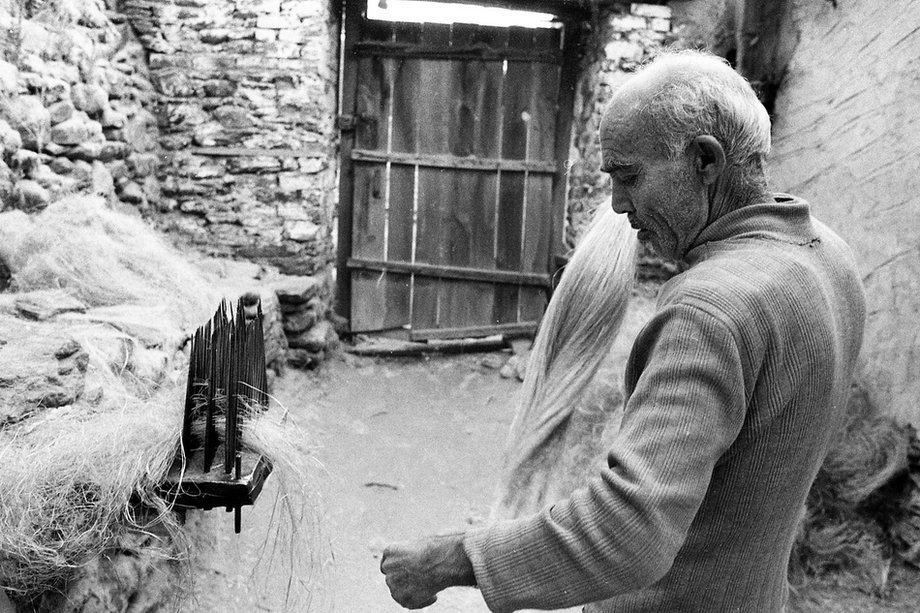
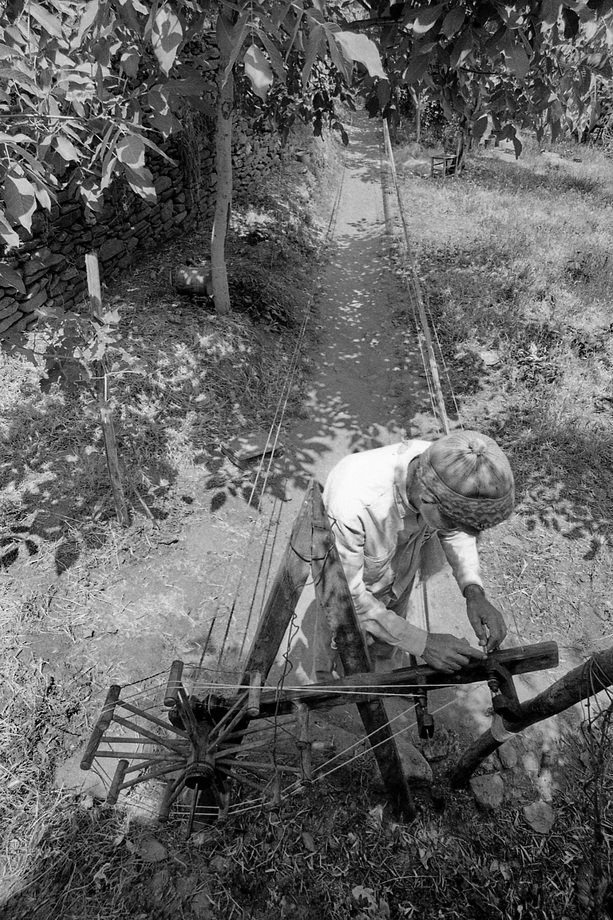
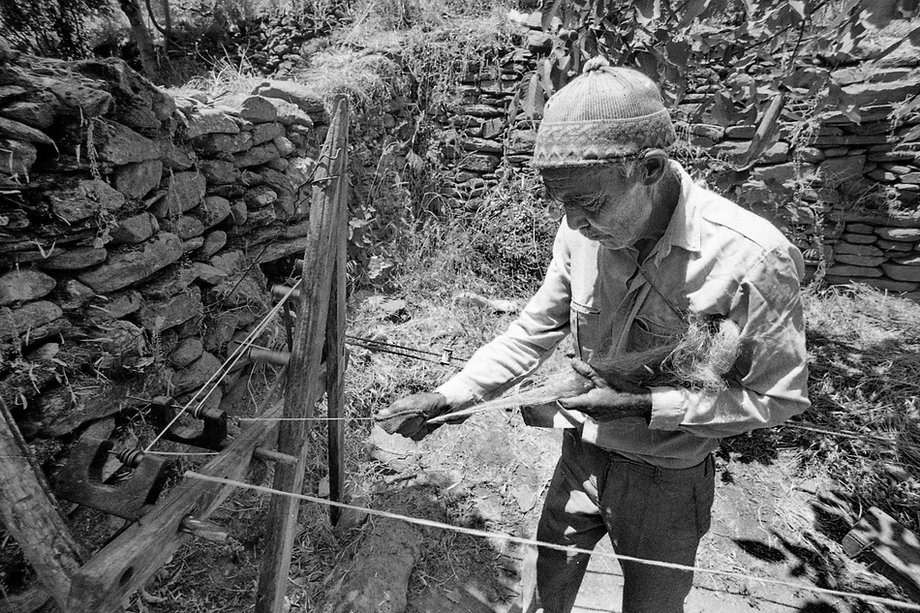
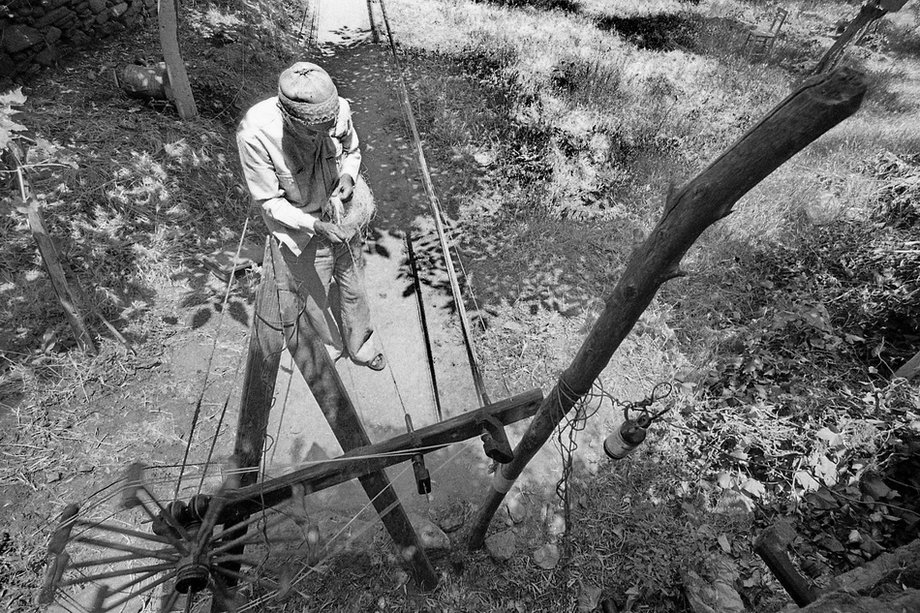
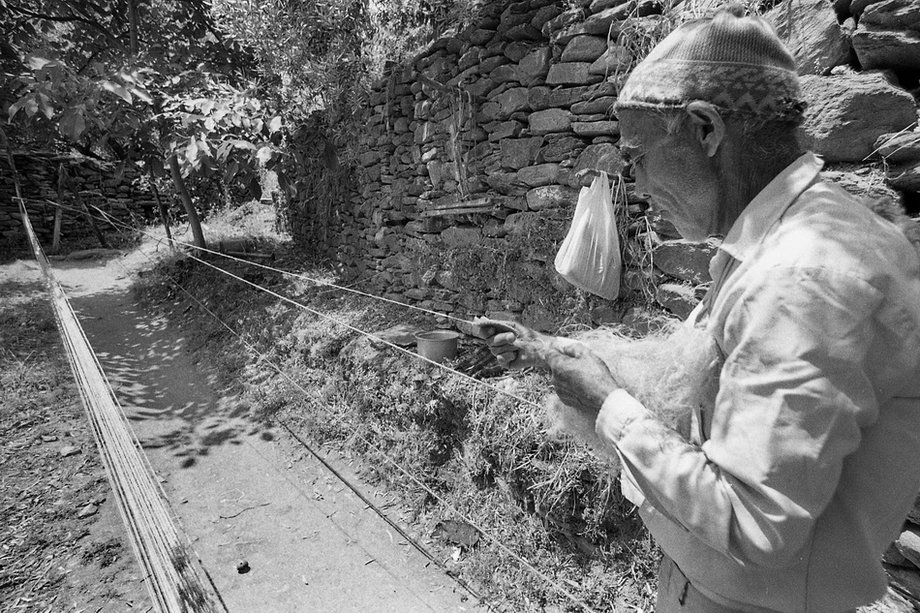
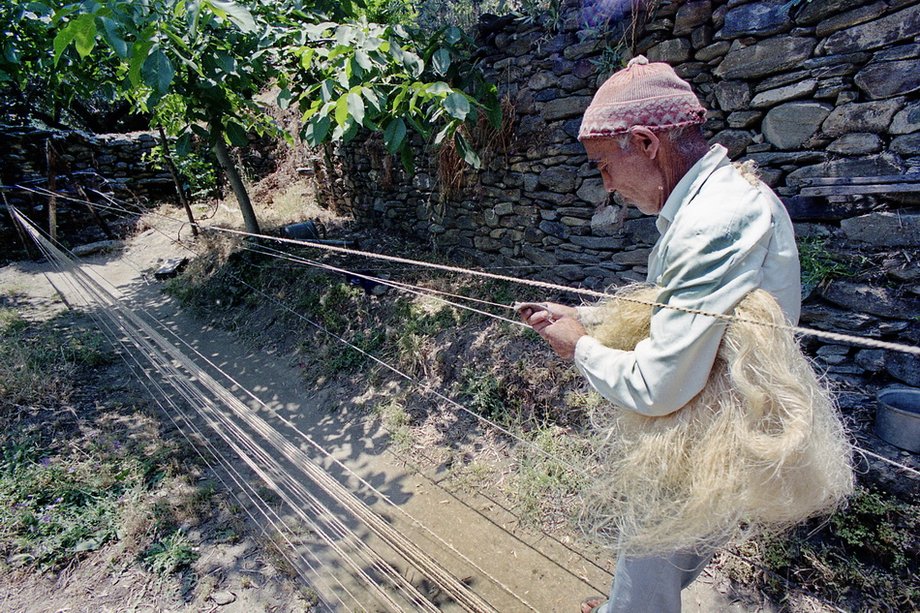
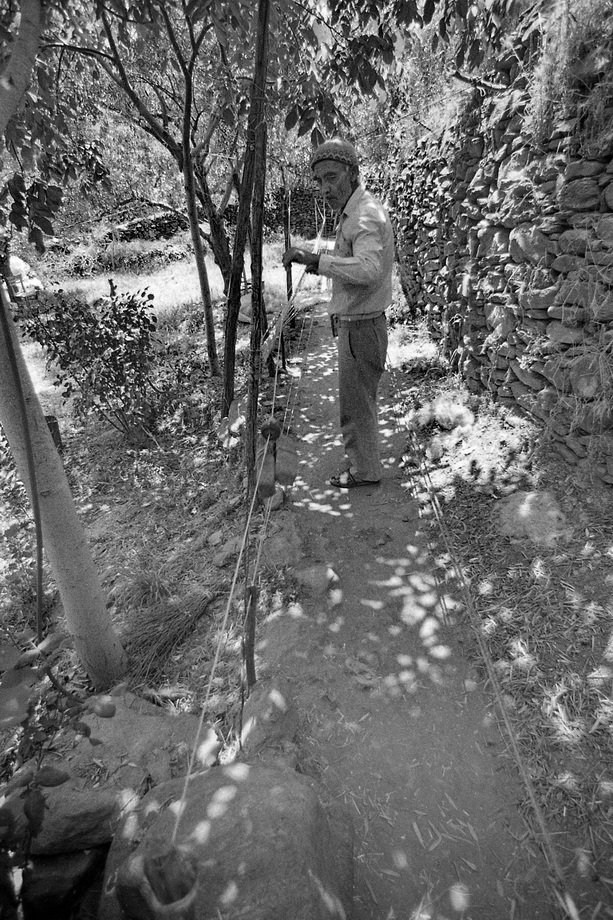
The next stages depended on careful control of tension and twist. Ali Usta drew out the fibres, fed them into the working strands and used his simple equipment to bring them together. The length of the courtyard gave him room to stretch the material. As the strands were twisted and combined, they became a stronger rope. The equipment was modest, but every movement required experience: too little tension or an uneven supply of fibre could affect the result.
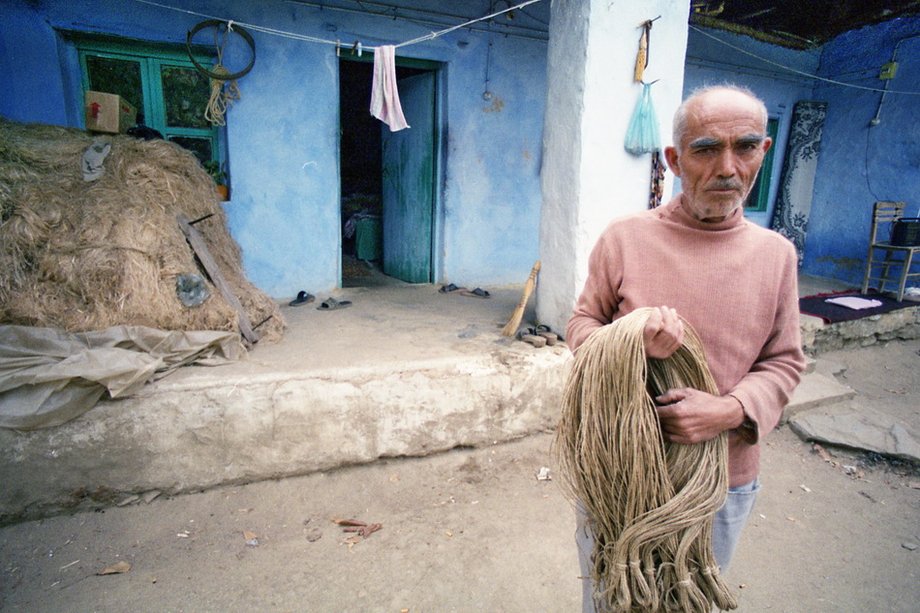
My photographs follow his hands and gestures as well as the setting in which he worked. In some frames he carries a large bundle of fibres; in others he separates the strands or attends to the rope taking shape. The stone walls, wooden doors, scattered fibres and handmade apparatus are part of the story. I worked in both black and white and colour, looking for different ways to convey the texture of the material, the rhythm of his movements and the atmosphere of the courtyard.
When I look at these photographs today, I see more than a record of how rope was made. They are also a portrait of a man who continued to practise a skill that had become rare in his town. I did not know what future awaited the craft, but I understood the importance of photographing Ali Usta while he was still at work. My visits to Tire in 1999 left me with a record of a traditional process and, above all, of the person whose knowledge kept it alive.