
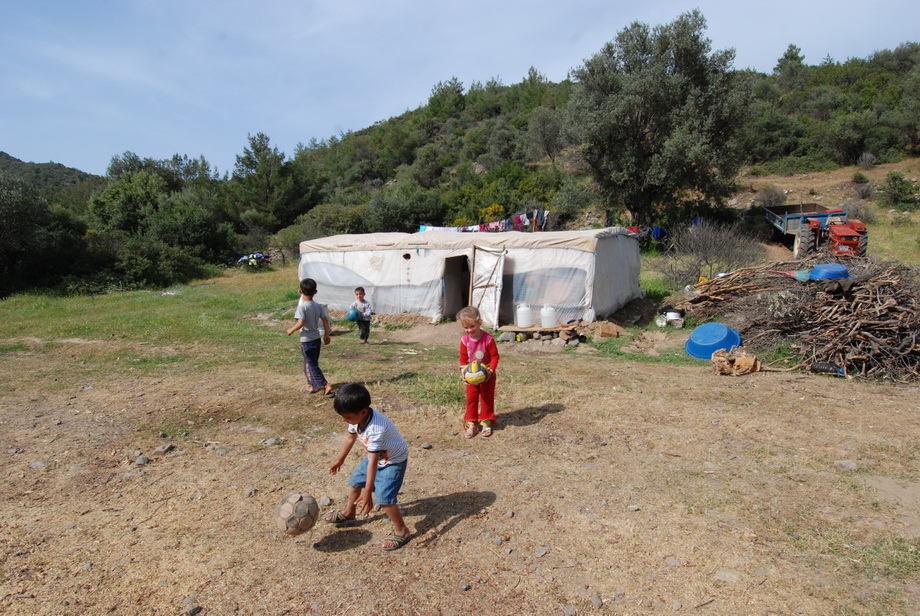
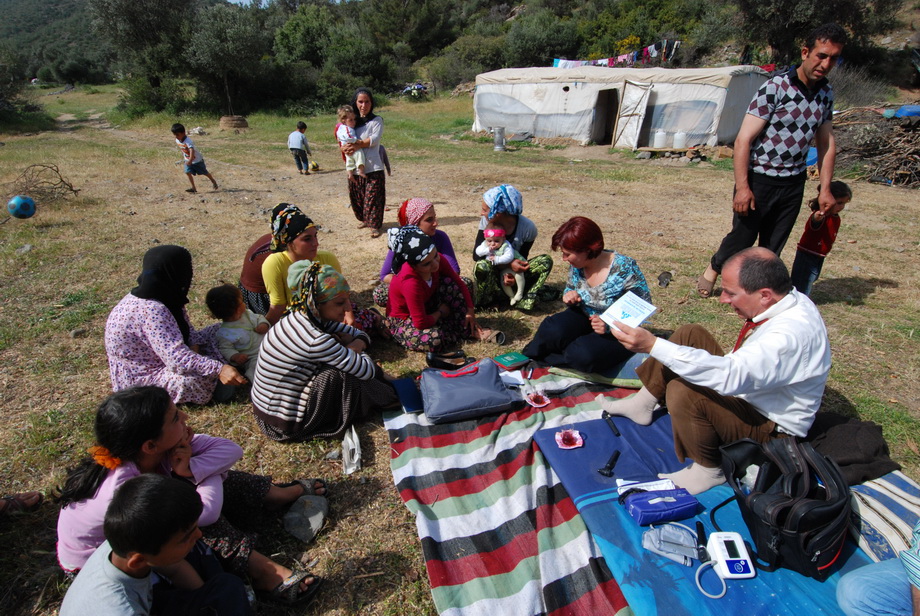
For nearly two years, I travelled through the mountains of the Aegean region with a village doctor while working on my documentary photography project, A Village Doctor’s Diary. On one of our journeys to remote villages and temporary workers’ camps, we met a group of people producing charcoal by traditional methods in the forest. While the doctor carried out health examinations for those living in the camp, I photographed his visit.
After the health checks were completed, I spoke with the charcoal makers about my photographic work and asked for their permission to document their lives and their craft. As they returned to their tasks, I joined them. What began as a journey to record a village doctor’s work opened the door to another story, shaped by fire, earth and human labour.
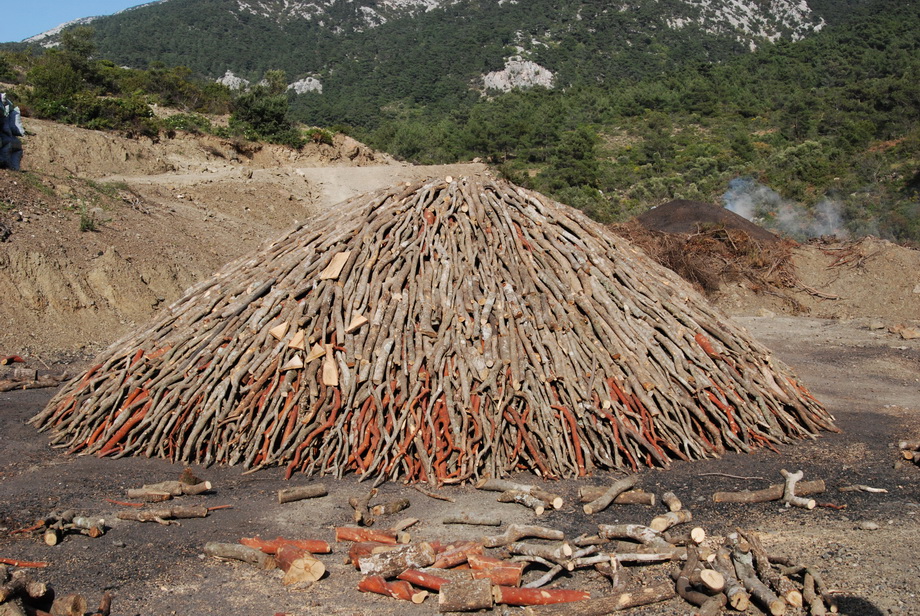
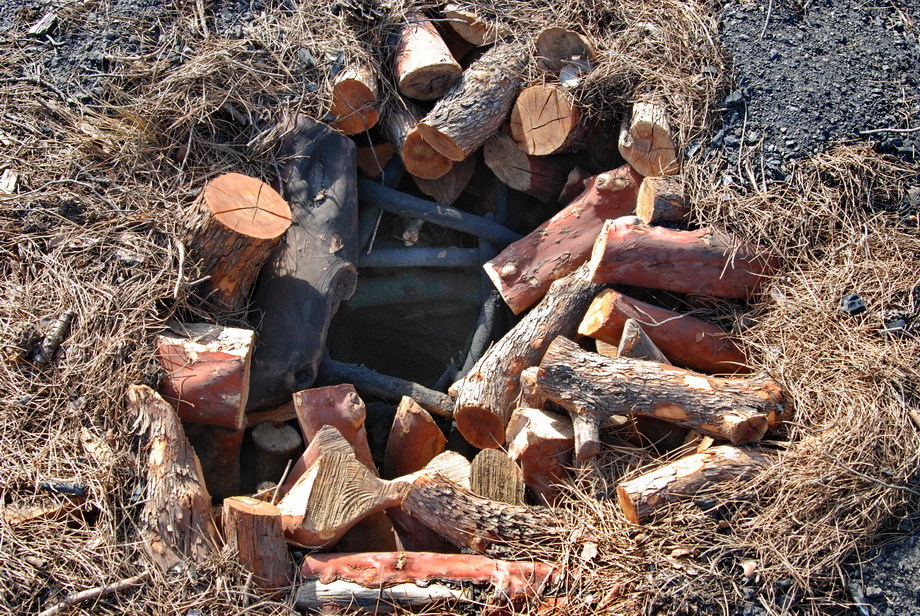
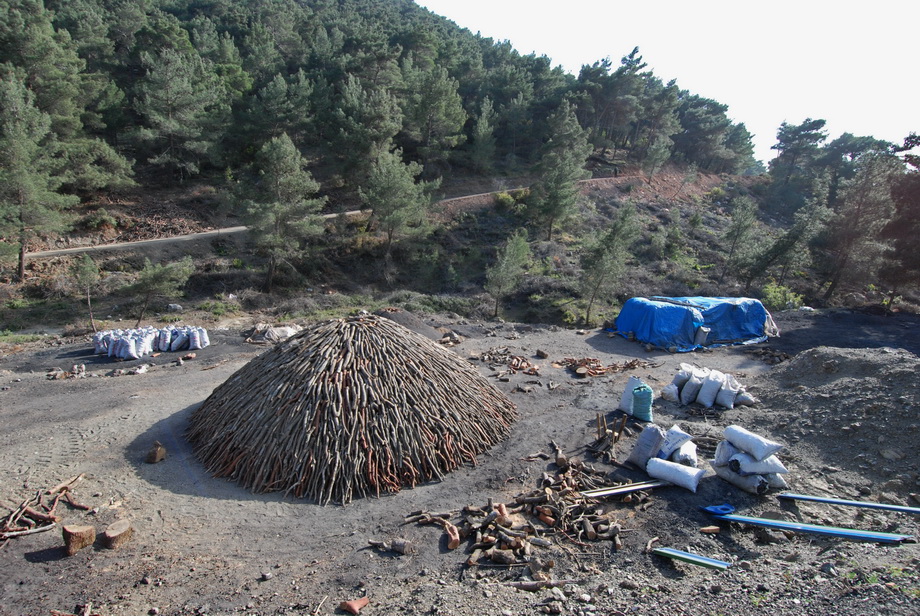
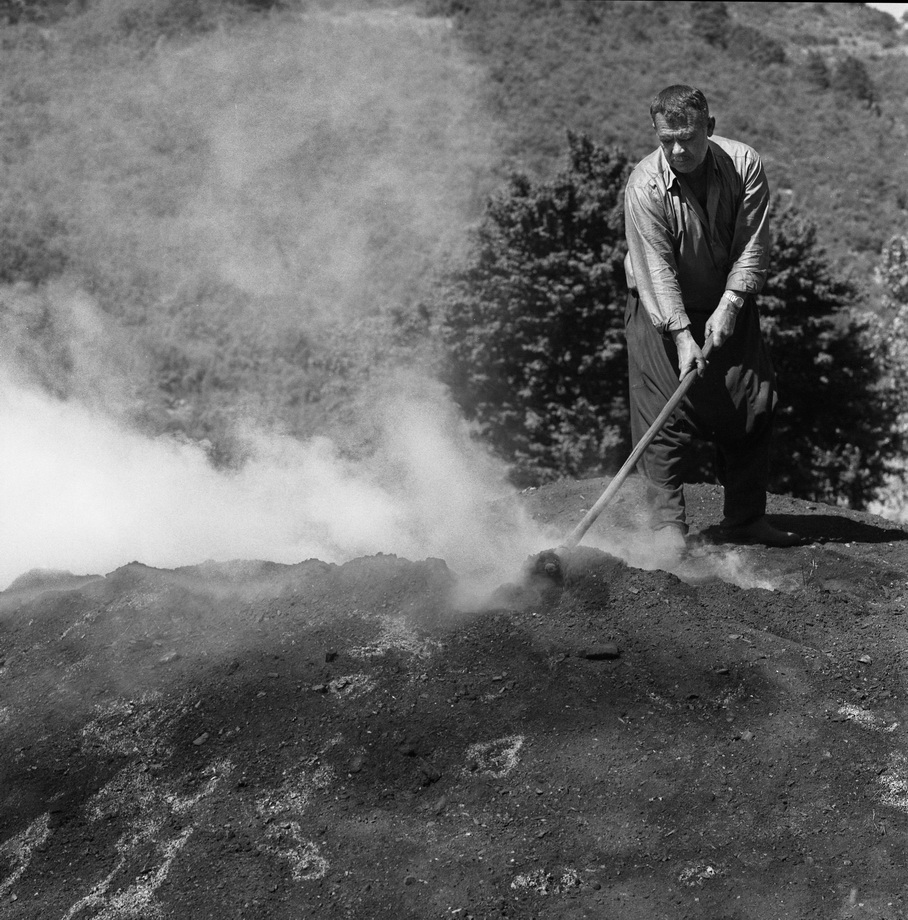
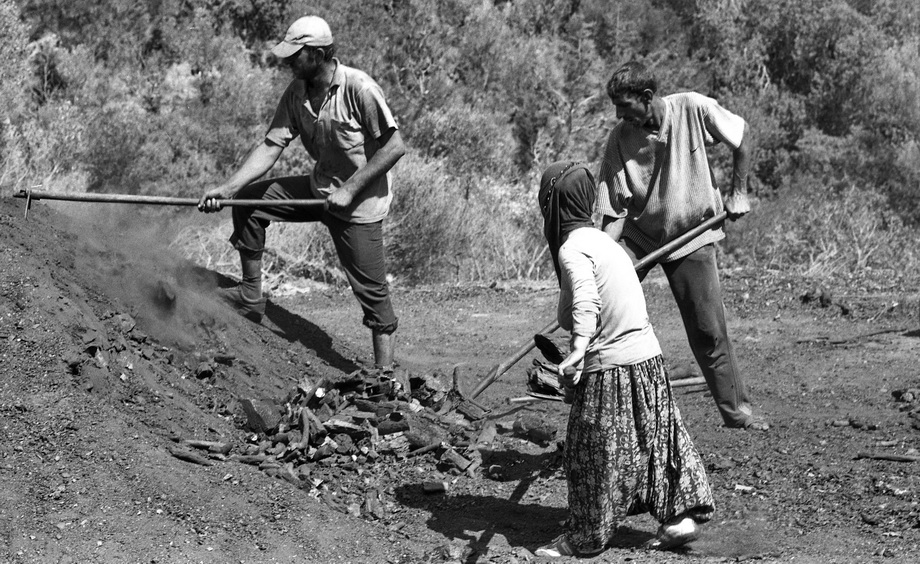
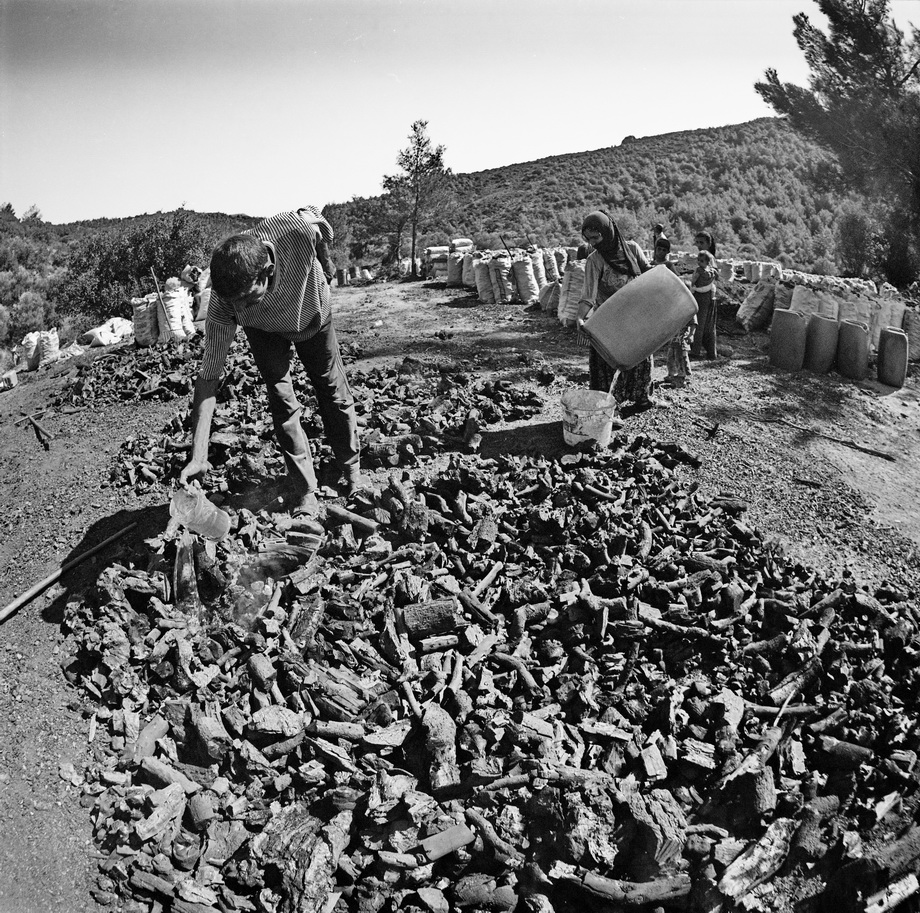
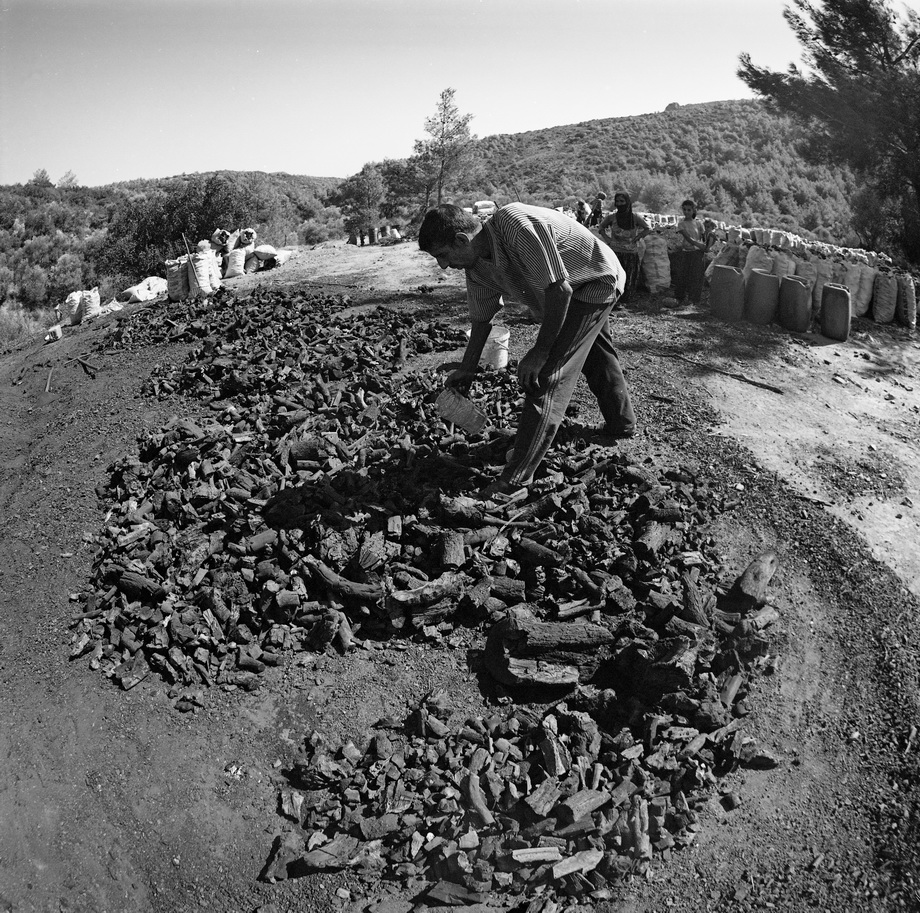
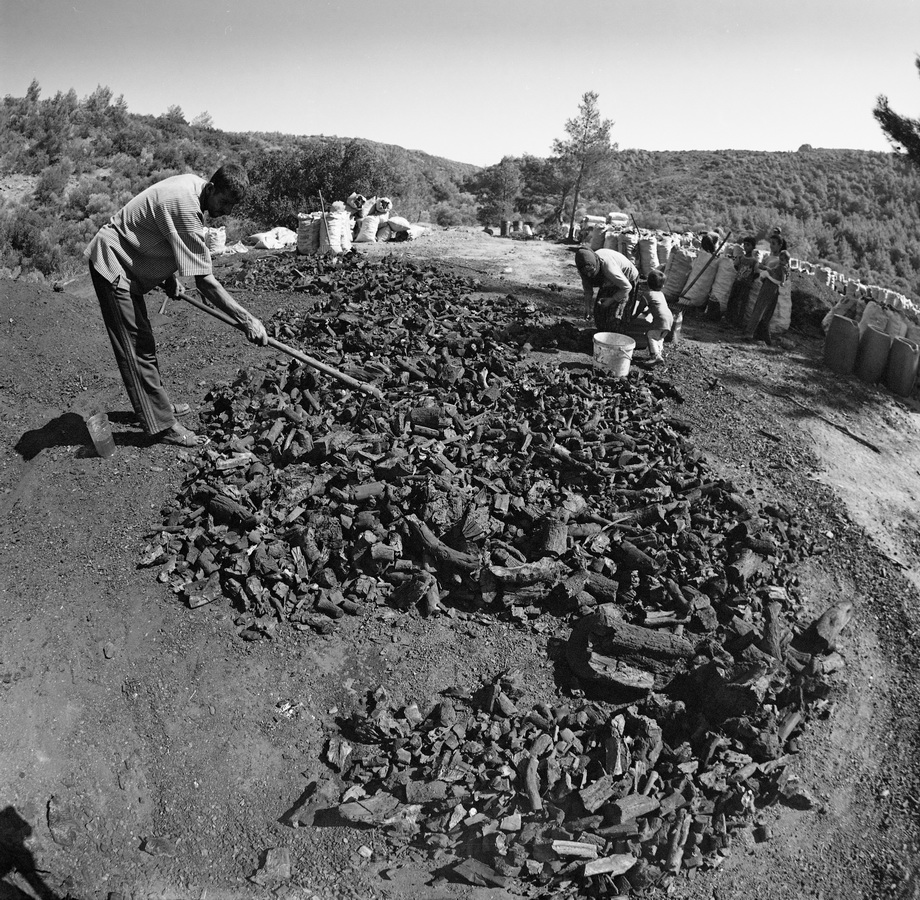
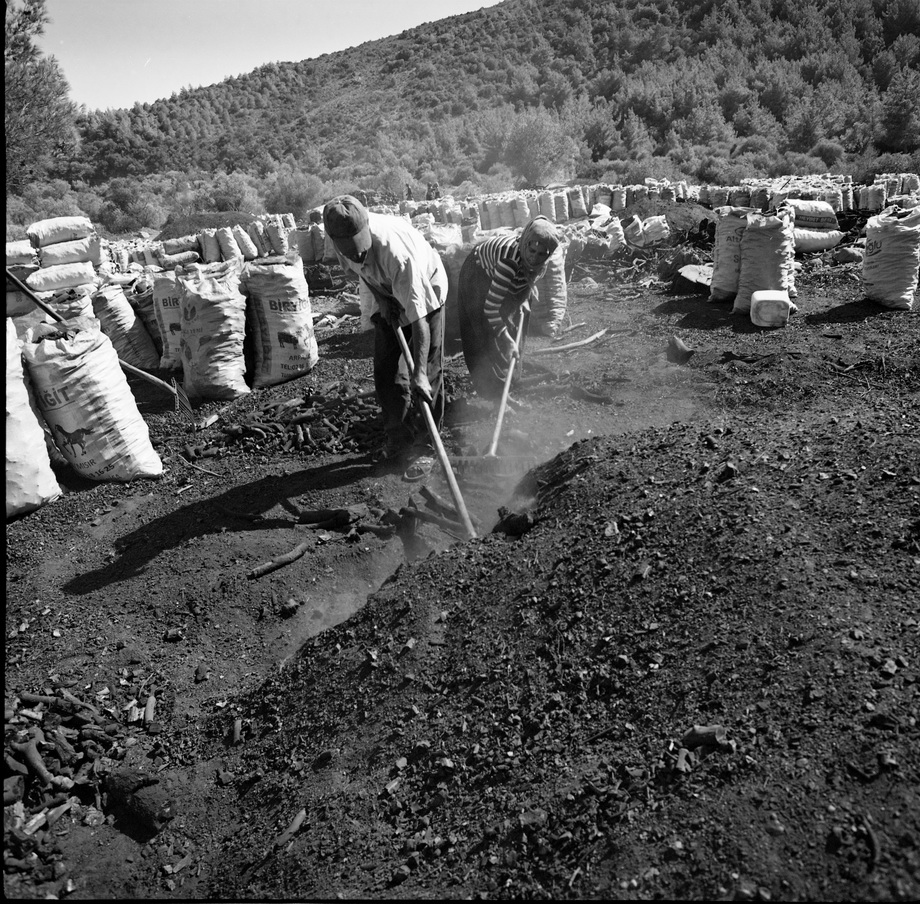
Charcoal making is a demanding craft with a long history in Anatolia. The workers, known as torlukçular, arrange prepared wood in carefully constructed piles and cover them with earth and other materials. Inside these mounds, called torluk, the wood slowly turns into charcoal over several days with a limited supply of oxygen. Managing the heat and airflow requires experience. The colour of the smoke and changes in the mound’s surface help experienced workers judge what is happening within. A small mistake can turn days of work into ash.
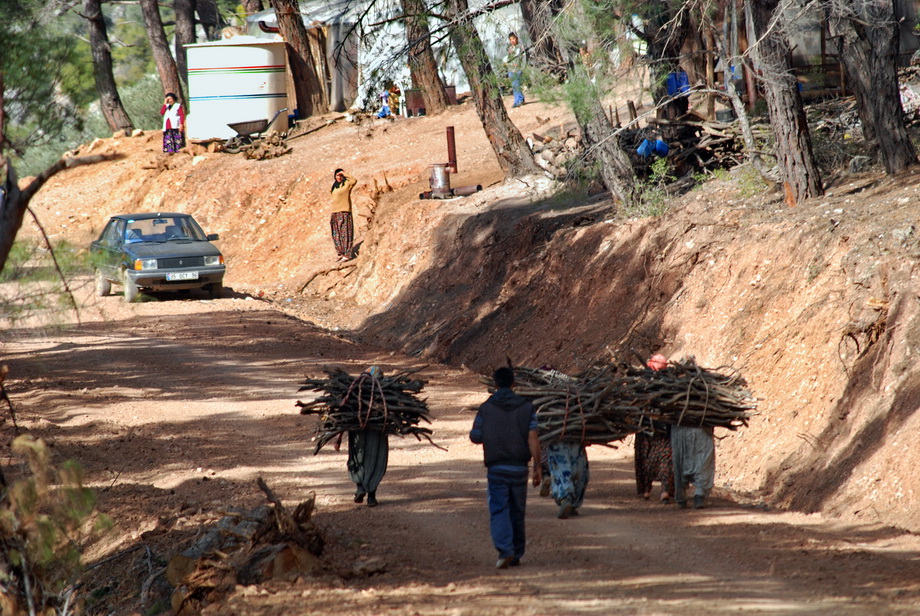
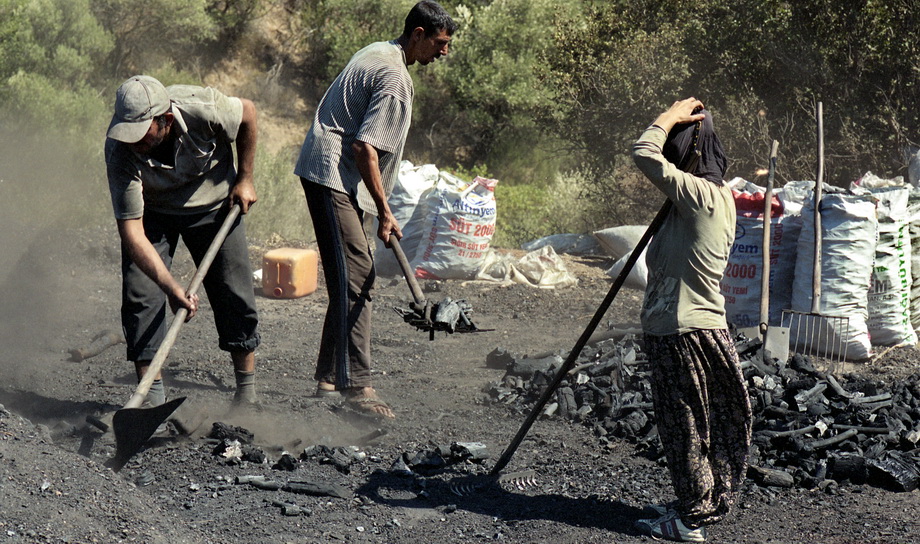
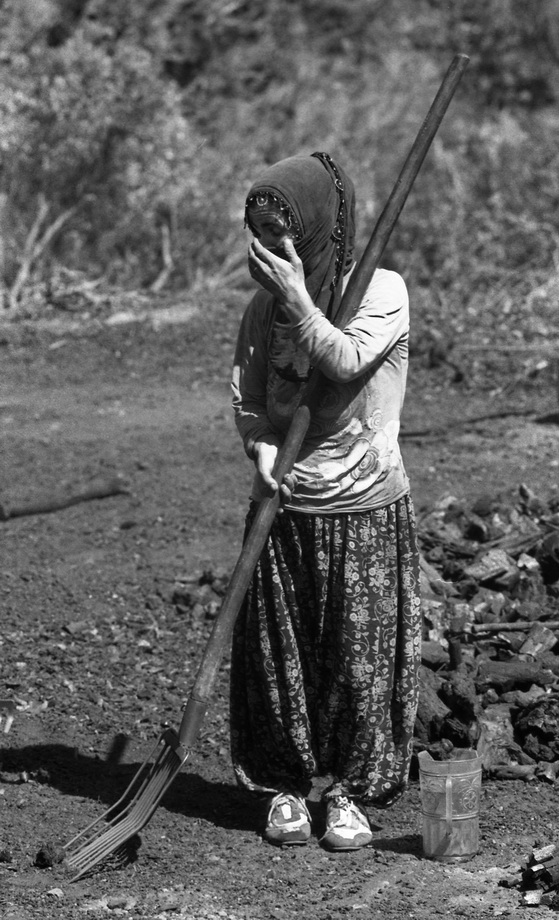
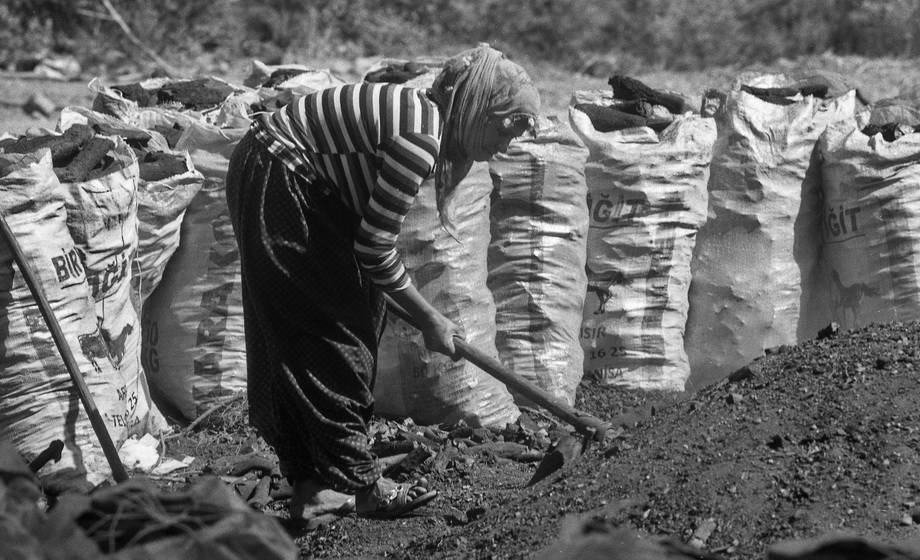
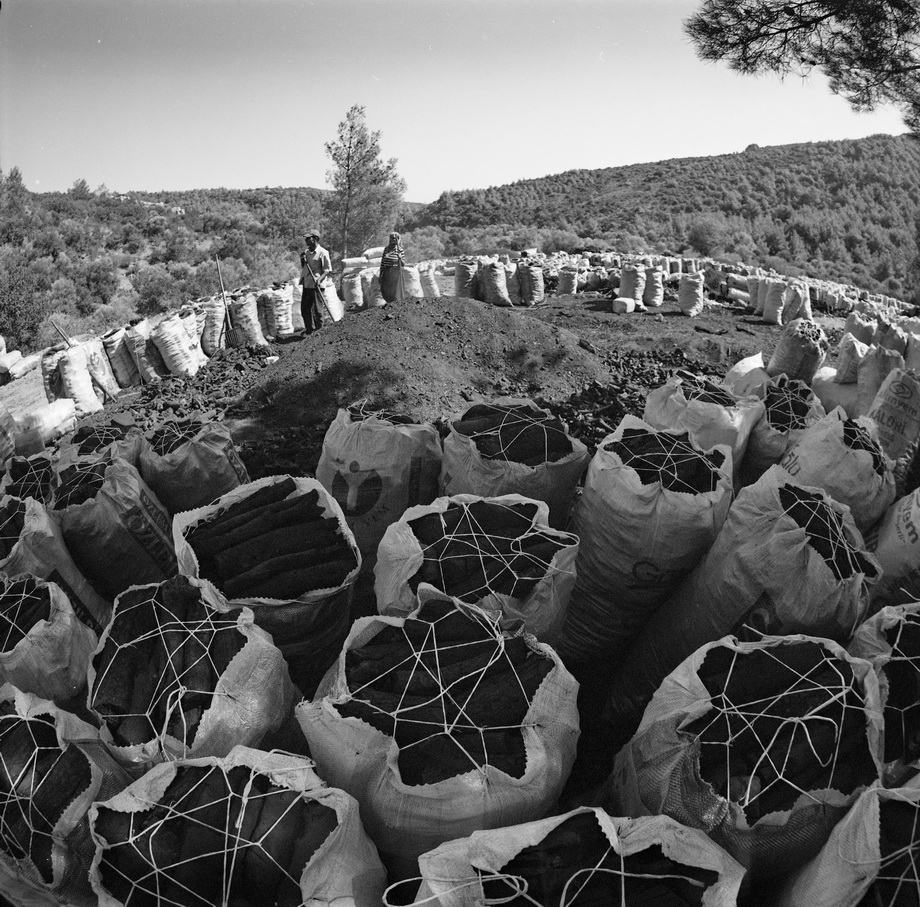
Their lives were as demanding as their work. In temporary camps near the production areas, they lived according to the conditions of the mountains. Their hours were determined less by a conventional working day than by the needs of the fire and the charcoal-making process. The mounds required constant attention. Smoke, soot, soil and heavy physical labour were part of everyday life. Once the charcoal had cooled, it was removed and packed into sacks before another production cycle began.
The doctor’s visit also revealed another aspect of life in the camp. For people working far from villages and health facilities, medical care reaching them where they lived was especially meaningful. Only after the examinations had ended did I begin my separate photographic encounter with the workers, accompanying them as they resumed their work.
I was interested not only in the method of producing charcoal but also in the people whose lives were shaped by this demanding occupation. Among the temporary shelters, charcoal mounds and filled sacks, I encountered a story of labour that often remains unseen.
Looking at these photographs today, I remember how the journeys I made with the village doctor introduced me to lives I might otherwise never have known. My project A Village Doctor’s Diary, recognised with a European Union-related award in 2013, contained other stories that could stand on their own. The charcoal makers were one of them. For me, their story is not simply about a traditional production method, but about the relationship between people, nature, fire and their own labour.