
Arch of Theodosius — Beyazıt, Istanbul
2014 & 2023
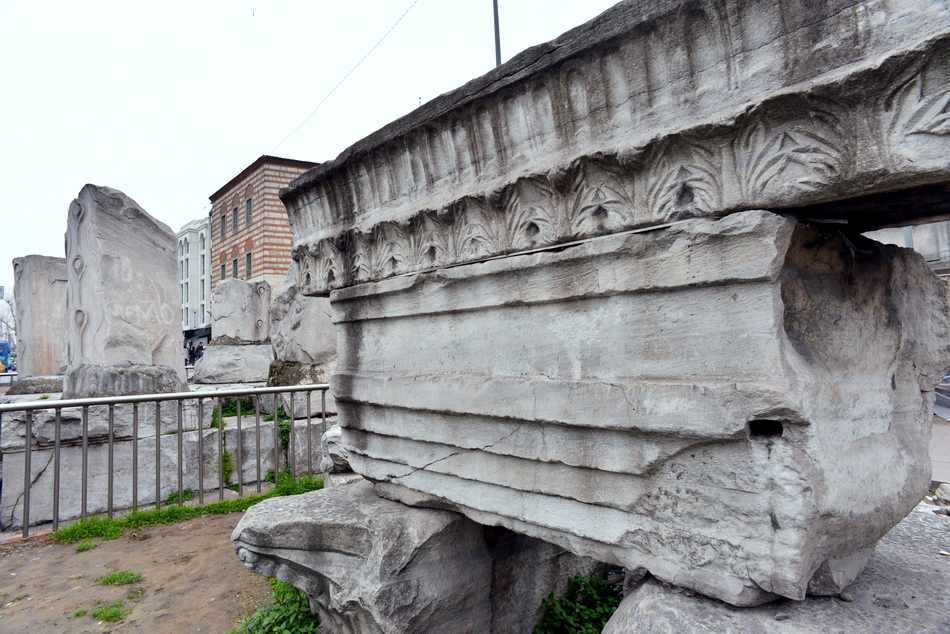
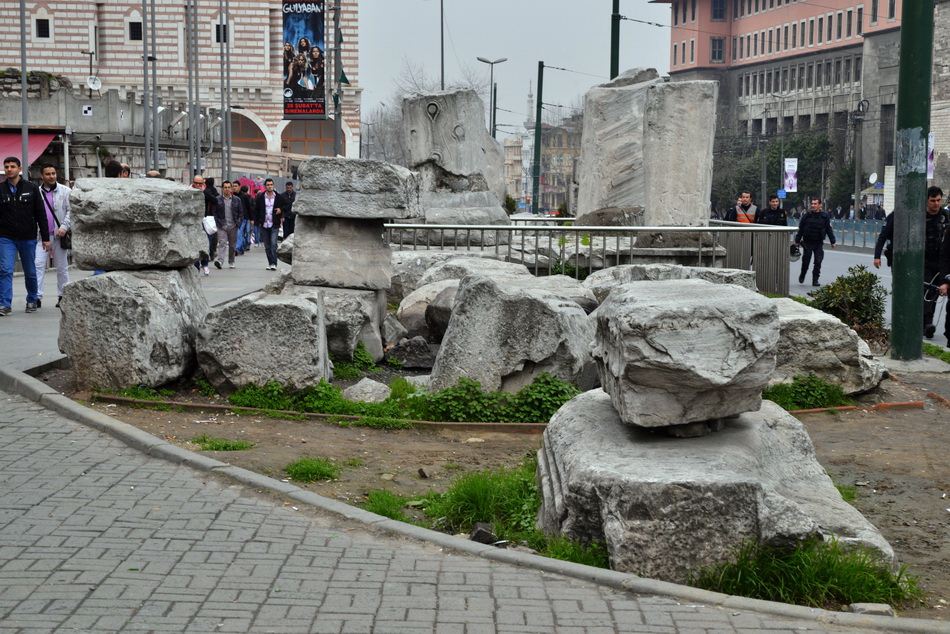
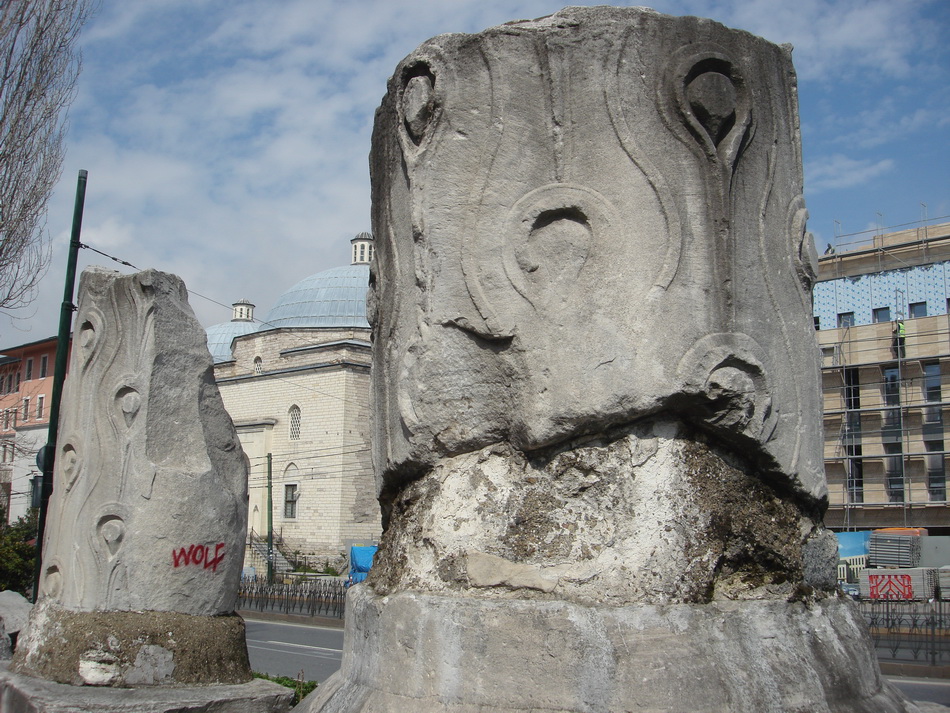
Today's Beyazıt Square is one of the places in Istanbul where the Roman past remains visible in the midst of modern urban life. In antiquity this area was occupied by the Forum Tauri, or Forum of the Bull, which was transformed into an imposing imperial square under Theodosius I. The Forum of Theodosius, inaugurated in AD 393, stood on the Mese, Constantinople's main ceremonial and commercial avenue. Its monumental architecture expressed the power of the empire while providing a setting for the public life of the capital.
The forum was once surrounded by important buildings, sculptures and commemorative monuments. At its western entrance stood the Arch of Theodosius, generally reconstructed as a monumental gateway with three openings: a broad central passage flanked by two smaller arches. It formed part of the processional landscape through which people entered and crossed the imperial city. What survives today is only a fragment of that much larger architectural setting.
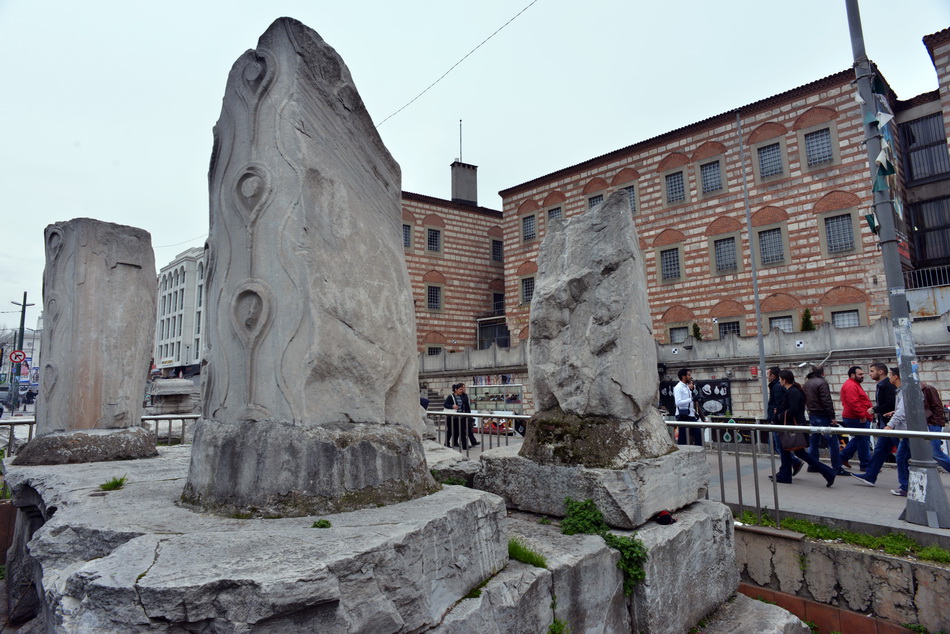
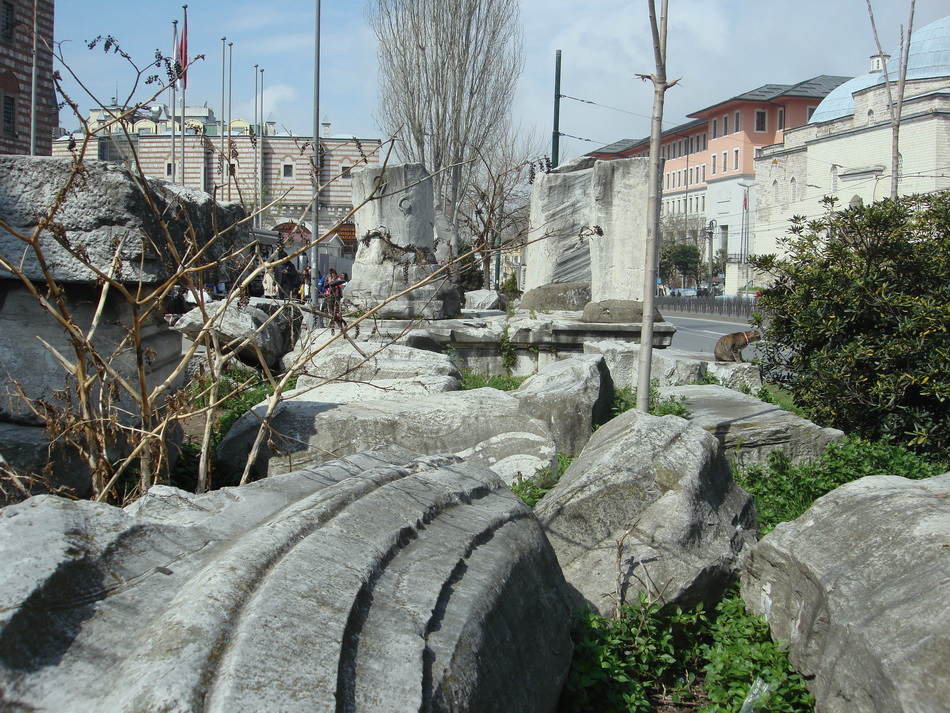
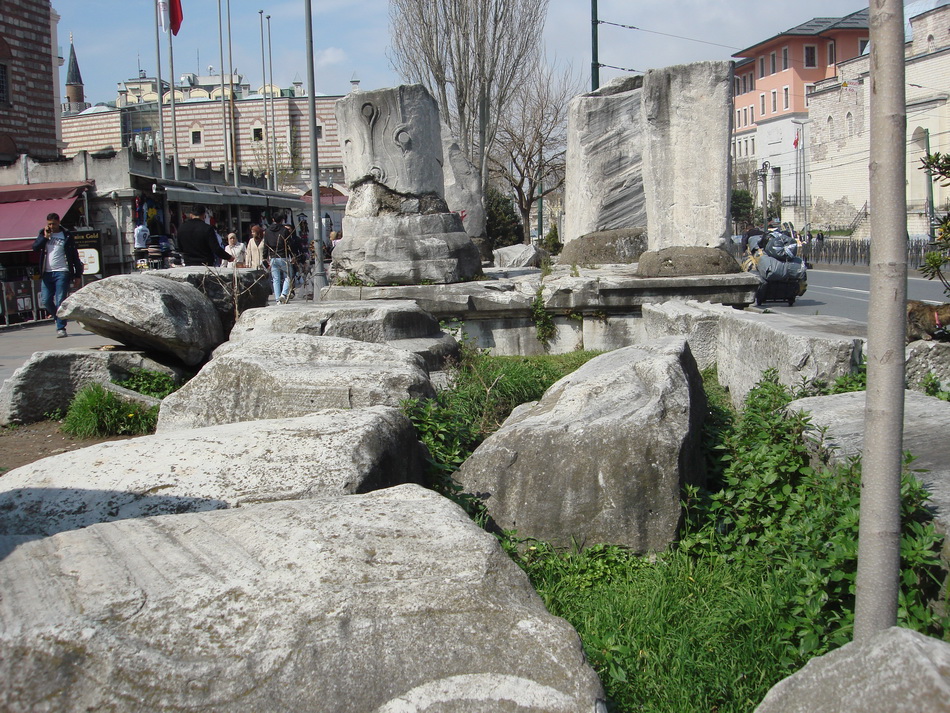
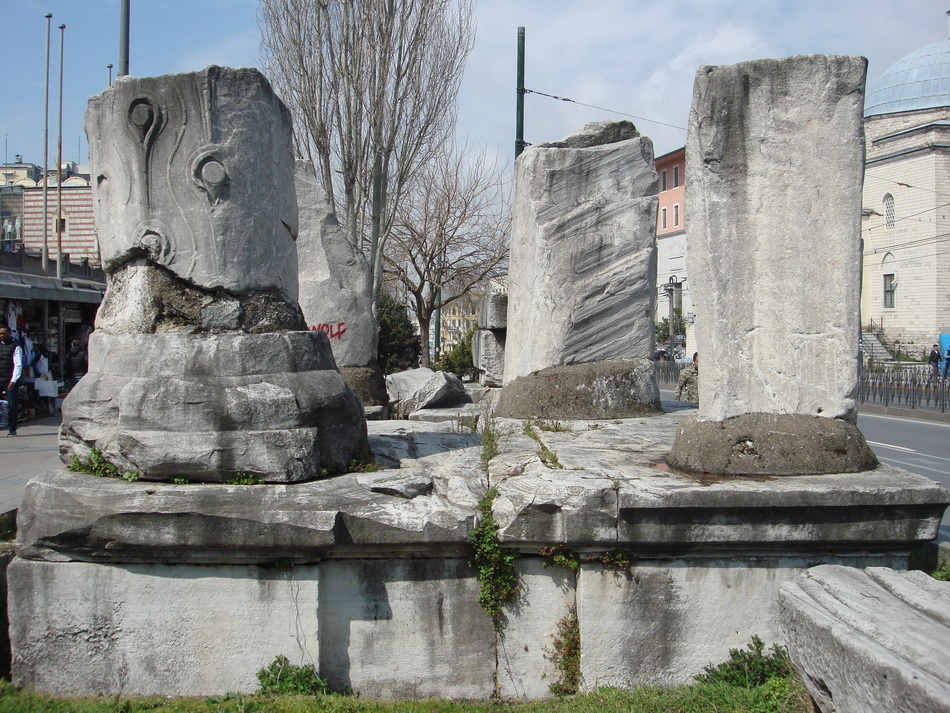
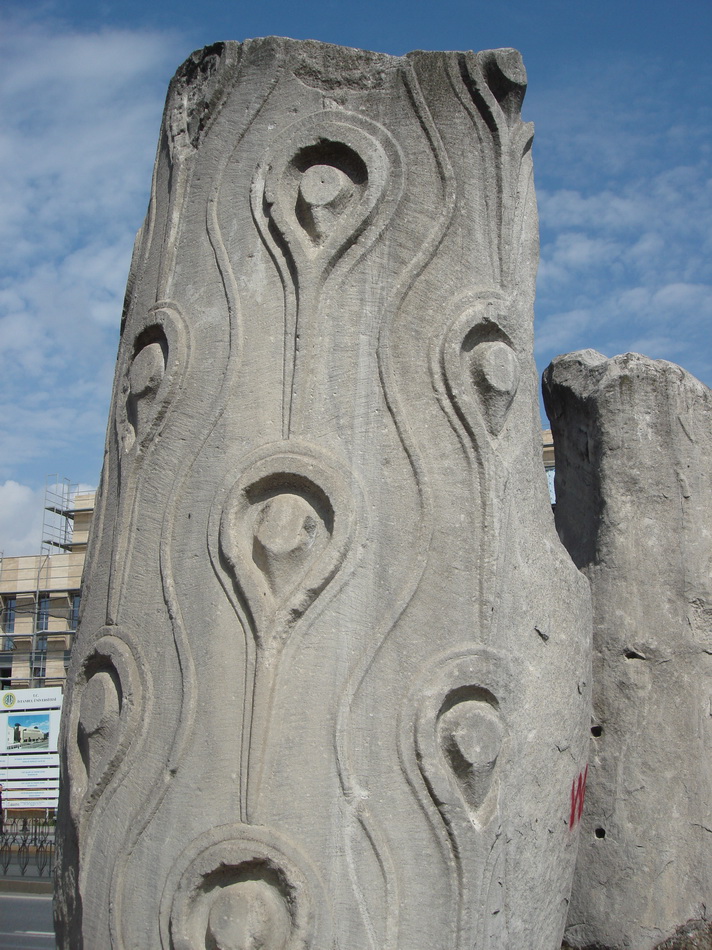
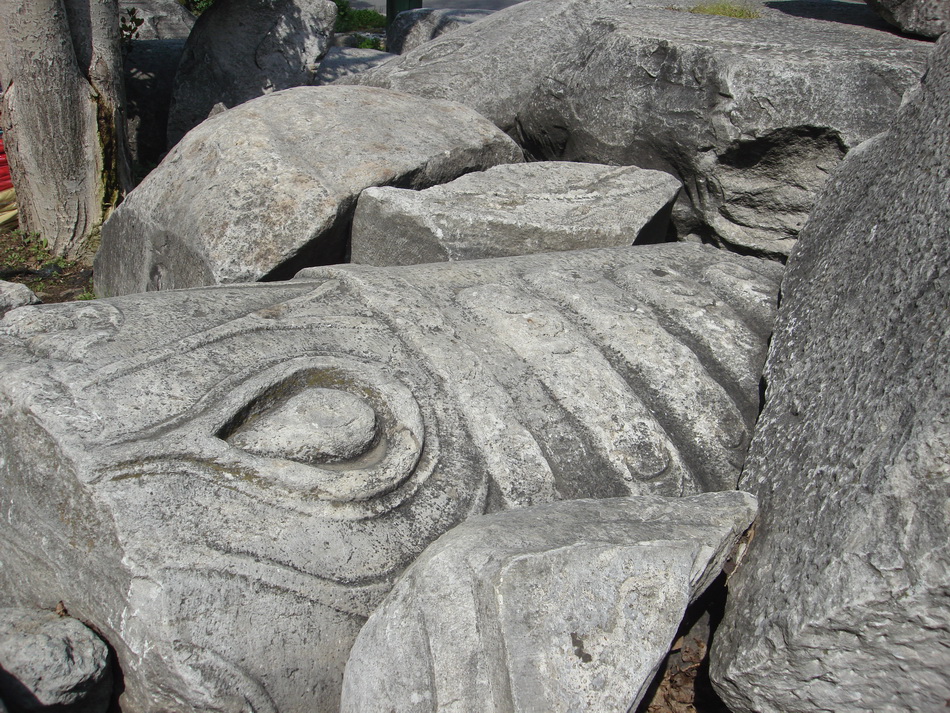
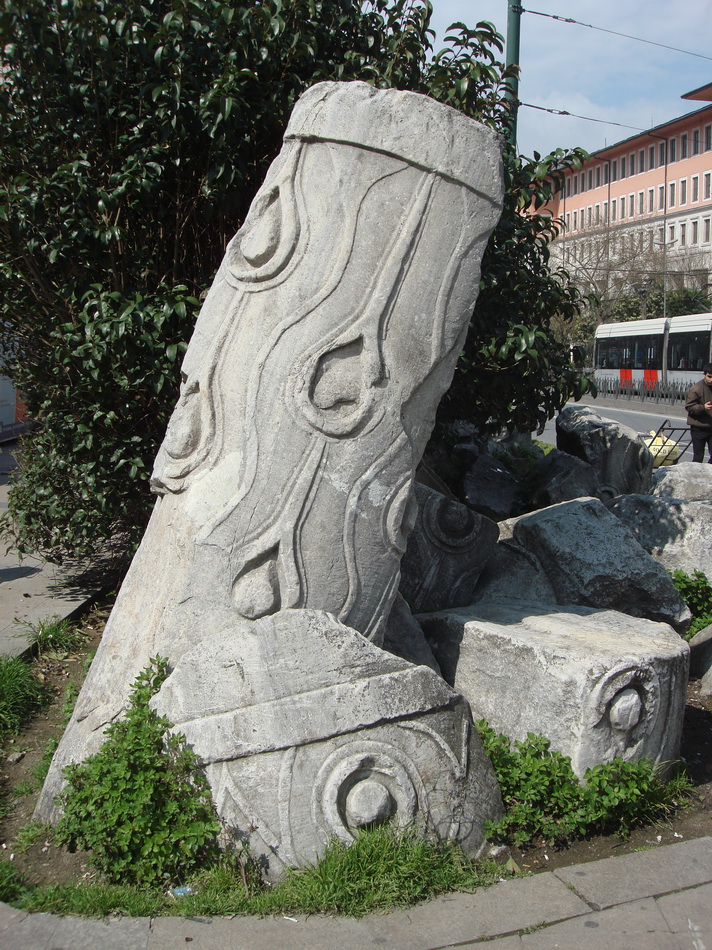
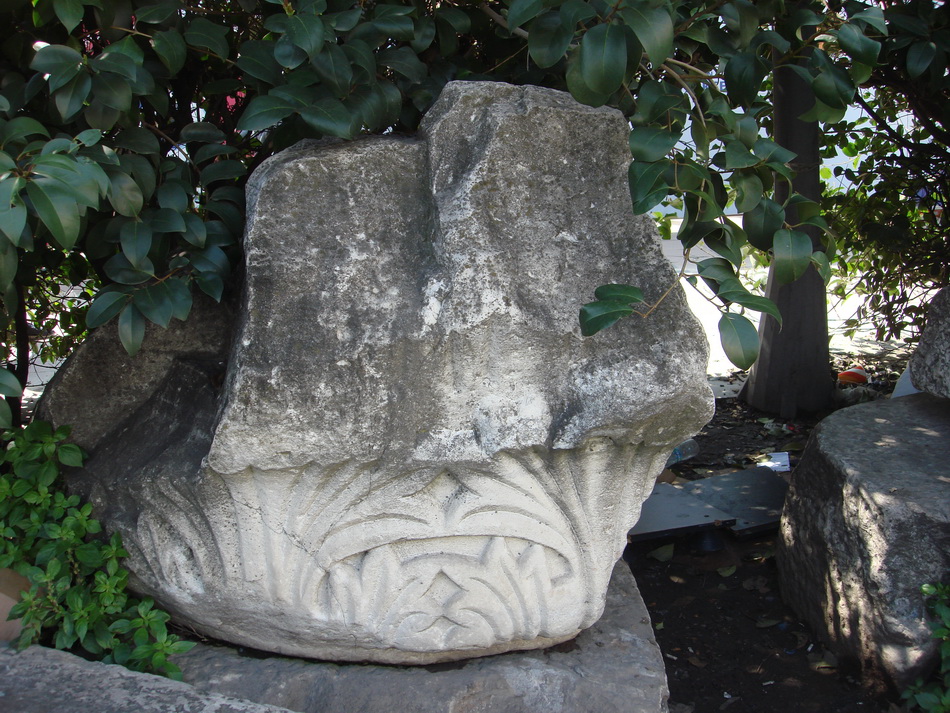
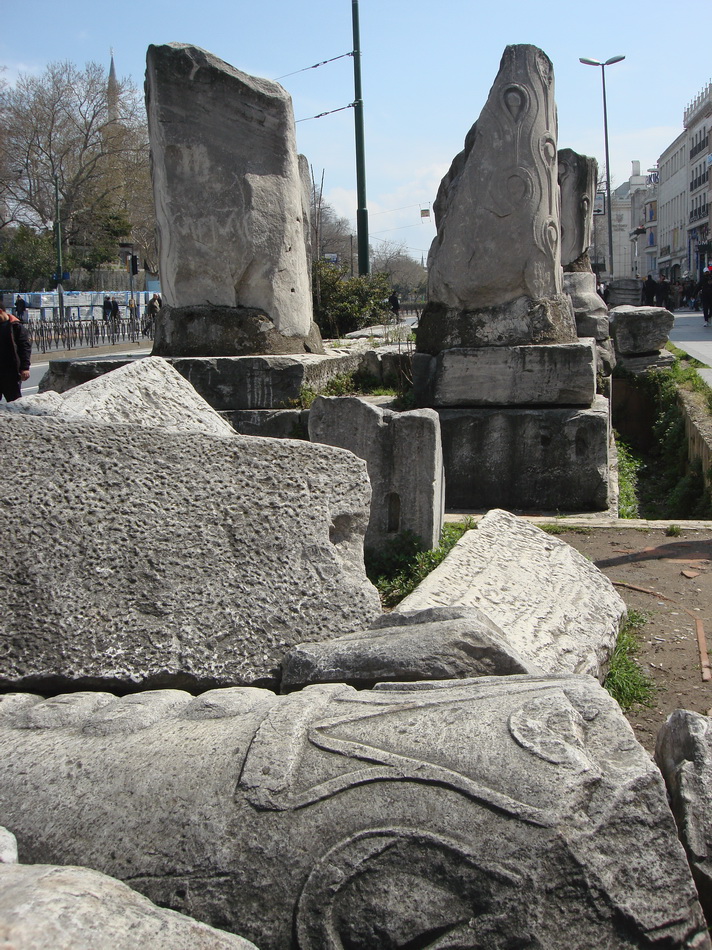
The most remarkable feature of the arch is the unusual decoration of its marble columns. Instead of smooth shafts or conventional fluting, their surfaces resemble tree trunks, with oval marks that look almost like eyes. These forms are commonly interpreted as the knots or scars left where branches have been cut from a tree. Some researchers have suggested a further symbolic association with the club of Heracles, an ancient emblem of strength and victory. This remains an interpretation rather than a certainty, but it offers a compelling way to consider why such distinctive columns were chosen for a triumphal monument.
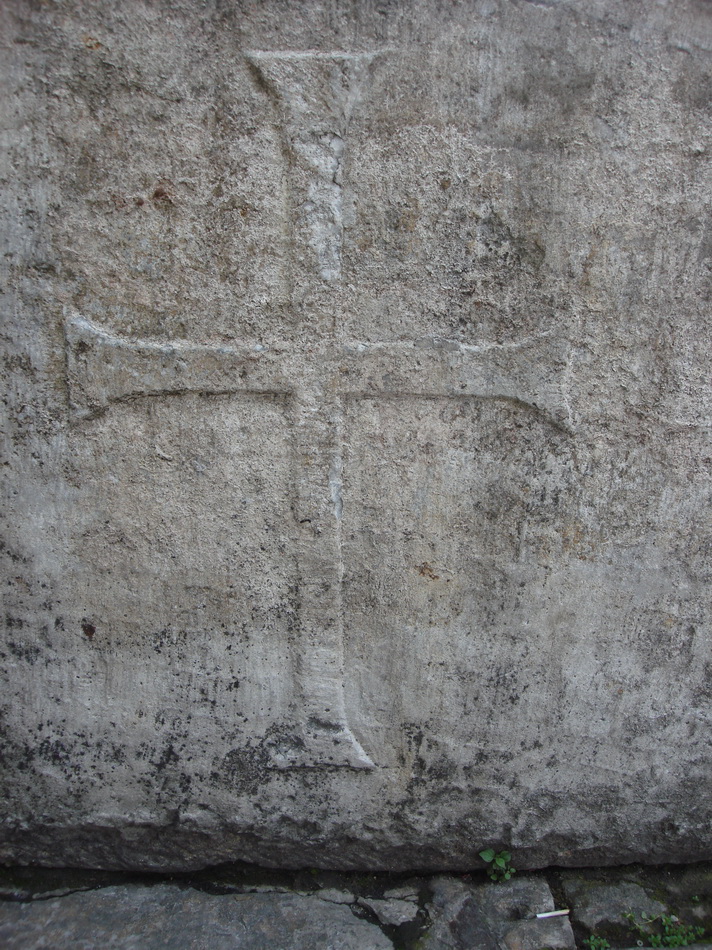
Time radically altered the forum. Earthquakes, the reuse of building materials and successive phases of construction changed the urban landscape until the triumphal arch was no longer standing. During twentieth-century roadworks, remains of the ancient monument came to light around the route of today's Ordu Avenue. The carved blocks and broken columns that can still be seen near Beyazıt are therefore not isolated decorative stones: they are surviving pieces of a once prominent entrance to Roman Constantinople.
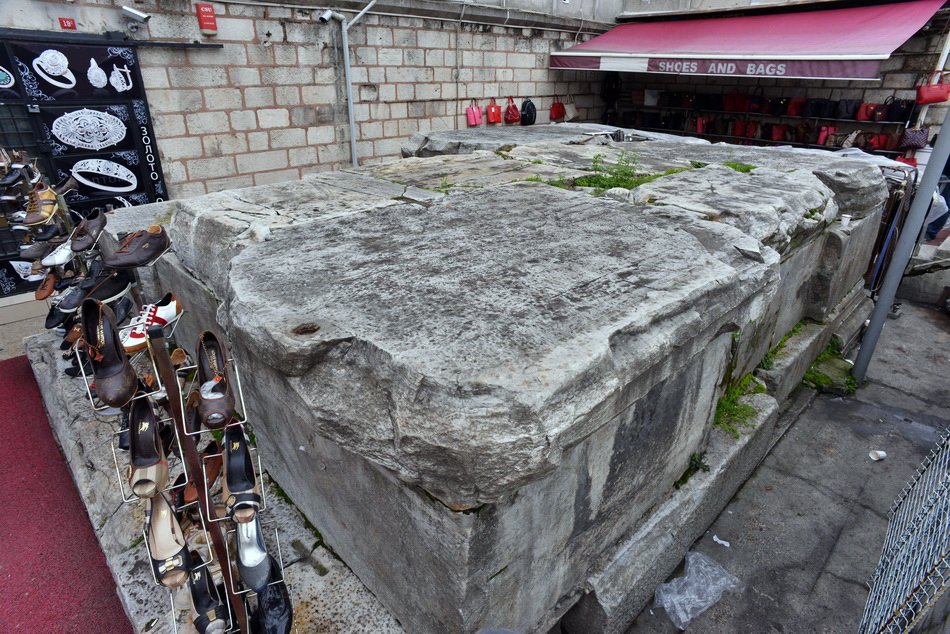
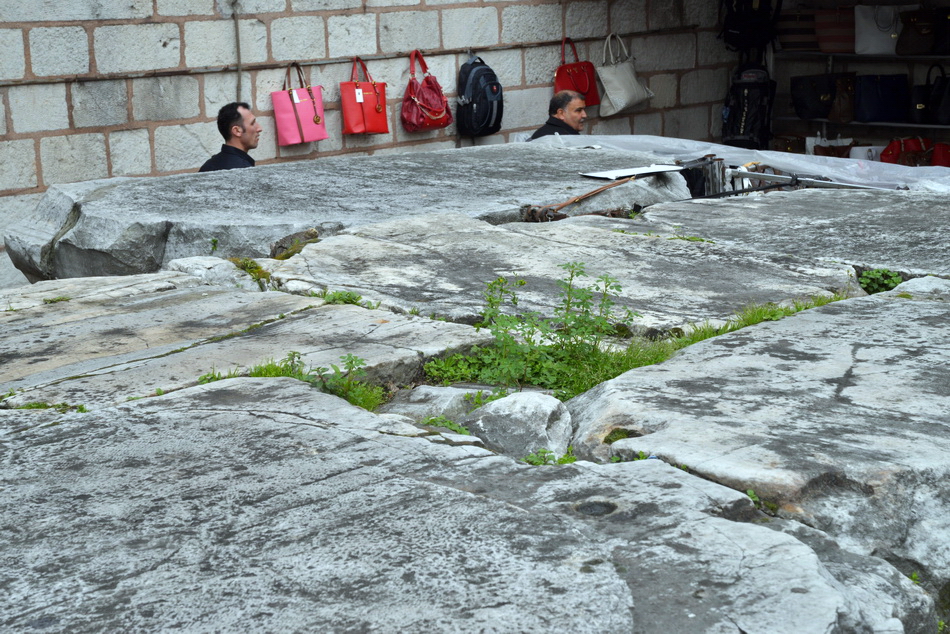
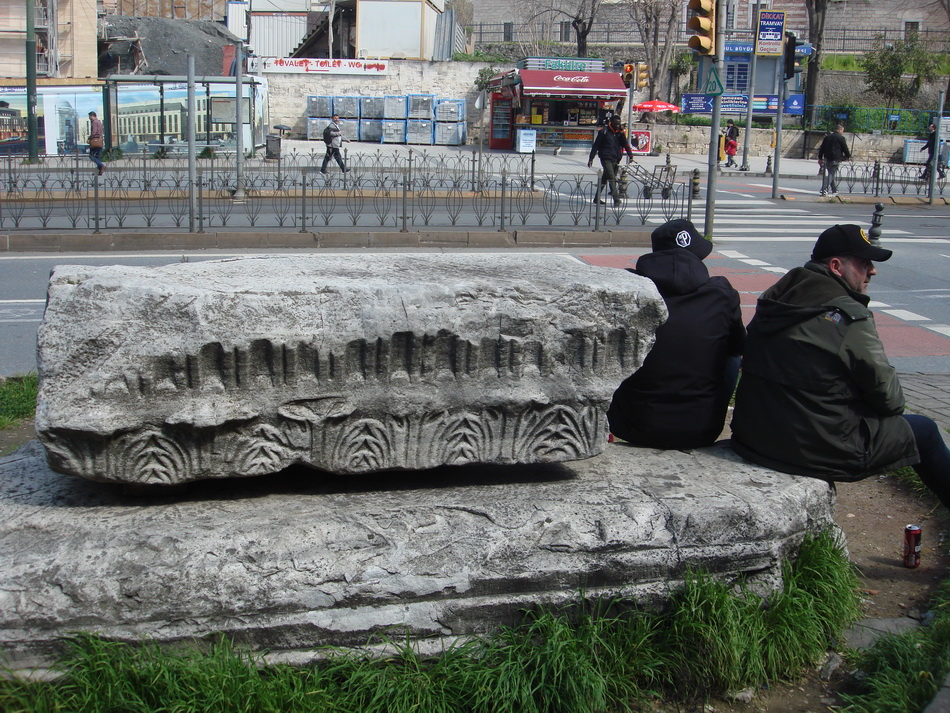
I first photographed these remains in 2014. What drew my attention was not simply their age or the skill of the craftsmen who carved them, but the surroundings in which I found them. Shoes and bags were displayed beside the stones, shops carried on their business, and pedestrians passed without stopping. Fragments of an imperial monument had become part of an everyday commercial streetscape. In my photographs, the merchandise, pavement and people are as important to the story as the marble itself.
Nine years later, in 2023, I returned to Beyazıt and photographed the remains again. Looking at the same site at two different moments made me think about the changing relationship between a city and its archaeological heritage. I did not approach the second visit as a formal archaeological survey. I wanted to observe the stones in their present setting, and to record what the surrounding streets and ordinary activities revealed about their place in the city. The first five photographs in this portfolio were taken in 2014; the remaining eleven date from 2023.
Istanbul's history is not confined to museums or carefully restored monuments. It can also be encountered at the edge of a busy road, beside a shop or among the routines of daily life. Such places invite us to ask how much of the past we recognise when it appears outside the familiar setting of a historical monument. A carved stone may survive for centuries, yet its significance can become almost invisible amid the movement of the city.
In this series, I wanted to document both the physical remains of the Arch of Theodosius and the contemporary life surrounding them. The contrast between their former monumental purpose and their present environment is central to these photographs. The stones still bear the marks of Roman craftsmanship, while the streets around them tell another story — that of a living city continually building over, beside and around its own history.