
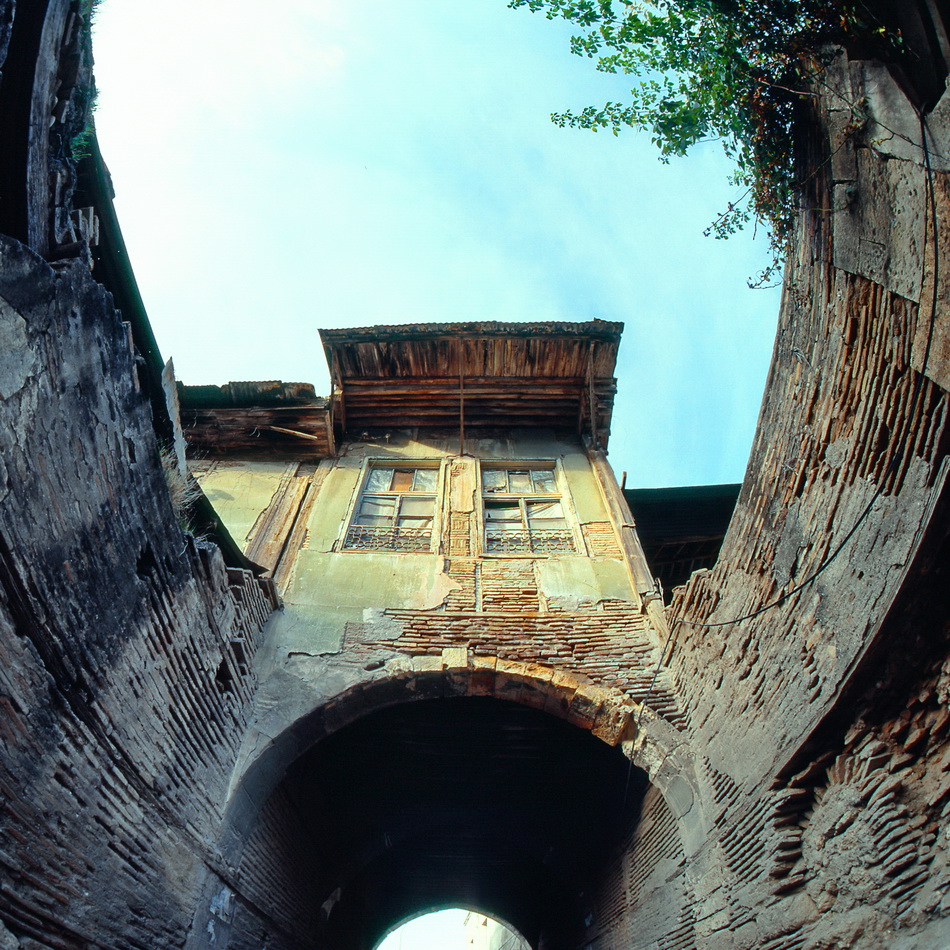
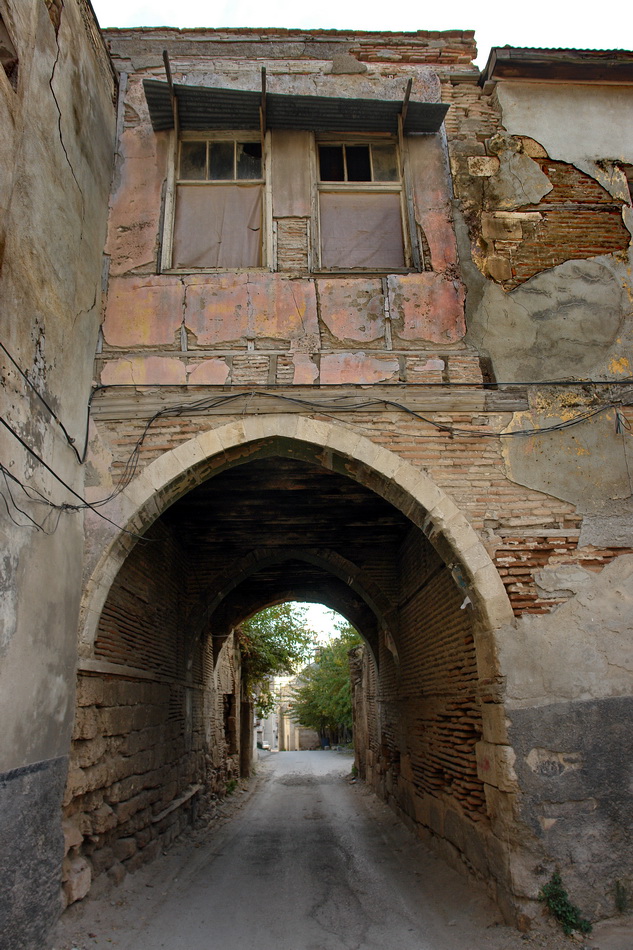
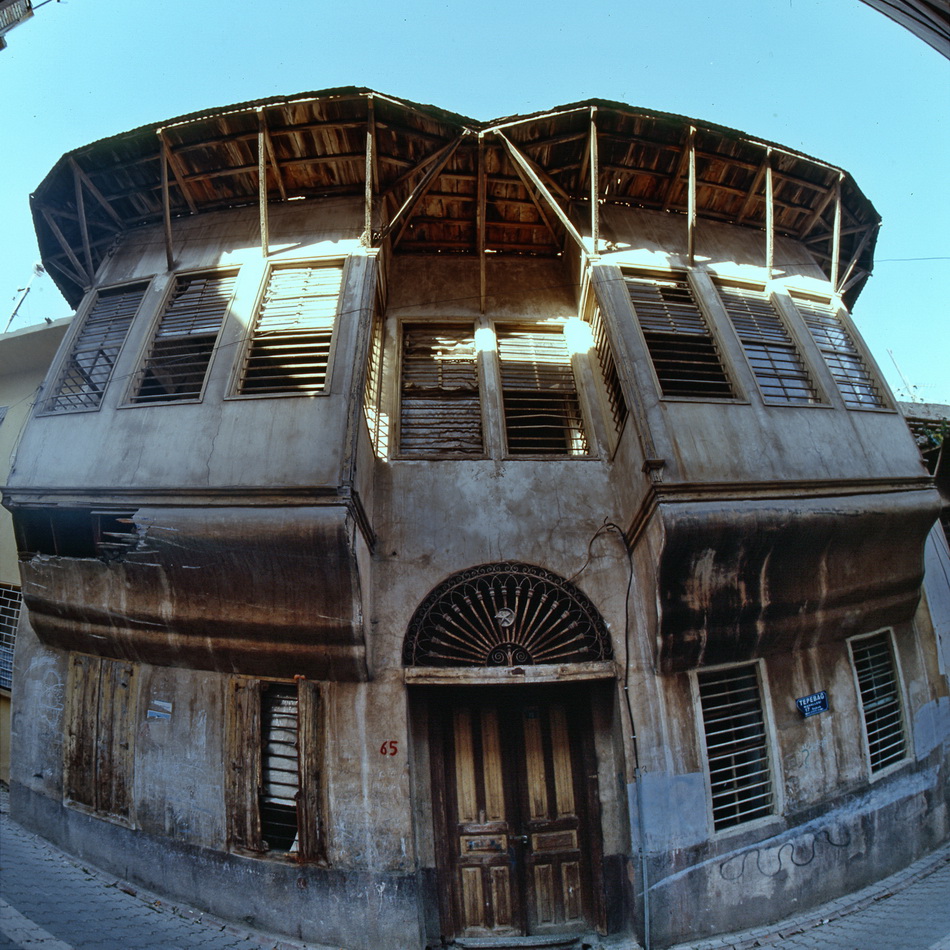
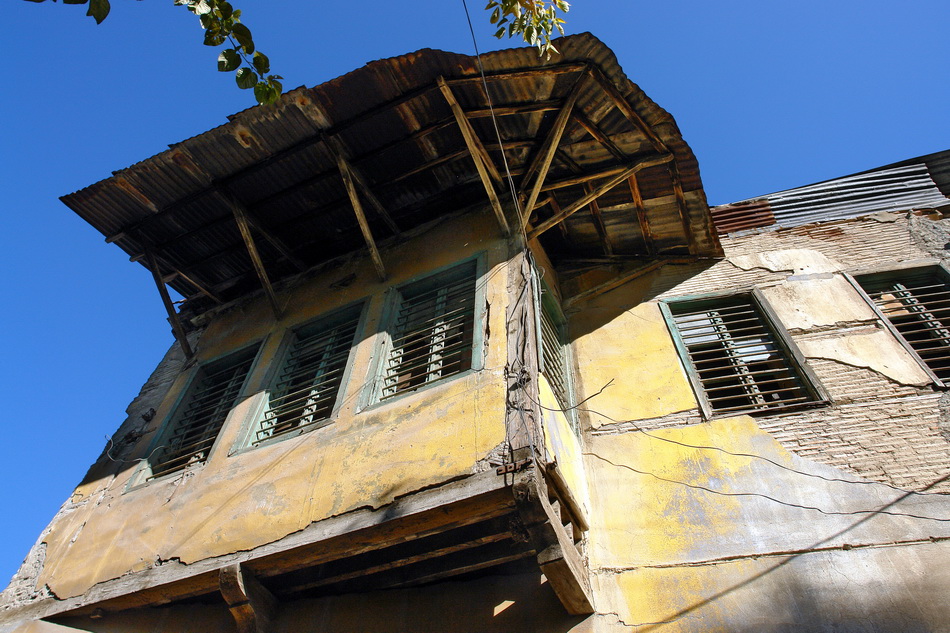
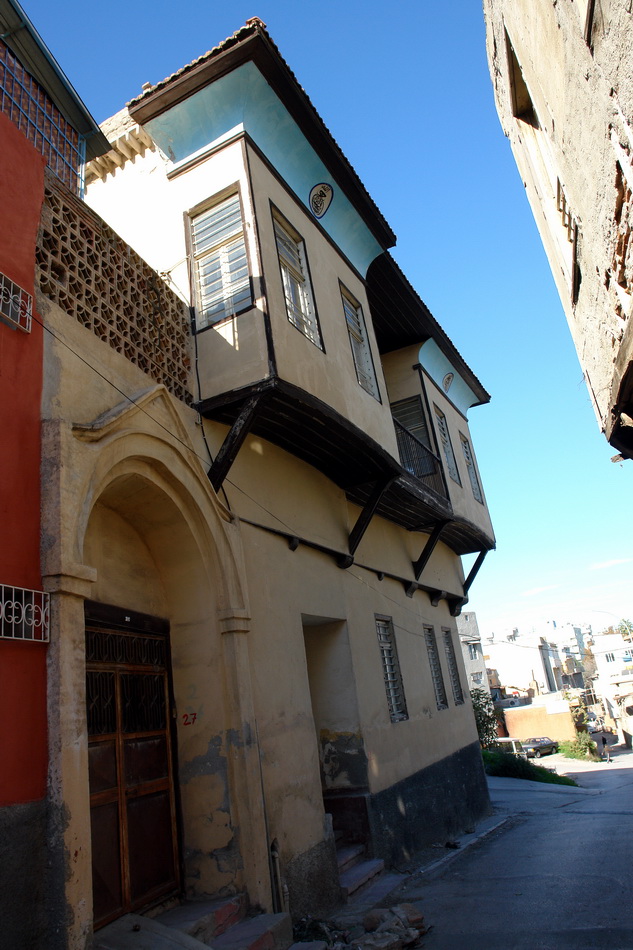
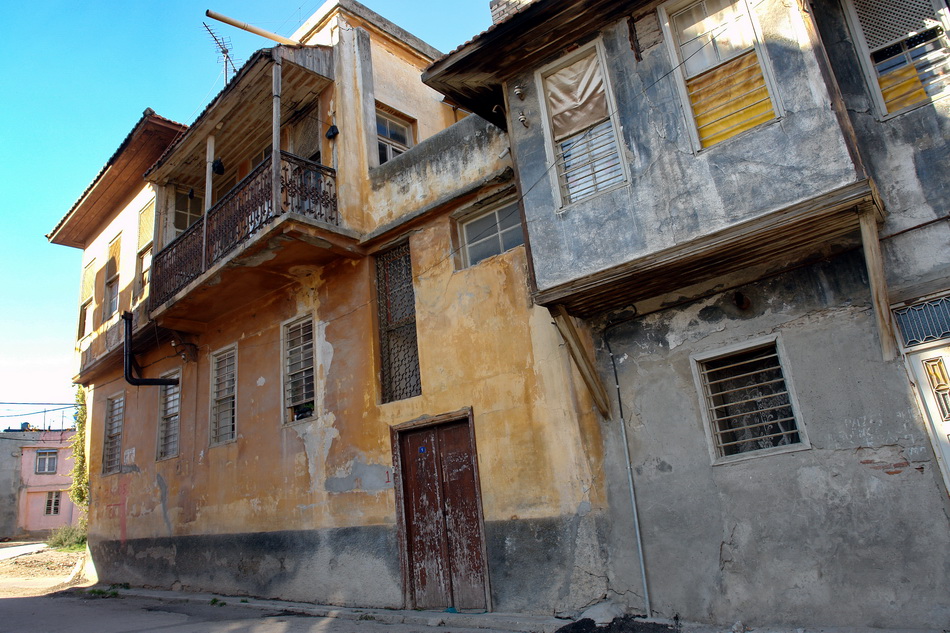
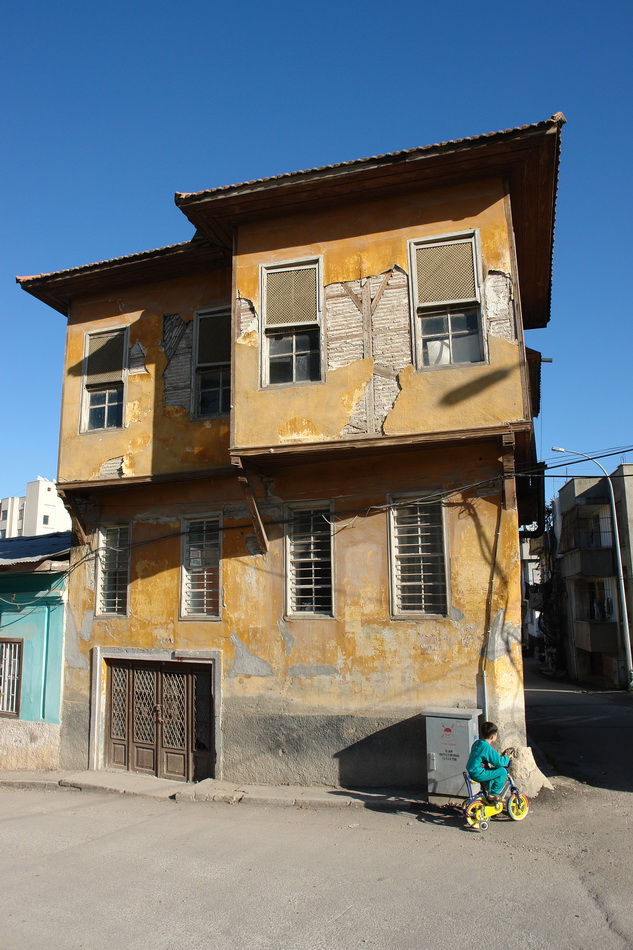
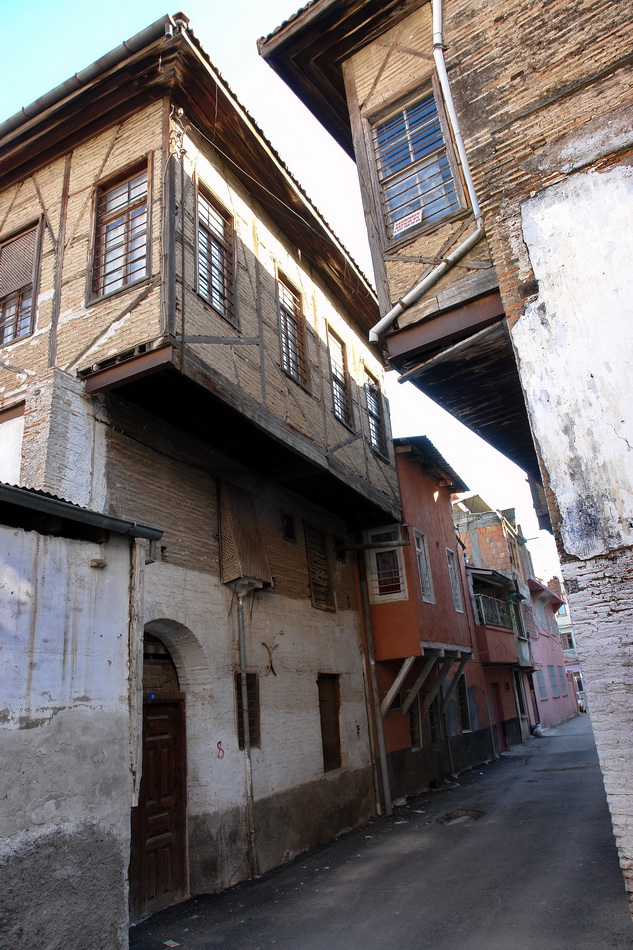
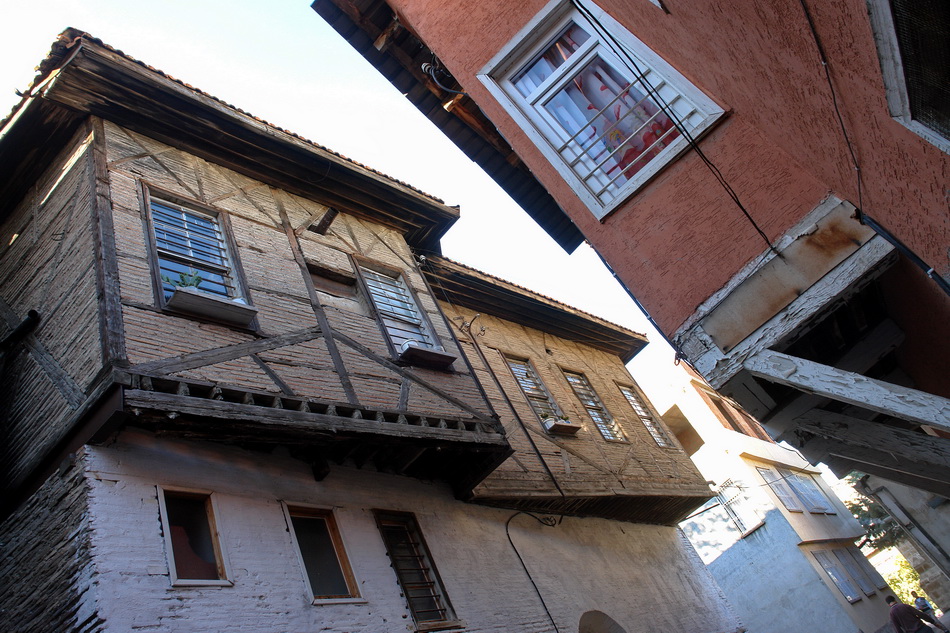
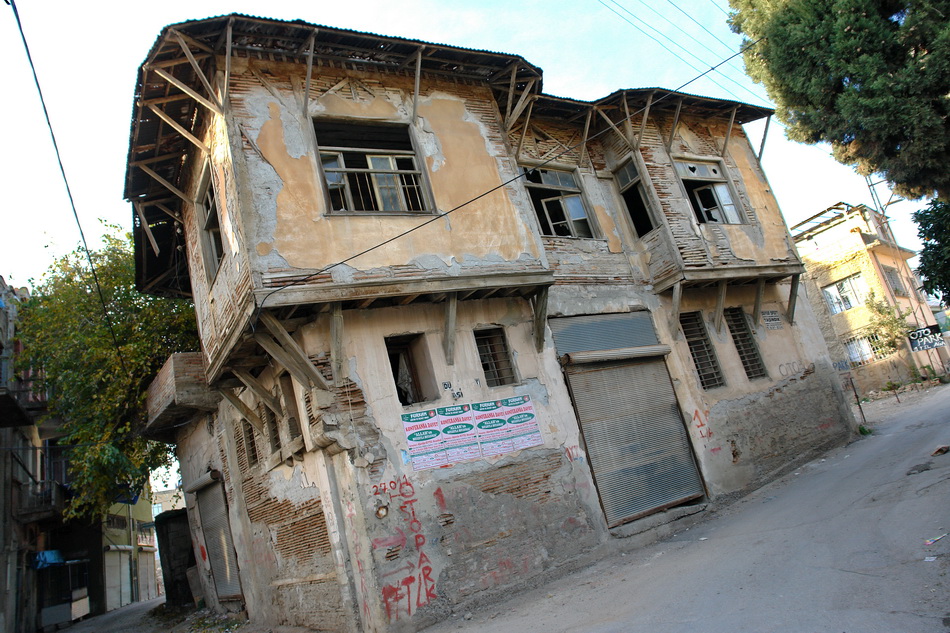
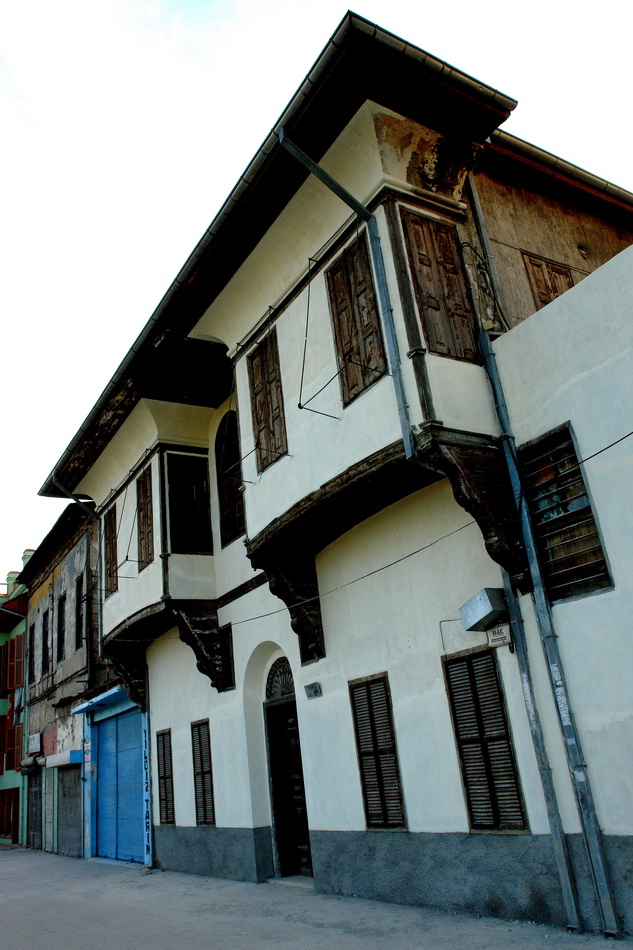
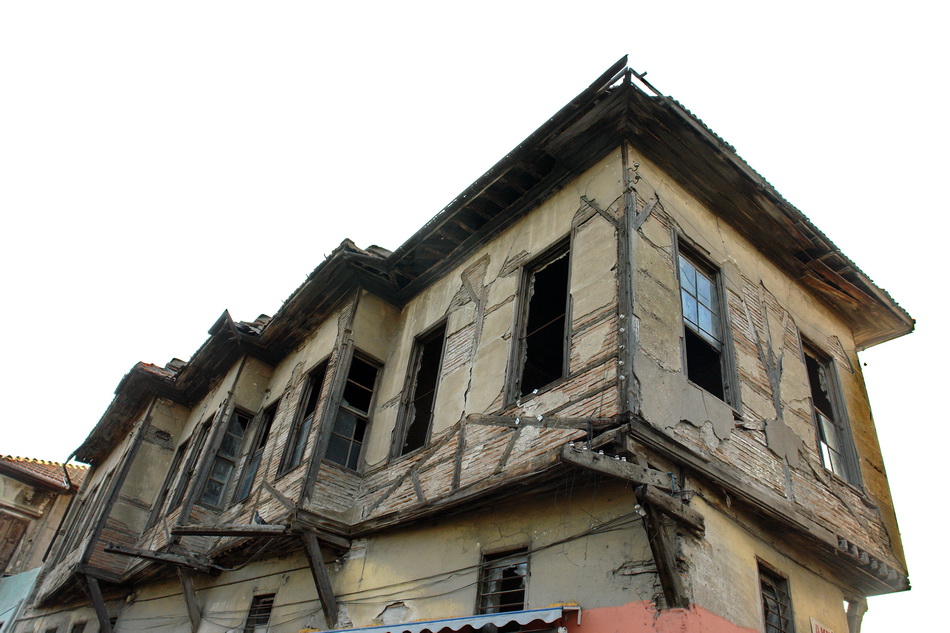
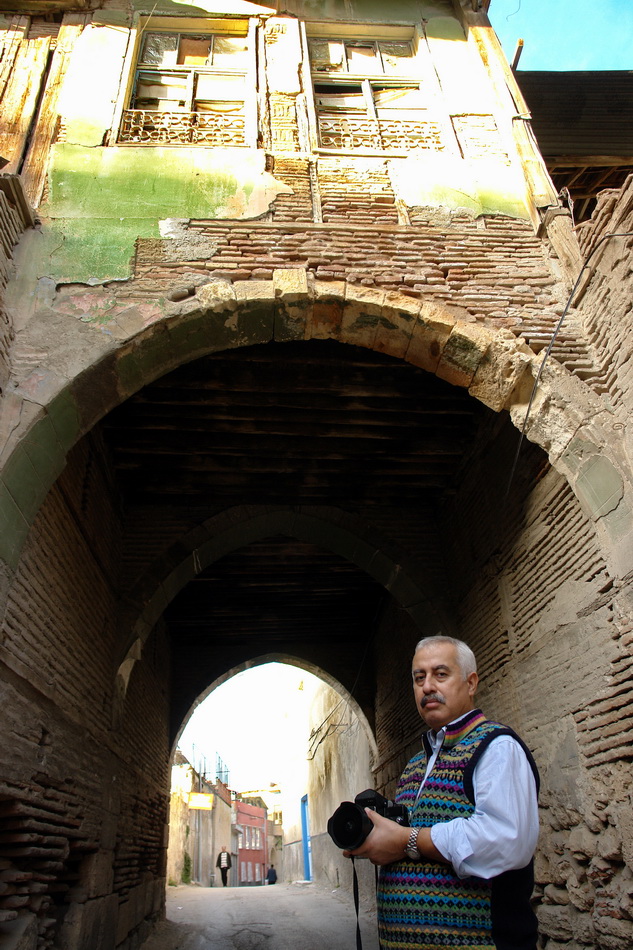
In 2006, I walked through Tepebağ, one of the oldest parts of Adana, to photograph its historic houses. Built over and around the ancient settlement mound near the Seyhan River, the neighbourhood preserves traces of a much older city within the modern one. Its narrow streets brought the houses so close together that each turn revealed another doorway, weathered façade or projecting upper floor.
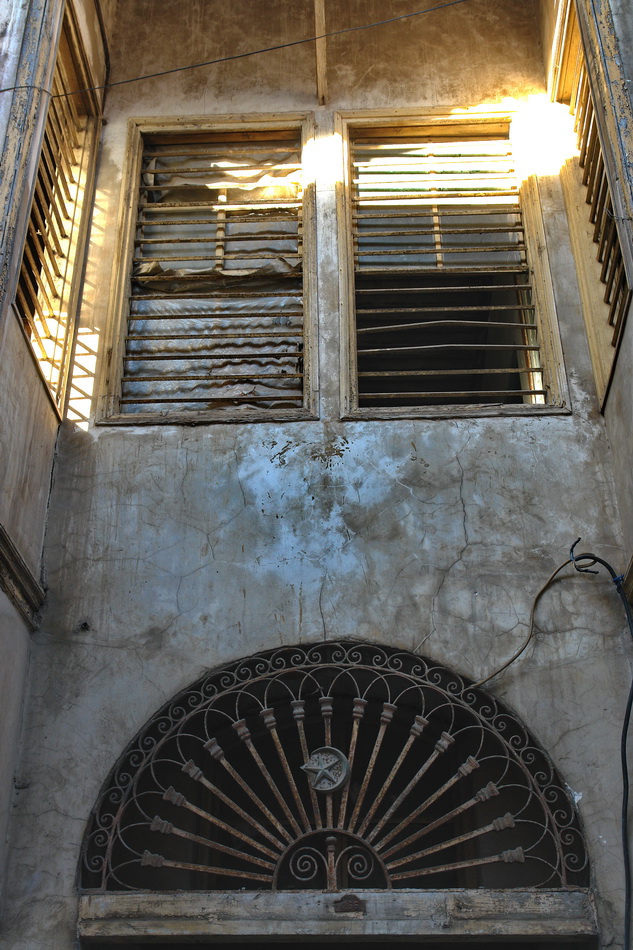
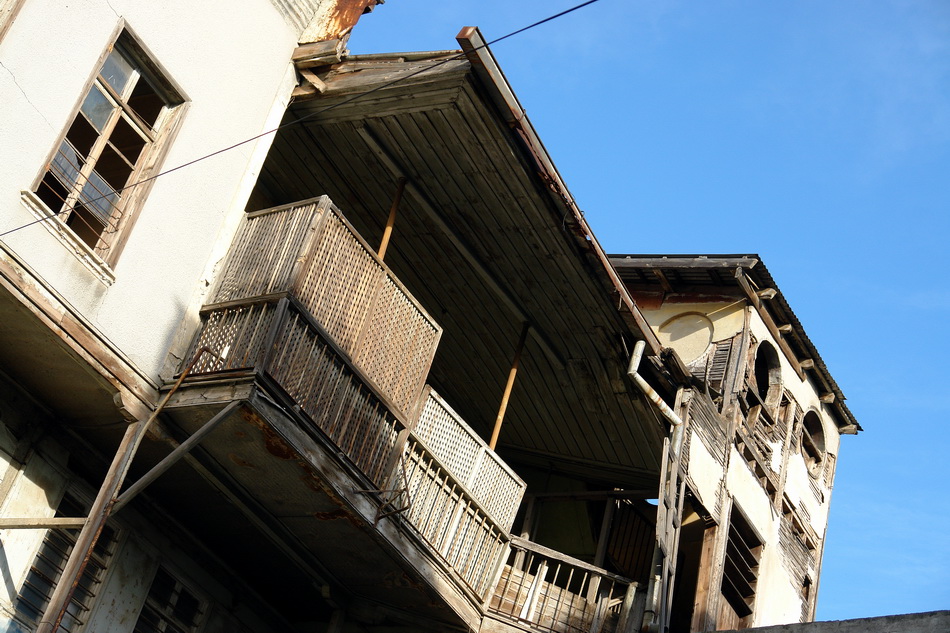
The traditional houses of Tepebağ reflect a building culture shaped by the climate and daily life of southern Anatolia. Masonry lower levels, timber-framed upper storeys, wooden shutters, projecting bays and broad eaves gave the streets their distinctive character. Behind some of these façades were courtyards and spaces organised around the rhythms of family life. The details that interested me were not only decorative: they spoke of practical responses to heat, light, privacy and limited street space.
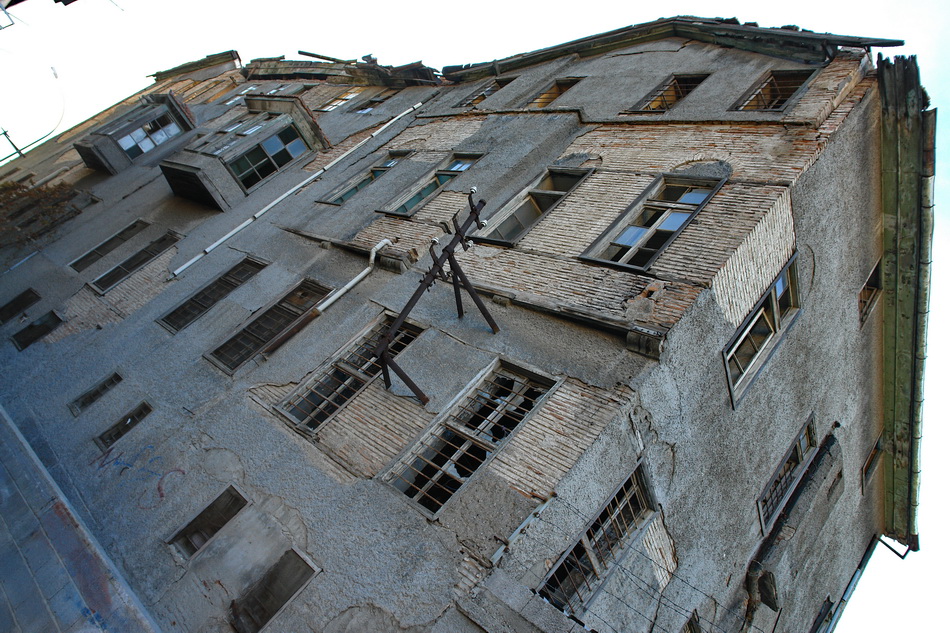
Photographing these buildings was not always easy. The streets were so narrow that I sometimes had to use a fisheye lens to fit an entire house into the frame. Its curved perspective is visible in some photographs, but I preferred to keep that sense of closeness rather than lose the buildings themselves. I was equally drawn to the peeling plaster, darkened timber and signs of repair or neglect. They were part of the neighbourhood as I encountered it in 2006.
Tepebağ's architectural heritage had already faced serious pressures, including damage from the 1998 earthquake and the difficulties of preserving an ageing urban fabric. I did not set out to make an architectural inventory. These photographs are a personal record of the streets and houses I saw twenty years ago, and of the fragile relationship between a city's built heritage and the passage of time.