
Oratorio de San Felipe Neri
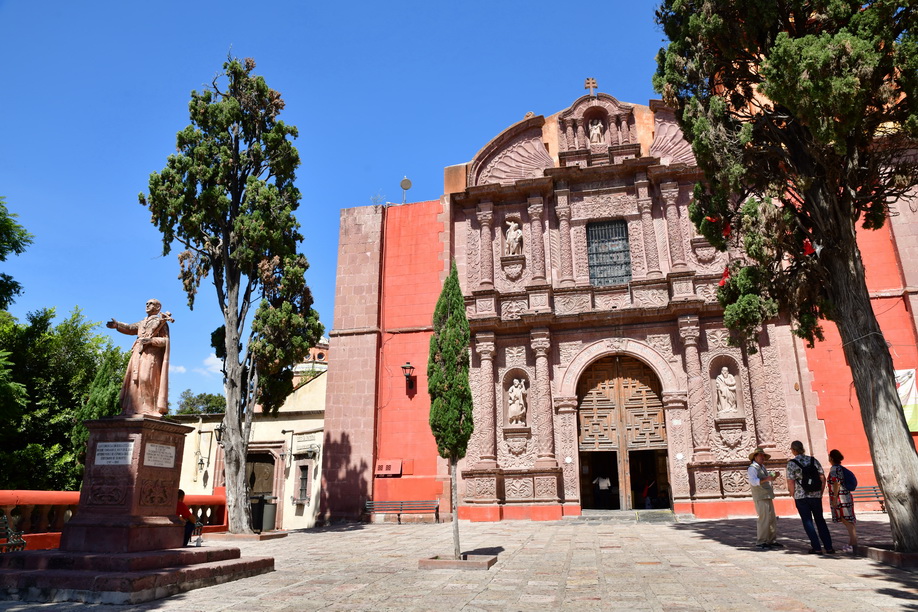
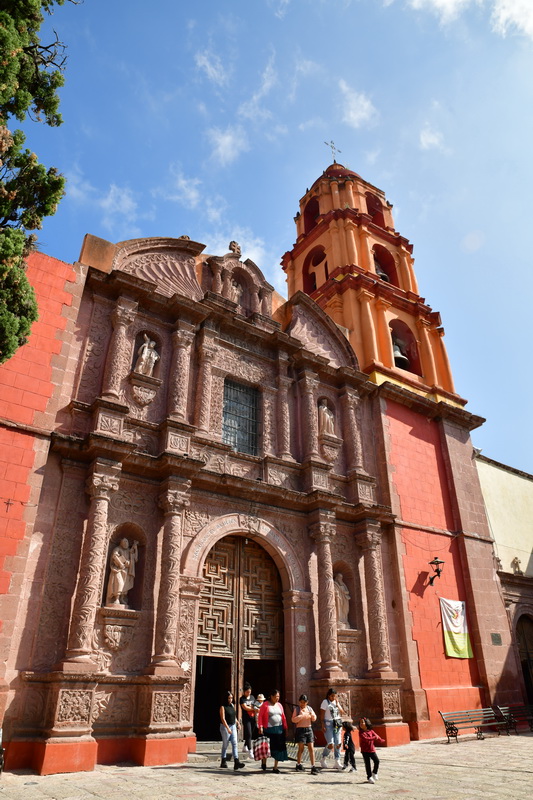
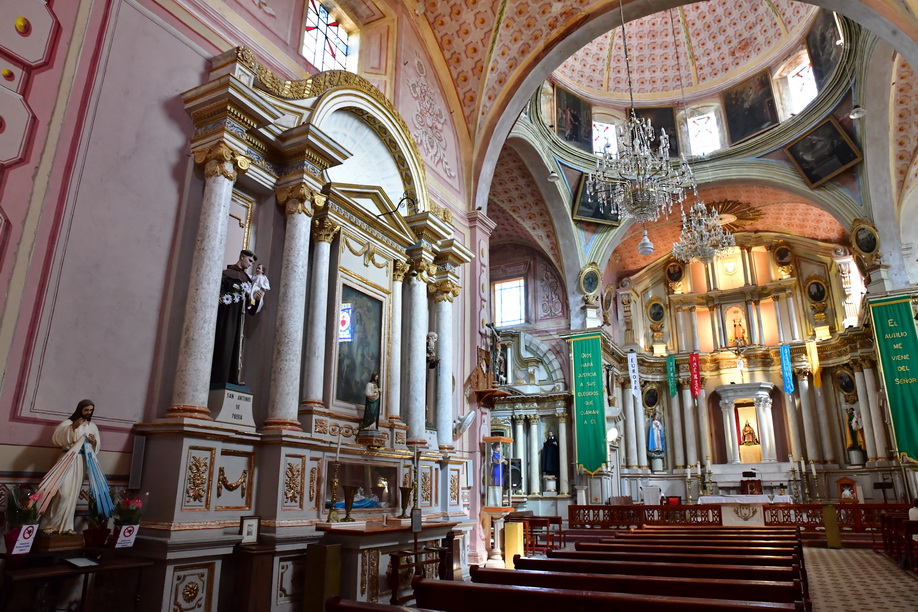
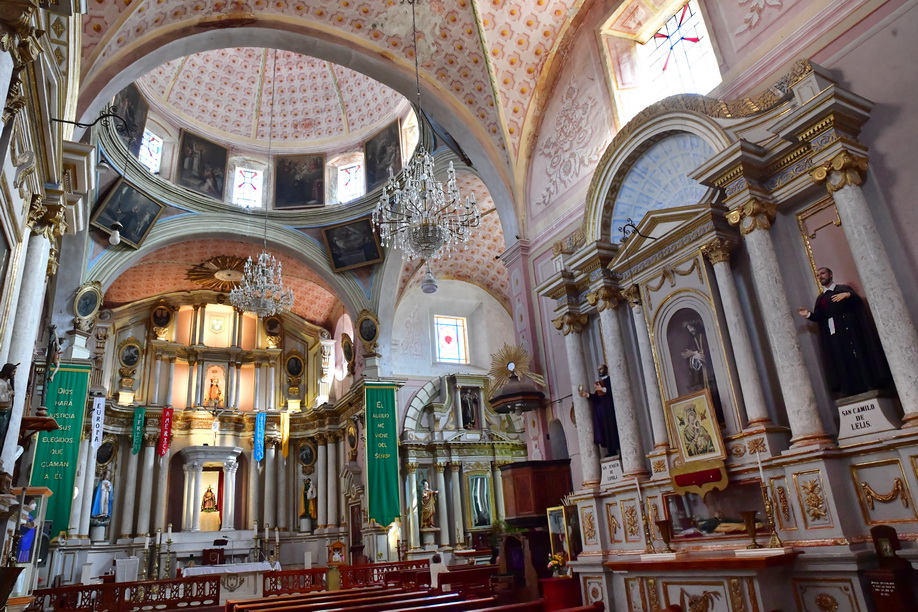
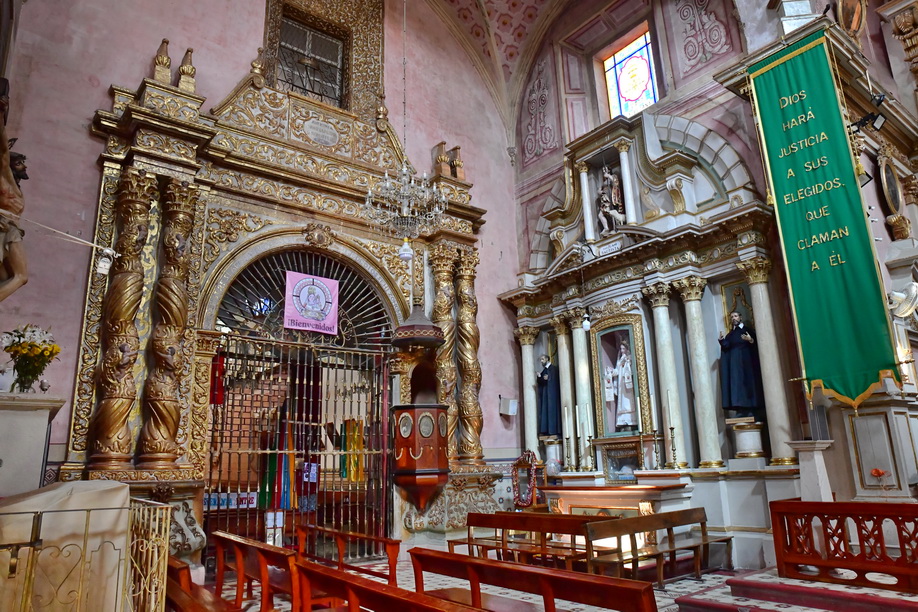
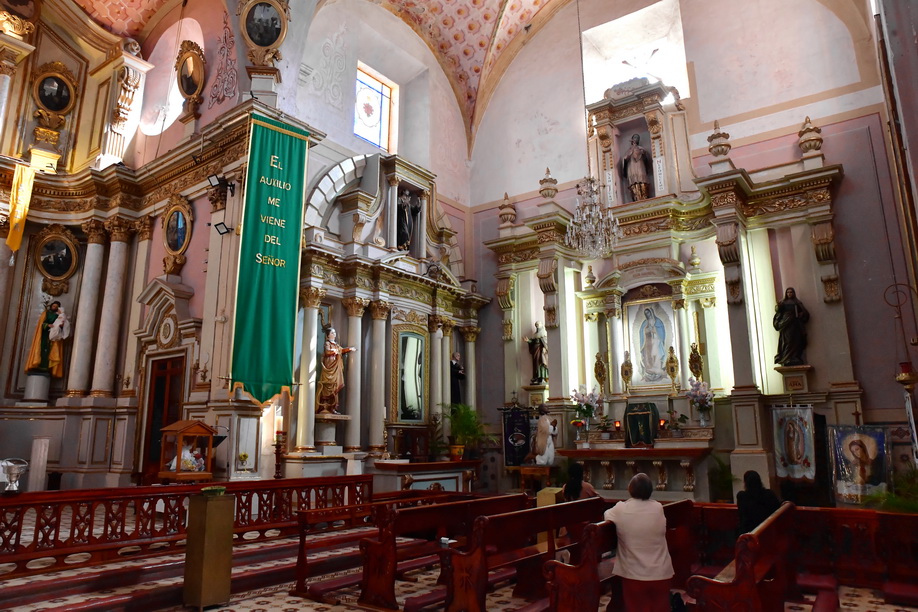
The Oratorio de San Felipe Neri is one of the most remarkable religious complexes in San Miguel de Allende. Its history, however, began before the Oratorian congregation arrived in the town. An earlier chapel dedicated to the Ecce Homo had been established here by a brotherhood associated with San Miguel's mulatto community, and a more permanent stone church was completed in 1652.
In 1712, the priest Juan Antonio Pérez de Espinosa, who had come to San Miguel to preach during Lent, was invited to establish a congregation of the Oratory of Saint Philip Neri in the town. Episcopal permission was granted in April, and the provisional foundation of the Oratory was formally established on 2 May 1712. The congregation subsequently occupied and transformed the existing church.
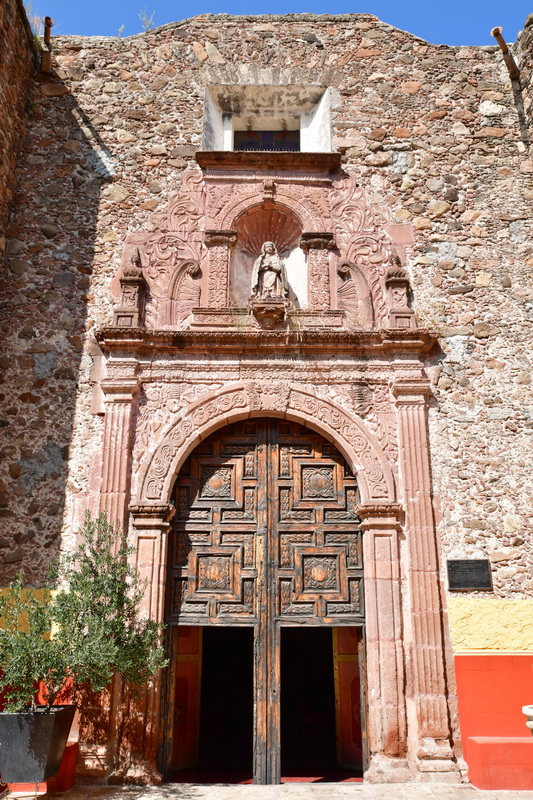
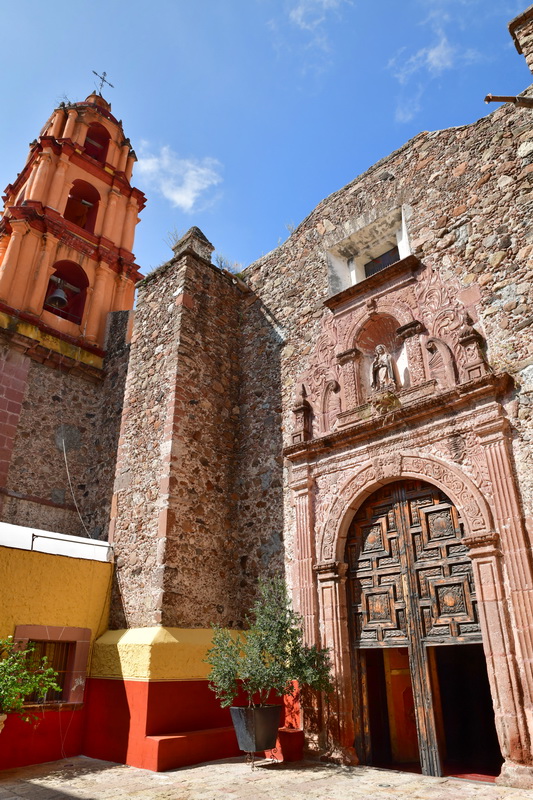
This earlier origin is still reflected in the architecture. The façade, carved in warm pink stone, preserves an unusually rich decorative language in which European Baroque forms were interpreted by local craftsmen. INAH describes its carving as showing a distinct indigenous influence. Five niches contain figures of Saint Joseph, Saint John the Baptist, Saint Philip Neri, Saint Peter and Saint Paul. Above the entrance appears an inscription referring to the Basilica of Saint John Lateran in Rome.
The result is not simply imported European Baroque architecture. The façade belongs to the cultural world of colonial Mexico, where European religious forms were repeatedly transformed through local materials, craftsmanship and visual traditions. Looking closely at the stonework, the building reveals itself through details rather than monumental scale.
The Oratorians soon became an important part of the intellectual as well as religious life of San Miguel. The neighbouring Colegio de San Francisco de Sales, founded in the 1730s, developed into an important educational institution. Among those associated with its history were figures who would later become connected with Mexico's struggle for independence. The Oratorian complex therefore became not only a place of worship but also part of the cultural and educational life of colonial San Miguel.
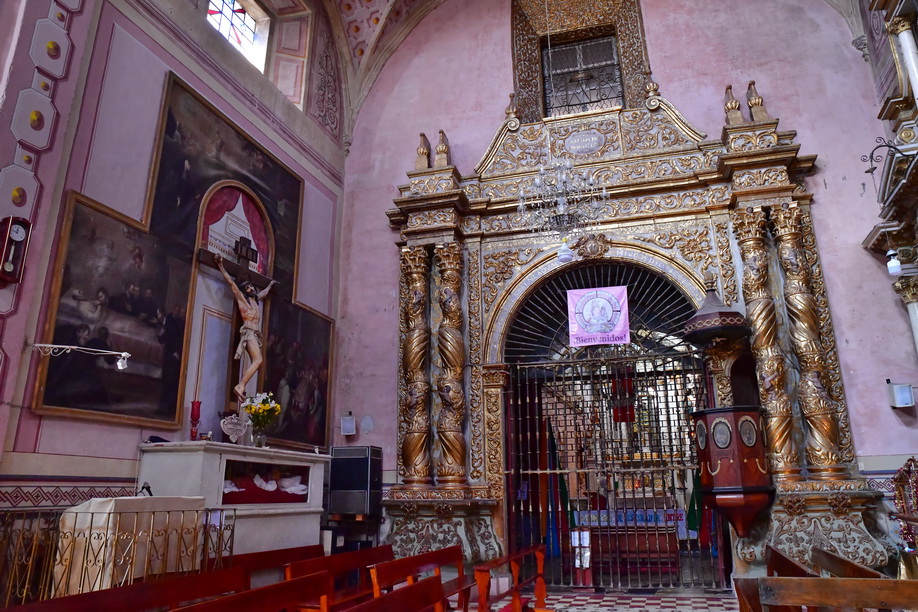
Another remarkable space was added to the complex in 1736: the Santa Casa de Loreto, sponsored by the De la Canal family and inspired by the Holy House of Loreto in Italy. Its richly decorated interior forms a striking contrast with other parts of the Oratory and demonstrates how European Catholic devotions were recreated in New Spain.
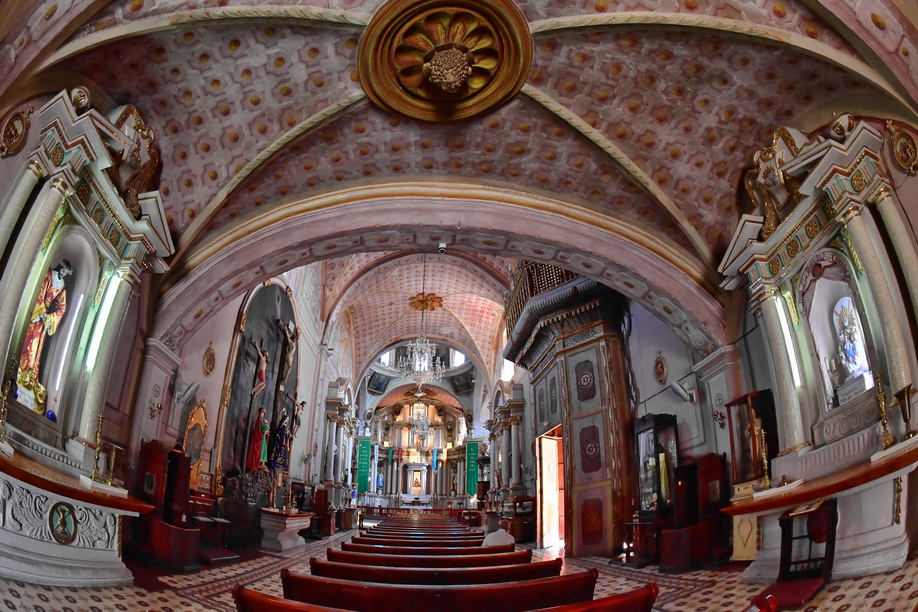
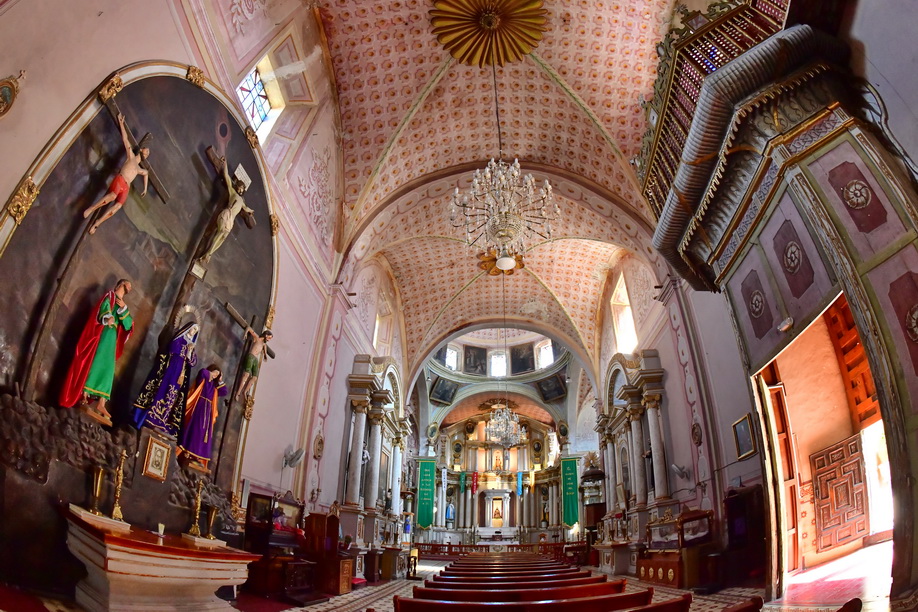
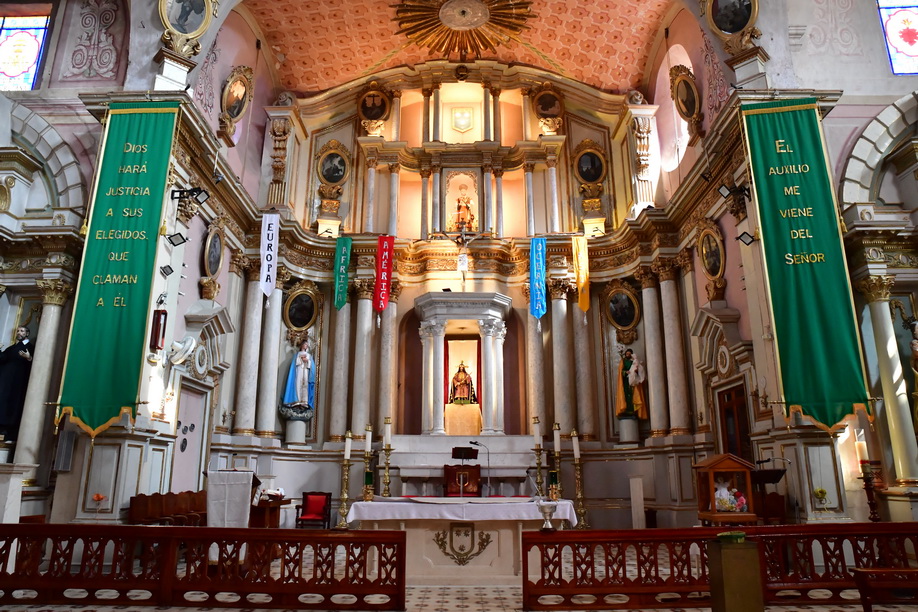
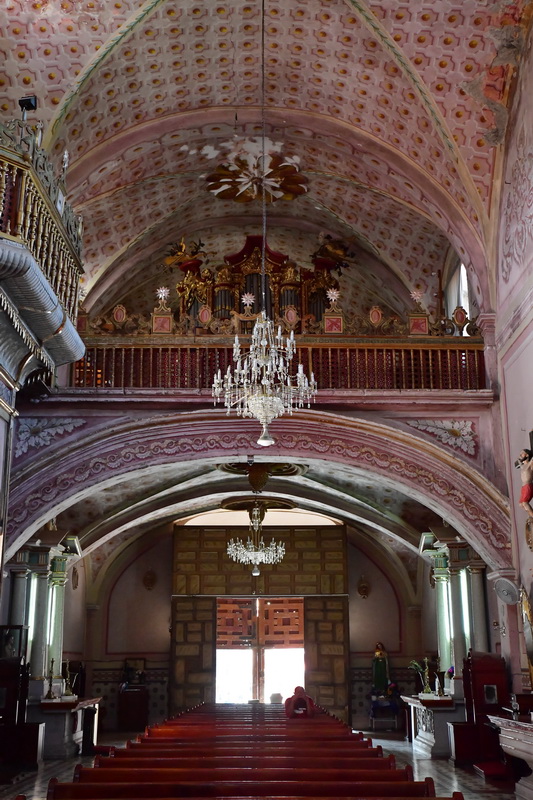
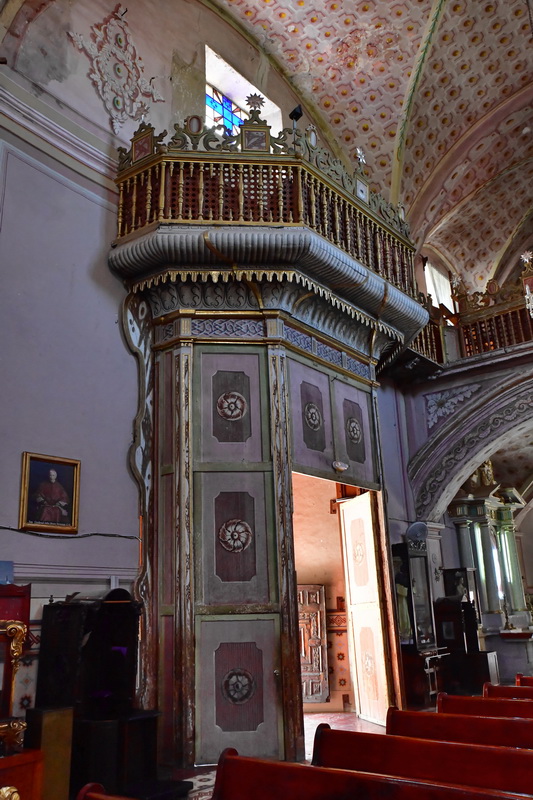
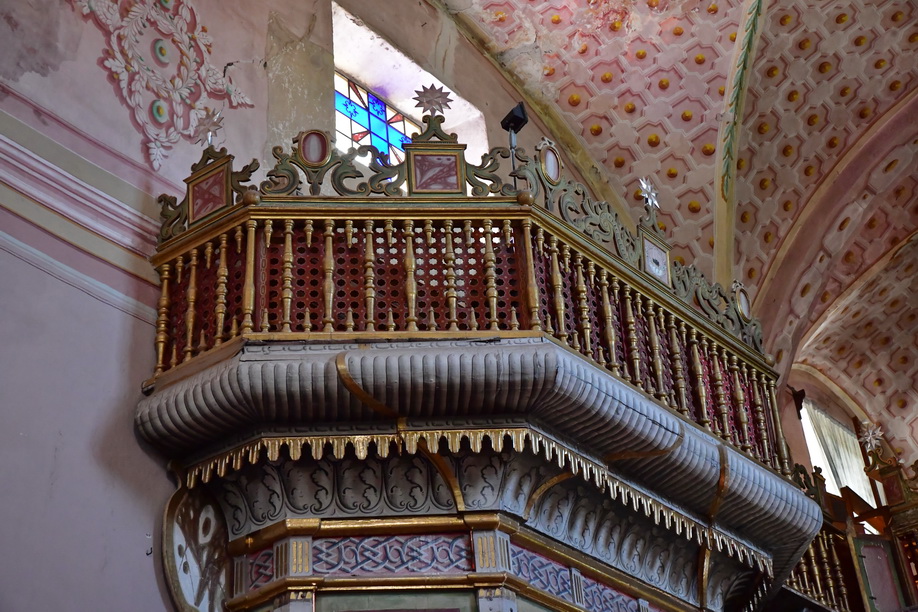
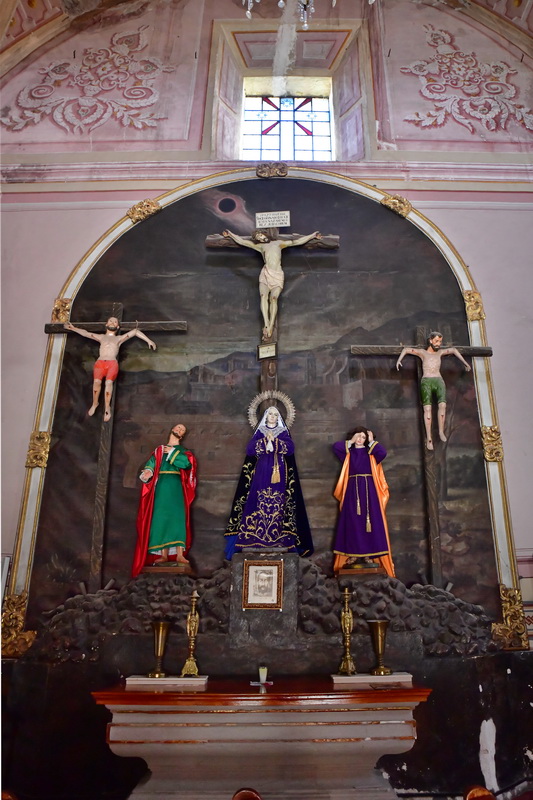
The interior of the main church contains paintings, sculptures and Neoclassical altars accumulated over different periods. More than thirty paintings depicting episodes from the life of Saint Philip Neri have traditionally been attributed to Miguel Cabrera, one of the most important painters of eighteenth-century New Spain.
One element connects the Oratory directly with another chapter of San Miguel's architectural history. In 1877, the priest Antonio Mojica commissioned Zeferino Gutiérrez to construct a new main altar. Made of grey marble with dark veining, it fills the apse and became the largest altar Gutiérrez is known to have created.
Even more remarkably, it bears his signature: “Zeferino Gutiérrez, fecit.” It is the only work presently known to have been signed by the local master builder who would soon transform the façade of the Parroquia de San Miguel Arcángel and help create the architectural image by which San Miguel is recognized today.
For me, this connection between the buildings is particularly interesting. Walking through San Miguel, Zeferino Gutiérrez first appears to belong almost entirely to the Neo-Gothic world of the Parroquia. Inside the Oratorio, however, his work becomes part of a much longer architectural story extending from a seventeenth-century chapel through the Baroque world of colonial Mexico to nineteenth-century transformations.
The Oratorio de San Felipe Neri is therefore not the product of a single period or style. Its indigenous-influenced Baroque stonework, Oratorian religious tradition, educational history, colonial paintings and Zeferino Gutiérrez's signed altar preserve several centuries of San Miguel de Allende within the same complex.