
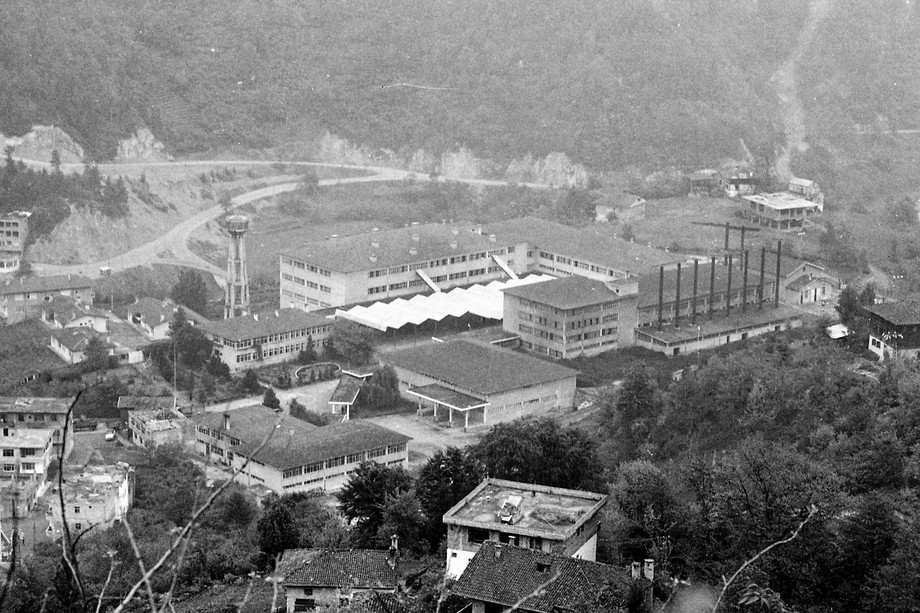
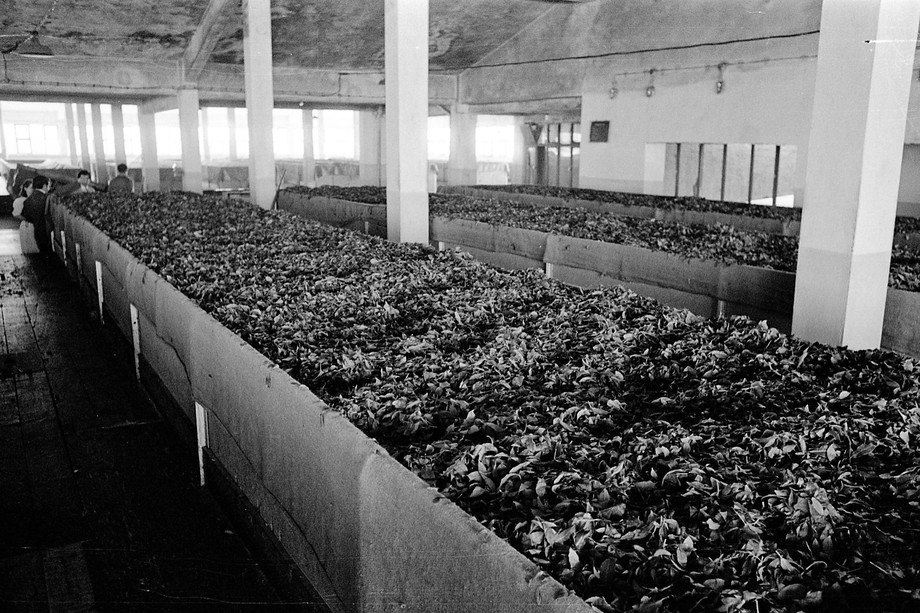
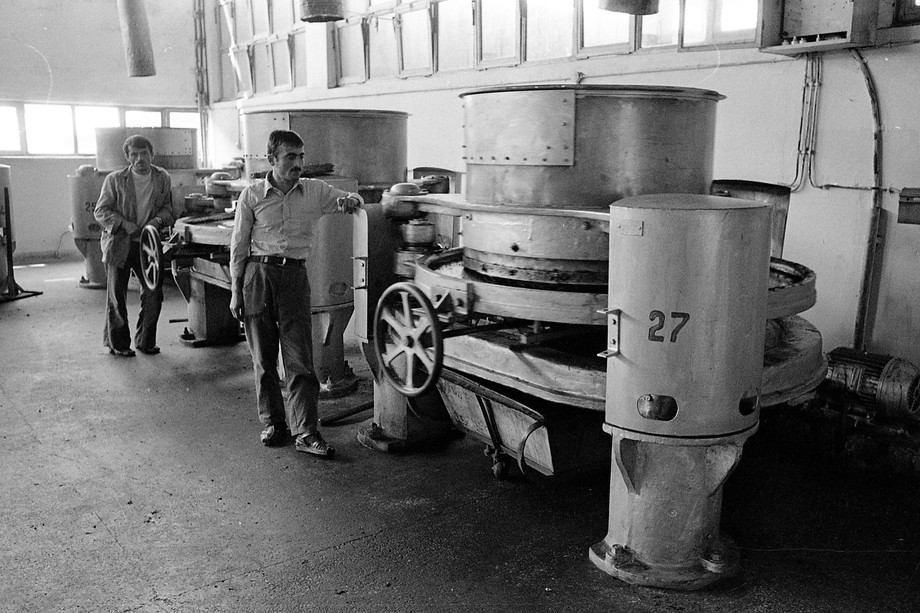
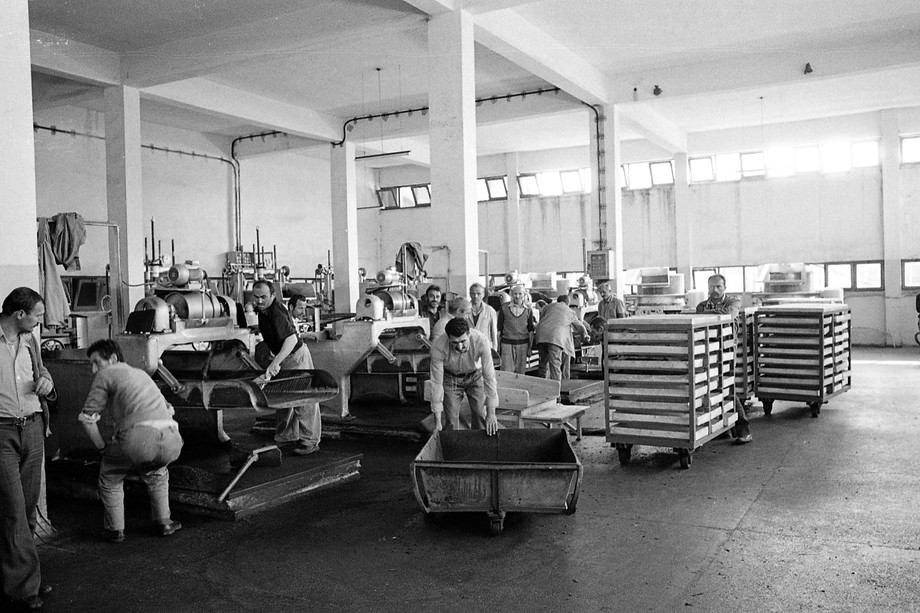
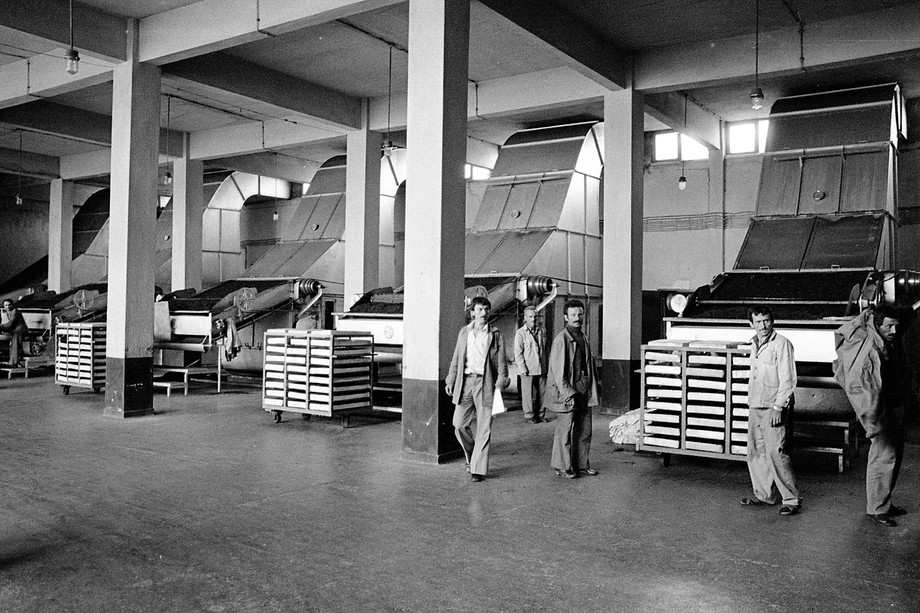
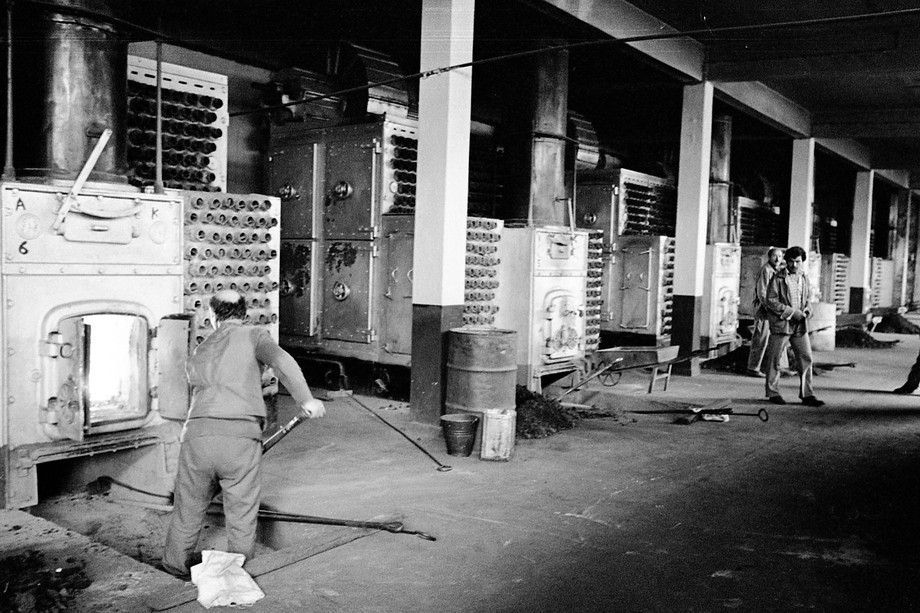
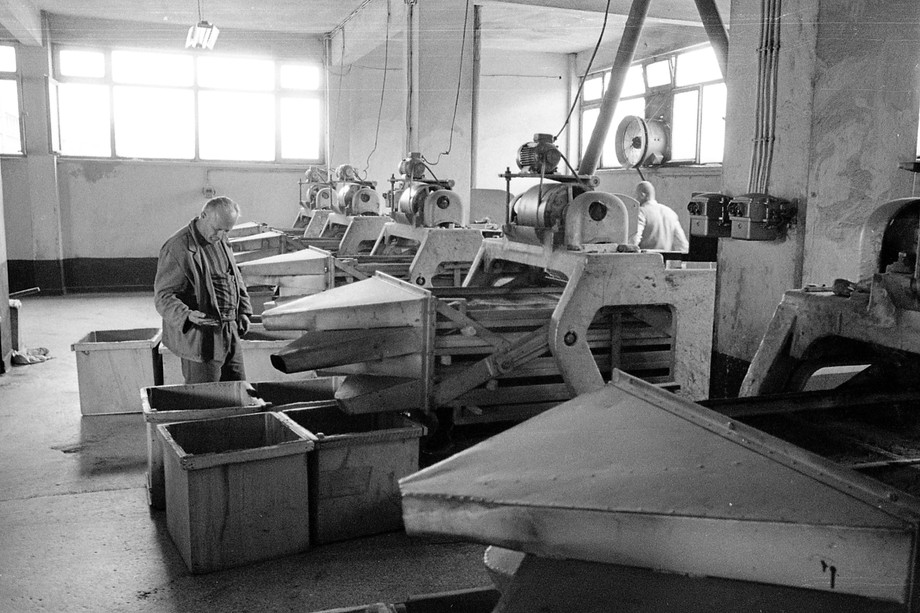
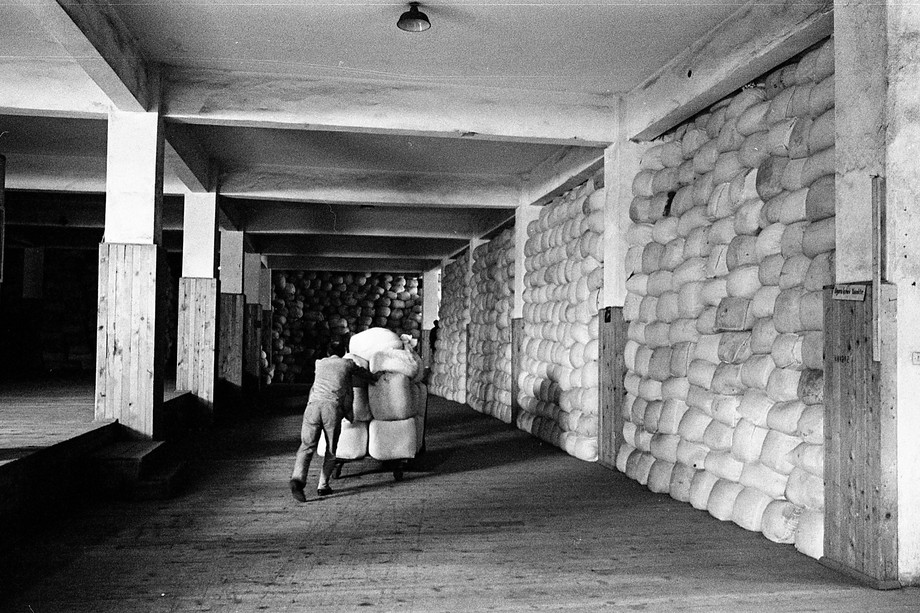
In 1981, I visited the tea factory in Of, in the Trabzon province, to photograph the transformation of tea grown on the slopes of the Black Sea region. From the surroundings of the factory to its production halls, from the machines processing fresh tea leaves to the people working among them, these black-and-white photographs became a record of industrial production at the time. The workers beside the large machines reminded me that tea was not only an agricultural crop but also part of a complex industrial process.
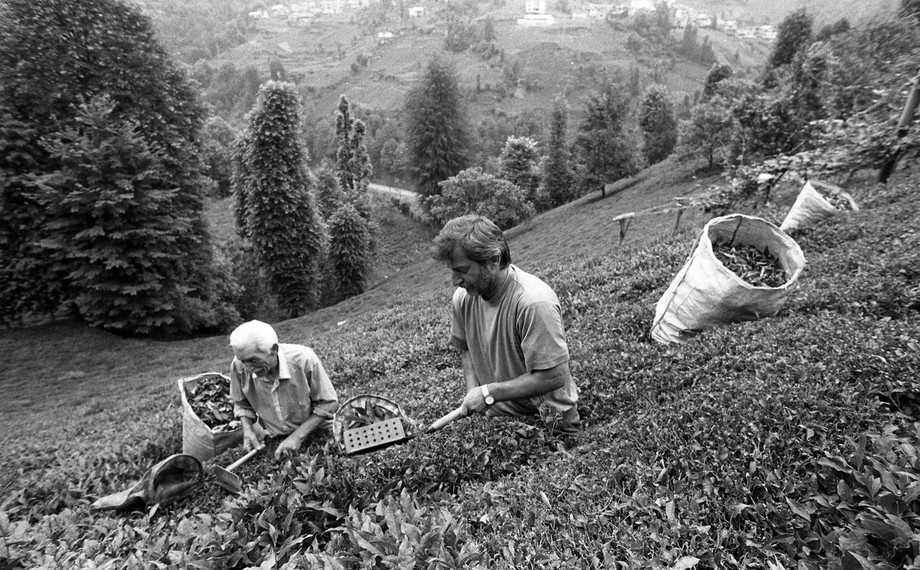
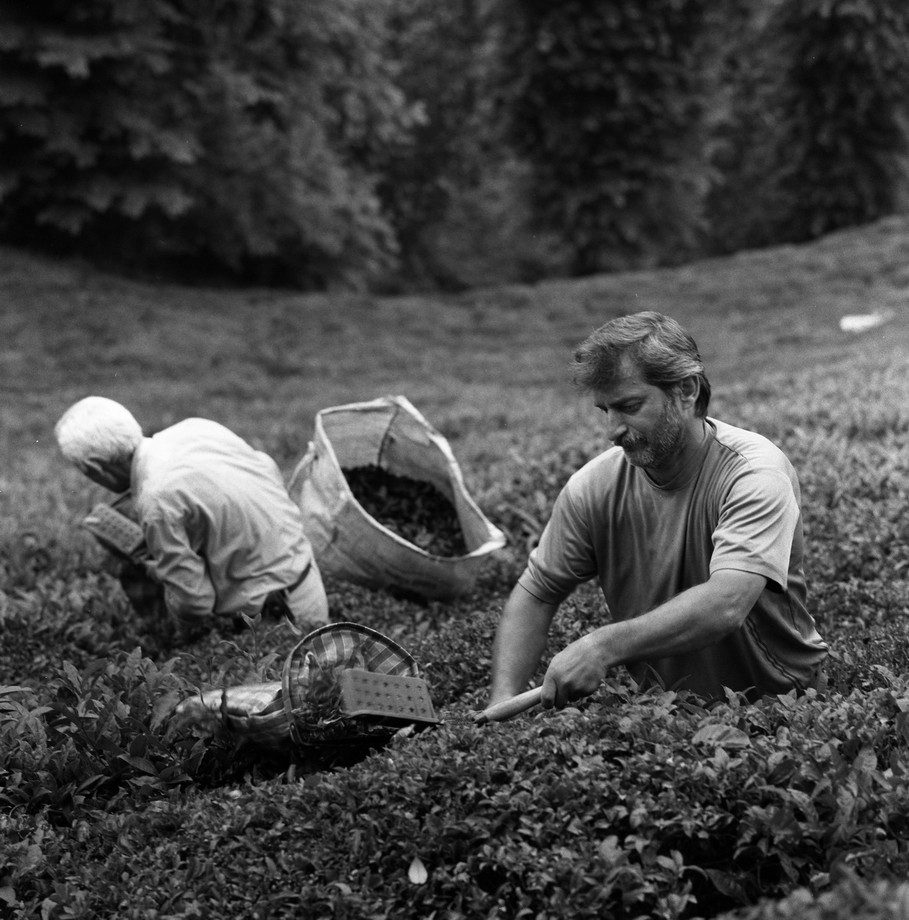
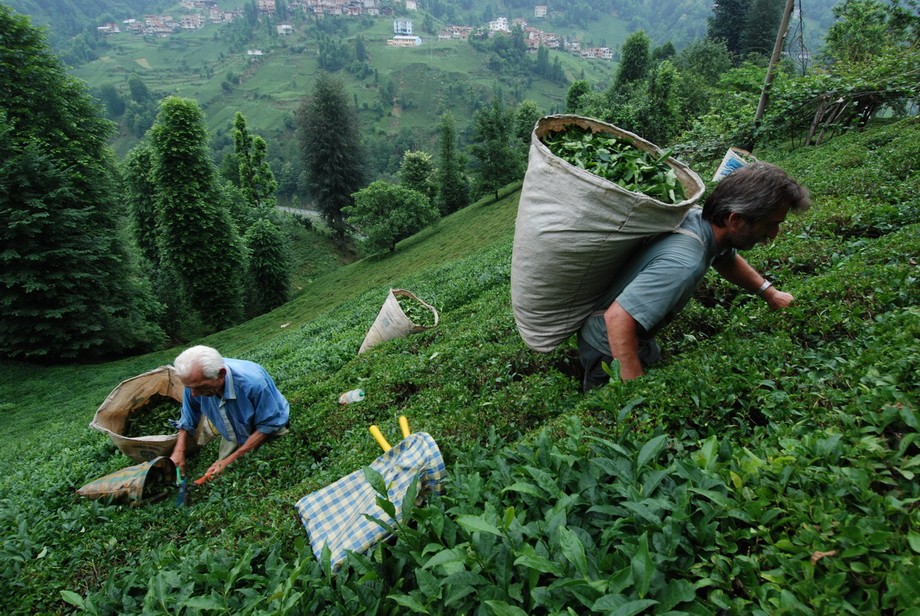
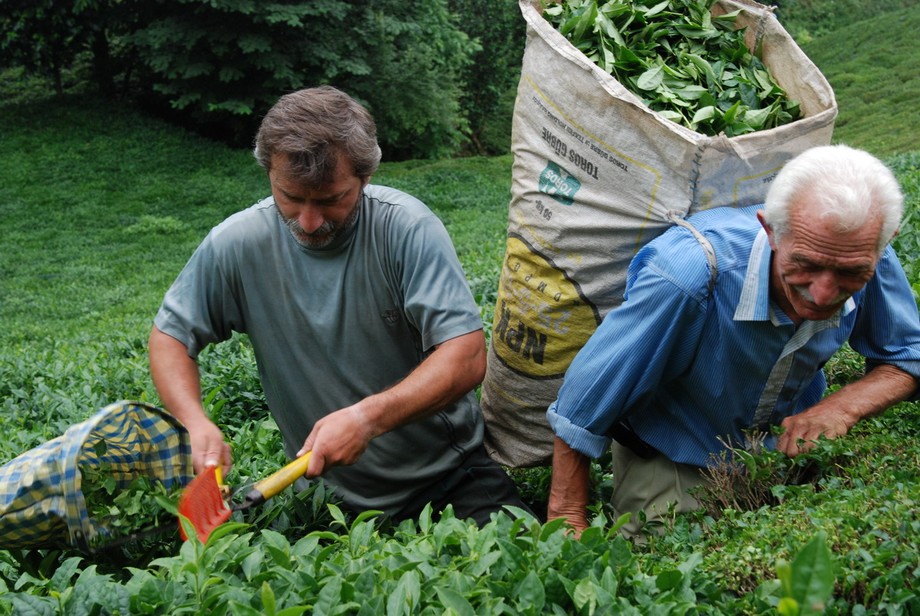
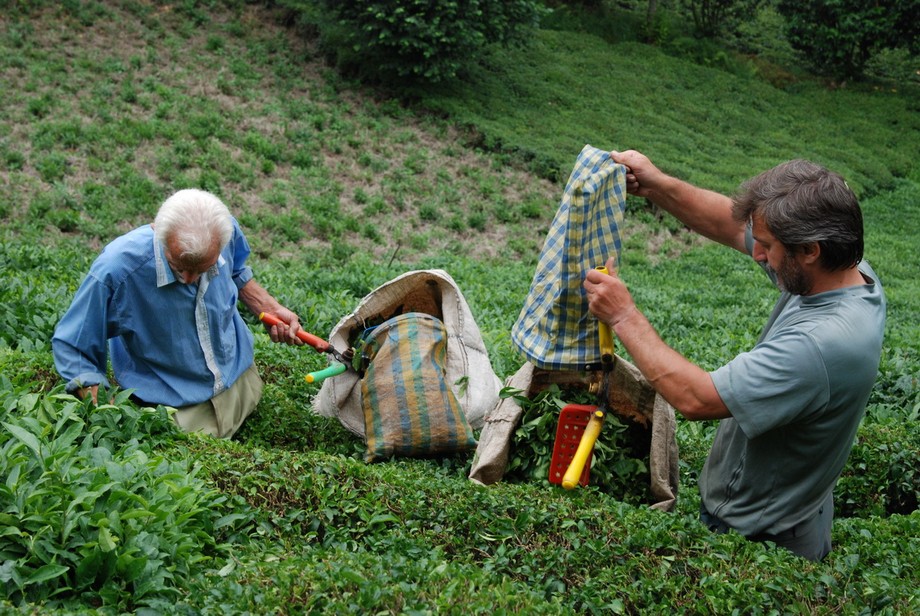
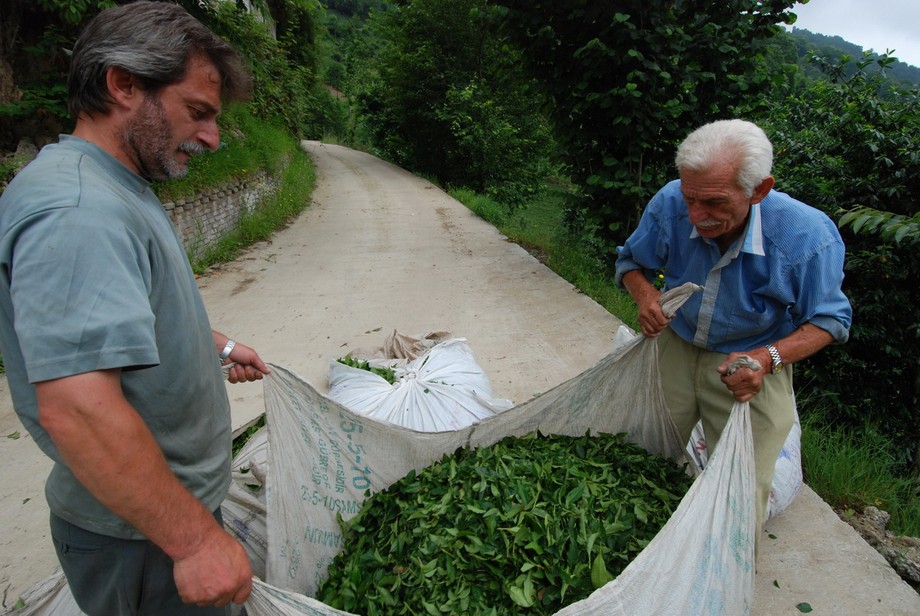
Twenty-nine years later, in 2010, I photographed the tea harvest in Çamlıhemşin, in Rize province. On the steep hillsides, people worked among the tea bushes, balancing on the slopes as they filled the large baskets carried on their backs. Fresh shoots cut with tea shears were gathered into loads that grew heavier as the day went on. I had reached the beginning of the labour I had once witnessed inside the factory.
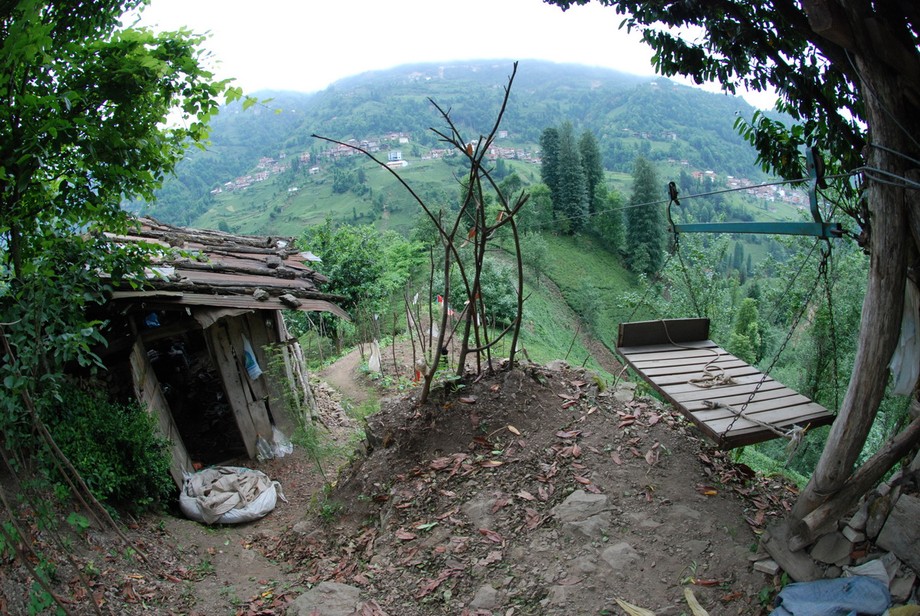
One detail that caught my attention in Çamlıhemşin was how the harvested tea was transported. Because of the steep terrain and difficult access, simple cableway systems were used to move sacks of tea down from the gardens. These improvised aerial lines showed how the geography of the region shaped everyday working methods. Before the leaves could reach the factory, moving them from the hillside demanded its own effort and ingenuity.
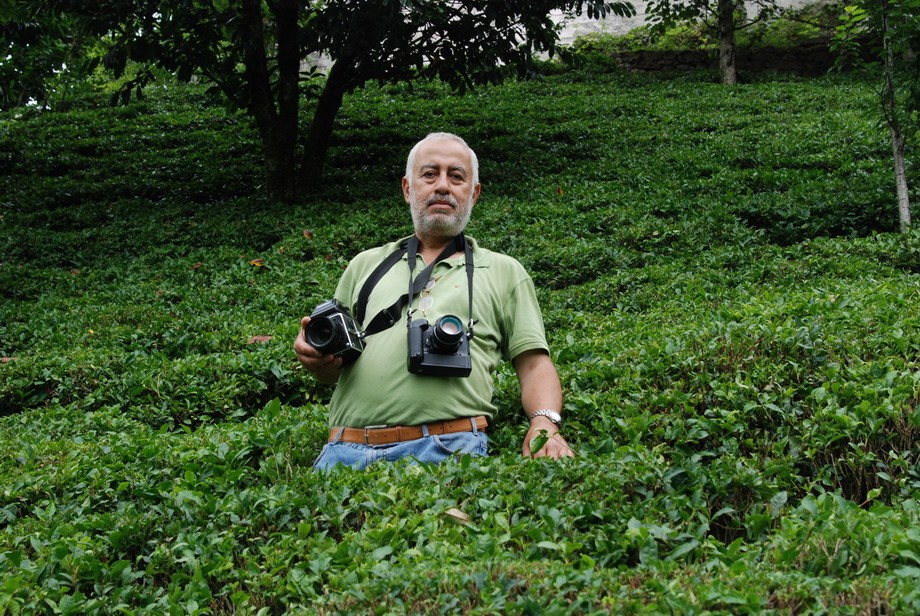
In this portfolio, I follow the journey of tea in reverse. I begin inside the Of factory in 1981 and then return to the tea gardens of Çamlıhemşin in 2010. Moving from black-and-white images of industrial production to colour photographs of the harvest, I see two different periods connected by human labour. I also appear in the final photograph, standing in the tea garden as a photographer who has followed different stages of production across the years. Behind a cup of tea are not only machines, but also the land, the landscape and the people who work it.