
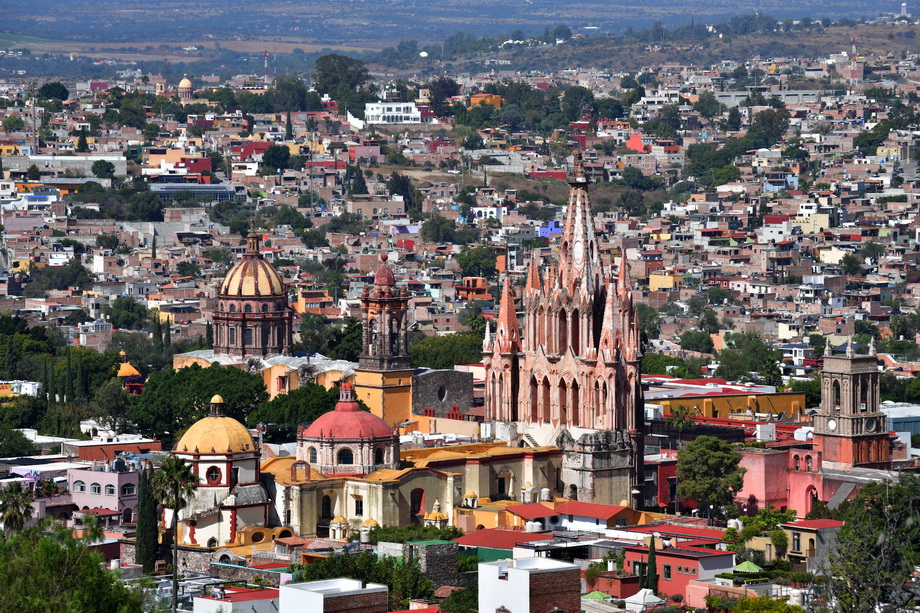
San Miguel de Allende, in the Mexican state of Guanajuato, is one of the country’s most remarkable cities for its historic architecture, lively streets and rich cultural life. Its origins reach back to the sixteenth century, and much of its Spanish colonial architectural heritage has survived. Narrow cobblestone streets, houses painted in warm colours, imposing churches and courtyards concealed behind high walls give the city its distinctive identity. In 2008, its historic centre, together with the nearby Sanctuary of Atotonilco, was inscribed on the UNESCO World Heritage List.
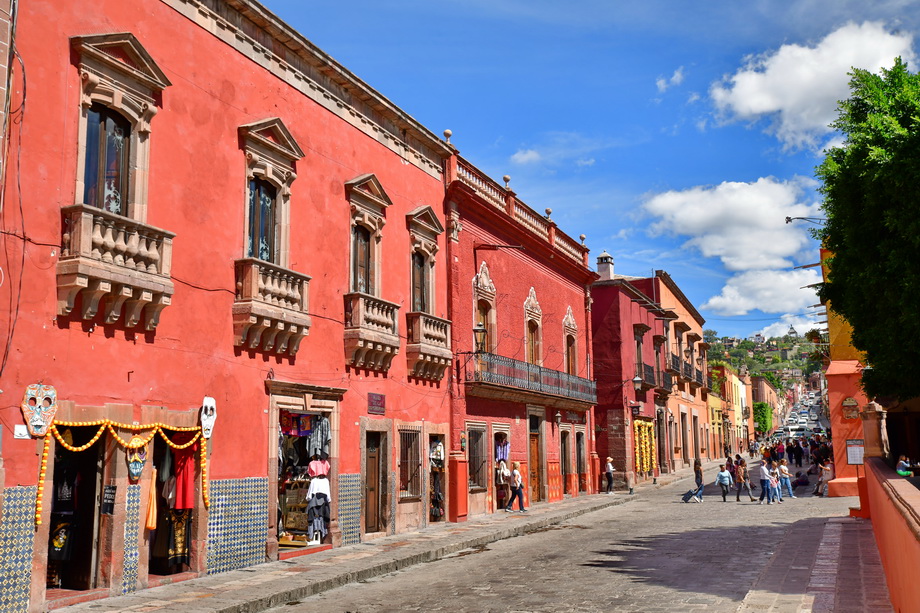
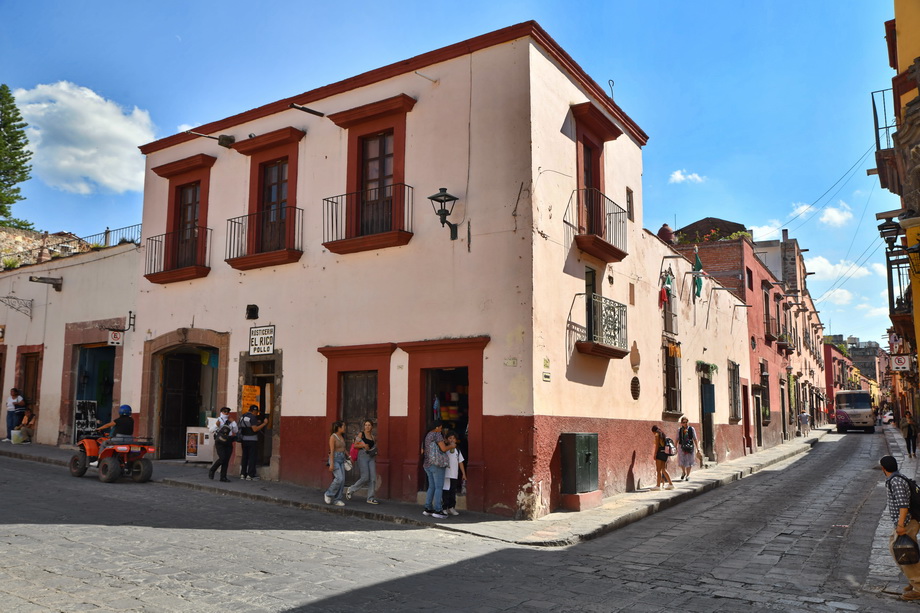
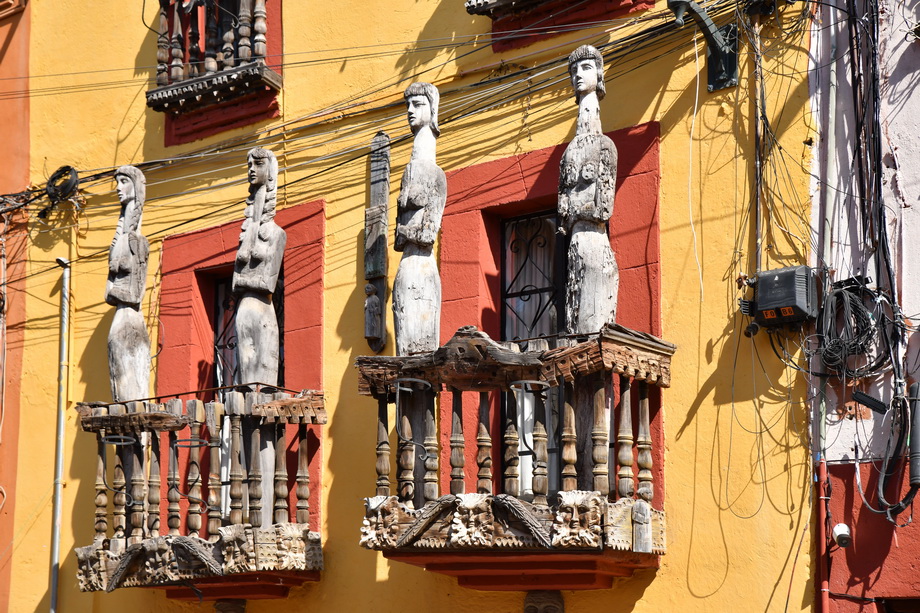
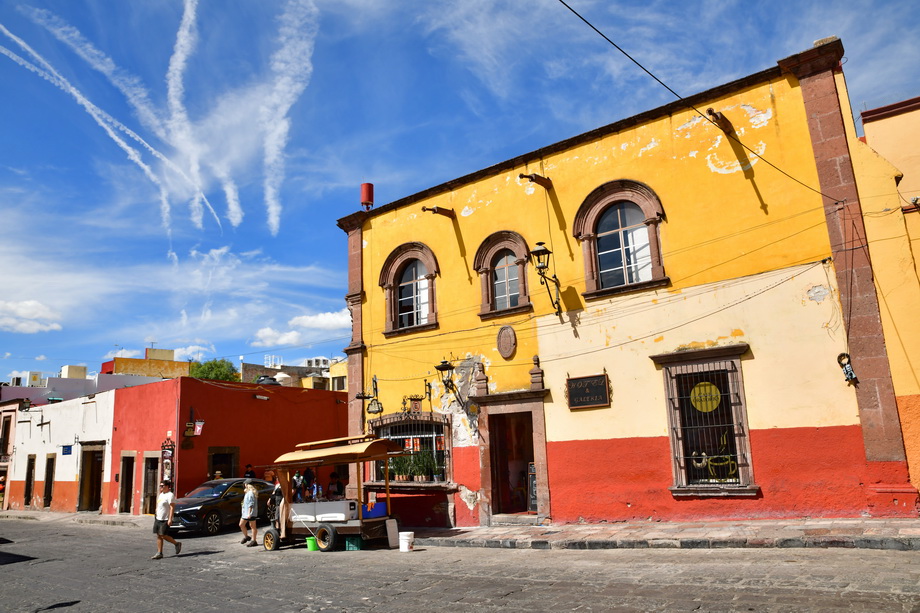
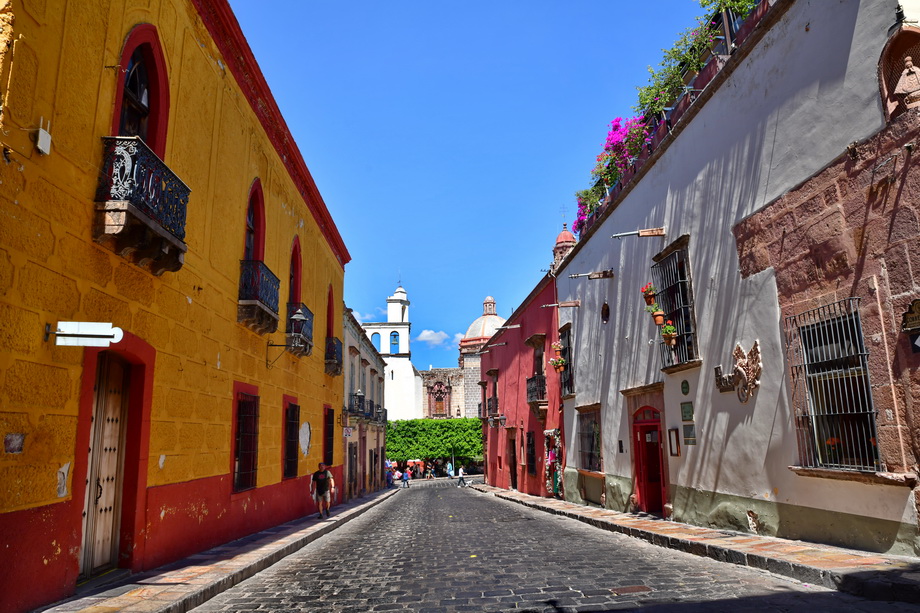
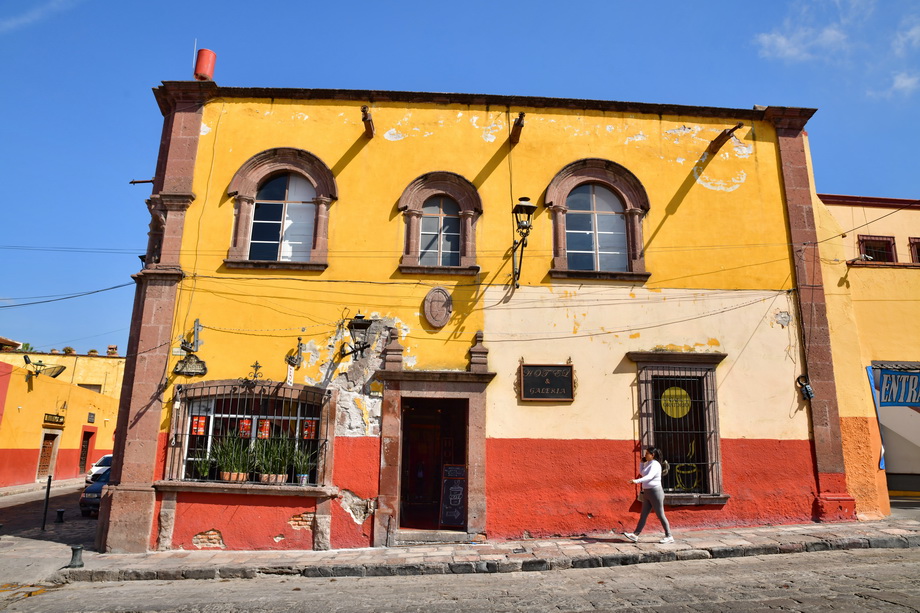
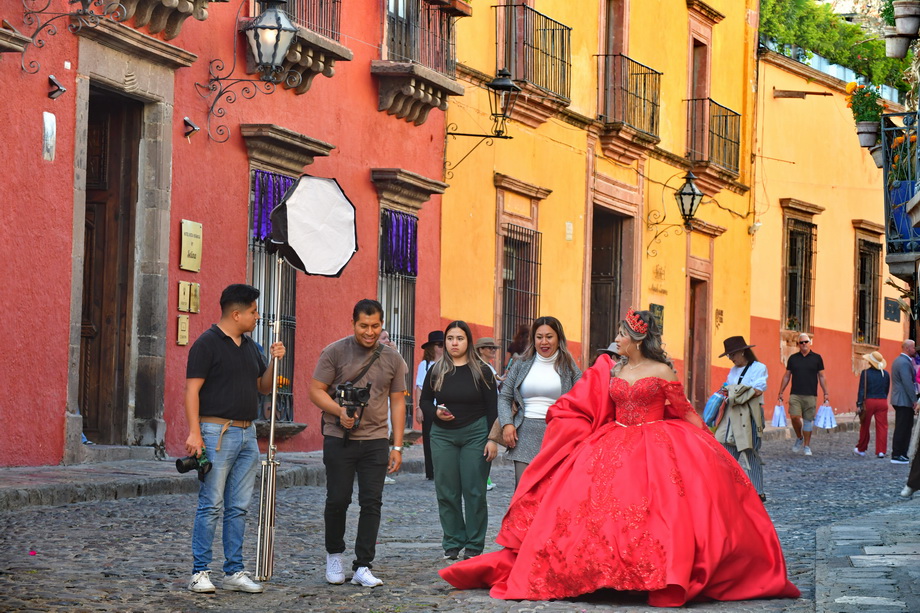
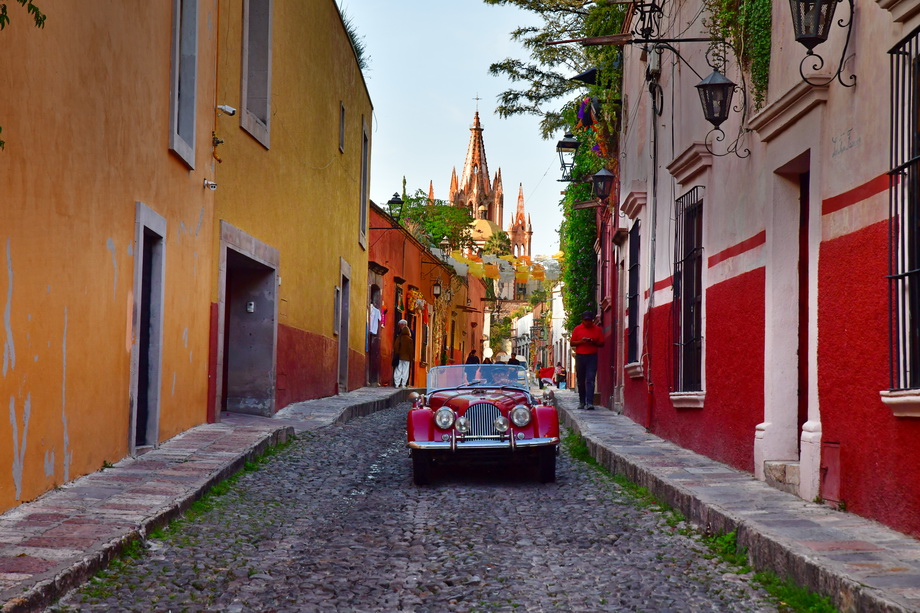
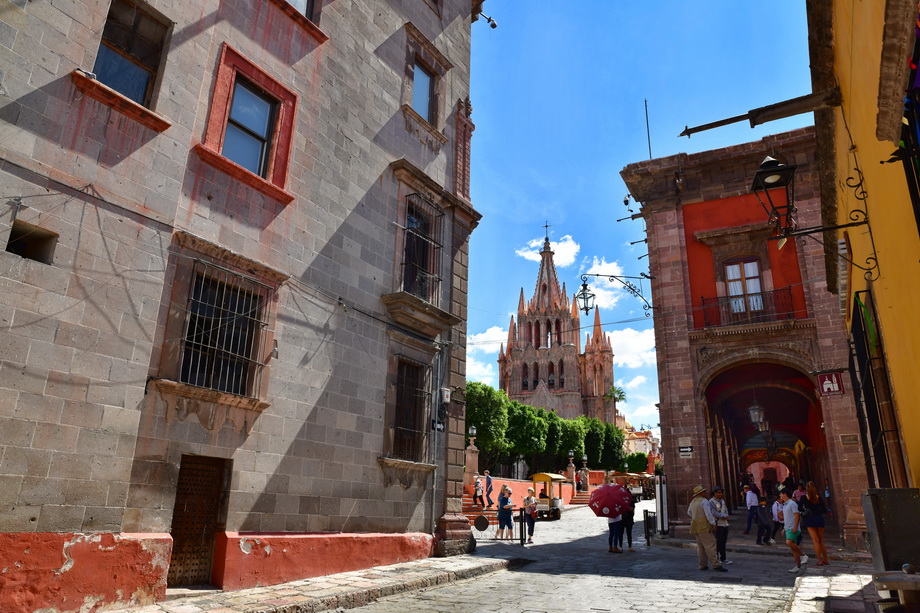
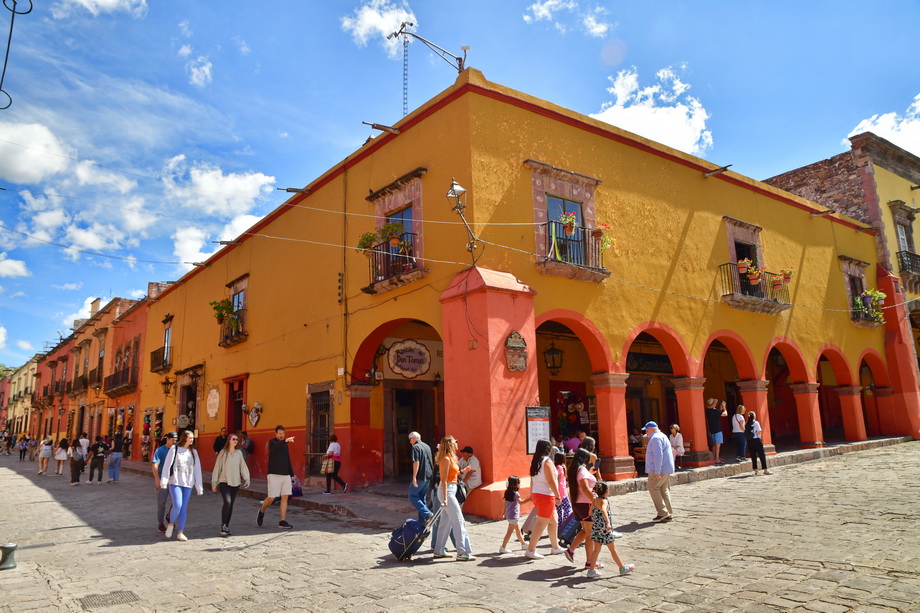
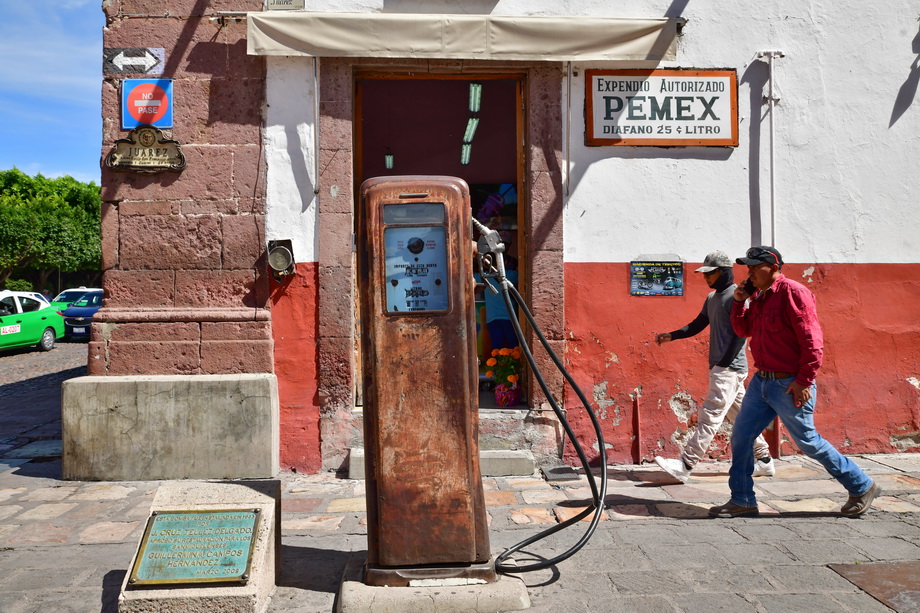
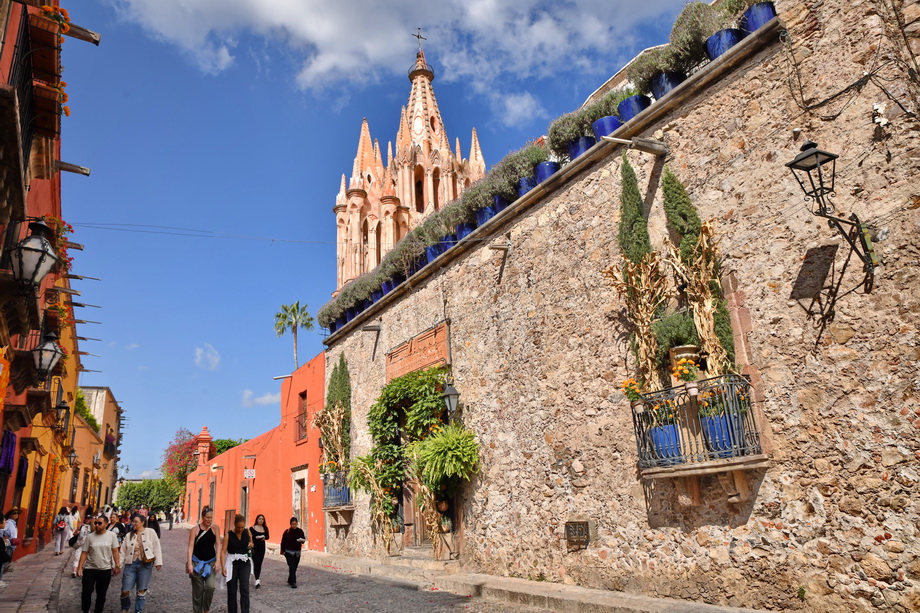
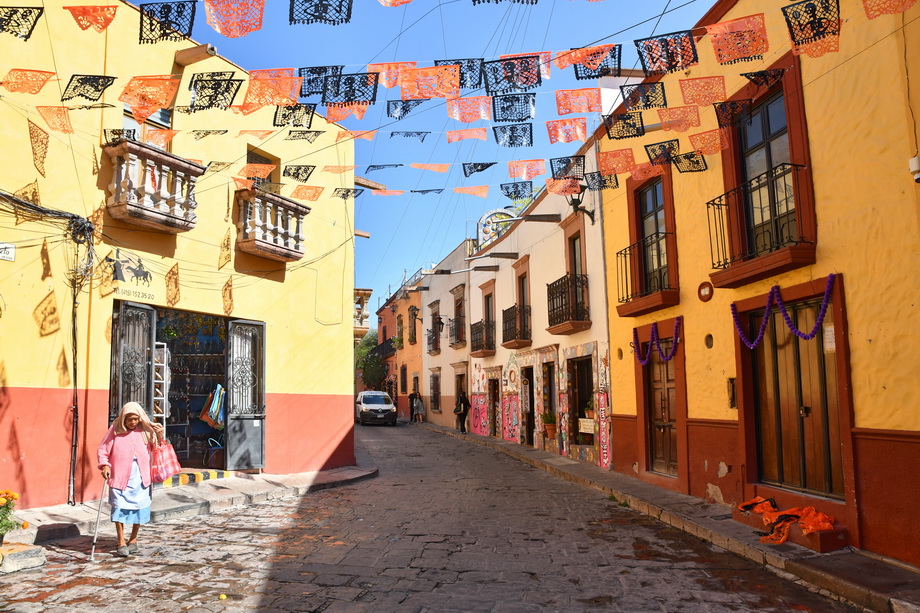
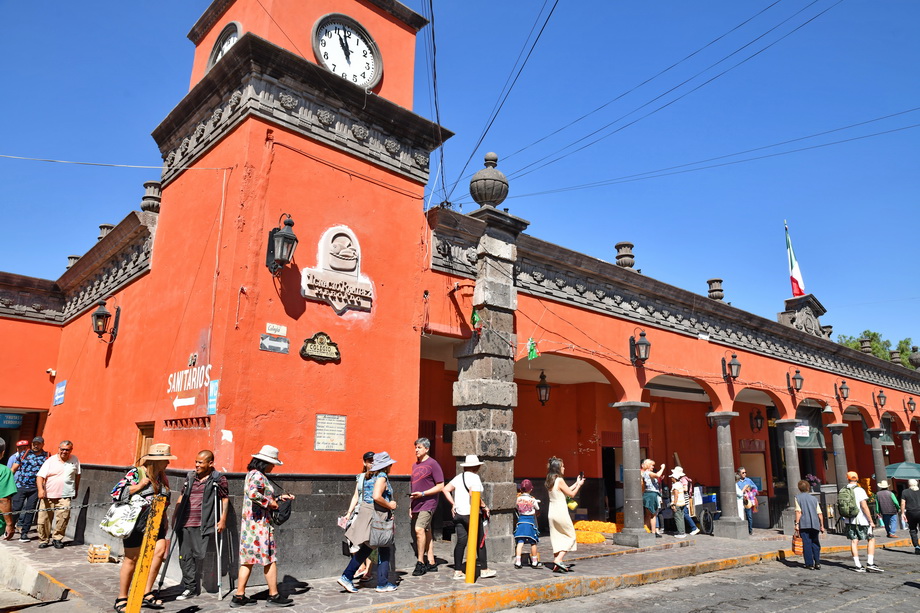
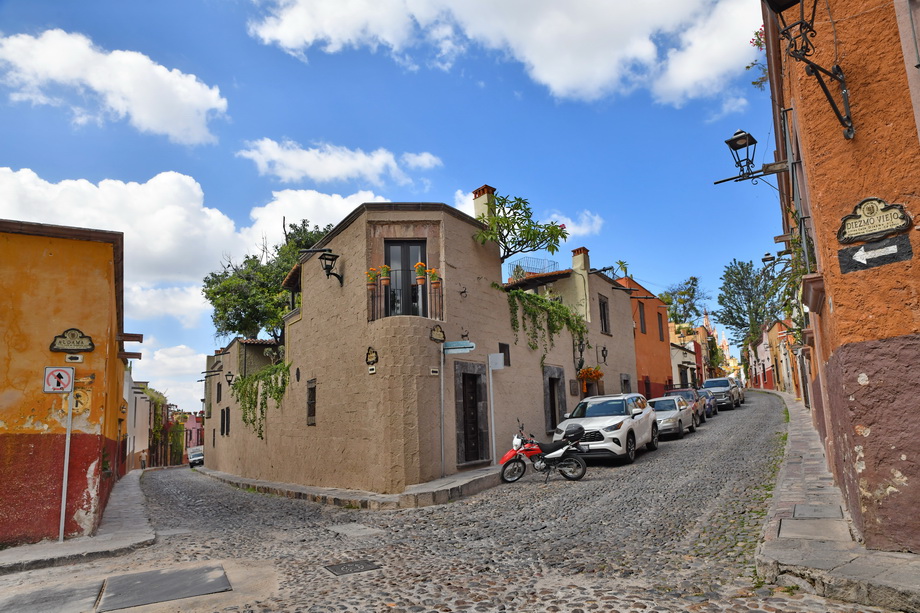
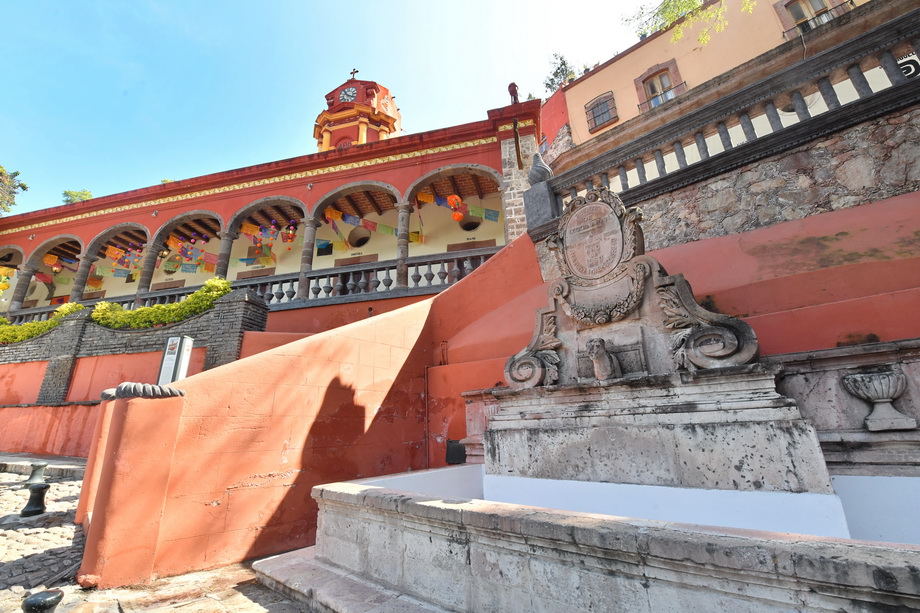
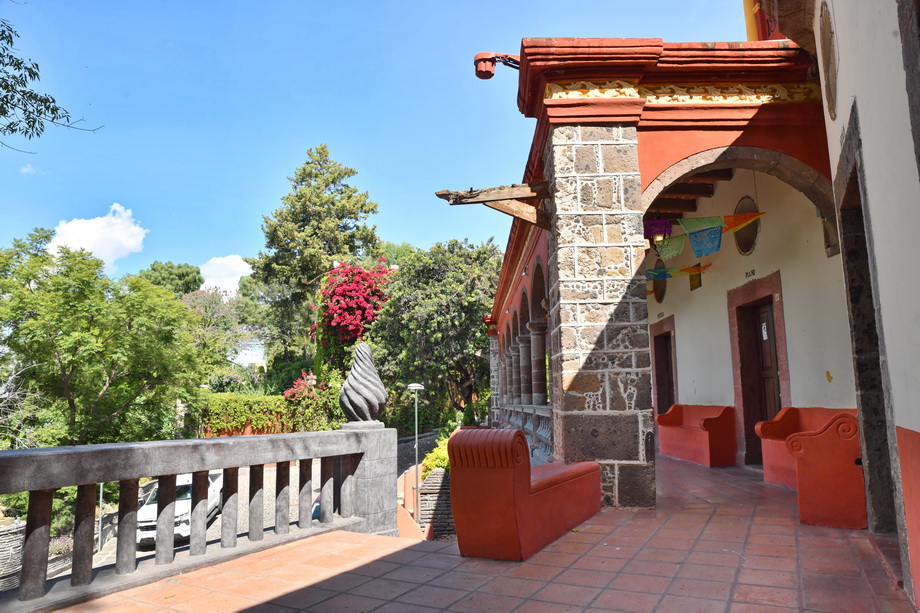
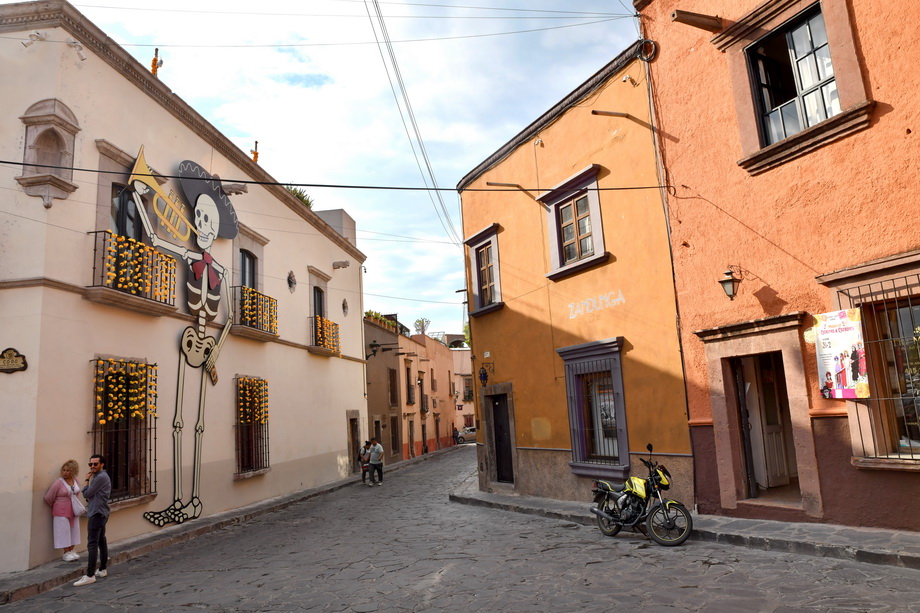
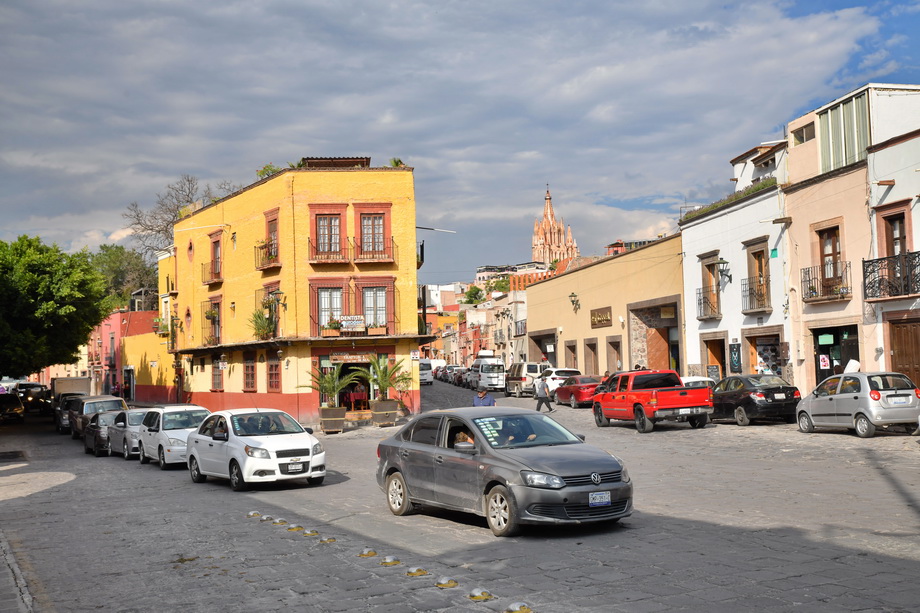
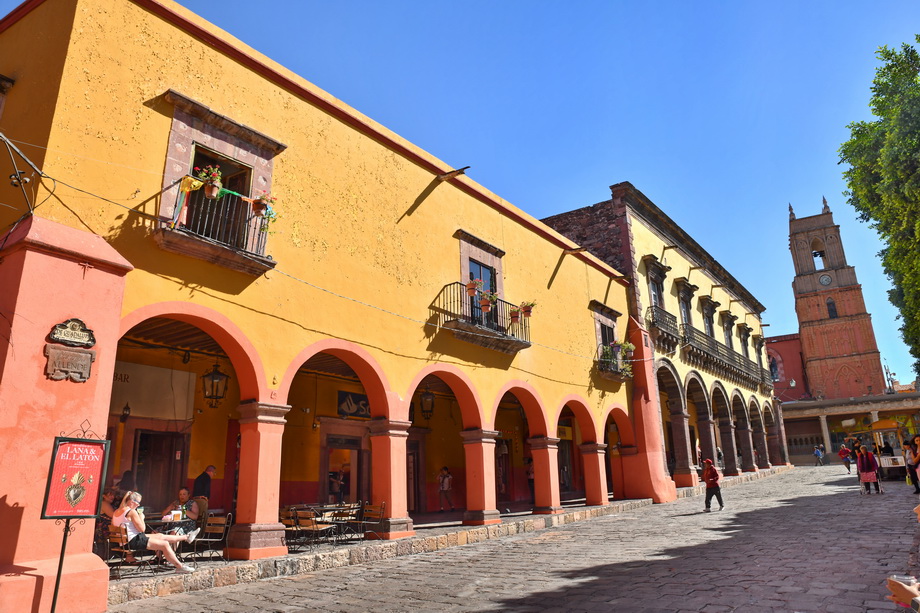
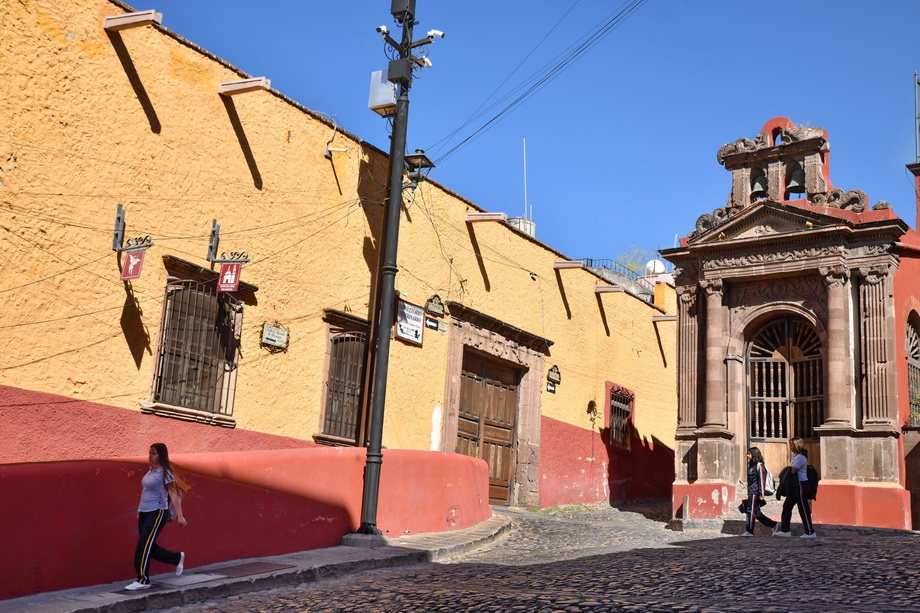
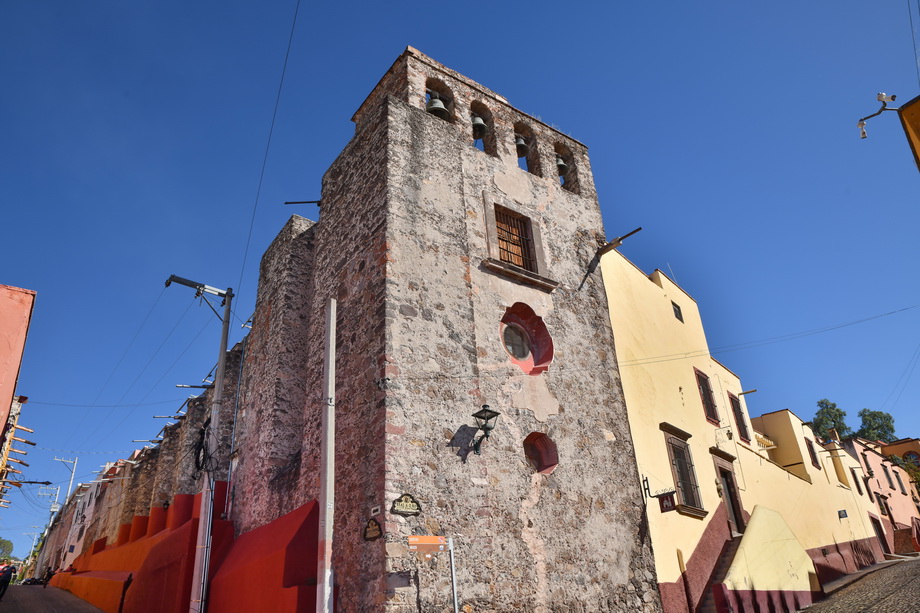
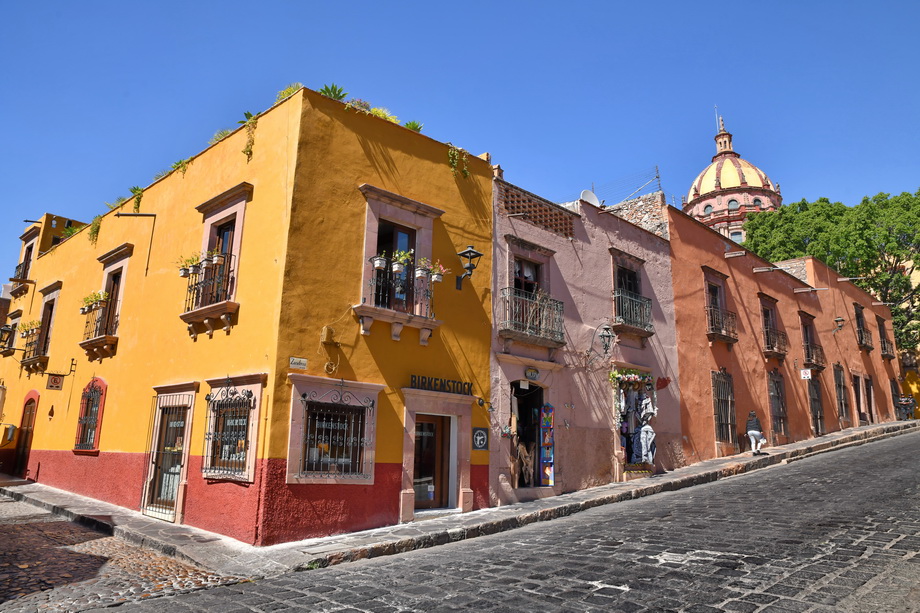
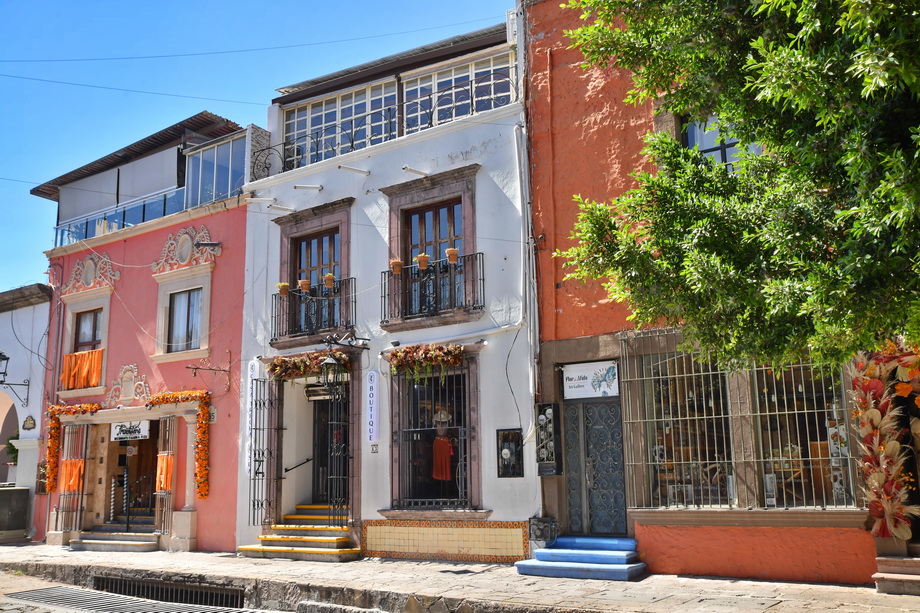
Walking through the streets of San Miguel de Allende, what first struck me was the powerful relationship between architecture and colour. Walls in earthy reds, mustard yellows, oranges and pinks are set against dark wooden doors, iron-barred windows and stone surrounds. Continuous façades rise on either side of the narrow streets, sometimes opening into a small square, sometimes leading to the front of a church. As I walked along the sloping streets, rooftops, domes and bell towers appeared from constantly changing angles.
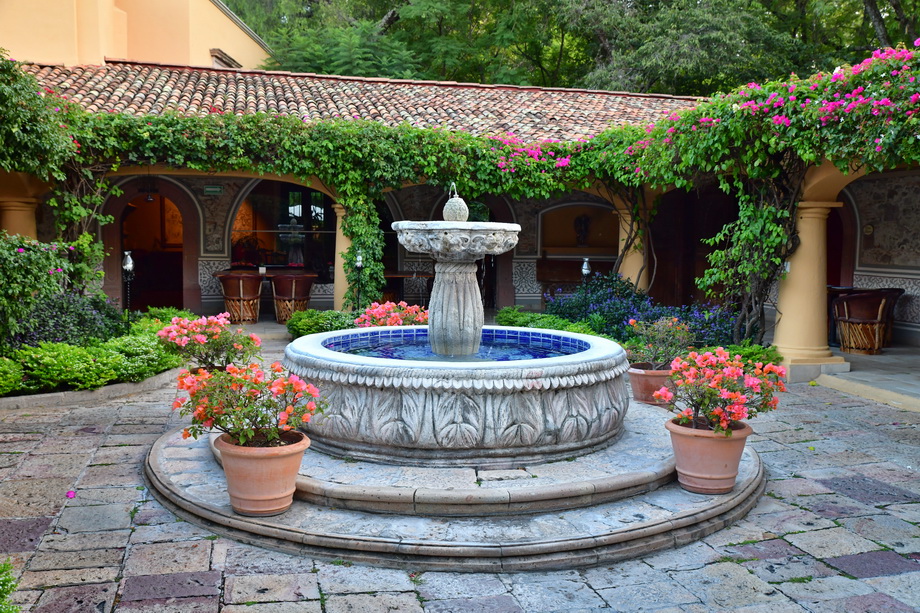
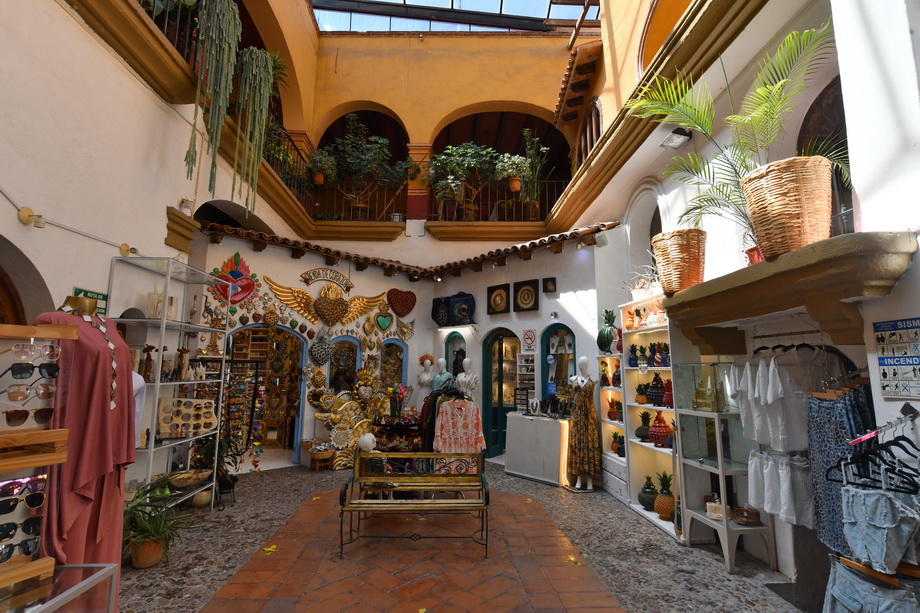
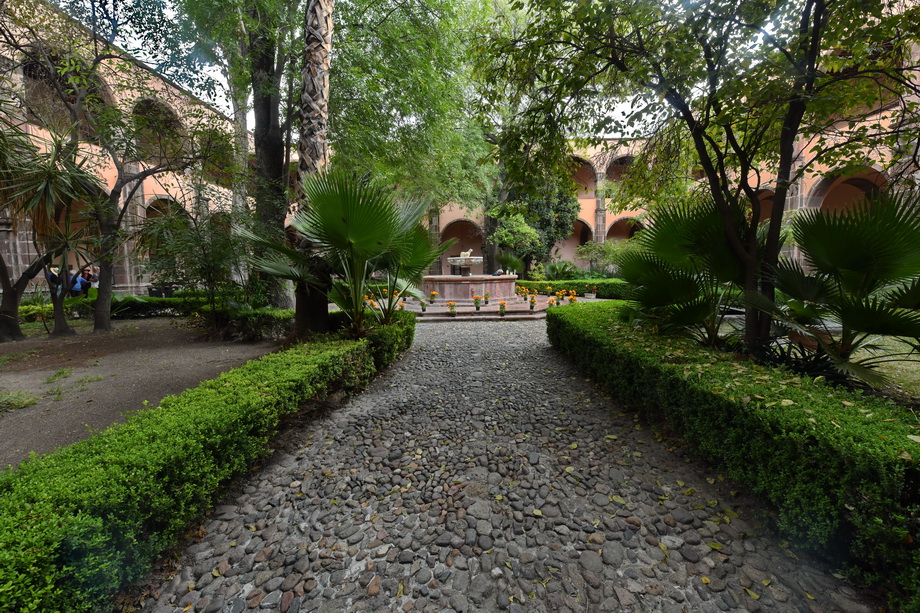
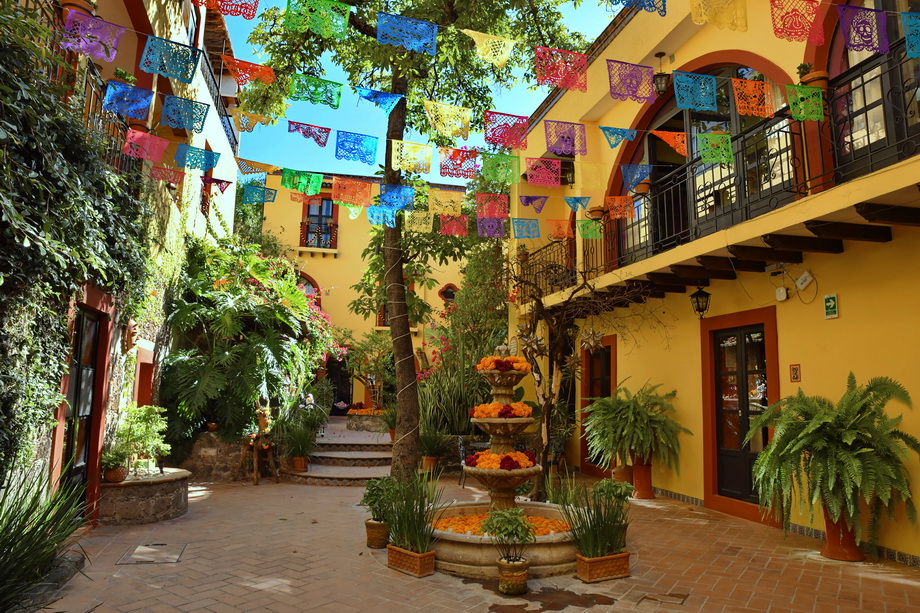
In many traditional houses, life is organised around an inner courtyard rather than the street. Behind high walls that may appear quite plain from outside, there can be courtyards surrounded by colonnaded galleries, fountains, trees and flowers. This arrangement provides privacy while responding to the warm climate. The architectural beauty of San Miguel de Allende lies not only in its striking façades but also in the balance between public streets and private living spaces.
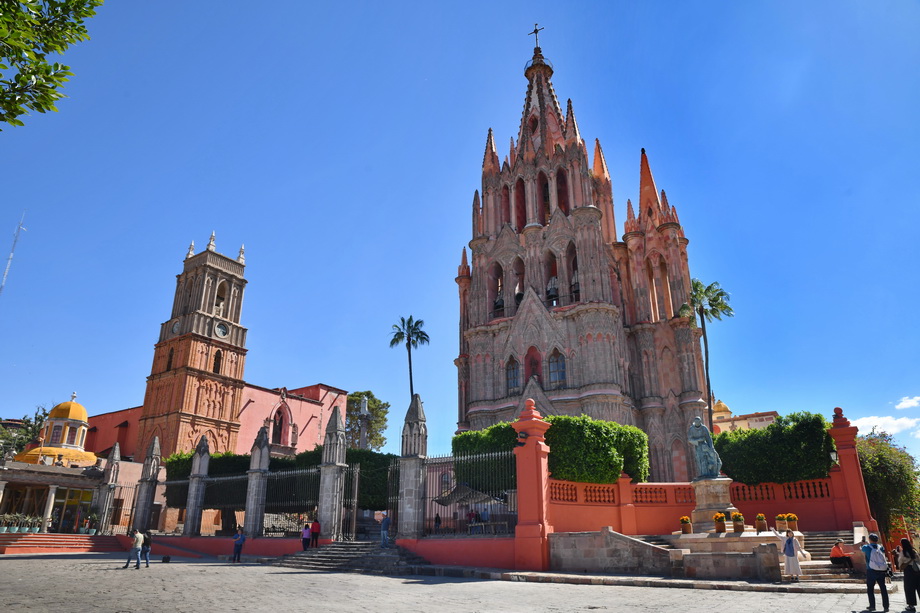
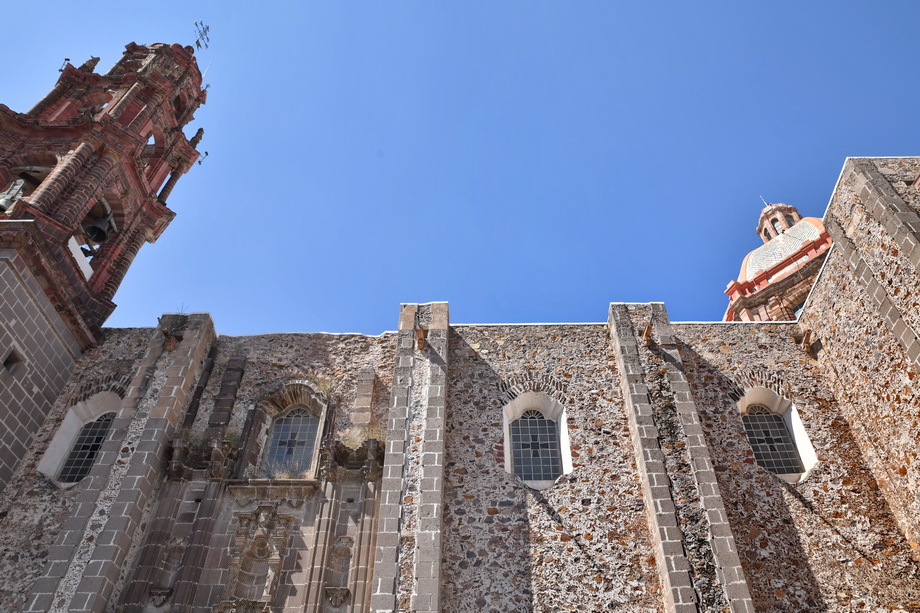
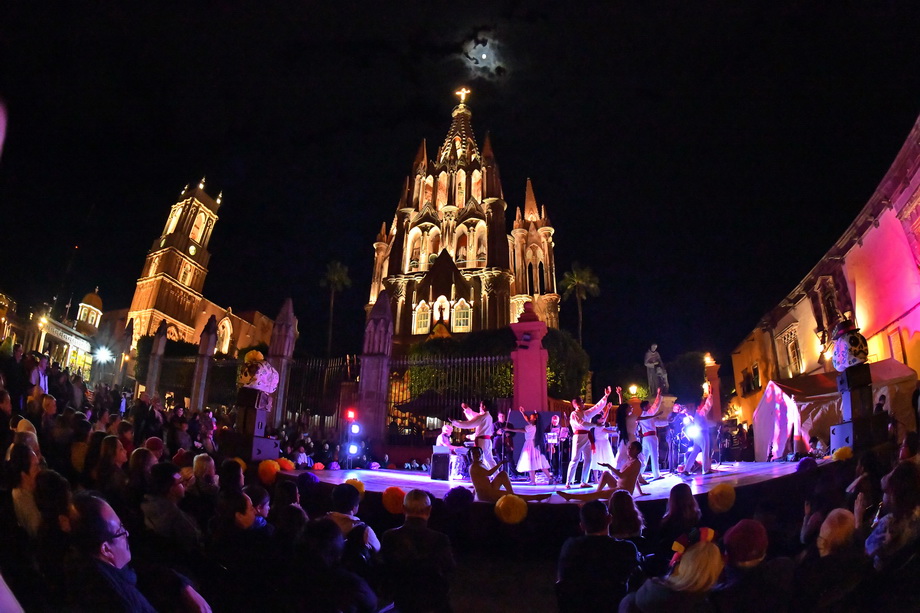
The city’s best-known building is the Parroquia de San Miguel Arcángel, rising beside the main square, Jardín Allende. Its pink, stone-like neo-Gothic façade, reshaped particularly in the late nineteenth century, and its pointed towers define the city’s skyline. The square in front of the church is a lively public place where people meet, rest, listen to music and take part in celebrations throughout the day. Together with the surrounding historic buildings, trees and street life, it forms the social heart of San Miguel de Allende.
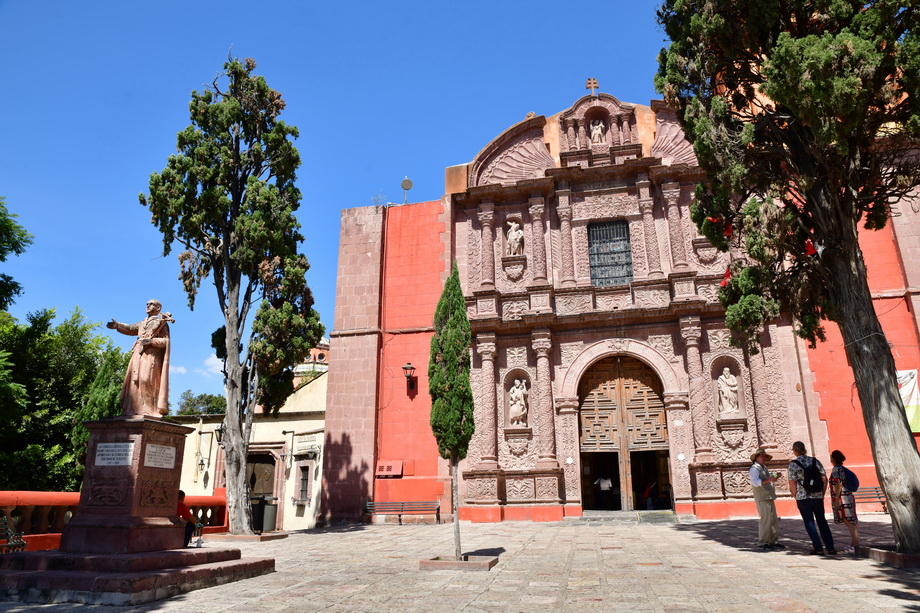
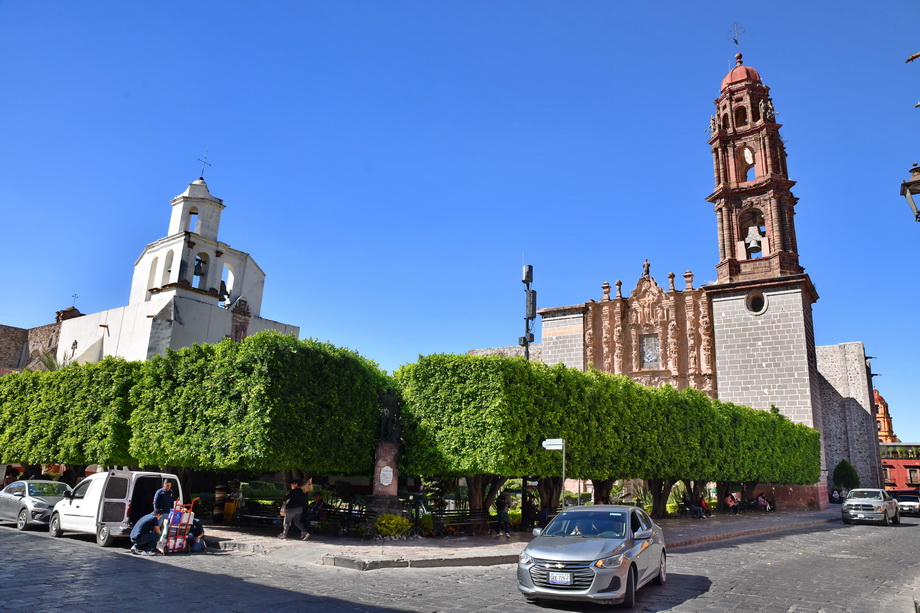
Religious architecture has an important place in the city’s historic fabric. The Church of San Francisco, the Oratorio de San Felipe Neri and other historic places of worship reflect the architectural ideas of different periods. Façades decorated with stone carving, tall bell towers and works of religious art inside these buildings offer ways of understanding the city’s cultural past. These churches are not simply architectural monuments; they remain living places of daily worship, religious ceremonies and traditional celebrations.
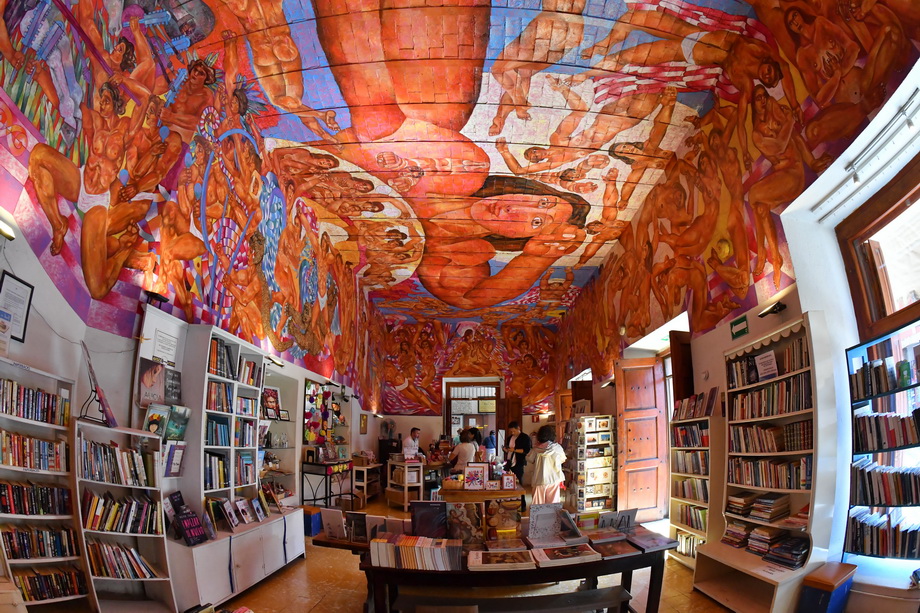
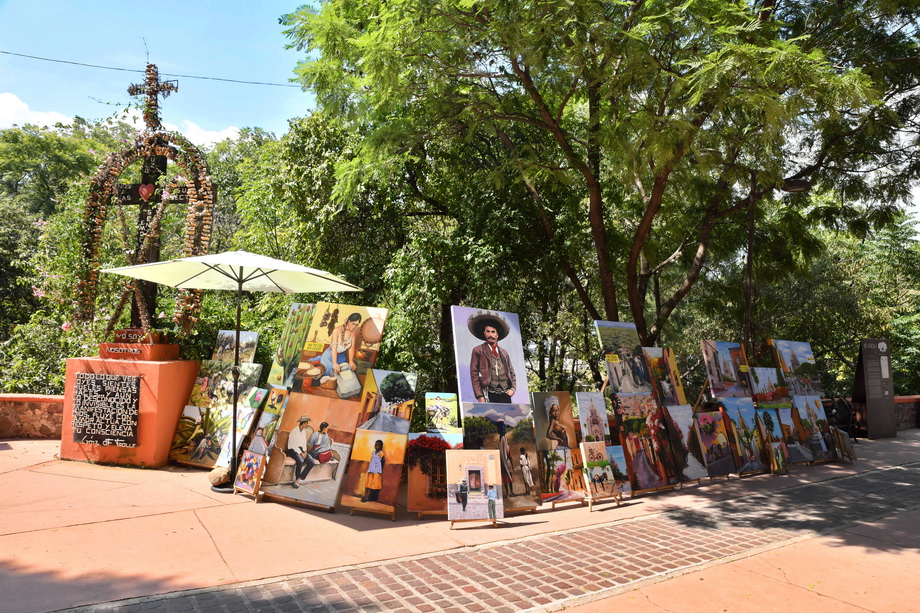
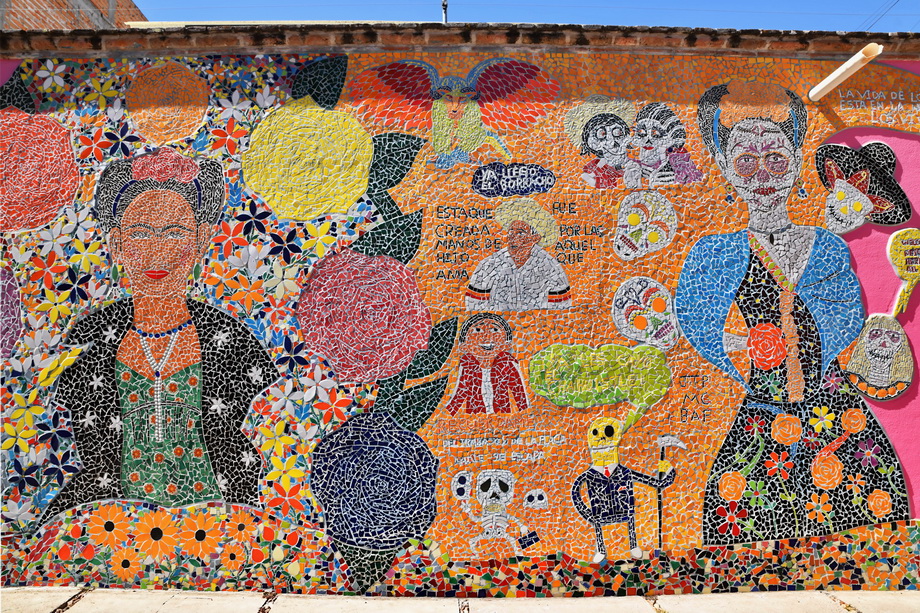
The city’s relationship with art is equally striking. Some former mansions and historic buildings now serve as galleries, workshops, cultural centres or educational institutions. Instituto Allende and Centro Cultural Ignacio Ramírez El Nigromante, in particular, occupy important places in San Miguel de Allende’s artistic life. Painting, sculpture, ceramics, weaving and other crafts continue as expressions of both traditional practice and contemporary art. Connections with international artistic communities have helped a multicultural life develop within the city’s historic architecture.
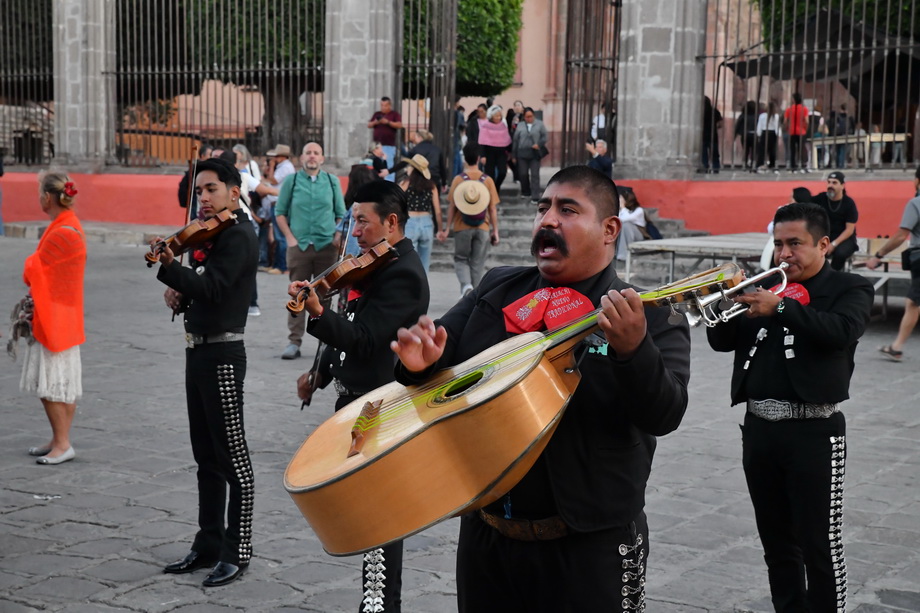
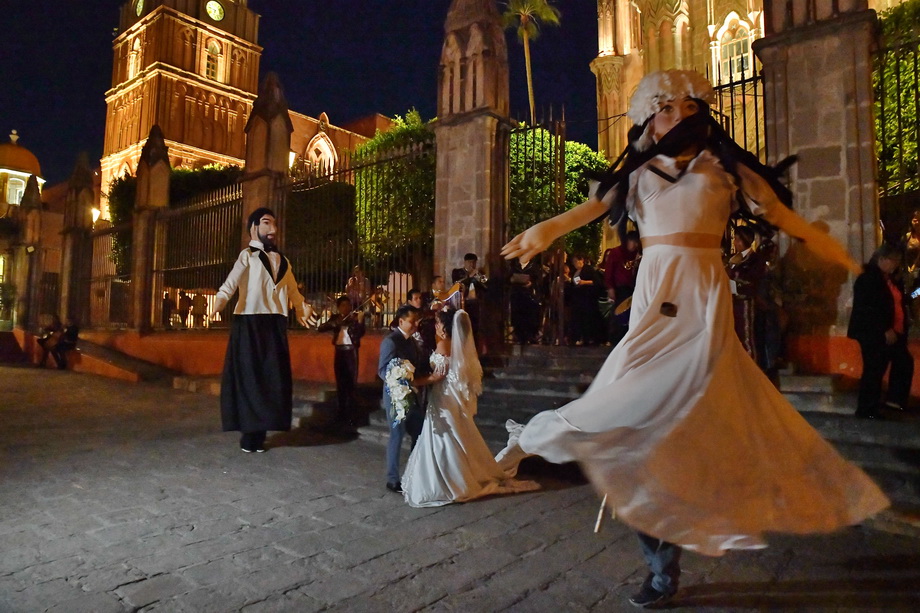
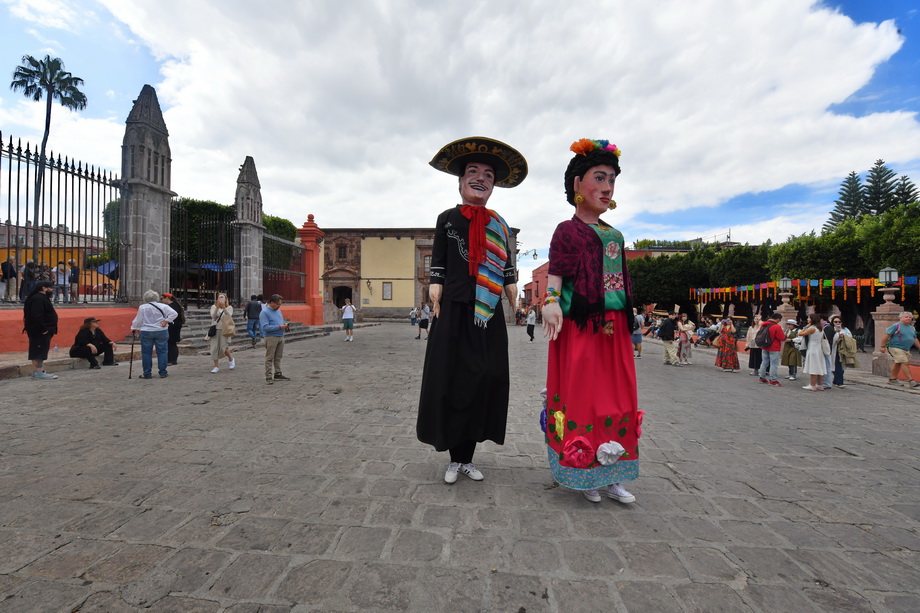
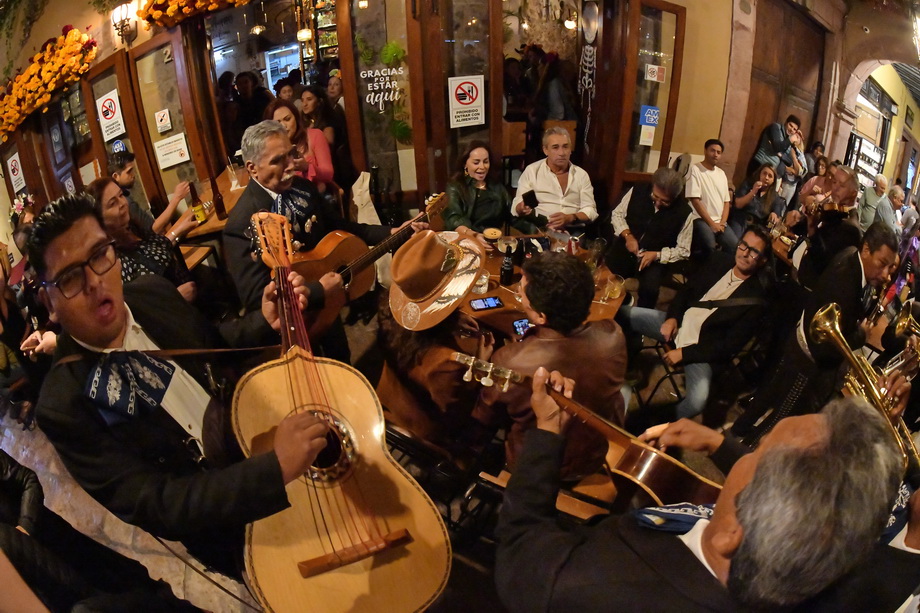
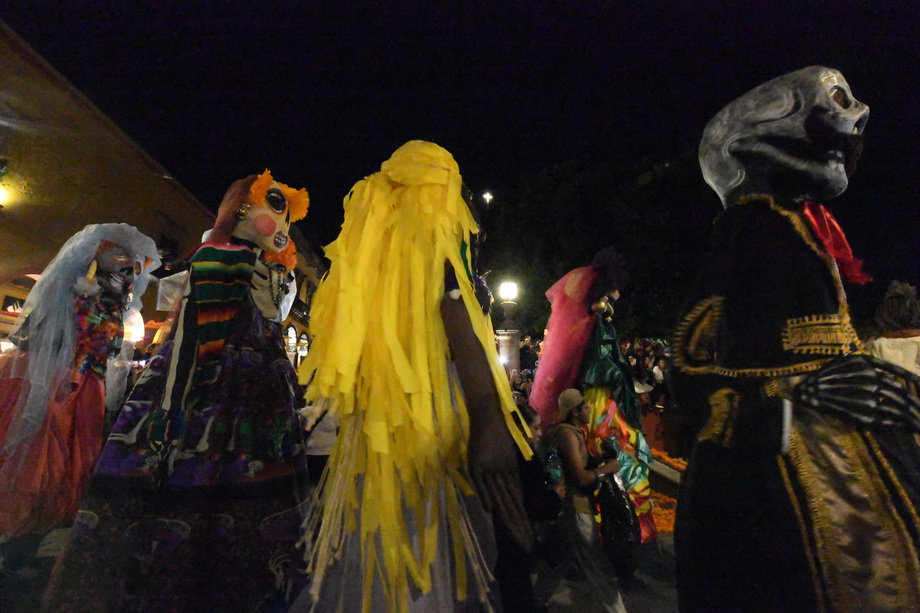
Music and performance are also inseparable from everyday life in the streets of San Miguel de Allende. Mariachi ensembles, musicians walking in traditional dress, dancers and giant puppets appearing during celebrations bring a different kind of movement to the city. These large figures, known as mojigangas, are seen especially at weddings, parades and festivals. With their colourful clothing, exaggerated faces and movements through the crowds, they are memorable elements of both local festive culture and street life.
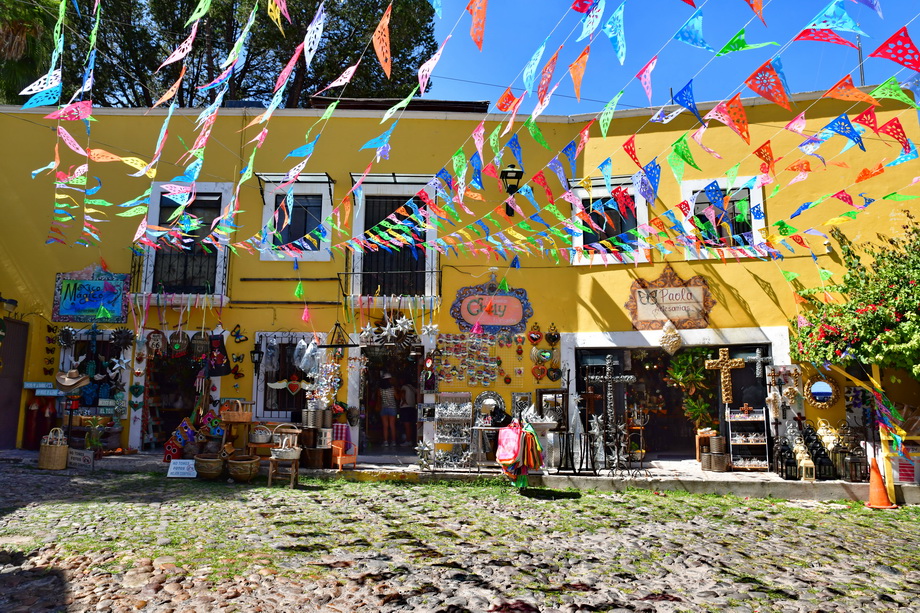
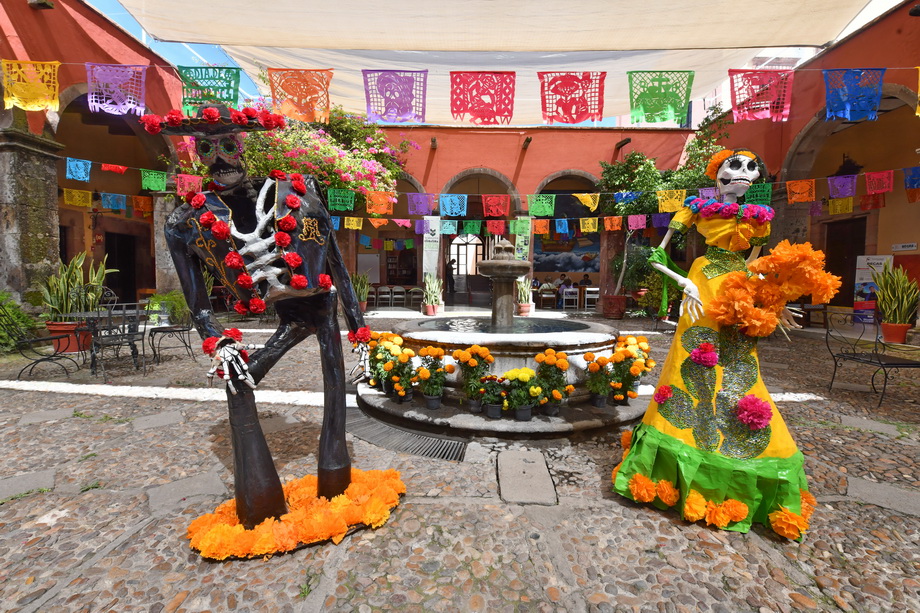
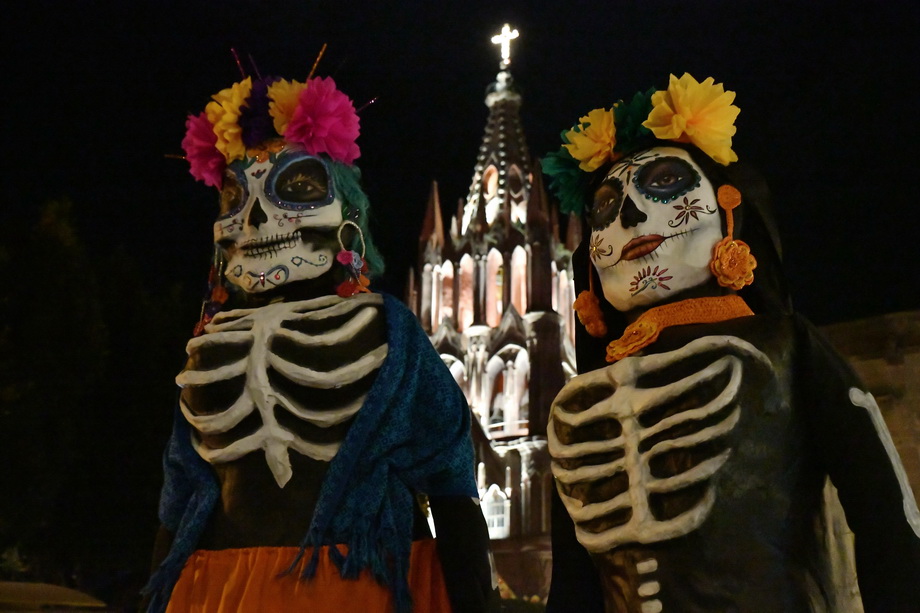
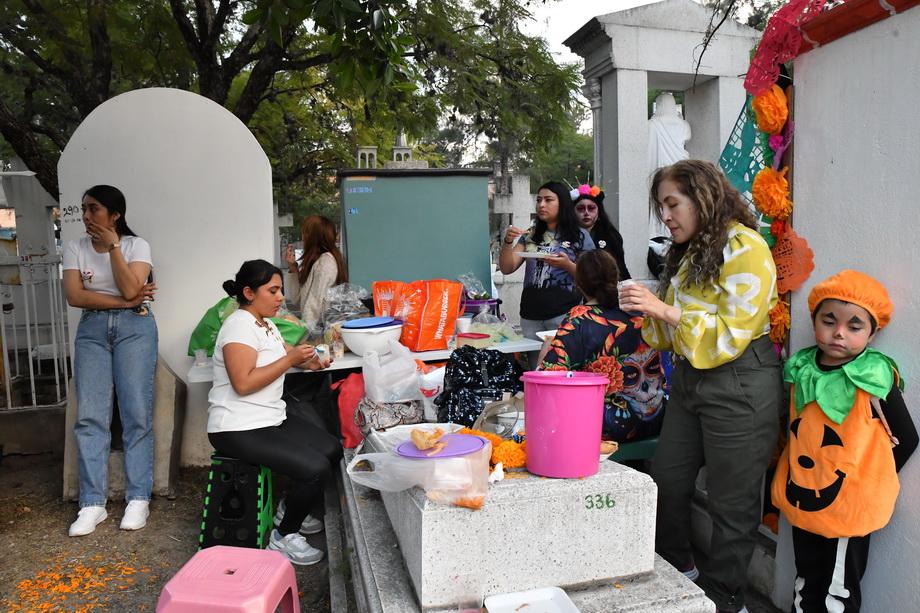
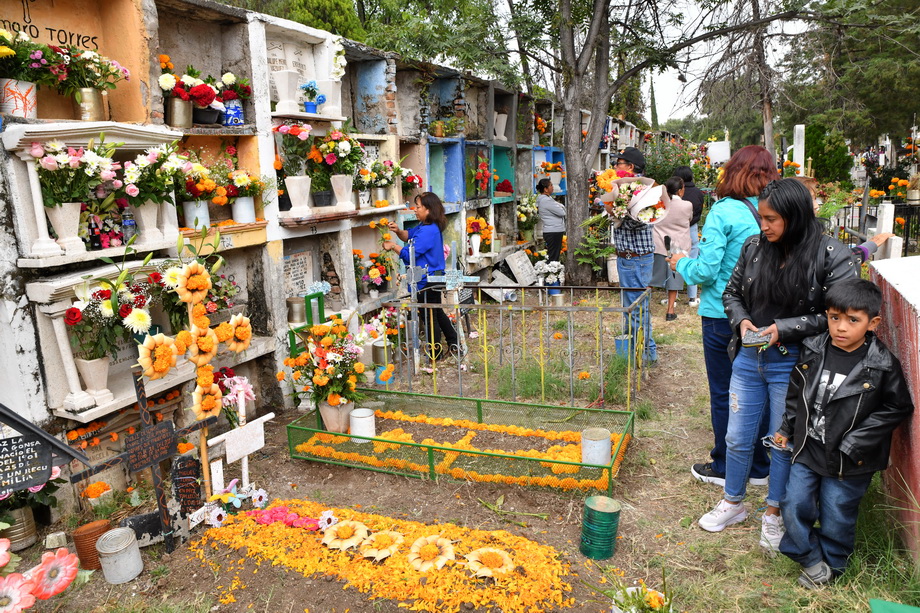
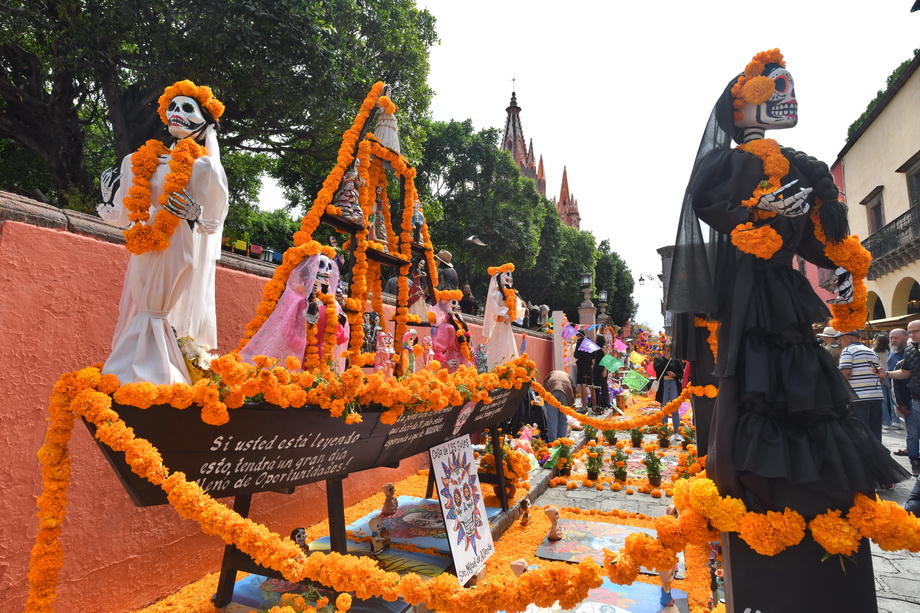
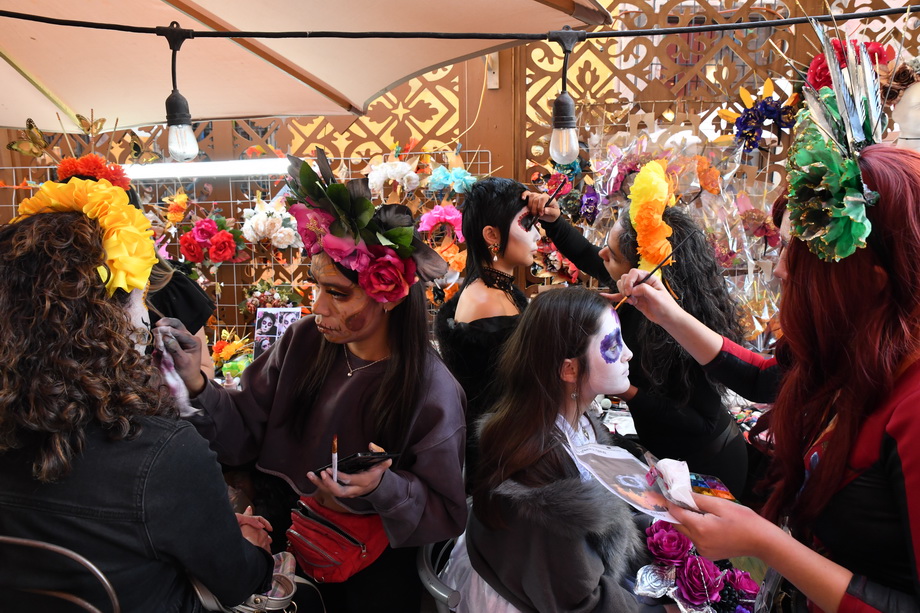
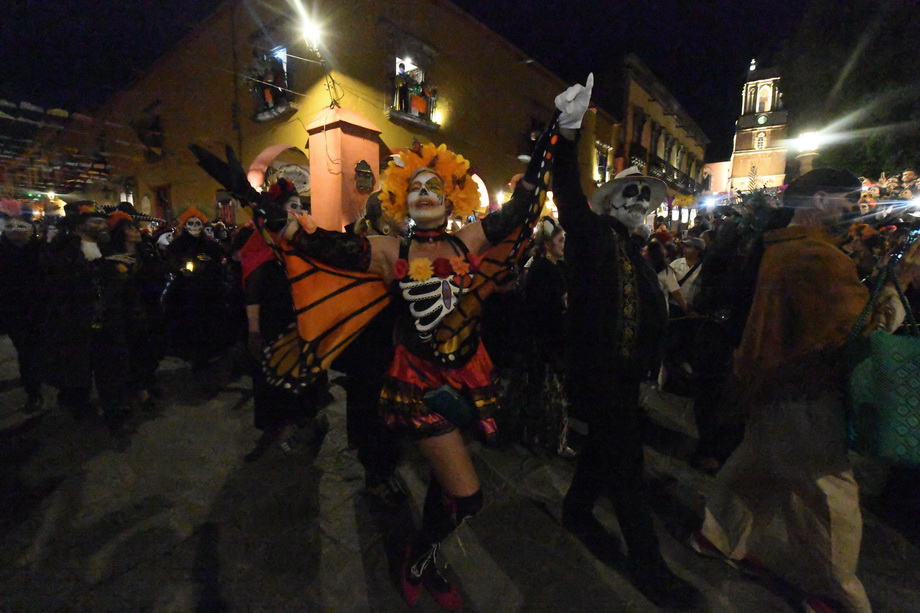
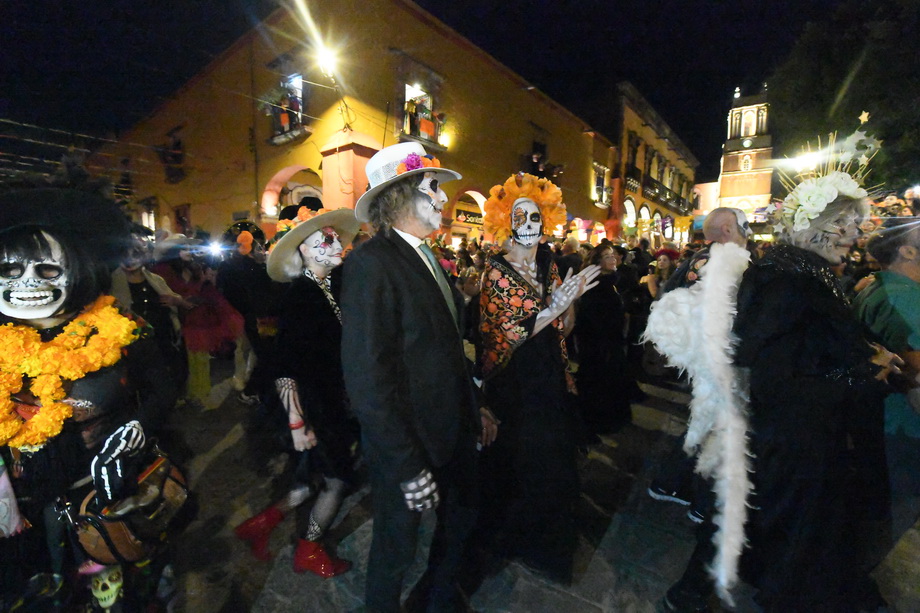
My stay in October and November 2025 coincided with Día de Muertos, the Day of the Dead, one of Mexico’s most important traditions. Here death is associated not only with mourning but also with remembering and honouring loved ones who have died. Altars known as ofrendas, arranged with flowers, candles, photographs, food and symbolic objects, make family memory visible. Orange marigolds, colourful paper decorations and skeletal figures are especially characteristic of the celebration’s visual world.
During this period, the streets, squares and public spaces of San Miguel de Allende took on another appearance. People in traditional clothing, faces painted to evoke the Catrina figure, musical groups and processions became intertwined with the historic architecture. Colourful crowds moving along stone streets and scenes unfolding in front of churches and old houses offered an extraordinarily rich setting for photography. Behind all this visual splendour, however, lay the desire not to forget those who had been lost and to keep their memory alive.
Celebrations in San Miguel de Allende are not limited to Día de Muertos. La Alborada, held in September, is another important tradition, marked by fireworks, music and religious events. Mexican Independence Day, Semana Santa and various saints’ days are also significant parts of public life. At such times, the city’s historic squares and streets can become a vast open-air stage.
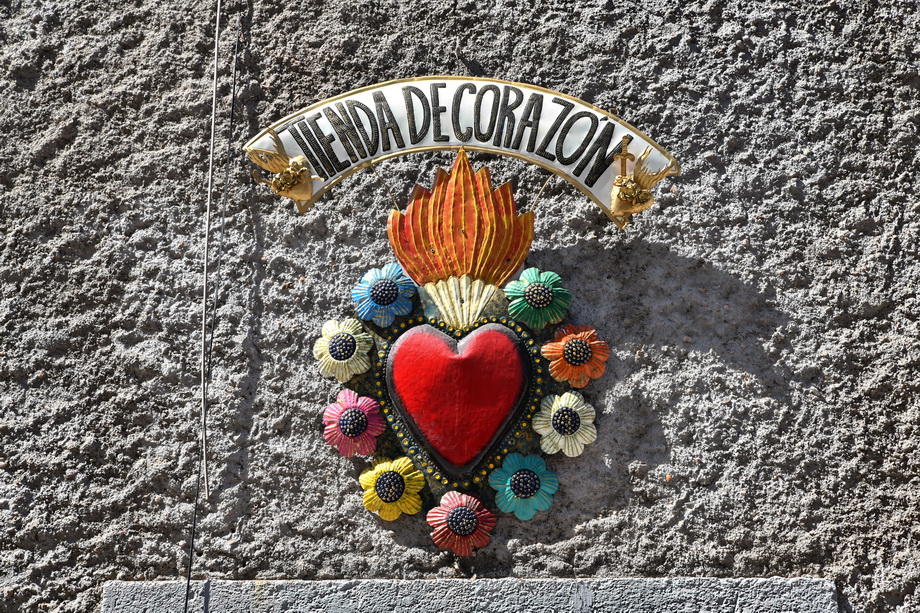
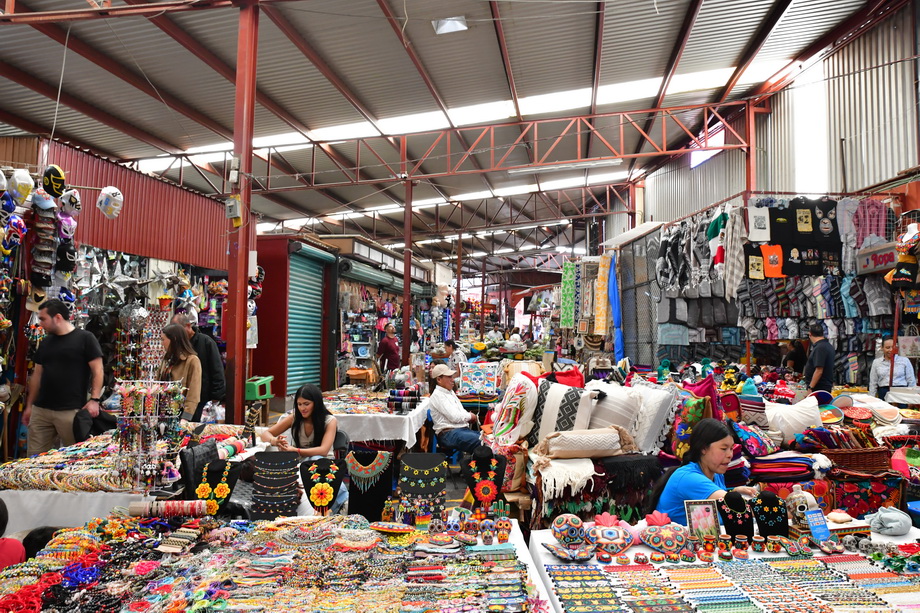
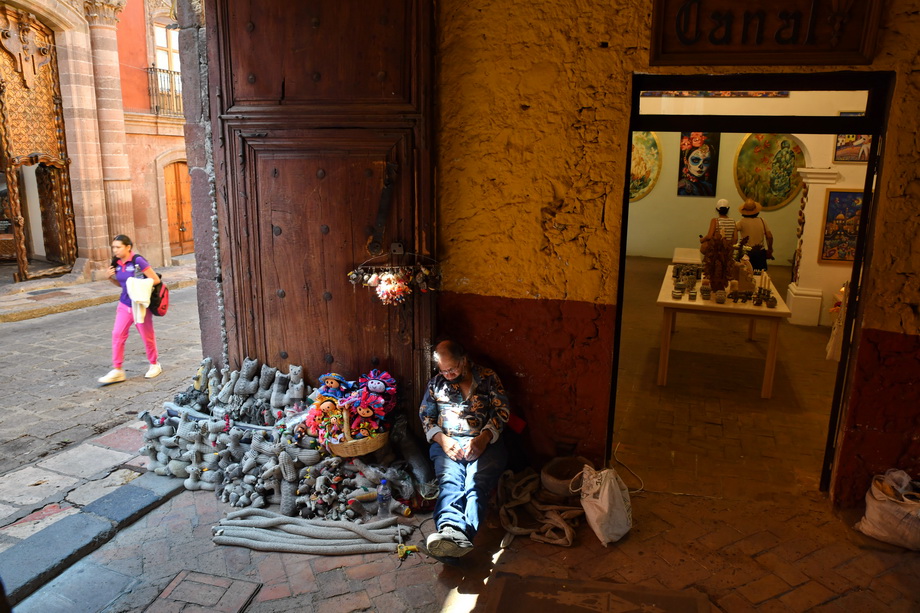
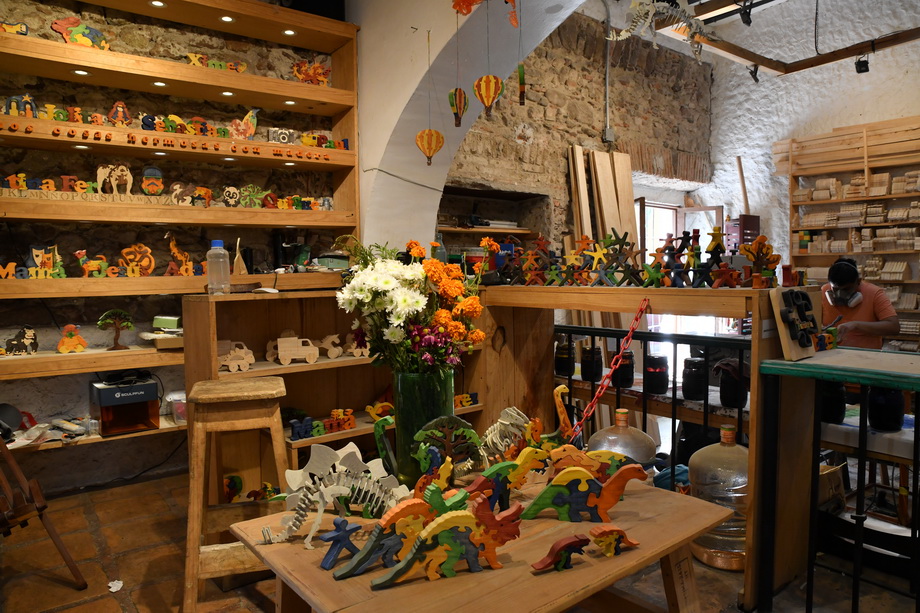
Traditional crafts remain very much alive in the city. Ceramics, textiles, wood carving, metalwork, jewellery and decorative objects can be found in markets and workshops. The coexistence of local production and an international art scene gives San Miguel de Allende a distinctive character. At the same time, the growing influence of tourism and foreign residents is changing the use of historic buildings and the city’s economy. This relationship between traditional urban culture and contemporary tourism is an important part of San Miguel de Allende’s identity today.
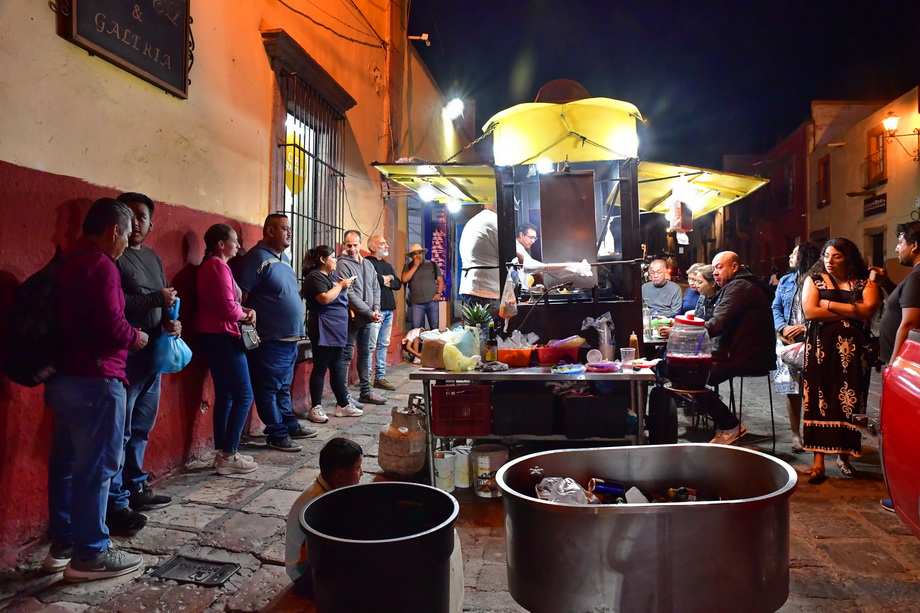
In my photographic work during October and November 2025, I tried to portray San Miguel de Allende not only through its beautiful houses and historic churches, but also through the people who inhabit these spaces. In the quiet morning hours, empty streets and colourful façades presented one aspect of the city. As the day advanced, those same places changed with the movement of musicians, vendors, visitors and people taking part in celebrations. For me, this transformation mattered as much as the architecture itself.
Looking at my photographs of San Miguel de Allende today, I feel that architecture and everyday life cannot be separated. Stone streets, colourful houses, churches, courtyards, mariachi musicians, mojigangas and Día de Muertos celebrations are different faces of the same cultural world. These photographs form a diary of the San Miguel de Allende I witnessed in the autumn of 2025, documenting both its historic heritage and its living culture.