
Parroquia de San Miguel Arcángel
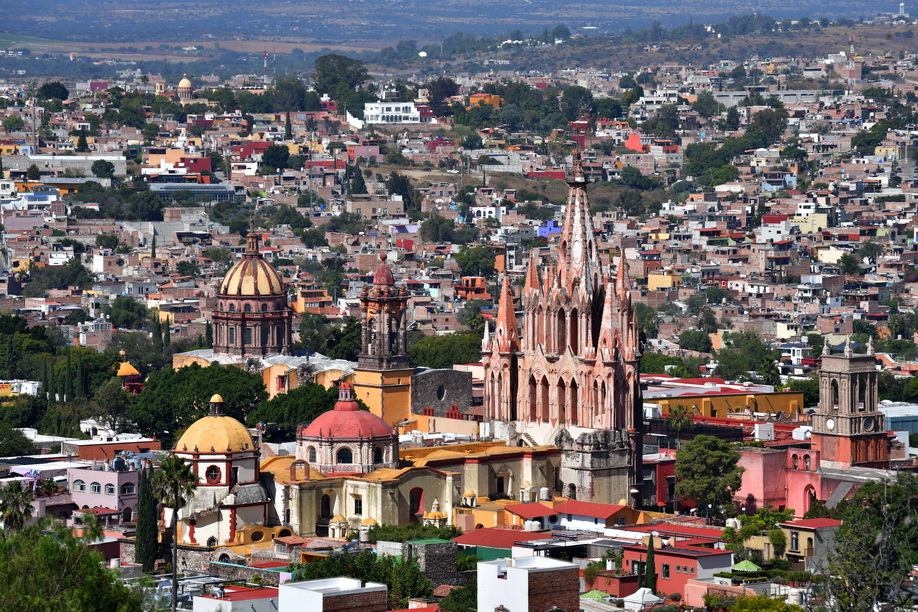
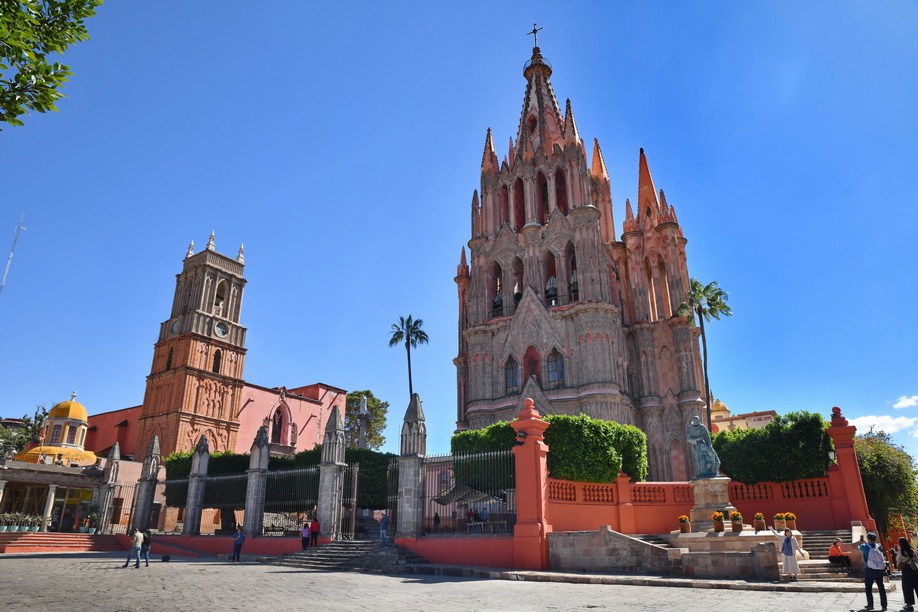
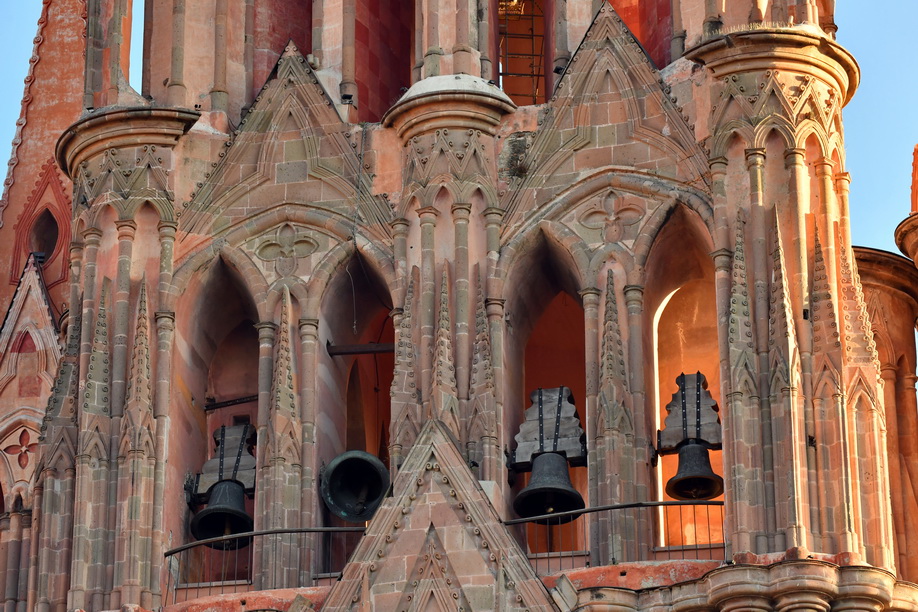
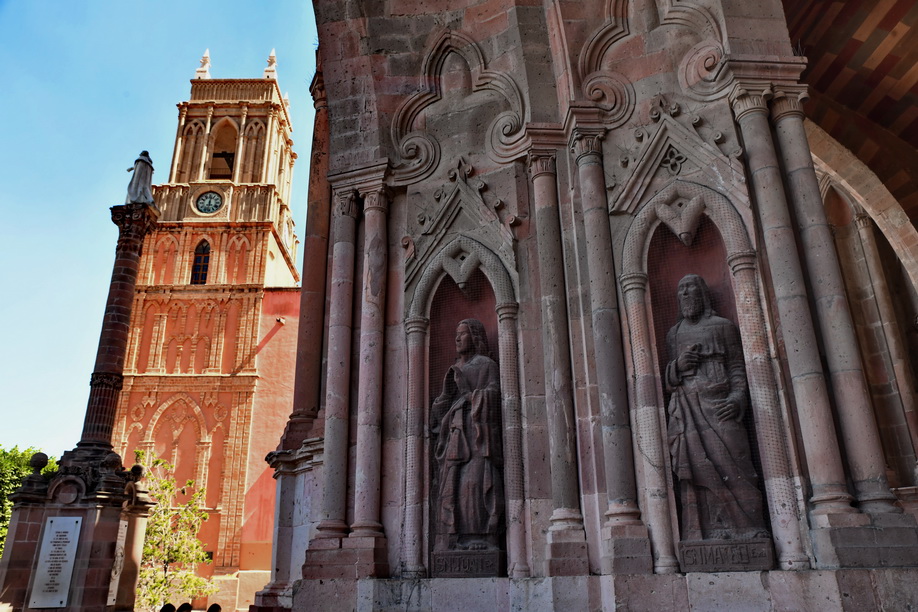
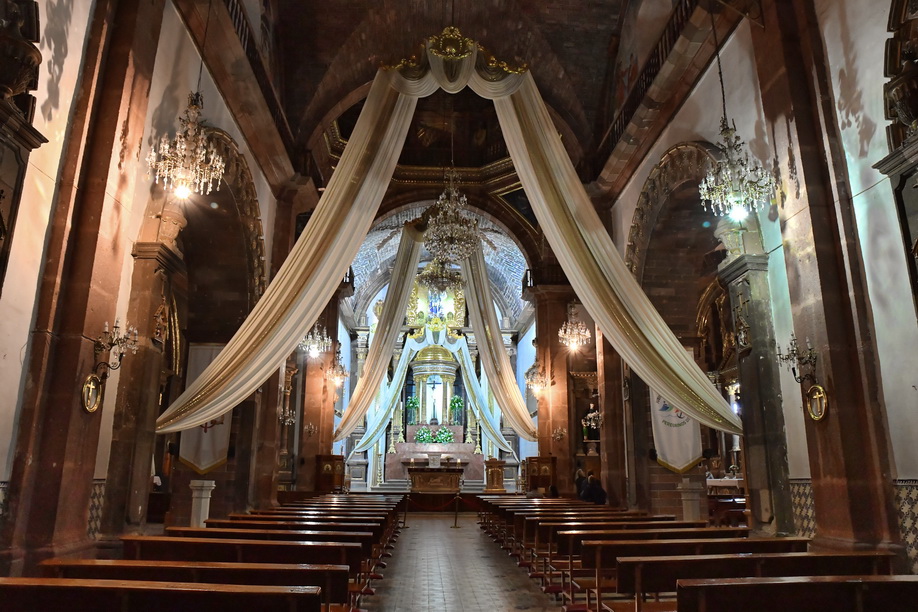
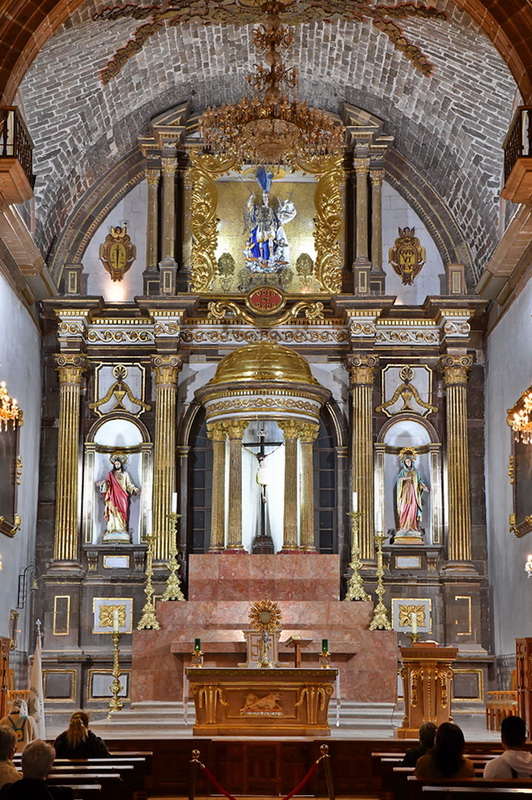
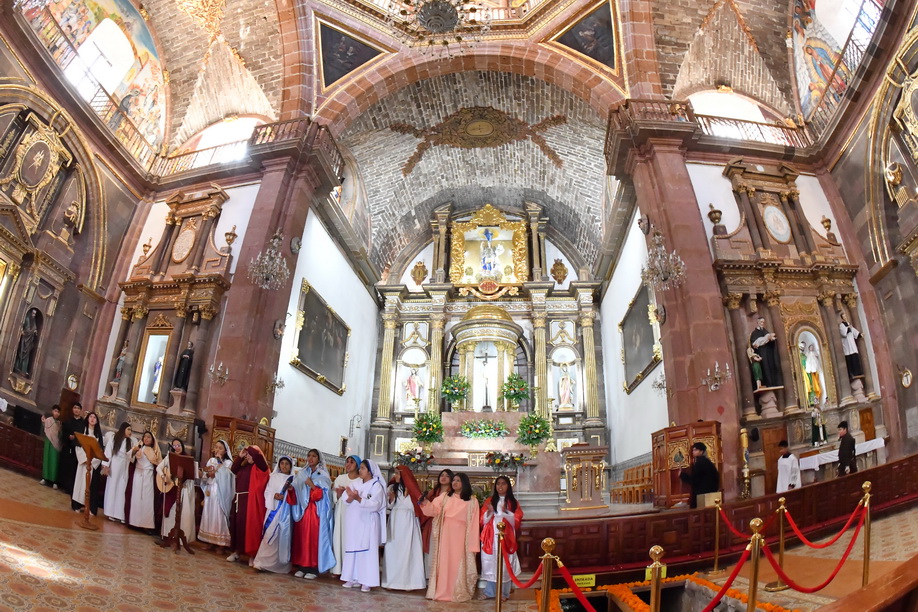
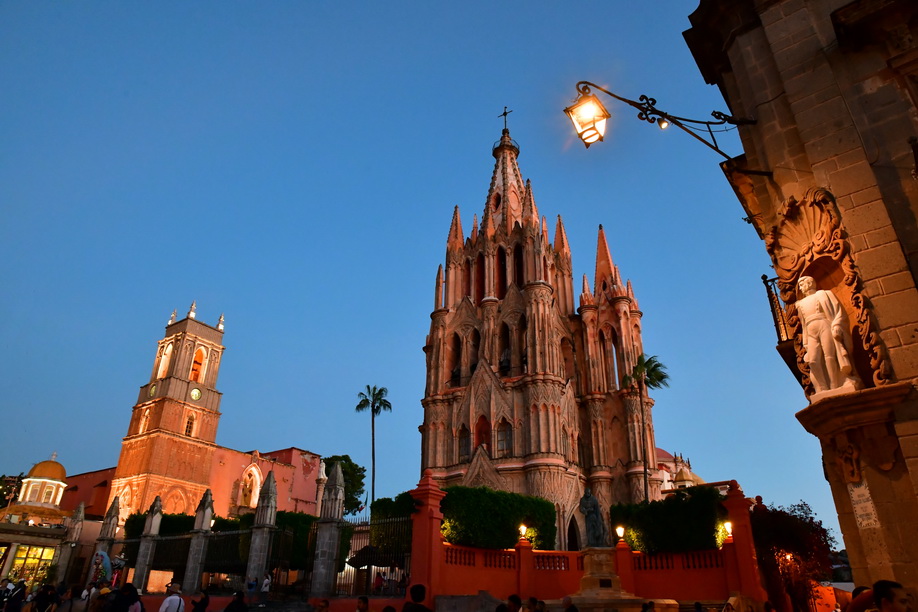
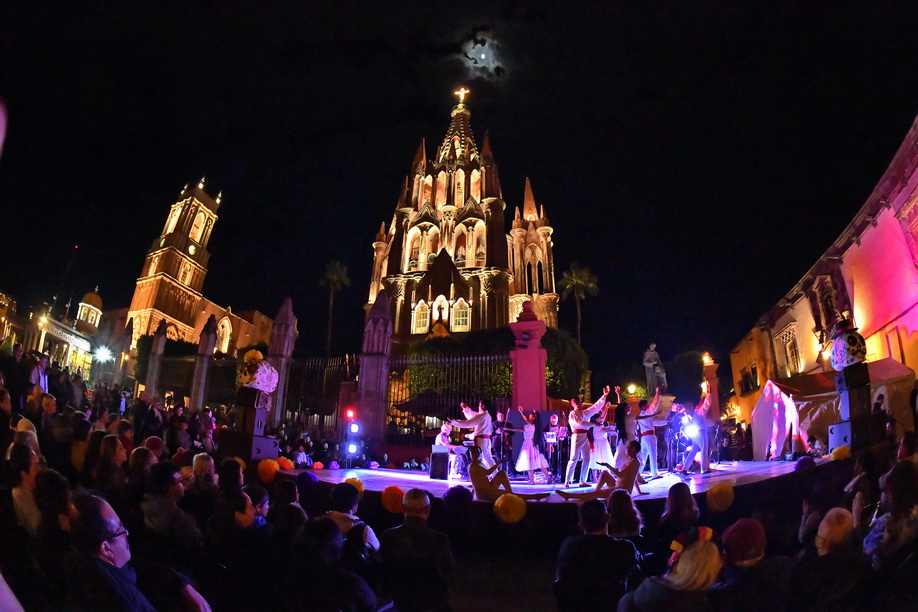
The Parroquia de San Miguel Arcángel is the architectural symbol of San Miguel de Allende. Its soaring pink-stone towers dominate the Jardín Principal and can be seen from many parts of the historic town. Yet the church that appears at first to be a unified Neo-Gothic monument is in fact the result of several centuries of construction and transformation.
The origins of the parish go back to the colonial period. The main body of the present church was largely developed during the seventeenth and early eighteenth centuries, when San Miguel — then known as San Miguel el Grande — was becoming an important settlement on the routes connecting the mining centres of central Mexico. The earlier church was Baroque in character, and its appearance was very different from the building that today defines the skyline of the town.
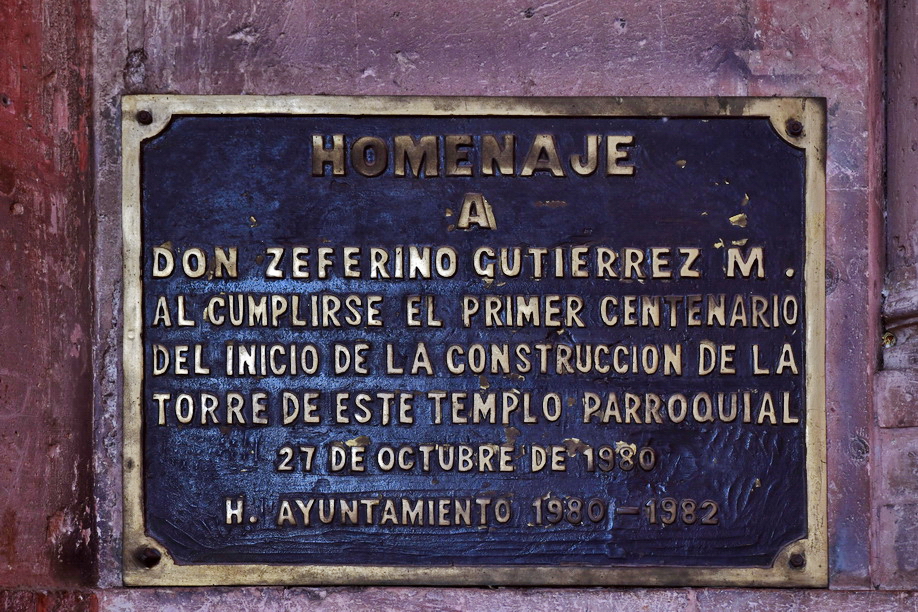
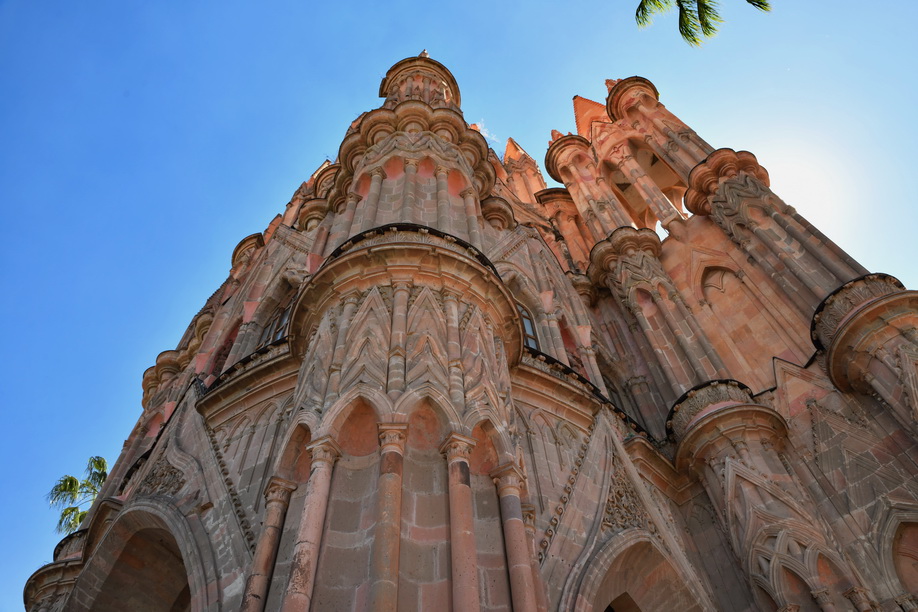
The transformation came in the late nineteenth century. Between about 1880 and 1890, the local master stonemason Zeferino Gutiérrez created the extraordinary Neo-Gothic façade and towers that have become the image of San Miguel de Allende. Gutiérrez was not a European-trained architect. According to the traditional account, he studied illustrations, engravings and postcards of European Gothic churches and interpreted what he saw through his own experience as a Mexican stone craftsman.
The result is therefore not simply a copy of European Gothic architecture. Pointed arches, pinnacles, niches and slender towers are combined in an imaginative composition carved from the warm pink stone characteristic of the region. Seen against the lower colonial buildings surrounding the Jardín, the vertical façade appears almost theatrical. It is this contrast between the older Mexican town and Gutiérrez's nineteenth-century vision of Gothic architecture that gives the Parroquia its unmistakable identity.
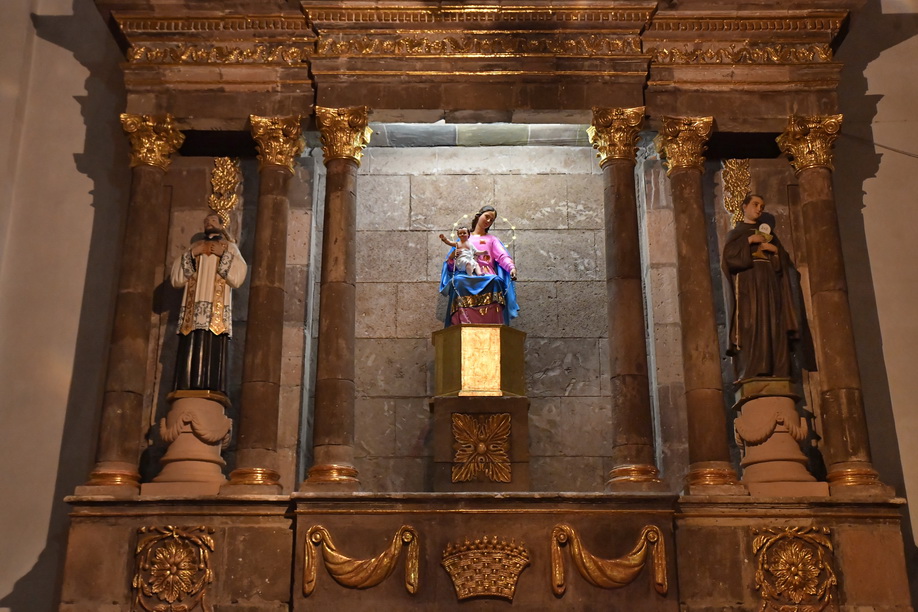
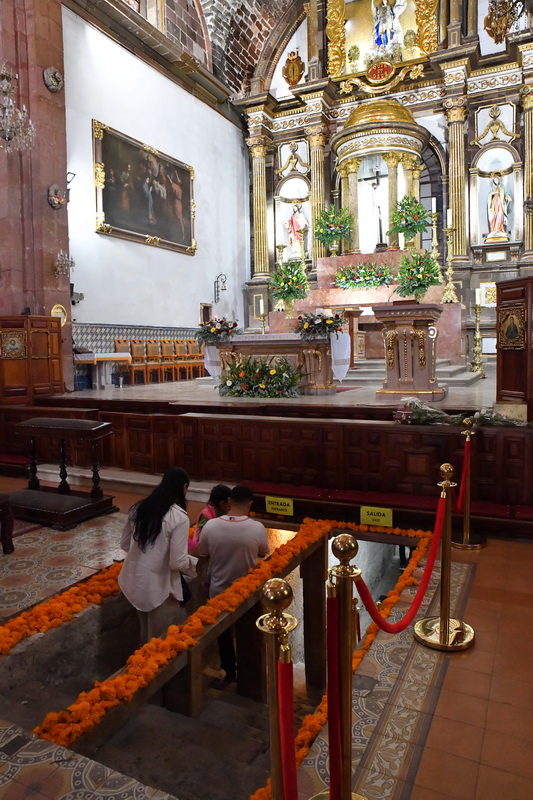
Behind this exuberant façade, the interior is considerably more restrained. Earlier colonial structures coexist with later Neoclassical alterations, revealing that the church did not develop according to a single architectural plan. Like many historic religious buildings, it accumulated different styles as successive generations repaired and transformed it.
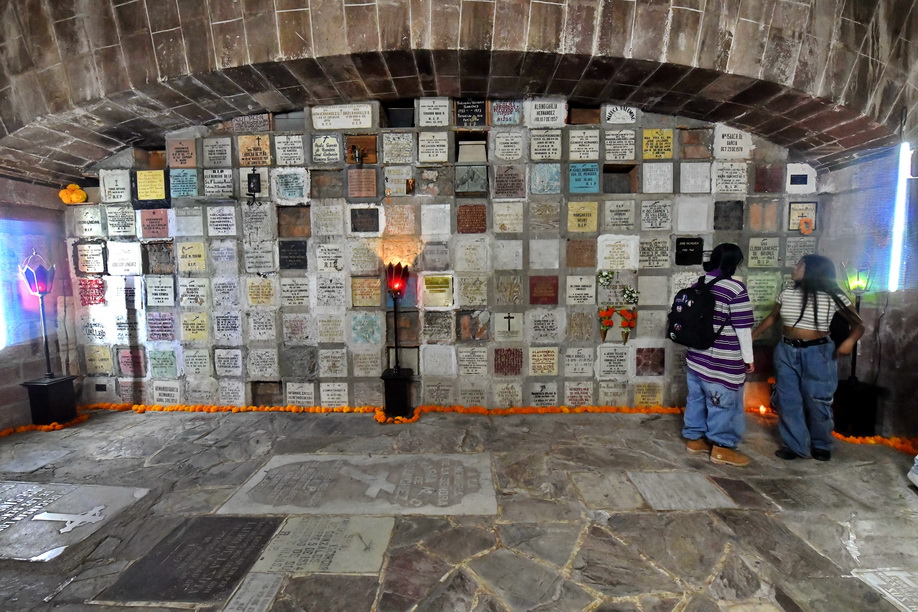
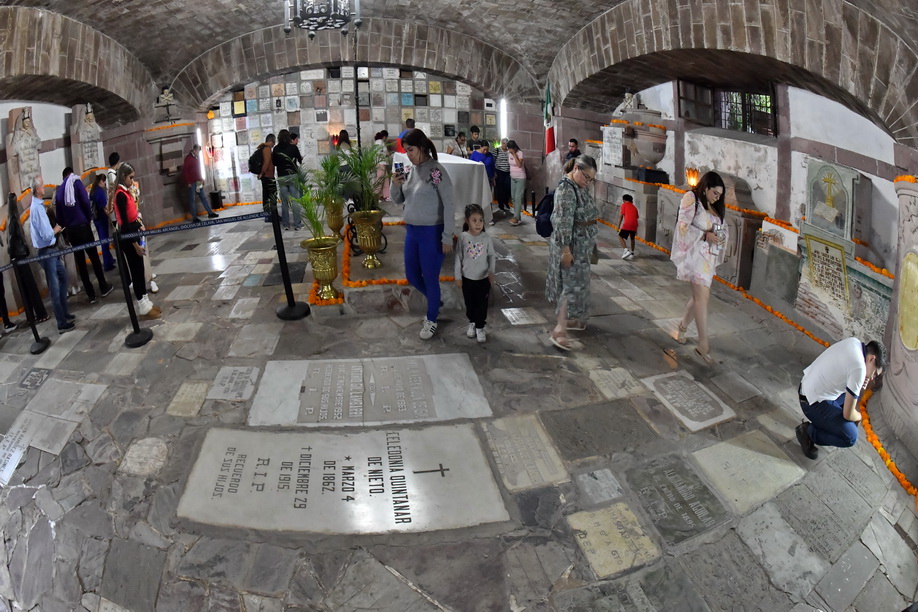
Beneath the church is another, normally hidden, part of its history: the crypt. It contains the tombs of religious and historical figures connected with San Miguel de Allende, among them former Mexican president Anastasio Bustamante, Father Juan Manuel Villegas, Father Francisco de Uranga and Father José M. Vallejo. The crypt is normally closed and is traditionally opened to visitors around the Day of the Dead.
I had the opportunity to enter and photograph this underground space on 1 November 2025. That visit became a separate photographic study on my website. Descending beneath the familiar church revealed a completely different side of the Parroquia — a place of tombs, narrow passages and personal histories hidden beneath one of Mexico's most recognizable façades.
For me, the Parroquia is particularly interesting because its identity was created through transformation. A colonial church acquired a nineteenth-century Neo-Gothic face; a local stonemason interpreted architectural forms originating thousands of kilometres away; and that interpretation eventually became the visual symbol of San Miguel de Allende.
What appears today to be the city's most familiar monument is therefore also a record of cultural exchange — European Gothic forms reimagined by Mexican hands and transformed into something entirely local.