
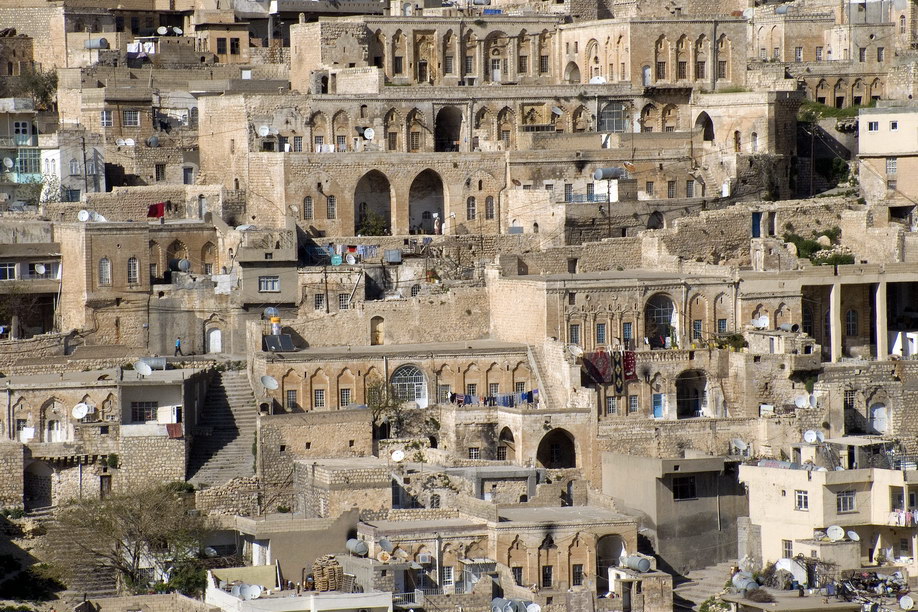
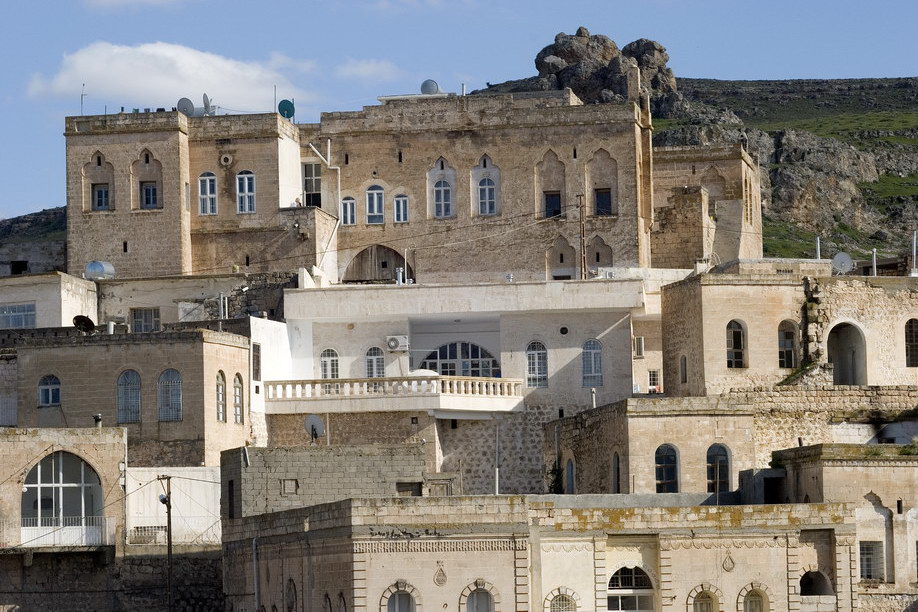
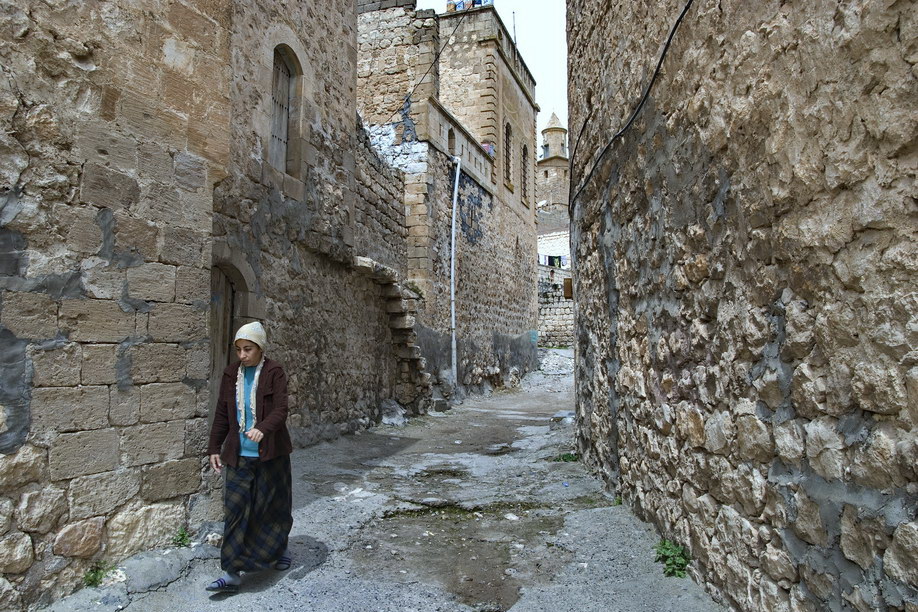
As I walked through the old streets of Mardin, the first thing that struck me was the strong relationship between the city's architecture and the landscape on which it stands. Stone houses rise in terraces along the hillside, opening towards the Mesopotamian Plain without unnecessarily blocking one another's views. Moving through narrow streets, stairways, arched passages and terraces, I felt that these were not isolated buildings, but parts of a city shaped by a shared architectural understanding.
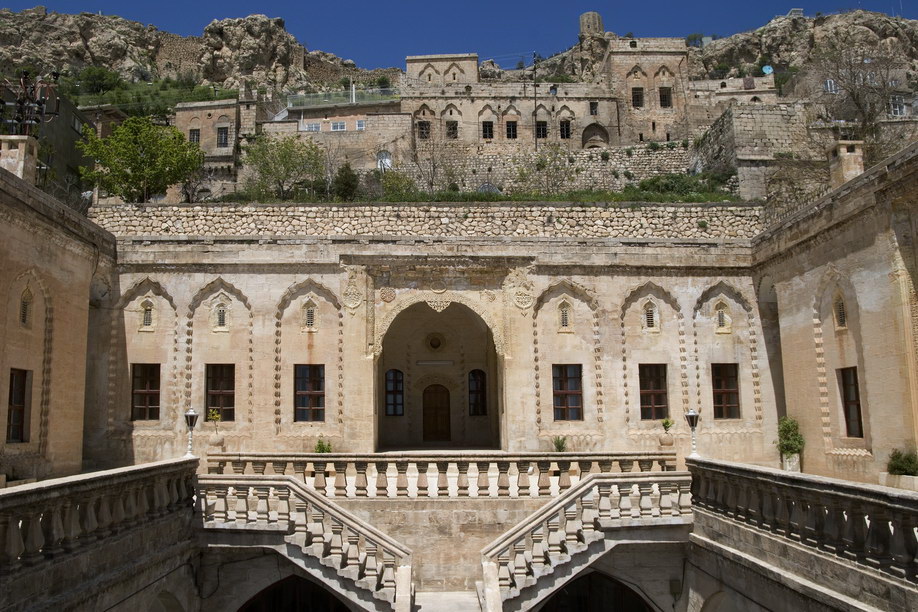
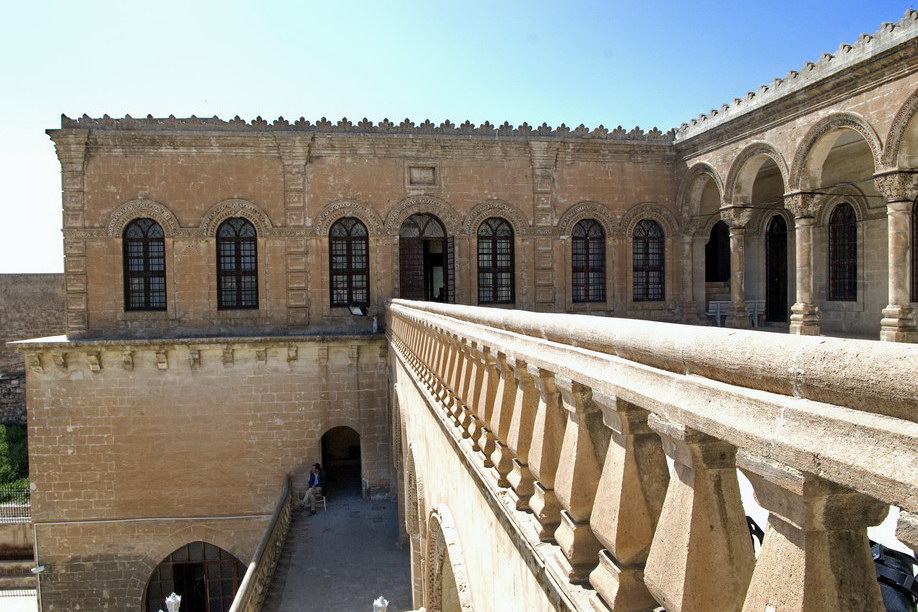
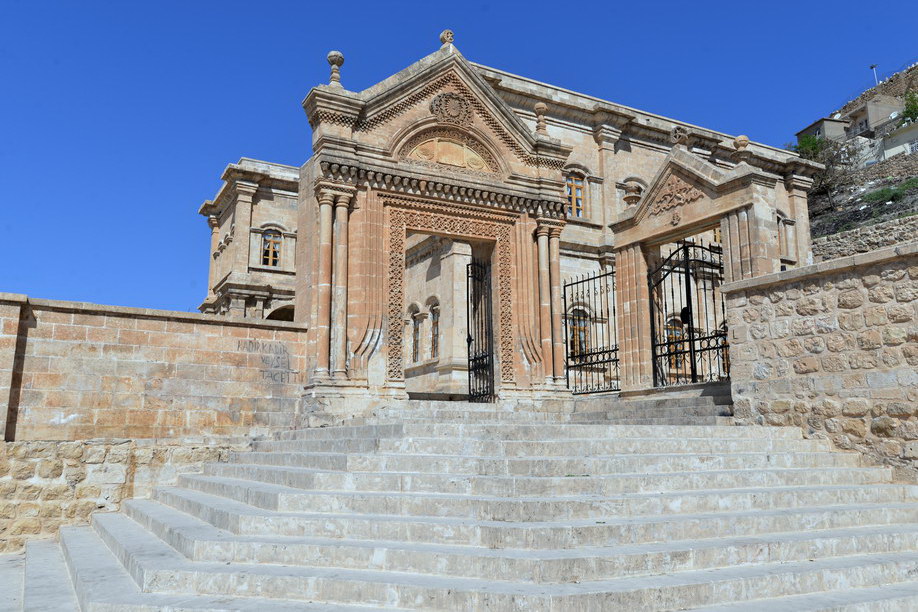
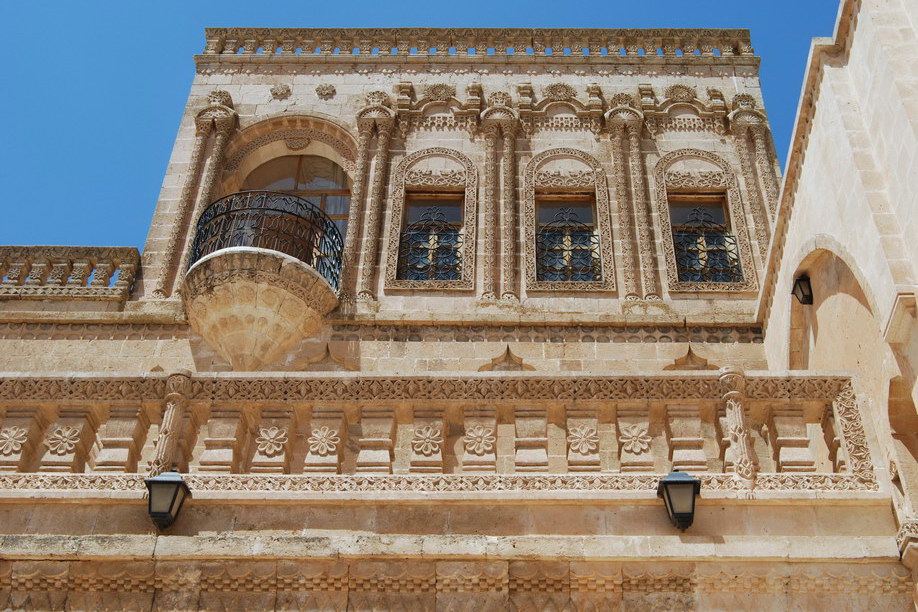
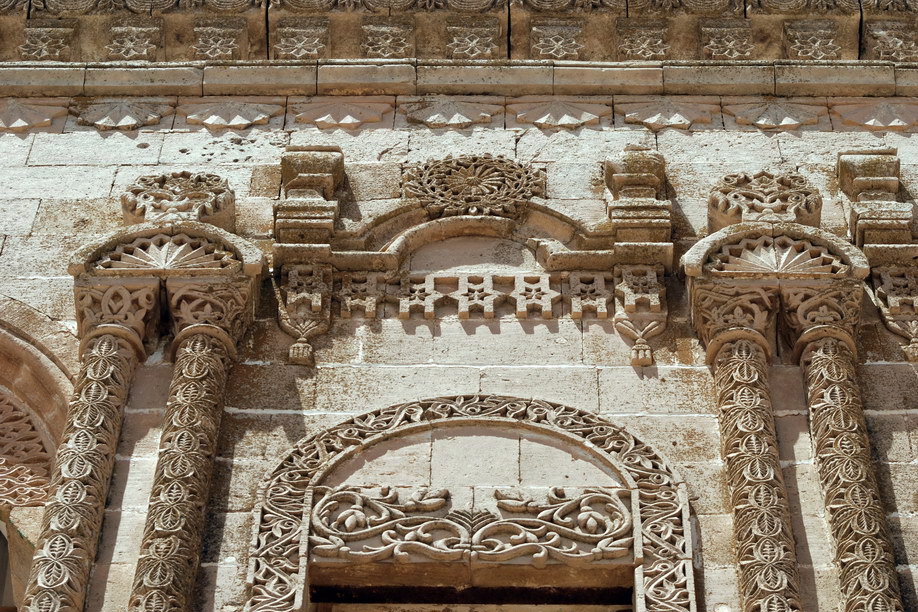
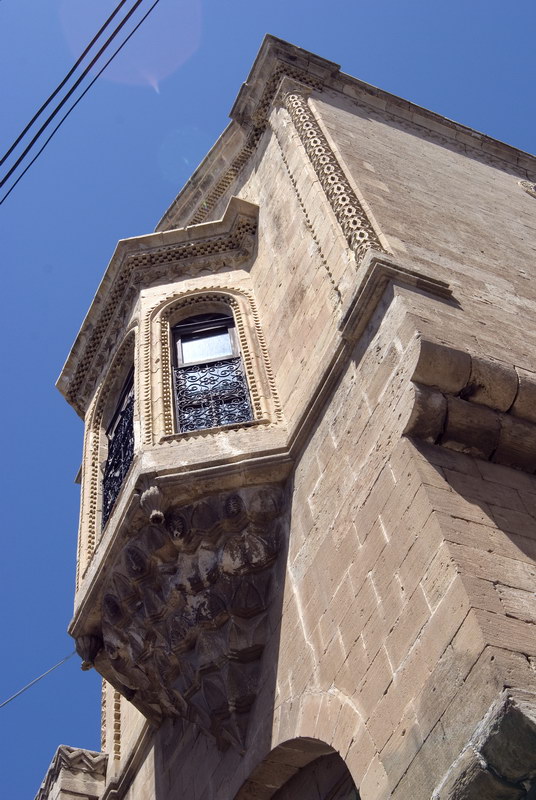
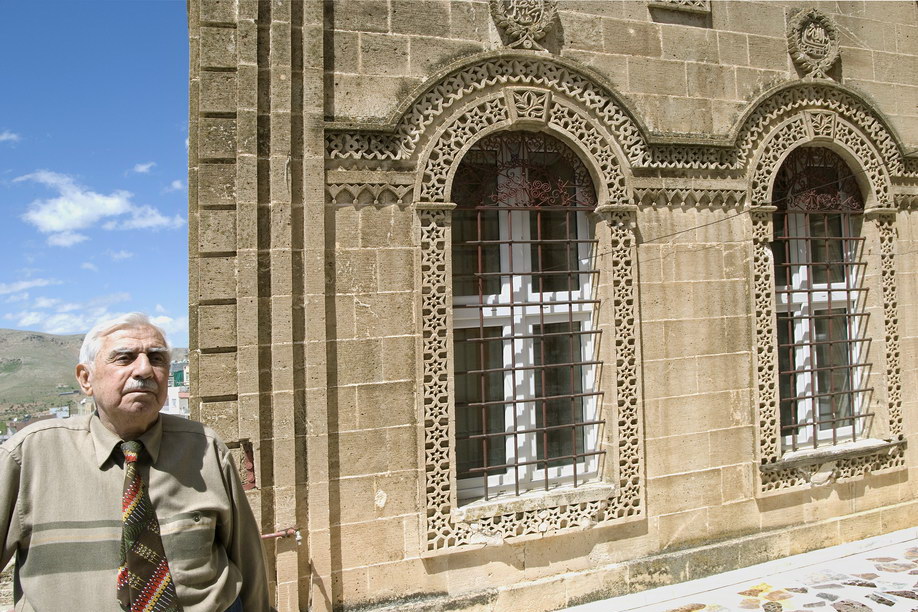
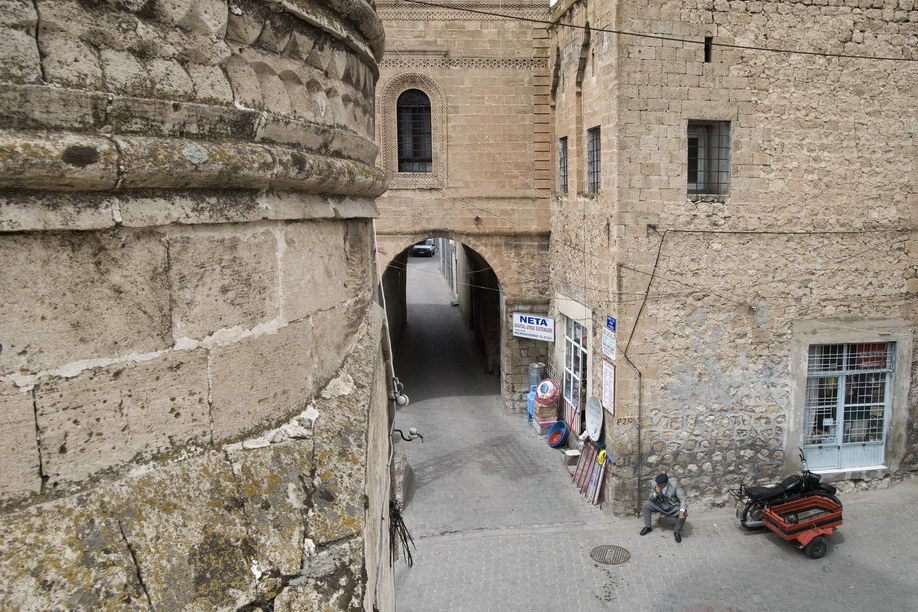
The most distinctive feature of traditional Mardin houses is the pale limestone used throughout the region. In the hands of local craftsmen, this stone became more than a building material: it became a means of architectural expression. Carvings around doors and windows, on arches, column capitals and façades preserve traces of craftsmanship developed over centuries. As daylight changes, so do the colour and texture of the houses. Mardin looks different in the soft morning light and under the harsh afternoon sun.
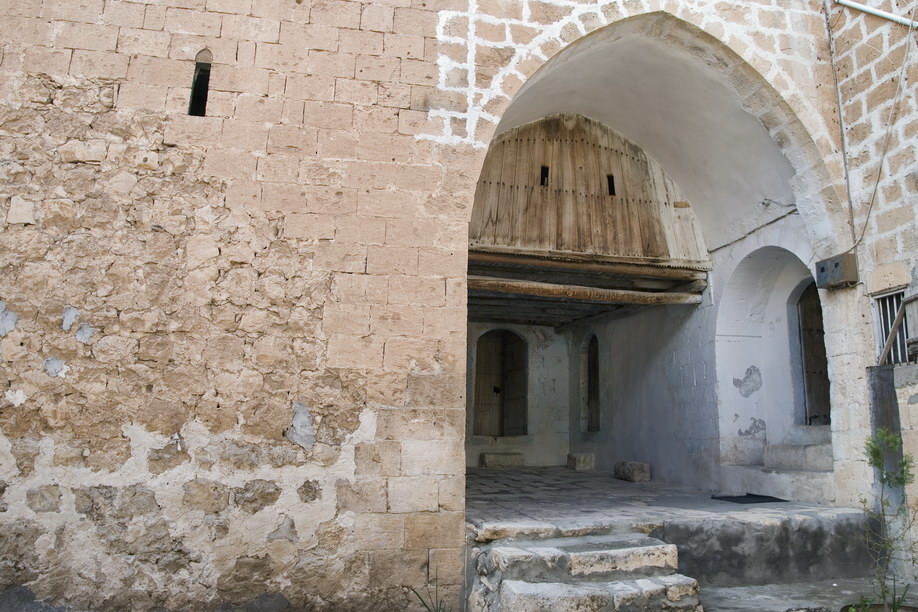
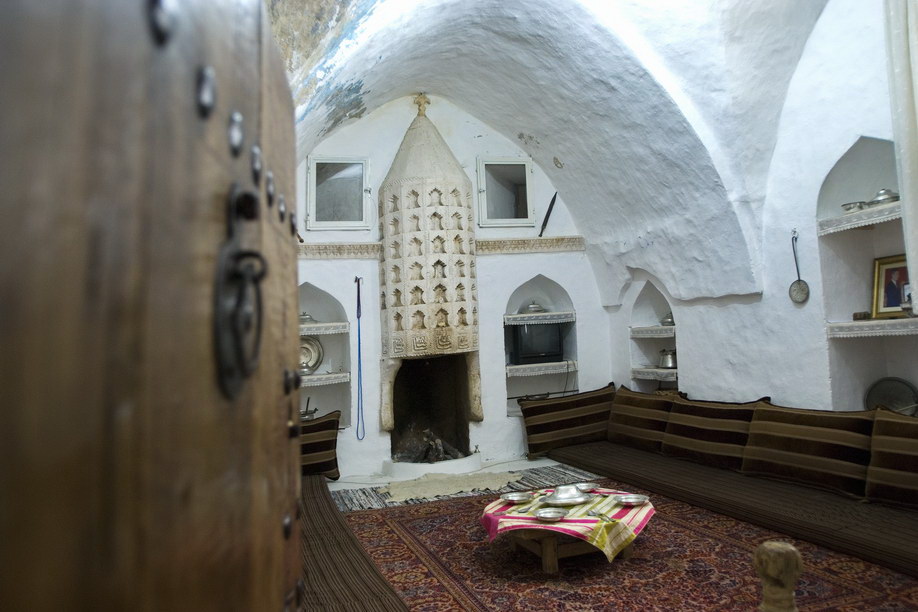
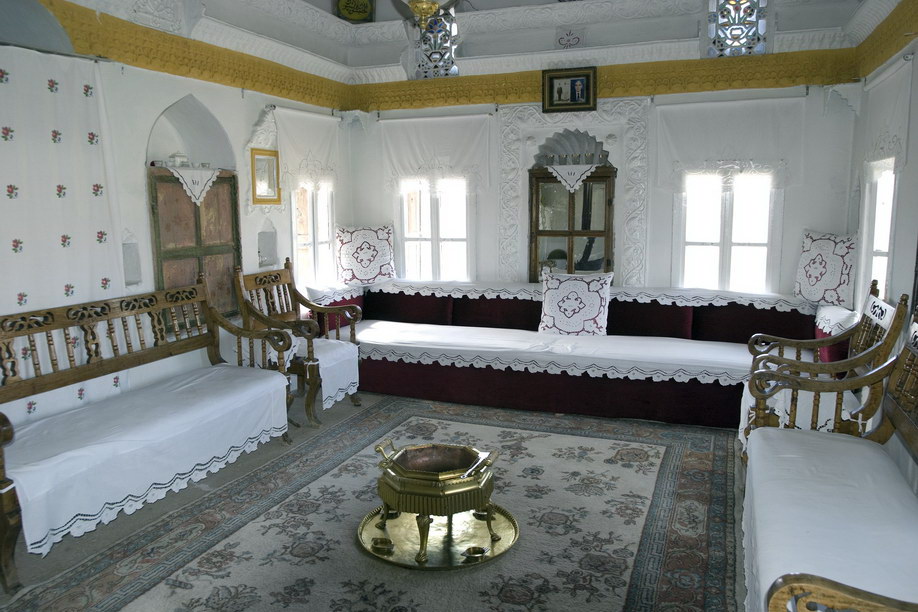
Climate, privacy and family life helped determine the layout of these homes. Thick stone walls protected against the summer heat, while courtyards, iwans and arcades created transitions between enclosed rooms and outdoor spaces. The iwan in particular was a semi-open living area where people could sit in the shade on hot days while remaining connected to the courtyard. The arrangement of rooms, courtyards and terraces was not simply an architectural preference; it answered the needs of everyday life.
Mardin's hillside setting allowed houses to rise on different levels. The terrace of one home might almost meet the level of another building higher up the slope. A house that appears to have two storeys from one street can therefore look quite different from another direction. The southward orientation of many homes, facing the plain, is also connected with the use of sunlight and air currents. The stepped arrangement that defines the city's skyline is a striking example of architecture adapting to geography.
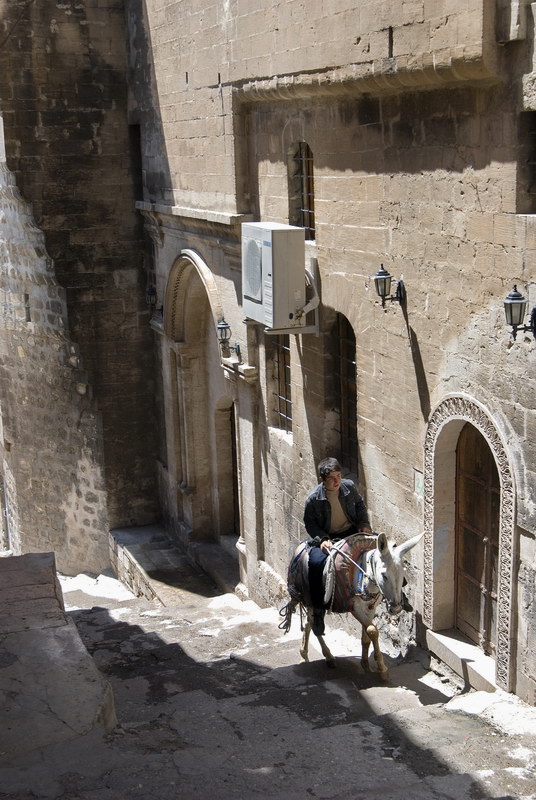
I encountered similar stone architecture in Savur and Midyat, although each settlement had its own street pattern and architectural character. Savur's houses spreading over the hillsides and Midyat's buildings distinguished by their stone craftsmanship offered different interpretations of the region's shared architectural heritage. The doors, windows, arches and stone stairways I found in narrow streets were details of an architecture shaped by daily life rather than by monumental buildings.
Building techniques alone cannot explain the architecture of this region. Mardin and its surroundings have long been home to communities speaking different languages and following different faiths. Syriac Christians, Muslim communities and other local peoples have all left their marks on the social and cultural life of these towns. Traditional houses belong to this layered history. Even as life behind the stone walls changes, the architecture carries the habits and craftsmanship of earlier generations into the present.
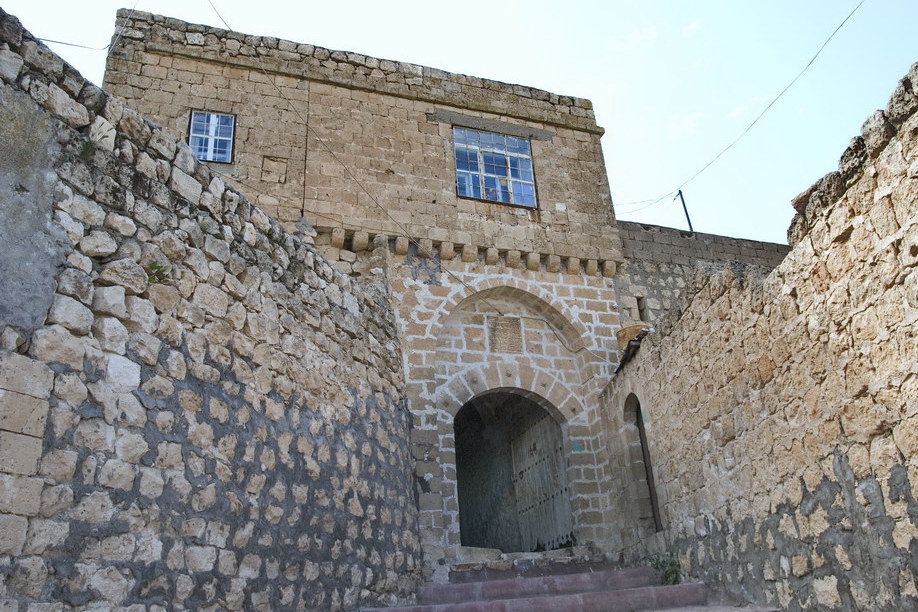
During my photographic visits in 2007, 2008 and 2015, I was most interested in the human-scale details of this architecture: a street narrowing unexpectedly, stone steps leading to a doorway, a new space appearing beyond an arched passage, or sunlight casting shadows across a carved façade. Each was a small but meaningful part of the city's architectural identity.
When I look at these photographs today, I see the traditional houses of Mardin, Savur and Midyat as more than buildings left behind by the past. They document how people adapted to their surroundings, made use of local materials and expressed the needs of daily life through architecture. These stone houses and streets bear the surviving traces of knowledge and craftsmanship accumulated over centuries.