
Historical Thessaloniki — Ancient Ruins and Monuments | December 2013
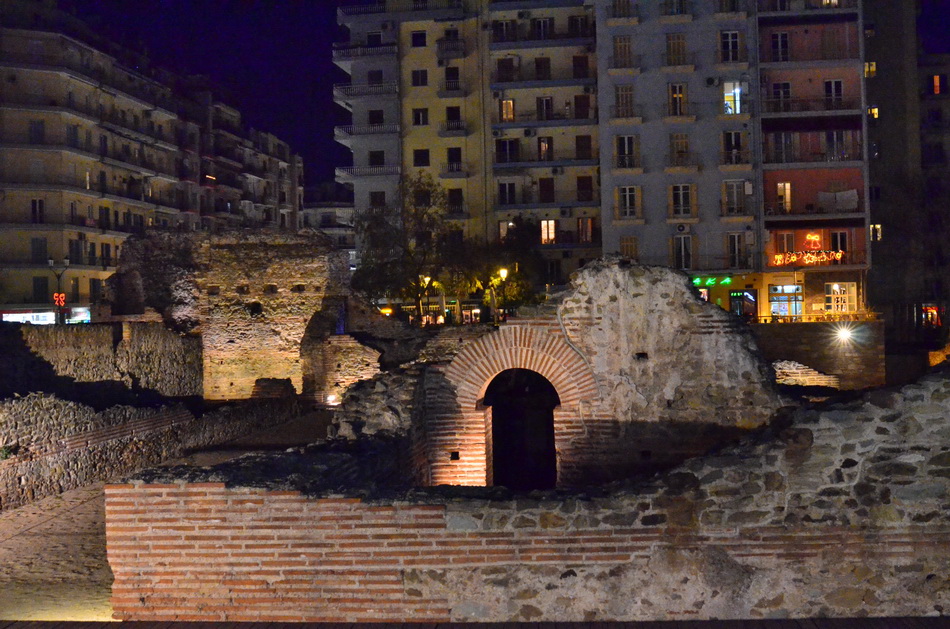
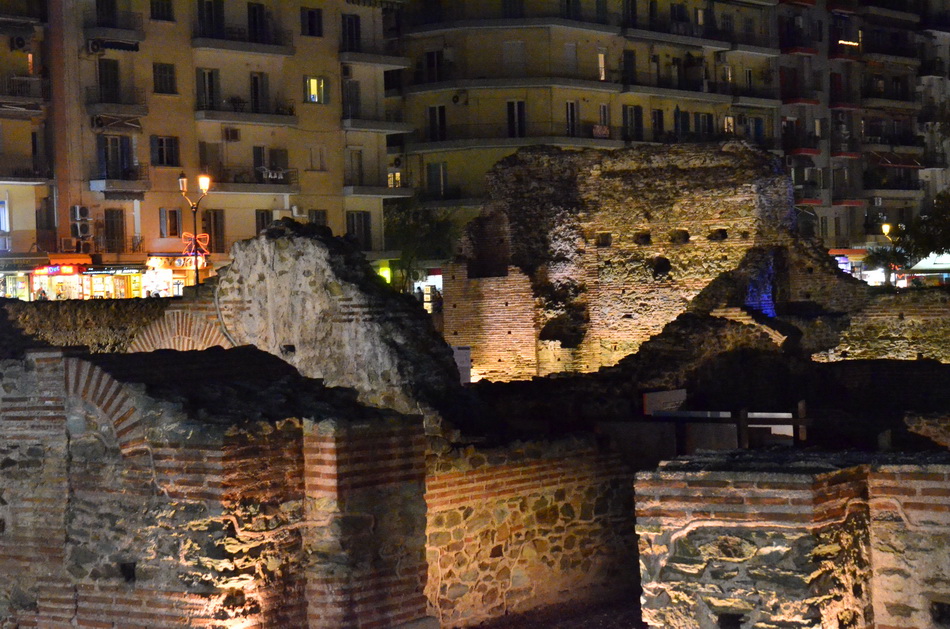
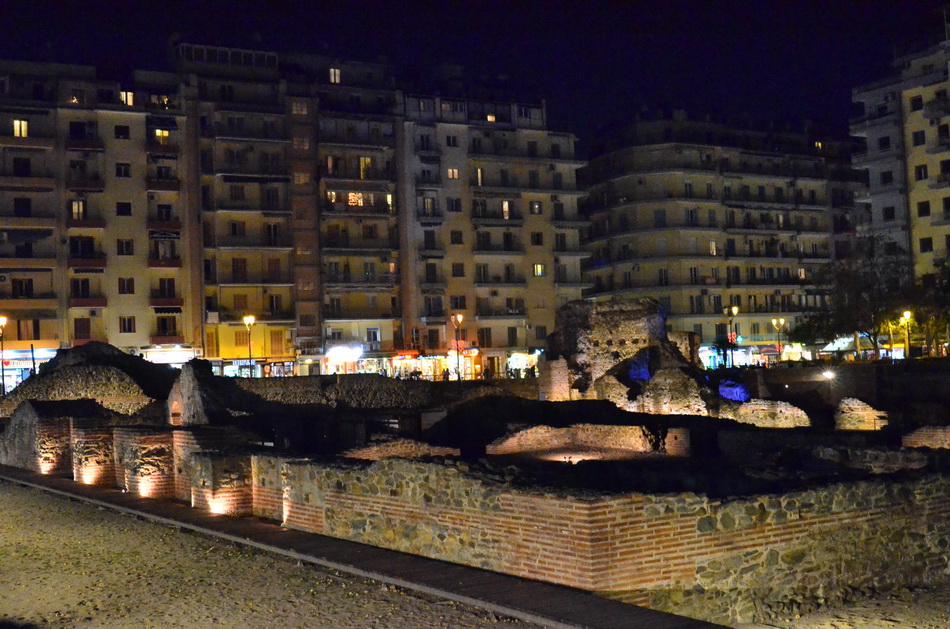
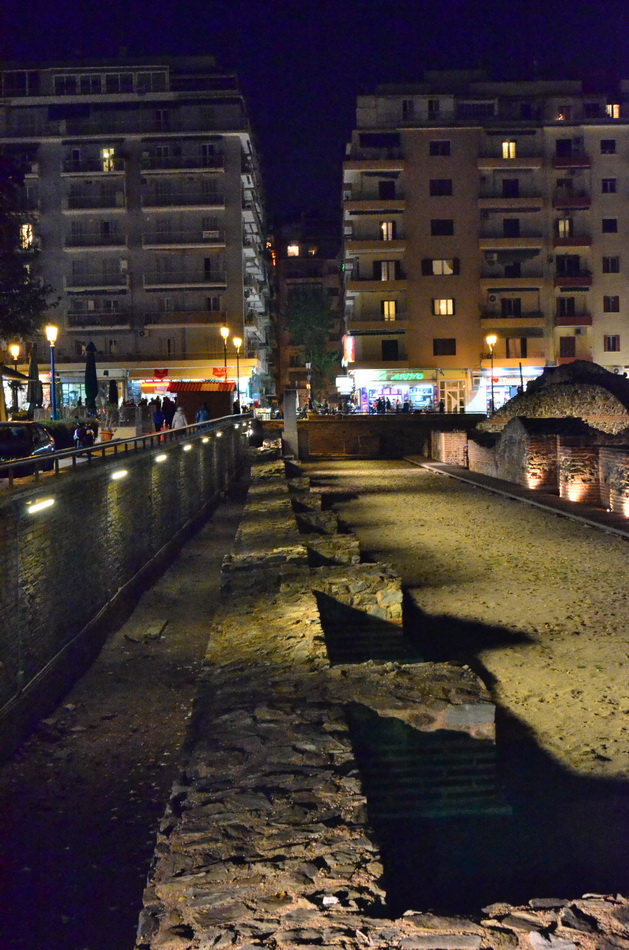
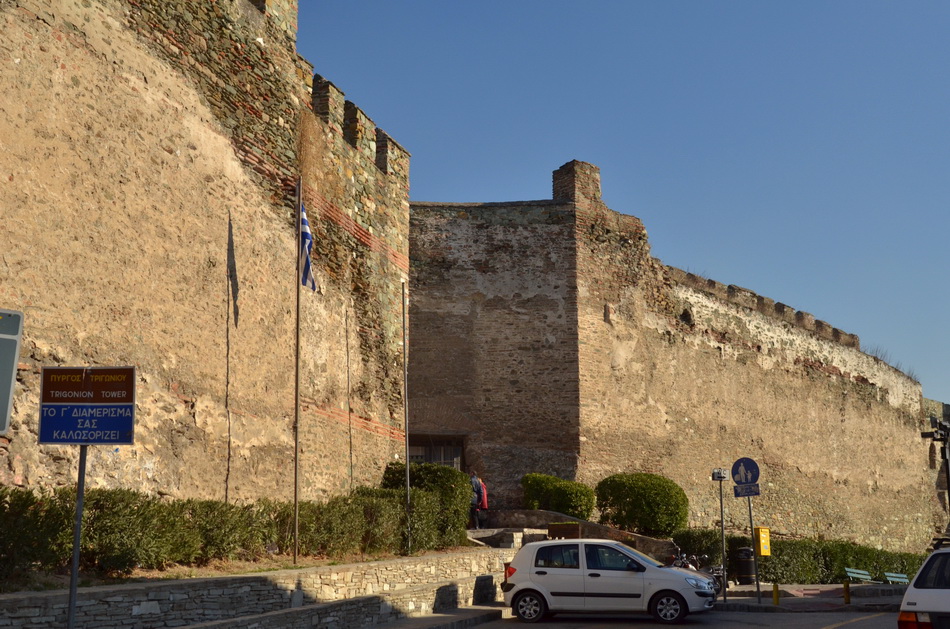
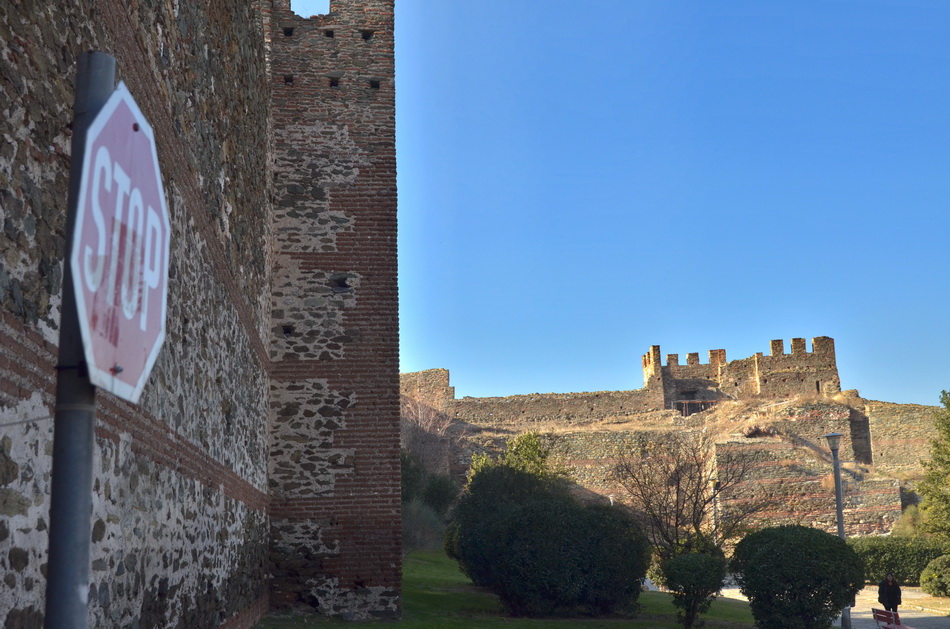
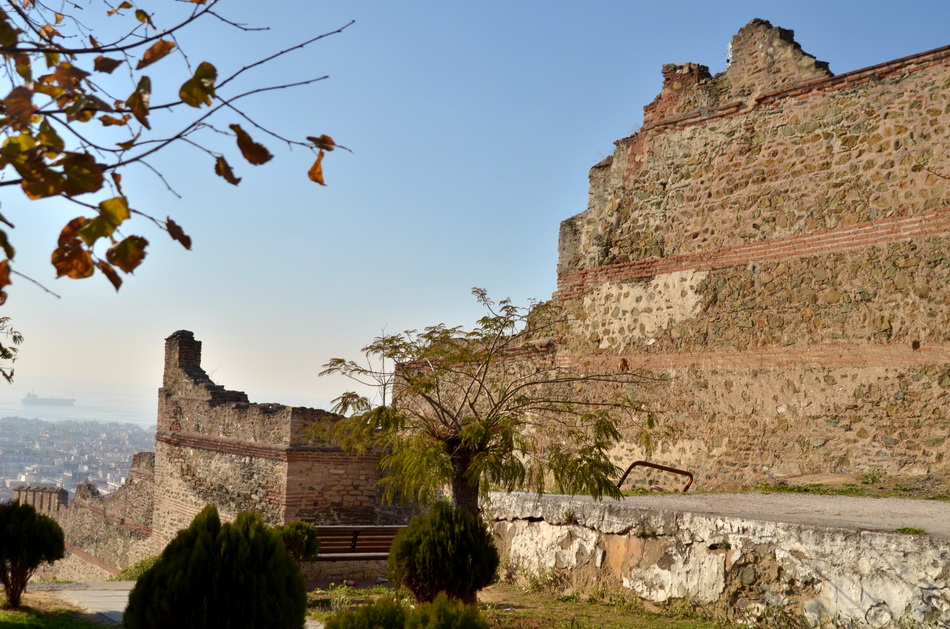
During my visit to Thessaloniki in December 2013, I photographed ancient monuments that remain part of the modern city's daily life. Founded around 315 BCE by Cassander and named after his wife Thessalonike, the city became an important port on the Thermaic Gulf. The Roman Via Egnatia strengthened its links with the Balkans and the eastern Mediterranean. Later, Emperor Galerius established an imperial residence here, leaving an architectural legacy that can still be traced through the city.
The Roman Forum — The Public Heart of the City
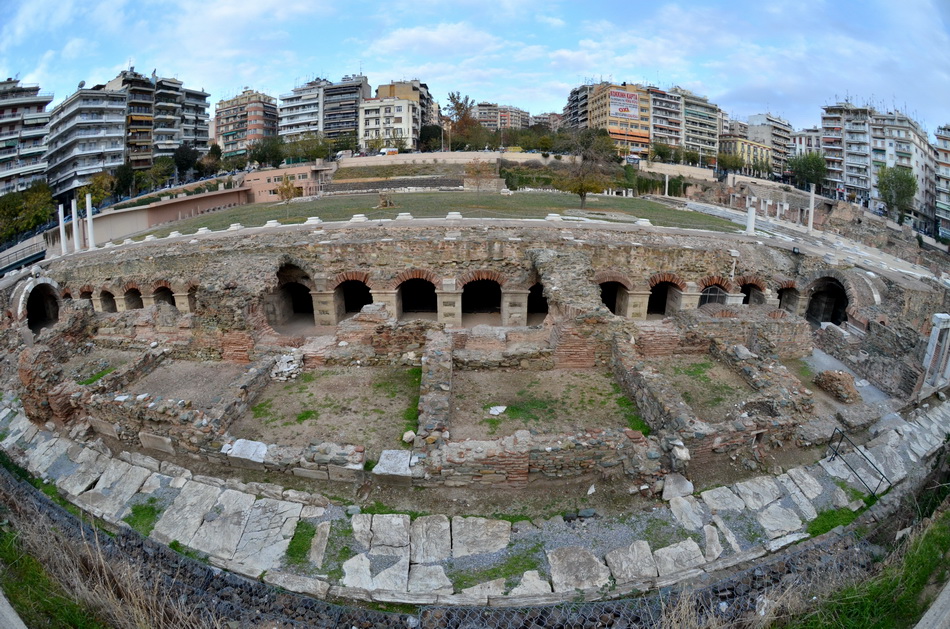
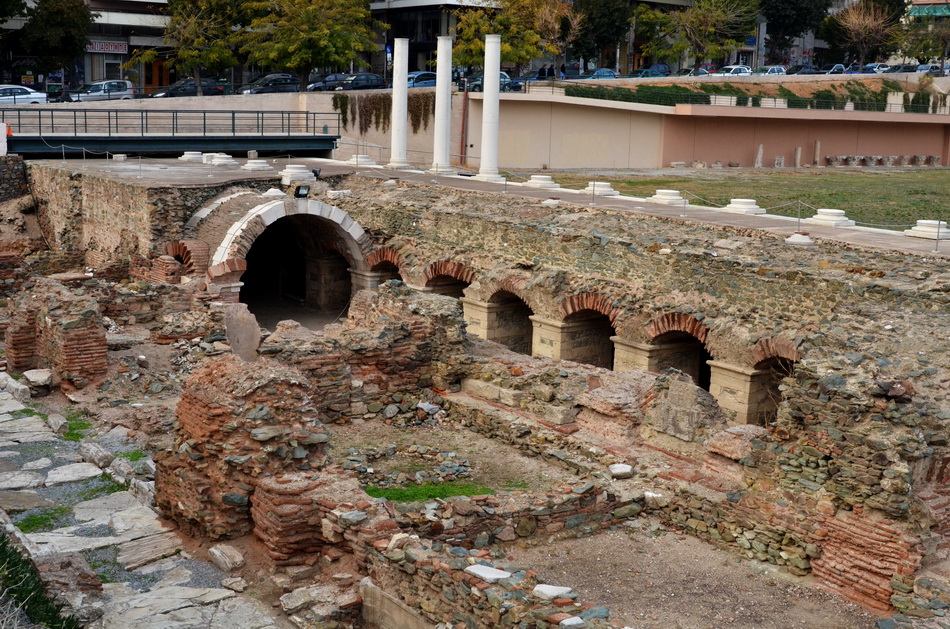
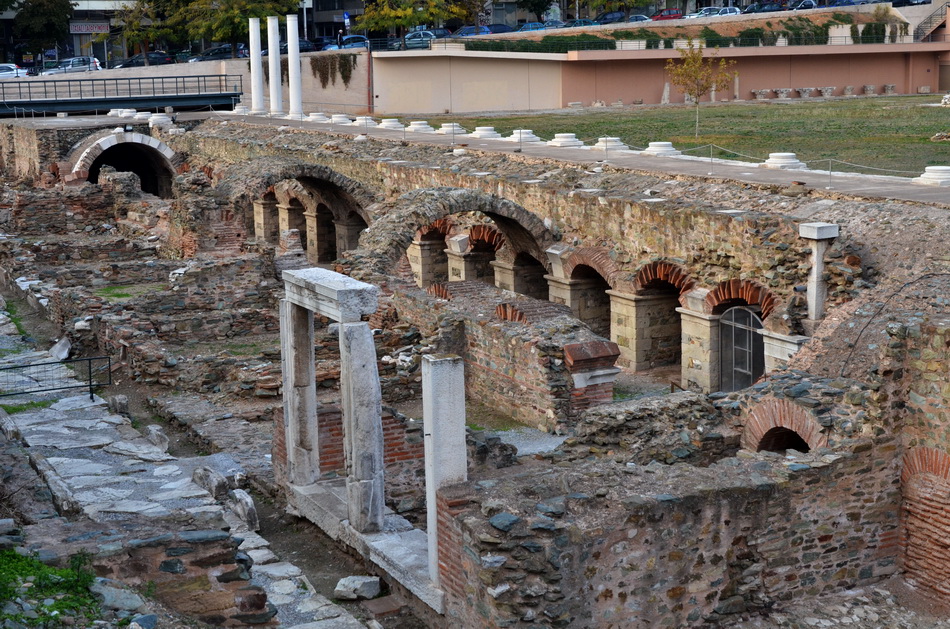
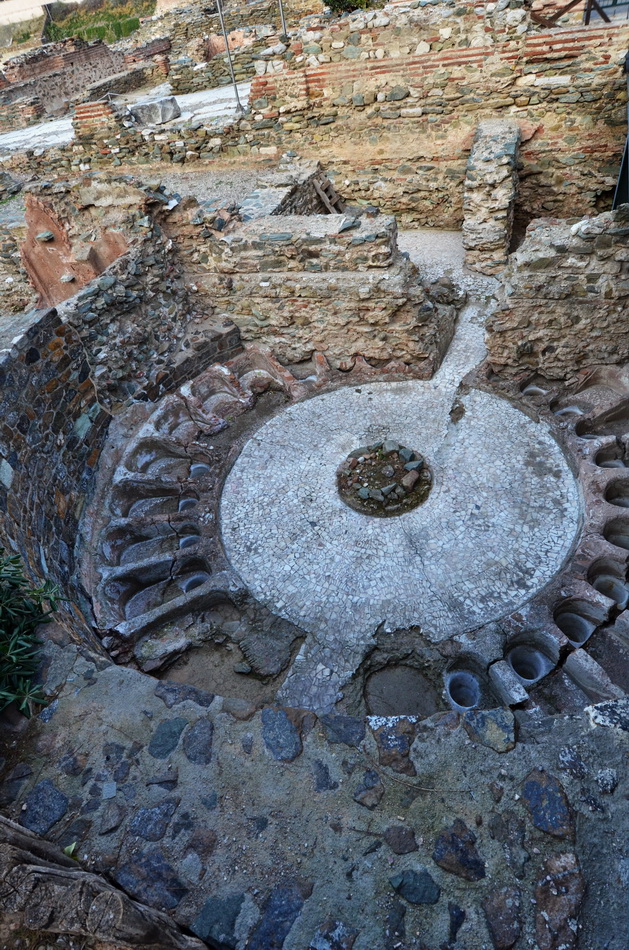
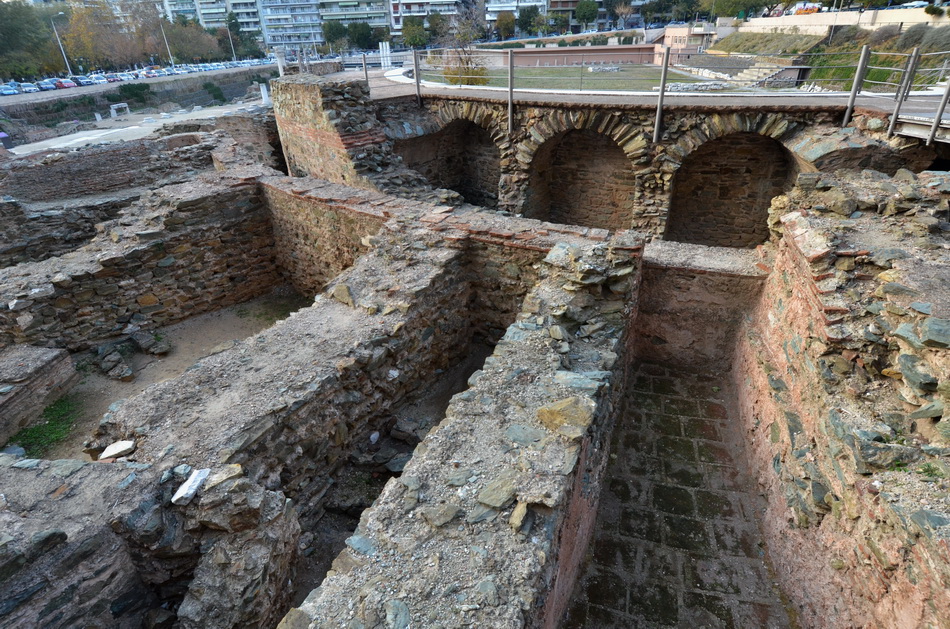
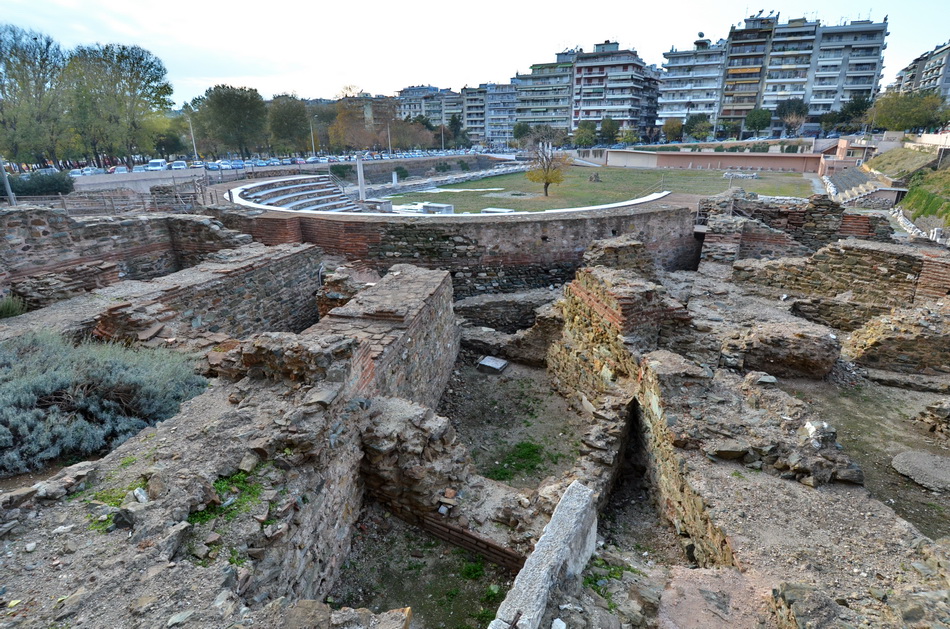
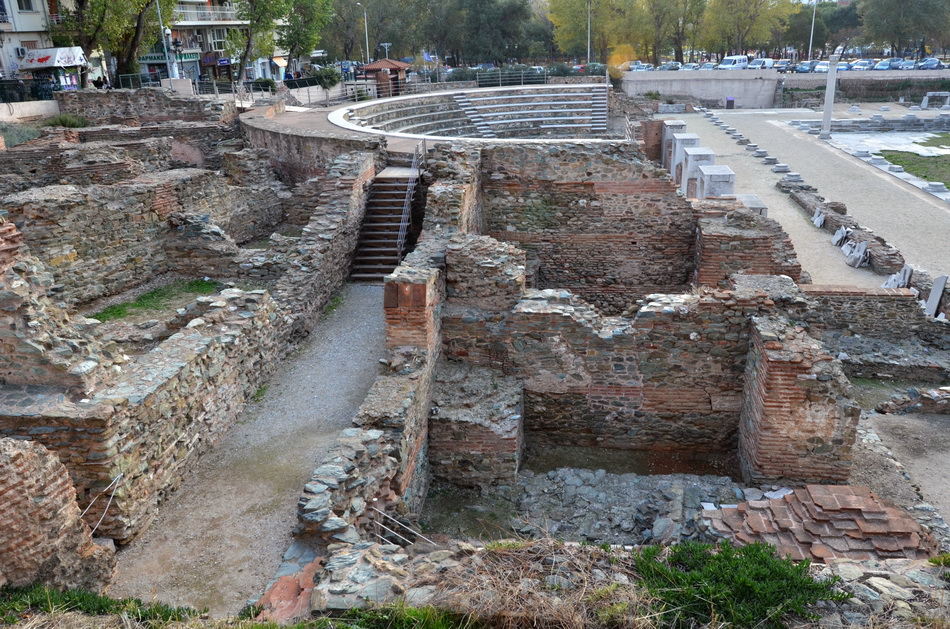
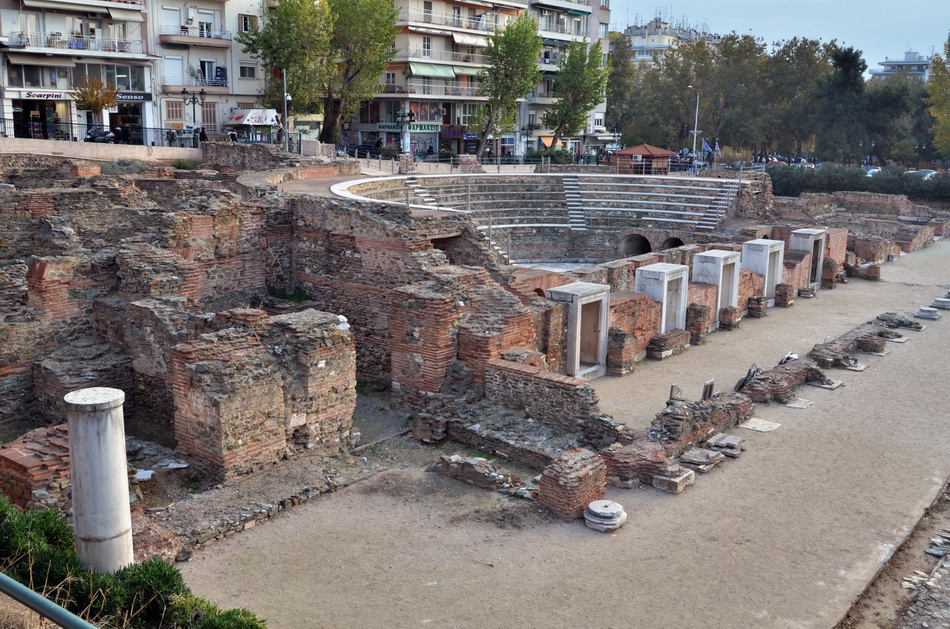
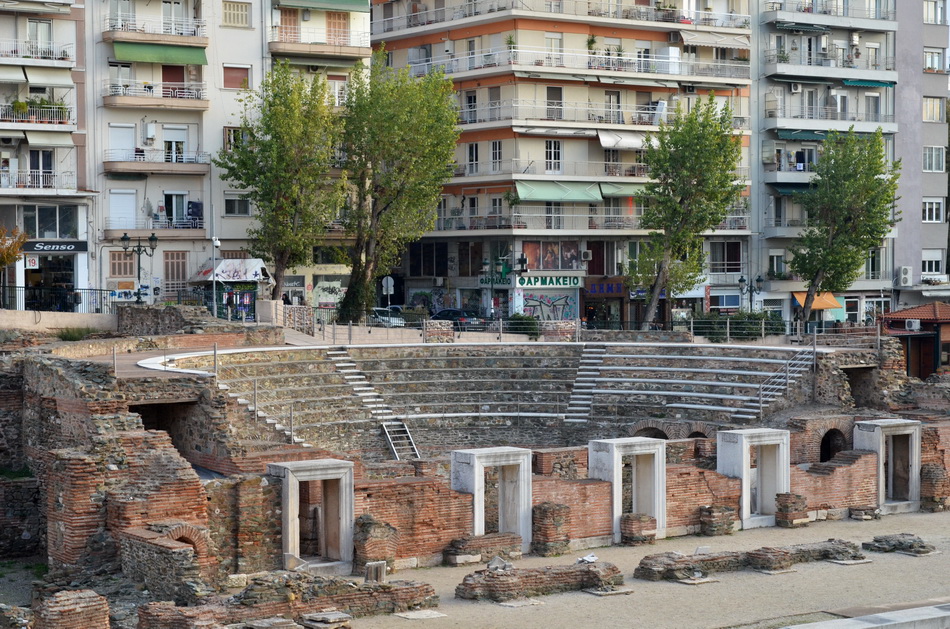
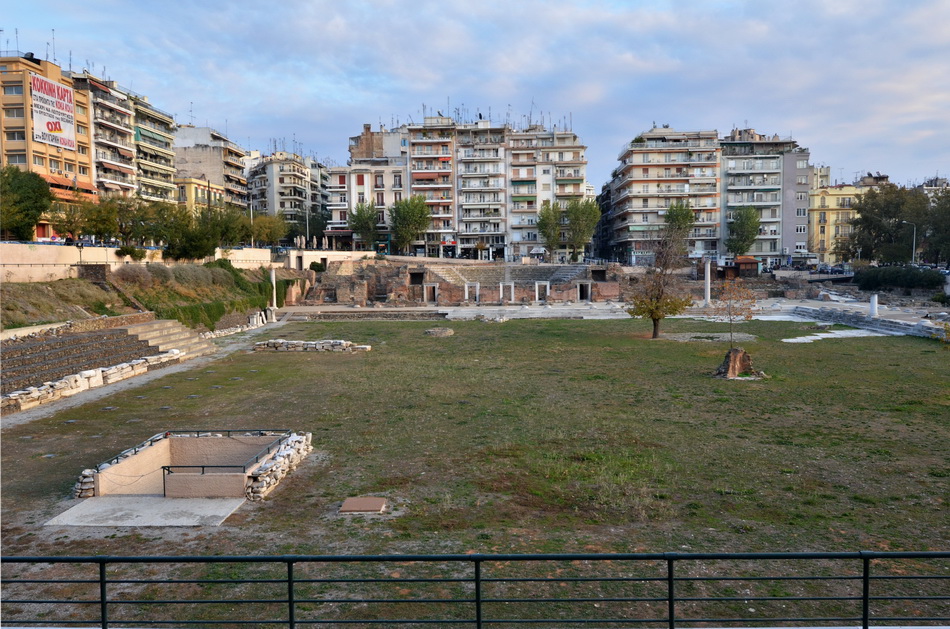
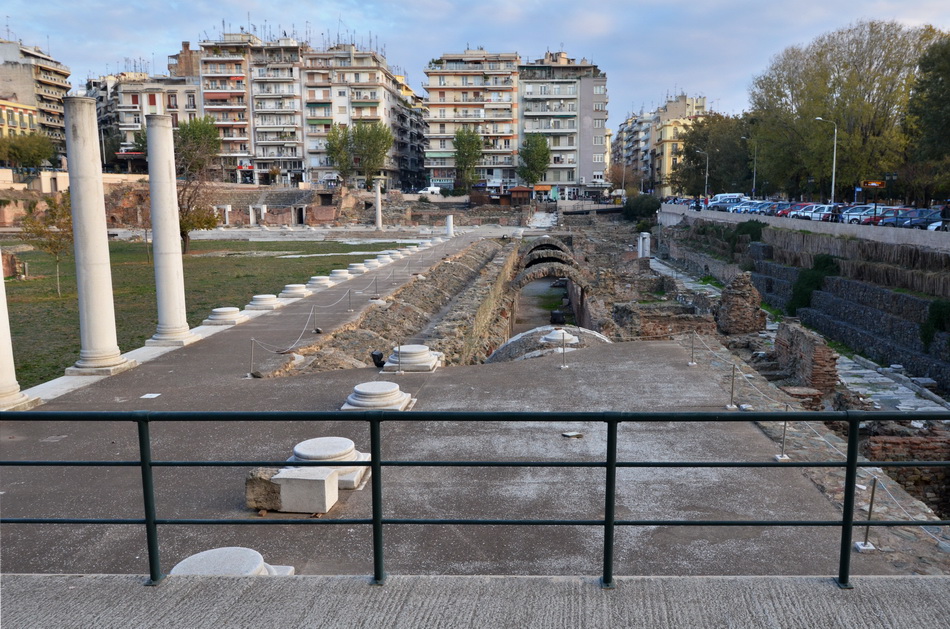
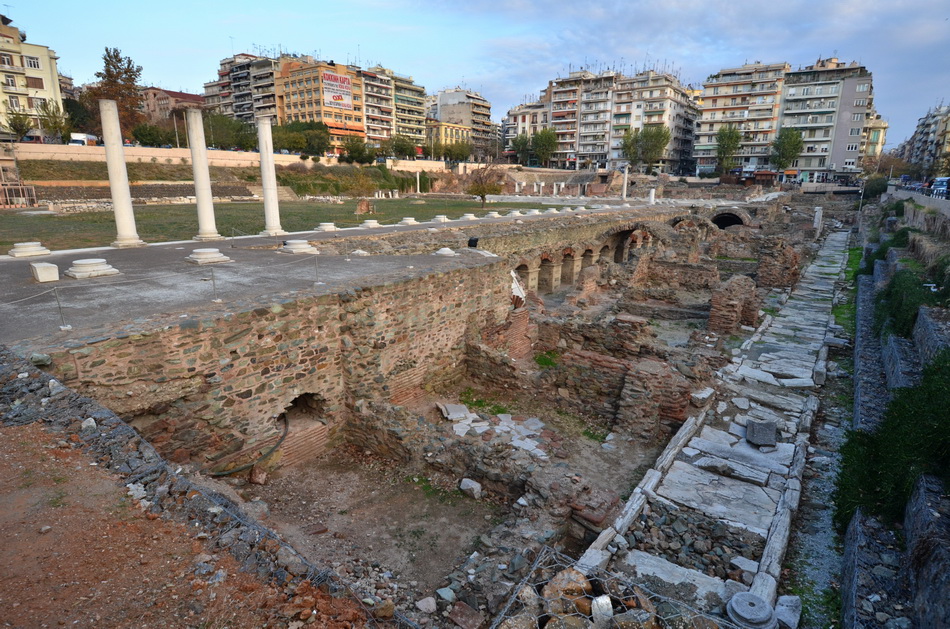
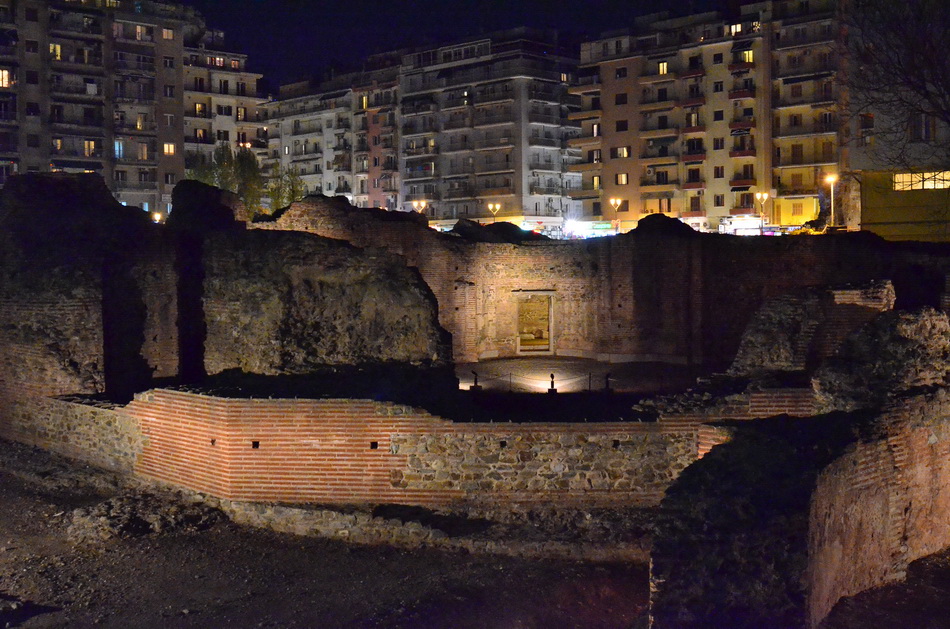
The Roman Forum, or Agora, was a centre of commerce, administration and public life. Its surviving second- and third-century CE remains include a large square, colonnaded walkways, shops, an odeon and underground cryptoporticoes. Excavations begun in the 1960s, during preparations for a new courthouse, revealed the ancient site and led to its preservation. The sculptural group known as Las Incantadas, once part of a Roman monument in Thessaloniki, was taken to Paris in the nineteenth century and is now in the Louvre.
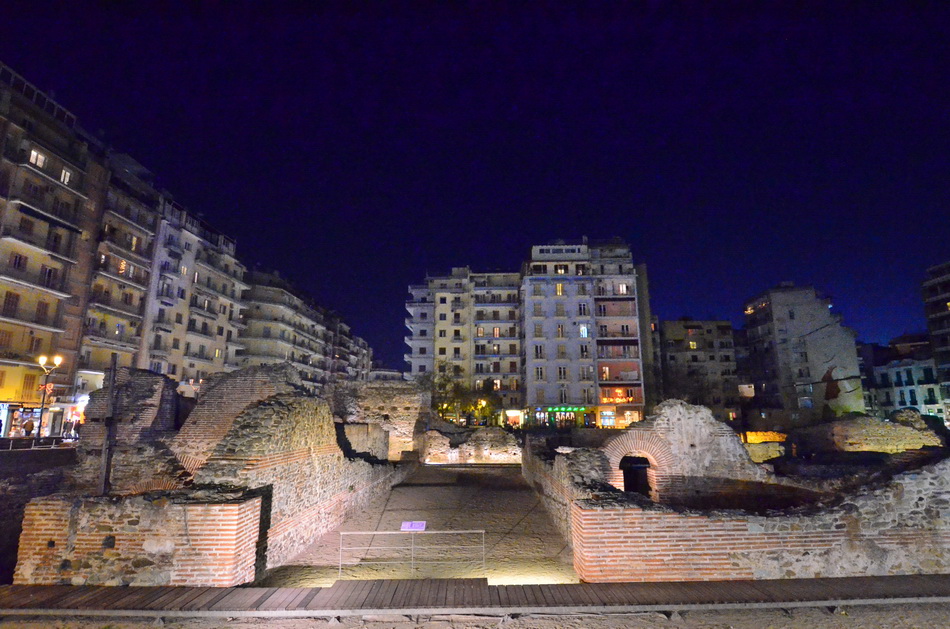
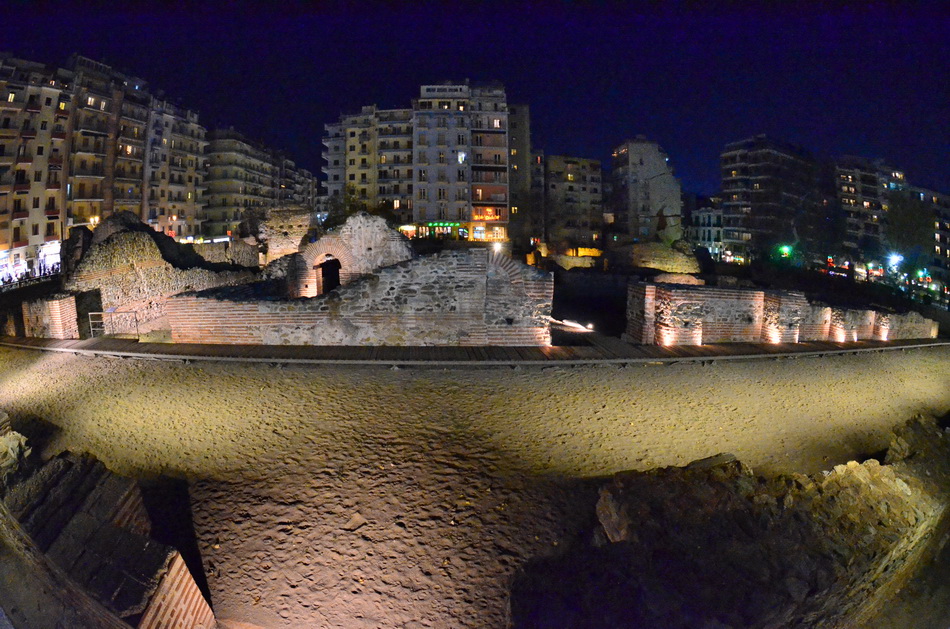
While photographing the forum, I was struck by the apartment buildings rising behind its ancient walls. The Roman public square had become an archaeological space embedded in another, living city.
The Palace of Galerius — An Imperial Residence
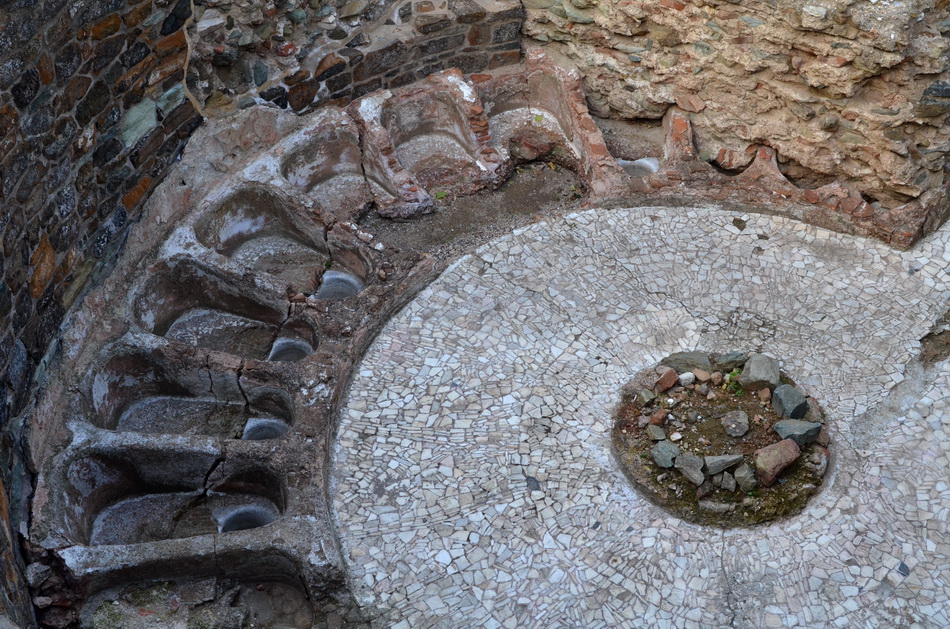
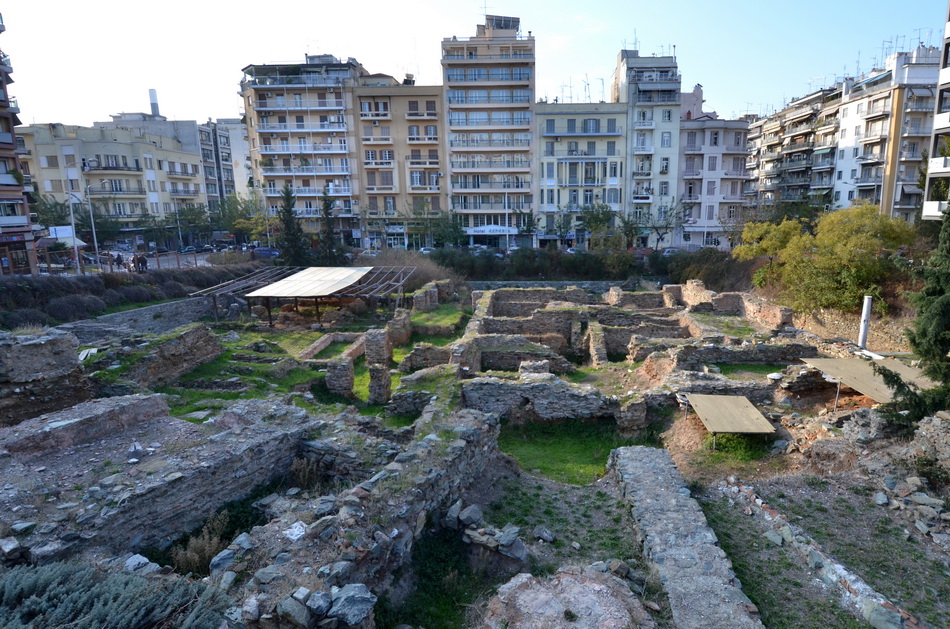
In the late third and early fourth centuries CE, Galerius developed an extensive palace complex in Thessaloniki. The remains around today's Navarinou Square include foundations of ceremonial rooms, courtyards, mosaics and an imposing octagonal hall. Together with the nearby hippodrome, triumphal arch and Rotunda, the palace formed part of a major imperial ensemble.
The surviving walls now lie below the level of the surrounding streets. Looking down at them, I tried to imagine the original scale of buildings once associated with the government of the Roman Empire.
The Arch of Galerius — Victory Carved in Stone
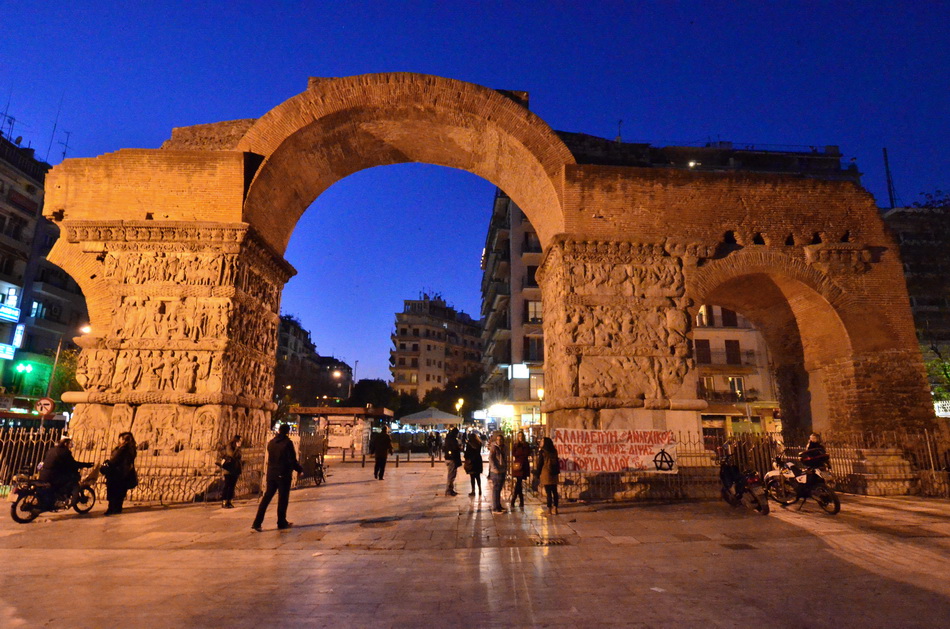
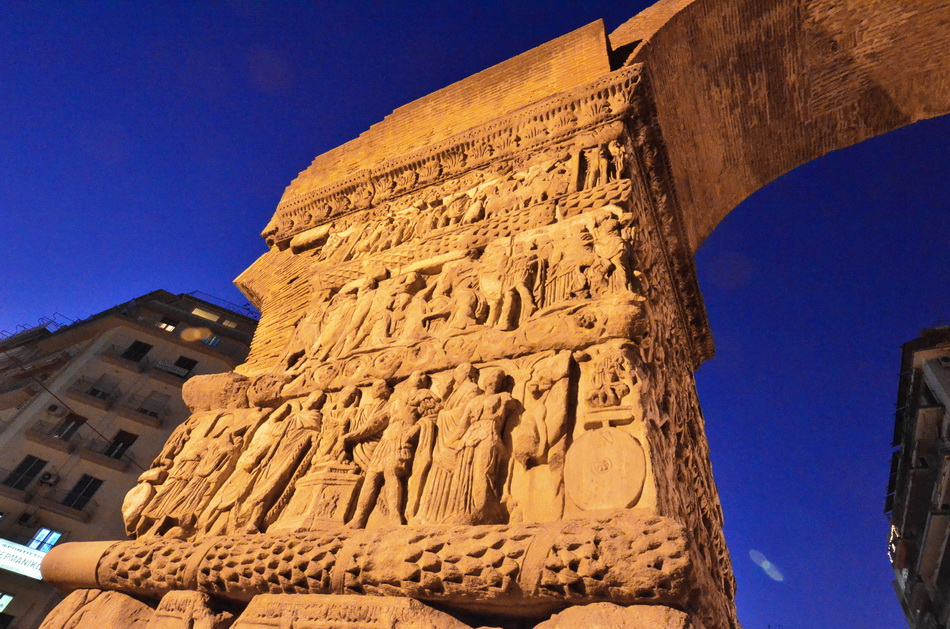
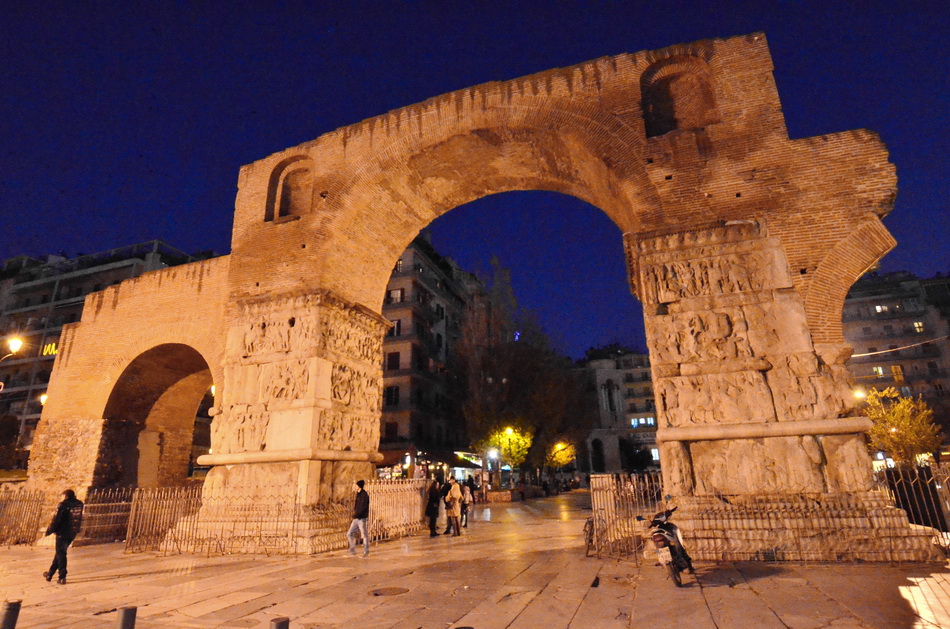
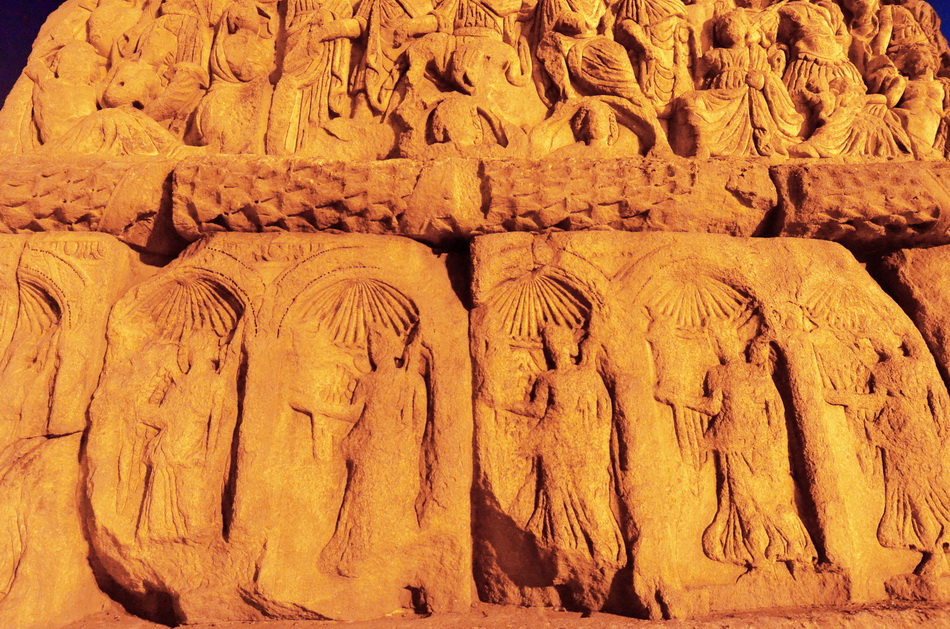
The Arch of Galerius, known locally as the Kamara, was erected around 299–303 CE to commemorate the emperor's victories over the Sasanian Persian Empire. Its surviving piers carry elaborate reliefs of military campaigns, ceremonies and imperial authority. Once part of a larger structure on the route between the palace and the Rotunda, it now stands beside a busy street.
I photographed the arch by day and at night. Daylight revealed the carved details; evening illumination brought out the monument's silhouette against the contemporary city.
The Byzantine Walls — The City’s Defences
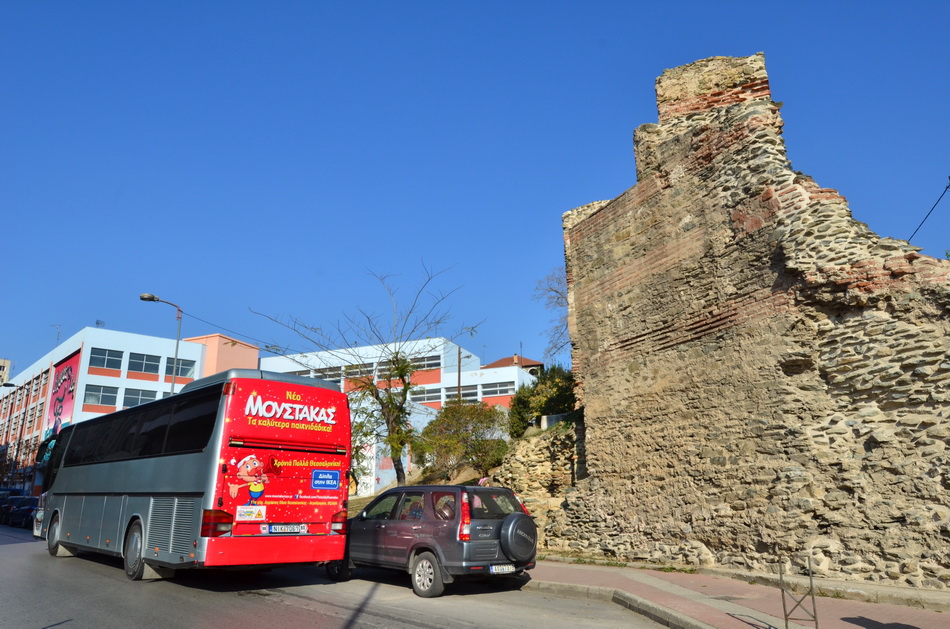
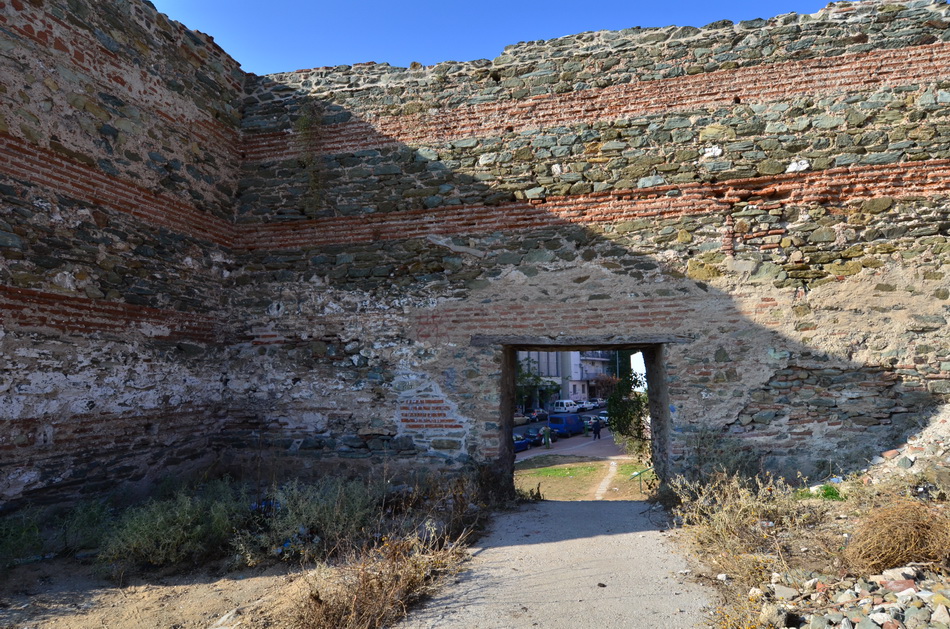
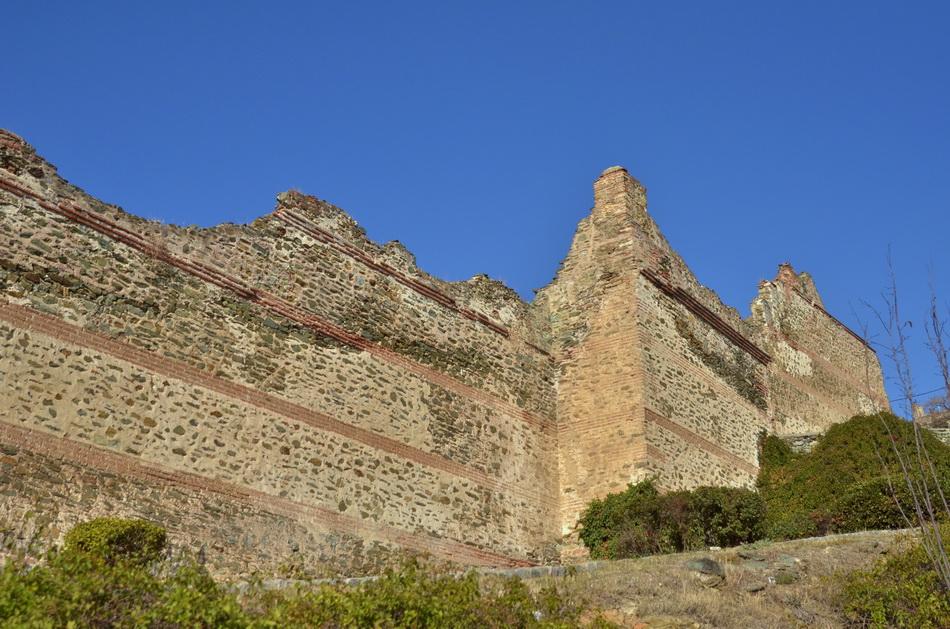
Thessaloniki's fortifications have roots in the Hellenistic period, but much of the surviving defensive system was built or reinforced in Late Roman and Byzantine times. Walls, towers and gates protected the city through repeated sieges and changing rulers. Following the Ottoman conquest in 1430, the defences were modified again; later urban expansion led to the demolition of substantial sections, especially along the waterfront.
Impressive stretches survive in Ano Poli, the Upper Town. Their stone-and-brick construction and commanding position reveal the city's military importance. The Byzantine walls form part of Thessaloniki's UNESCO-listed Early Christian and Byzantine monuments.
A City Living Among Its History
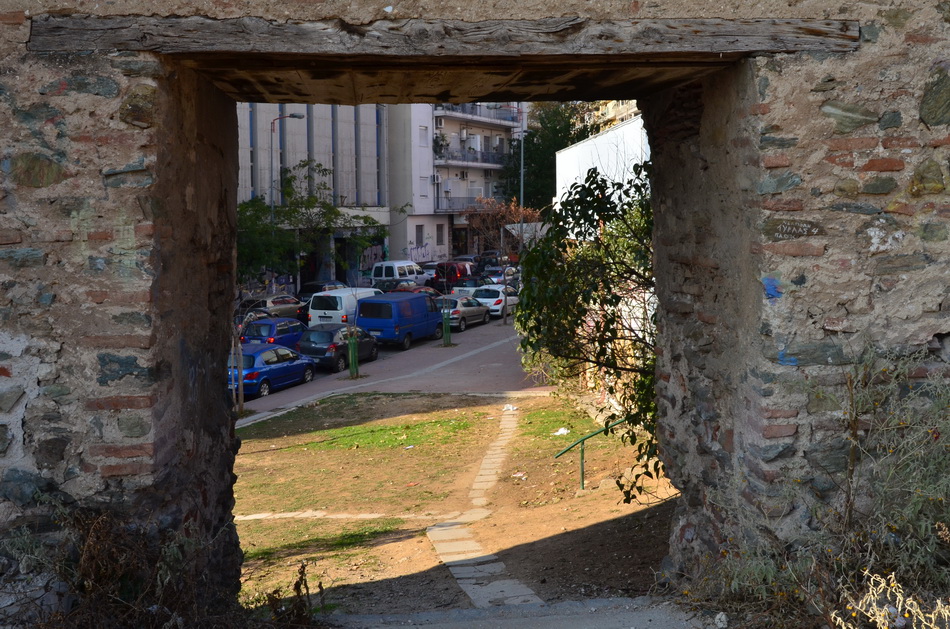
The Roman Forum, Palace of Galerius, triumphal arch and Byzantine walls belong to different chapters of the same urban story. During my 2013 visit, I wanted to photograph not only their architectural details but also their relationship with the streets, buildings and people around them. In Thessaloniki, history is not confined to a museum: it remains visible within the life of the city.