
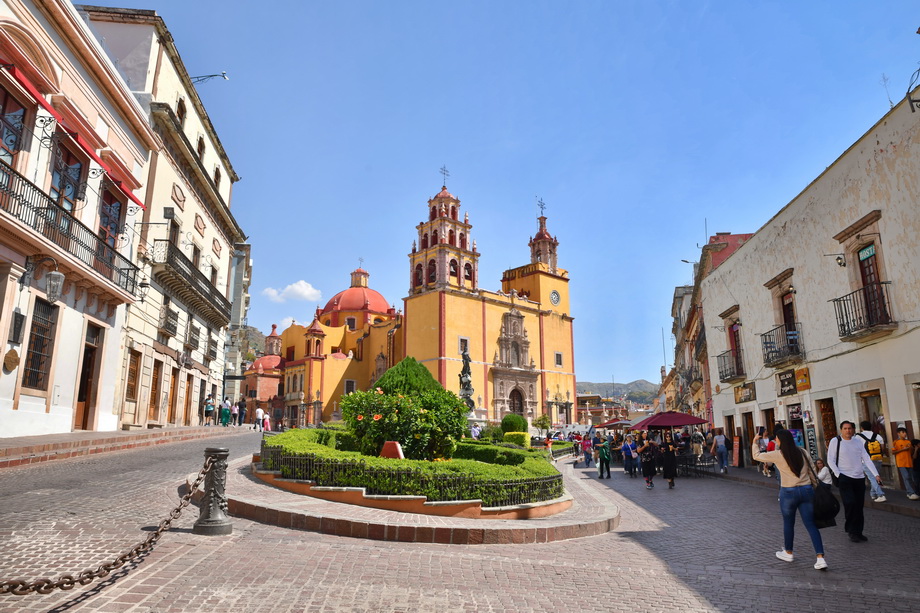
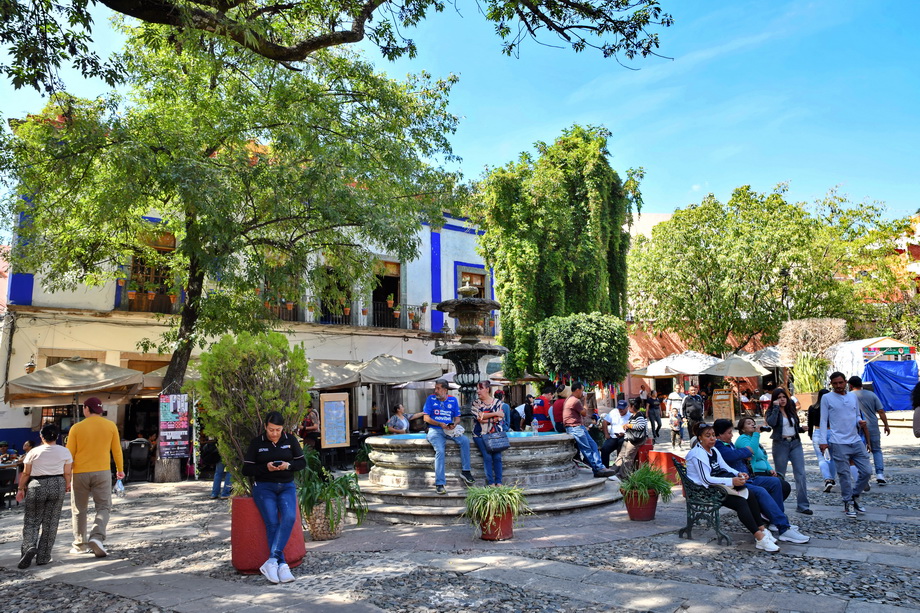
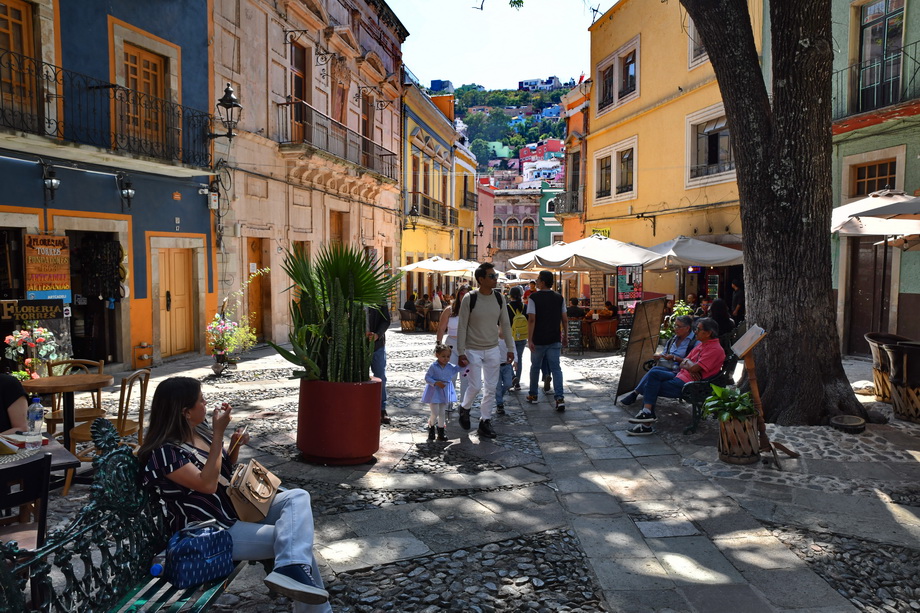
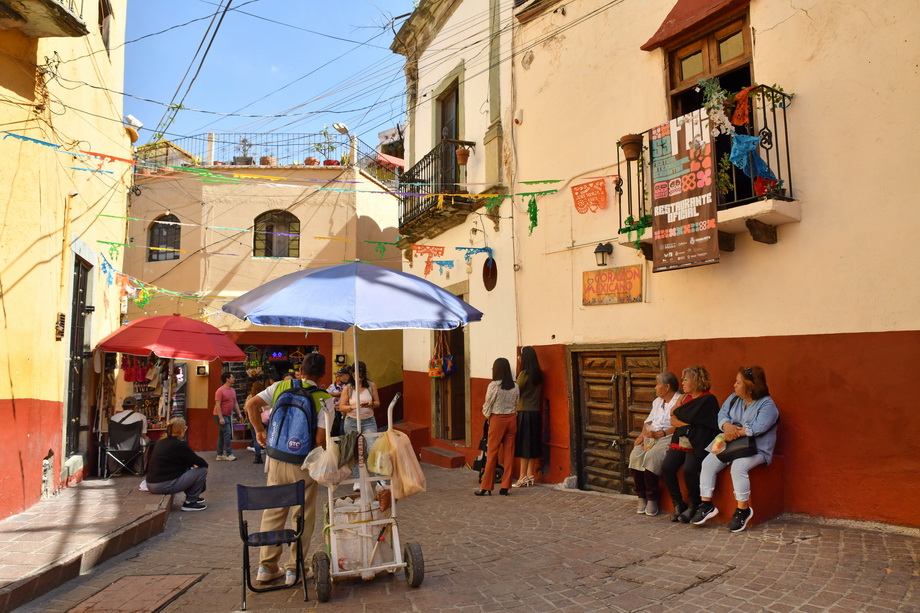
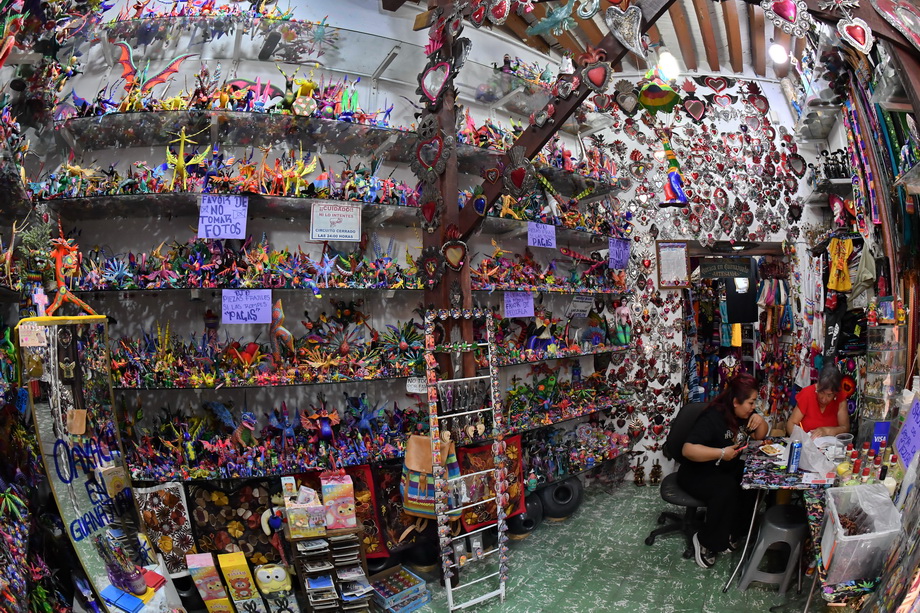
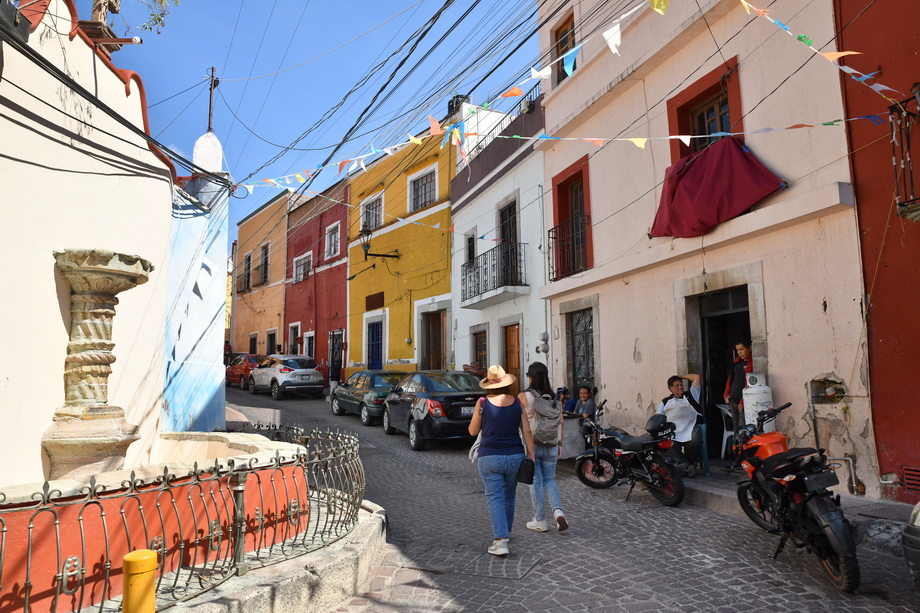
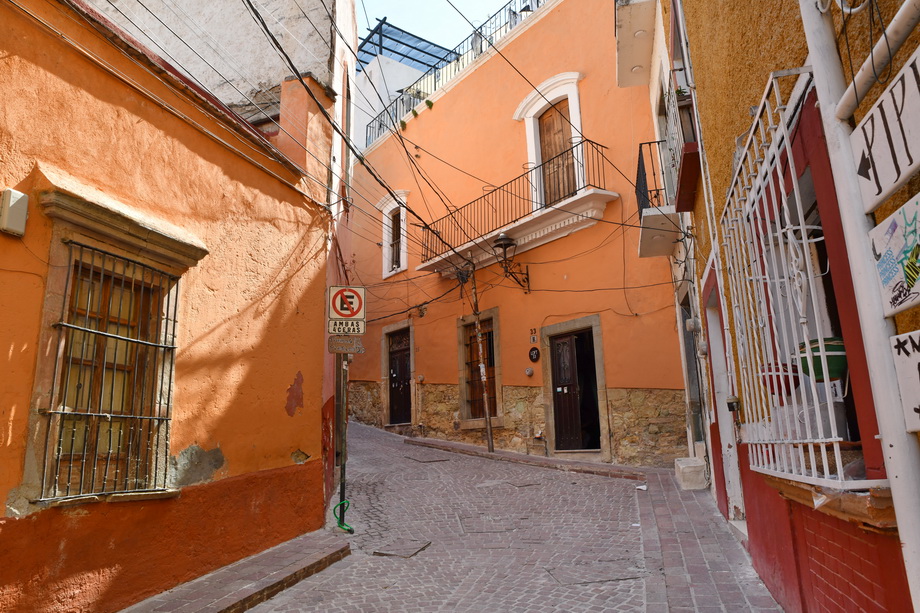
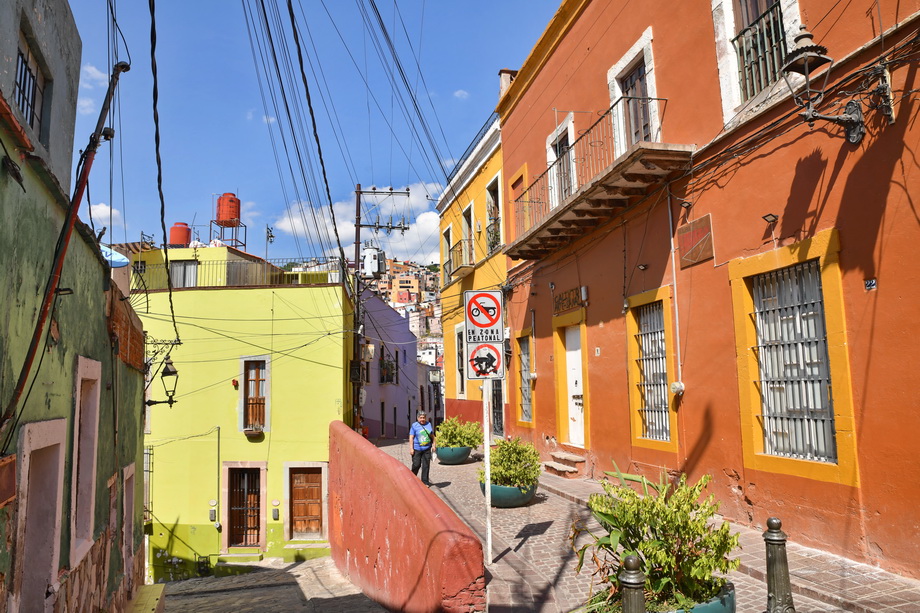
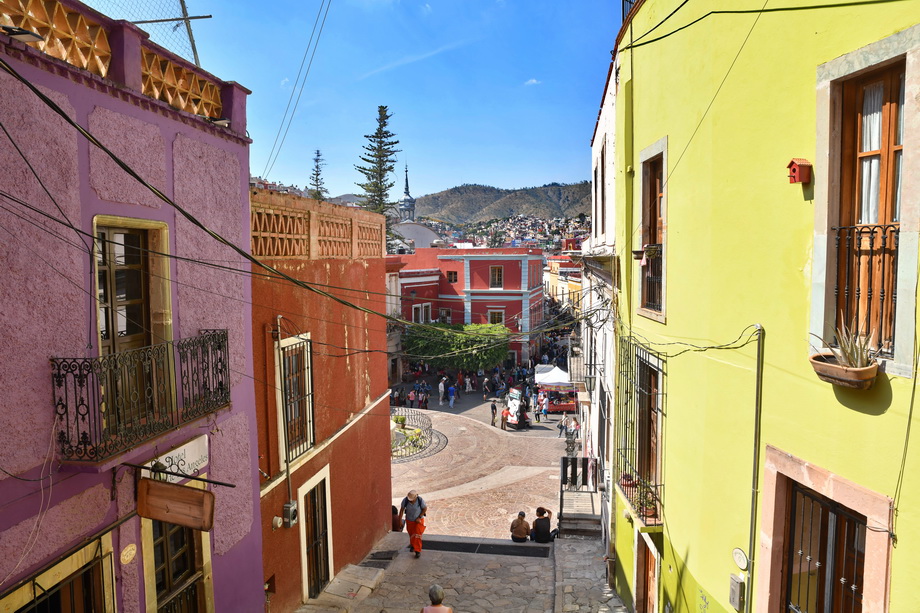
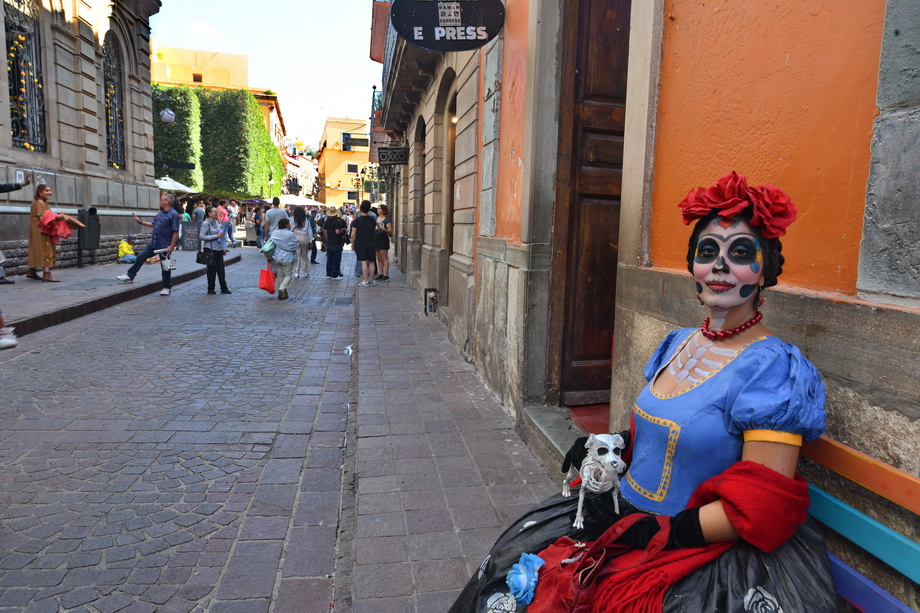
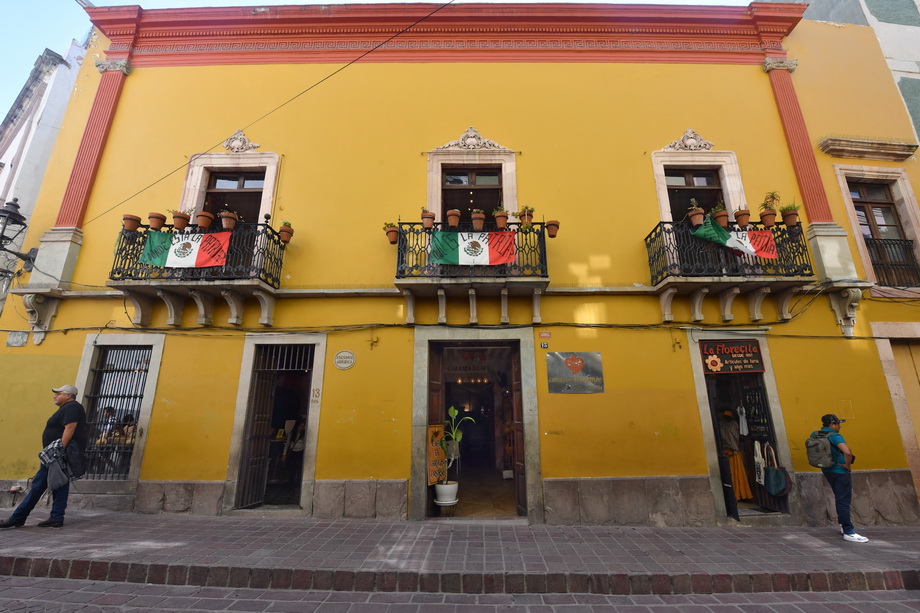
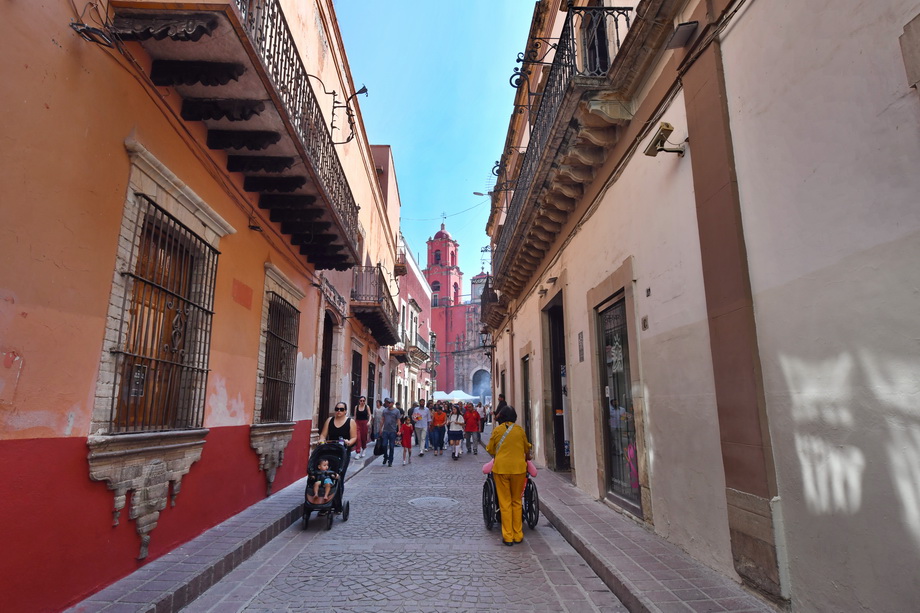
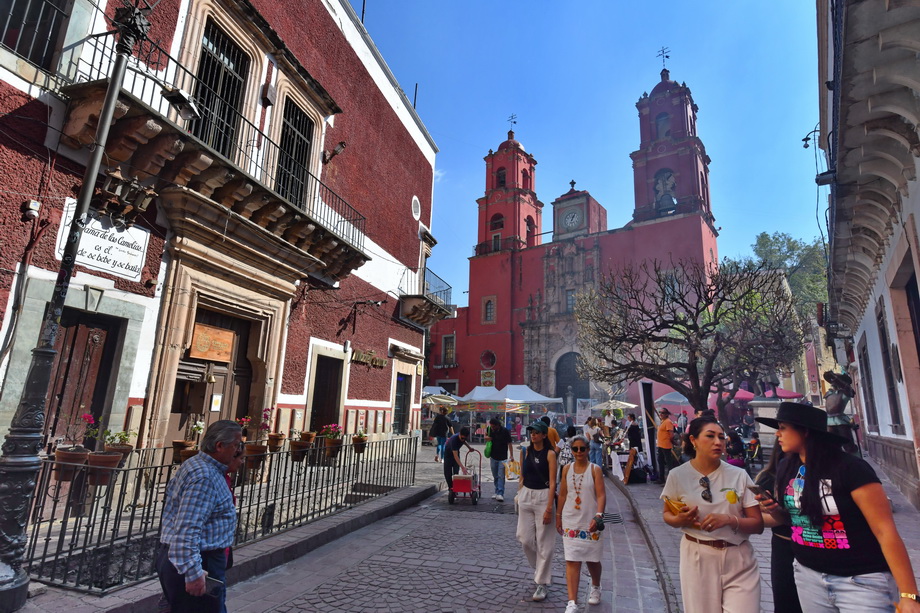
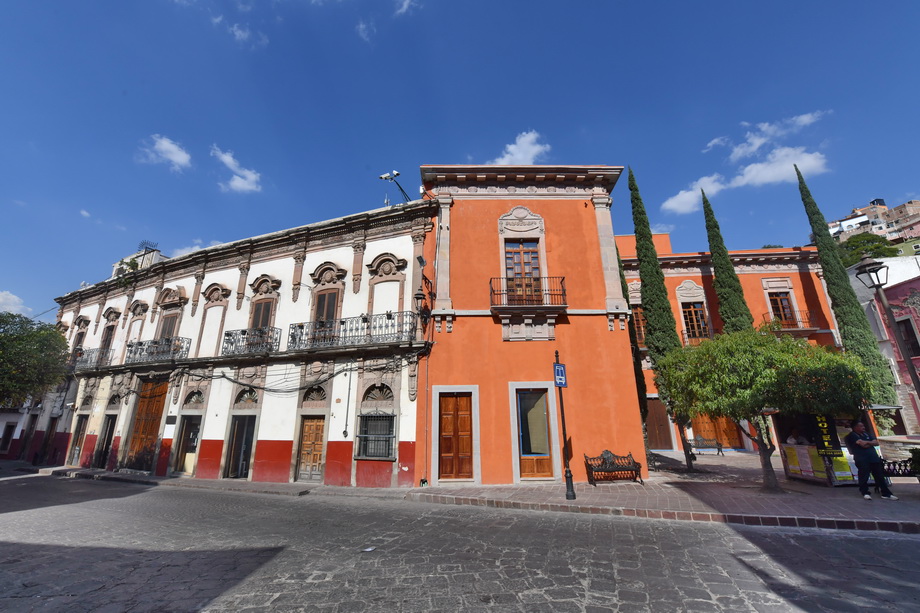
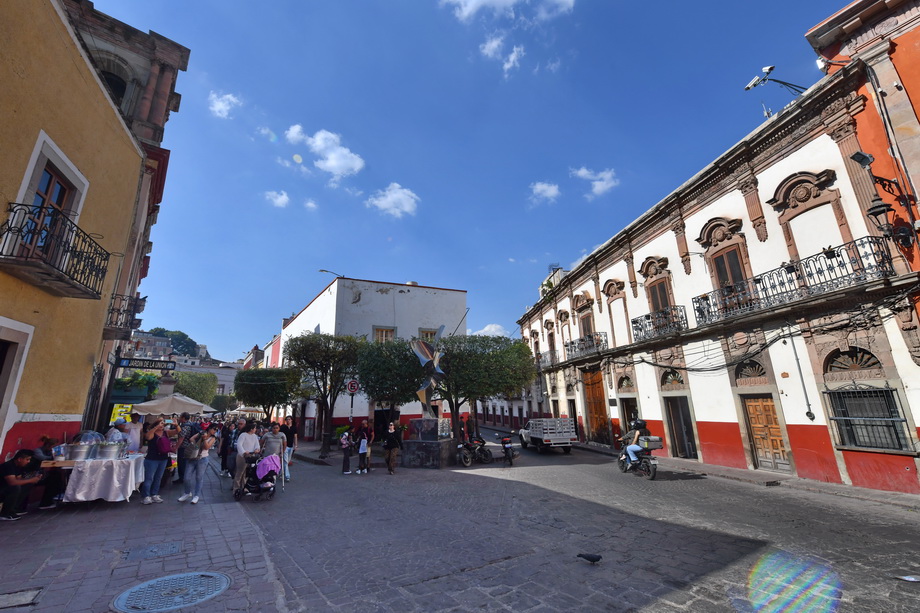
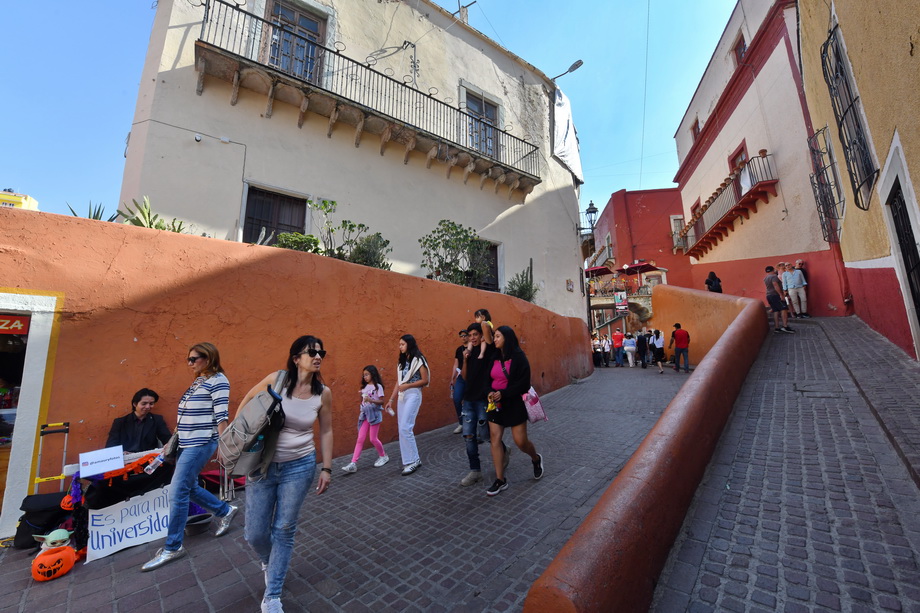
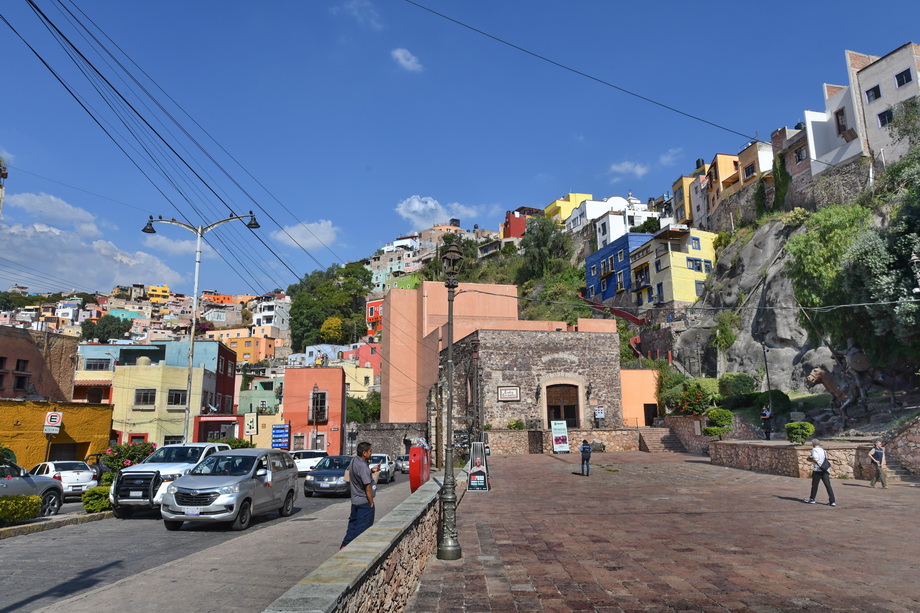
Guanajuato, the capital of the Mexican state of the same name, lies in a narrow valley surrounded by mountains in central Mexico. With its brightly colored houses climbing the hillsides, winding streets, small squares and impressive churches, it has one of the country's most distinctive urban landscapes. What is especially striking is the relationship between architecture and terrain: houses rise from the valley floor onto the slopes, while narrow streets, stairways and passageways connect neighborhoods at different elevations.
Guanajuato's development is closely linked to the rich silver deposits discovered in the region during the sixteenth century. Mining expanded rapidly under Spanish colonial rule, making the city one of New Spain's leading economic centers. By the eighteenth century, Guanajuato ranked among the world's major silver-producing regions. The immense wealth extracted from the mines financed imposing churches, public buildings and affluent residences. Much of the architectural richness visible in the historic center today grew out of this long mining history.
Yet that prosperity had another side. The harsh working conditions endured by Indigenous miners and other laborers reflected the inequalities of colonial society. Guanajuato's history is not only the story of great fortunes and magnificent buildings, but also of the people whose labor created that wealth. Its architectural heritage therefore needs to be understood alongside the economic power of mining and its effects on everyday life.
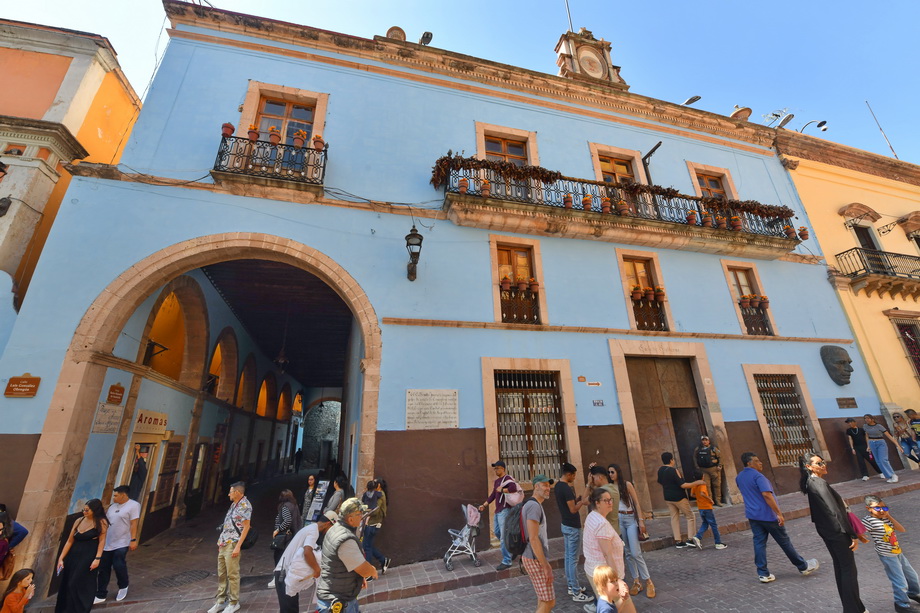
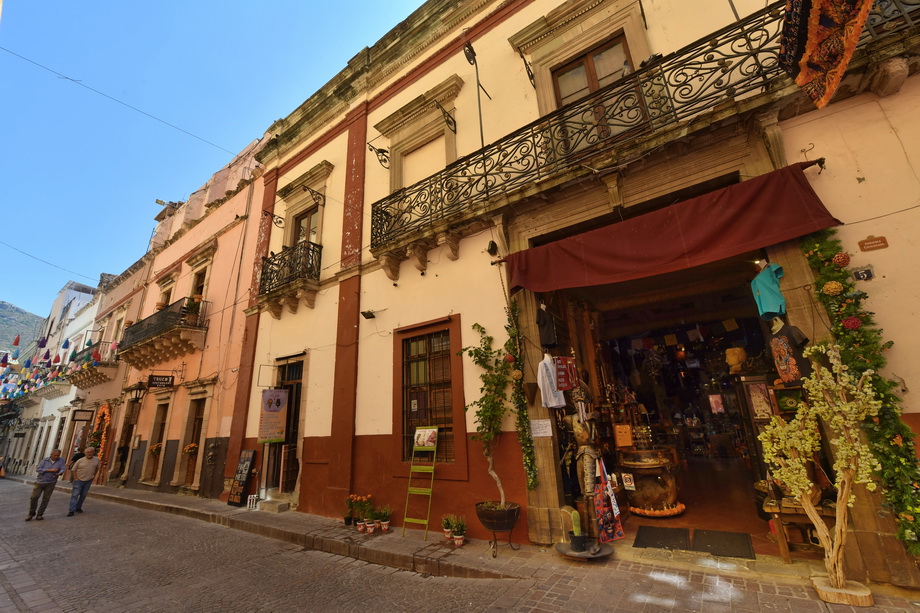
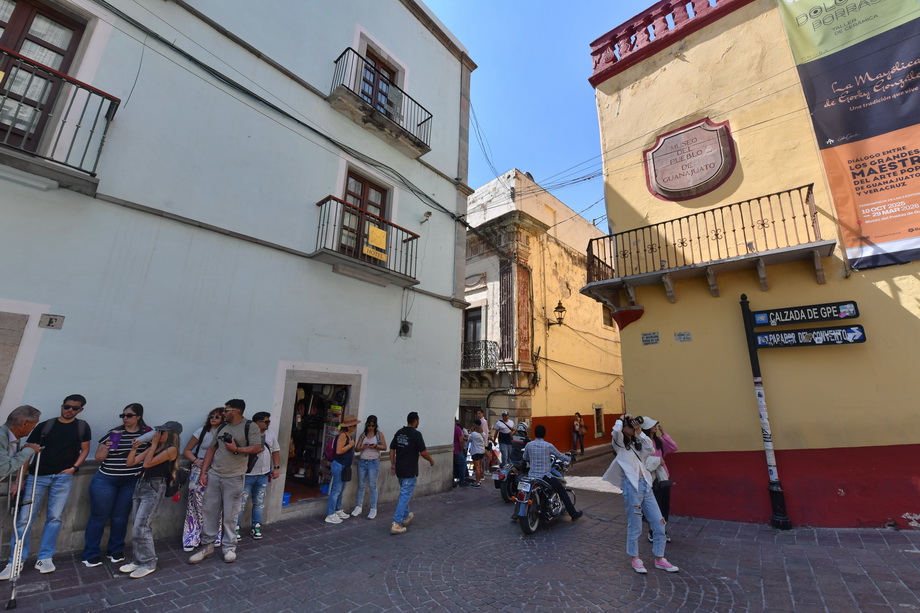
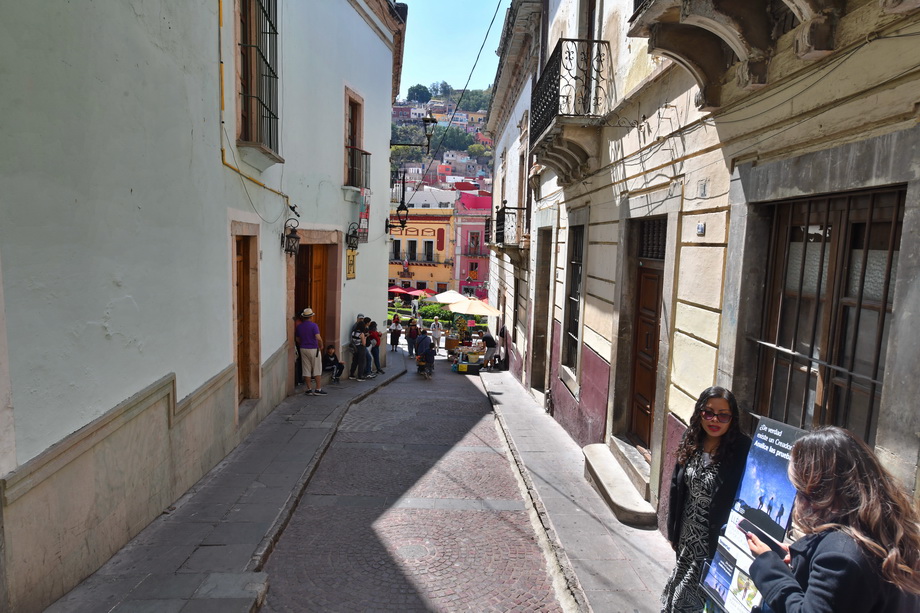
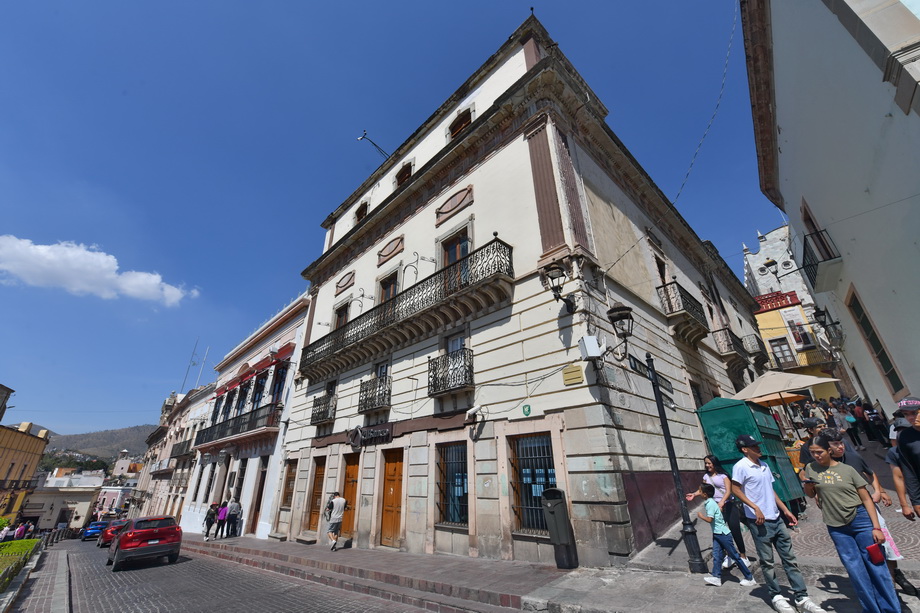
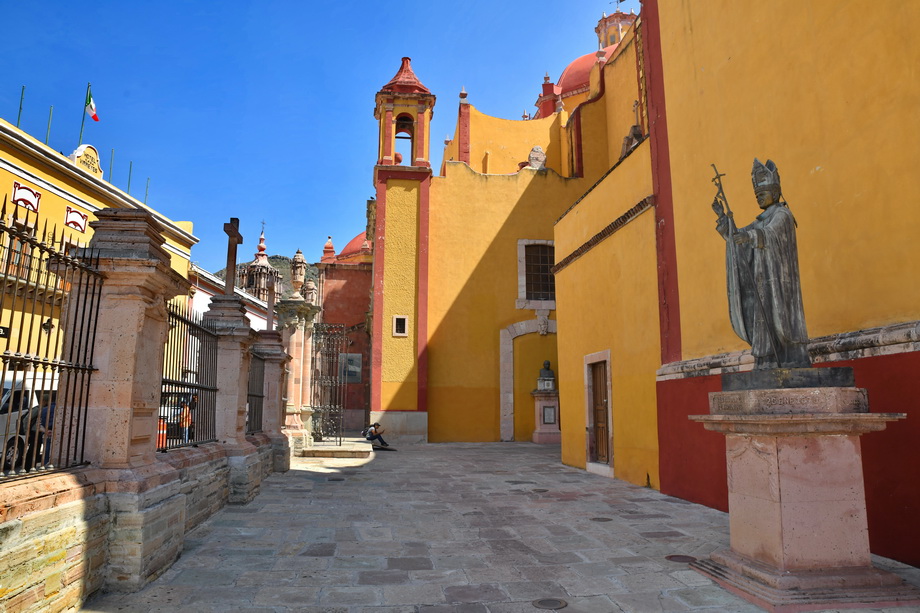
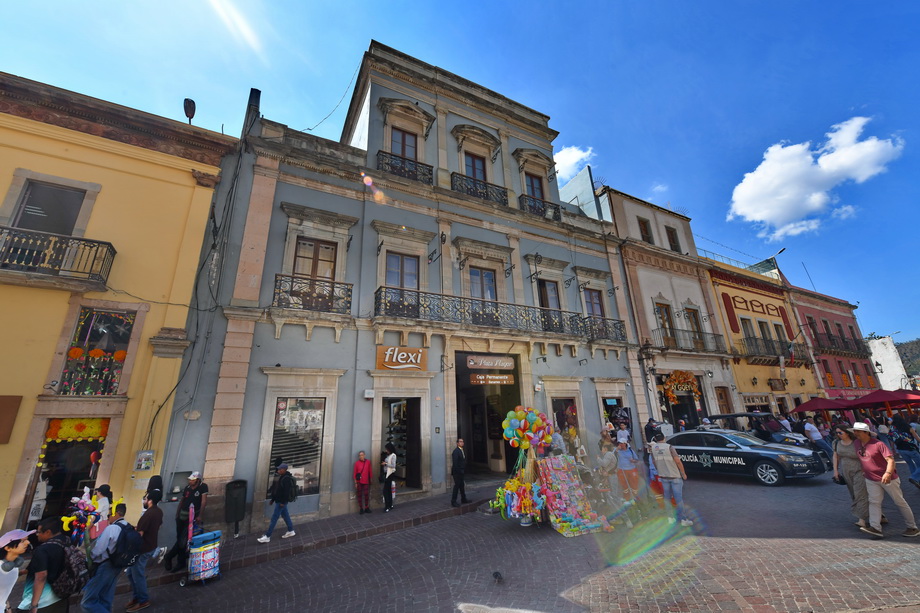
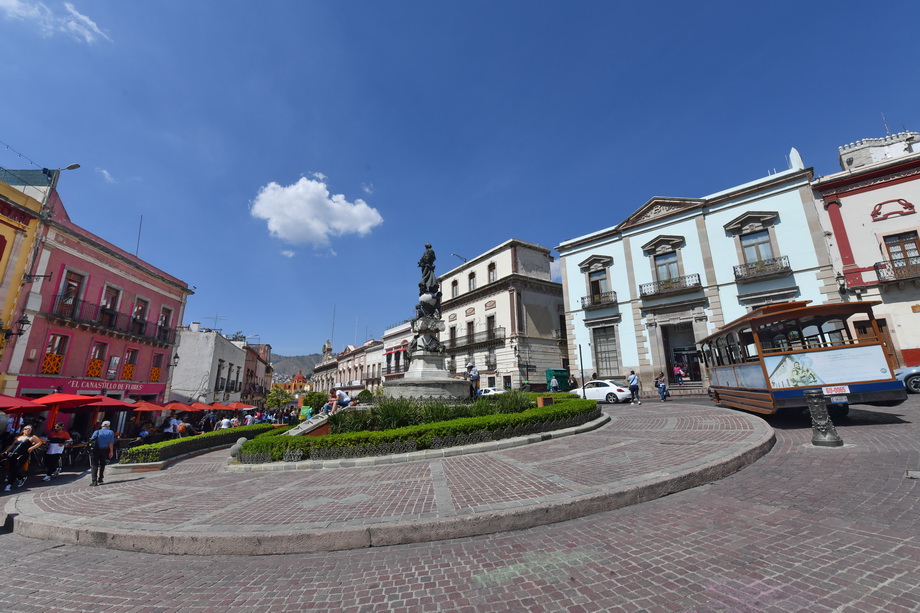
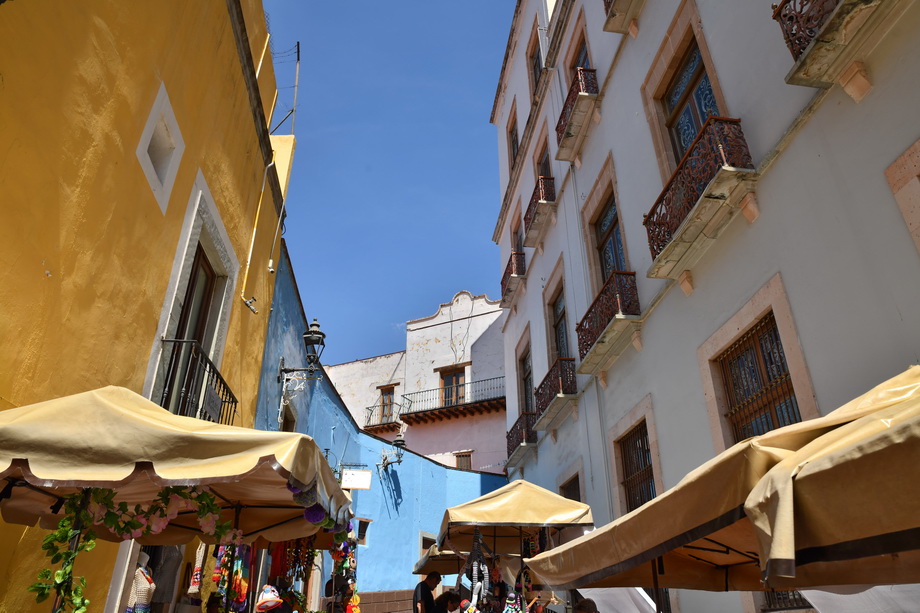
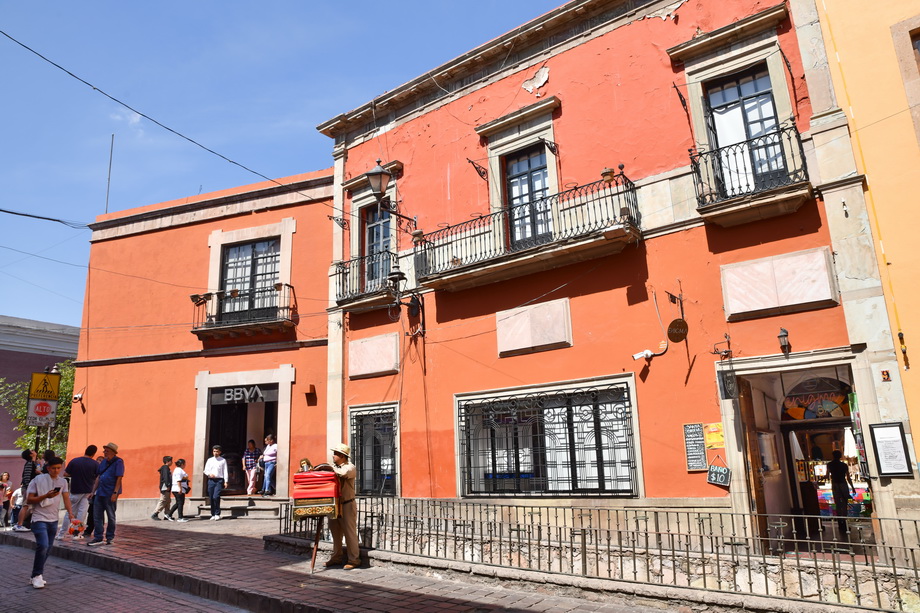
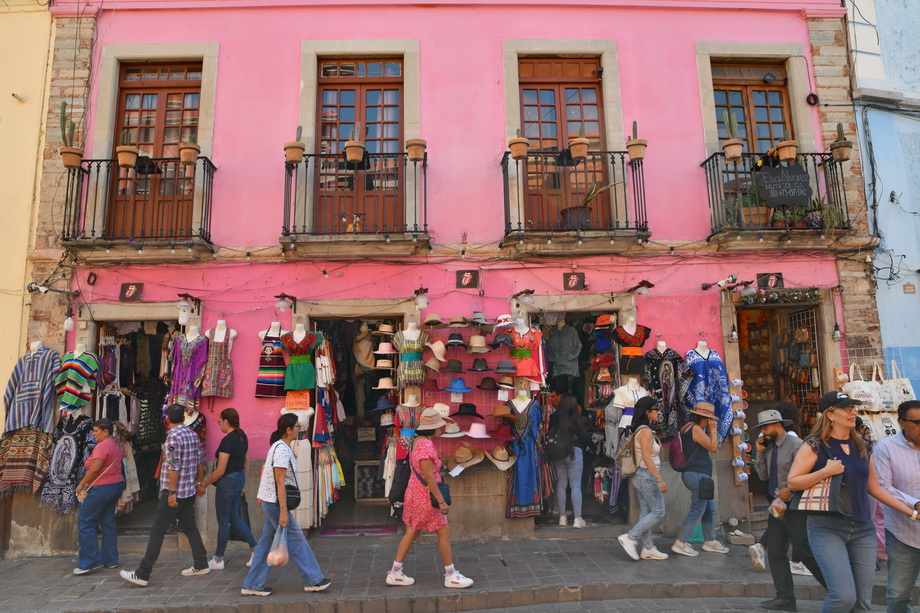
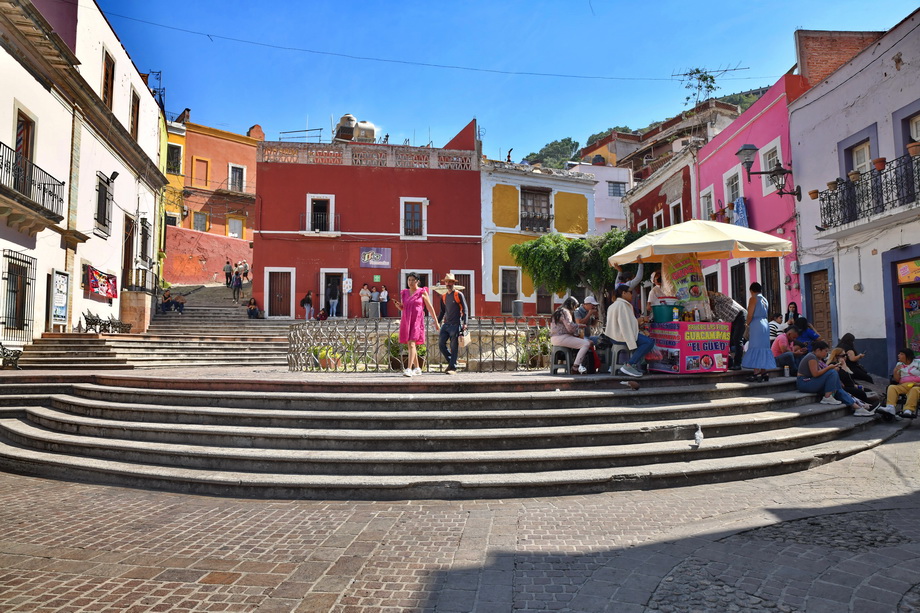
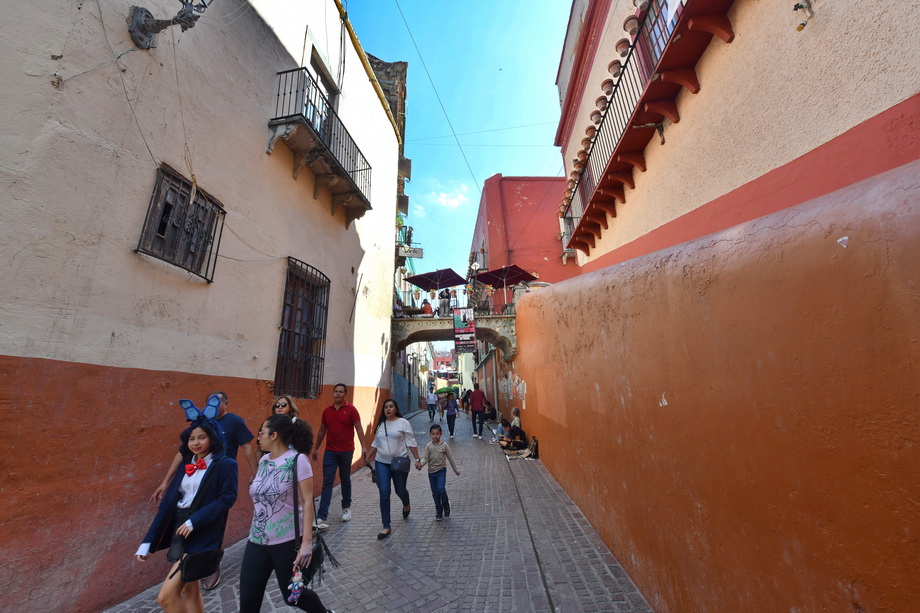
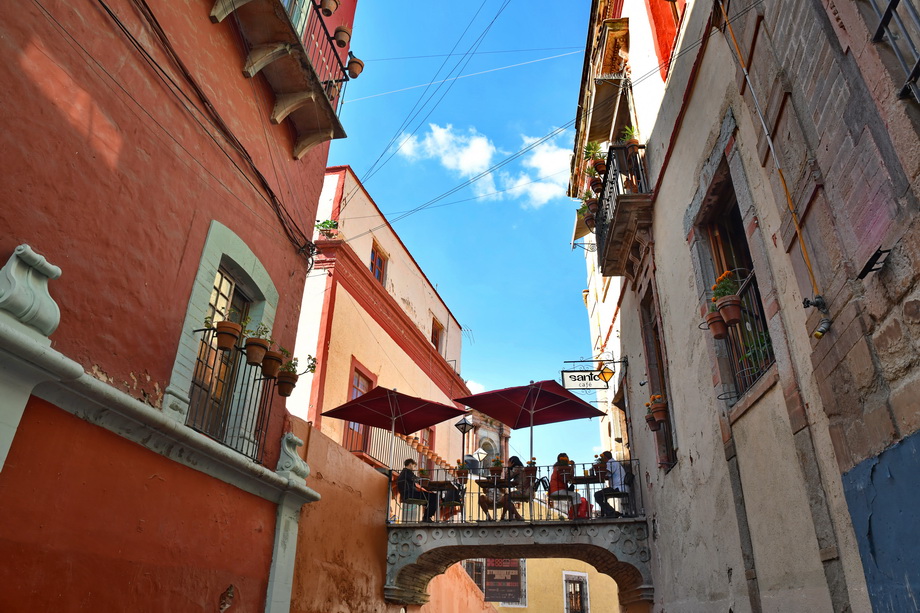
What immediately catches the eye in Guanajuato's streets is the vivid color of the house fronts. Shades of yellow, orange, pink, red, blue and green form an enormous mosaic across the buildings clustered on the hillsides. In some streets, the houses stand so close together that opposing balconies and windows seem almost to touch. Narrow passageways, stone steps, small courtyards and squares that appear unexpectedly make up the city's intricate and compelling urban fabric.
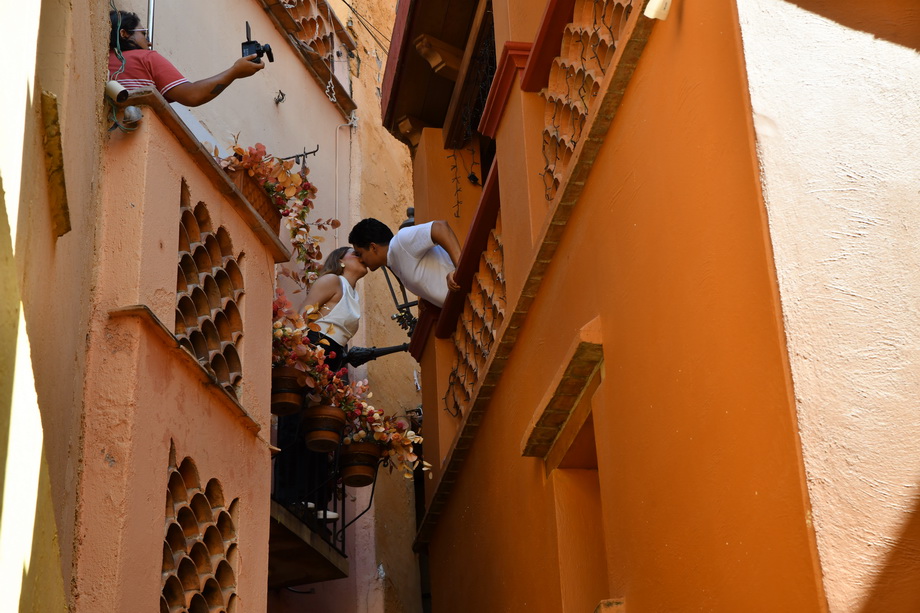
One of the best-known streets is Callejón del Beso, the Alley of the Kiss. Famous for its two balconies standing almost face to face, this narrow passage is associated with a tragic love story. According to the legend, two young lovers, despite their families' opposition, were able to meet across the neighboring balconies. Today the alley is among Guanajuato's most visited places. Architecturally, it is also a vivid example of the dense settlement pattern that developed within the narrow valley.
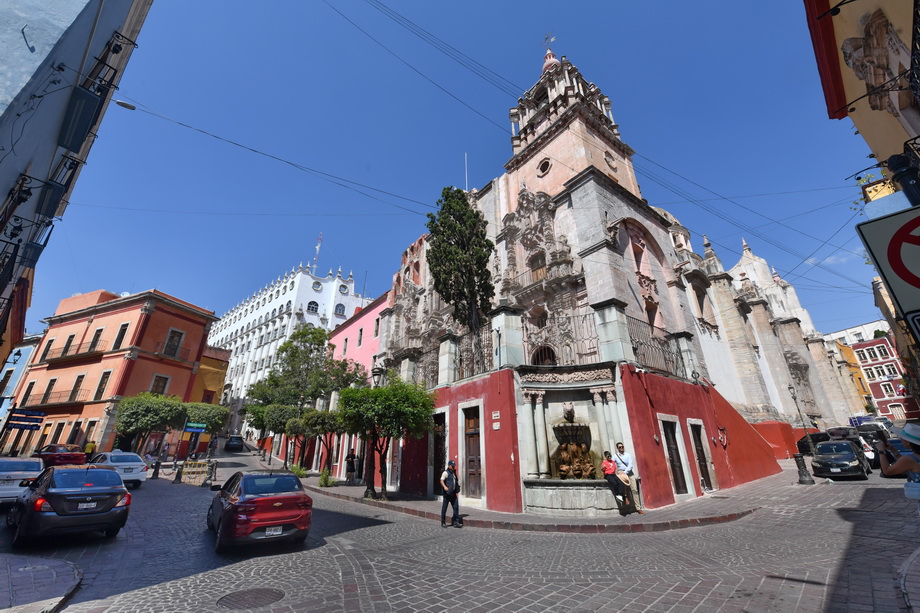
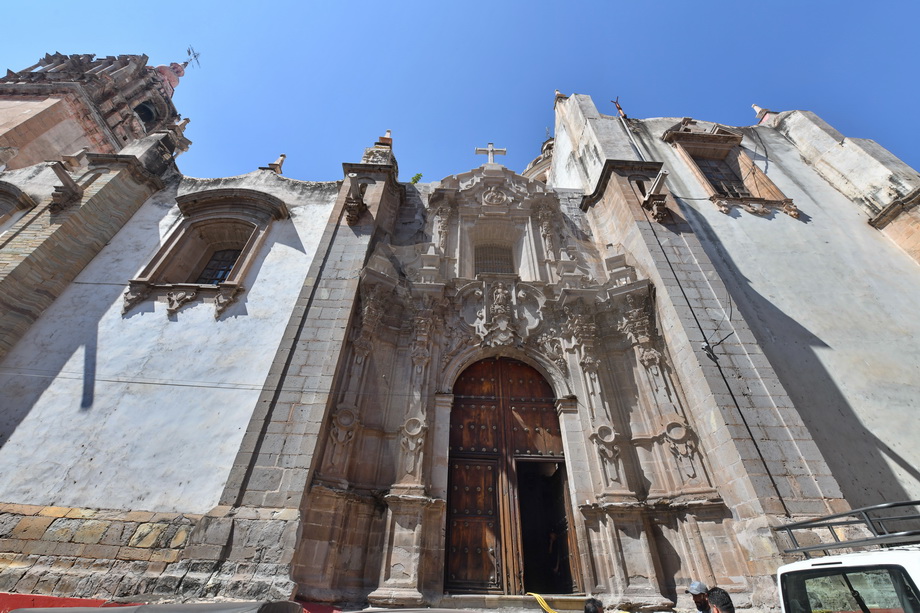
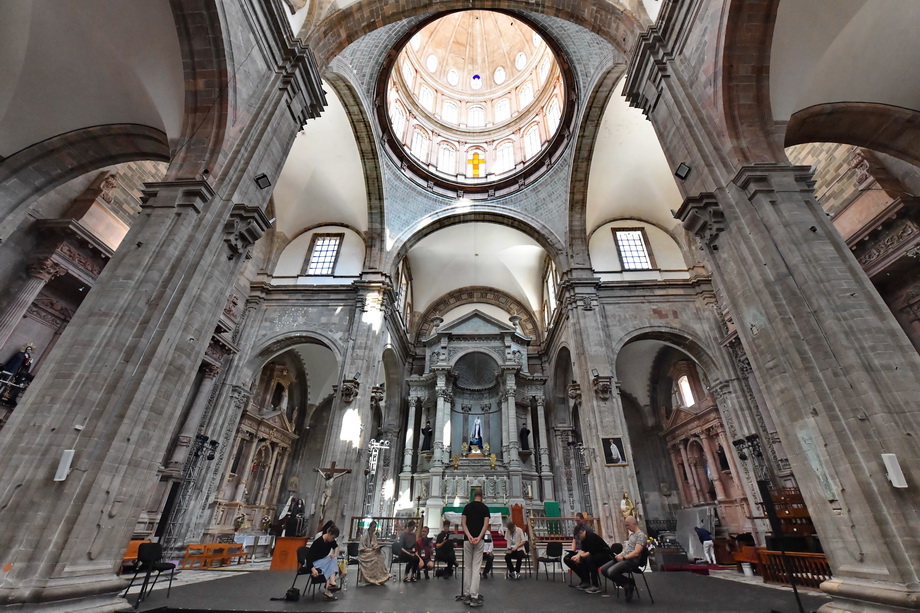
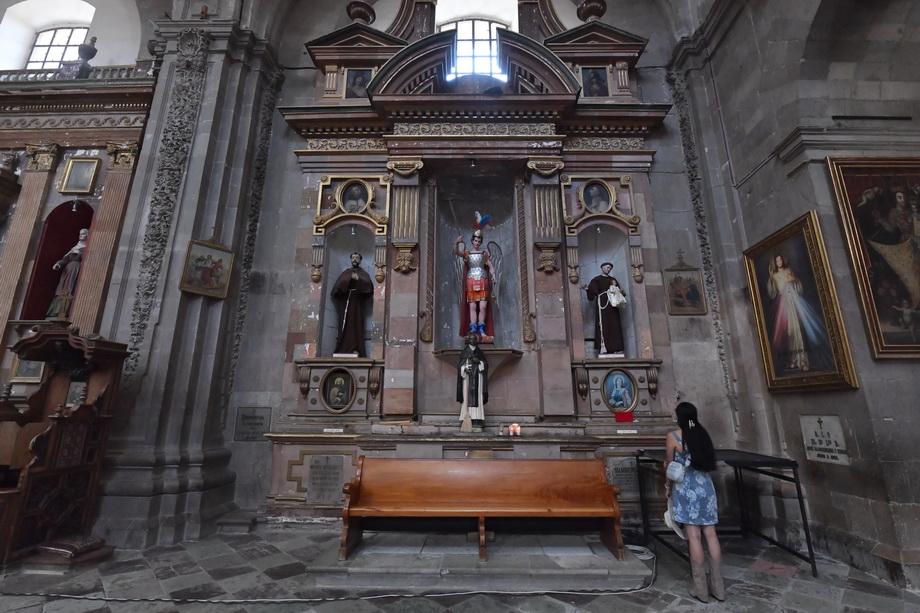
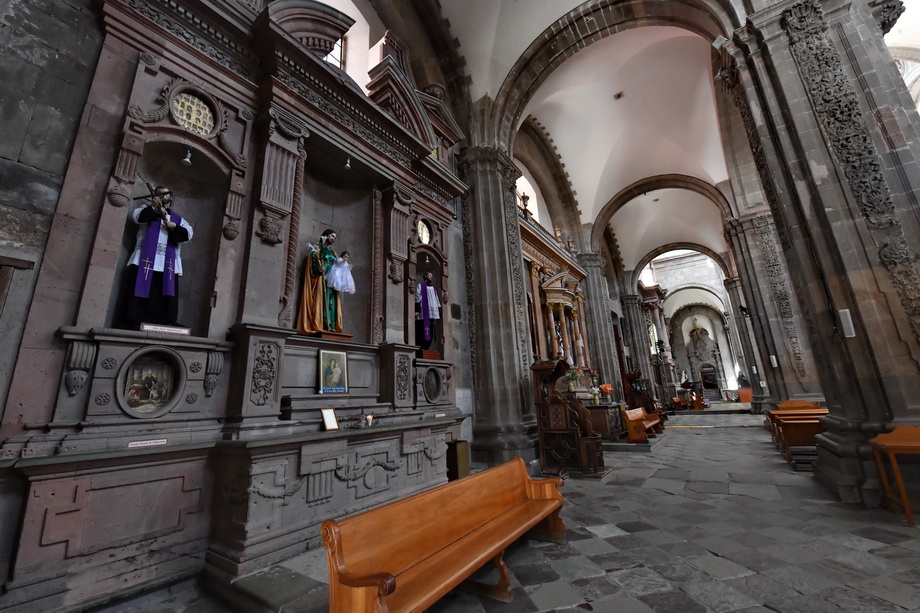
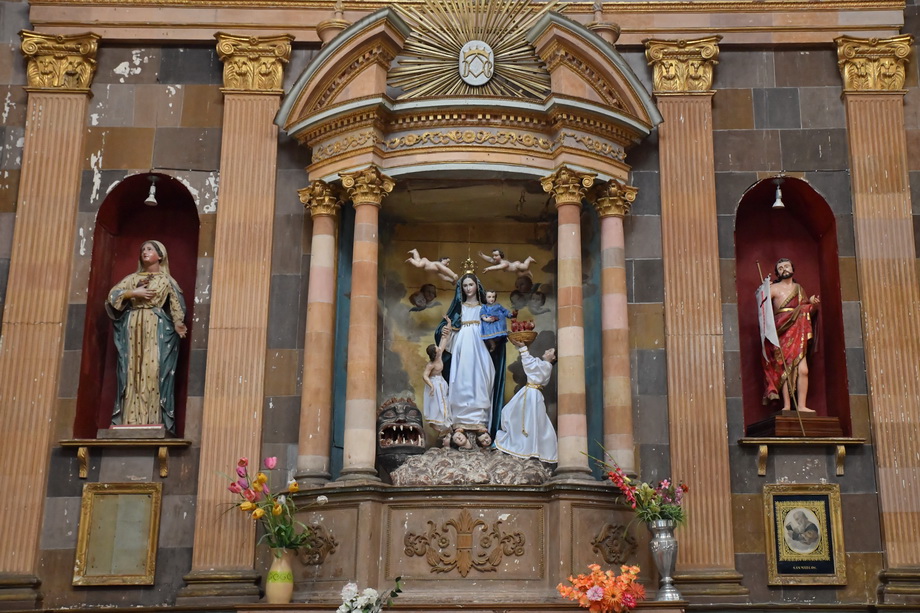
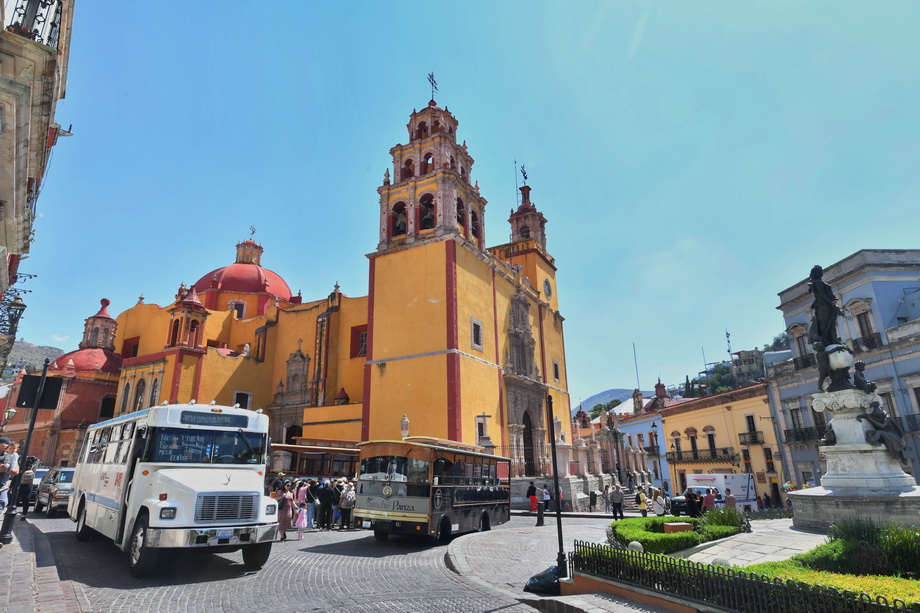
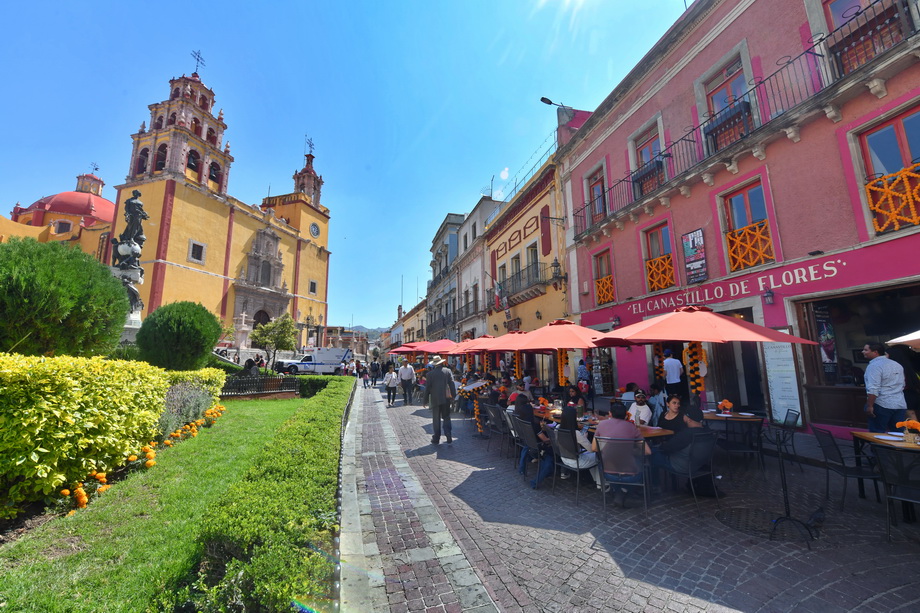
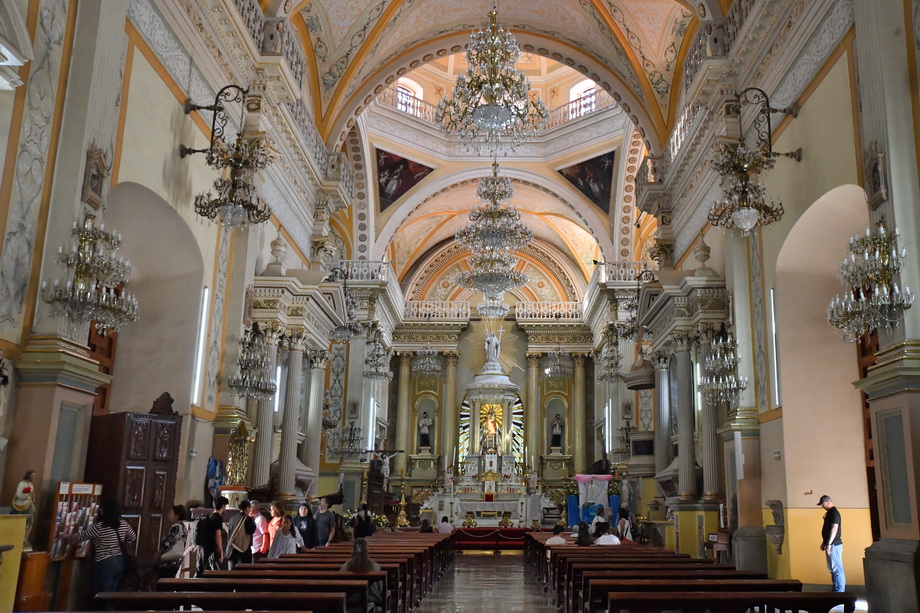
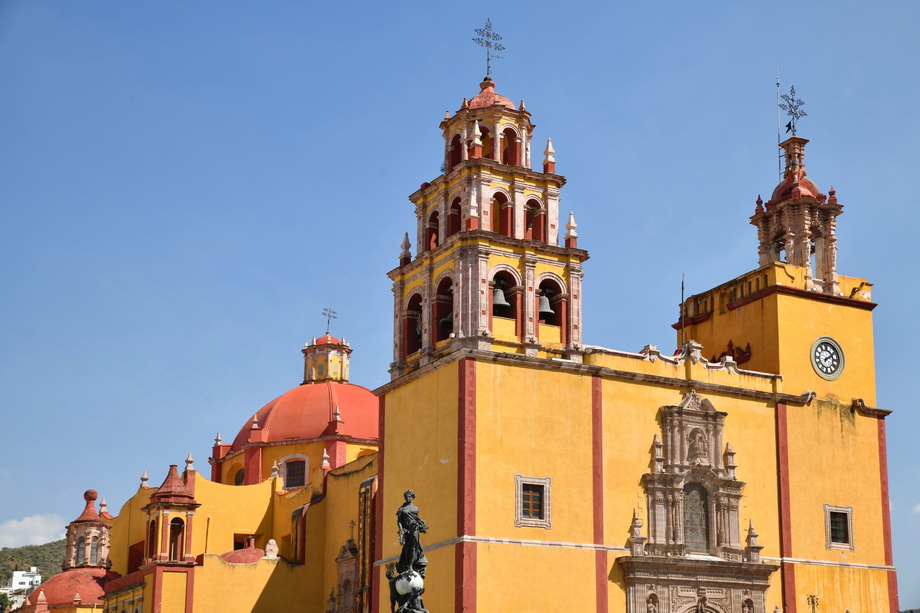
Baroque architecture is central to Guanajuato's identity. The Basílica Colegiata de Nuestra Señora de Guanajuato, with its yellow-and-red façade and dome, stands out in the historic center. One of the most remarkable expressions of mining wealth in religious architecture is the nearby Church of San Cayetano de Valenciana. Its elaborate stone decoration and ornate façade embody the character of eighteenth-century Mexican Baroque. These buildings reveal the close relationship between religious institutions and the mining economy during the Spanish colonial period.
Another important building, the Alhóndiga de Granaditas, was originally constructed as a grain storehouse. It acquired a pivotal place in history when it became the scene of one of the first major confrontations of the Mexican War of Independence in 1810. Insurgent forces led by Miguel Hidalgo fought troops representing Spanish colonial authority here. Now a museum, the building recalls Guanajuato's role not only in the country's economy but also in its struggle for independence.
One feature that distinguishes Guanajuato from other Mexican cities is its network of underground roads and tunnels. The narrow valley and crowded historic streets demanded unusual solutions to transportation. Parts of an old riverbed and drainage channels, originally used to carry floodwater, were eventually converted into roads, with additional tunnels built later. Together they form a complex system beneath the city. By moving vehicles underground, this network helps leave more room for pedestrians in parts of the historic center.
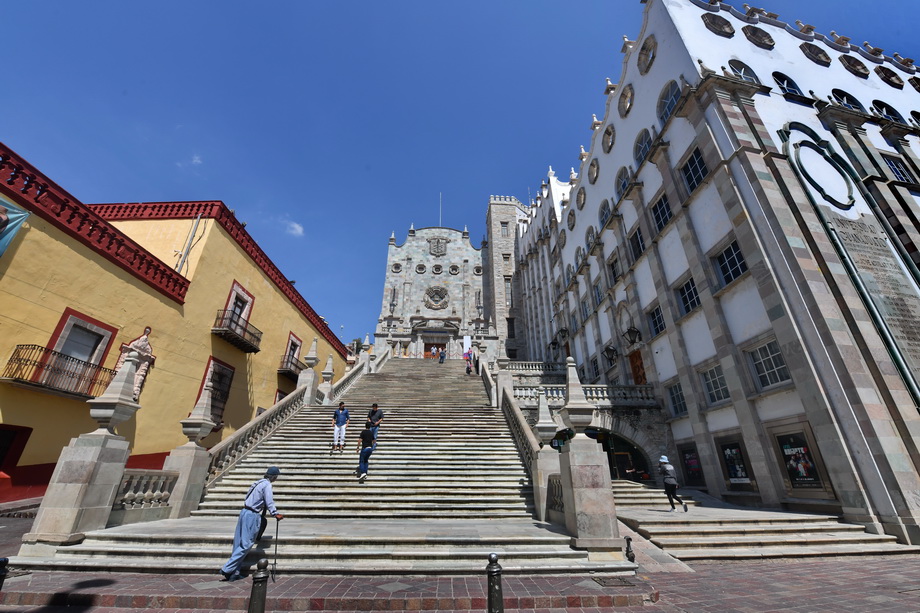
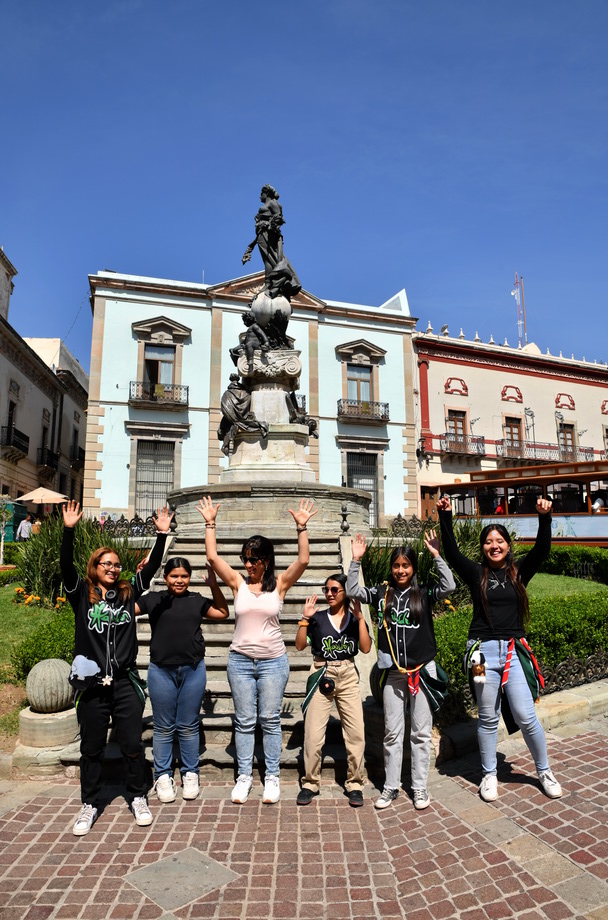
The Universidad de Guanajuato occupies an important place in the city's cultural life. Its main building, celebrated for its monumental façade and grand staircase, is one of Guanajuato's most recognizable landmarks. The students bring youthful energy to the historic streets, while nearby squares, cafés, small theaters and cultural venues provide gathering places for daily life.
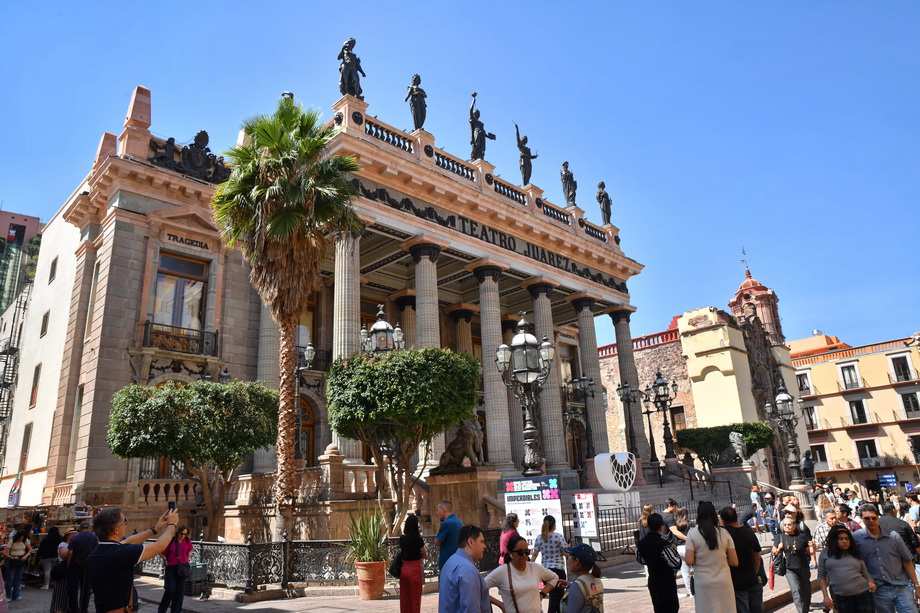
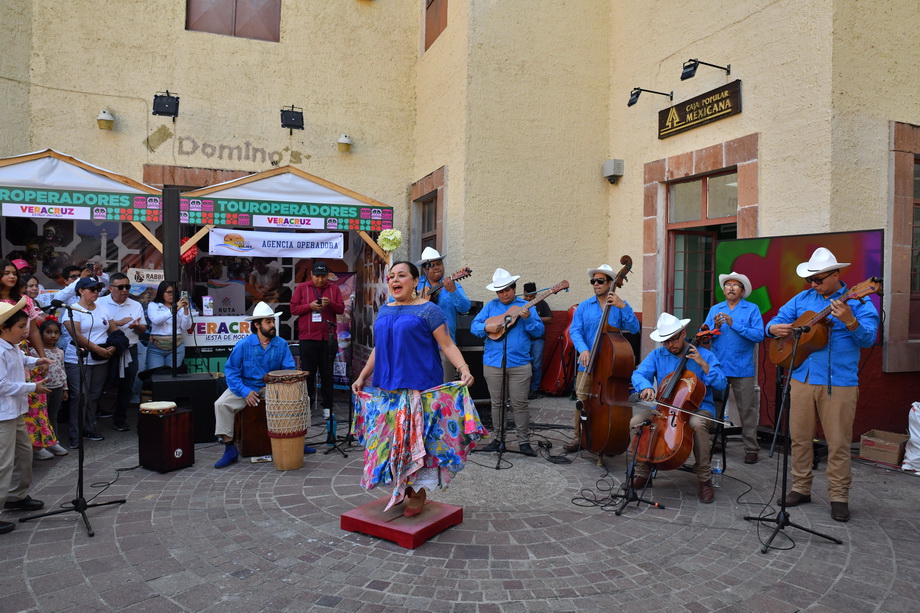
Teatro Juárez, another emblem of Guanajuato, is an imposing theater built in the late nineteenth century. With its Neoclassical architectural elements and richly decorated interior, it remains a major cultural landmark. Each October, the Festival Internacional Cervantino brings together theater, music, dance and other performing arts, transforming Guanajuato into an international cultural center. During the festival, historic squares, streets and theaters come alive with artists from around the world.
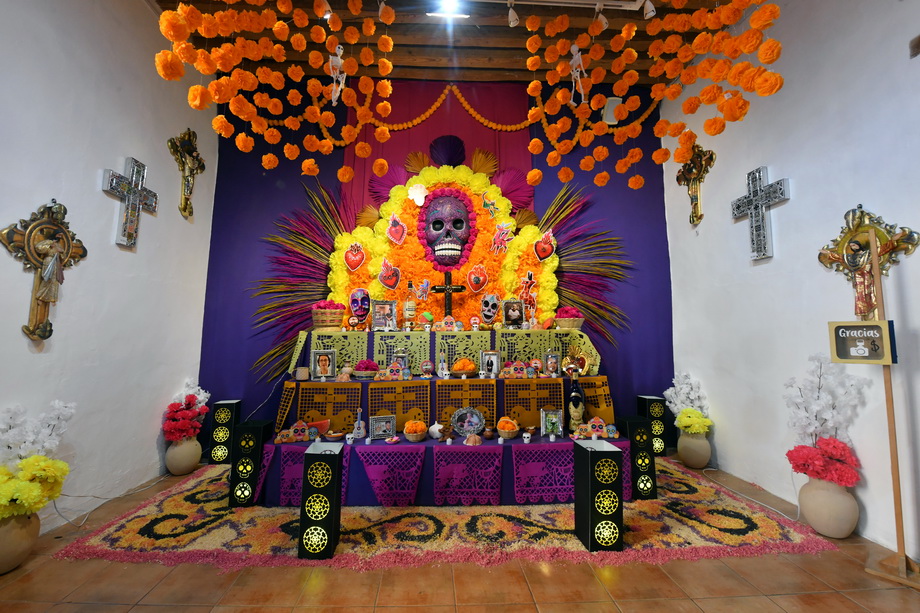
Among the more unusual elements of Guanajuato's cultural heritage is the Museo de las Momias, or Mummy Museum. It exhibits human remains recovered from the city's cemeteries that were naturally mummified under local conditions. The collection raises questions about death, burial customs and social history. Mexico's relationship with death also finds a different, commemorative expression in the tradition of Día de Muertos.
Guanajuato's historic center and neighboring mining areas were inscribed on the UNESCO World Heritage List in 1988, recognizing the international importance of its colonial architecture, mining history and distinctive urban layout. But monuments alone do not explain the city's character. The way houses occupy the slopes, streets turn unexpectedly and everyday life unfolds across this complicated topography is just as important.
During my photographic work in Guanajuato on October 25, 2025, I was especially interested in the relationship between the city's architecture and its geography. Staircases rising from narrow streets, houses at different heights, colorful façades and historic squares offered changing views at every step. Unlike the more orderly, courtyard-centered urban fabric of San Miguel de Allende, Guanajuato's buildings seemed to spread spontaneously across the mountainsides. For a photographer, this created an exceptionally rich setting.
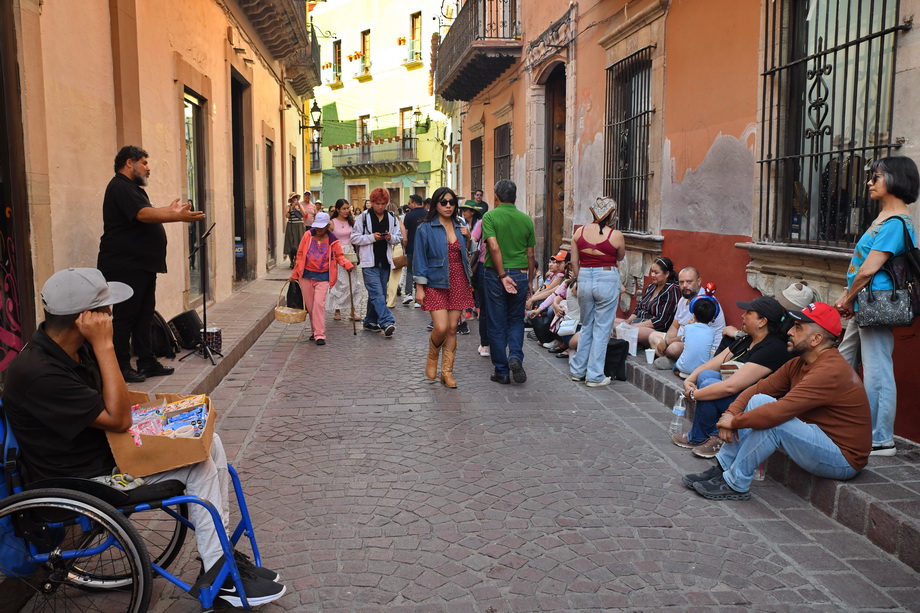
As I photographed Guanajuato, I paid attention not only to historic buildings but also to the perspectives formed by the streets, the interplay of colors and the ways people used these spaces. A small square appearing at the top of a staircase, a narrow passage between two houses or a succession of colorful façades climbing a hillside could express the city's character as clearly as any major monument. Guanajuato's architectural identity emerges less from isolated buildings than from the visual and historical relationships of the whole settlement.
Looking at my Guanajuato photographs today, I think of the city's development through silver mining, its role in the independence movement, its colonial architectural legacy and its lively cultural life. With its colorful houses, narrow streets, underground roads and historic buildings, Guanajuato continues to carry traces of the past into everyday life. My photographs from October 25, 2025 form a visual diary of this distinctive city, recorded during a brief visit.