
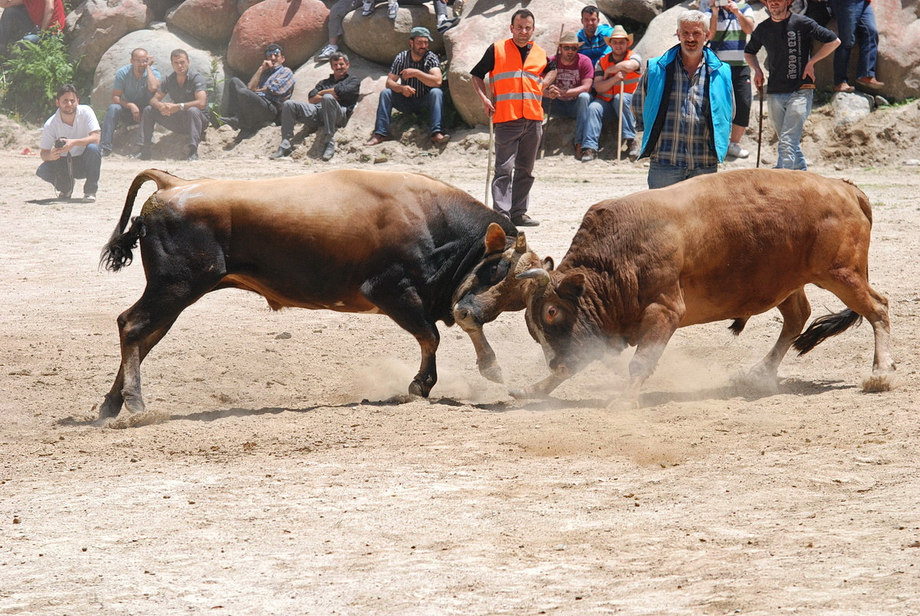
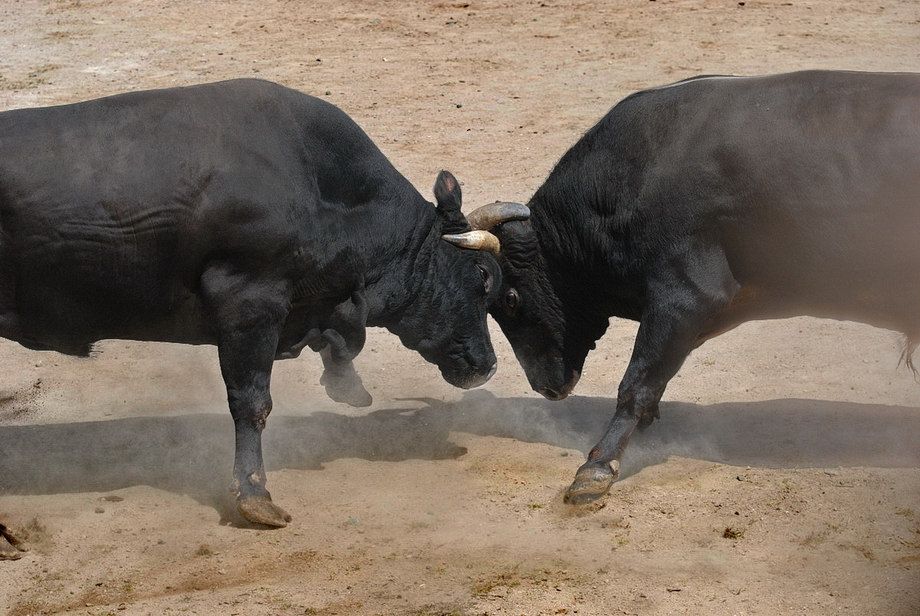
In the highlands of the Eastern Black Sea region, animal husbandry and seasonal migration to the summer pastures are not merely economic activities, but part of a way of life shaped over centuries. When the herds were taken to the high pastures with the arrival of summer, encounters between strong bulls within the same herd were inevitable. According to the local tradition, this practical reality lies behind the bull wrestling gatherings. Bringing the bulls together before the journey to the high pastures allowed the leader of the herd to be determined in a controlled setting, reducing the risk of fights later on narrow and precipitous mountain paths. A bull that sensed it was weaker could withdraw, allowing the hierarchy of the herd to be established before the journey.
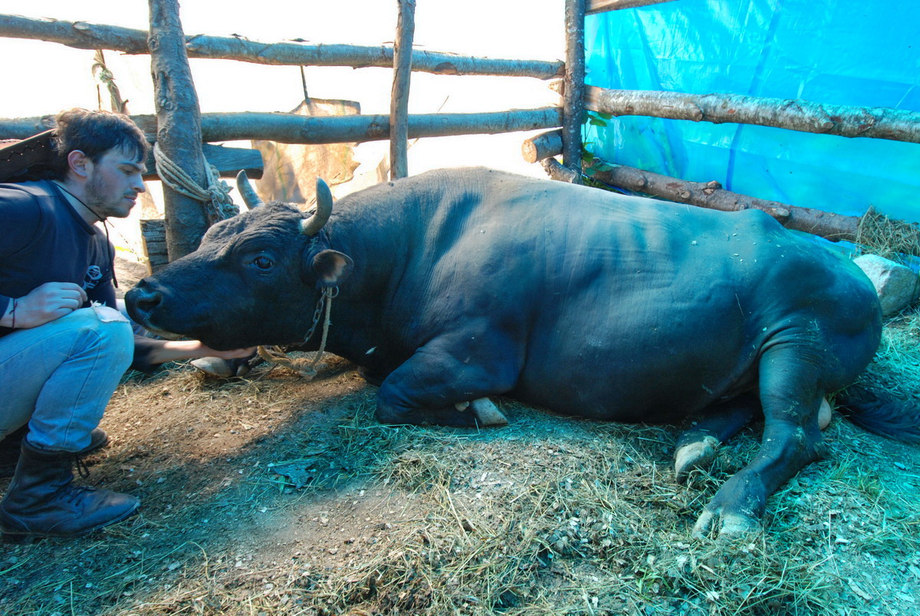
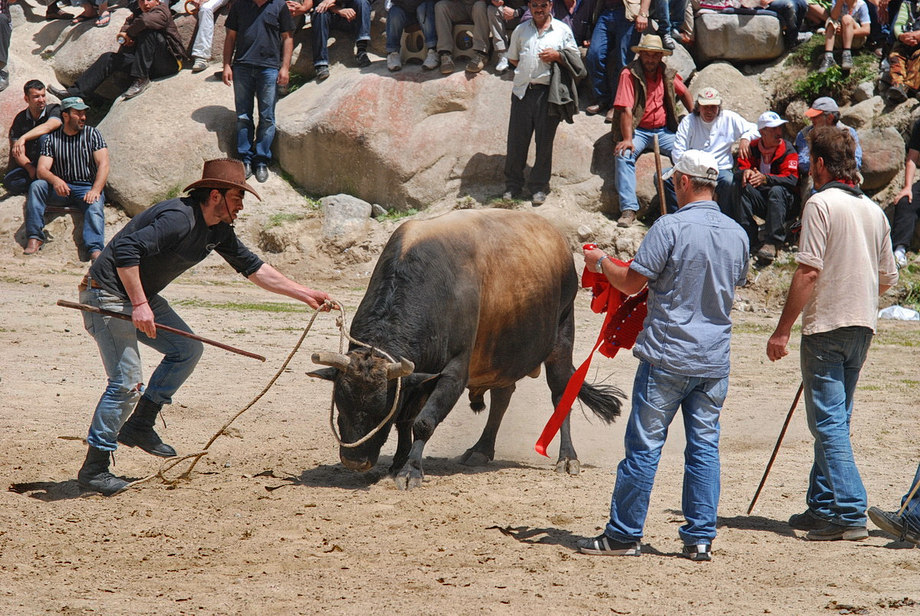
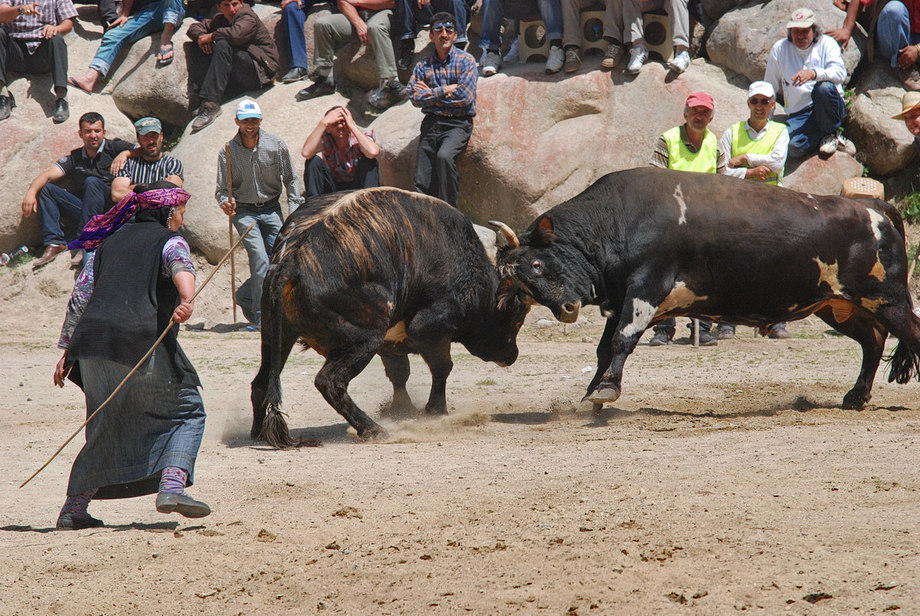
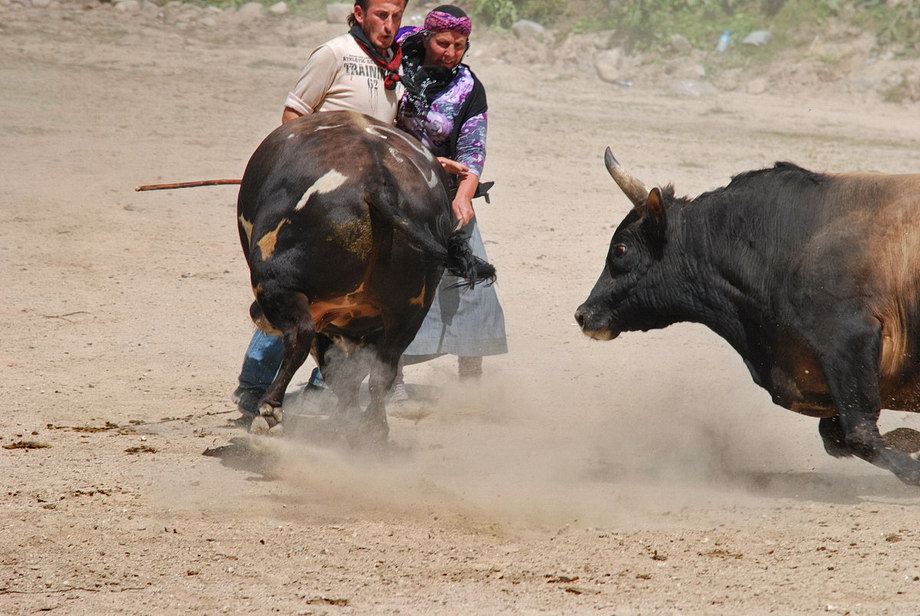
Over time, this necessity developed into an important social gathering in the Eastern Black Sea highlands. For their owners, the bulls were not simply animals brought into an arena; they were animals raised and cared for over long periods and were part of family and rural life. The purpose of the encounter was not to injure the animals, but to establish which one was dominant. A bull unwilling to continue could leave the contest, while owners and attendants intervened when necessary. Veterinarians were also present to treat minor injuries.
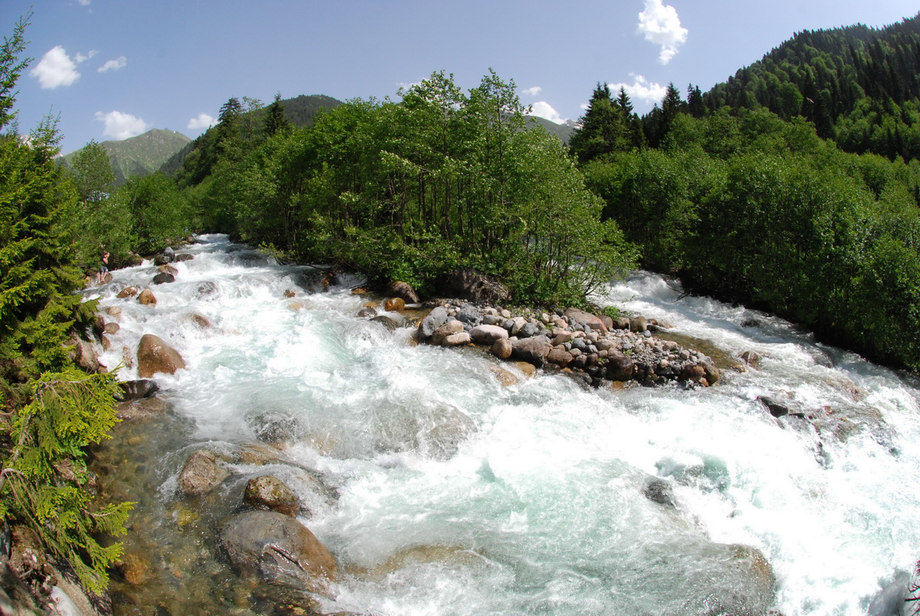
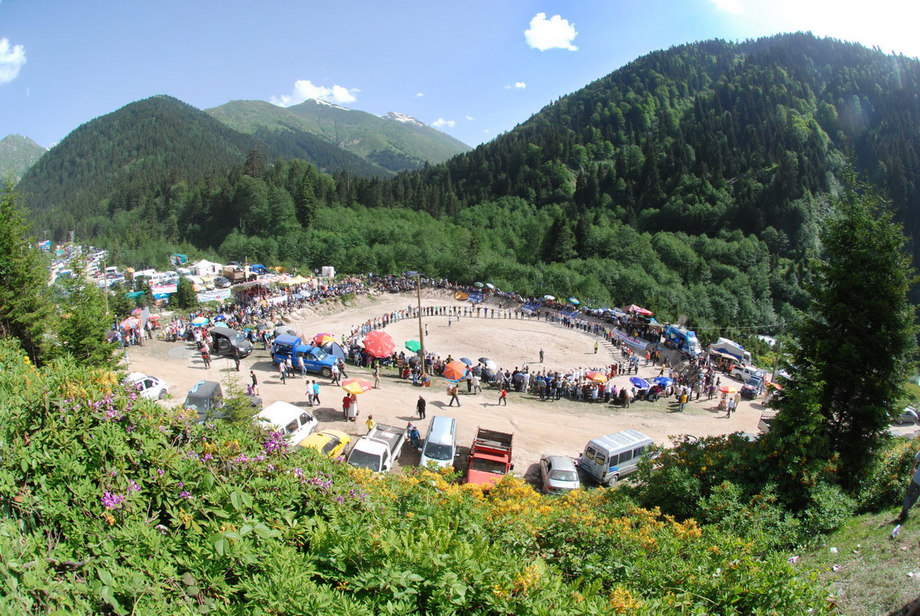
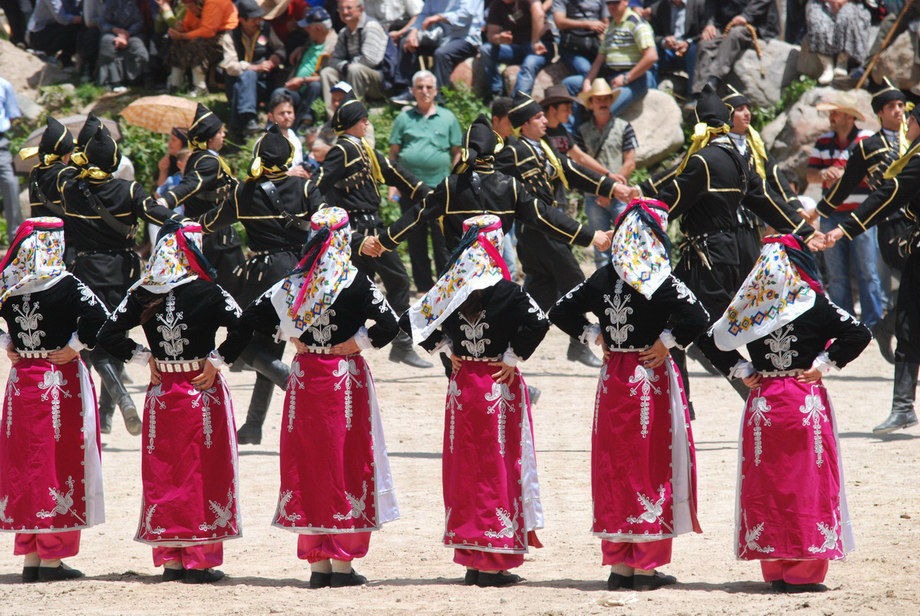
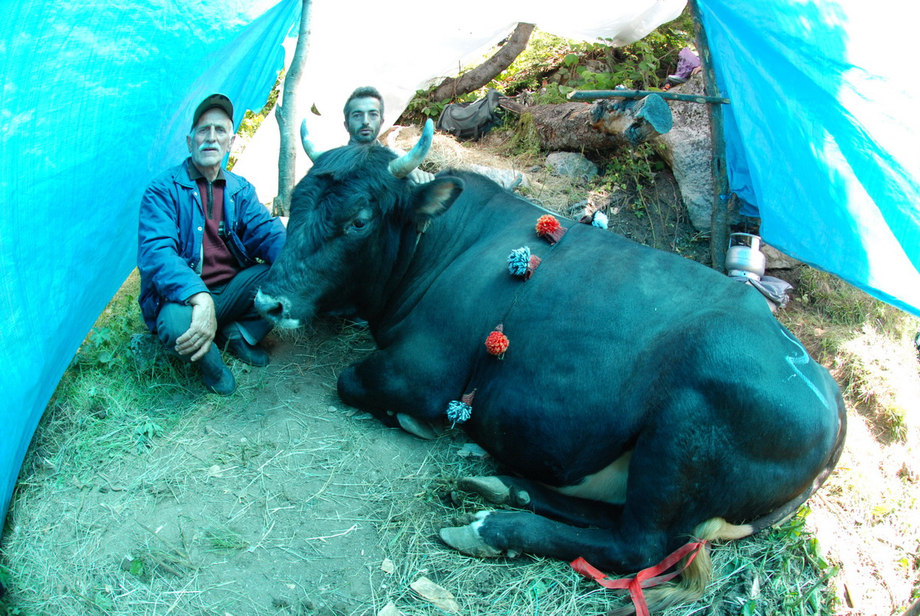
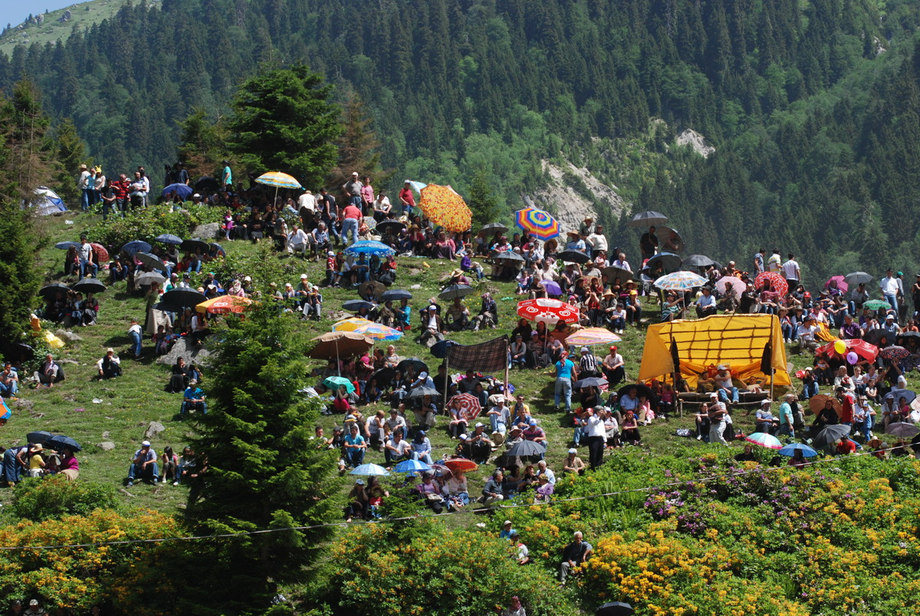
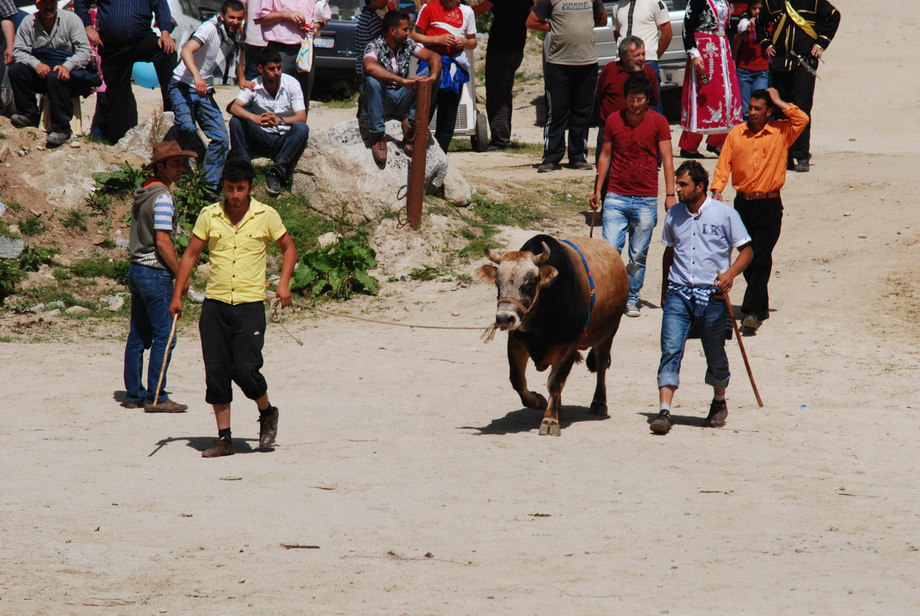
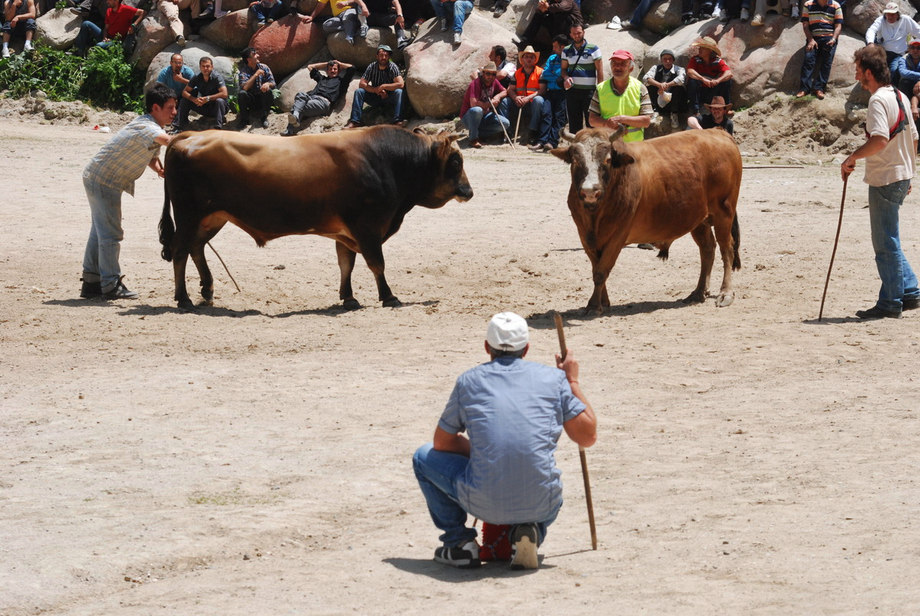
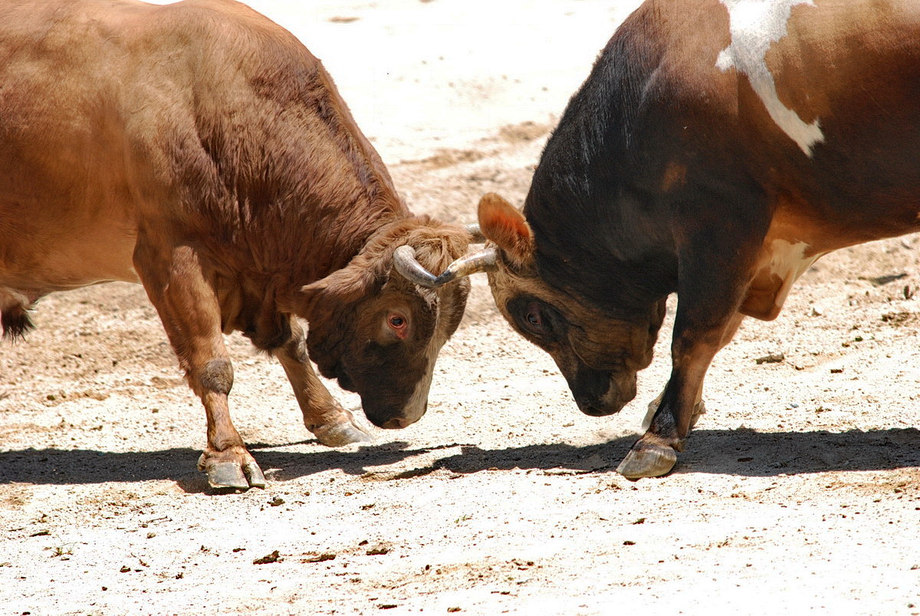
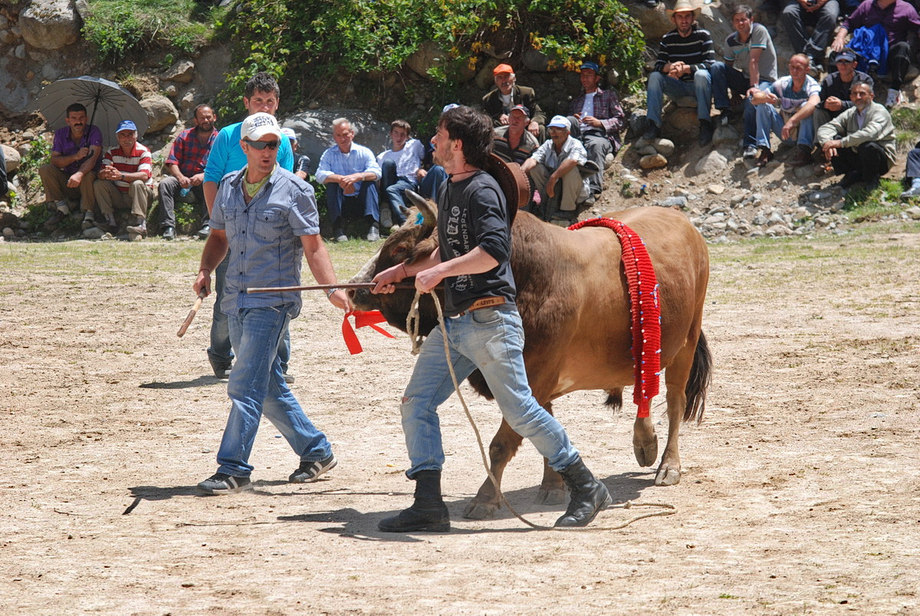
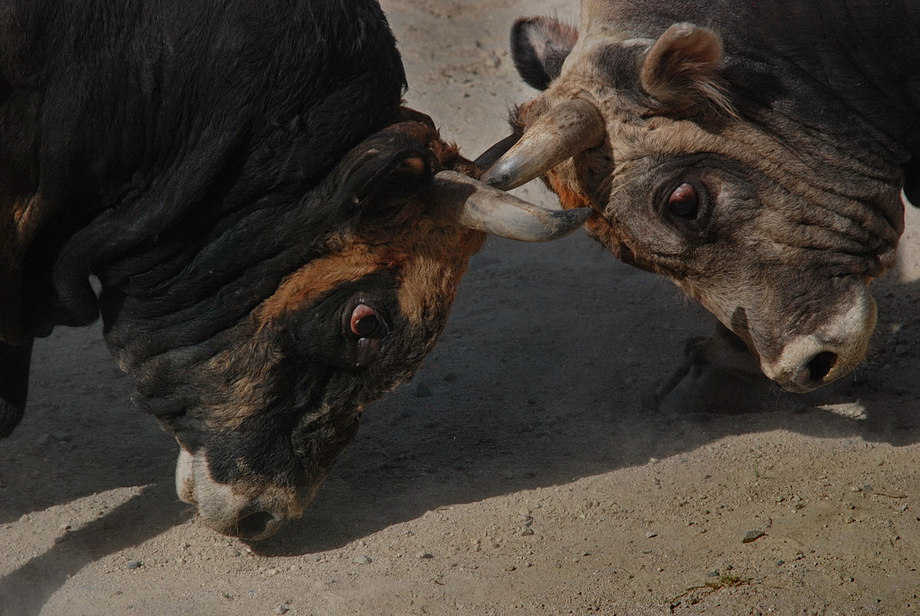
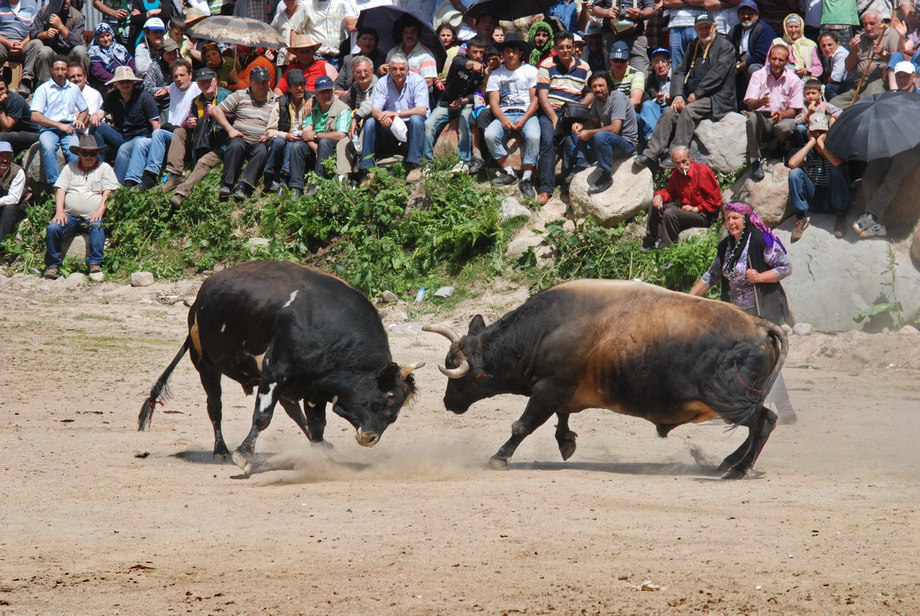
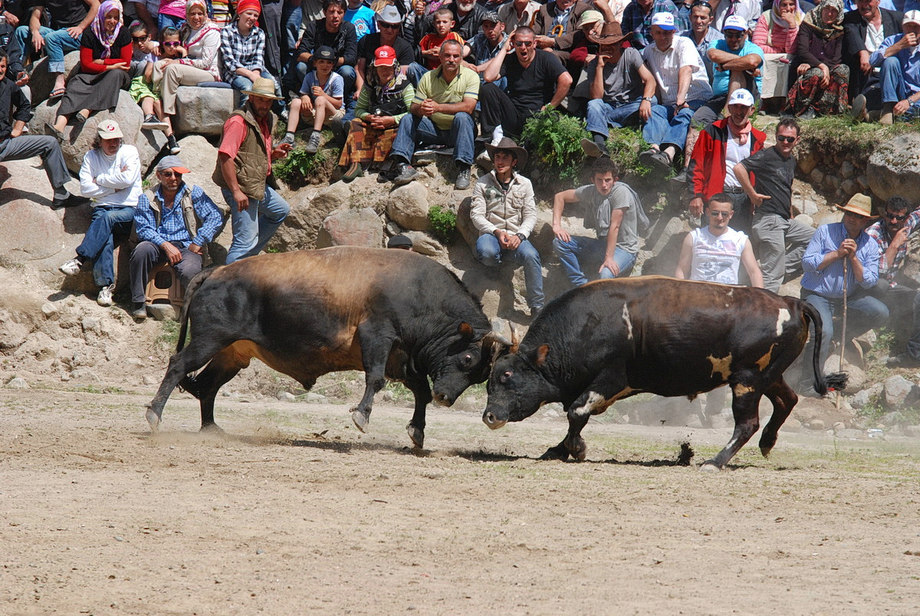
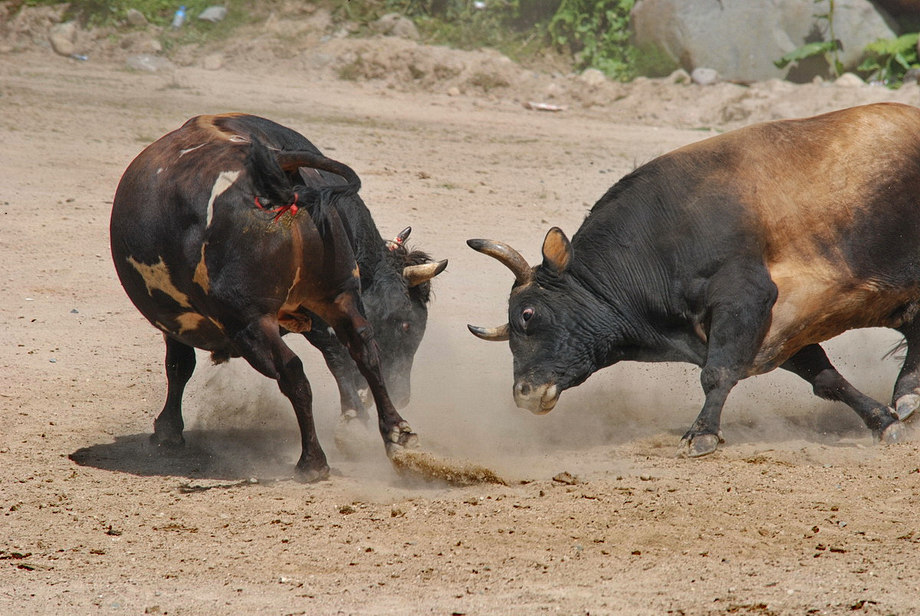
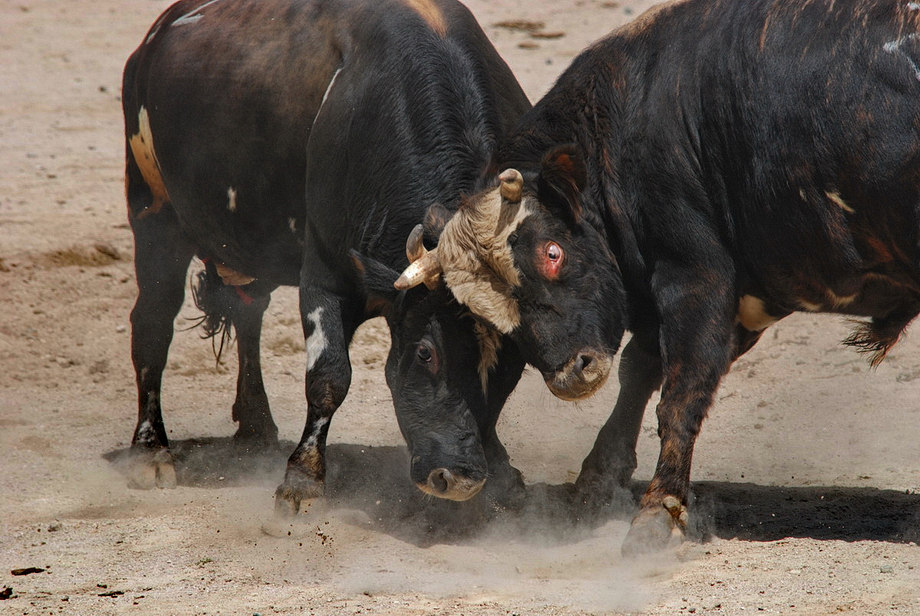
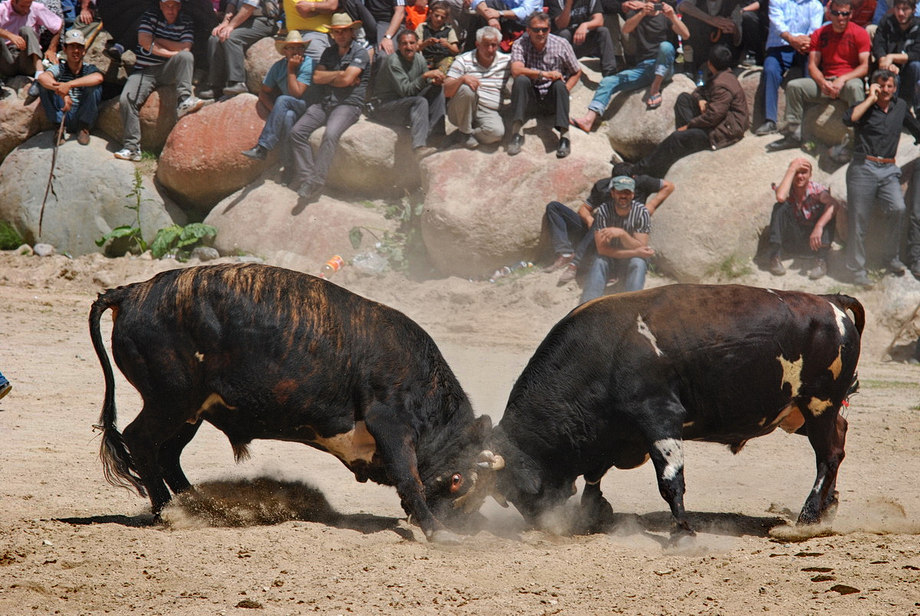
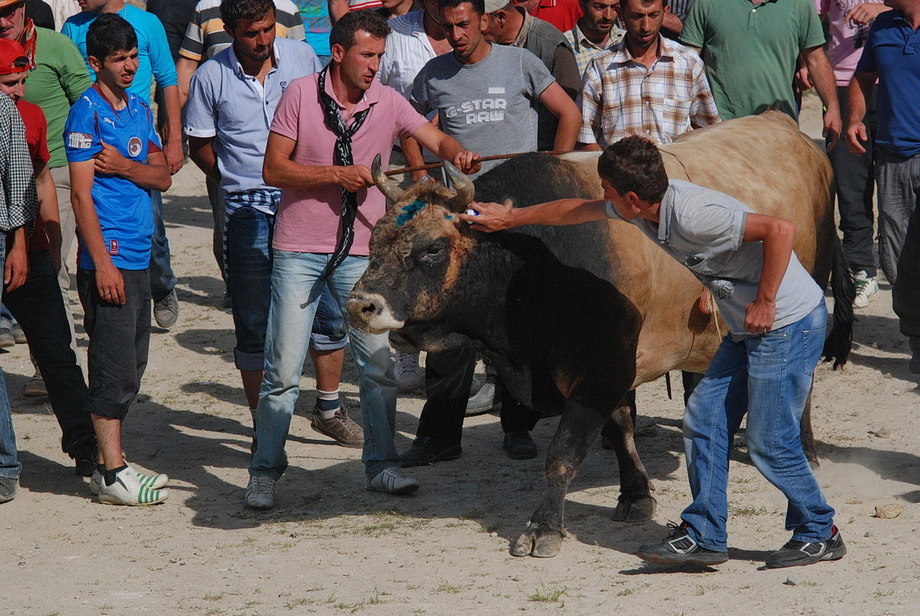
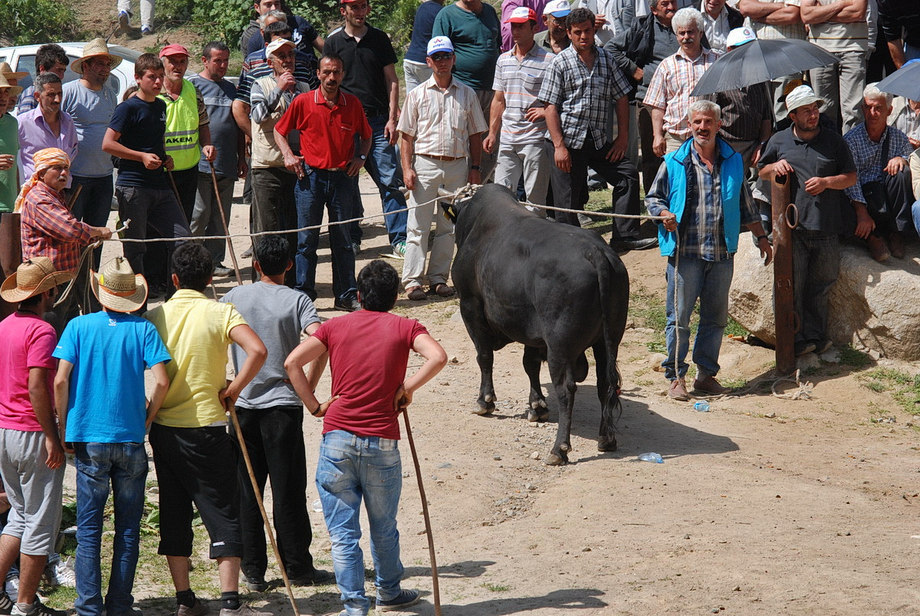
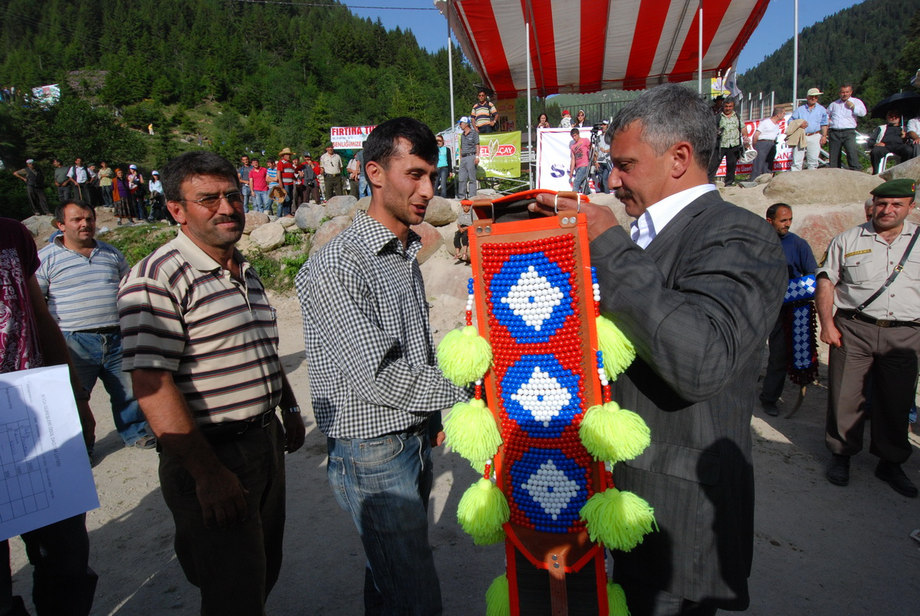
I made these photographs on 13 June 2010 at Galerdüzü in Çamlıhemşin, Rize. What interested me that day was not only the moments when the bulls confronted one another. The people arriving in a landscape surrounded by mountains and rushing water, spectators spreading across the slopes, horon dancers, traditional clothing, owners preparing their bulls and the crowd following the encounters were all part of the same tradition. Once the bulls entered the arena, the atmosphere changed. They first measured one another, then locked horns and tested their strength. Some encounters lasted only moments, while others continued longer, with dust, animals, owners and attendants all becoming part of the scene.
For this reason, I wanted the photographs to describe the event as a whole rather than concentrate only on its most dramatic moments. I followed what I saw from the landscape of Galerdüzü and the gathering crowd to the relationship between the bulls and their owners, the locking of horns and the return of the animals to their handlers after the encounters. For me, this work became more than a record of animals in combat: it is a document of an old tradition rooted in the highland pastoral culture of the Eastern Black Sea and of the way that tradition continues as a communal gathering.