
Elaiussa Sebaste — A Harbour City of Ancient Cilicia
Elaiussa Sebaste lies on the Mediterranean coast near modern Ayaş, in the Erdemli district of Mersin. Situated on the coastal route connecting Anatolia with Syria and the eastern Mediterranean, it developed as a centre of maritime trade, agriculture and everyday life in ancient Cilicia.
The settlement dates back to the late Hellenistic period, around the second century BCE. Its earliest nucleus occupied a rocky area between two natural bays, once an island and later connected to the mainland by coastal deposits. This setting provided sheltered harbours and helped shape the growth of the city.
The name Elaiussa is associated with the Greek word for olive, reflecting the long-standing importance of olive cultivation in the region. In 20 BCE, when Augustus entrusted part of Cilicia to King Archelaus I of Cappadocia, the city acquired the name Sebaste in honour of the Roman emperor.
Elaiussa Sebaste prospered especially during the second and third centuries CE. Its position within Mediterranean trade networks supported the movement of olive oil, wine and agricultural goods, with maritime links to Cyprus, Syria, Egypt and other parts of the Mediterranean.
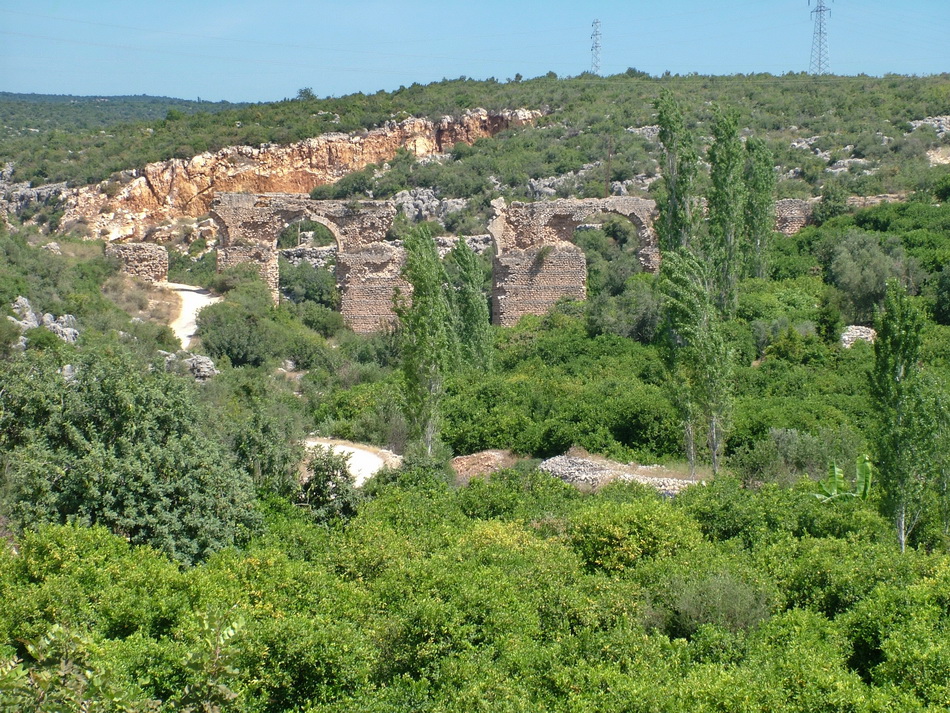
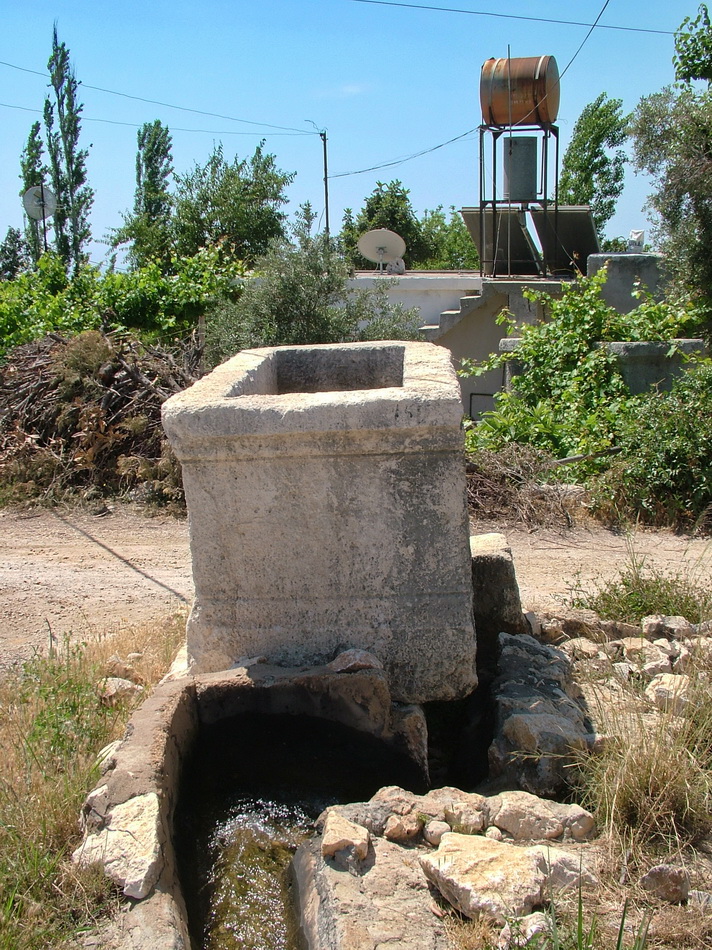
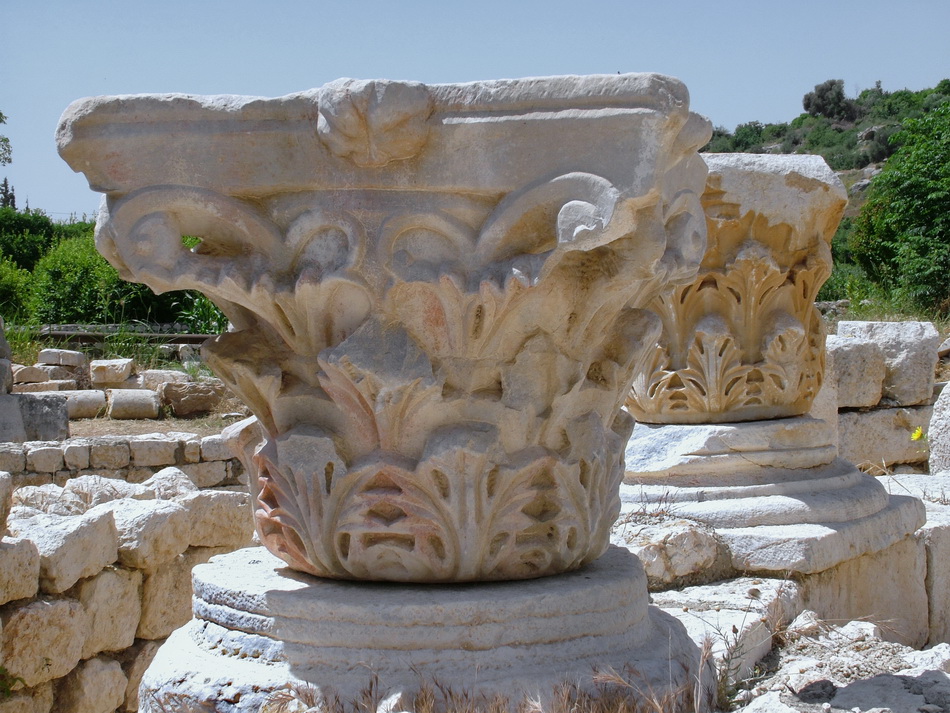
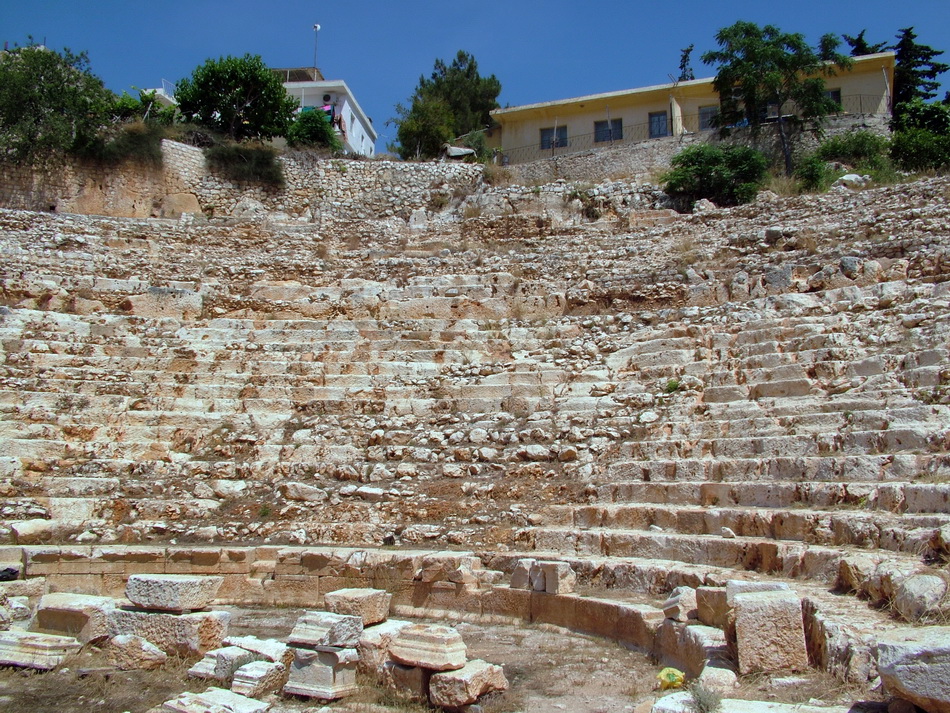
This prosperity is reflected in the remains of a theatre, agora, baths, temples, public buildings and extensive burial grounds. The theatre was built into a hillside, while channels and aqueducts carried water towards the settlement from the Lamos River. Together, these structures reveal the scale and organisation of Roman urban life.
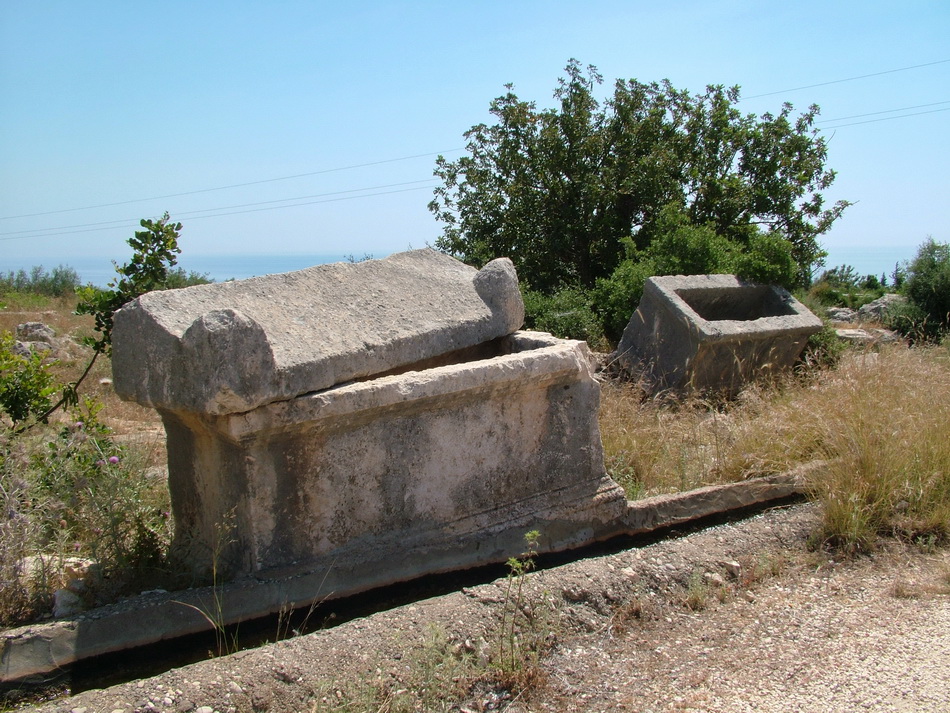
The necropolis, with sarcophagi, rock-cut tombs and monumental funerary structures, offers another view of the people who lived here. Inscriptions and architectural details help illuminate the city’s social customs, family ties and beliefs.
Elaiussa Sebaste continued to be inhabited during the early Byzantine period, when Christian buildings were added and some earlier structures took on new functions. Over time, changing trade routes, the silting of the harbours and regional upheavals contributed to its decline. The city was largely abandoned by the seventh century CE.
Systematic archaeological excavations began in 1995 under the direction of Sapienza University of Rome. Investigations of the theatre, agora, baths, houses, production areas and Byzantine remains have helped reconstruct the history of this once-busy Mediterranean city.
A Visit to Elaiussa Sebaste — 18 May 2005
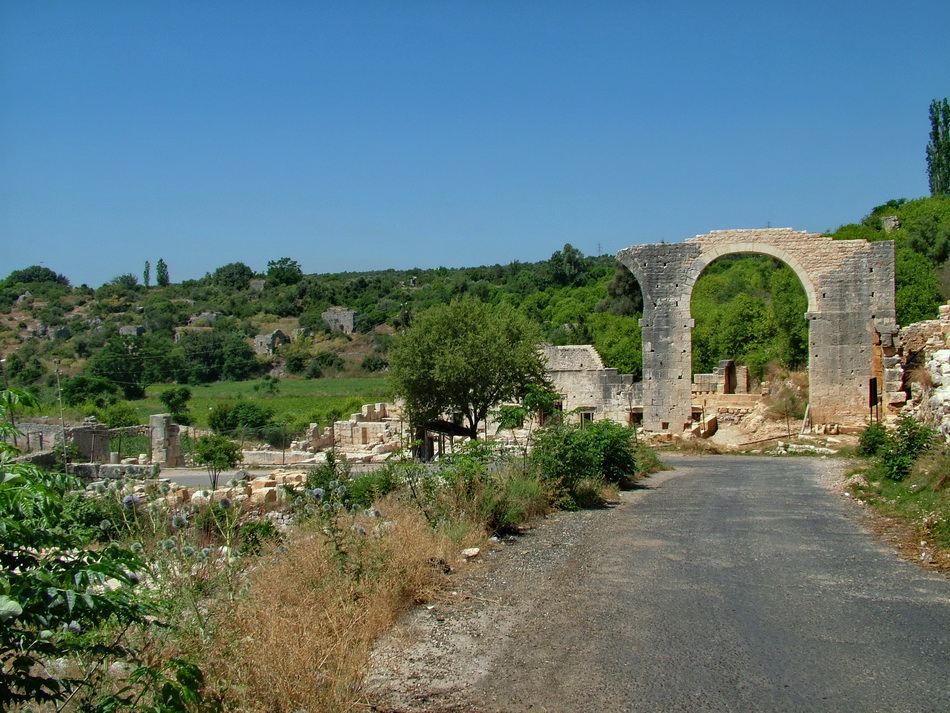
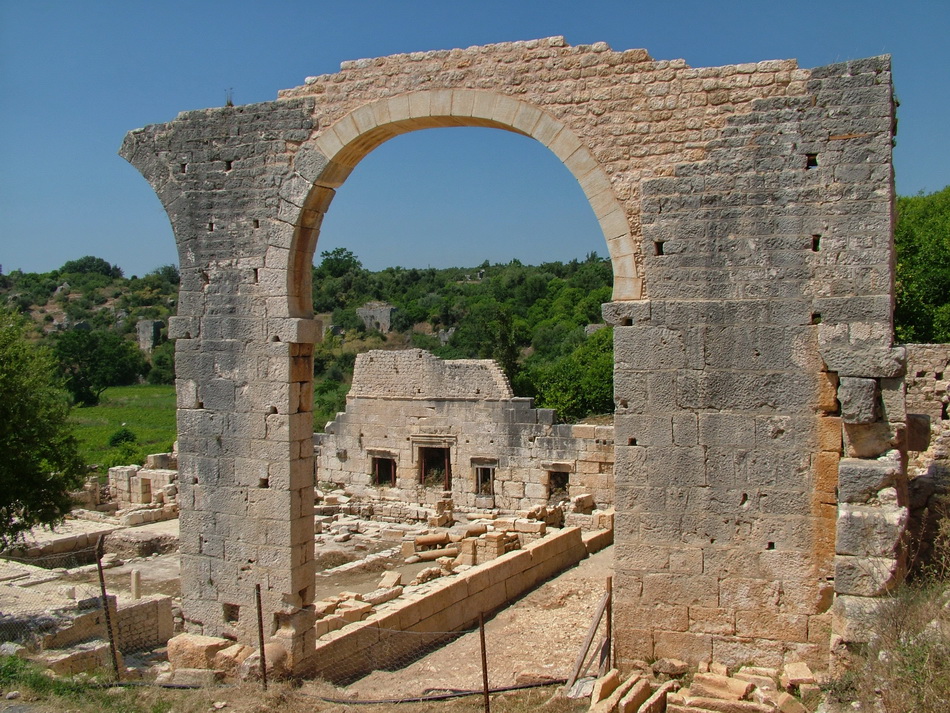
I photographed Elaiussa Sebaste on 18 May 2005. Walking among the remains of this ancient harbour city, I encountered the traces of a settlement that had once been an active centre of trade and production on the Mediterranean coast.
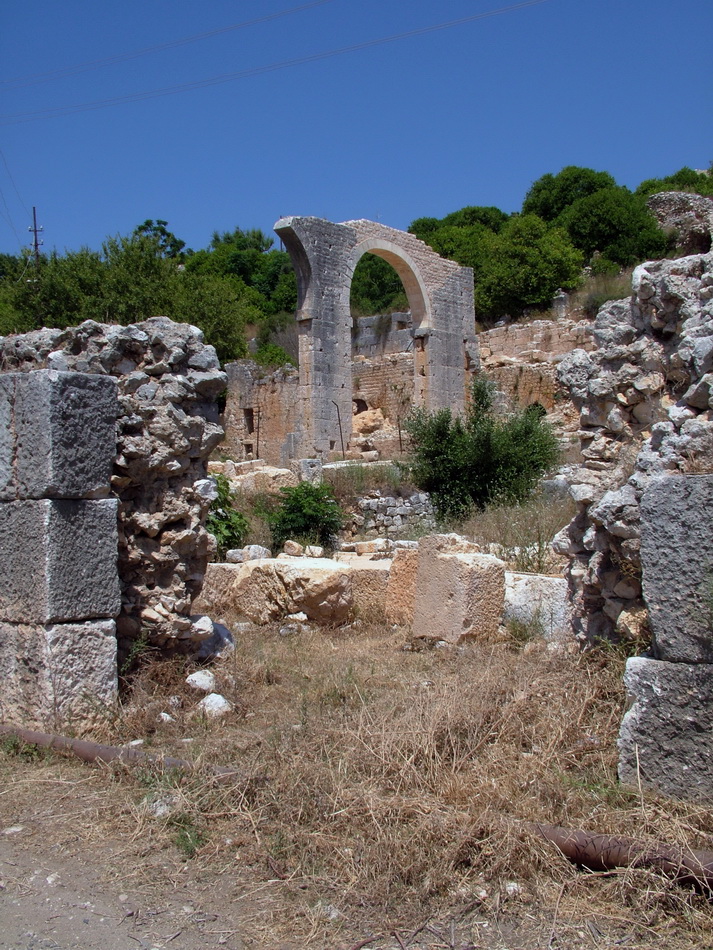
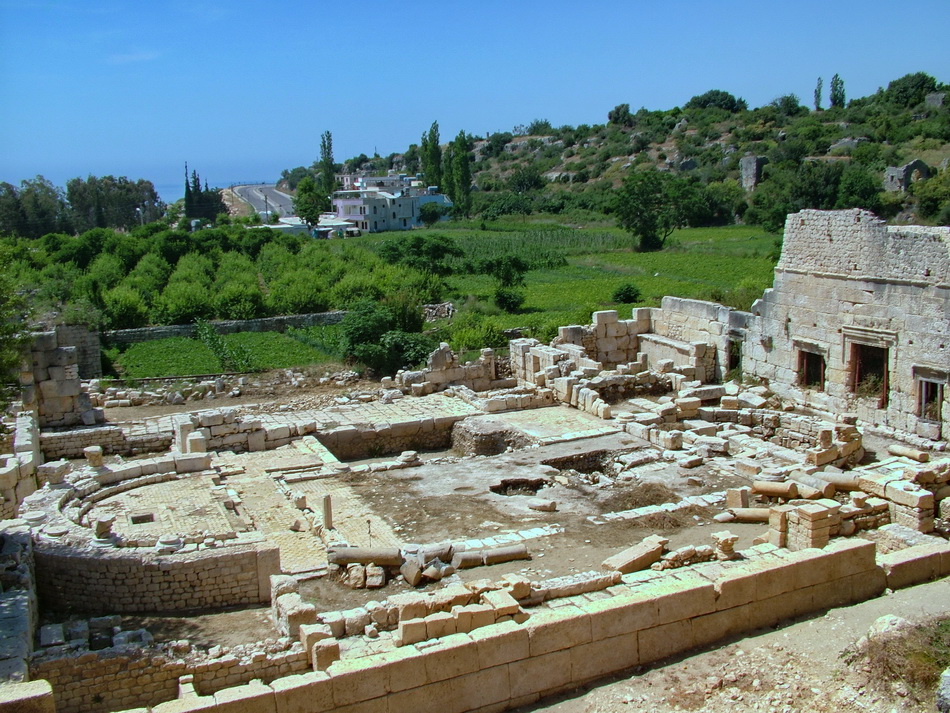
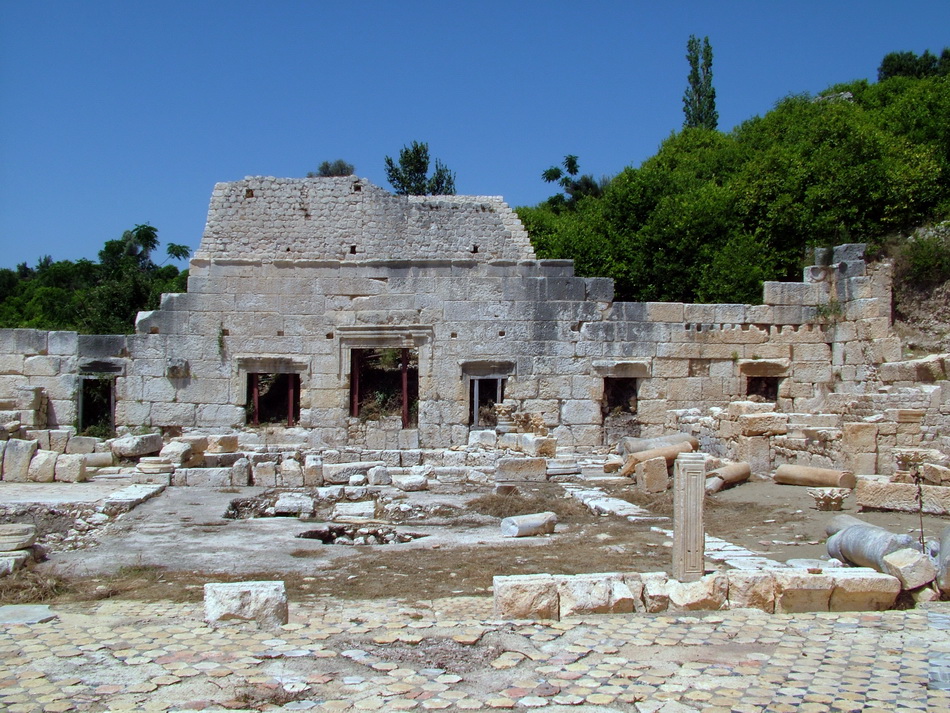
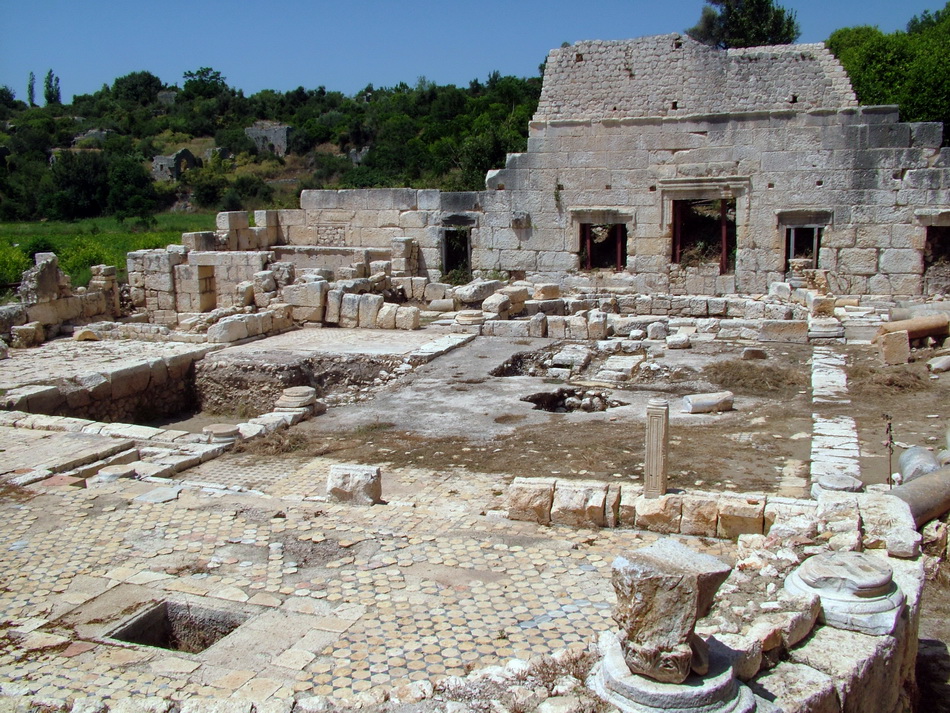
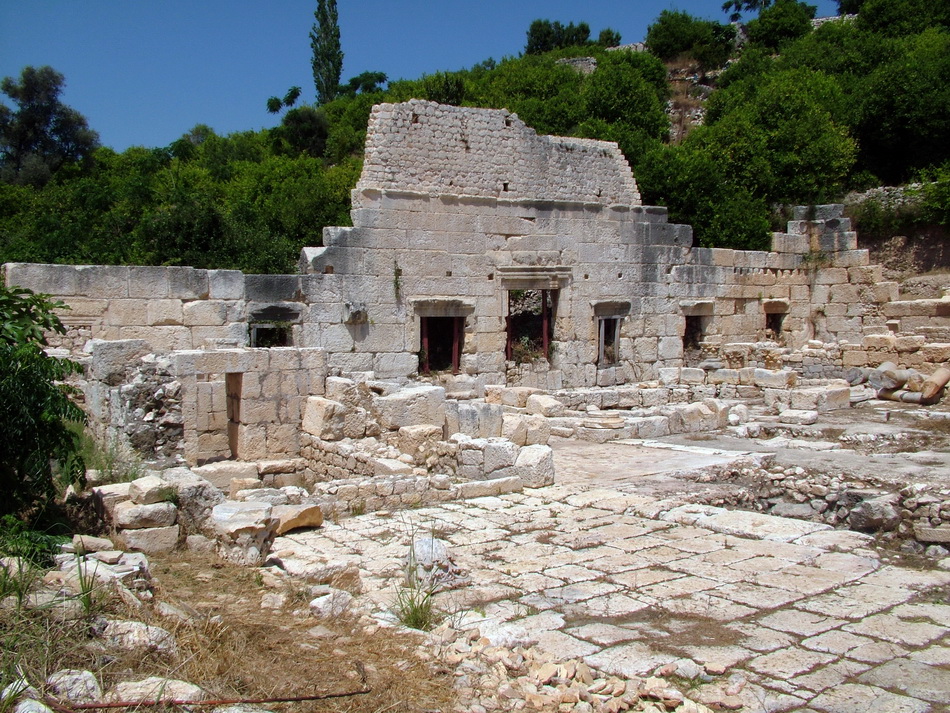
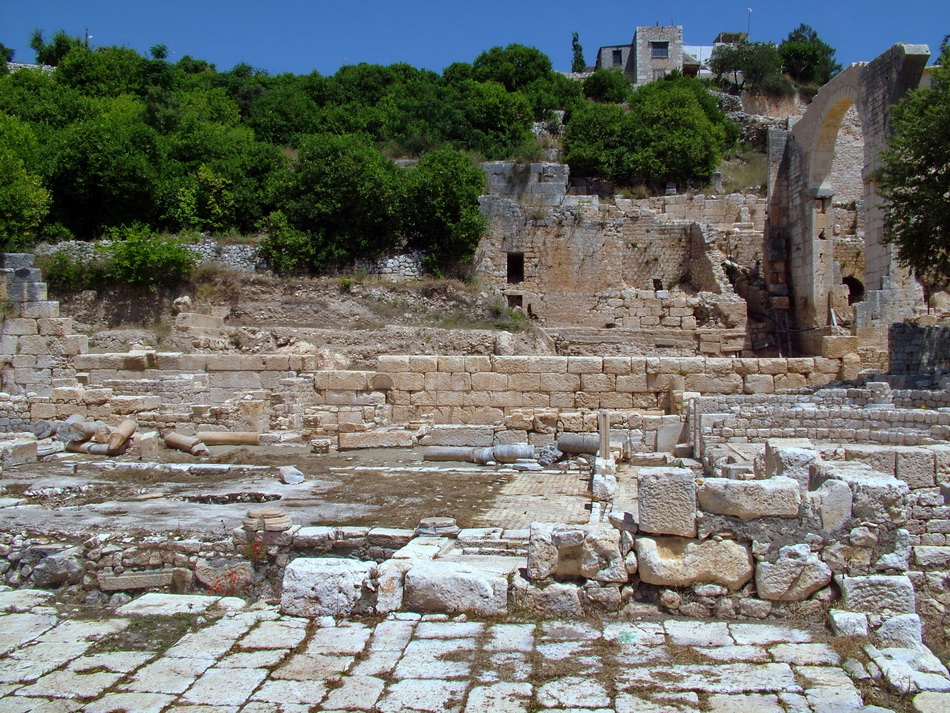
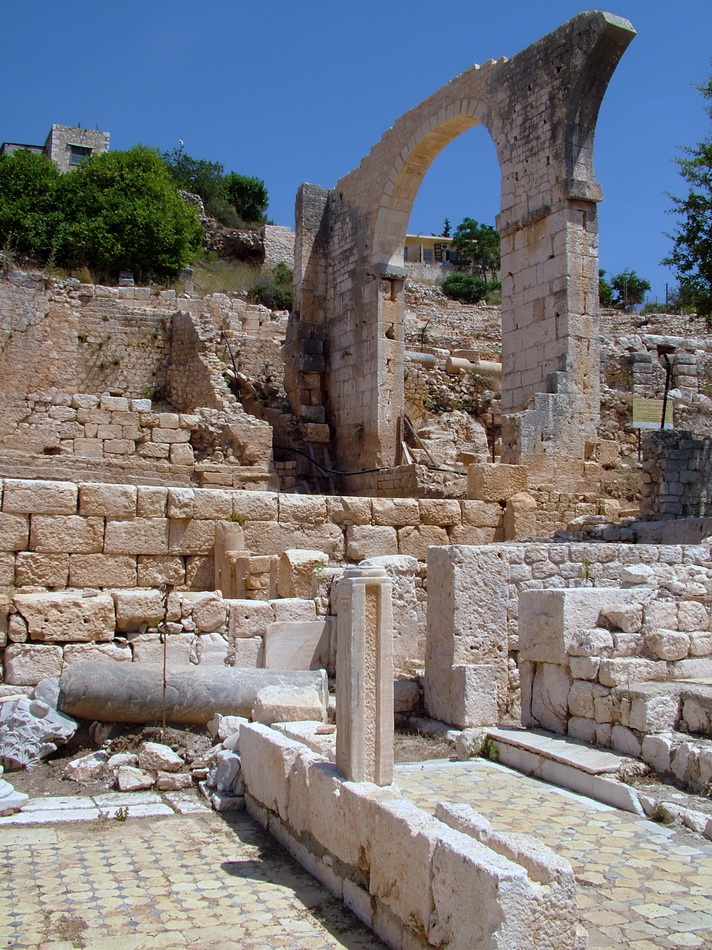
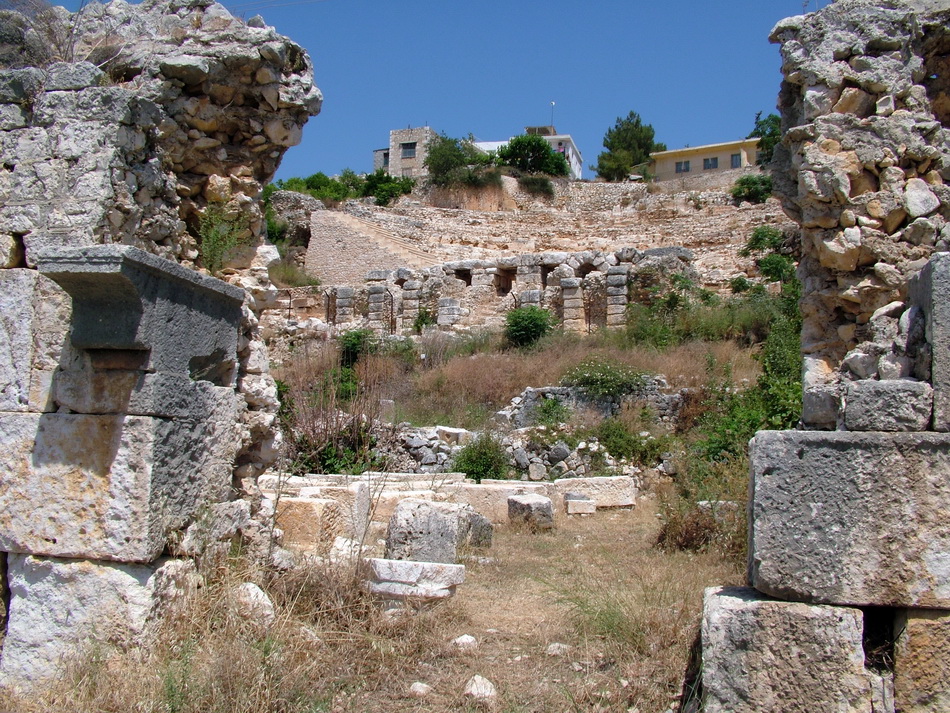
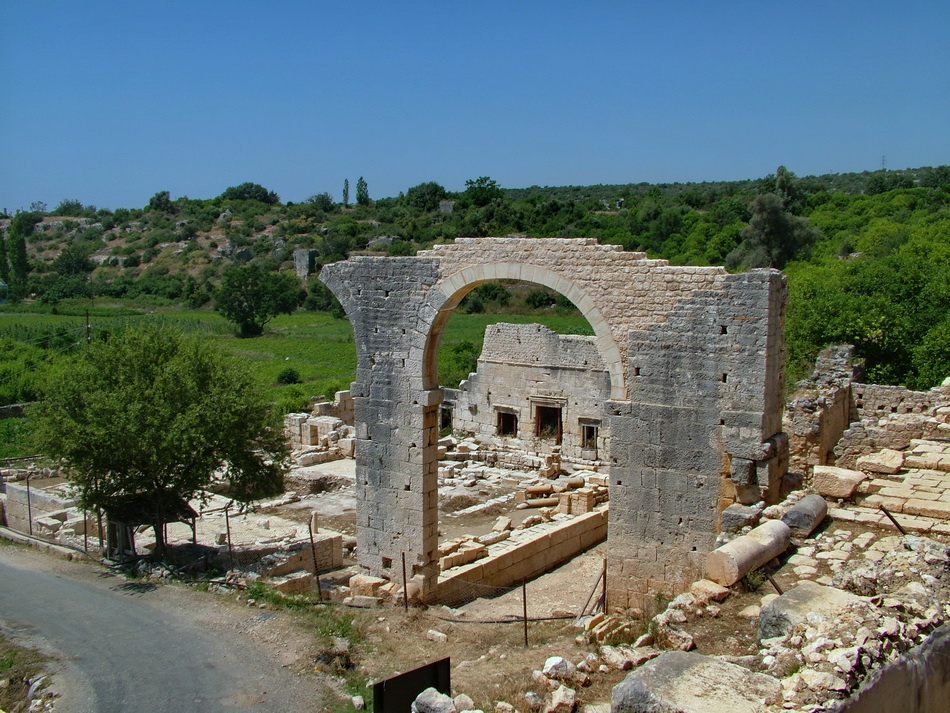
I wanted to record the arrangement of its stone walls, columns, building foundations and architectural spaces brought to light by excavation. Adjoining rooms, passages and walls at different levels suggested something of the size and complexity of the former city.
What also drew my attention was the close relationship between the archaeological remains and the surrounding landscape and modern settlement. In my photographs, I tried to preserve that relationship: the remains of an ancient city still exist within the living environment of the Mediterranean coast.
The structures visible in 2005 were fragments of a much larger historical whole. To understand the city, it was necessary to look not only at individual monuments but also at the ways the buildings and spaces related to one another.
Looking at these photographs today, I think of Elaiussa Sebaste as more than an abandoned ancient site. Ships once approached its harbours; merchants transported olive oil and wine; craftspeople worked, and families carried on their daily lives.
These photographs, made on 18 May 2005, document the archaeological appearance of one of Cilicia’s important harbour cities at that moment in time, preserving traces of a way of life that flourished on this coast over many centuries.