
Dara Ancient City — The Forgotten Frontier City of Mesopotamia
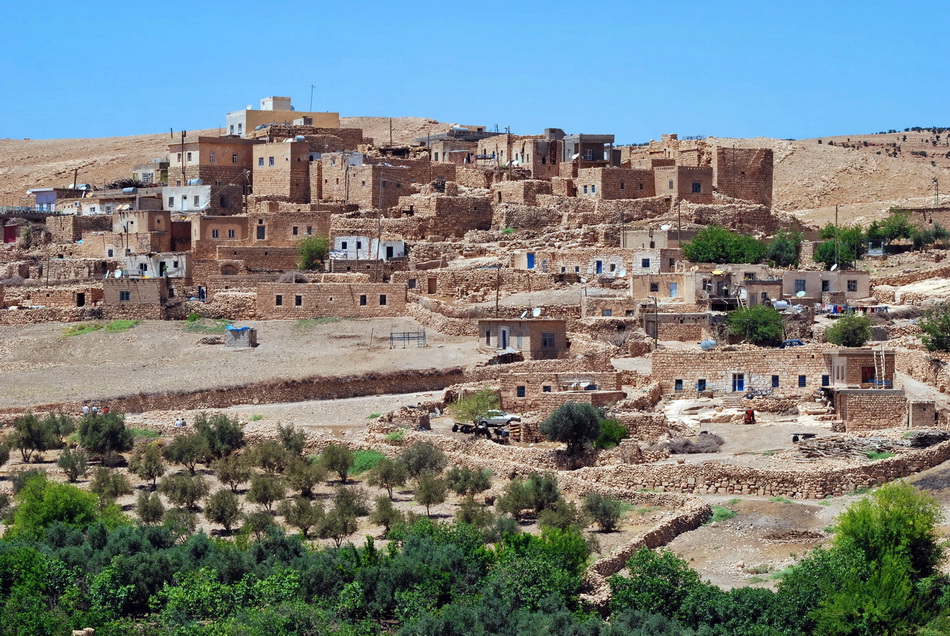
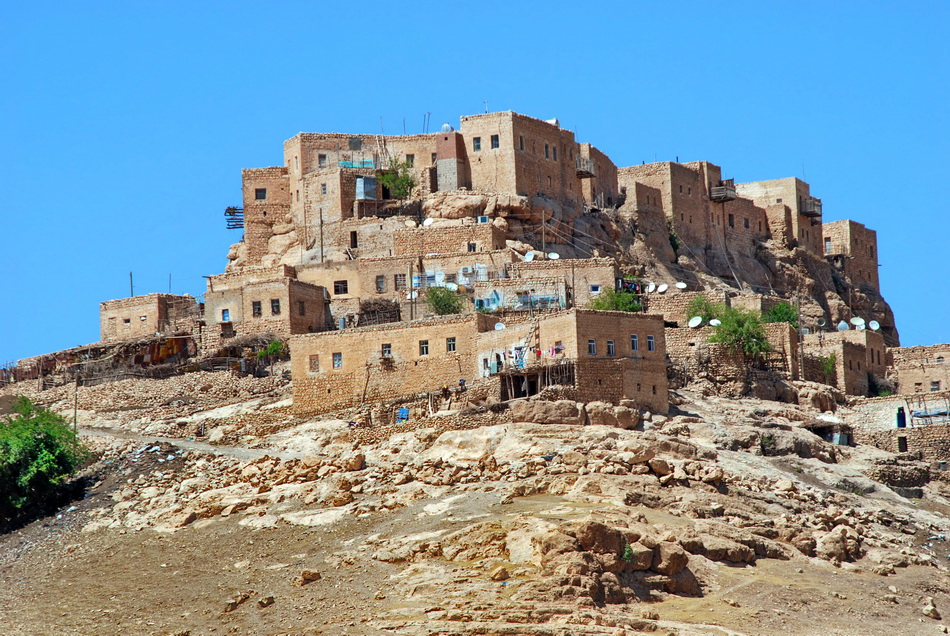
Located southeast of Mardin, on the northern edge of the Mesopotamian Plain, Dara is one of the ancient world’s significant cities, although for many years it remained relatively little known. Today, its remains are intertwined with the village of Oğuz. The settlement became an important frontier stronghold during the struggles between the Roman and Sasanian empires.
Although the history of Dara predates the Roman period, the city rose to particular prominence under the Eastern Roman emperor Anastasius I. Around AD 505, it was extensively rebuilt as a military centre facing Nisibis (modern Nusaybin), then held by the Sasanians. Also known as Anastasiopolis after the emperor, the city was enlarged and fortified under subsequent rulers.
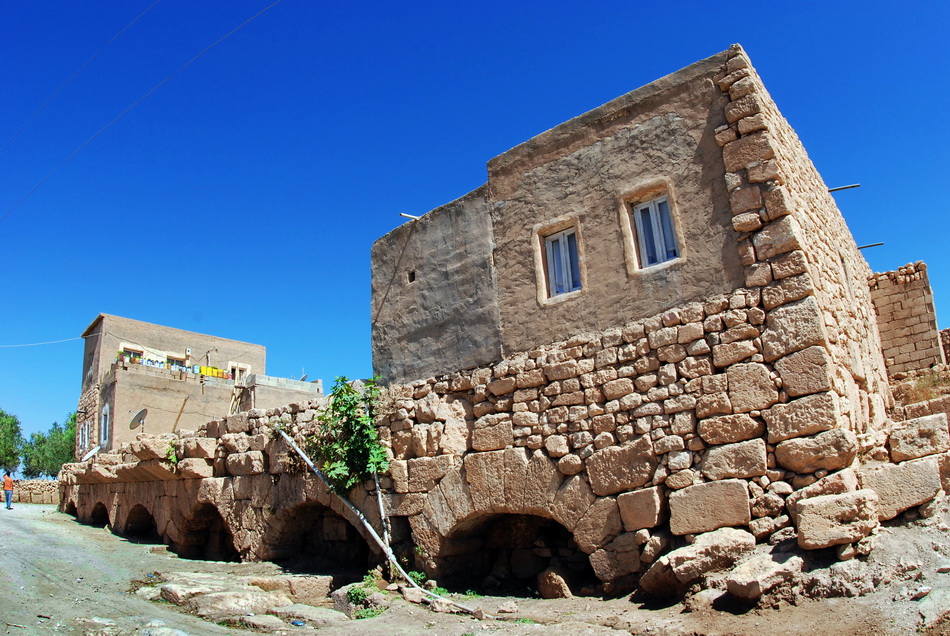
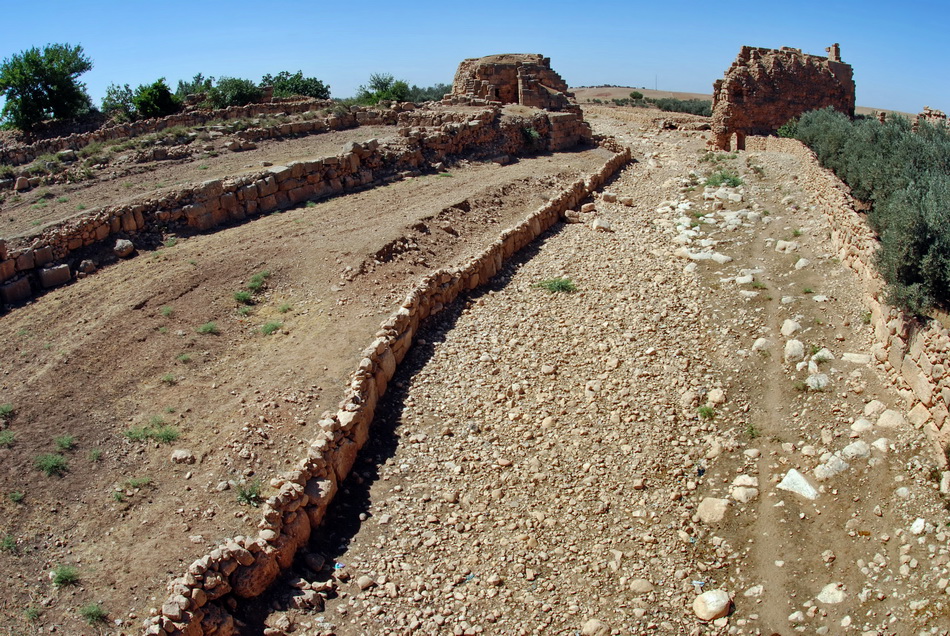
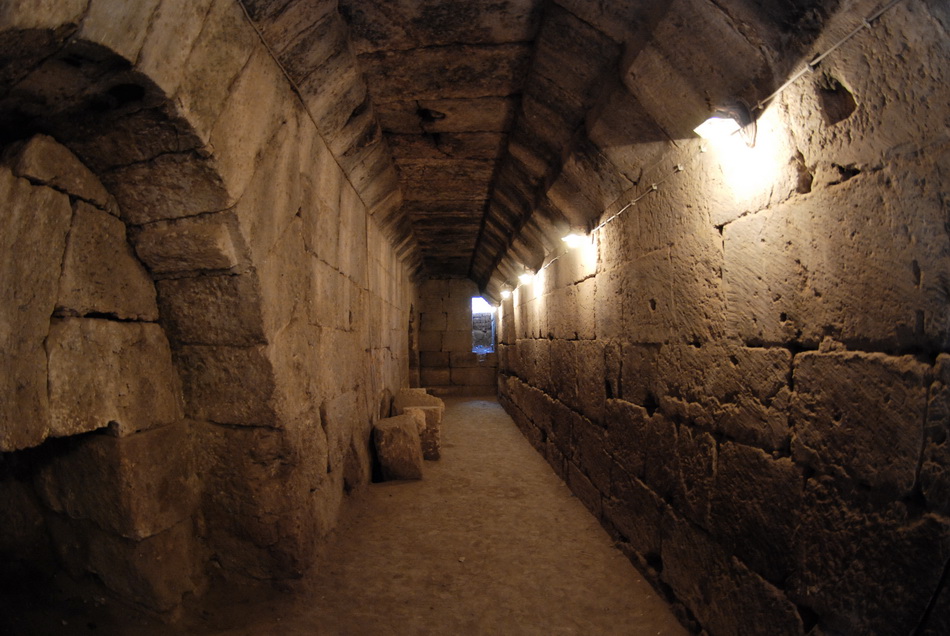
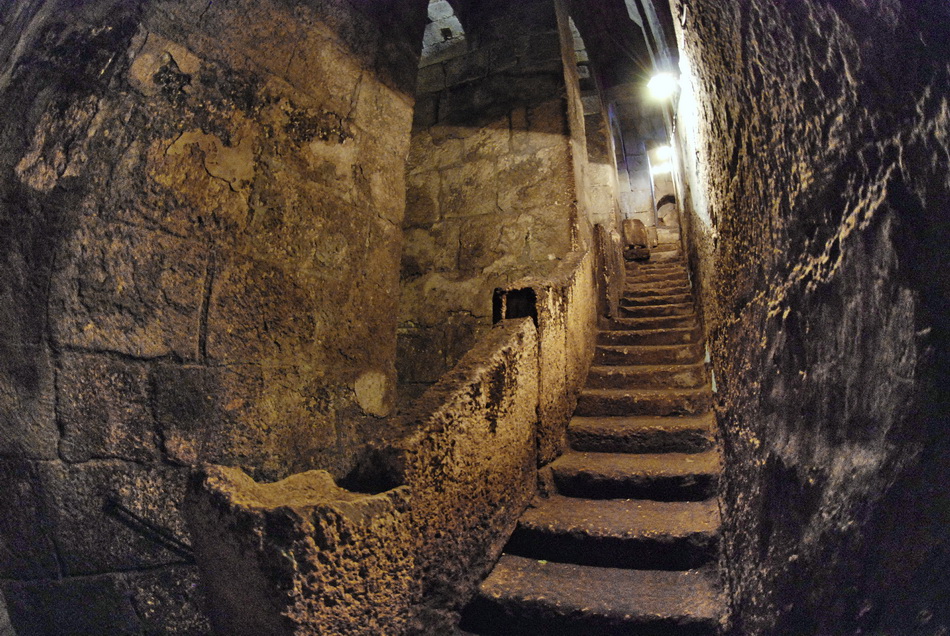
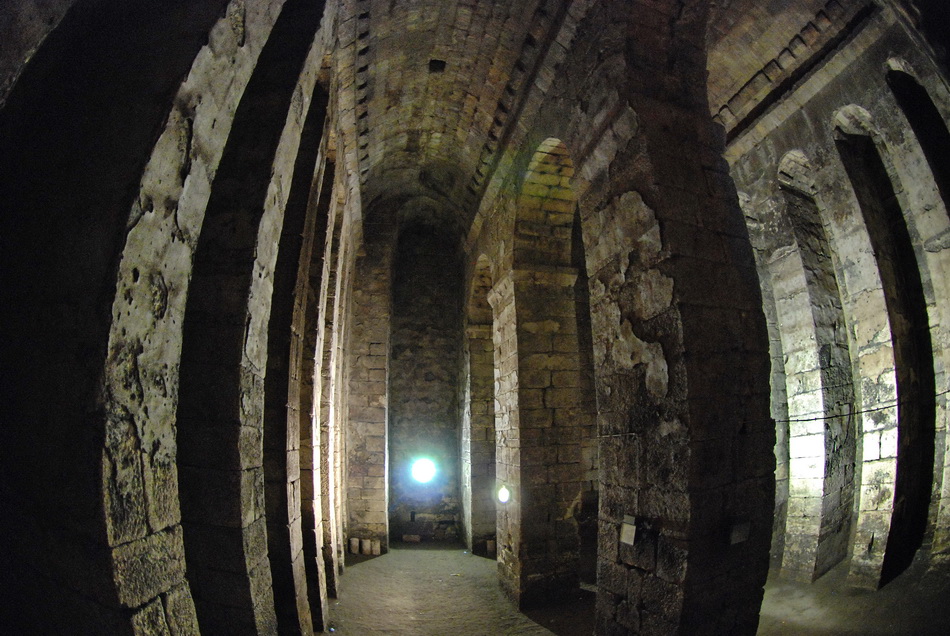
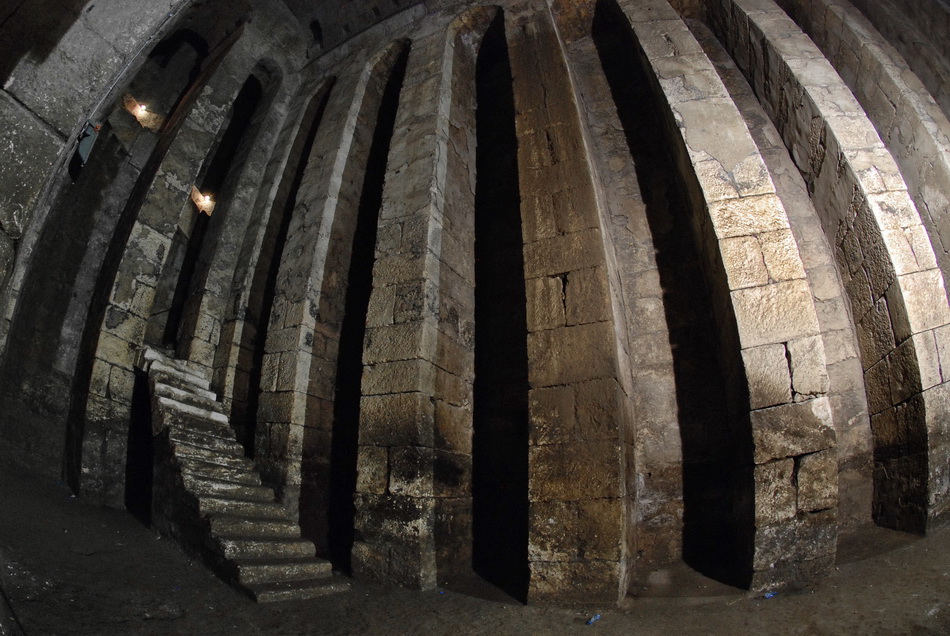
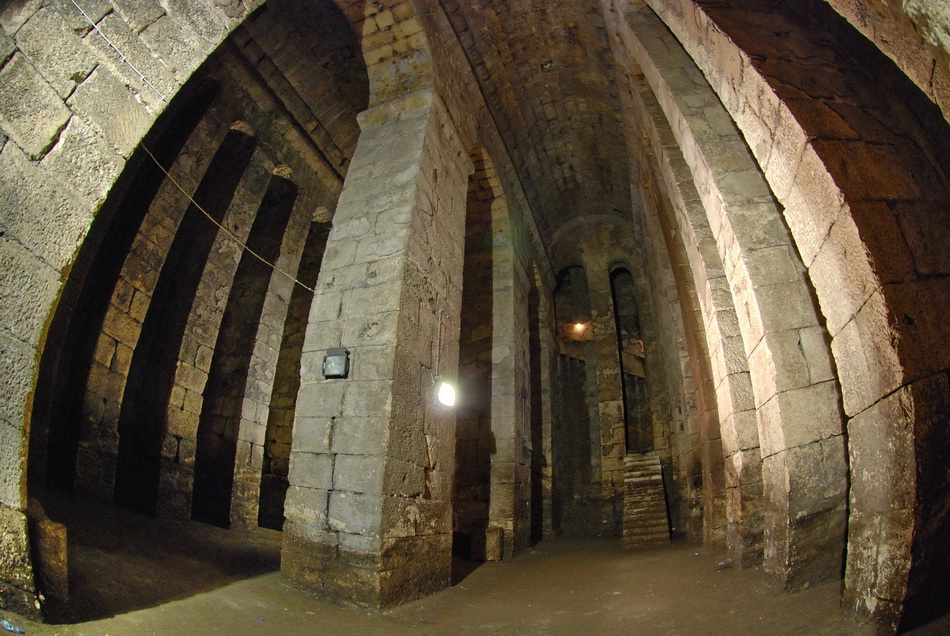
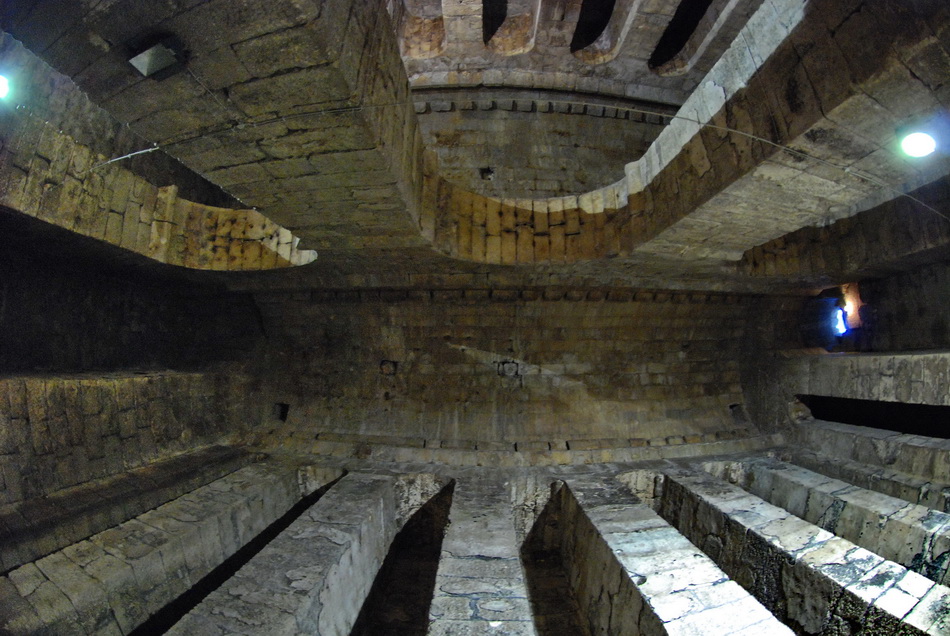
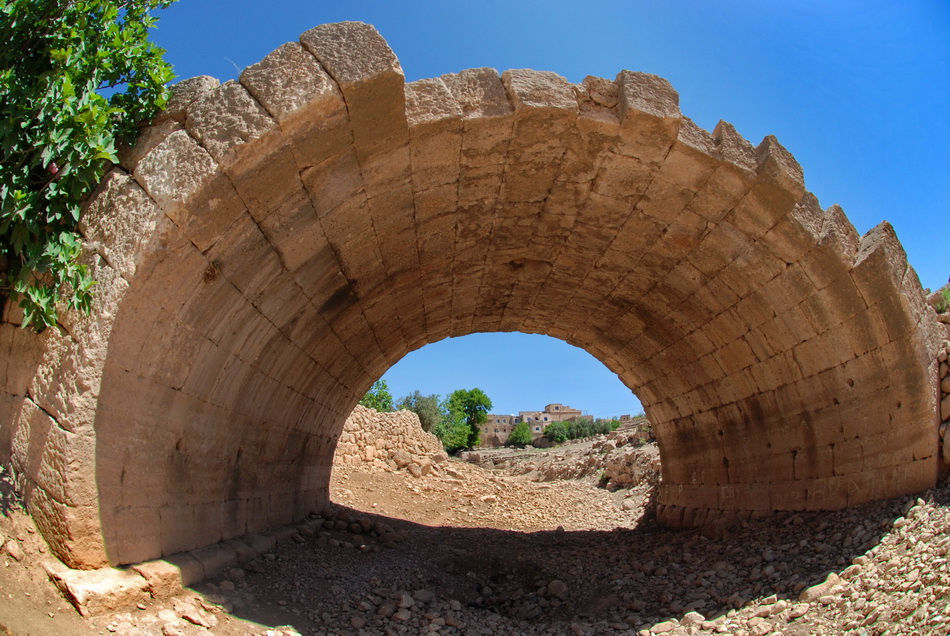
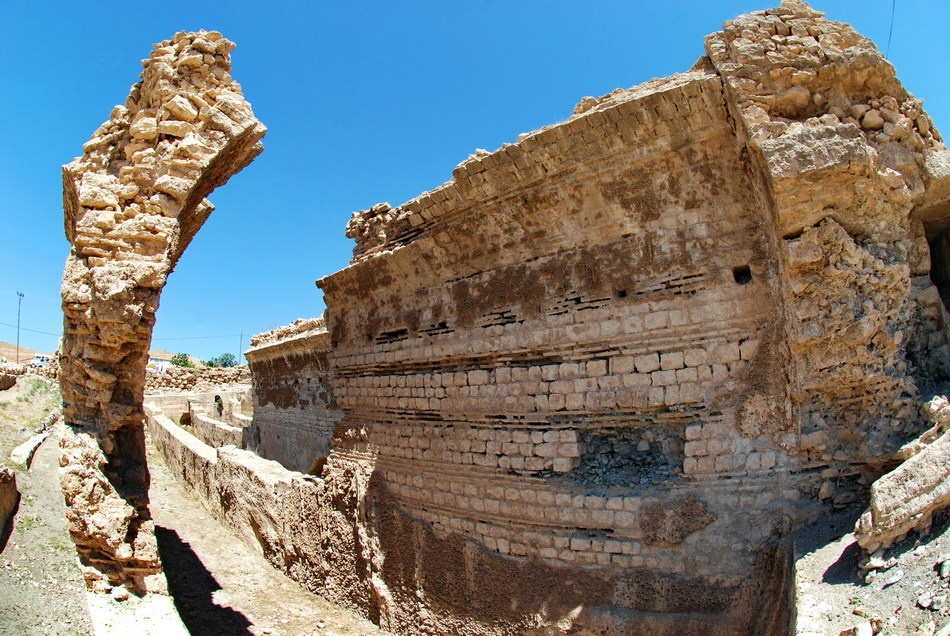
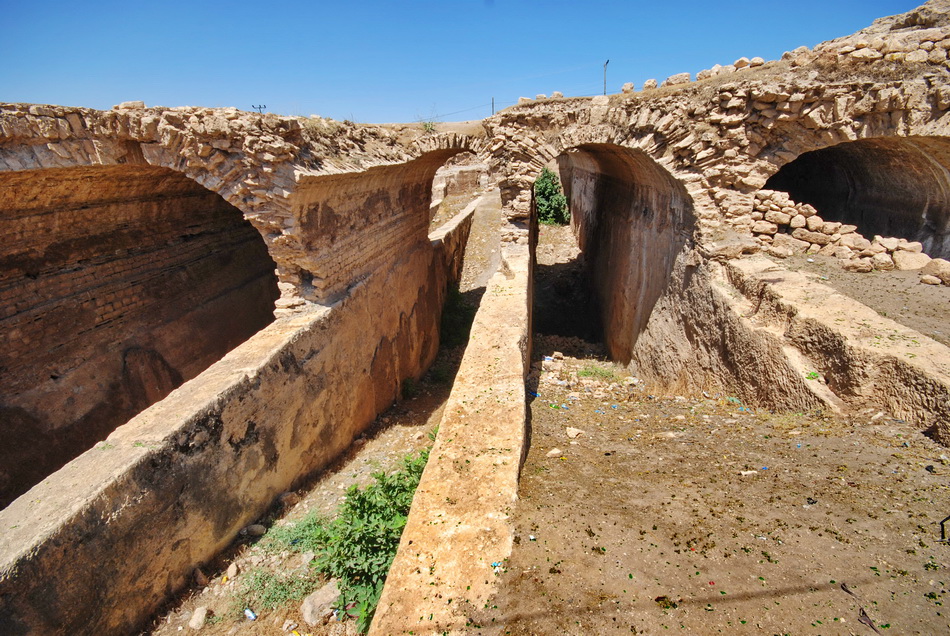
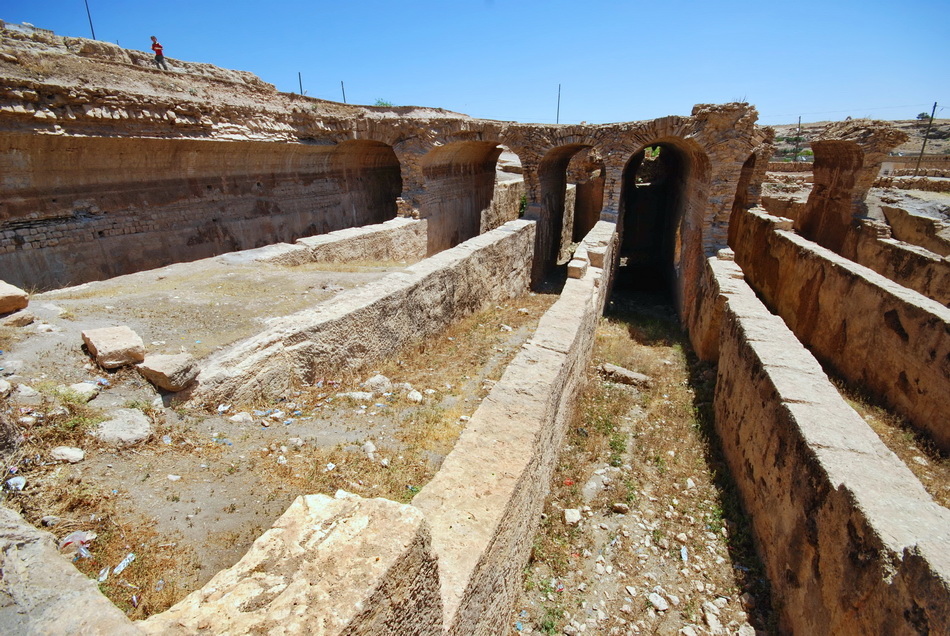
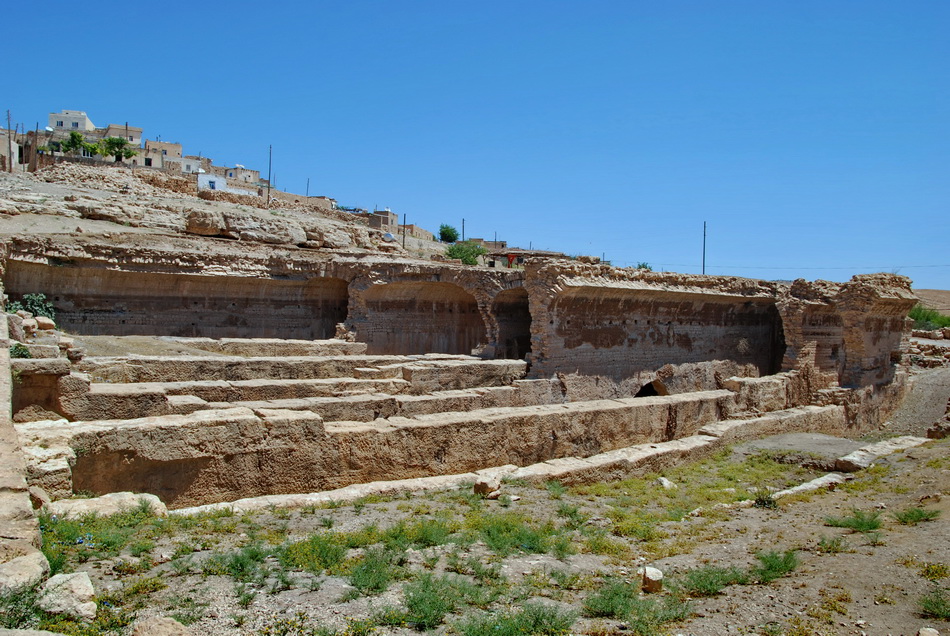
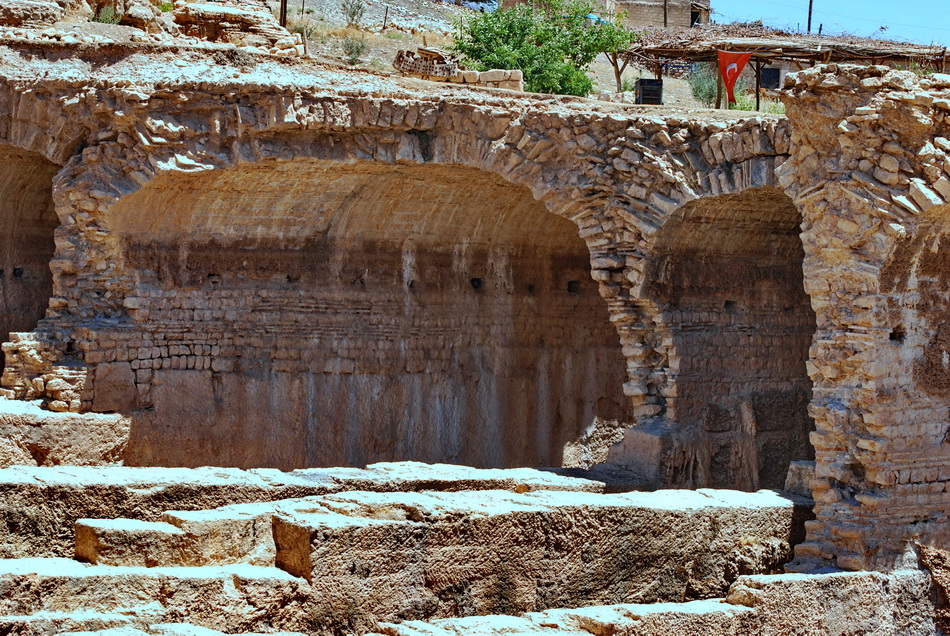
With walls extending for approximately four kilometres, defensive towers, military buildings and an elaborate water system, Dara was far more than a simple border outpost. Water from the stream running through the city was channelled and stored in large cisterns, helping to sustain its inhabitants and soldiers during prolonged sieges. These structures are remarkable examples of Eastern Roman engineering in Mesopotamia.
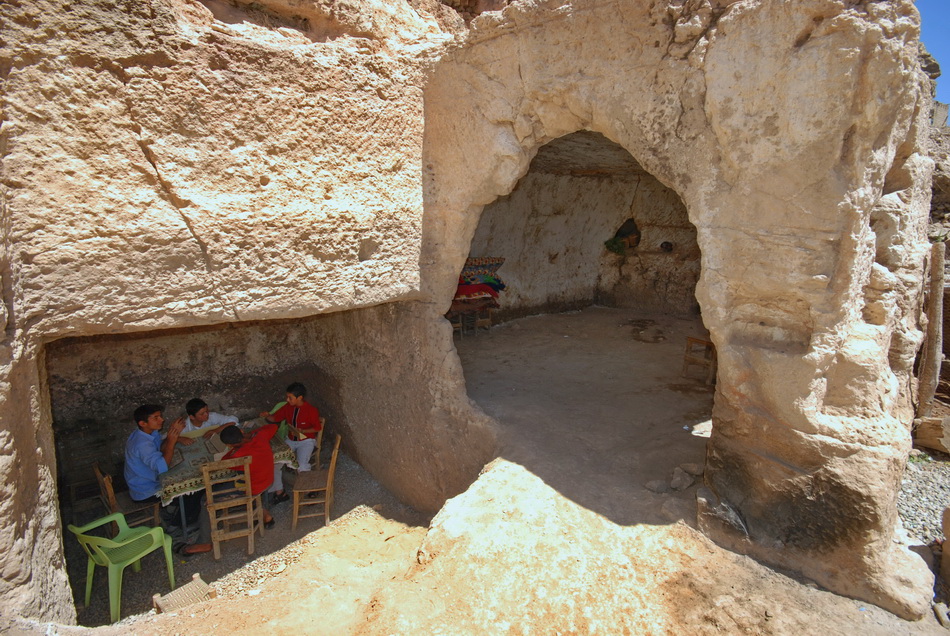
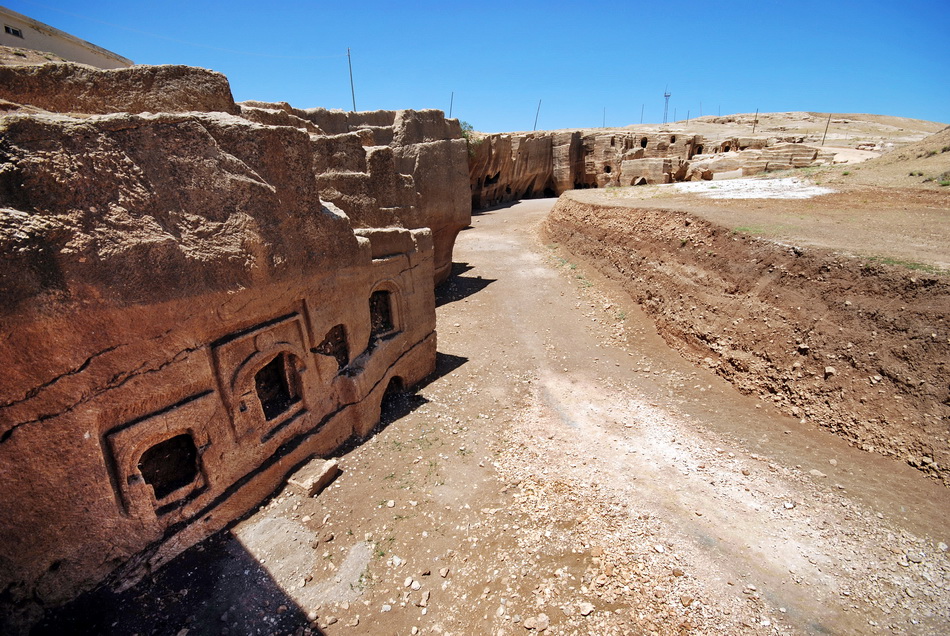
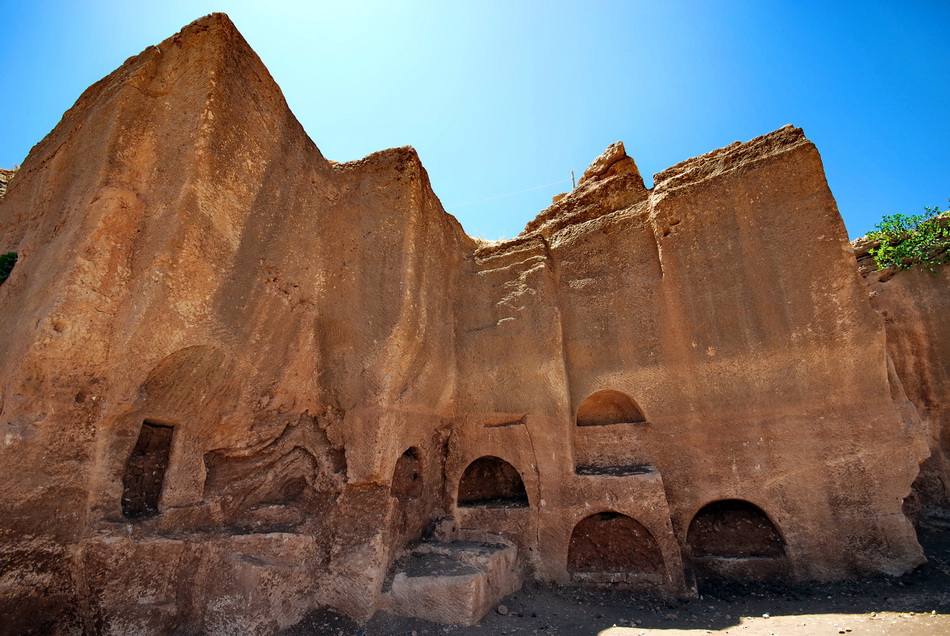
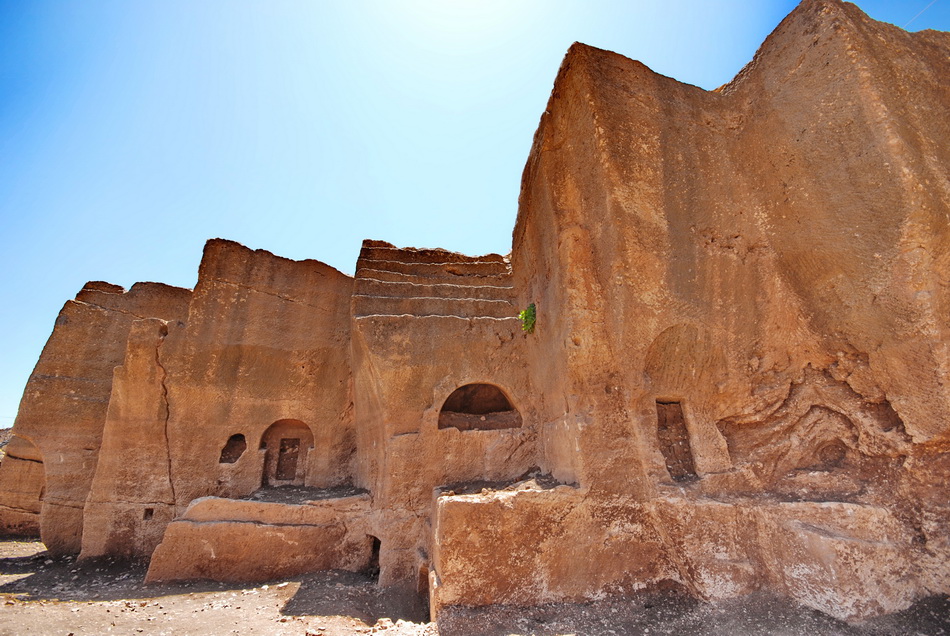
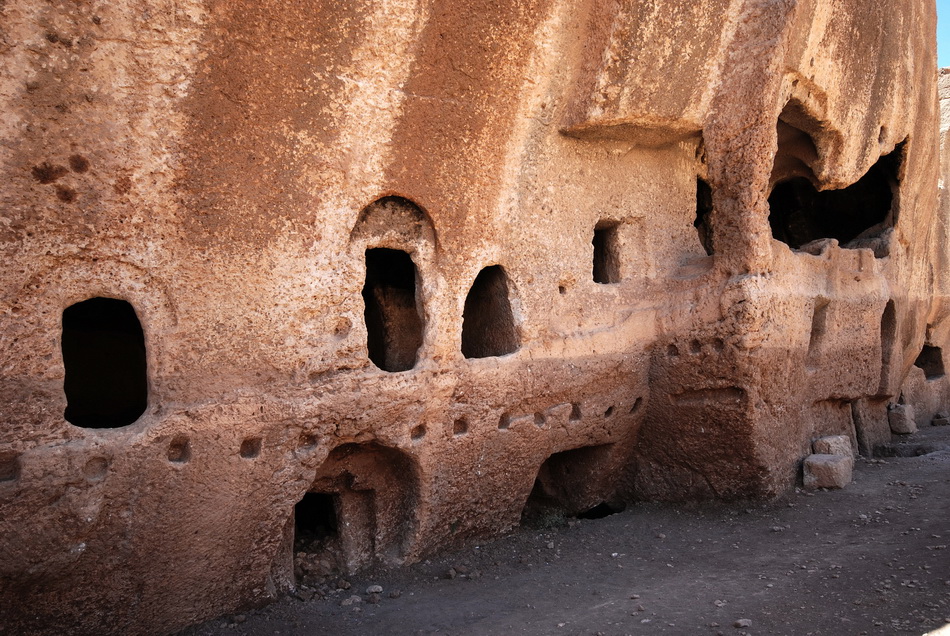
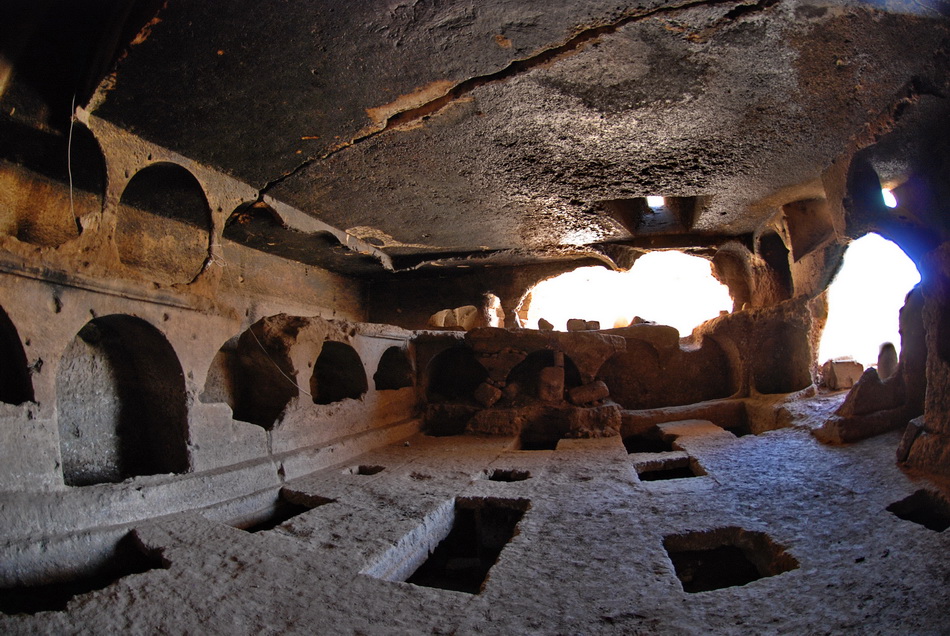
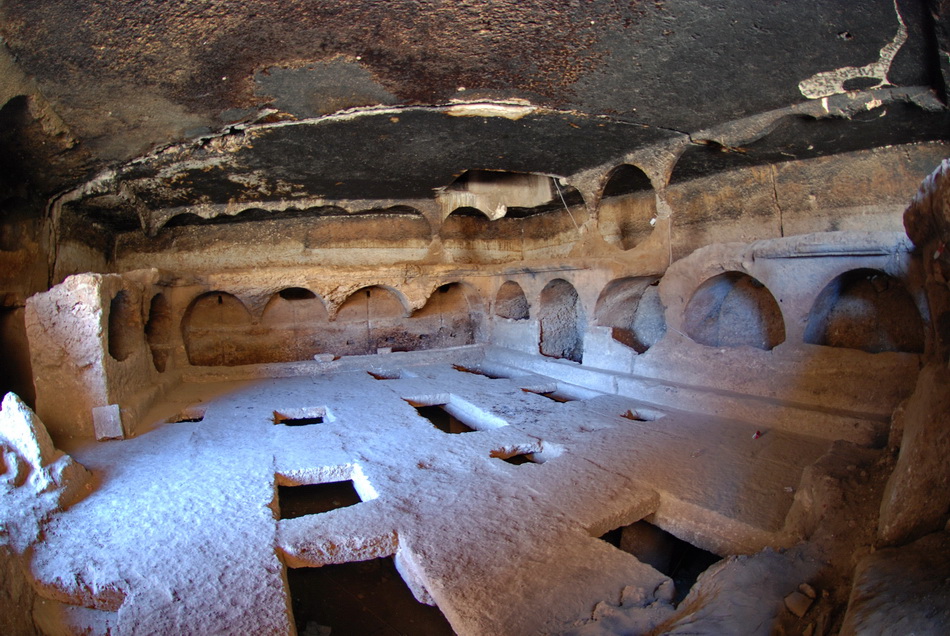
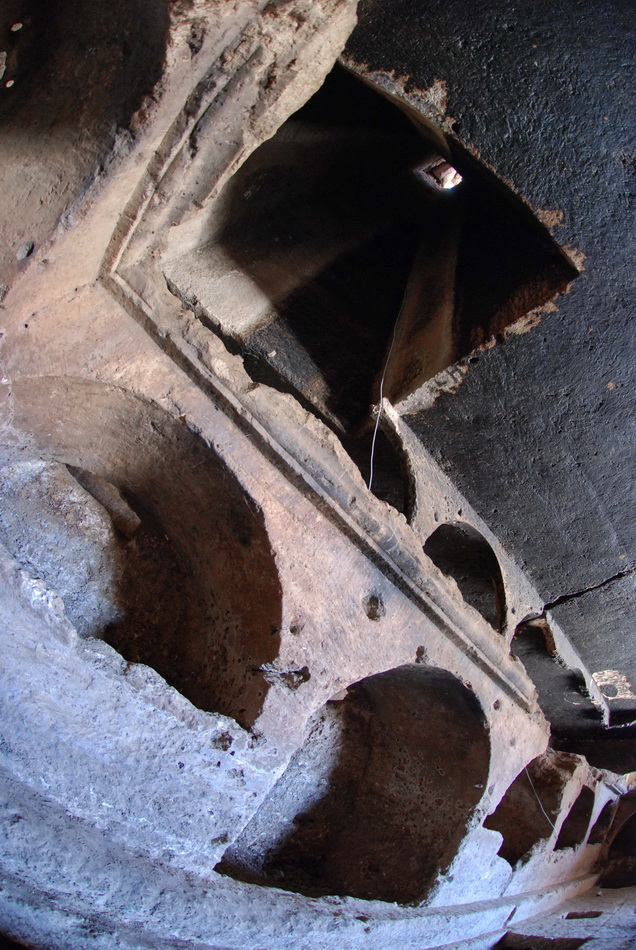
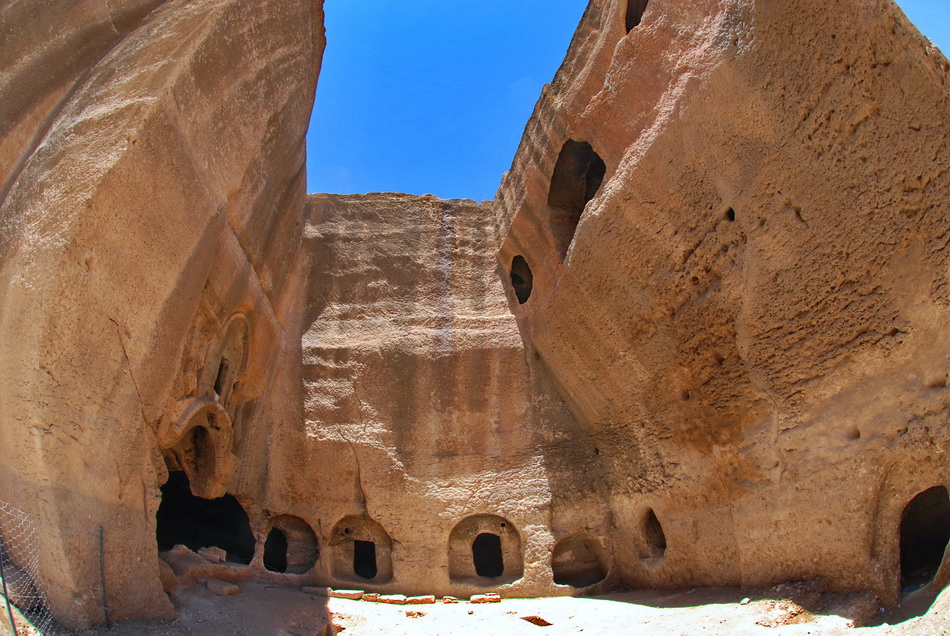
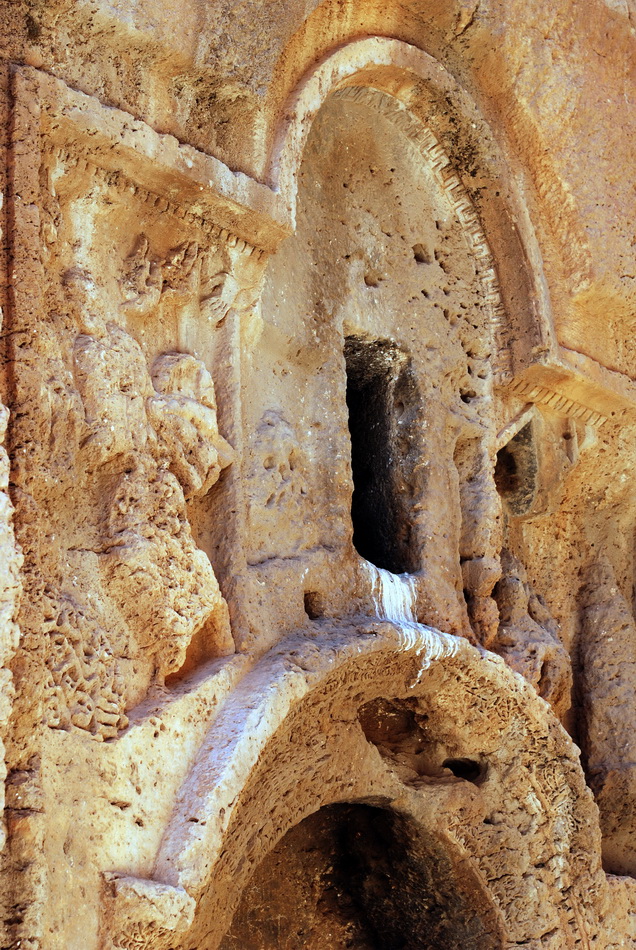
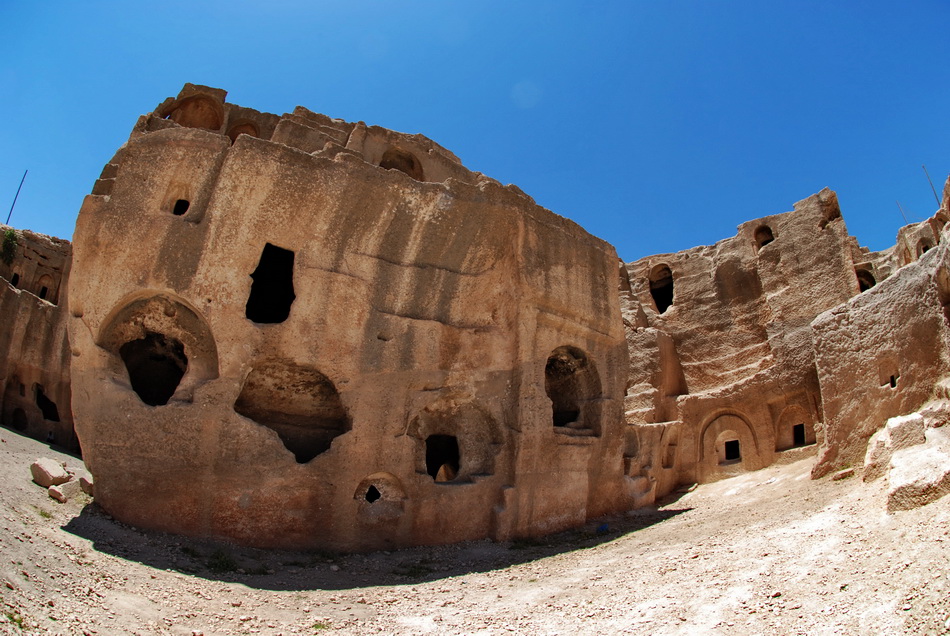
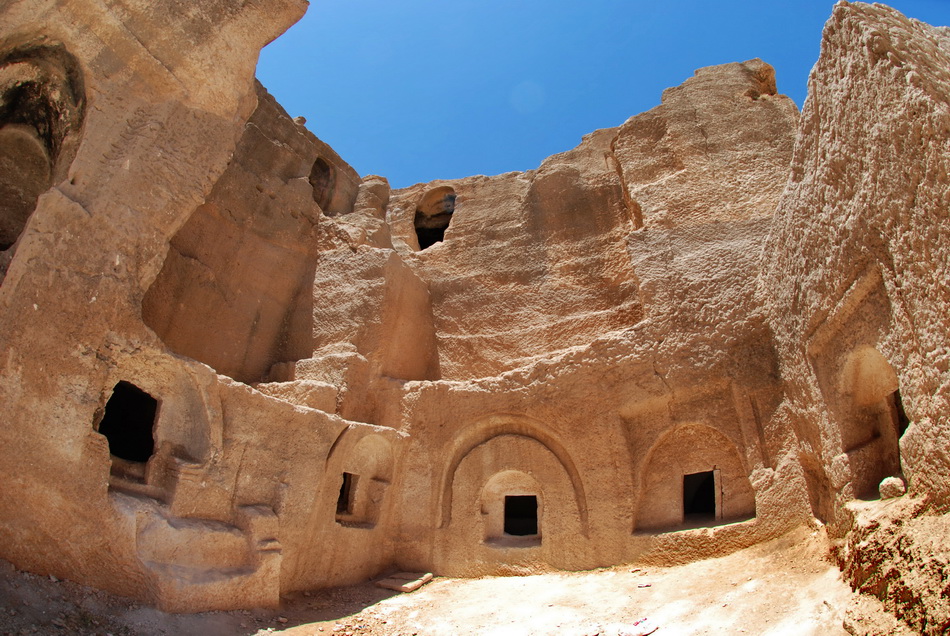
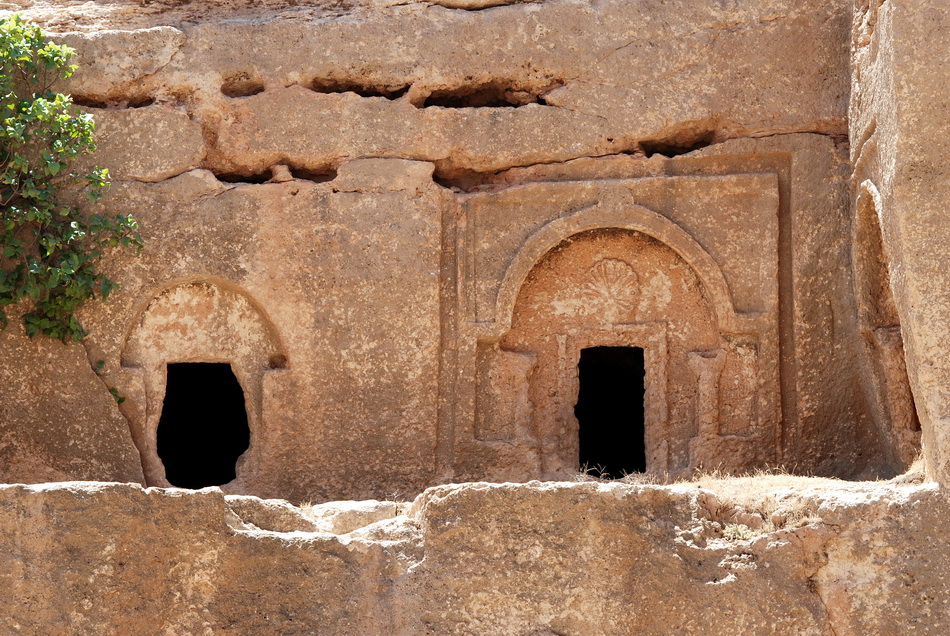
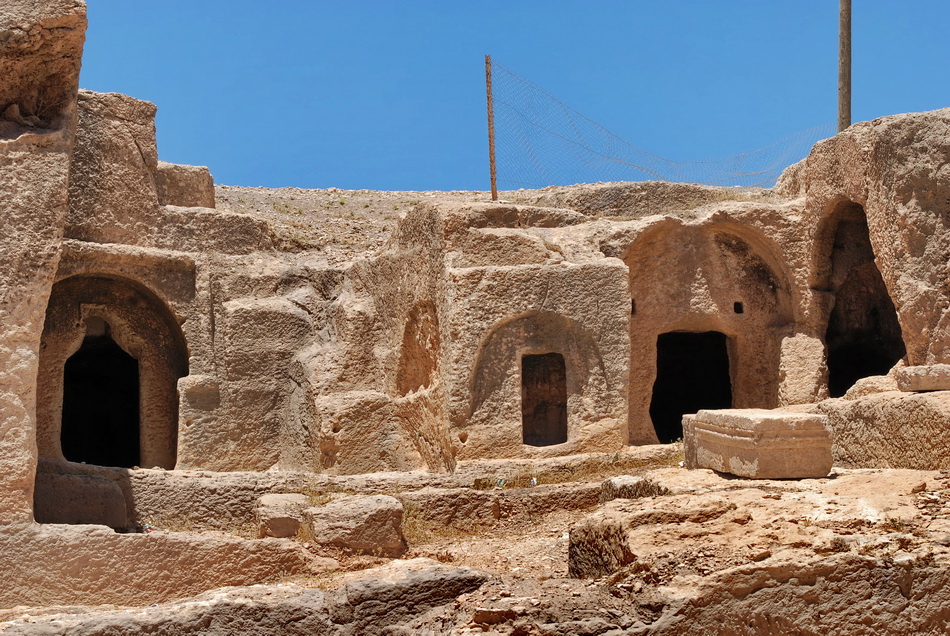
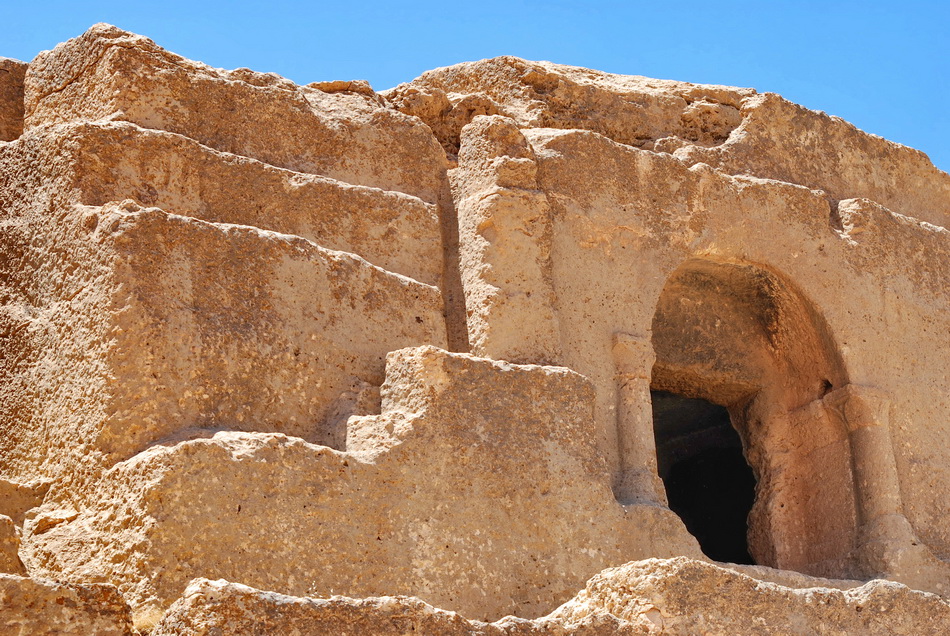
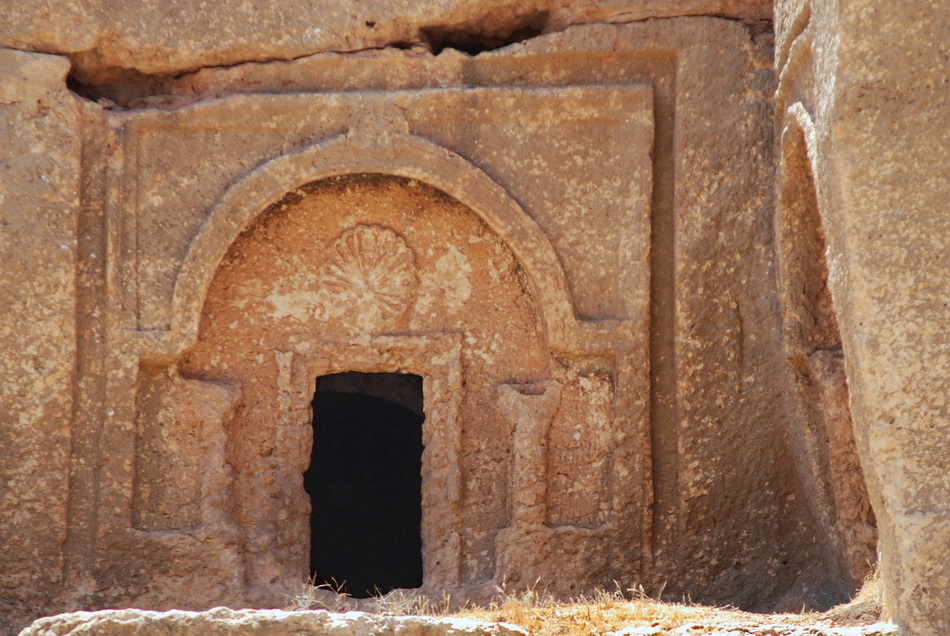
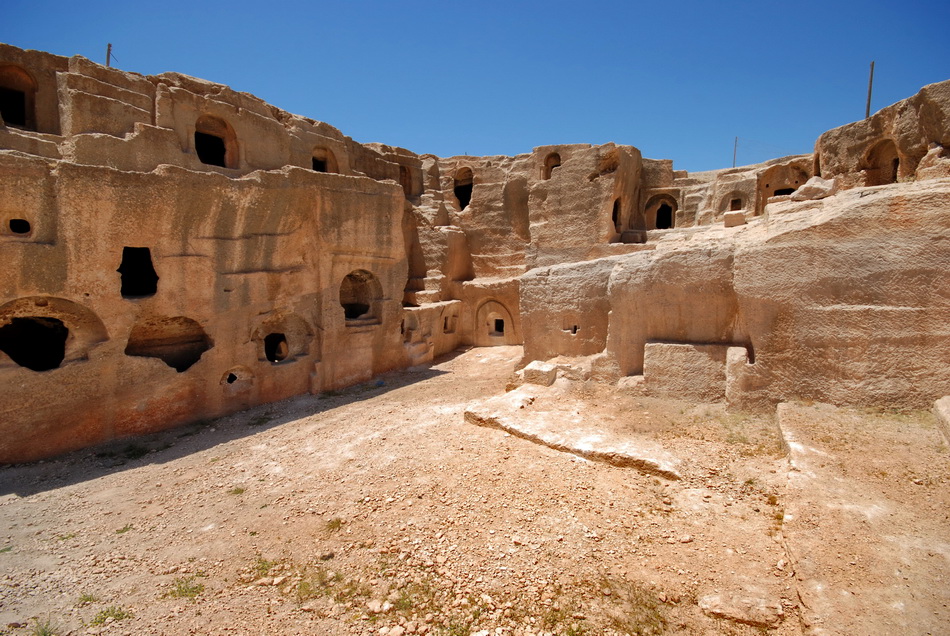
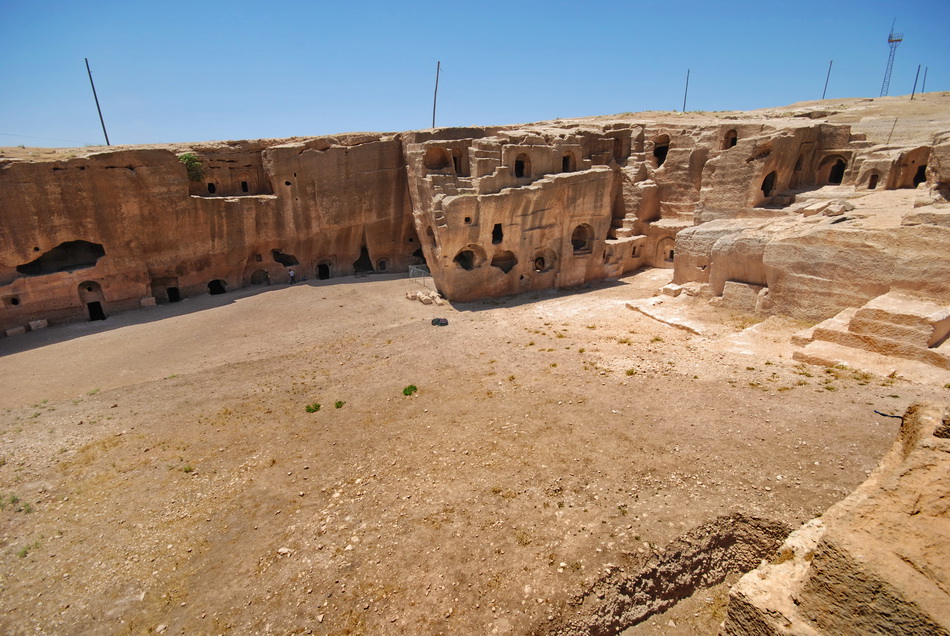
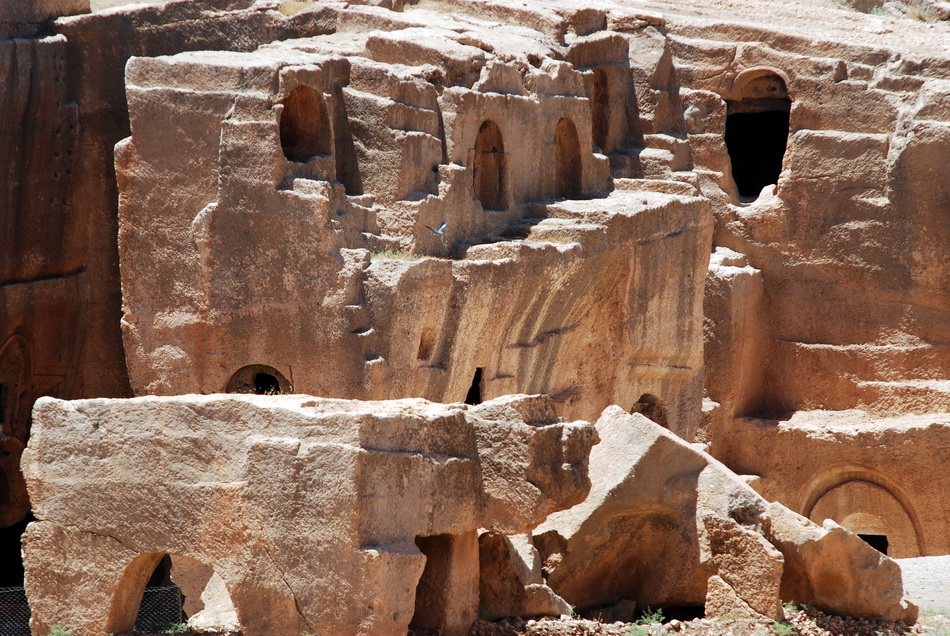
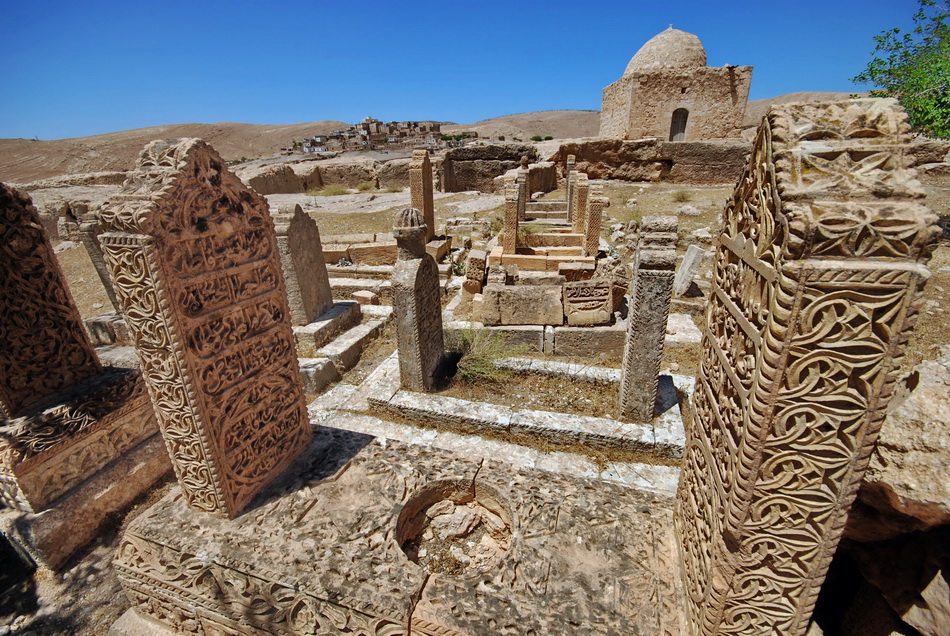
Among Dara’s most striking remains is its extensive rock-cut necropolis. Rocky areas quarried for stone during the city’s construction were later adapted into burial chambers and monumental funerary structures. Openings in the rock faces, carved rooms and graves from different periods reflect the beliefs of the people who lived here about death and the afterlife.
Over the following centuries, Dara passed between Eastern Roman, Sasanian and Islamic powers and remained inhabited during the Artuqid period. In time, it lost its former military and commercial importance, while village life continued amid the ruins of the once-great city.
A Day in Dara — 4 June 2008
I photographed Dara on 4 June 2008. At that time, it was not yet an archaeological site widely known to visitors. During my visit, I had the opportunity to explore the ancient city accompanied by an archaeologist who had been assigned to guide me.
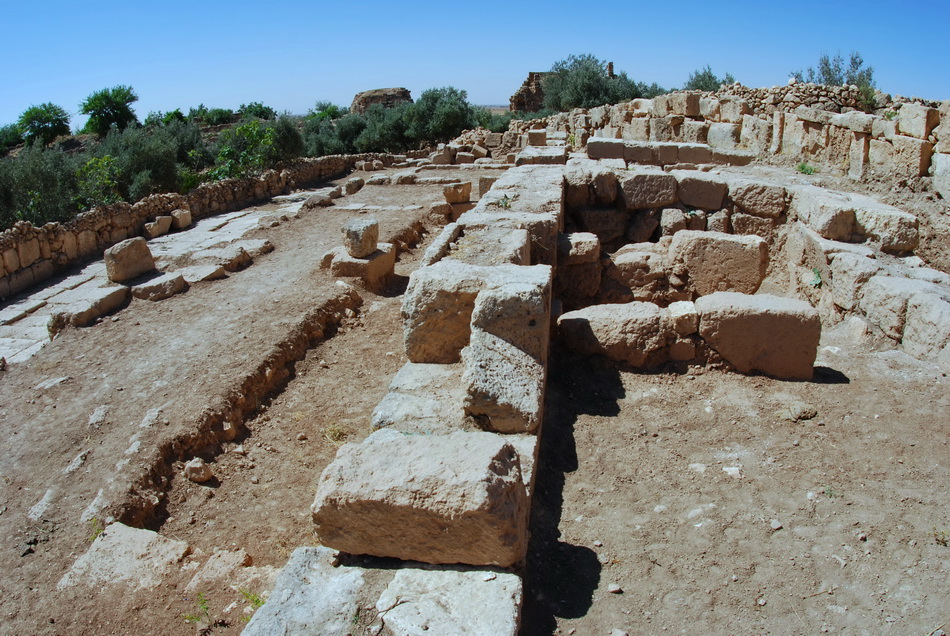
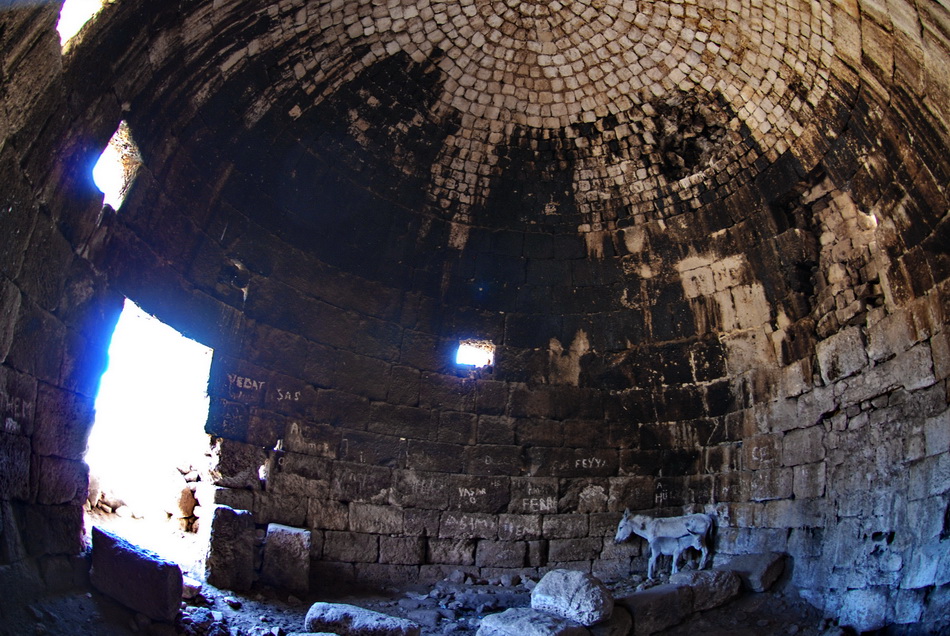
The rock-cut spaces, towering stone surfaces, burial chambers and broad open areas revealed Dara’s distinctive architecture. I was especially struck by the way people had shaped the massive rock formations. In some places, what initially appeared to be a natural cliff revealed itself, on closer inspection, as part of a structure carved many centuries earlier.
Walking through the site with an archaeologist helped me understand the functions of the remains and their relationships to one another. In my photographs, I tried to show not only individual structures but also the larger setting created by the rock-cut spaces.
Many years have passed since that visit. Later excavations brought important new discoveries to light, particularly in the necropolis. My photographs, taken in 2008, document the appearance of parts of the site before those investigations.
To me, Dara is not merely a frontier city shaped by the struggles between the Roman and Sasanian empires. It is a settlement carved into the rocks of Mesopotamia, bearing traces of different communities across the centuries. These photographs record the Dara I encountered at a time when it was still relatively little known.