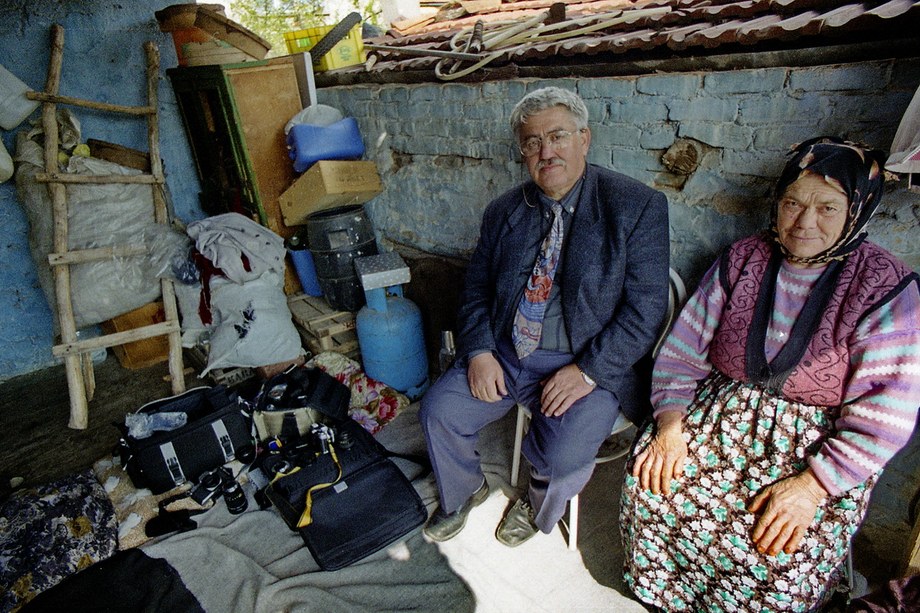
My friendship with Mehmet Kabaca goes back to the early 1970s, when he was teaching in a village in the Kula region. I was still at the beginning of my photographic journey, and Mehmet was among those who encouraged me to look more closely at the people and places around me. I remember travelling from village to village on the back of his Jawa motorcycle. Those journeys were more than a way of getting from one place to another: they brought me into contact with rural communities and the rhythms of everyday life, and they became part of my earliest experiences as a photographer.
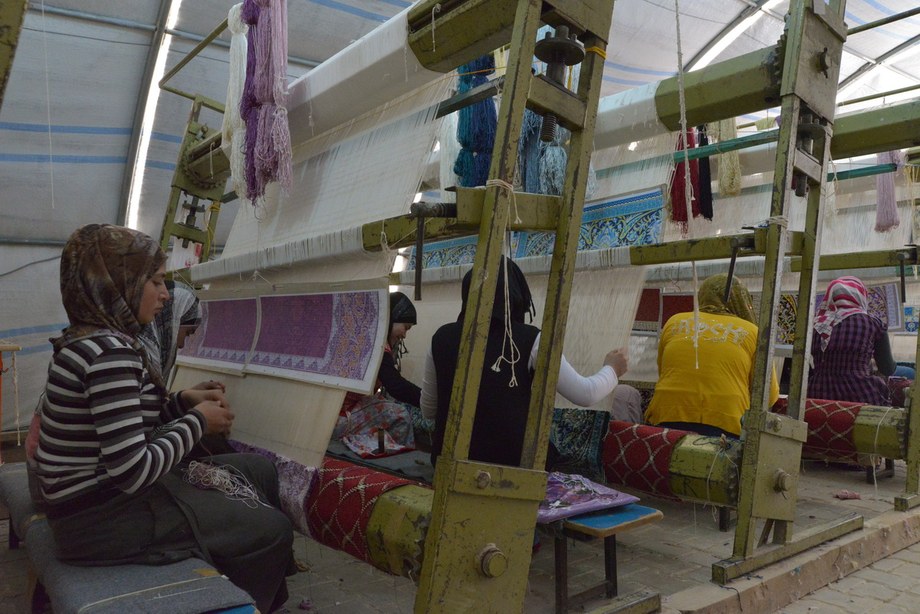
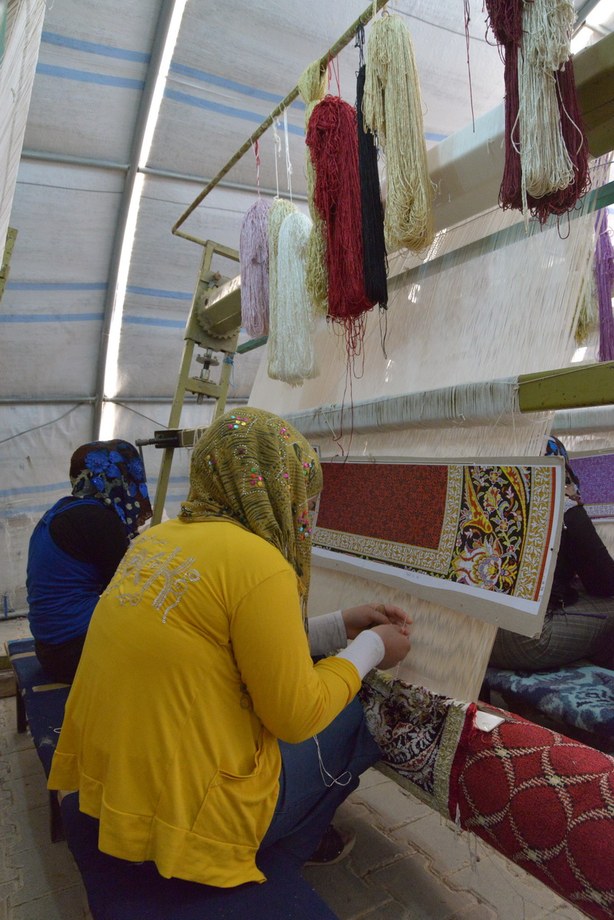
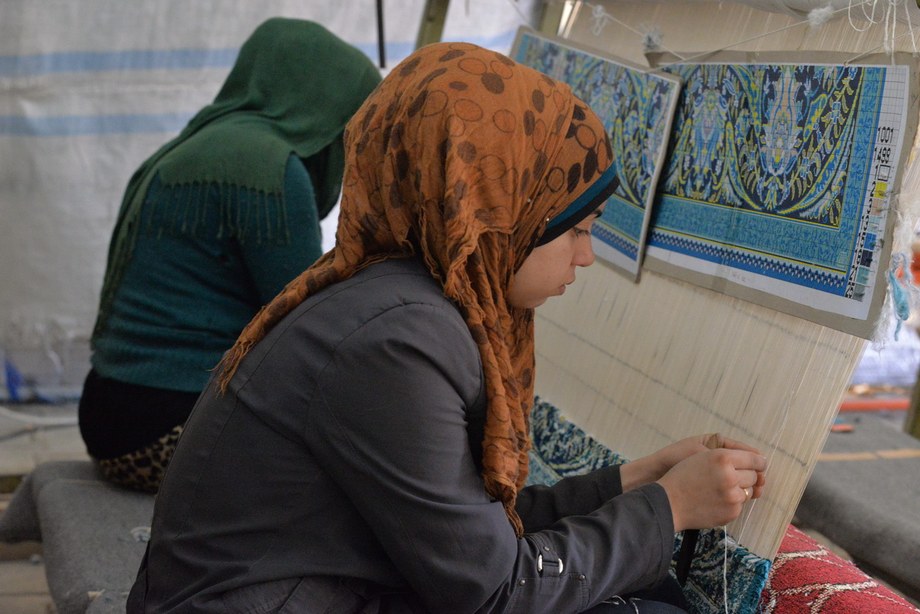
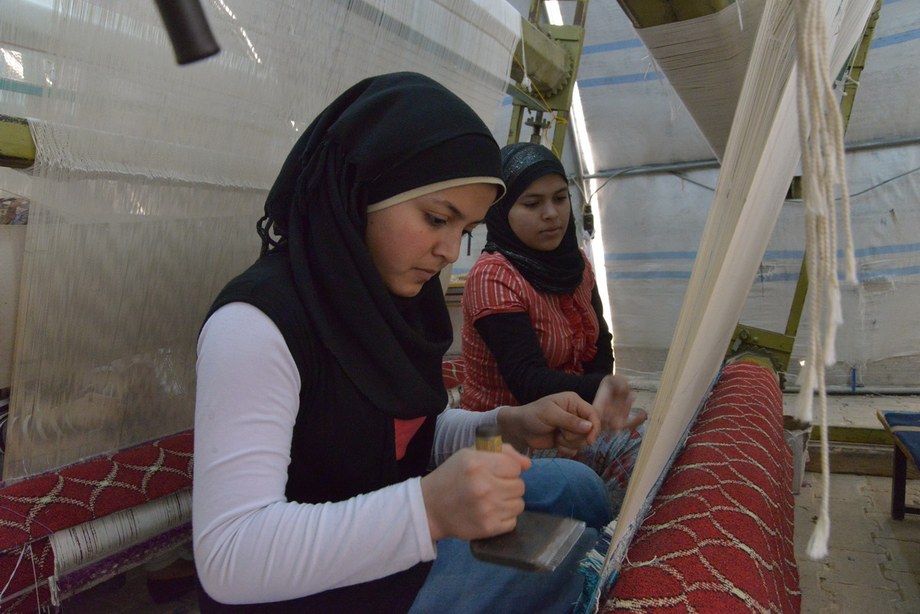
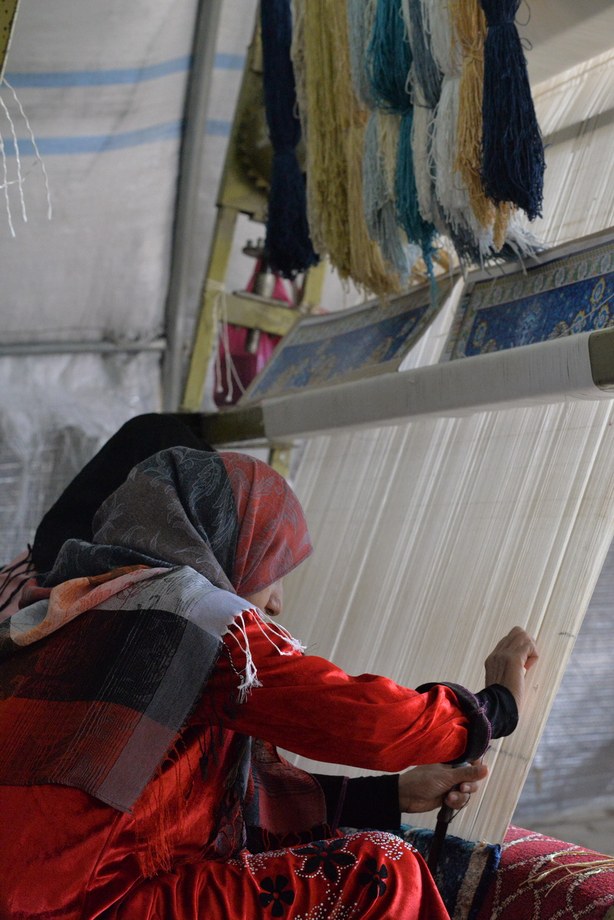
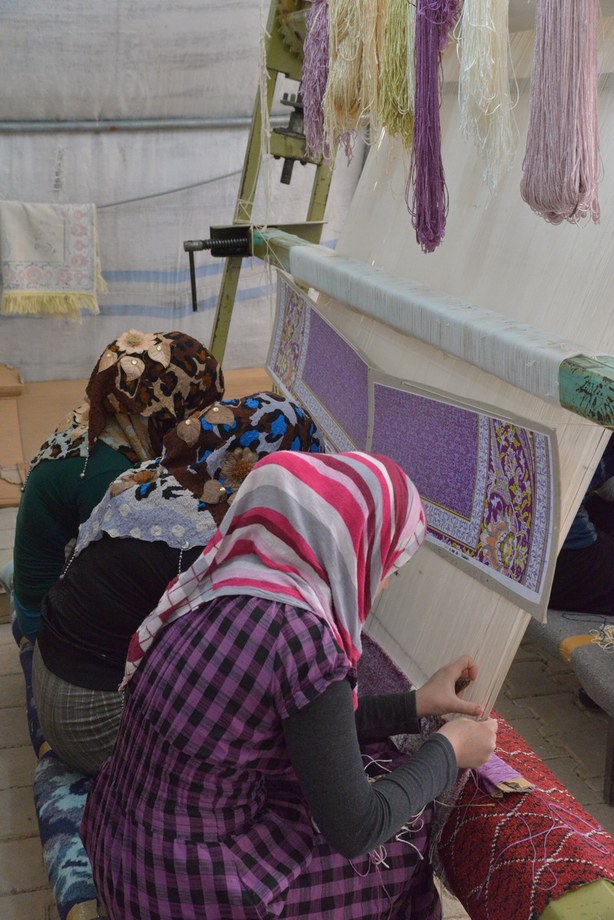
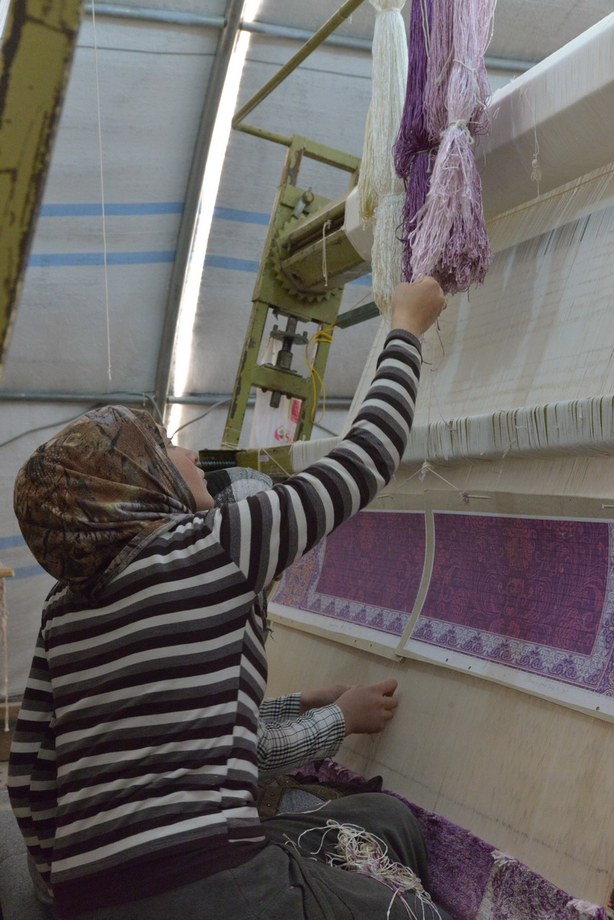
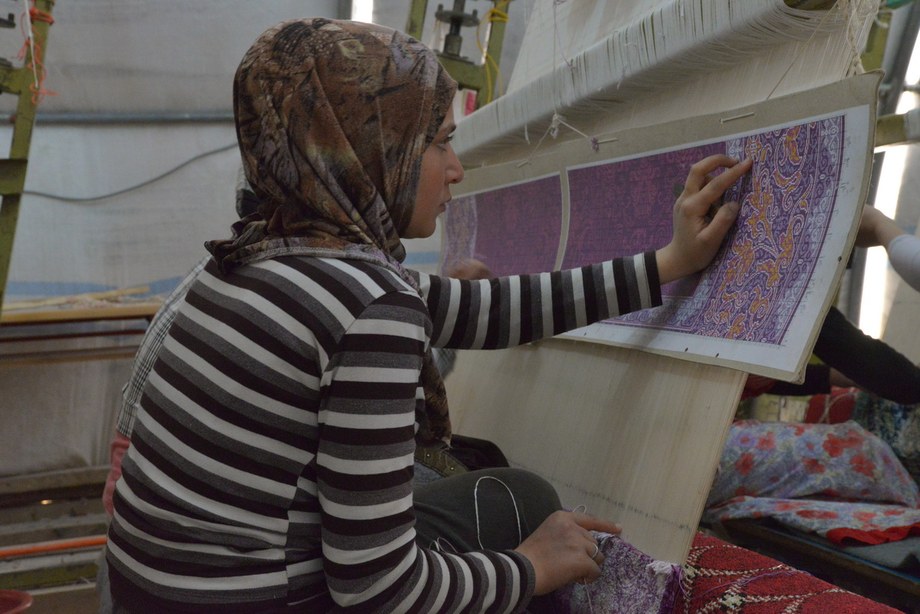
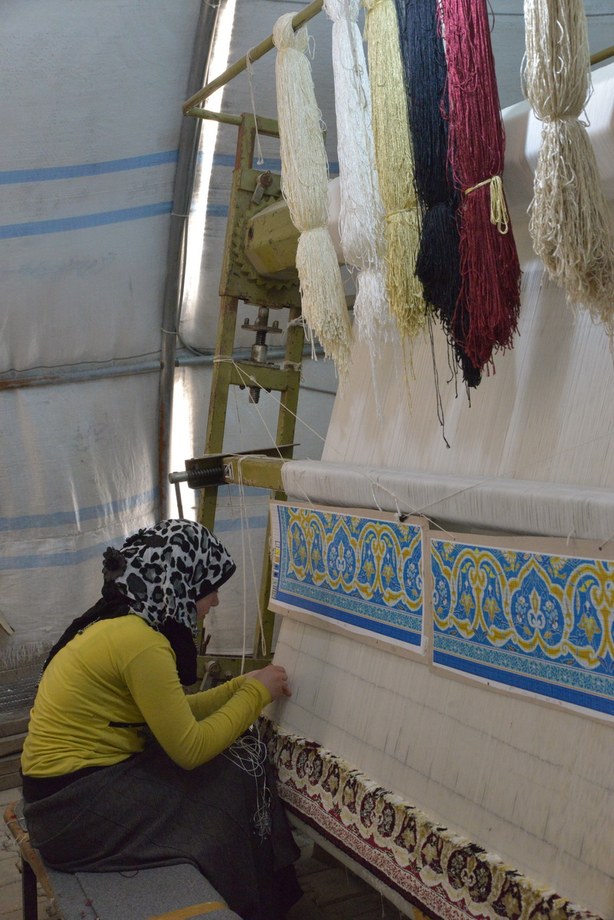
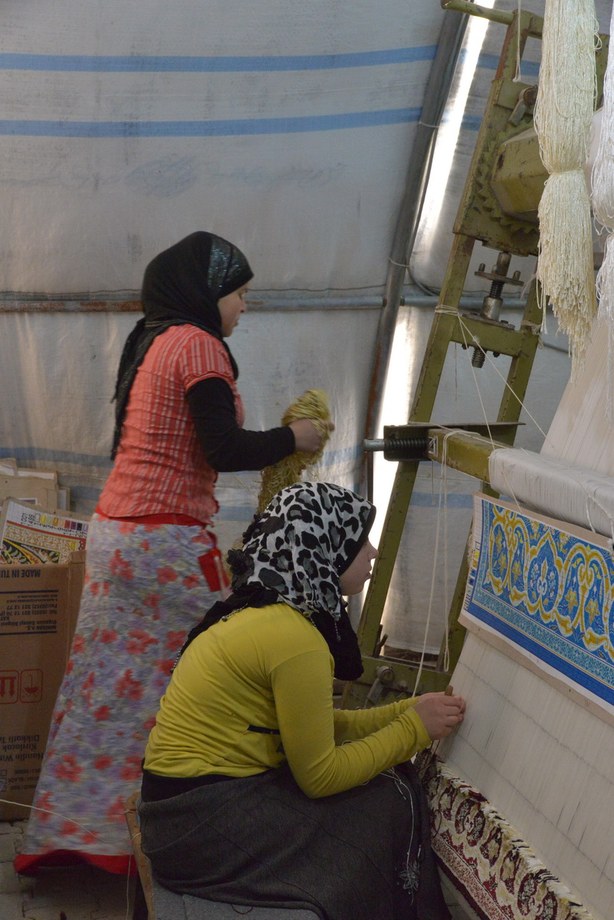
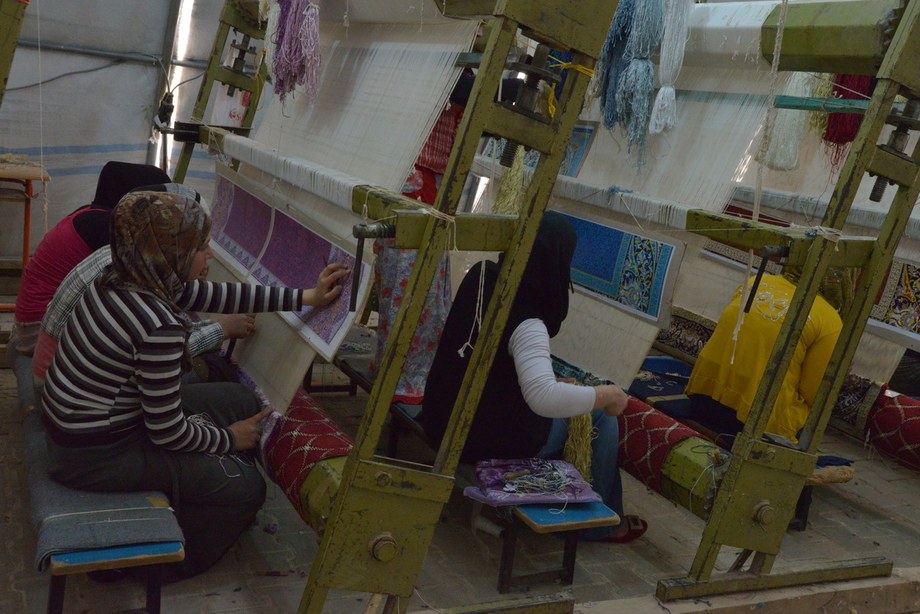
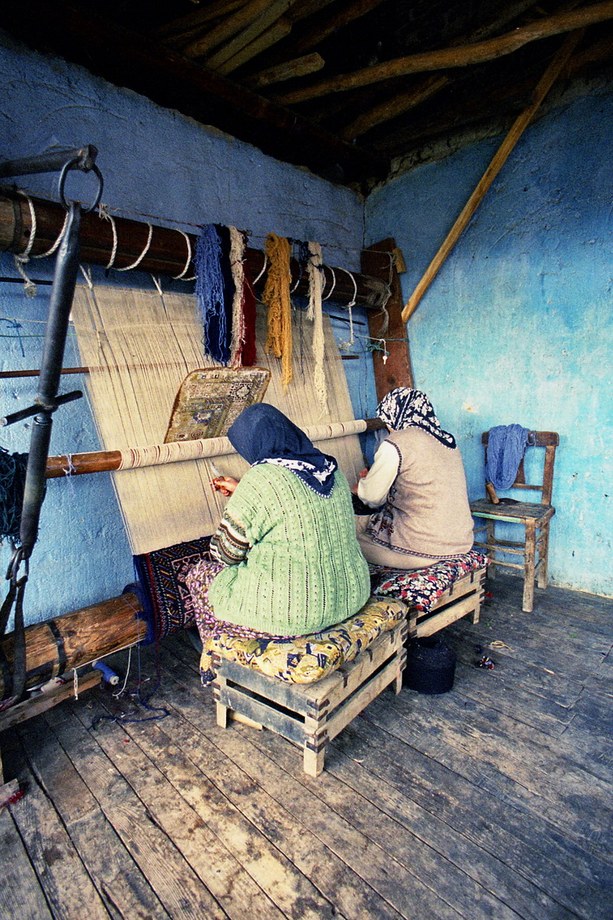
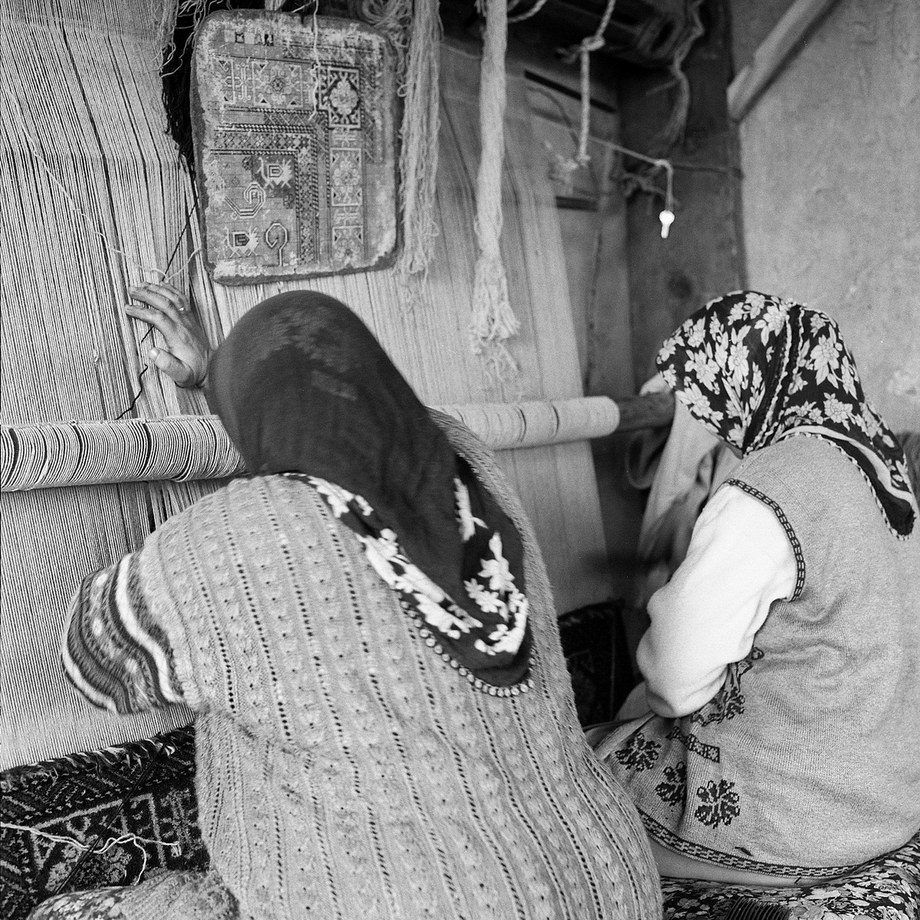
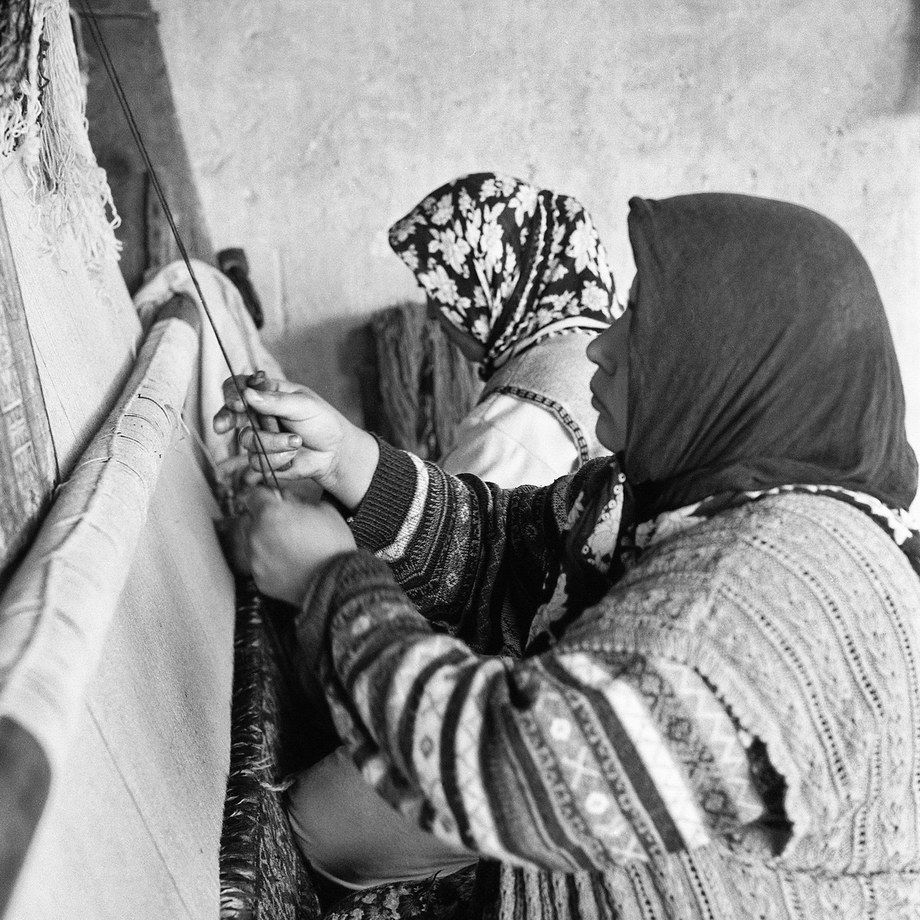
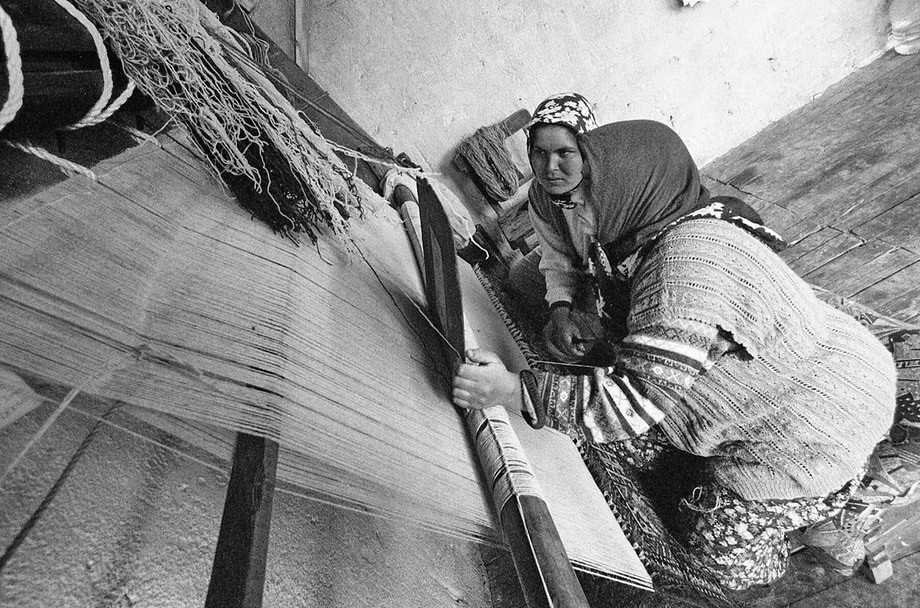
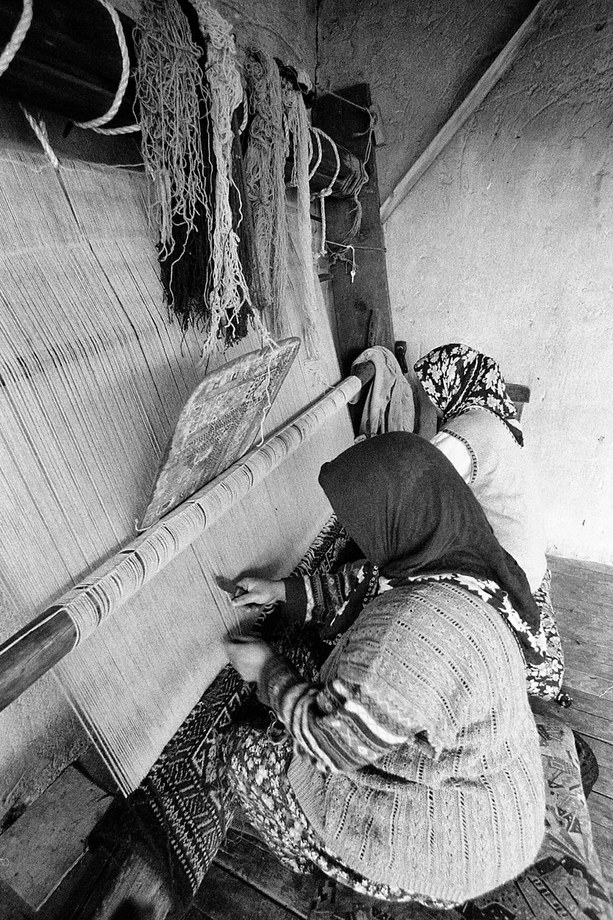
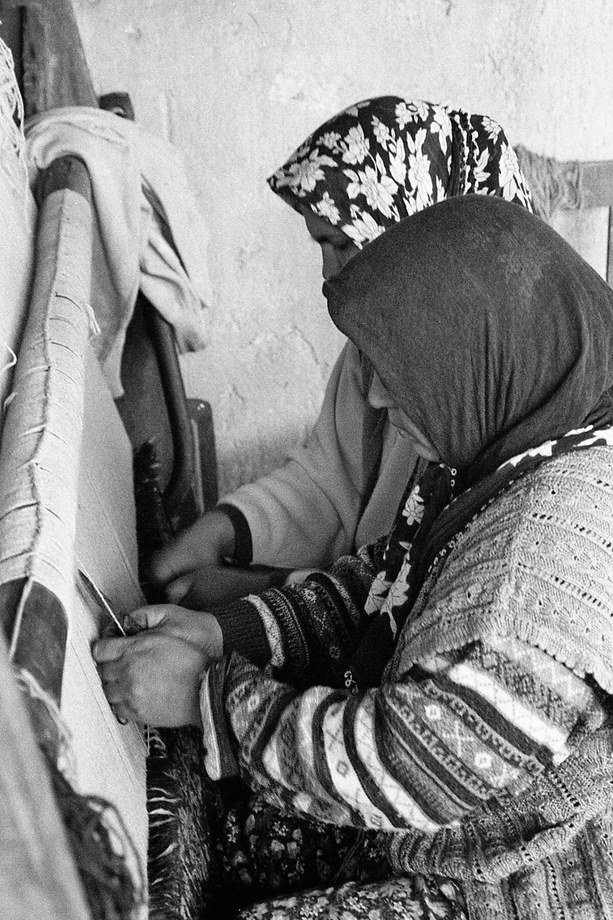
In the years that followed, I returned to the region on different occasions. I saw that carpets were still being woven in village homes, with the loom occupying a place within the household rather than in a separate workshop. The work called for time, attention and practised hands. It was one of the traditional crafts I wanted to record through the people who carried it on in their daily lives.
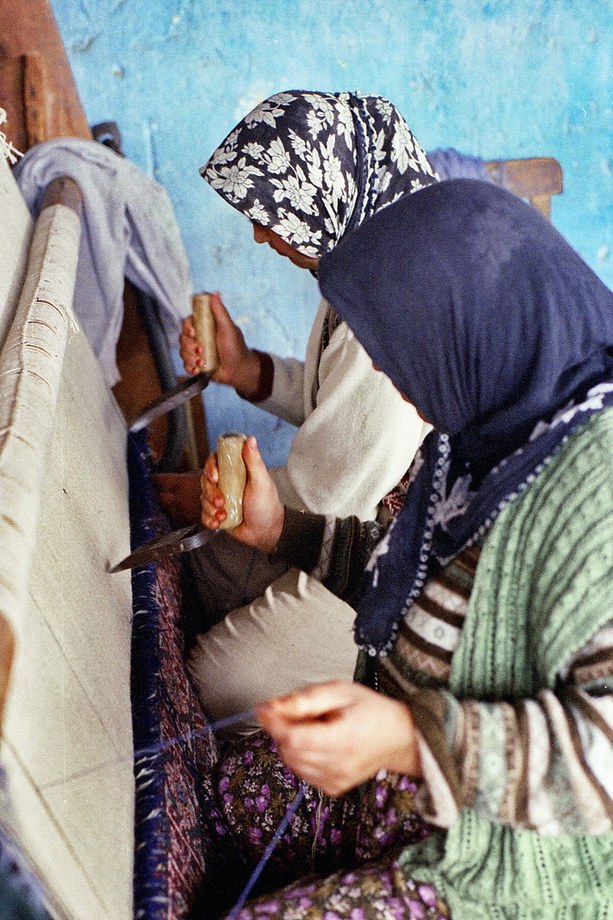
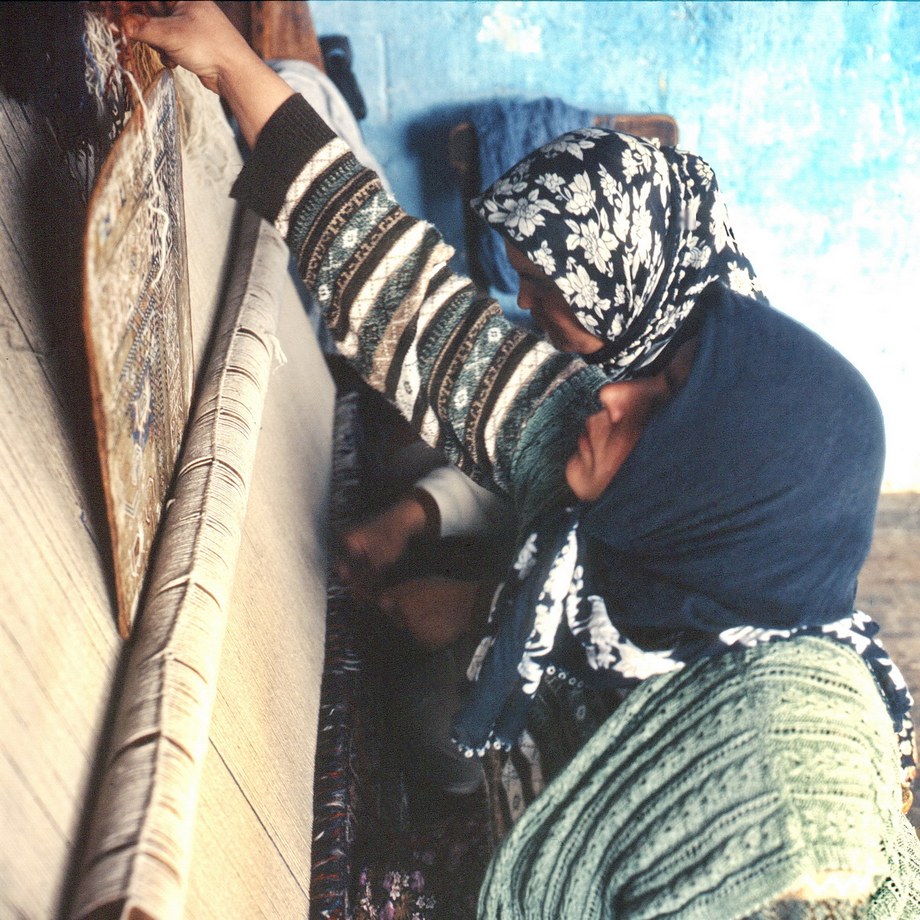
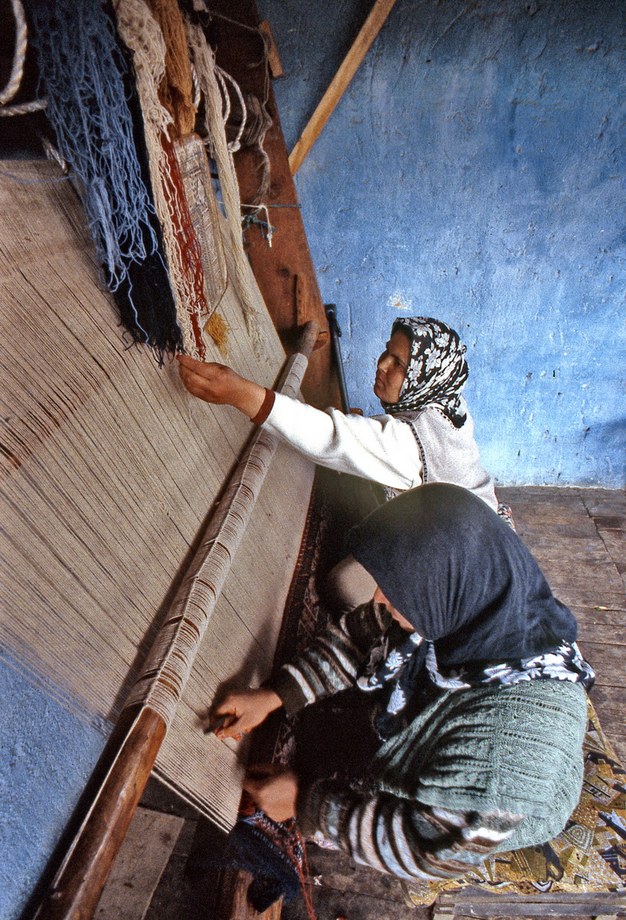
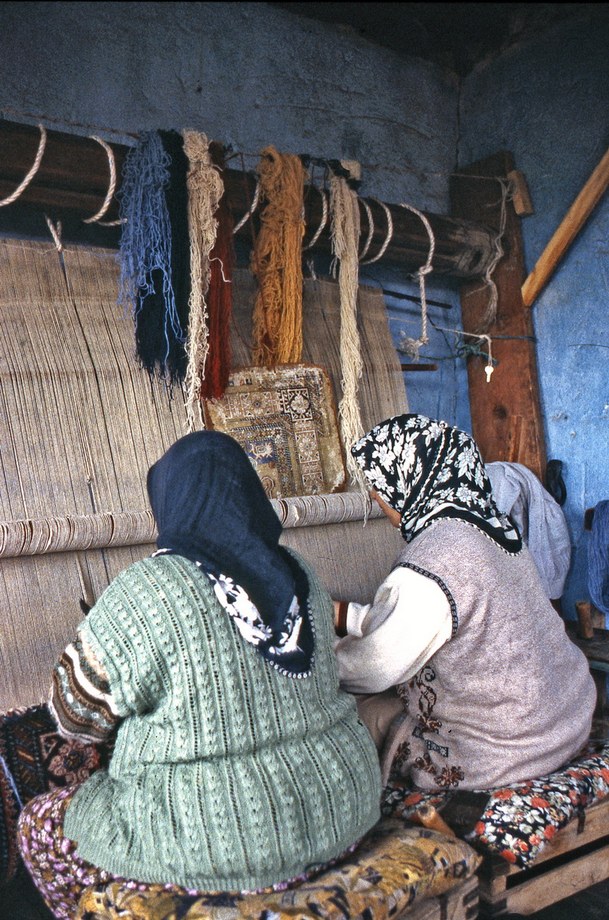
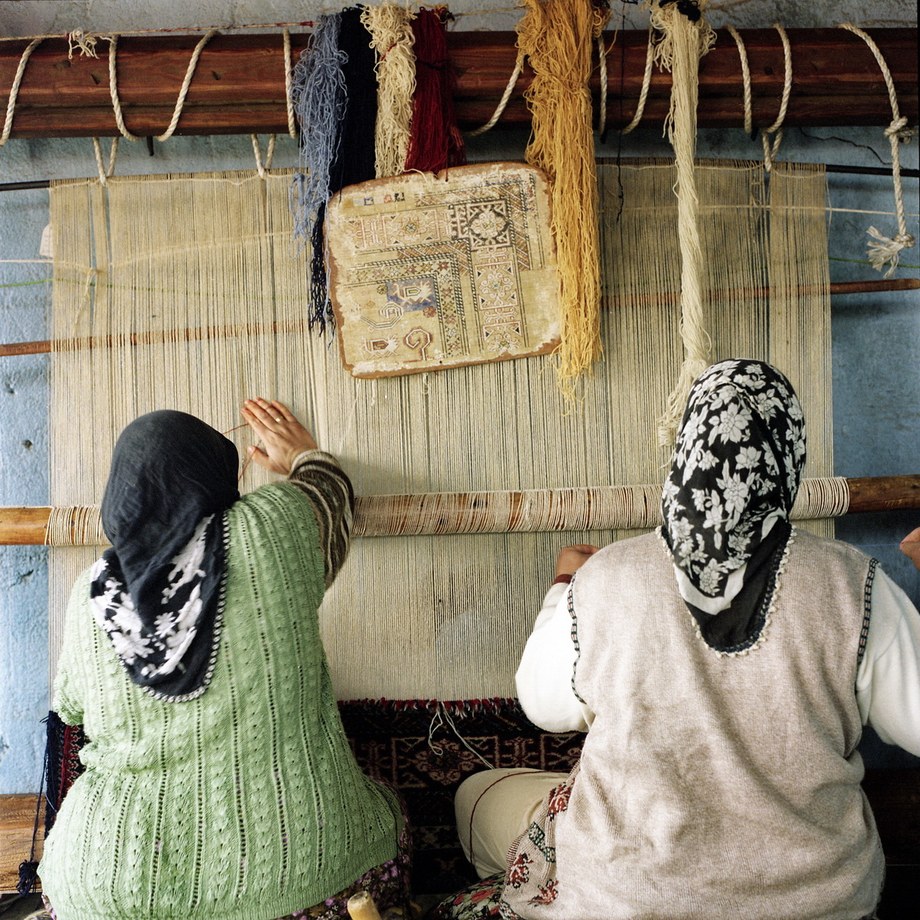
When I visited Mehmet again in 2002, he had retired from teaching and was living in Kula. He knew of my continuing interest in traditional crafts and took me to a house where carpet weaving was being practised. In a way, it felt like a continuation of our journeys three decades earlier: once again, Mehmet had led me to a place and to people whose lives I hoped to understand through photographs.
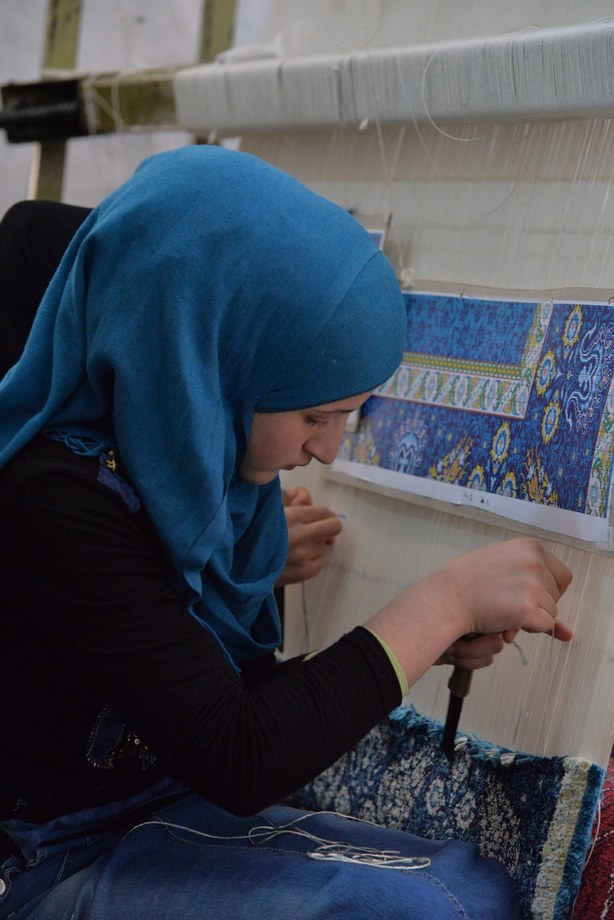
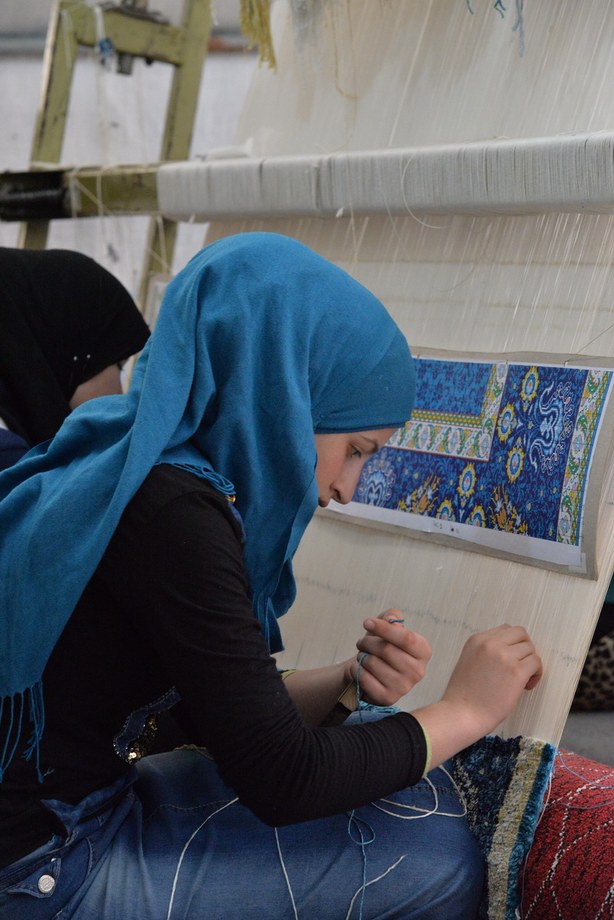
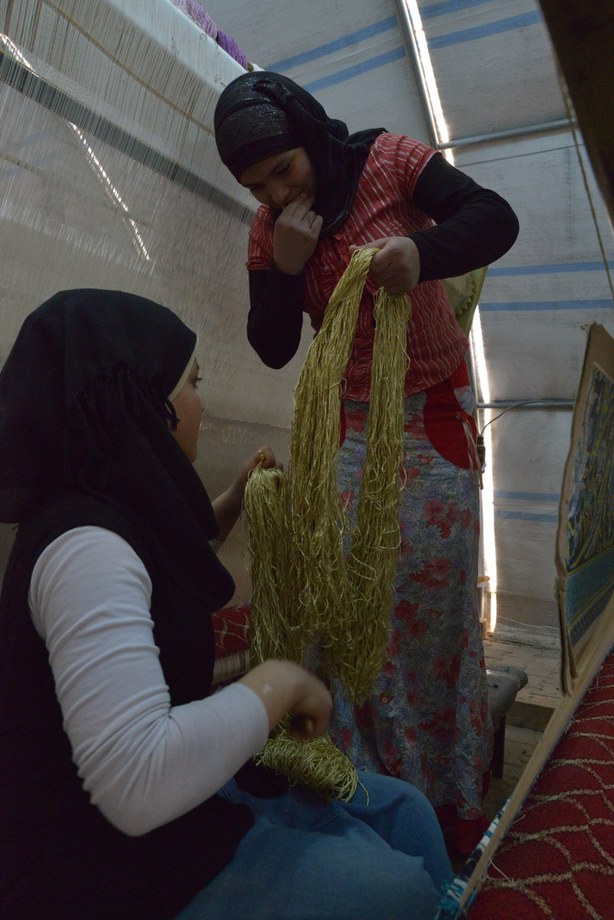
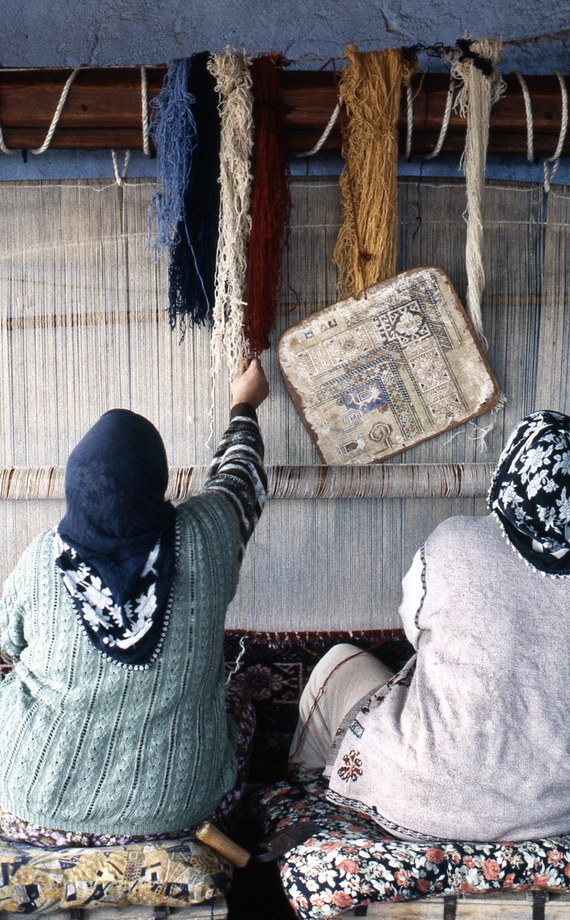
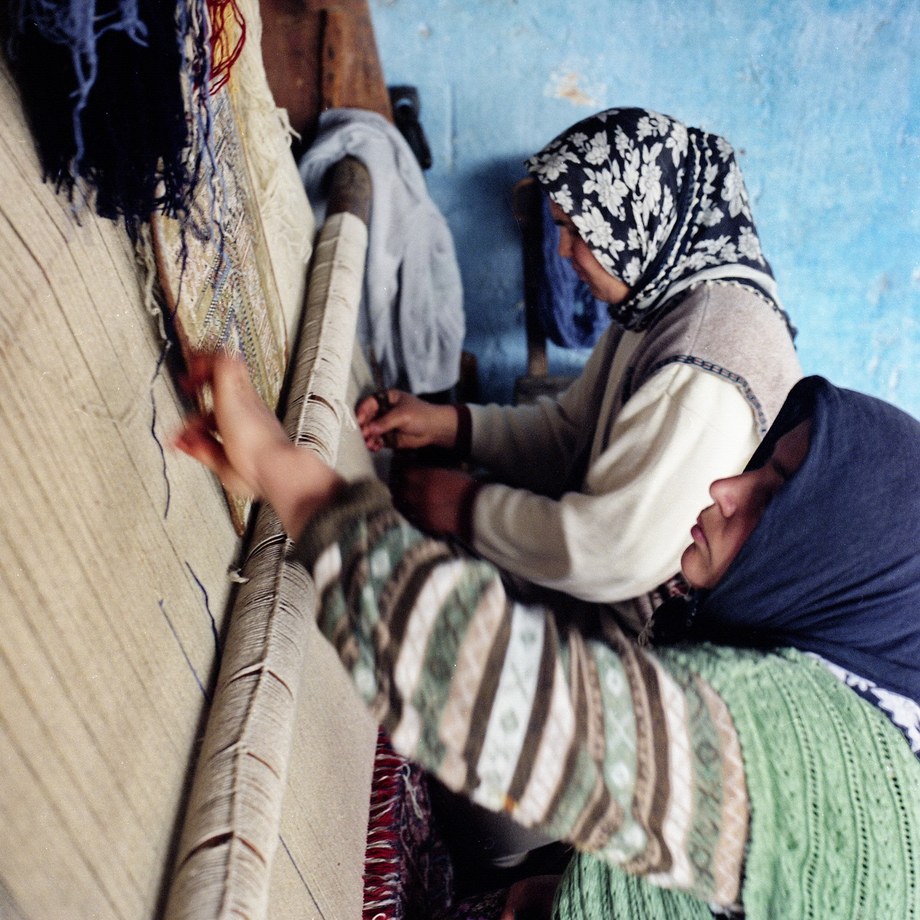
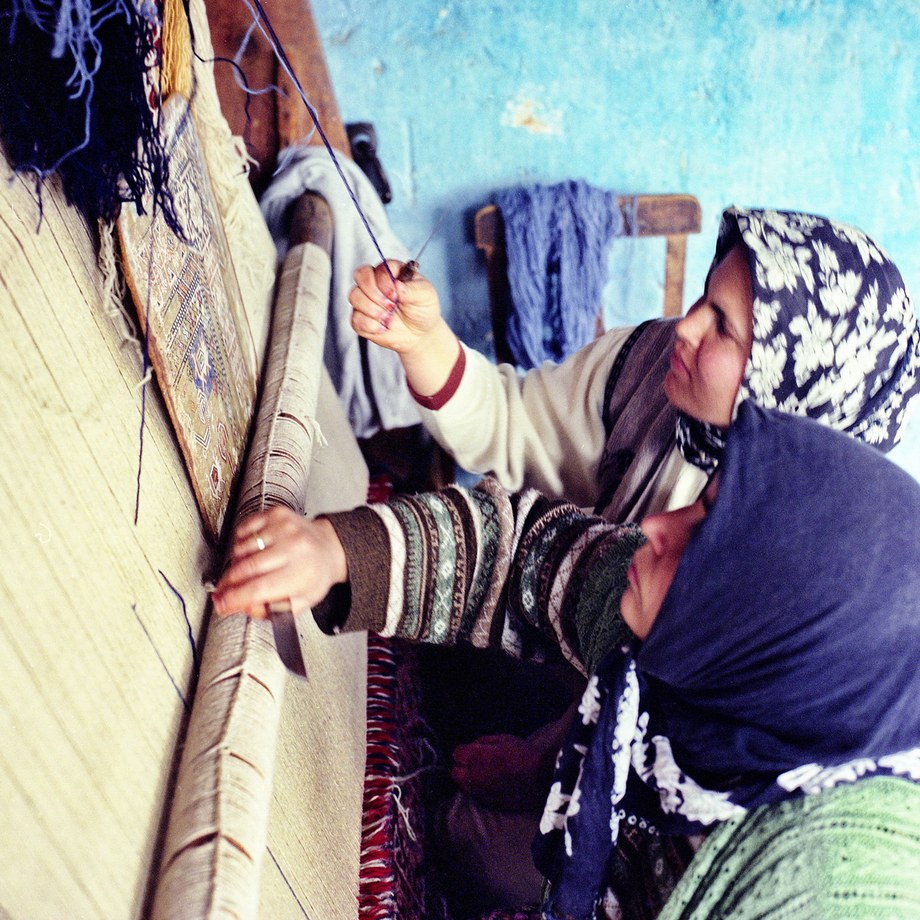
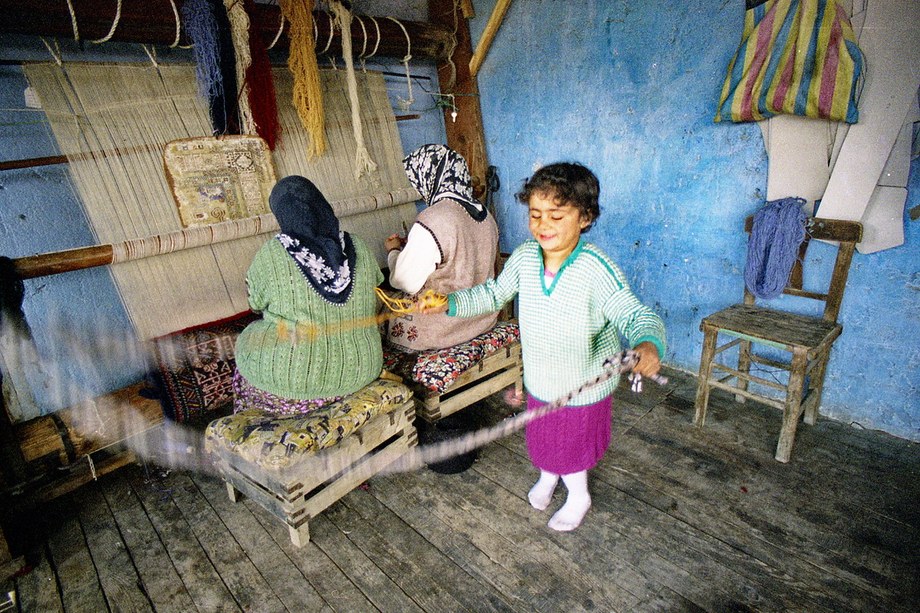
I worked with my analogue cameras, photographing the women at their looms, the stages of weaving and the domestic surroundings in which the work took place. I was interested not only in the finished carpet, but also in the process: the repeated movements, the close attention to the threads and the way the loom belonged to the life of the house.
One photograph from that visit remains especially dear to me. A little girl was skipping rope in the house, absorbed in her game. When she realised I was photographing her, she became shy and stopped. Nothing more happened; it was a brief, unplanned encounter. Yet the photograph has stayed with me because it preserves something beyond the craft itself — a small moment of childhood in the same home where the women were weaving.
Looking back, I see this series as more than a record of traditional carpet weaving. It also carries the memory of Mehmet Kabaca, his generosity and our long friendship. From the villages we travelled through on his Jawa motorcycle in the 1970s to the house he showed me in 2002, he remained connected to the path that brought me to these photographs.