
Pergamon — A City of History, Art and Medicine
Ancient Pergamon, overlooking the Bakırçay Plain in western Anatolia, rose to prominence as the capital of the Attalid kingdom in the third and second centuries BCE. Under Attalos I and Eumenes II, it became a major centre of architecture, sculpture and learning. The kingdom passed to Rome in 133 BCE, but the city continued to flourish.
The Acropolis
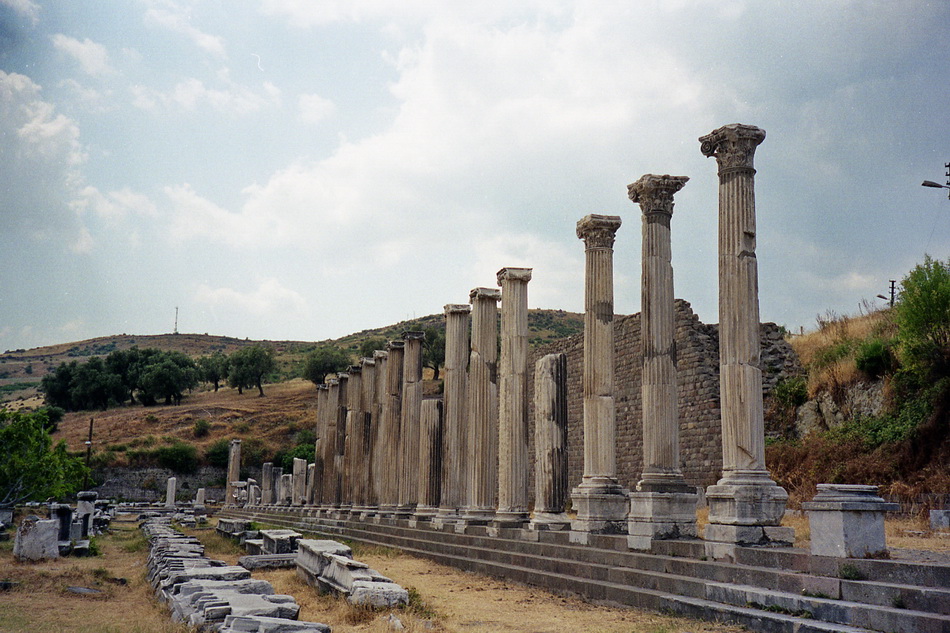
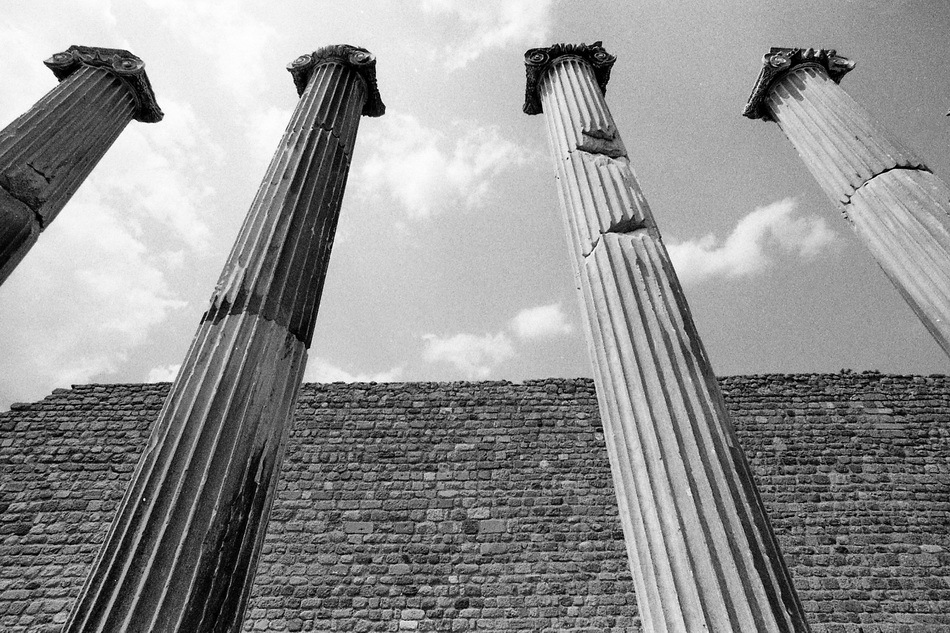
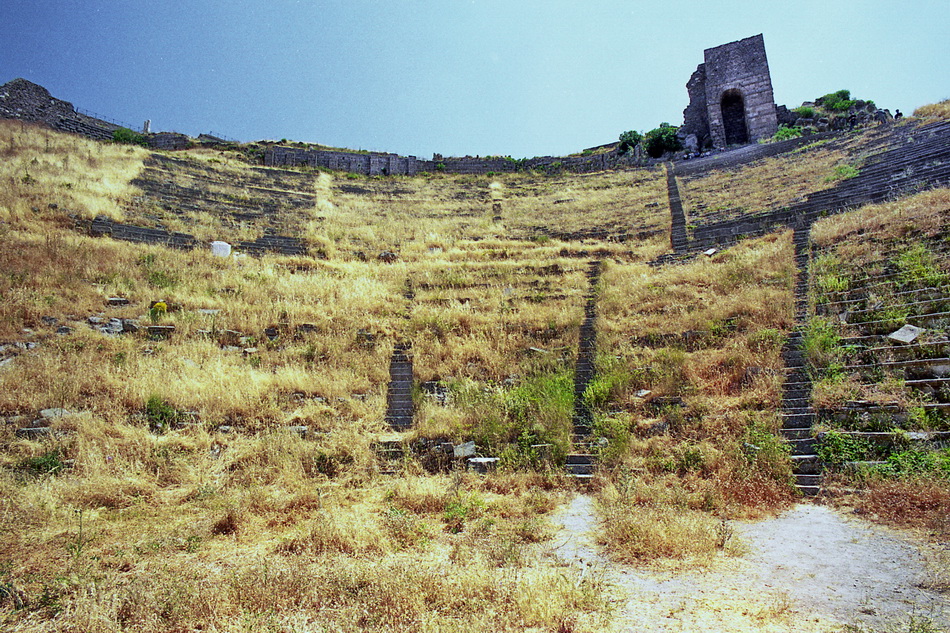
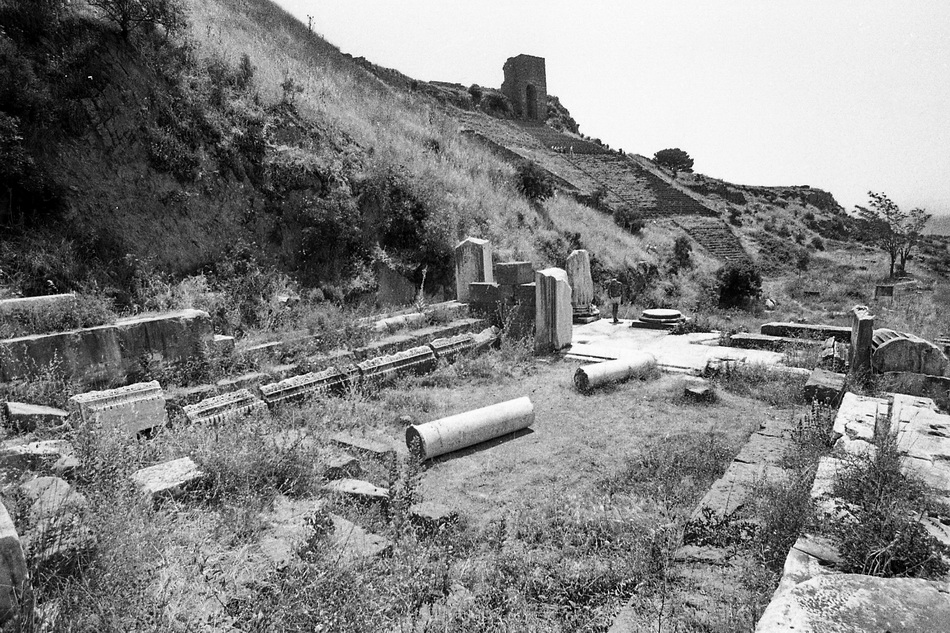
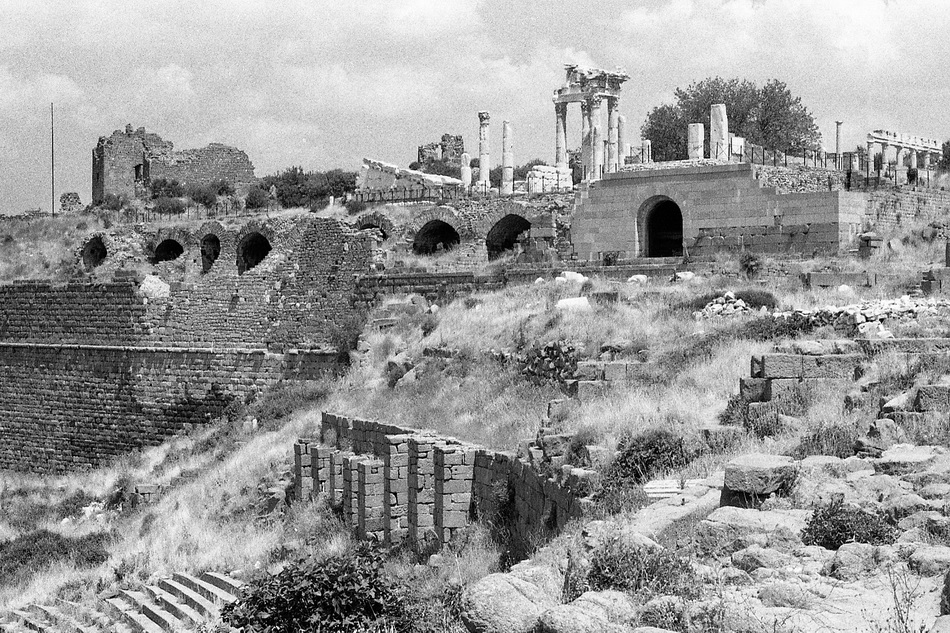
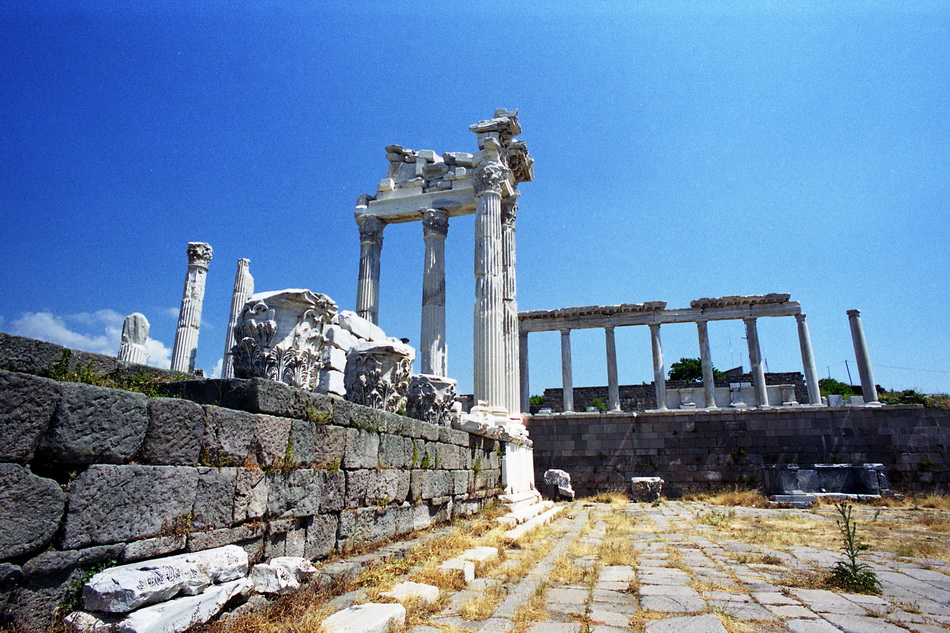
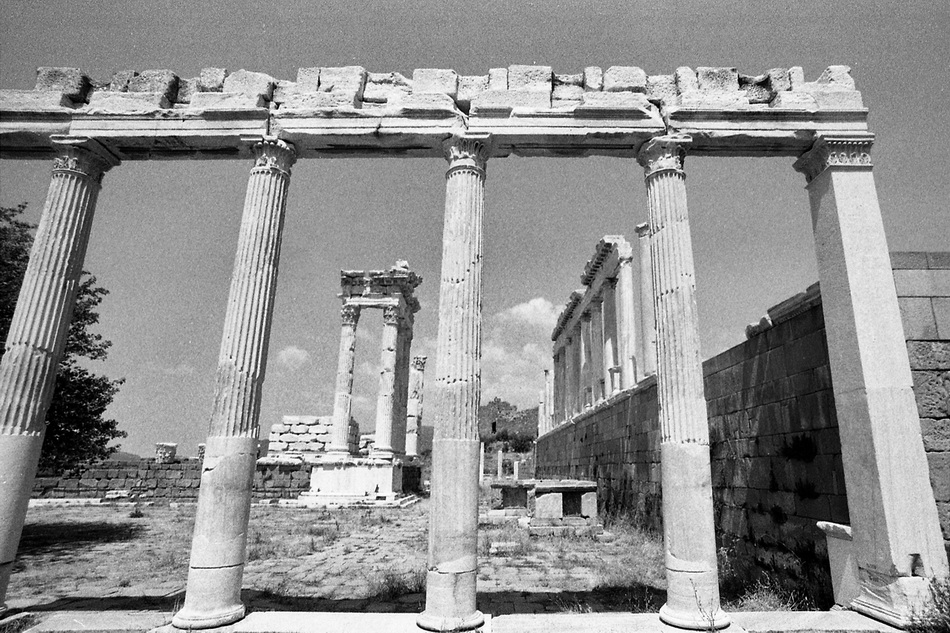
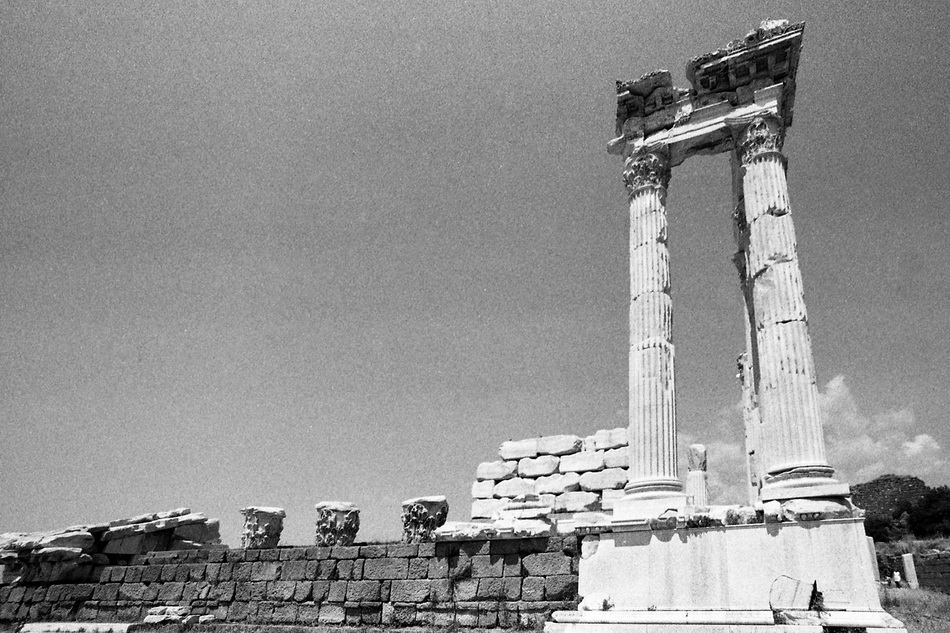
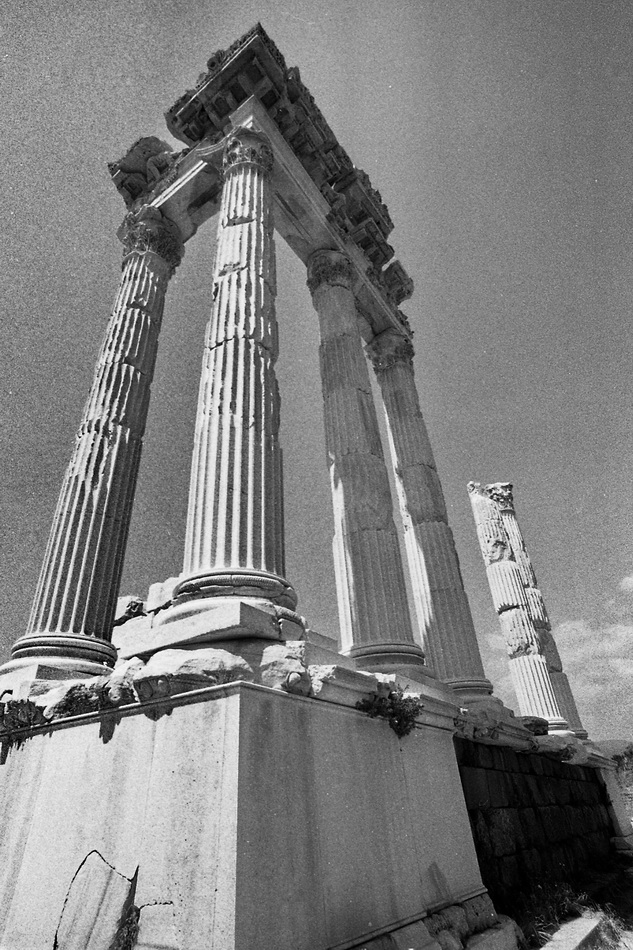
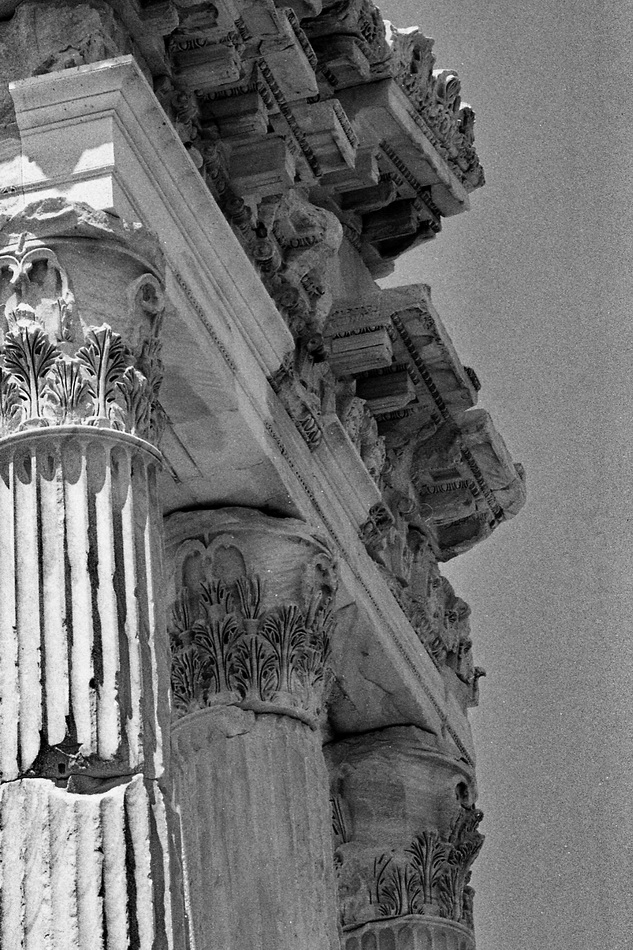
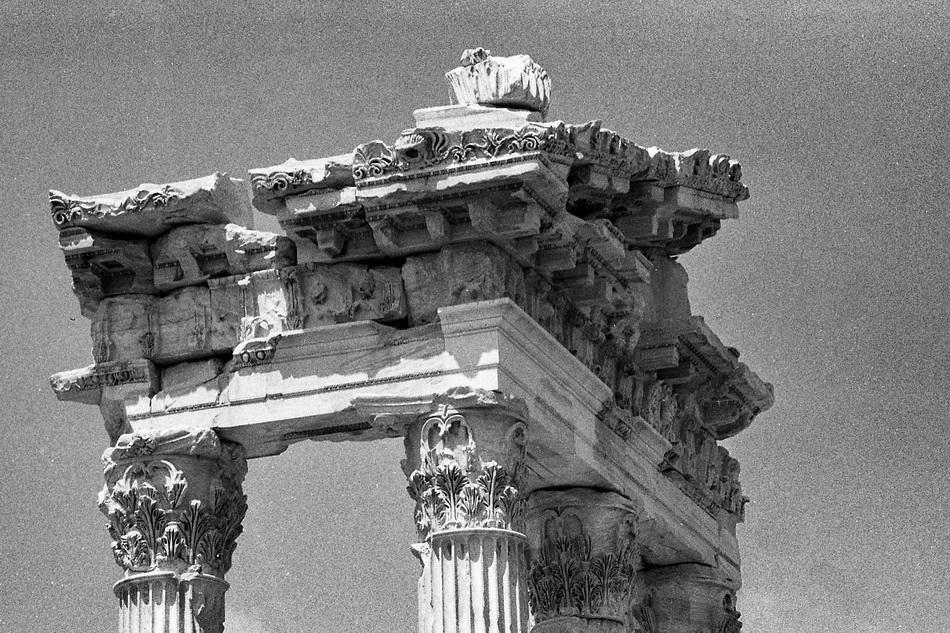
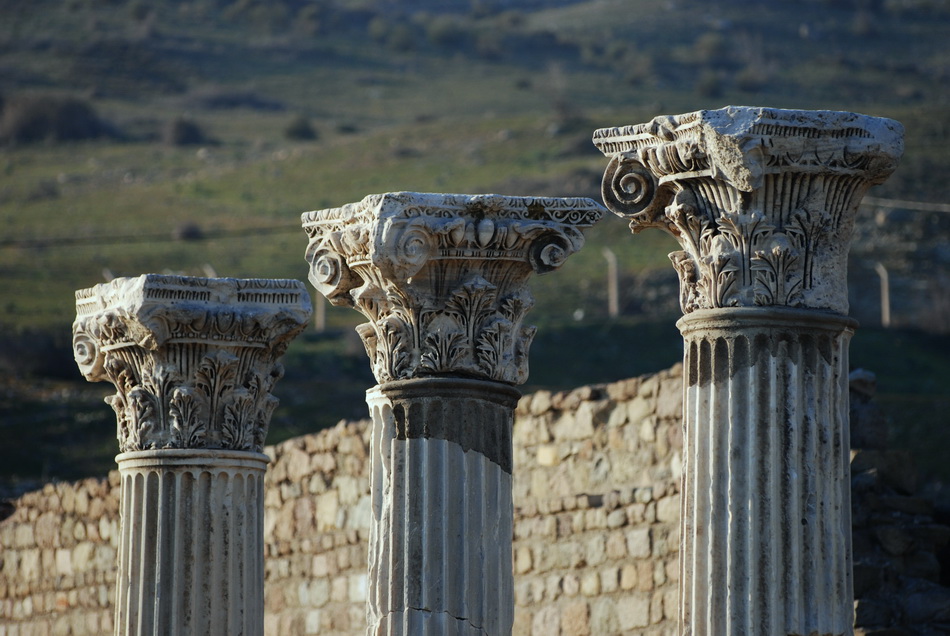
Built on steep terraces above the plain, the Acropolis brought together royal palaces, the Sanctuary of Athena, a renowned library and a theatre seating around 10,000 spectators. The Great Altar, traditionally known as the Altar of Zeus, was celebrated for its dramatic sculpted frieze; much of it is now in Berlin. The columns of the Roman Temple of Trajan remain among Pergamon’s most recognisable landmarks. The gymnasium and ancient water systems reveal the sophistication of the city’s planning.
The Mother Goddess and Ancient Beliefs
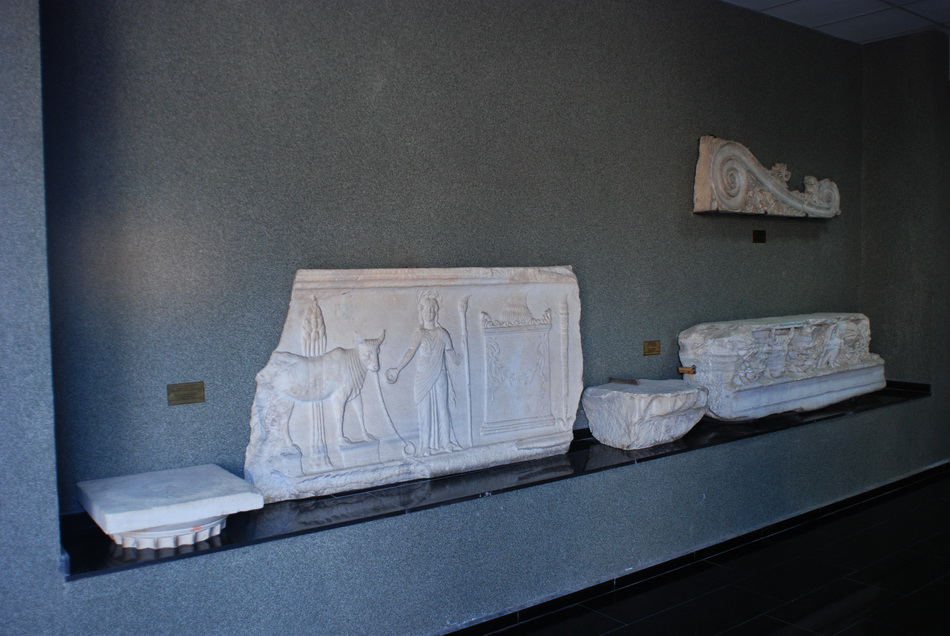
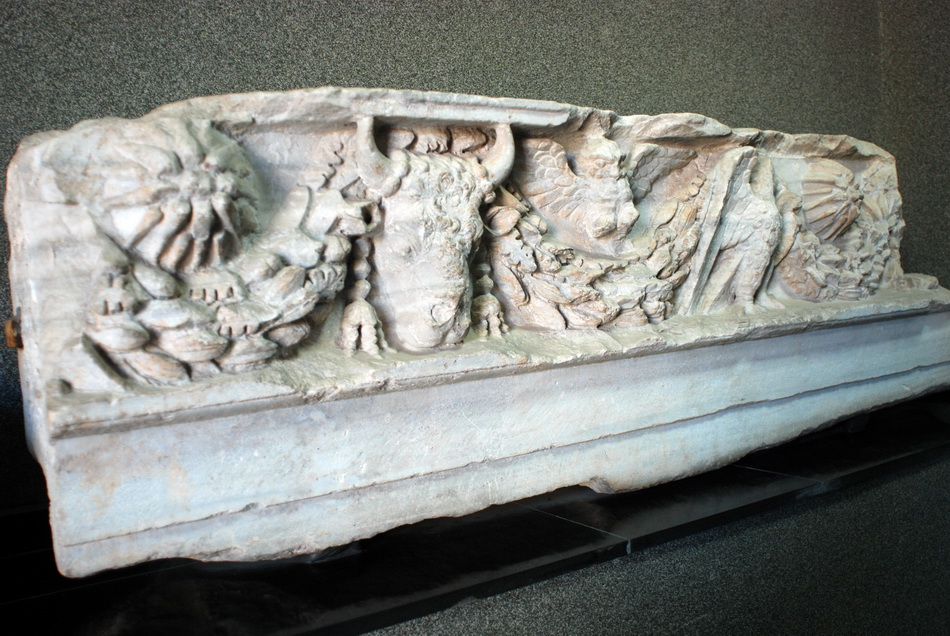
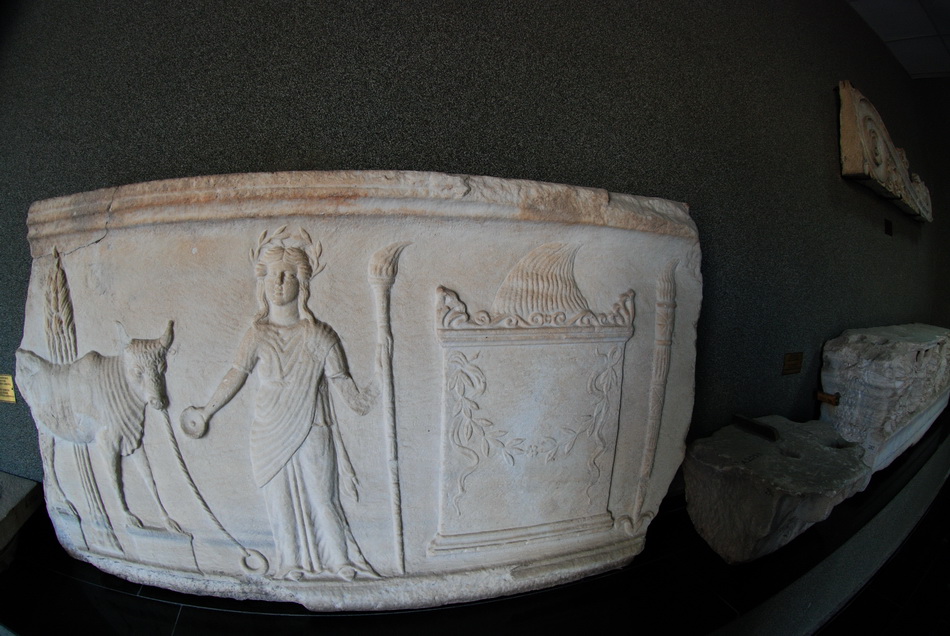
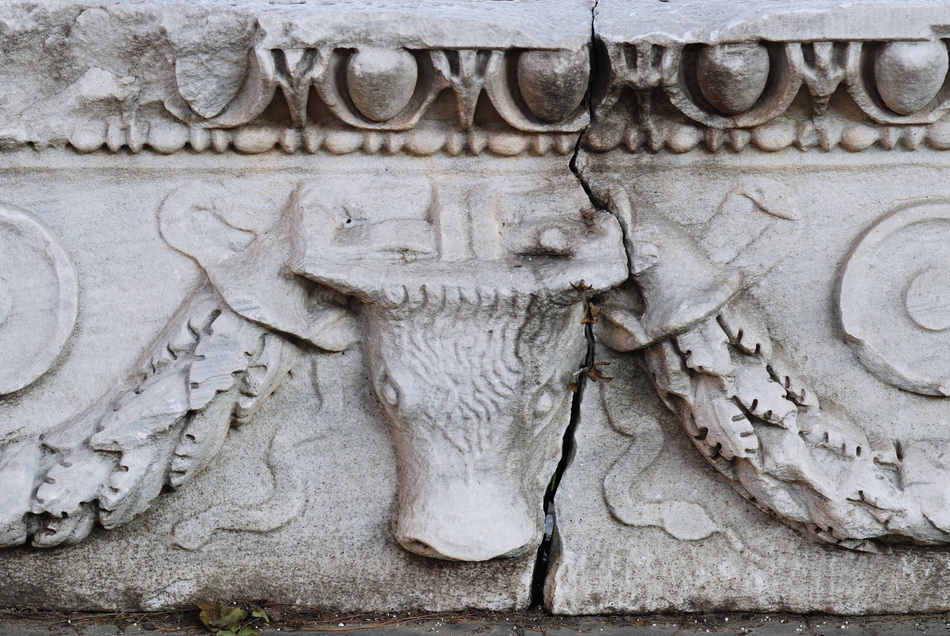
Alongside the Olympian gods, the region preserved older Anatolian traditions. The Mother Goddess Cybele was worshipped near Pergamon as Meter Aspordene, notably at the Mamurt Kale sanctuary, associated with the early Attalid rulers. Demeter, goddess of grain and agriculture, also had a sanctuary in the city. Bull imagery in ancient reliefs can evoke sacrifice and fertility, but does not by itself identify a particular goddess.
Learning, Parchment and Medicine
Pergamon’s library was one of the great scholarly institutions of the Hellenistic world. The city became closely associated with parchment, although writing on prepared animal skin predates Pergamon. The scholar Crates of Mallus worked here, while Apollodorus of Pergamon later became a prominent teacher of rhetoric in Rome.
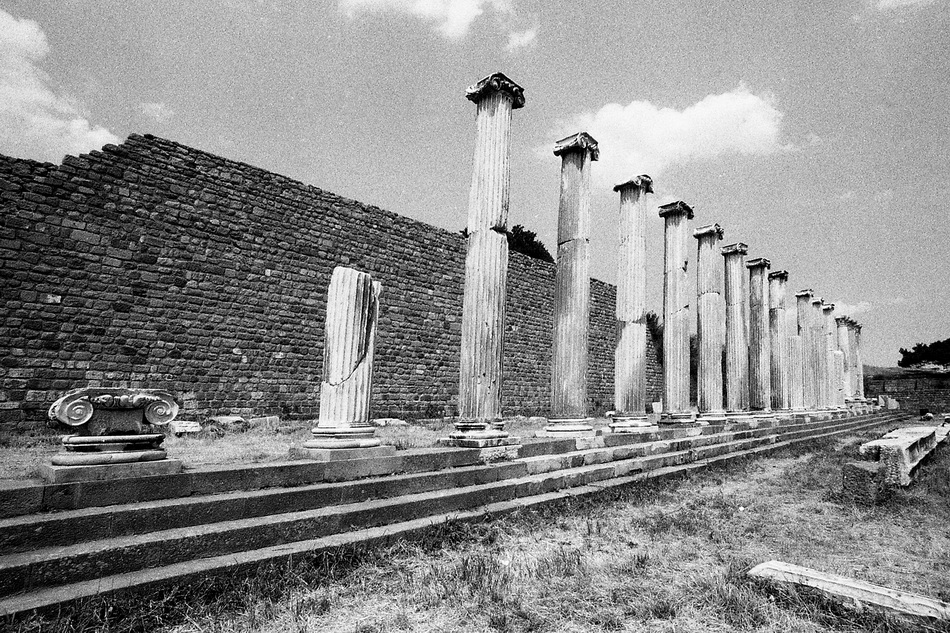
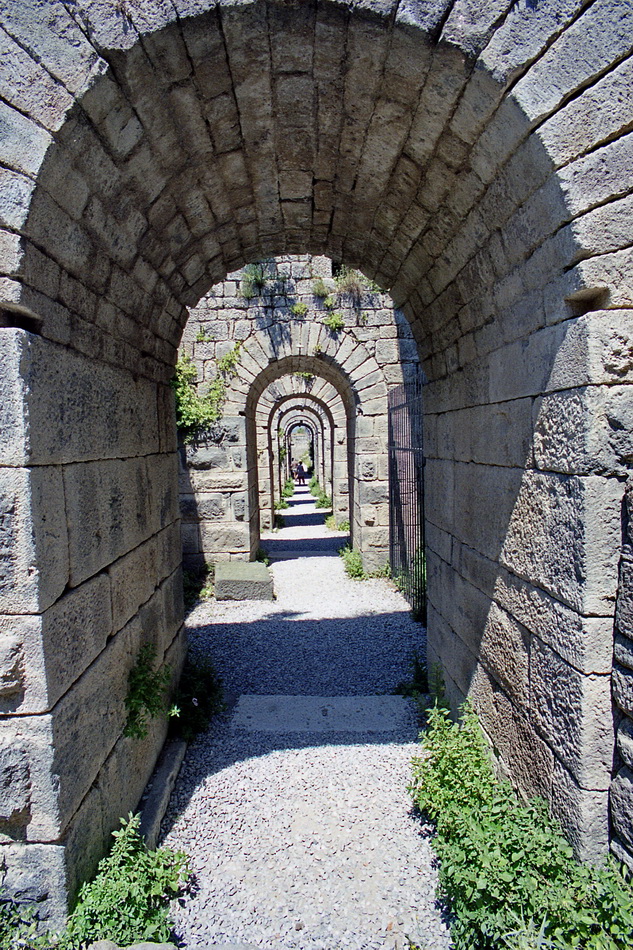
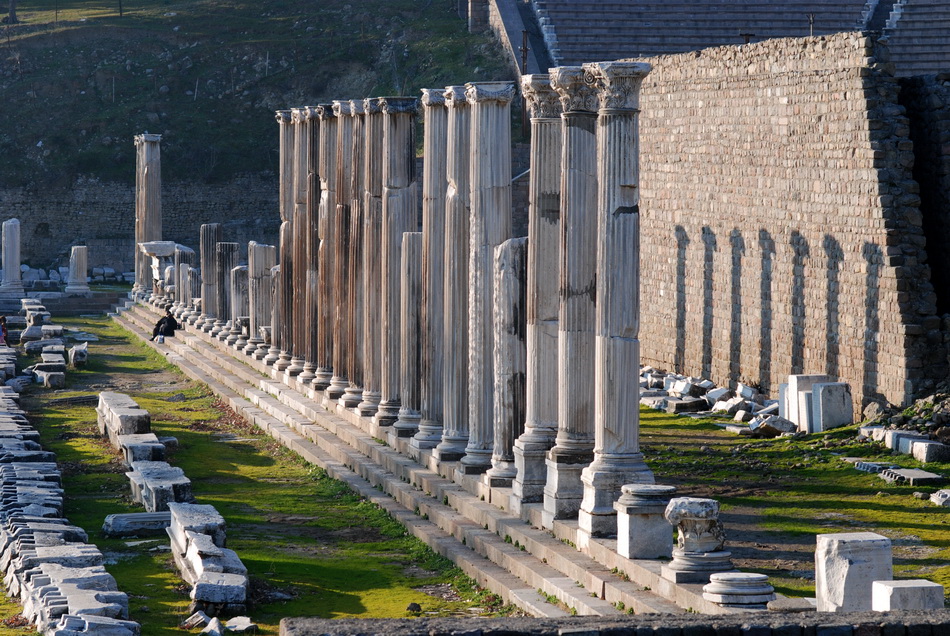
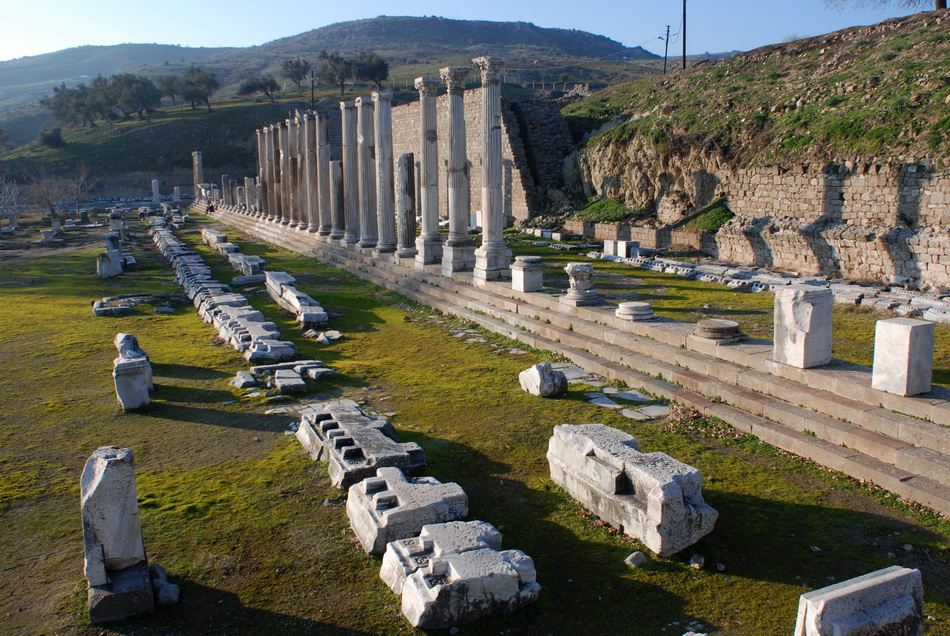
Beyond the city lay the Asclepieion, a sanctuary of healing reached by the sacred route known as the Via Tecta. Treatments combined the medical practices and religious beliefs of the time. The physician Galen, born in Pergamon in 129 CE, gained experience treating gladiators before becoming one of the most influential figures in the history of medicine. The orator Aelius Aristides also left a remarkable account of his experiences at the Asclepieion.
The Red Basilica and the Living City
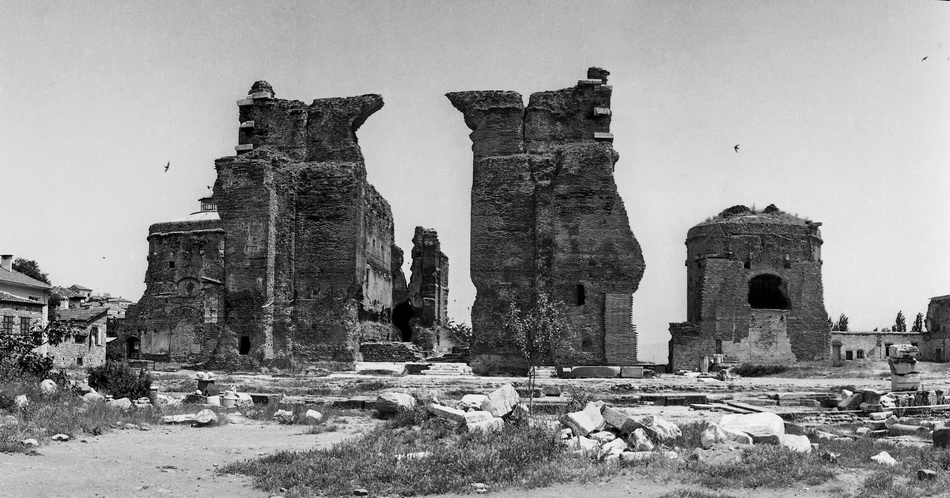
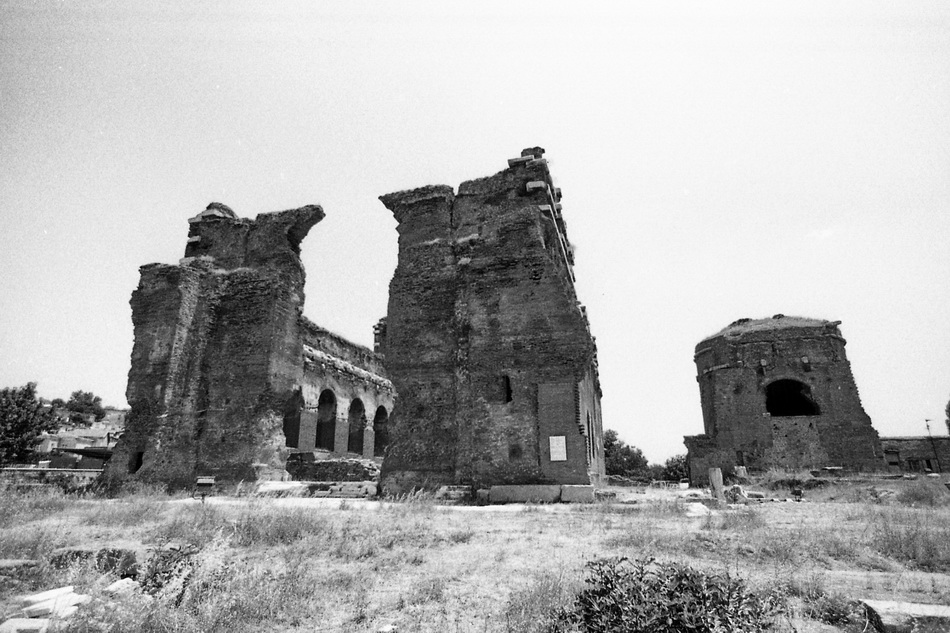
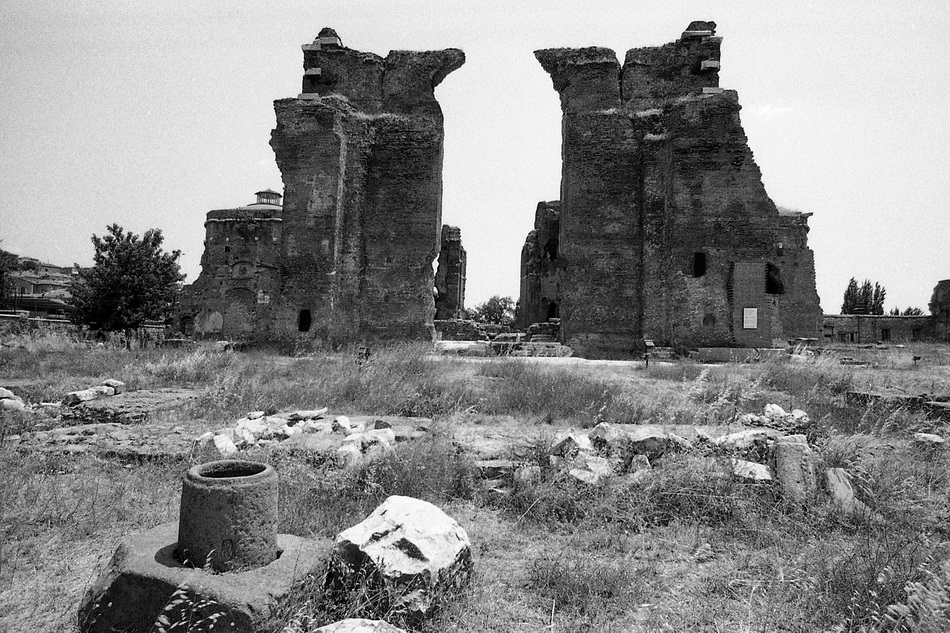
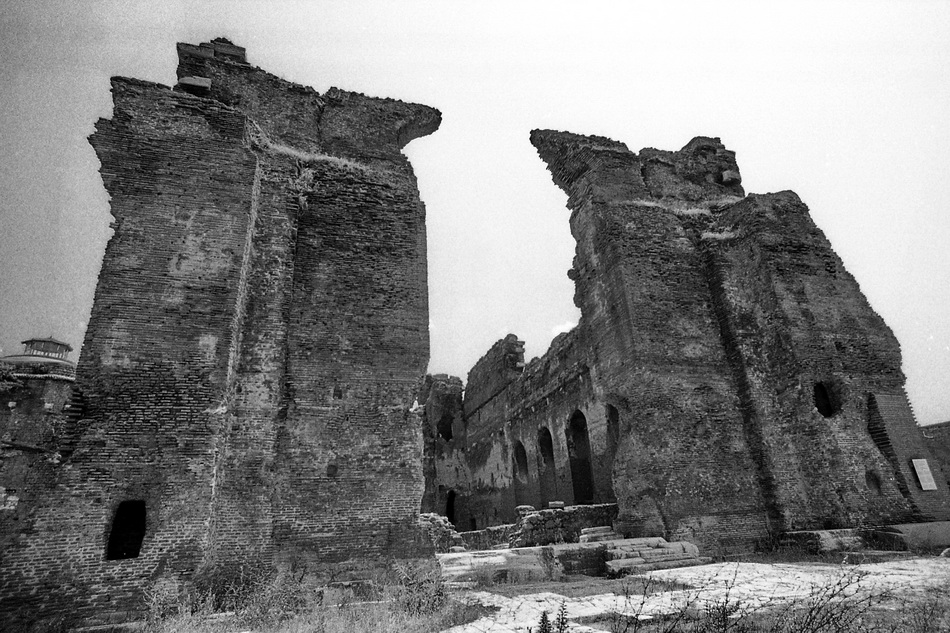
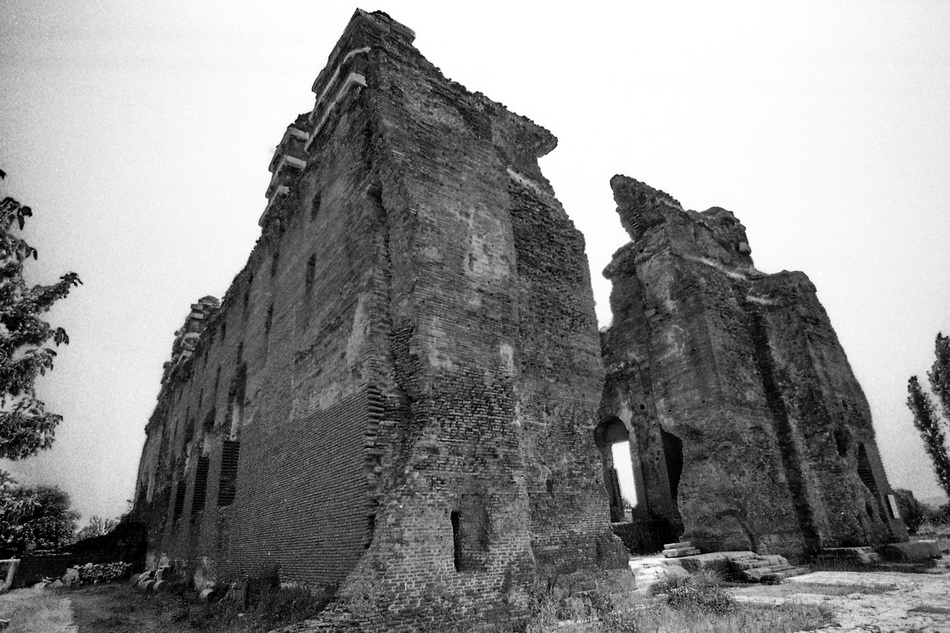
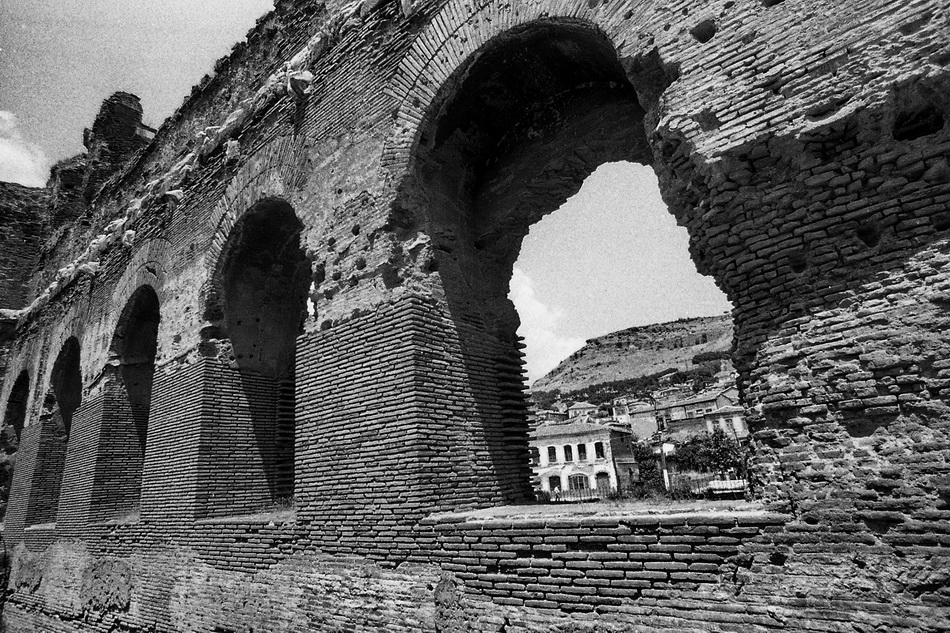
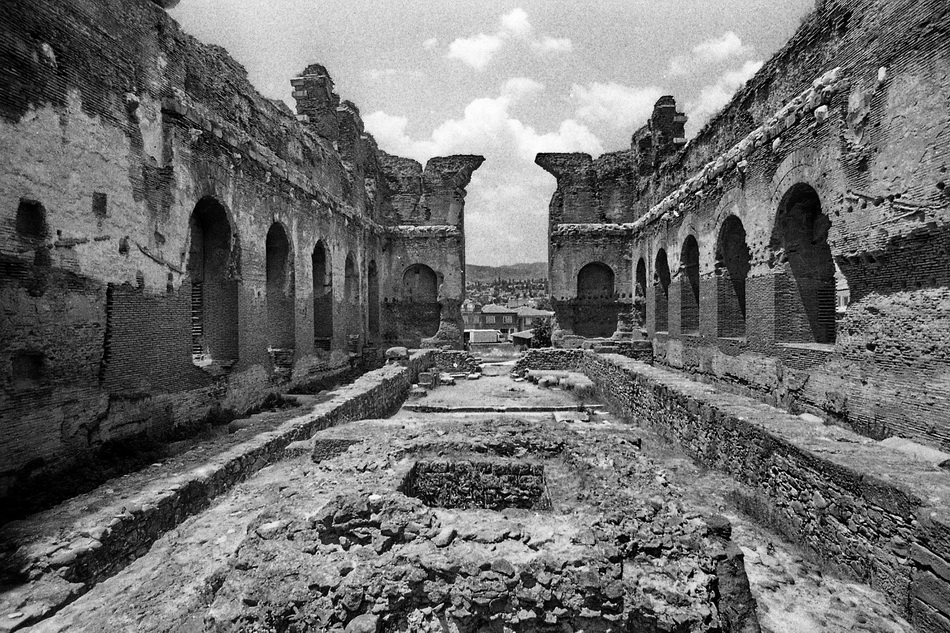
The immense brick complex known as the Red Basilica was built in the Roman period and associated with Egyptian deities. Its later adaptations reflect Bergama’s changing religious traditions. Byzantine and Ottoman neighbourhoods grew around the ancient remains, adding further layers to the city. Pergamon and its multi-layered cultural landscape were inscribed on the UNESCO World Heritage List in 2014.
My Photographic Journey — 1972, 1999 and 2008
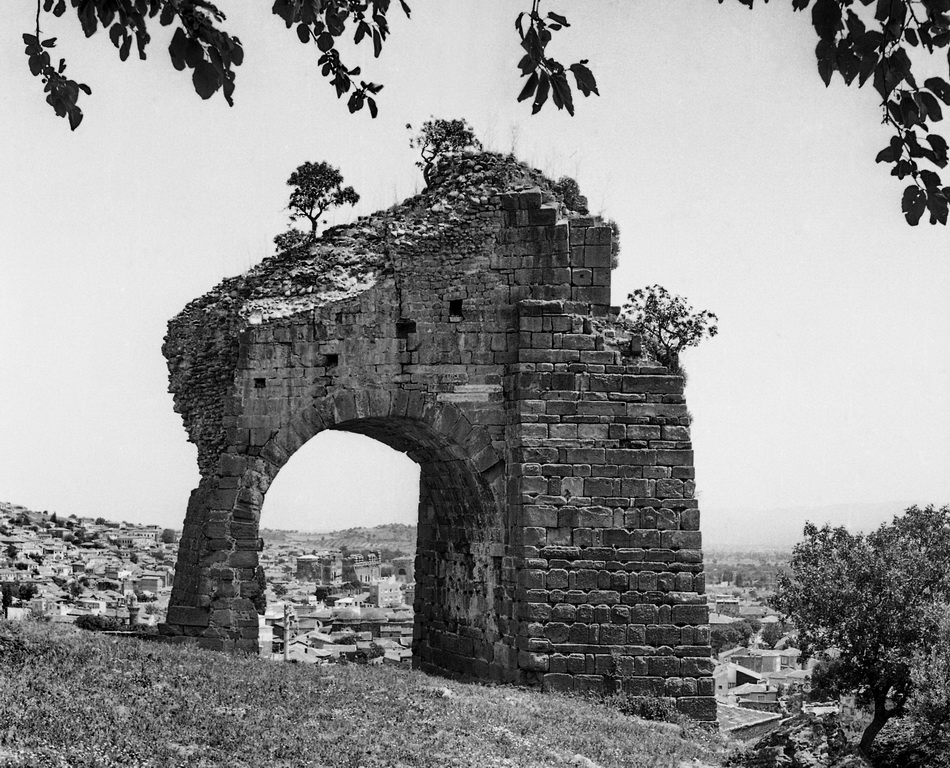
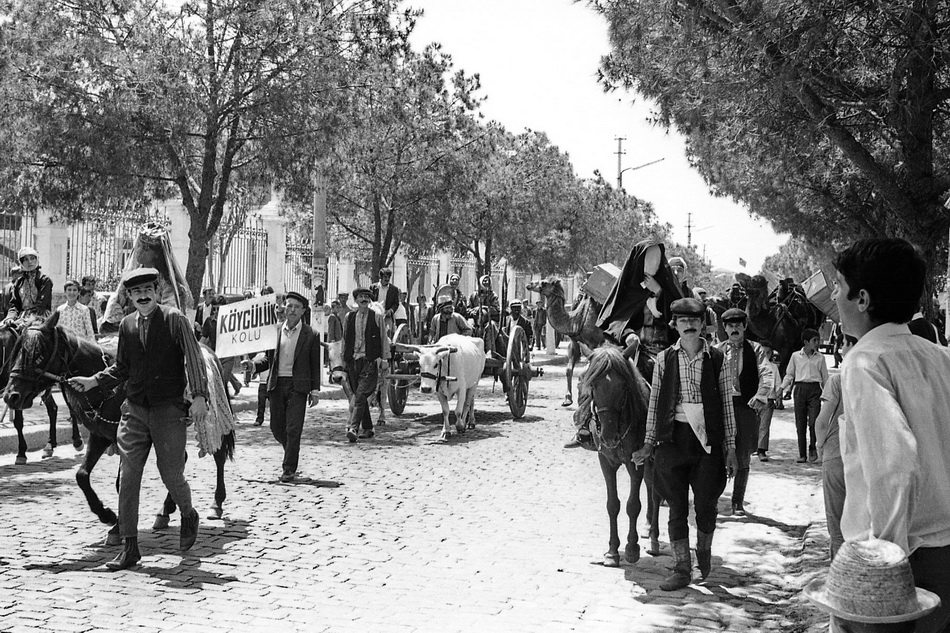
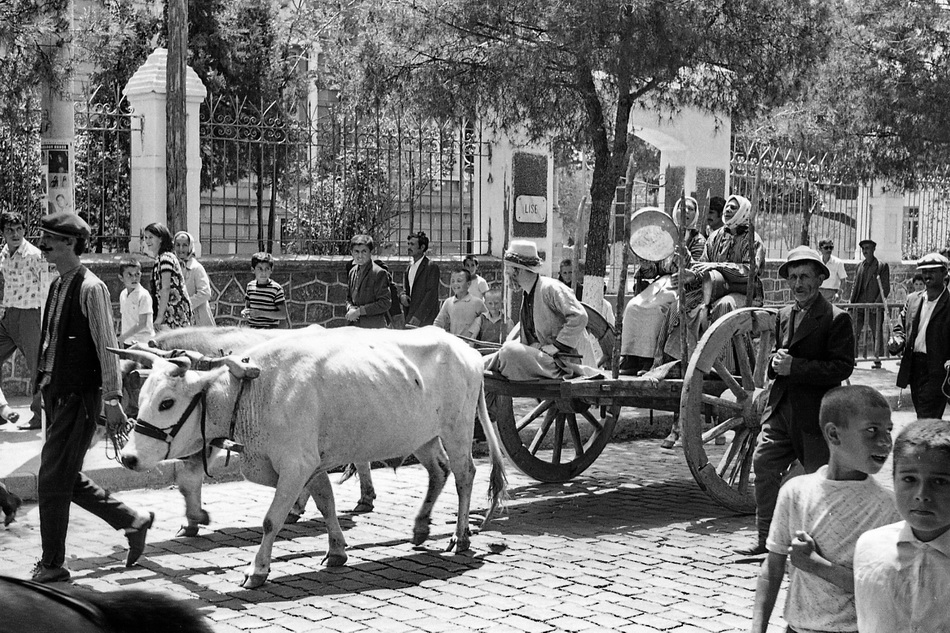
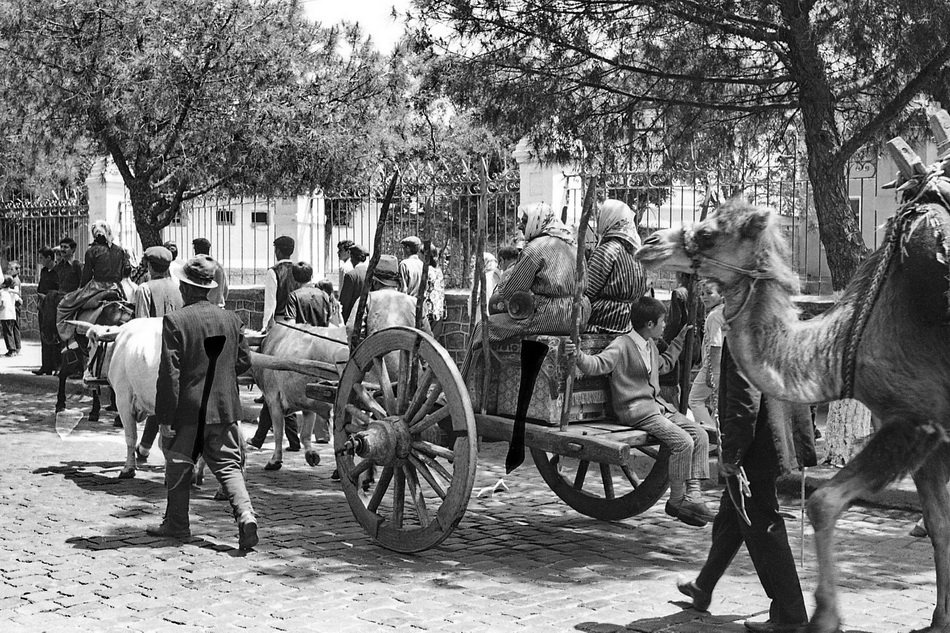
I first visited Bergama in 1972, when I was photographing festivals. I may have travelled there for the Bergama Festival, although I no longer remember the exact date. I photographed a street procession with ox carts, a camel and people in traditional dress. During that visit I also photographed the Red Basilica and Viran Kapı, a Roman-period monumental passage in the Atmaca neighbourhood associated with the route to the Asclepieion. Years later, I joined two of those negatives into a panorama.
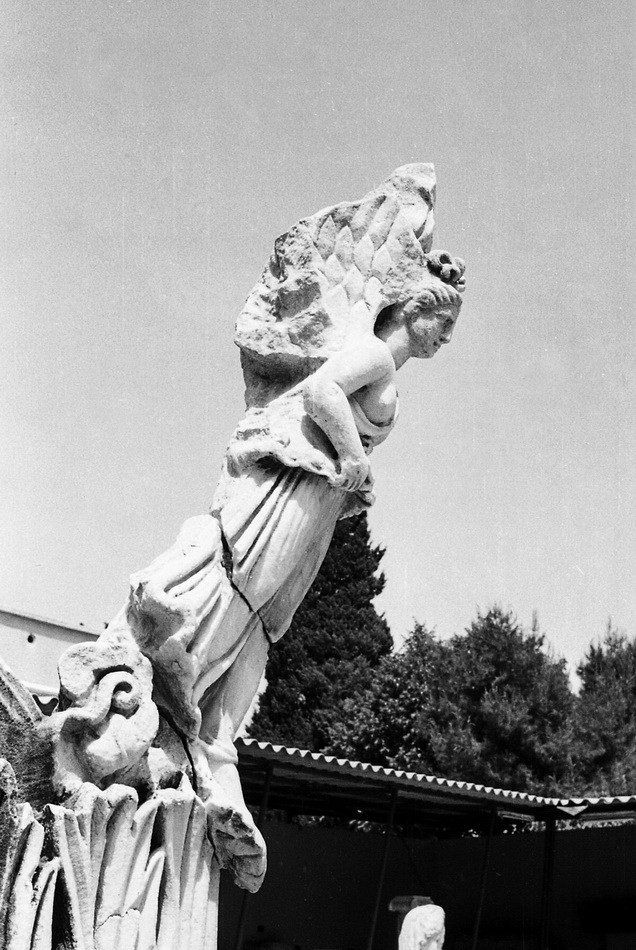
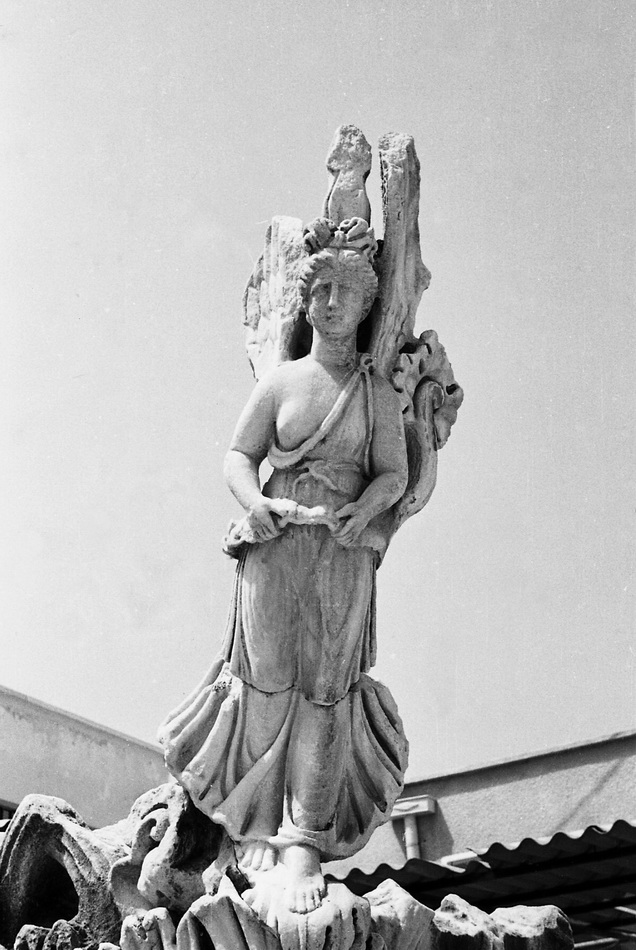
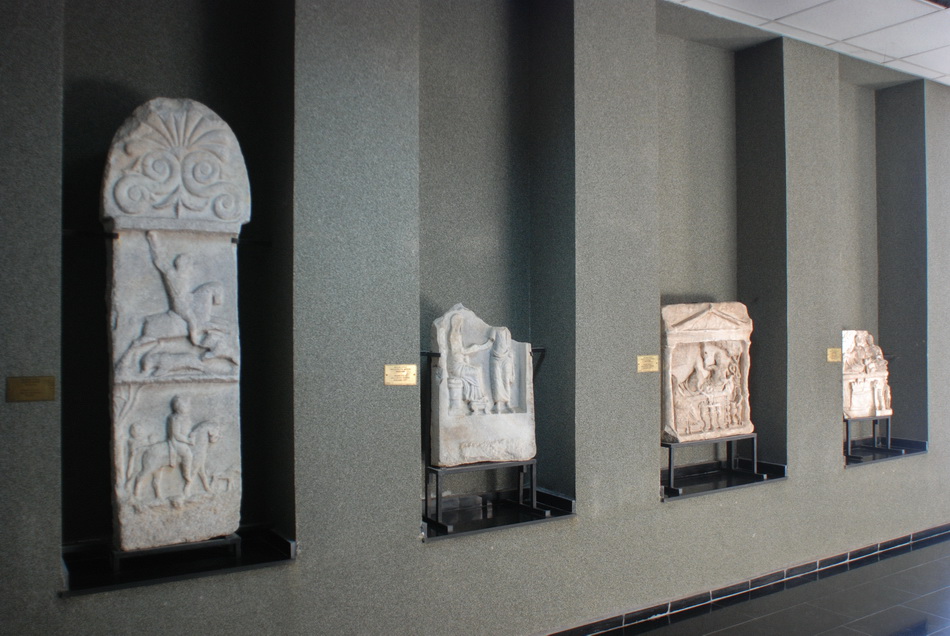
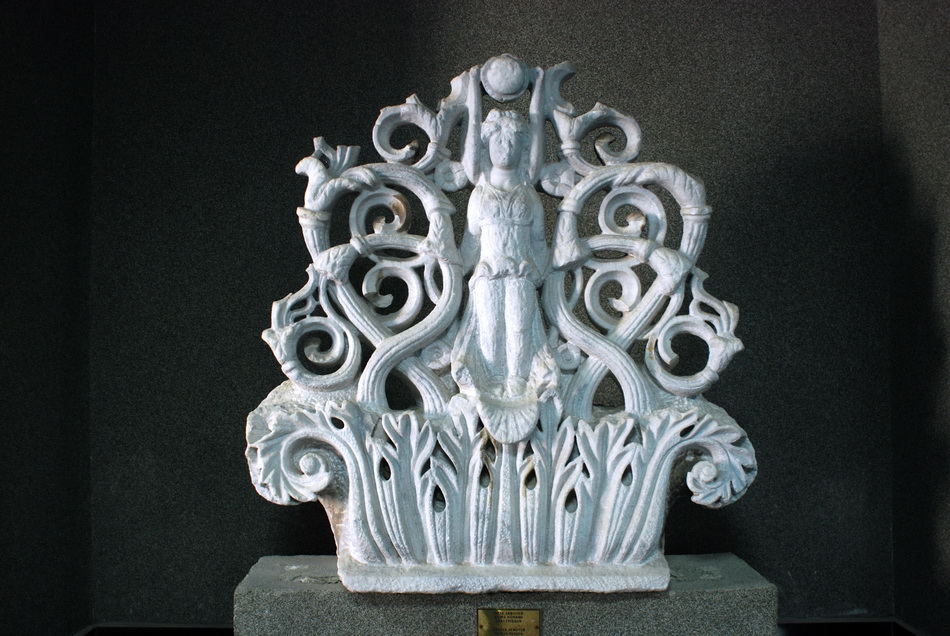
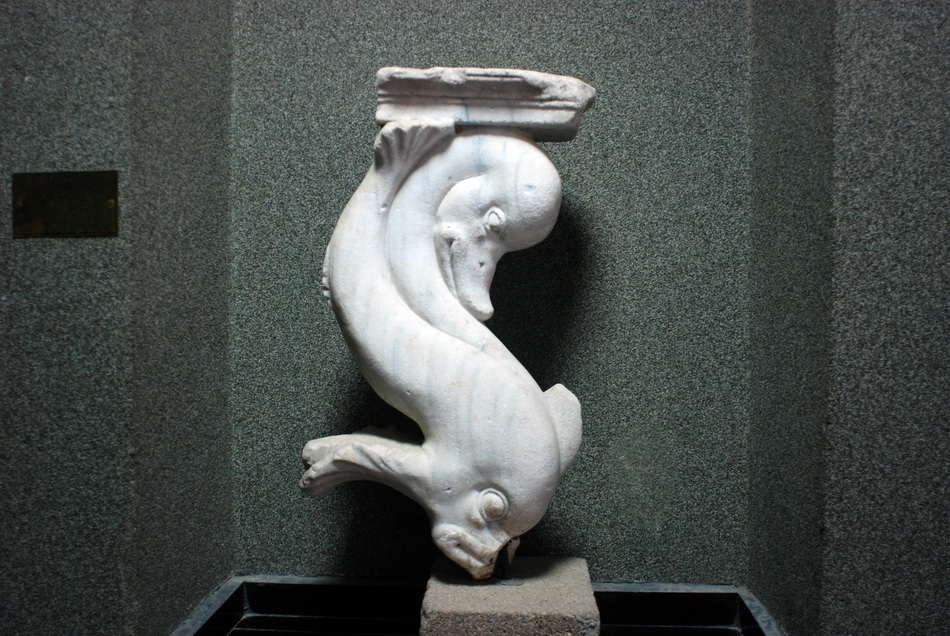
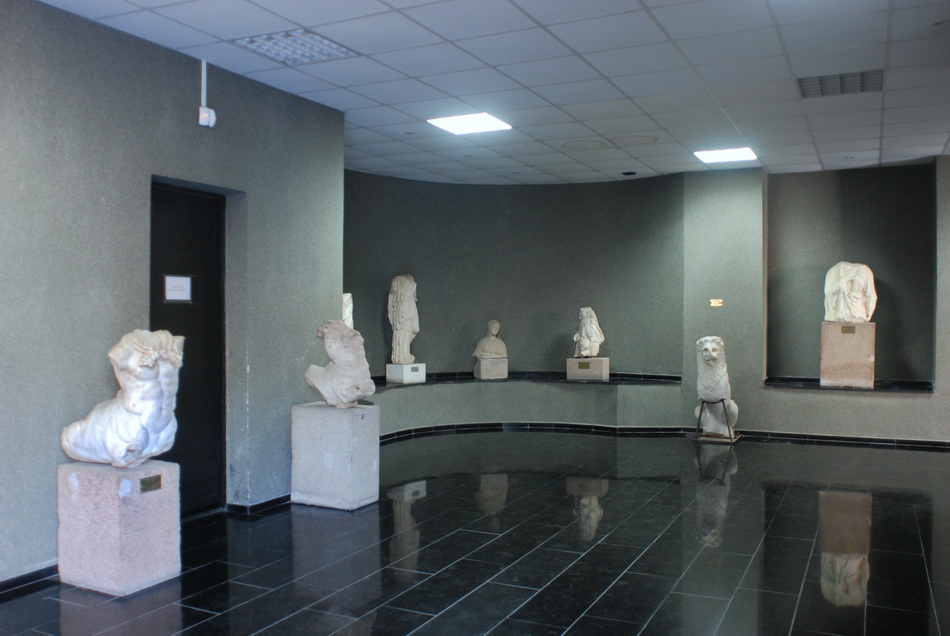
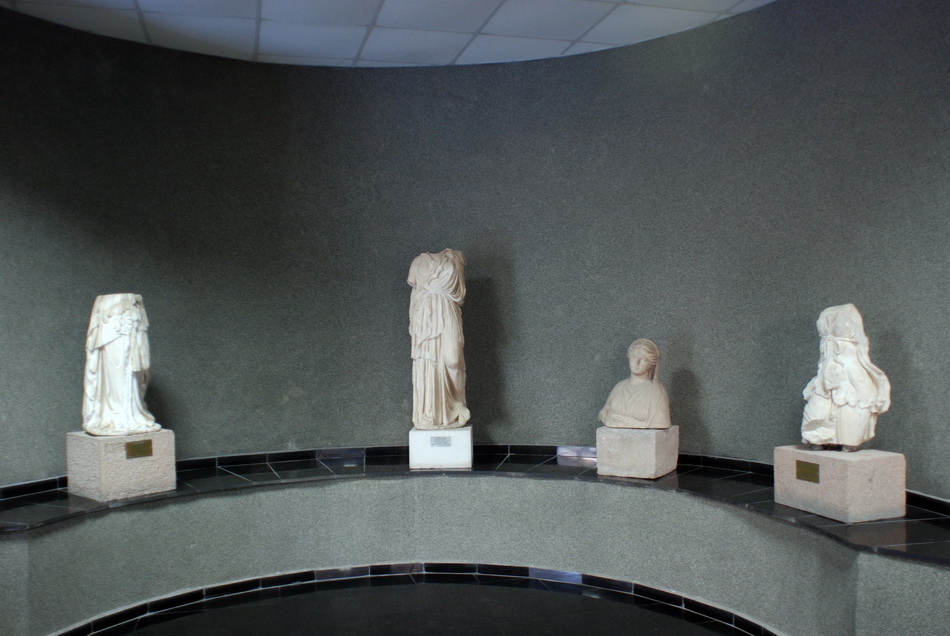
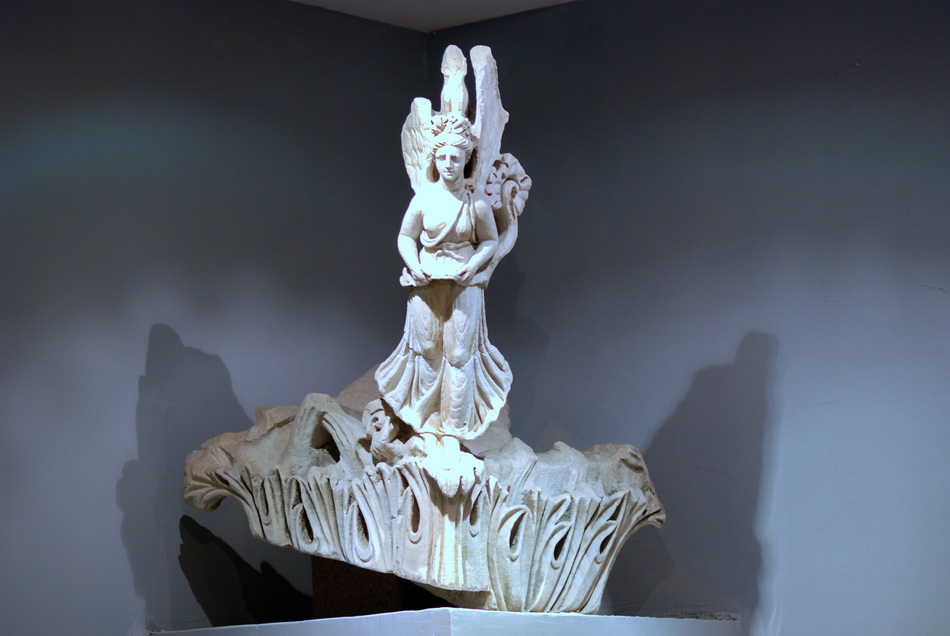
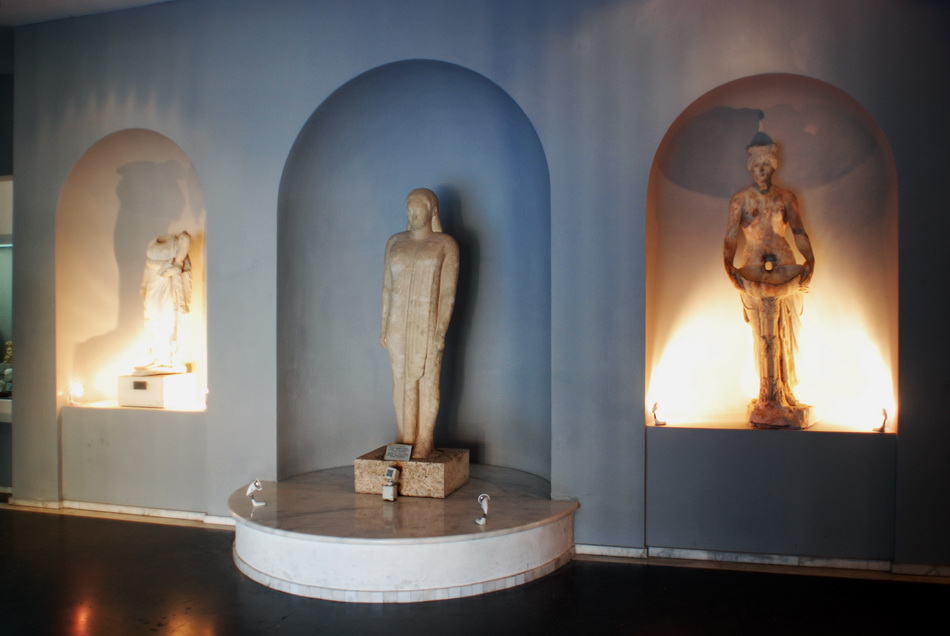
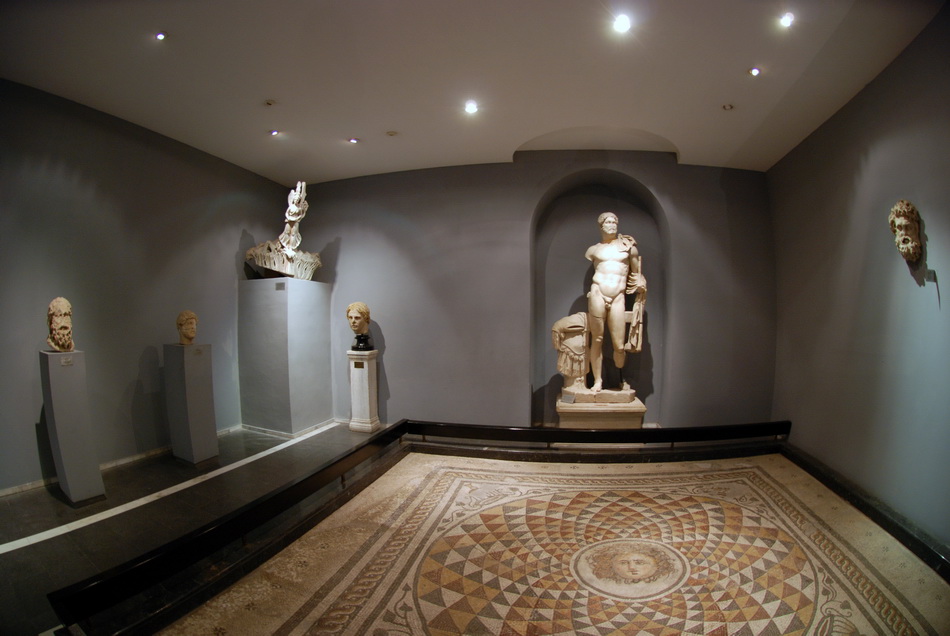
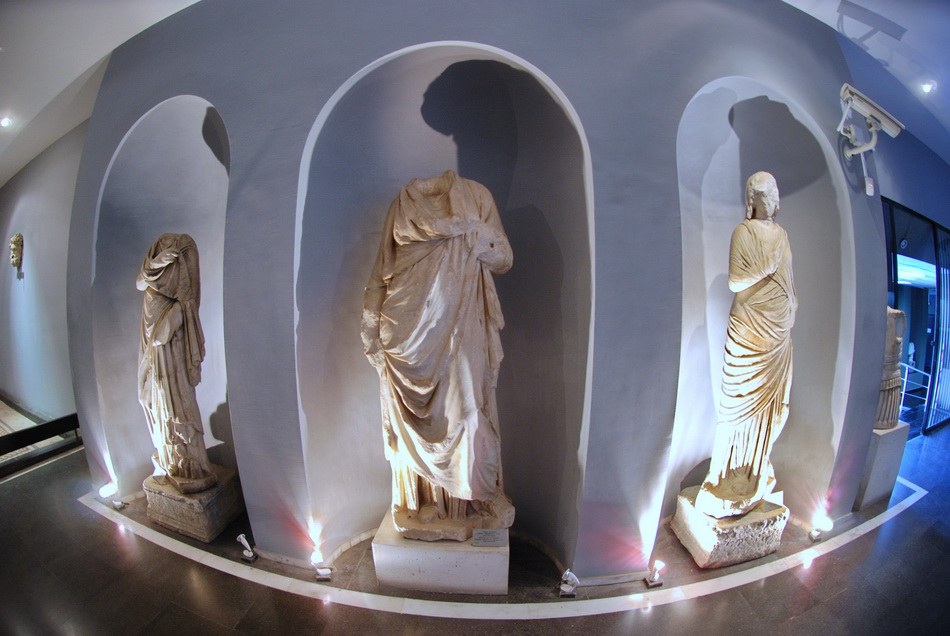
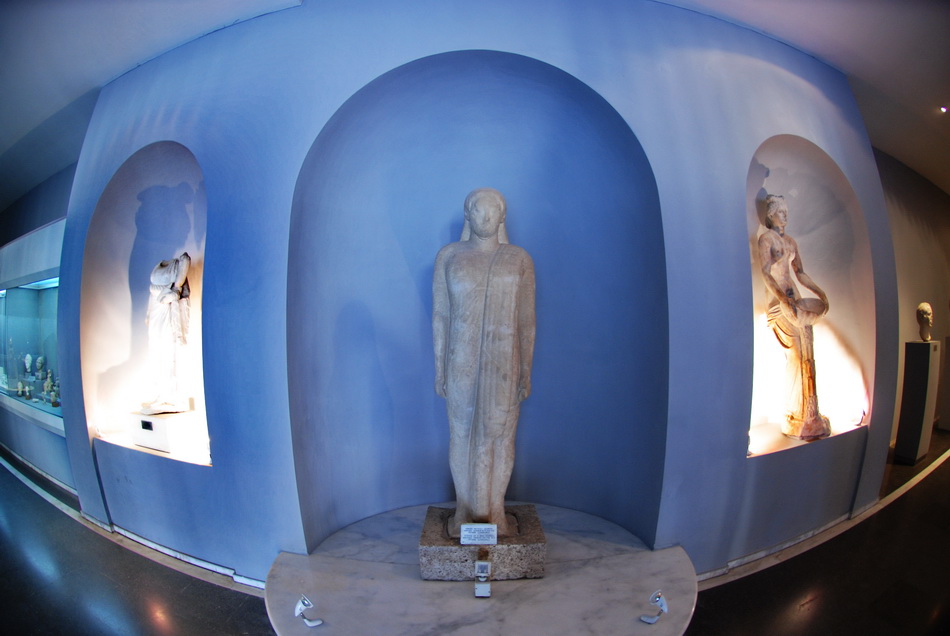
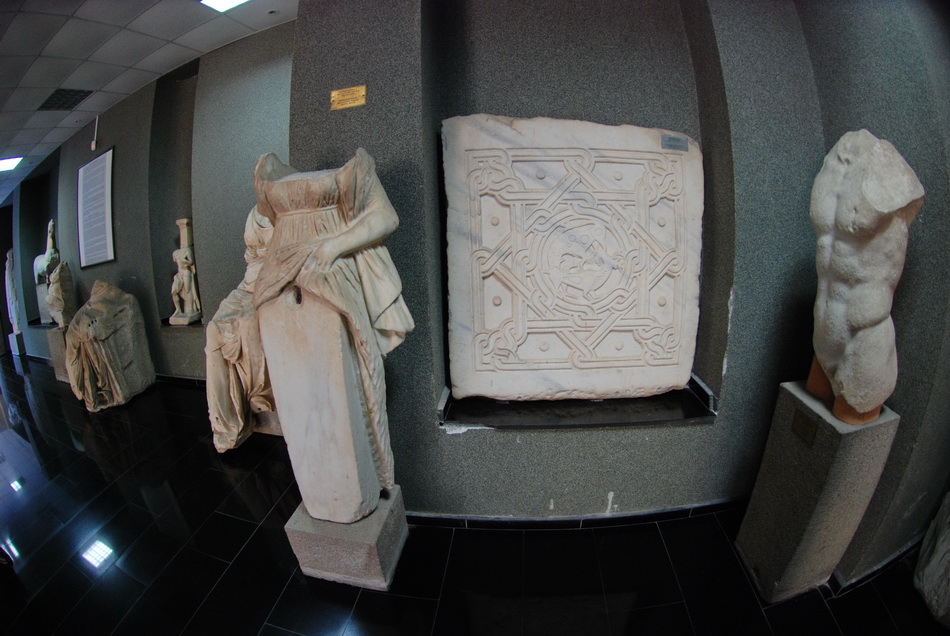
In 1999 I returned to photograph the interior of the Red Basilica, its towering brick arches and excavated foundations. In 2008 I photographed the Acropolis, the Asclepieion and objects in the archaeological museum. A sculpture of Nike that I had seen displayed outdoors in 1972 was now exhibited indoors. That small change brought the passage of 36 years into focus.
These images are not a complete history of Pergamon. They are my record of returning to the same place at different moments in my life, and of seeing its ancient monuments and living city through a changing lens.