
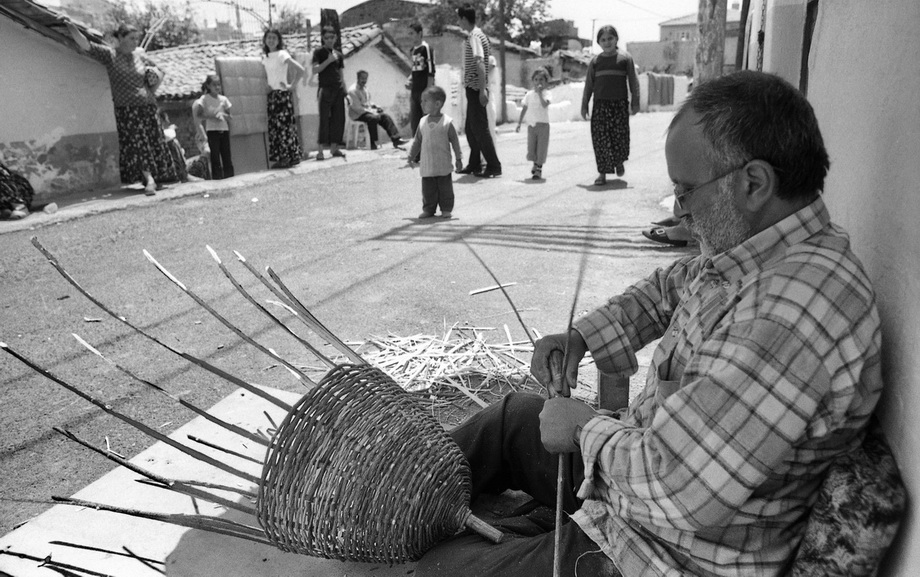
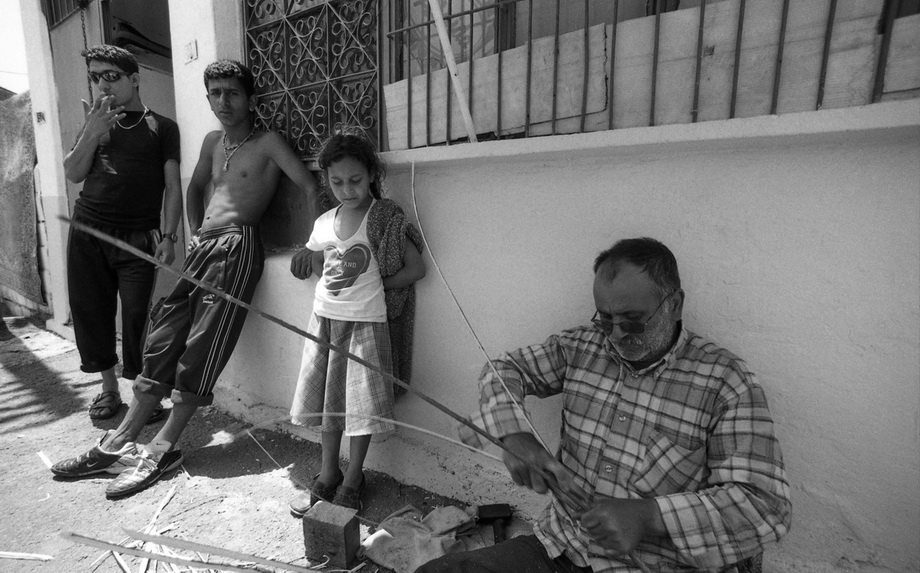
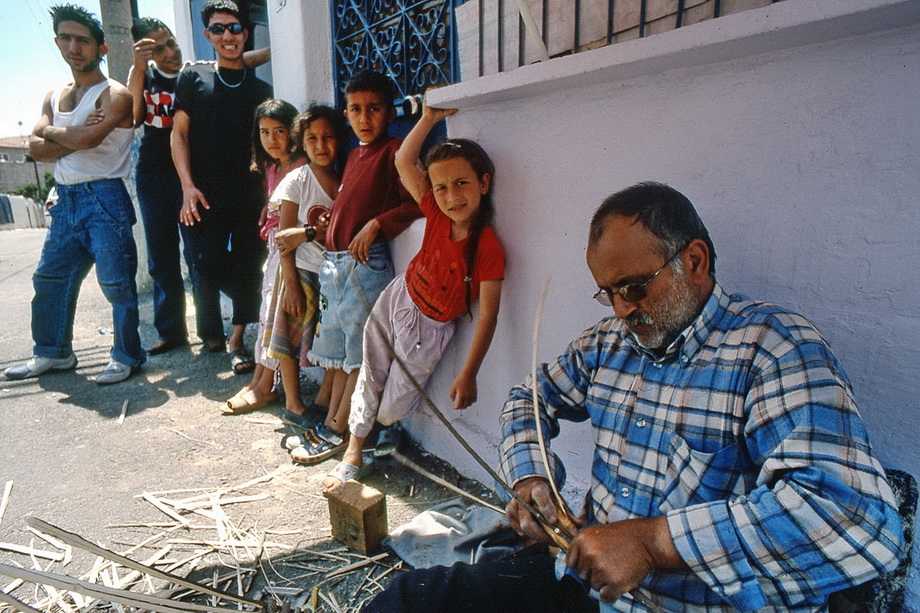
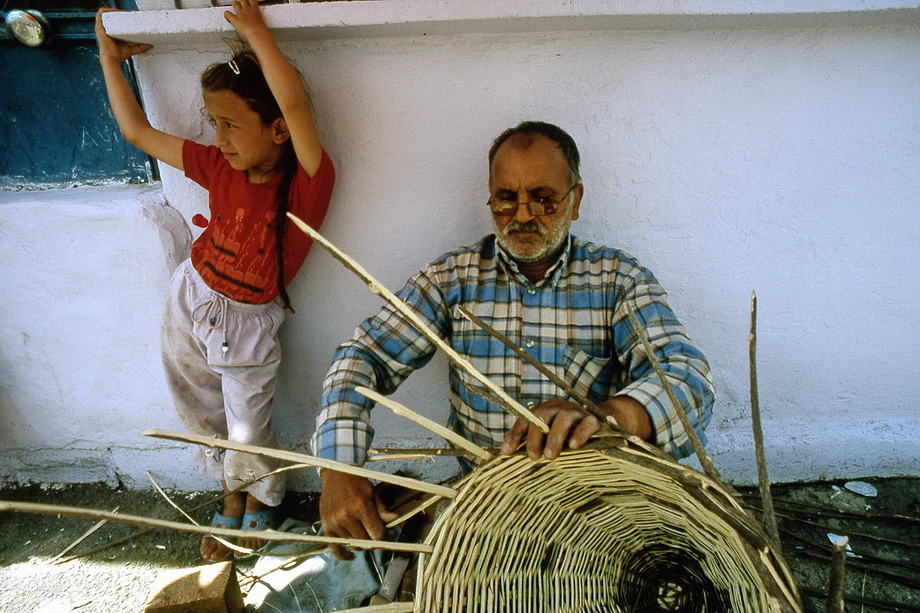
I photographed basket makers at different times and in different places. In the Roma neighbourhood of Aydoğdu in Tekirdağ, I encountered a basket maker working outdoors. He made his baskets from chaste tree branches. The long, fairly straight branches are both highly flexible and strong, making them particularly suitable for basket weaving. As I photographed him, children and adults from the neighbourhood gathered around us. Almost everyone wanted to find a way into the frame. In the end, I photographed not only the basket maker at work, but also the life of the neighbourhood around him.
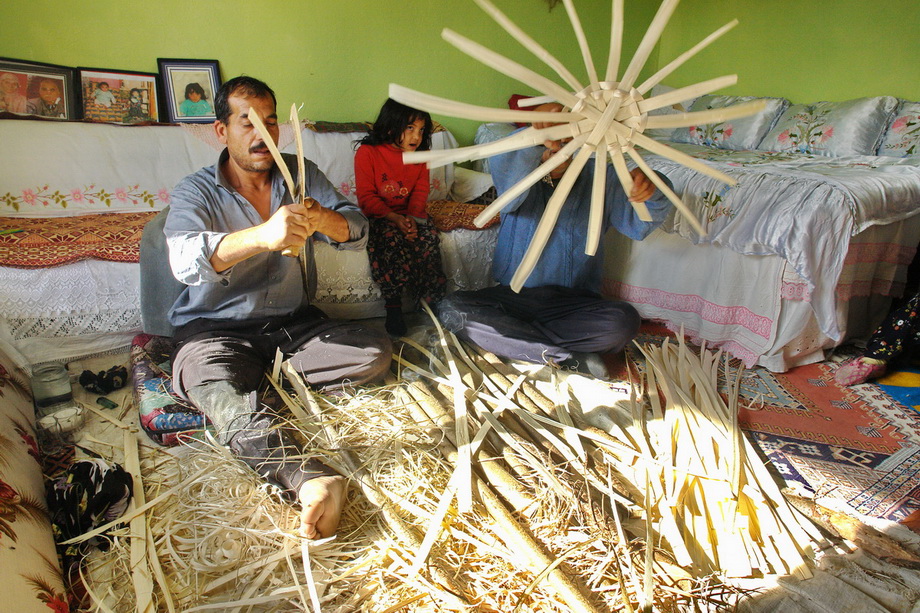
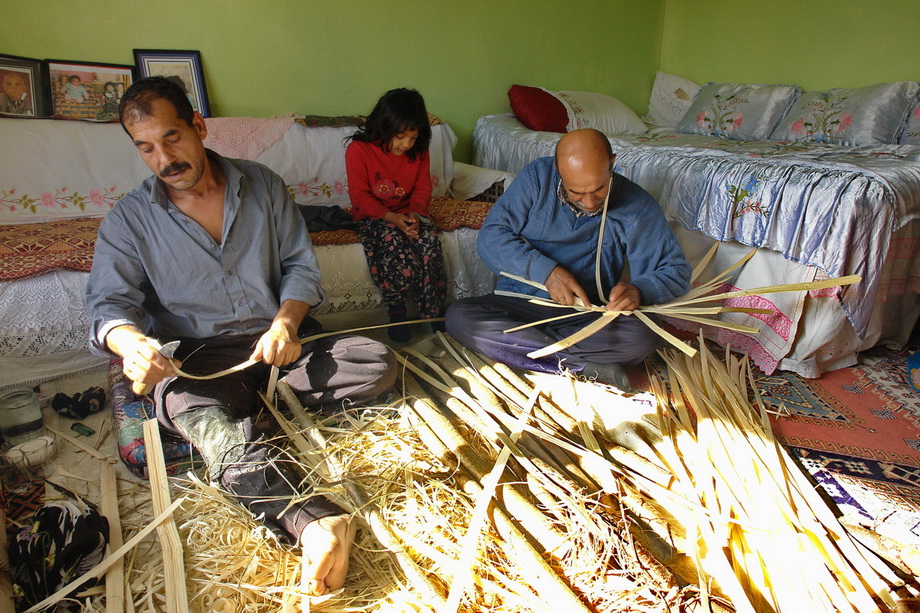
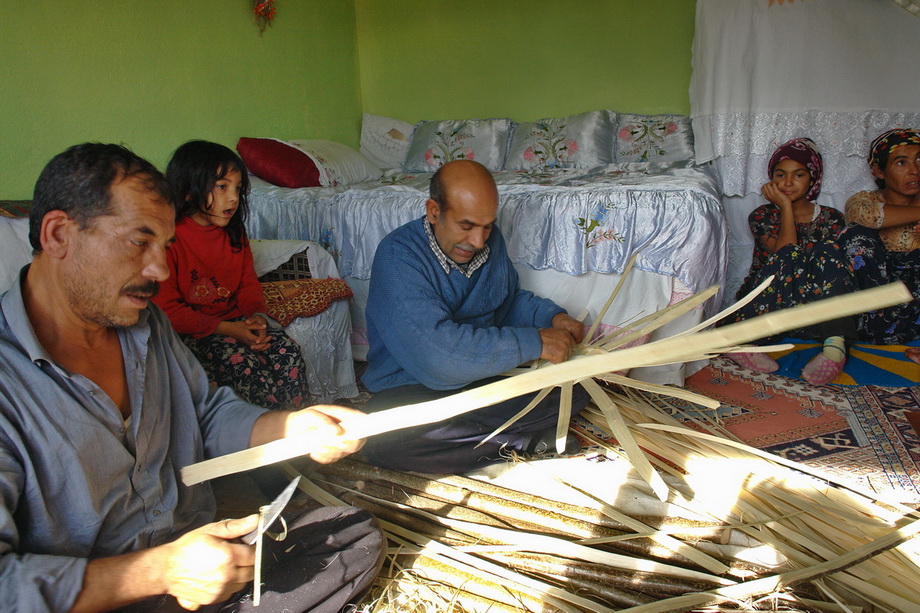
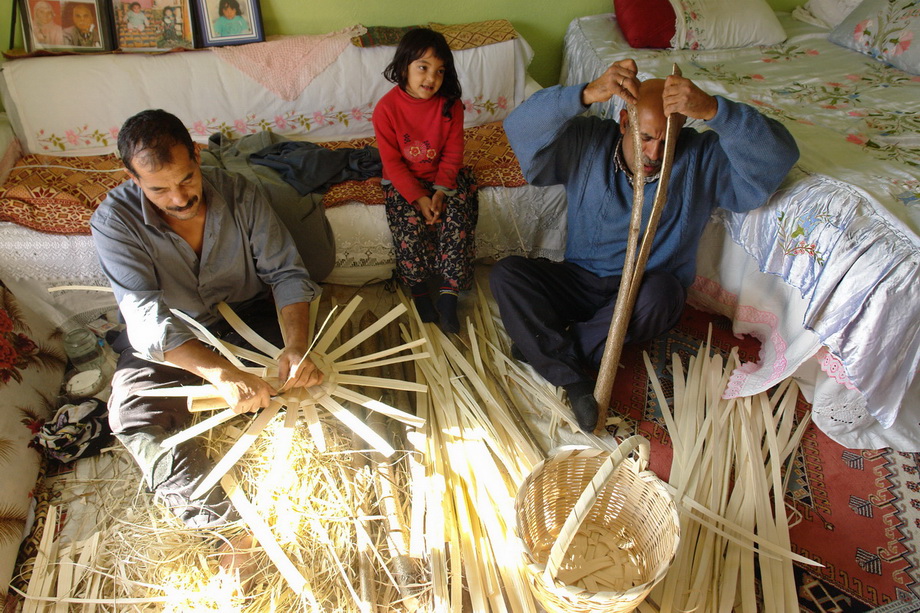
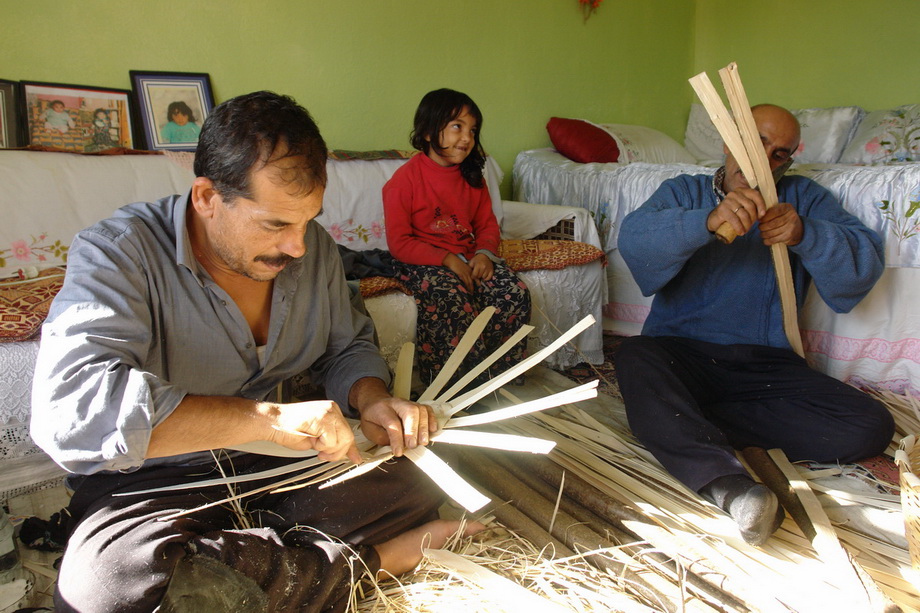
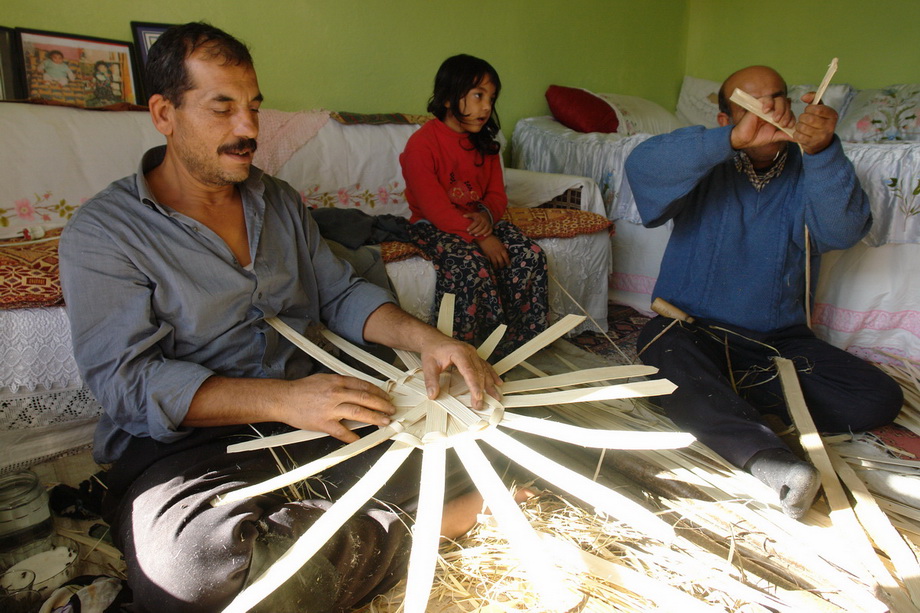
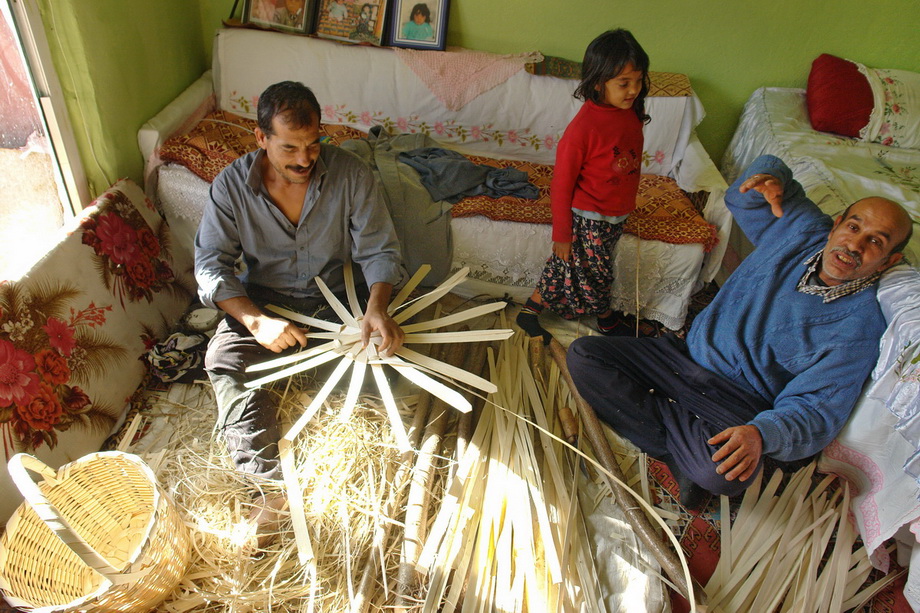
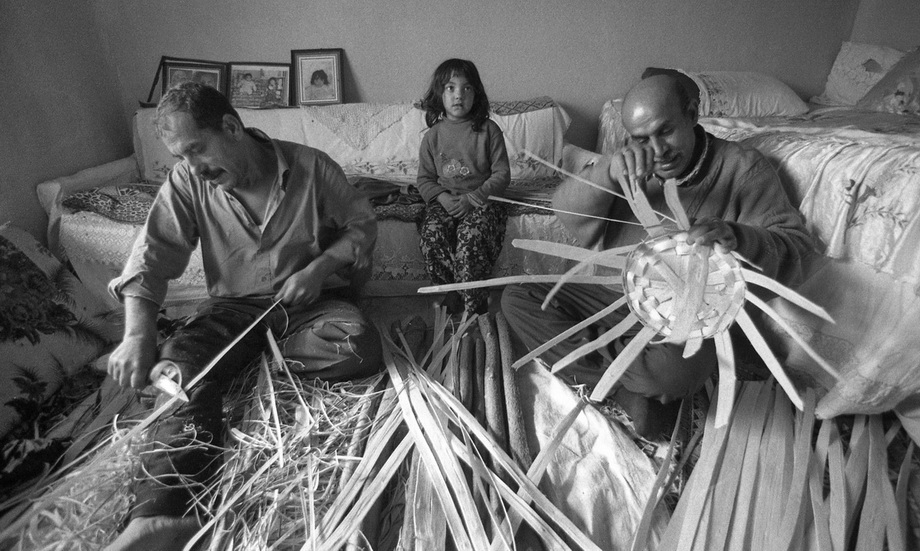
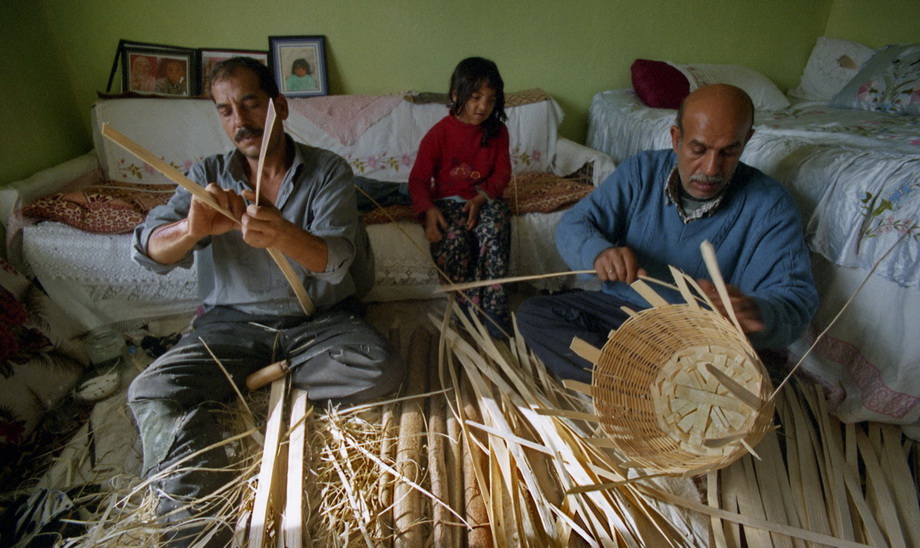
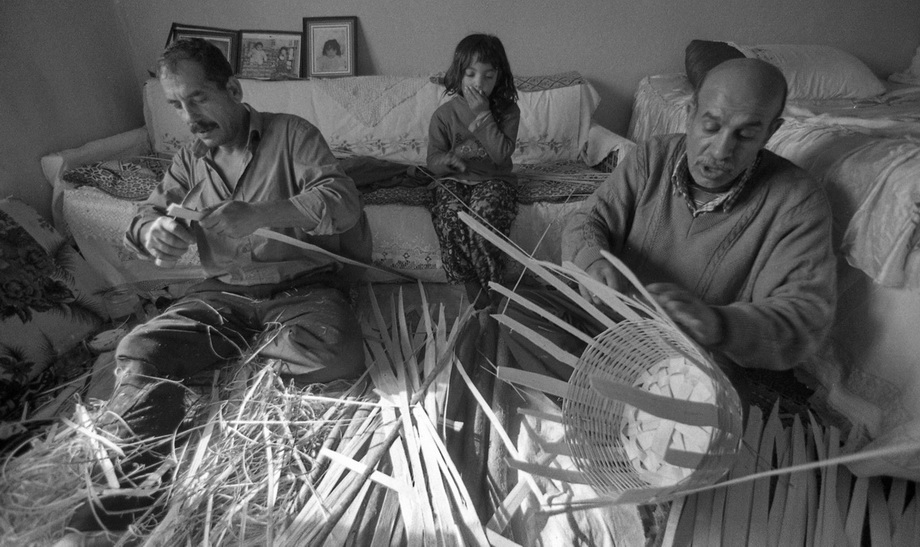
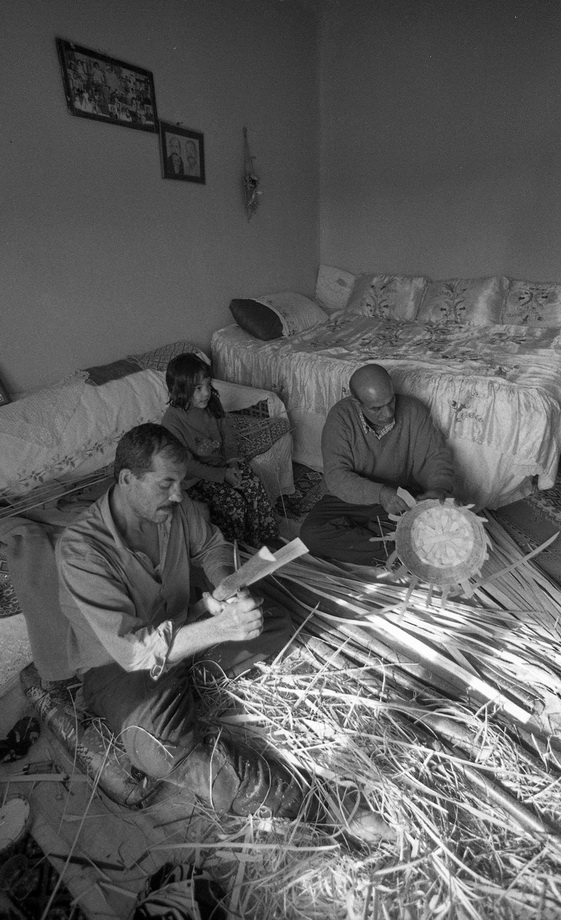
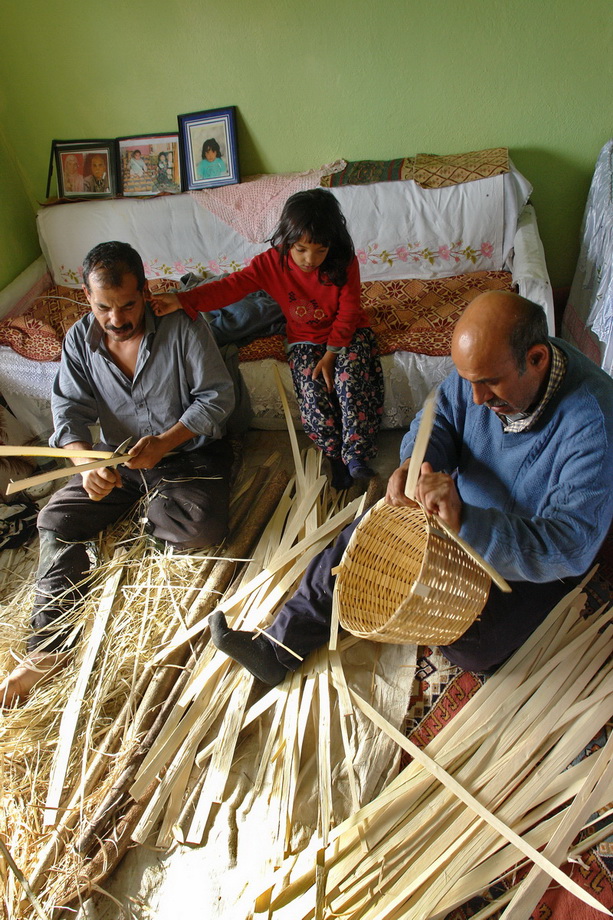
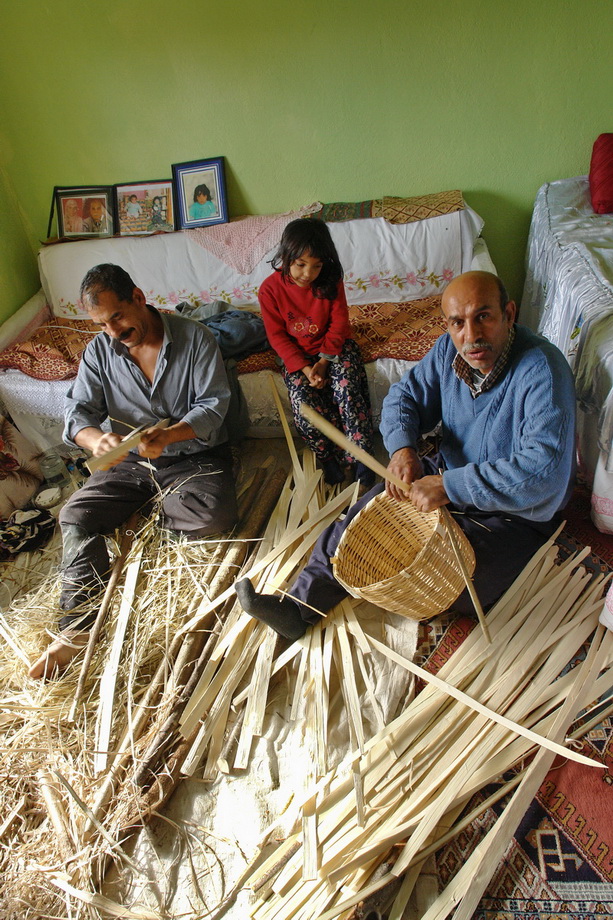
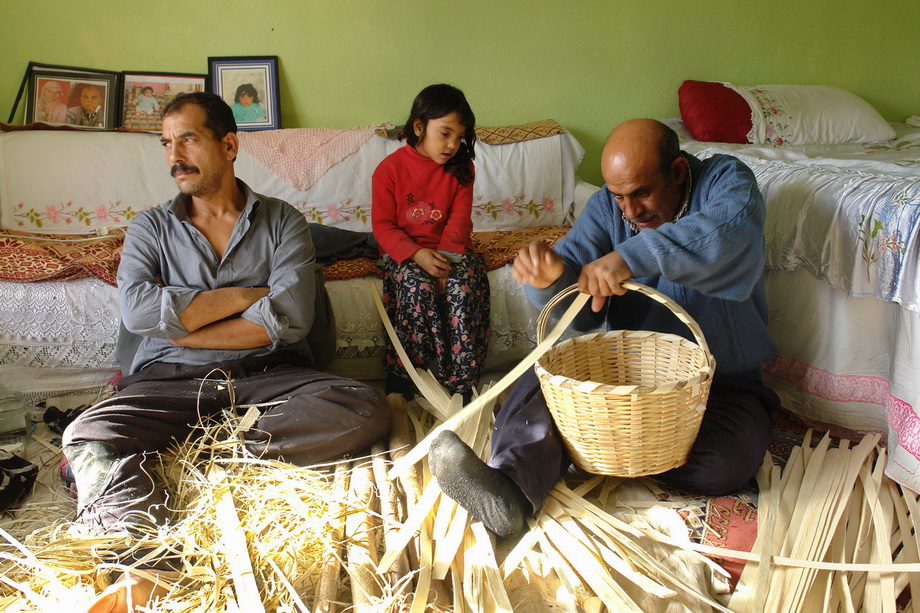
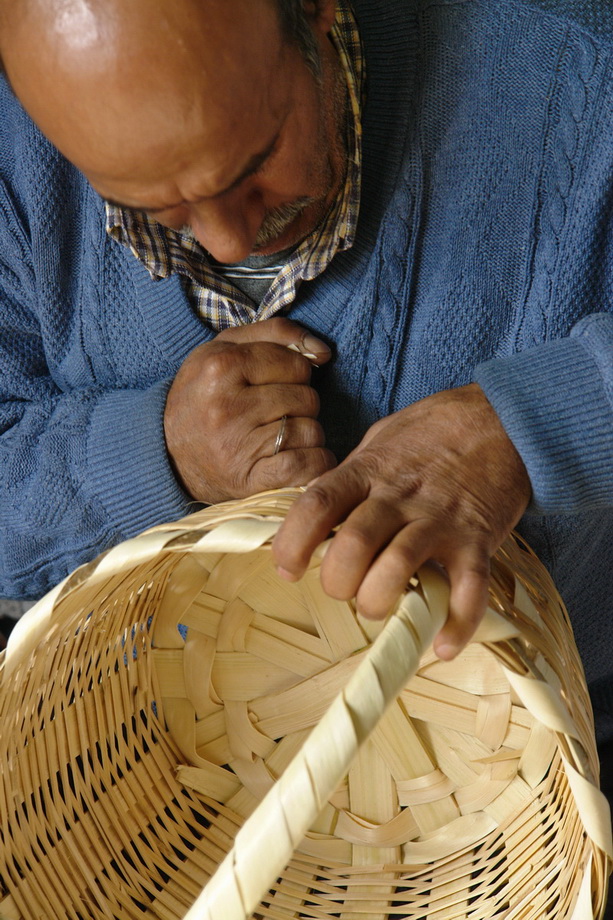
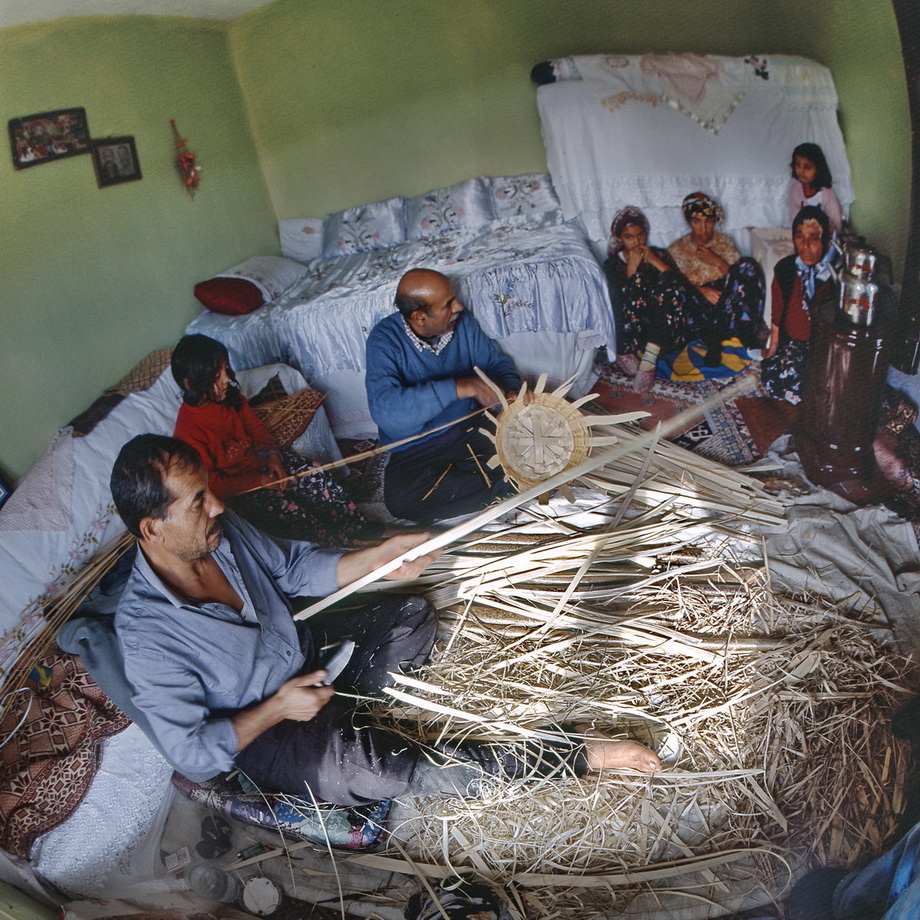
In Vize, I encountered basket making inside a Roma home. The weather was very cold and everyone had gathered around the stove. The baskets were being made in the middle of this living space. Here the material was hazelnut branches. The branches were split lengthwise into thin strips, which were then woven into baskets. The men at work, the children watching them, the stove, the beds, the branches scattered across the floor and the prepared strips all shared the same small room. As I photographed, I tried to show not only how a basket was made, but also how this craft continued as part of everyday home and family life.
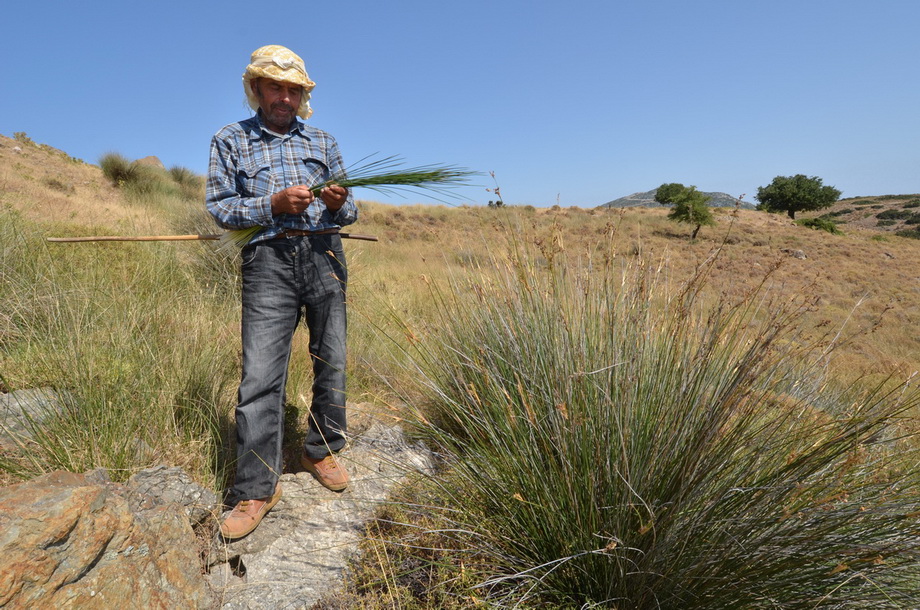
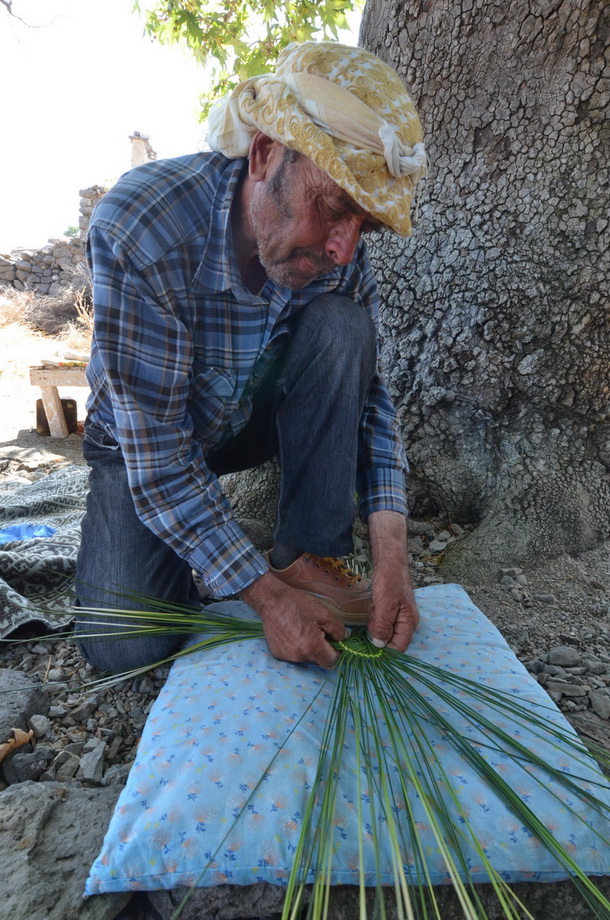
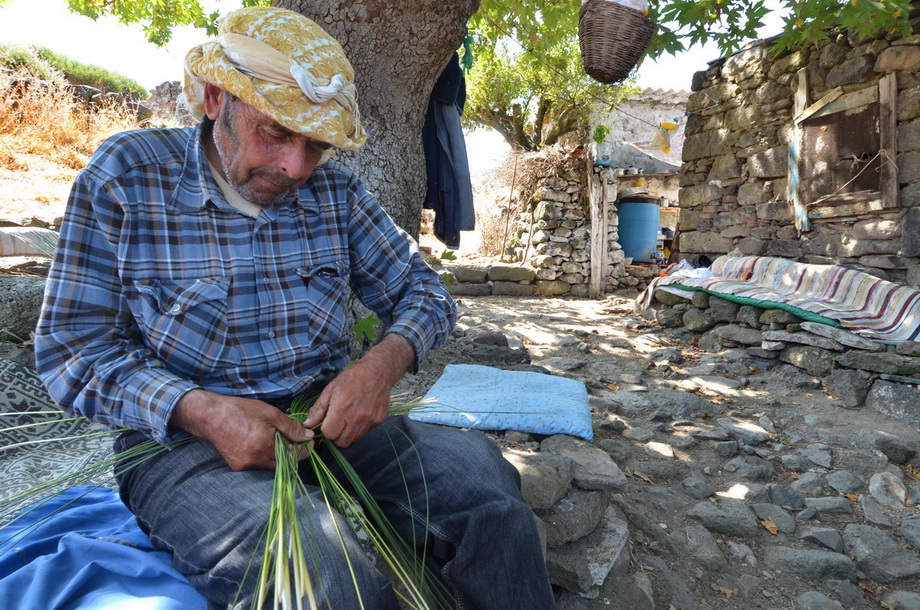
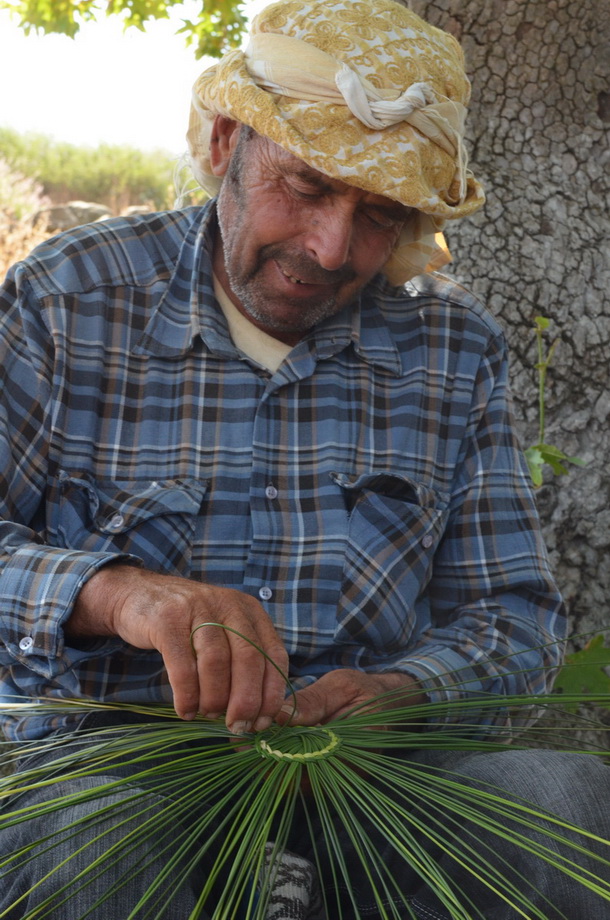
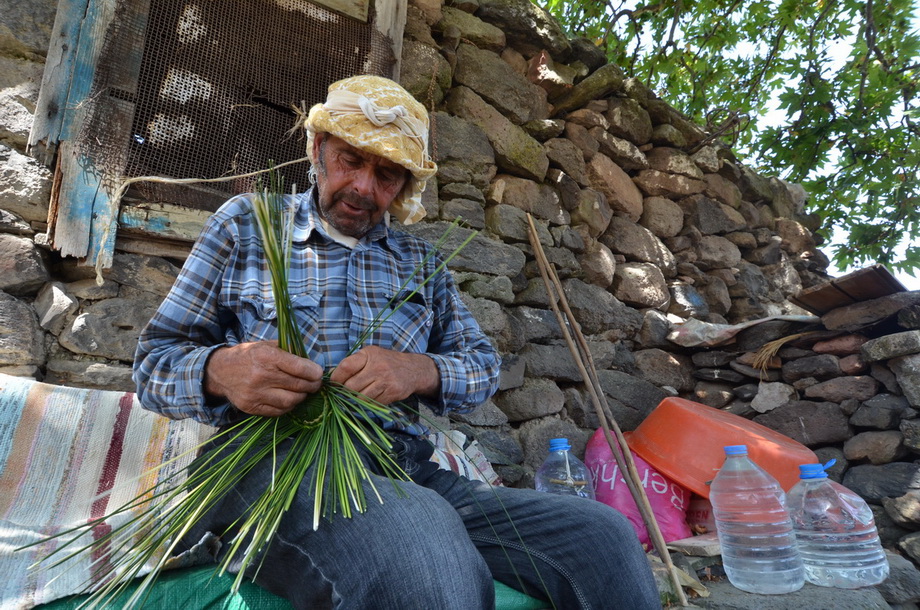
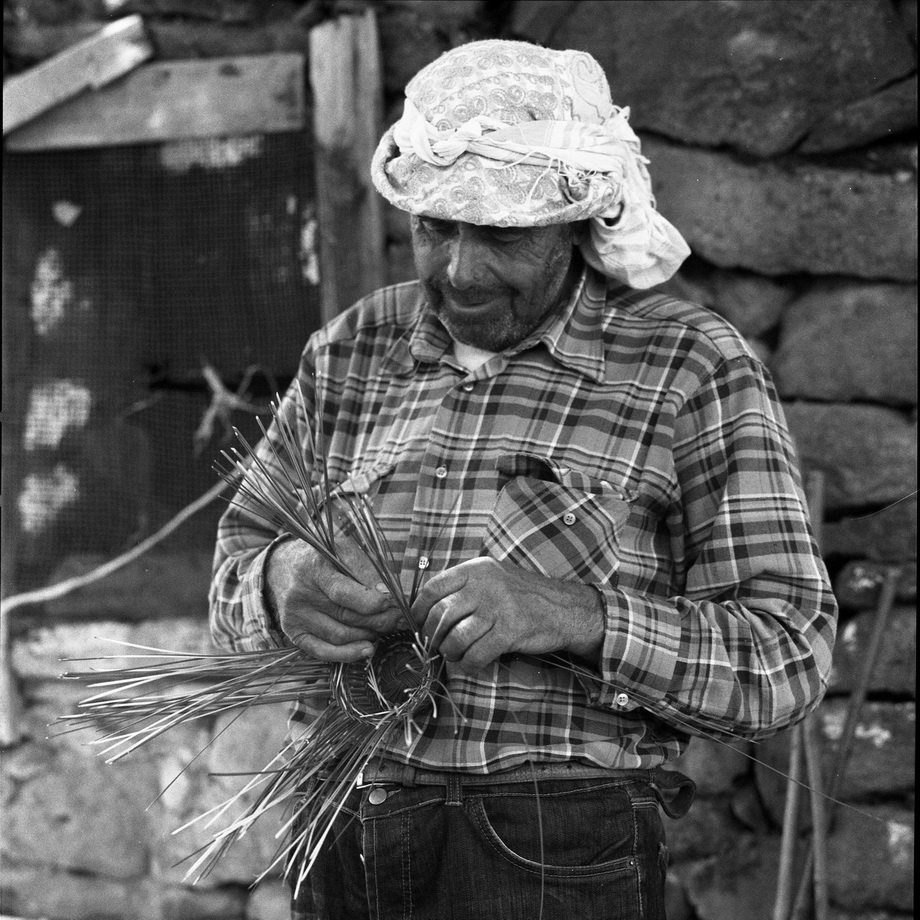
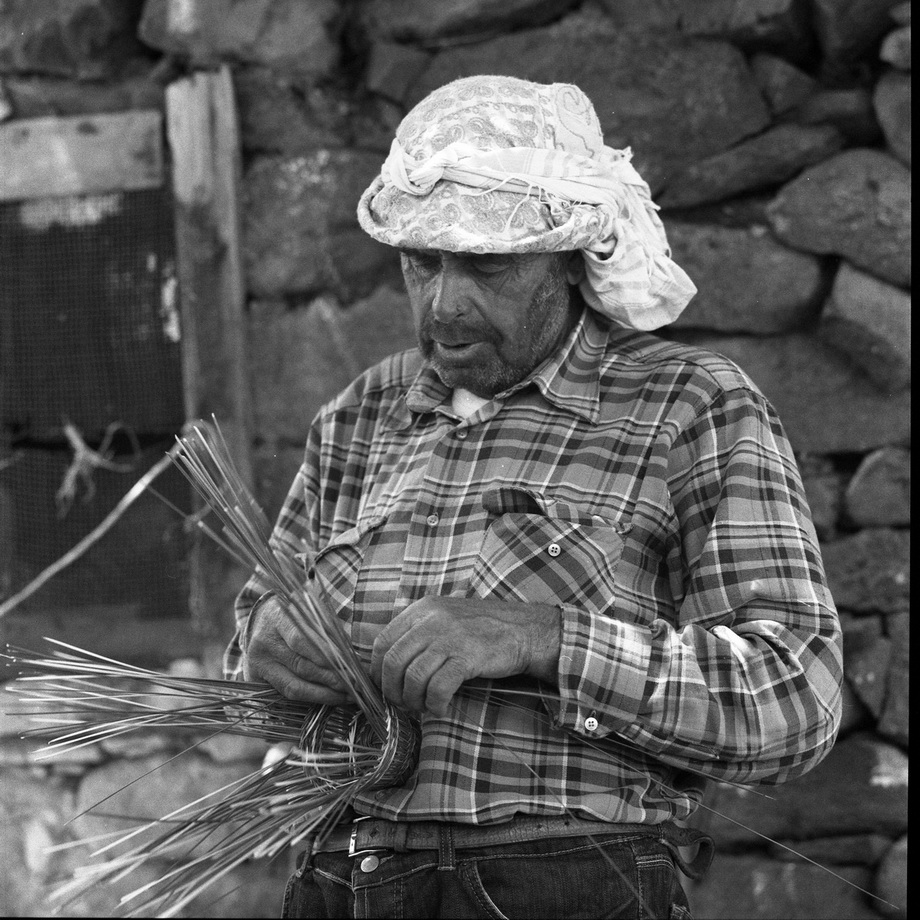
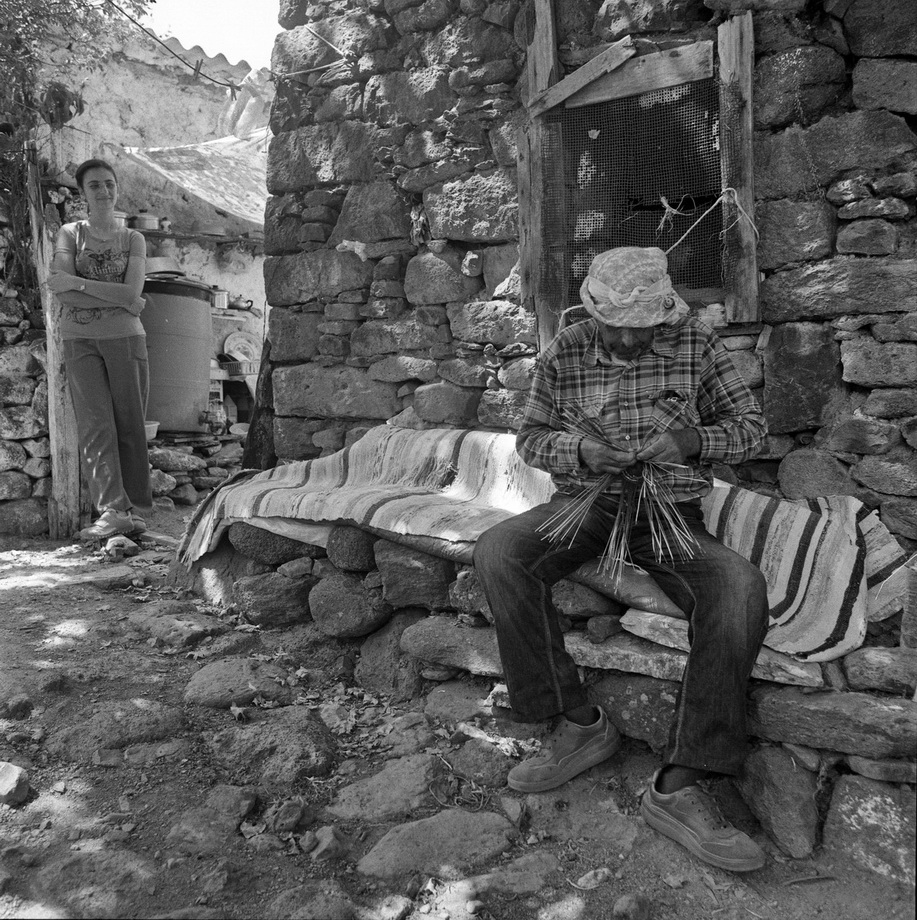
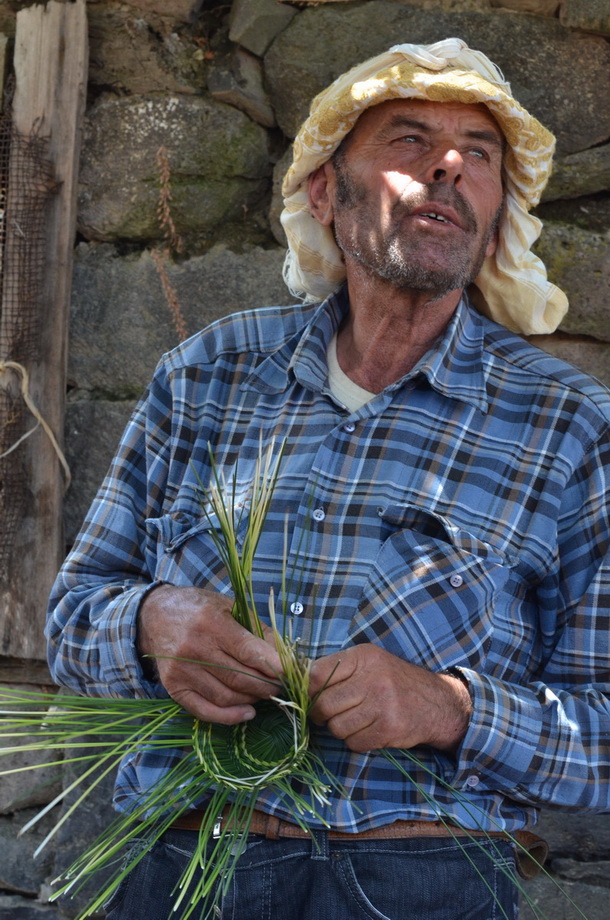
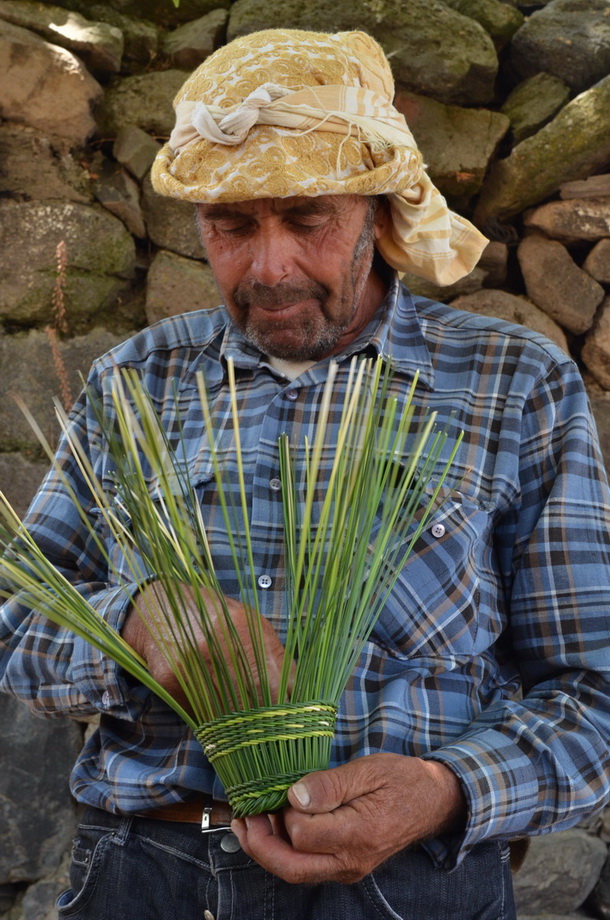
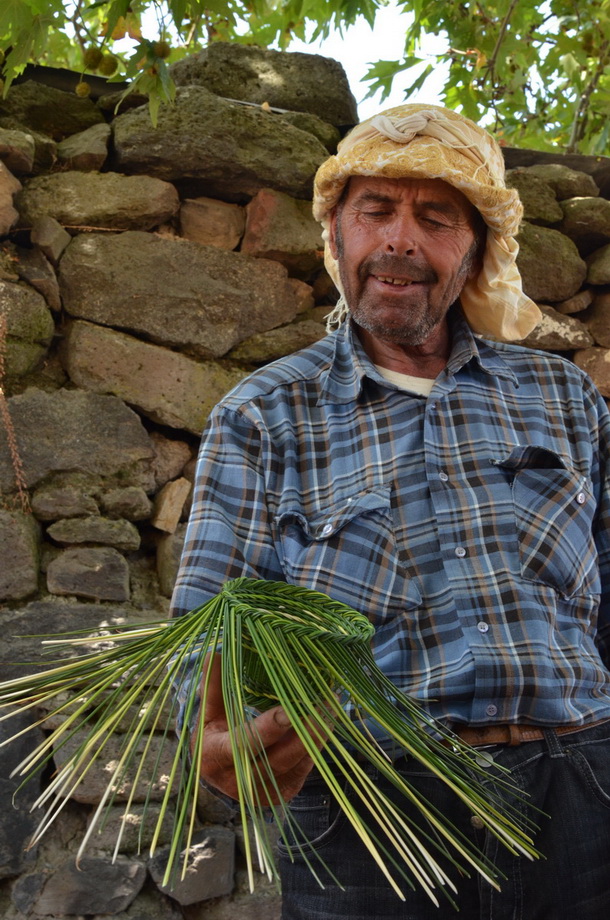
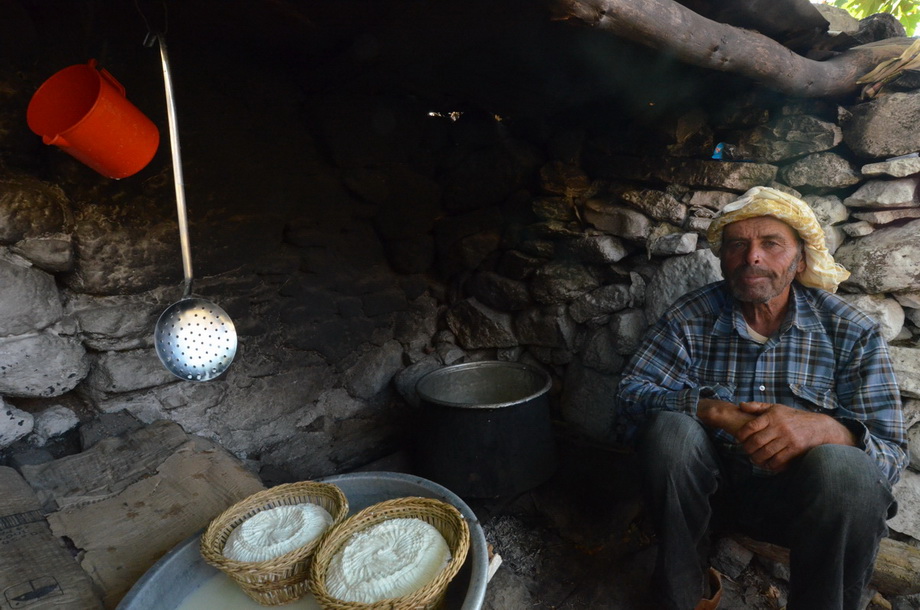
The Yörük shepherd Nail, whom I photographed in Karaburun, made baskets for a different purpose. He gathered reeds growing naturally on the surrounding hillsides and used them to weave the small baskets for the basket cheese he made himself. I photographed him first collecting the reeds in the countryside, then preparing them and weaving the basket. As he worked, he explained the process to me. He showed me how many reeds had to be placed in the base, how they should be arranged and the order in which the weaving had to continue. The thinner the reeds, the more important this calculation became. What might appear from the outside to be a simple pattern made almost instinctively by the hands was, as I watched Nail, a precise mathematical process based on number, order and proportion. The finished baskets were then used in cheese making: the cheese placed inside them could drain while taking on the form of the basket.
Looking at these three bodies of work together today, I can see more clearly how the same fundamental manual knowledge changed across different geographies, materials and ways of life. Chaste tree branches in Aydoğdu, split hazelnut branches in Vize, and reeds gathered by Nail from the hillsides of Karaburun... In one place basket making was part of neighbourhood life, in another it was woven into home and family life, while for Nail it belonged to the world of shepherding and cheese making. Since Nail's death, almost no one in Karaburun continues this work, giving the photographs I made years ago another meaning for me. At first I thought I was simply documenting how people made baskets; with the passing of time, I came to understand that I had also photographed traces of a disappearing body of practical knowledge and the ways of life shaped around it.