
Aspendos Ancient City — A Magnificent Legacy of Roman Architecture in Anatolia
Located near Serik in Antalya, on the banks of the Köprüçay River (the ancient Eurymedon), Aspendos was one of the important cities of Pamphylia. Its history reaches back well before the Roman period. The city prospered through agriculture and trade, particularly under the Roman Empire, when it was adorned with monumental buildings. Today, Aspendos is best known for one of the best-preserved ancient theatres in the world.
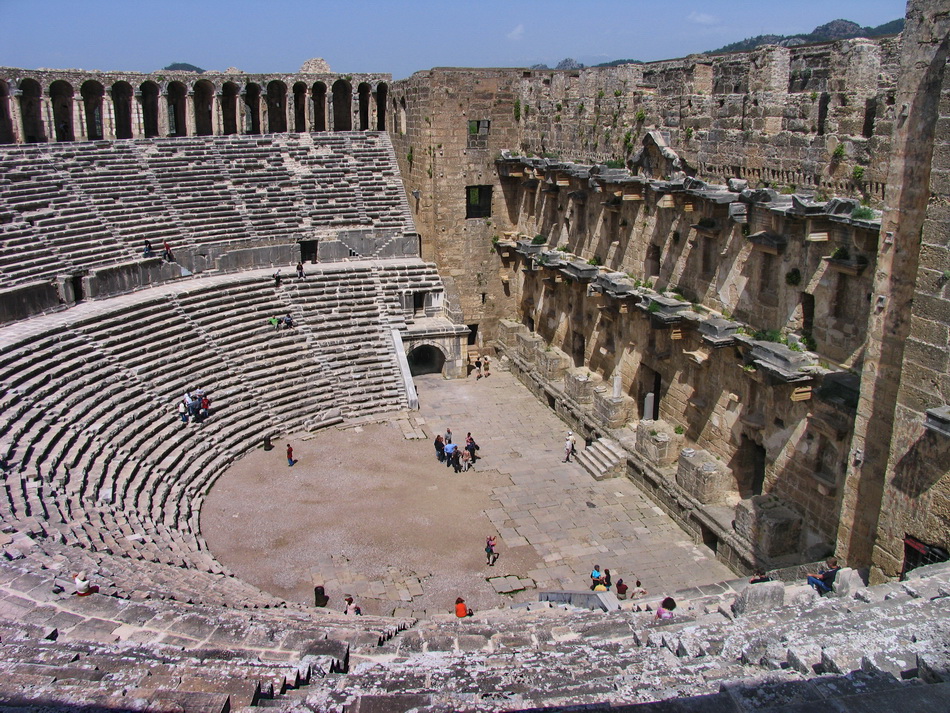
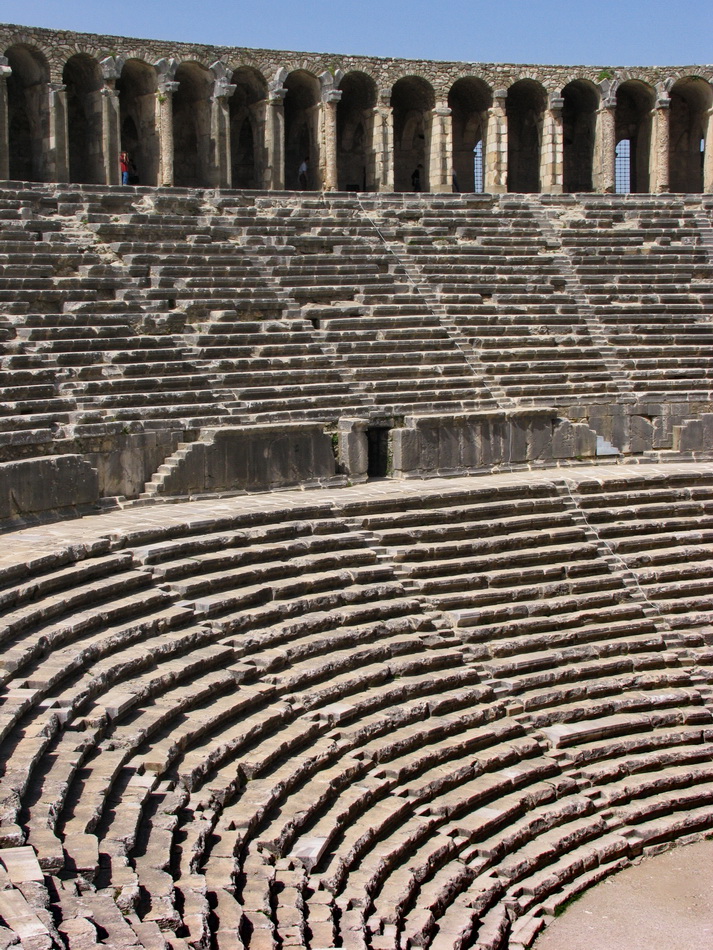
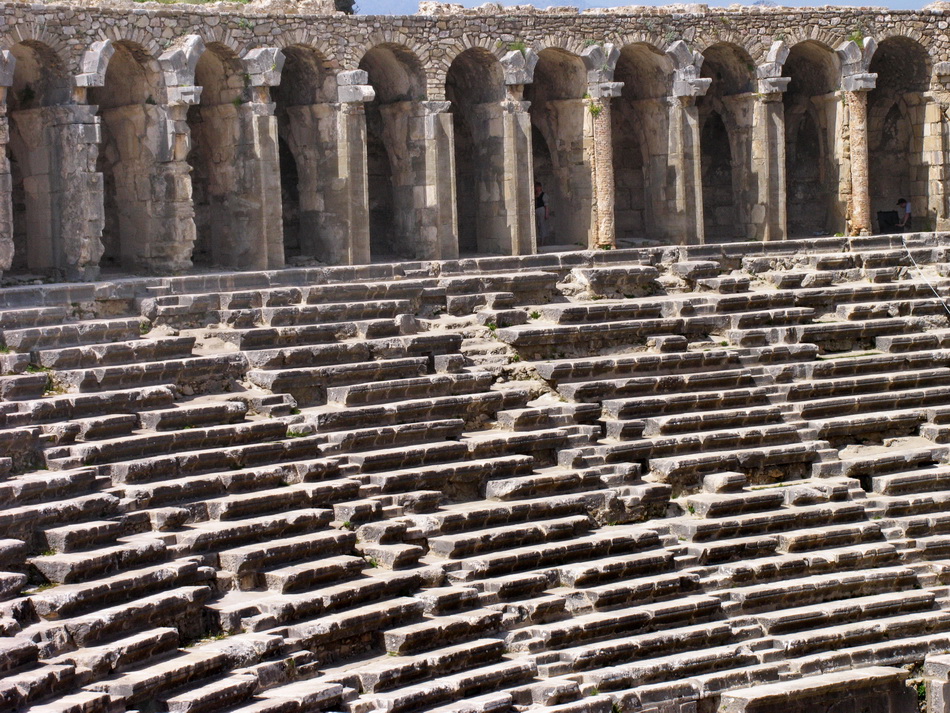
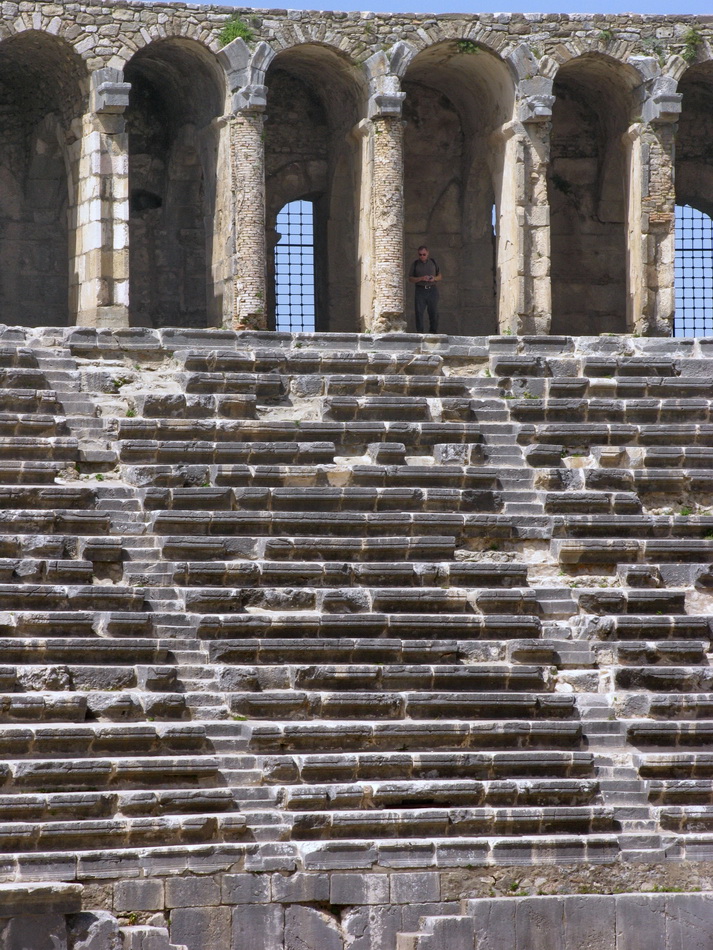
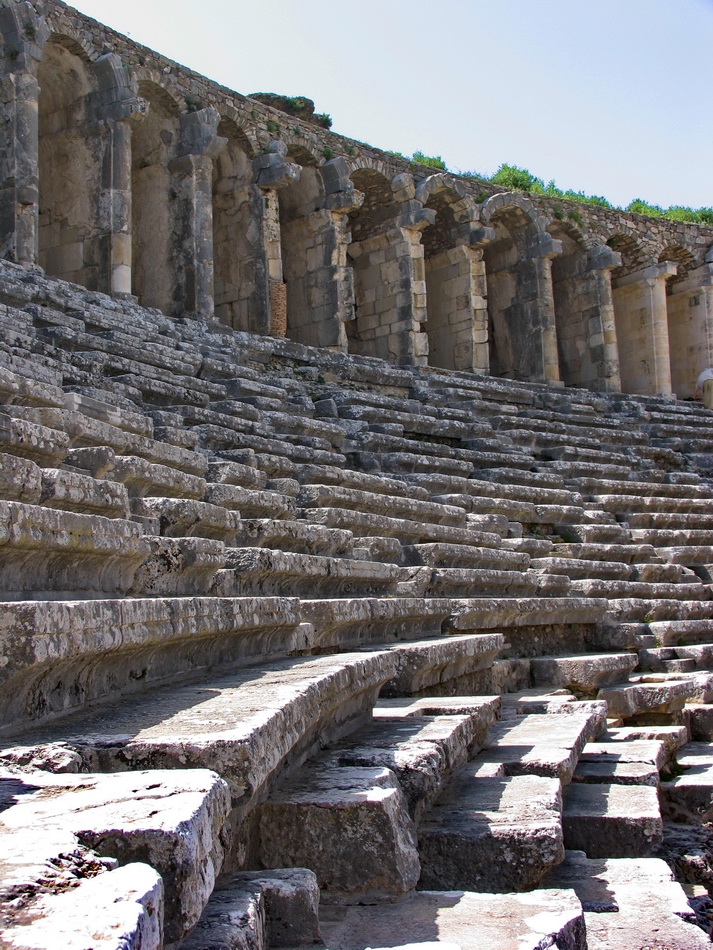
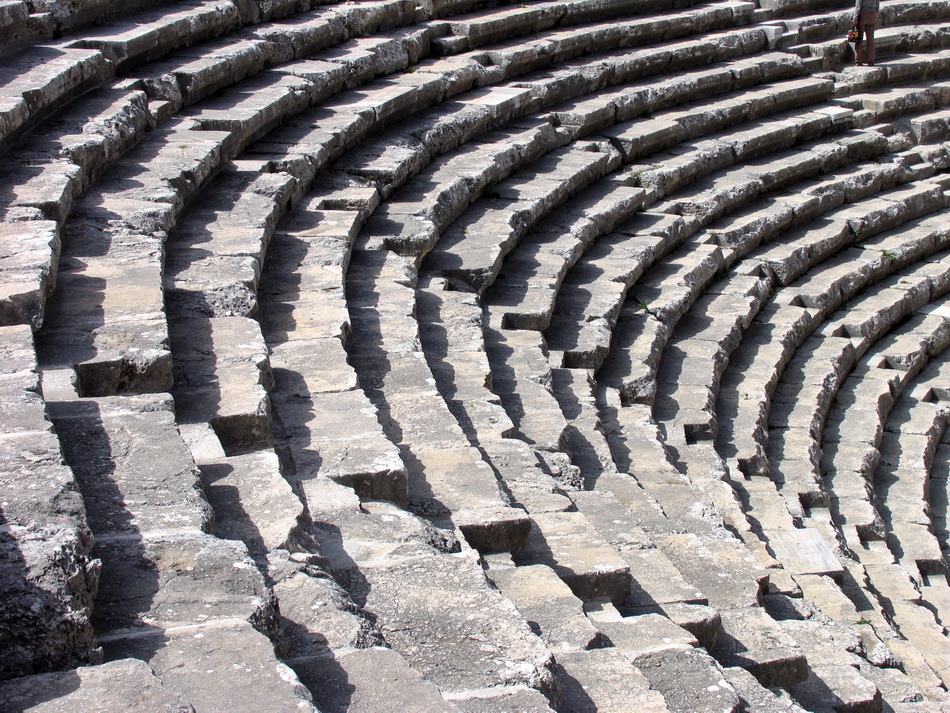
Built in the second century AD during the reign of Emperor Marcus Aurelius, the theatre was designed by Zenon, an architect from Aspendos. With an estimated capacity of approximately 15,000–20,000 spectators, it is among the most impressive examples of Roman theatre architecture in Anatolia. Part of its semicircular seating rests against the natural hillside, while other sections are supported by vaulted substructures, bringing the terrain and Roman engineering together.
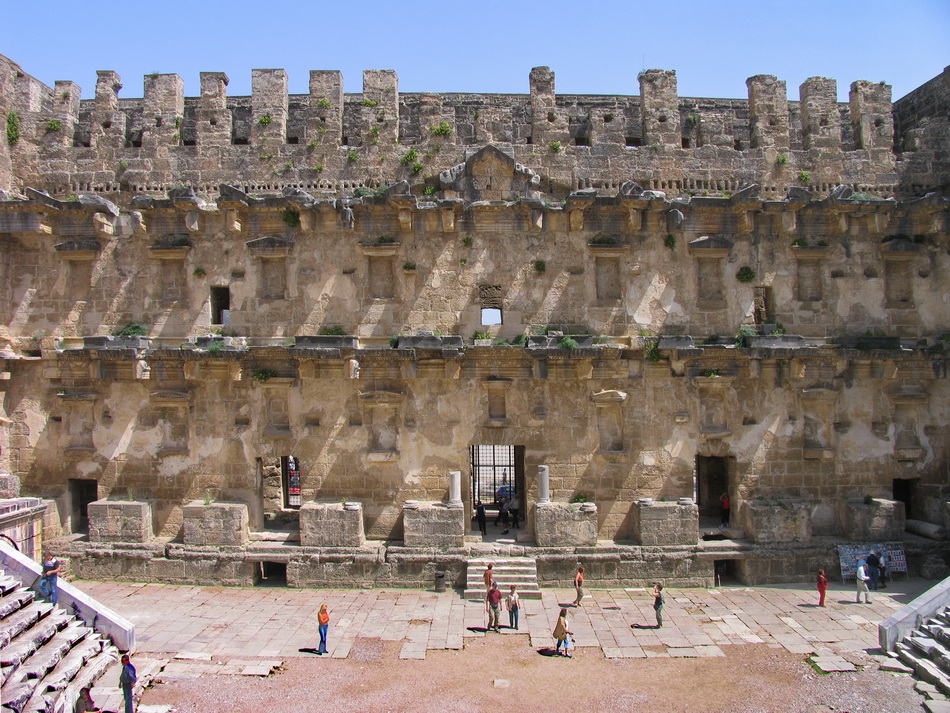
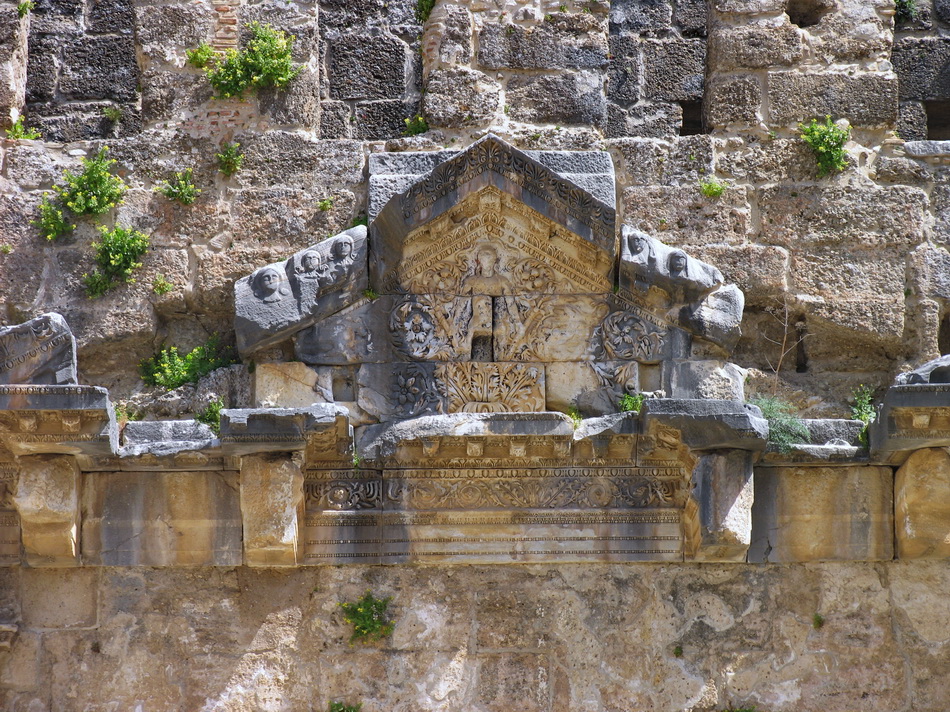
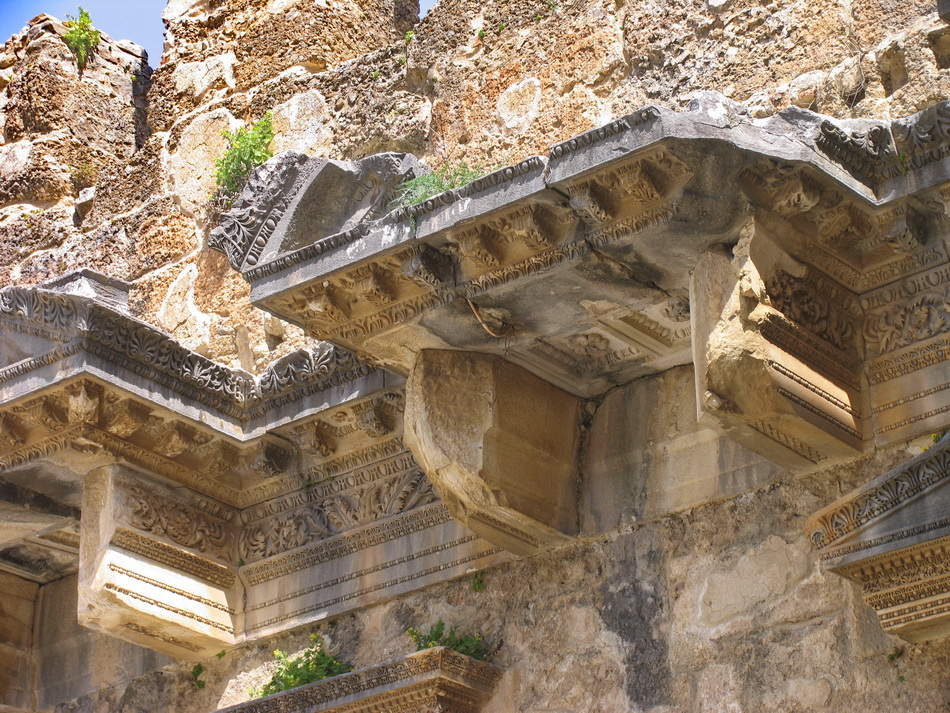
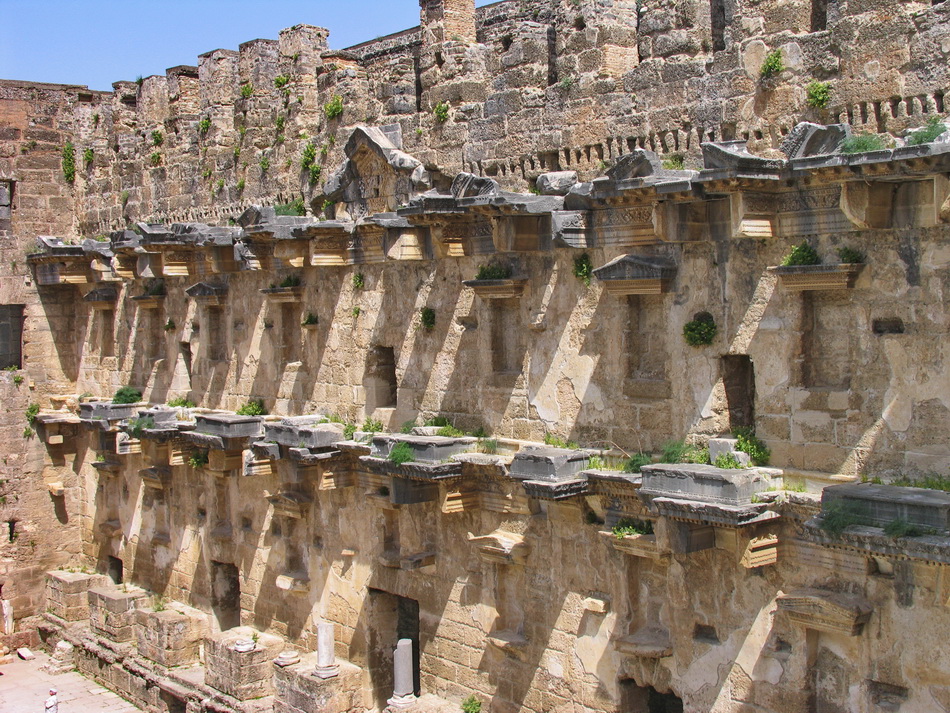
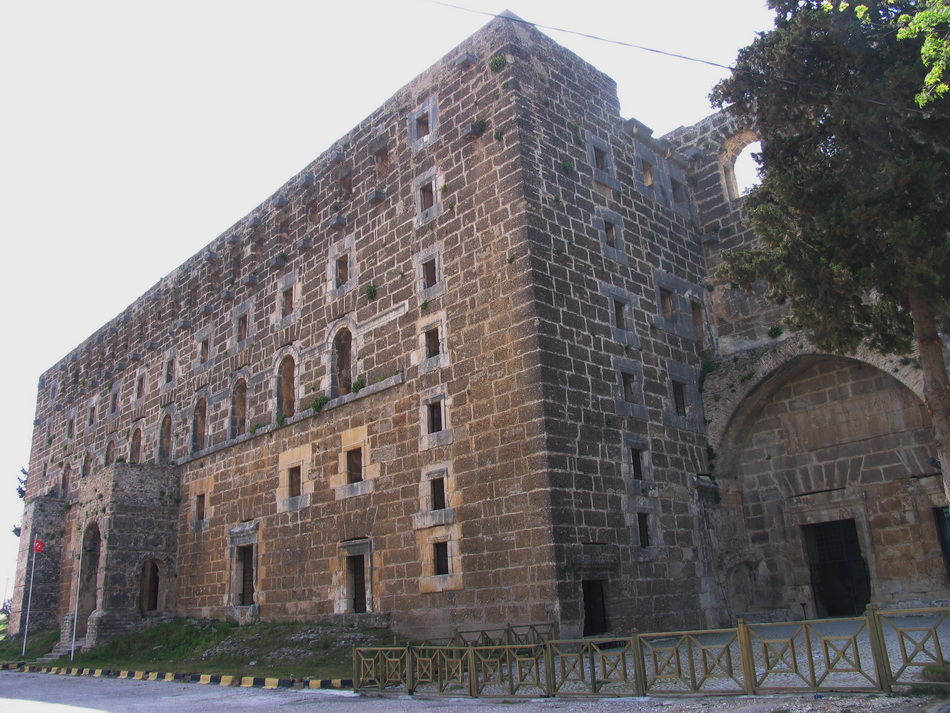
The theatre’s most remarkable feature is its largely surviving stage building. The columns, niches and architectural ornament of its monumental multi-storey façade reflect the Roman world of public performances. The high walls of the stage building and the architectural arrangement enclosing the auditorium also contribute to the theatre’s acoustics. The fact that Aspendos continues to be associated with concerts and performances owes much to the survival of this architectural ensemble.
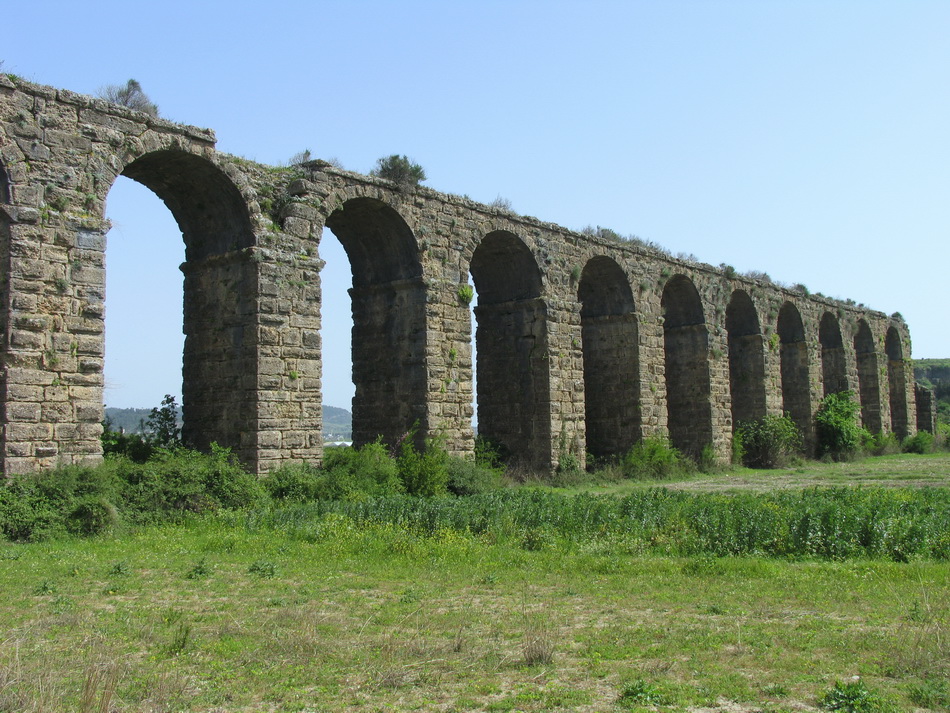
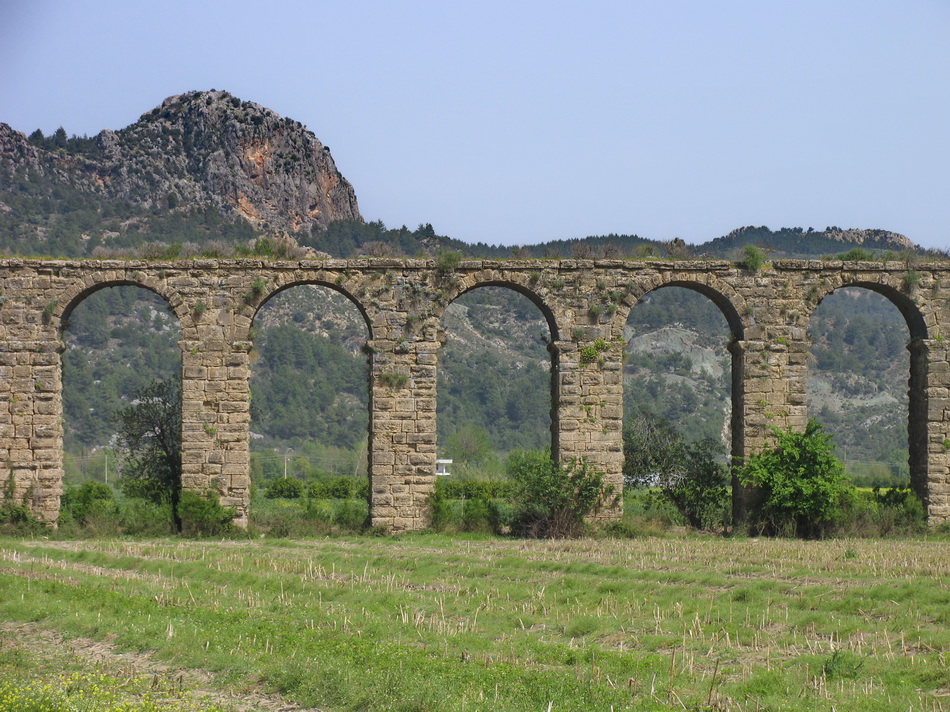
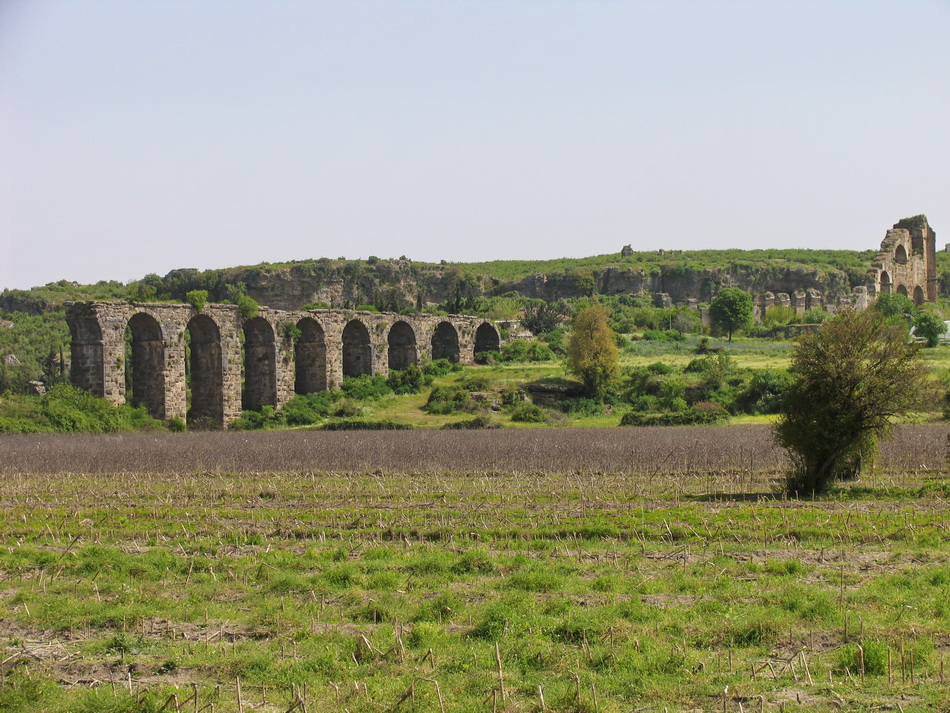
The significance of the ancient city extends beyond its theatre. On the acropolis are the remains of an agora, a basilica, a monumental fountain and other public buildings. Roman aqueducts and a pressurised water-supply system built to serve the city are notable achievements of ancient engineering. The way water was carried across valleys and changes in elevation reveals the sophistication of Aspendos’s infrastructure.
The theatre’s survival also owes something to its reuse and repair during the Seljuk period. Interventions carried out particularly in the thirteenth century helped prevent the building from being completely abandoned. Aspendos therefore bears traces not only of Roman antiquity but also of different periods in Anatolia’s history.
A Day in Aspendos — 9 April 2005
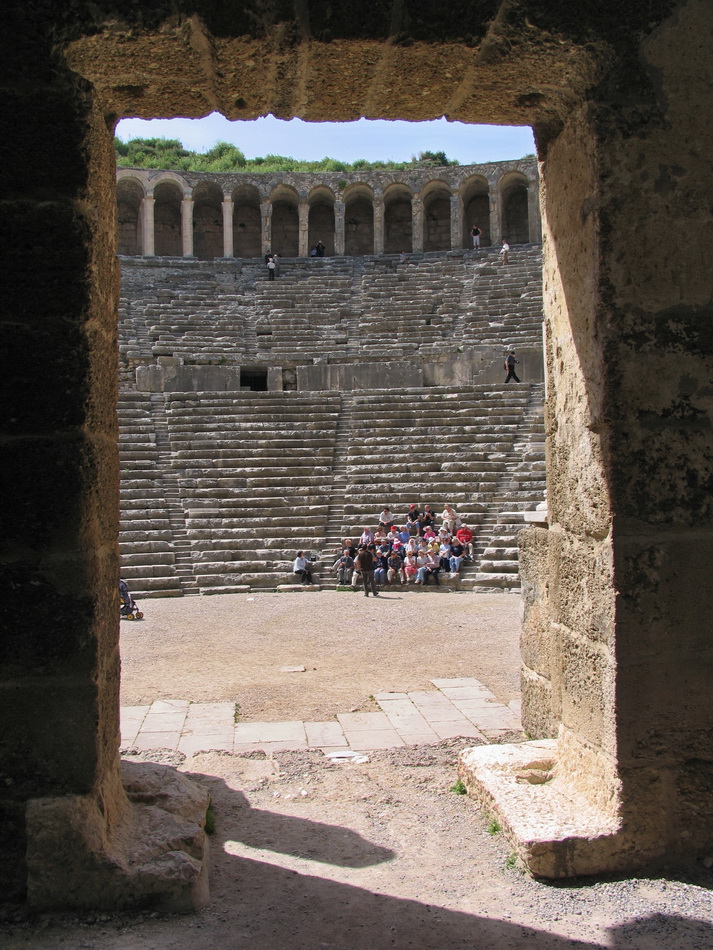
I photographed Aspendos on 9 April 2005. When I entered the theatre, the first thing that struck me was the unity of the broad semicircle of seating and the monumental stage building rising opposite it. Although nearly eighteen centuries had passed, the scale and architectural order of the building were still remarkably clear.
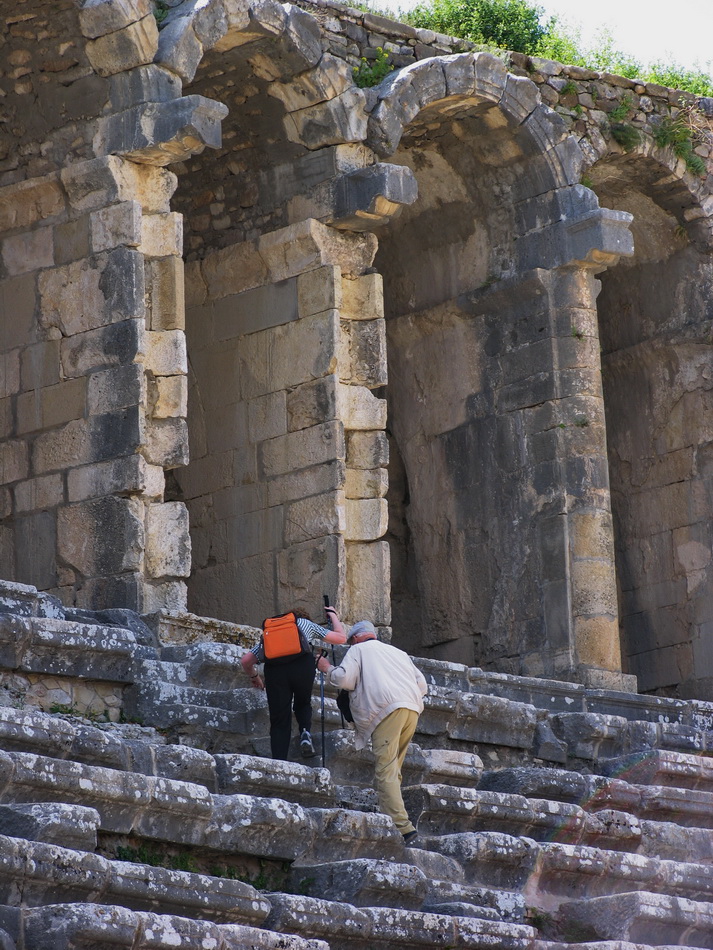
Looking down from the seating towards the stage, I tried to photograph the theatre’s size and its relationship to the human figure. Visitors moving among the rows provided a natural sense of scale. The stonework, niches and towering walls of the stage building revealed new details from different viewpoints.
What impressed me most at Aspendos was the architectural integrity of this great structure, which had stood for centuries. In my photographs, I sought to document not only an ancient monument but also a vast public space once filled with people gathering to watch performances, with voices and movement.
These photographs, taken in 2005, record the theatre’s appearance at that time and one of the powerful traces left by Roman architecture in Anatolia.