
Aphrodisias Ancient City — The City of Masters Who Shaped Stone
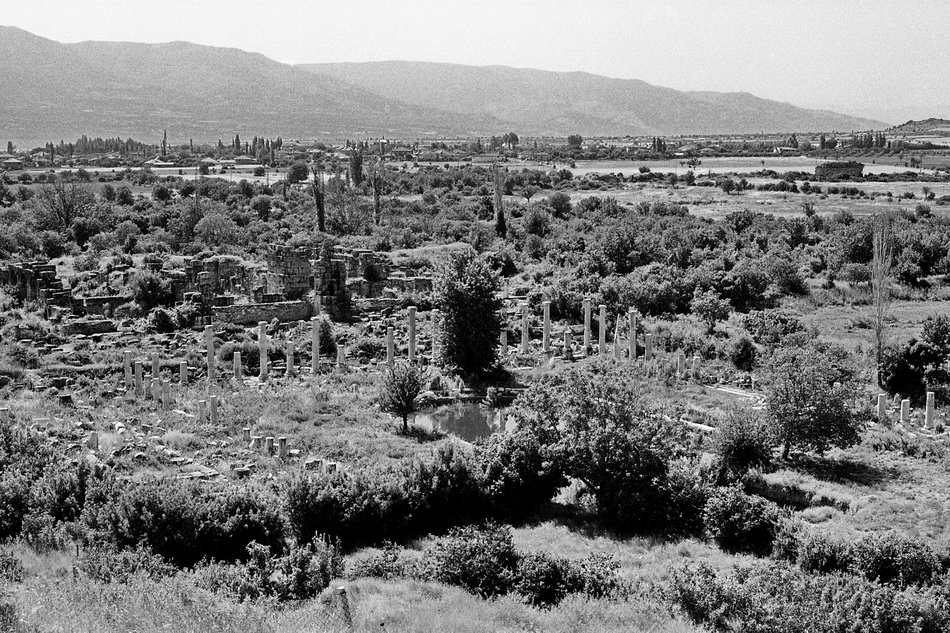
Located on a fertile plain near Karacasu in Aydın Province, Aphrodisias is one of the most important ancient cities of Anatolia. Named after Aphrodite, the goddess of love, beauty and fertility, the city became renowned for its architecture and sculpture, particularly during the Roman period. Although settlement in the area dates back to prehistoric times, Aphrodisias rose to prominence as a centre of art and culture in the Hellenistic and Roman eras.
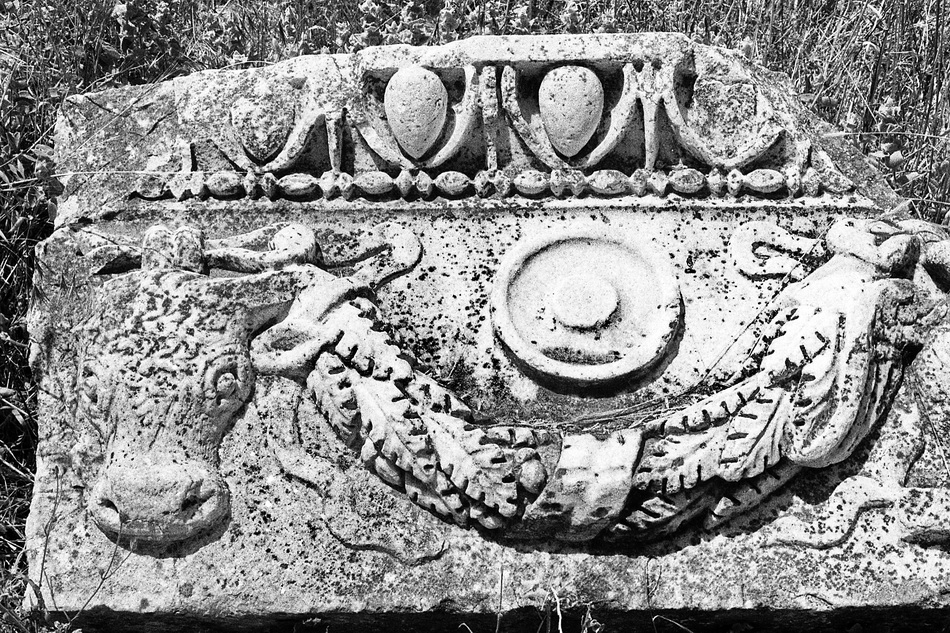
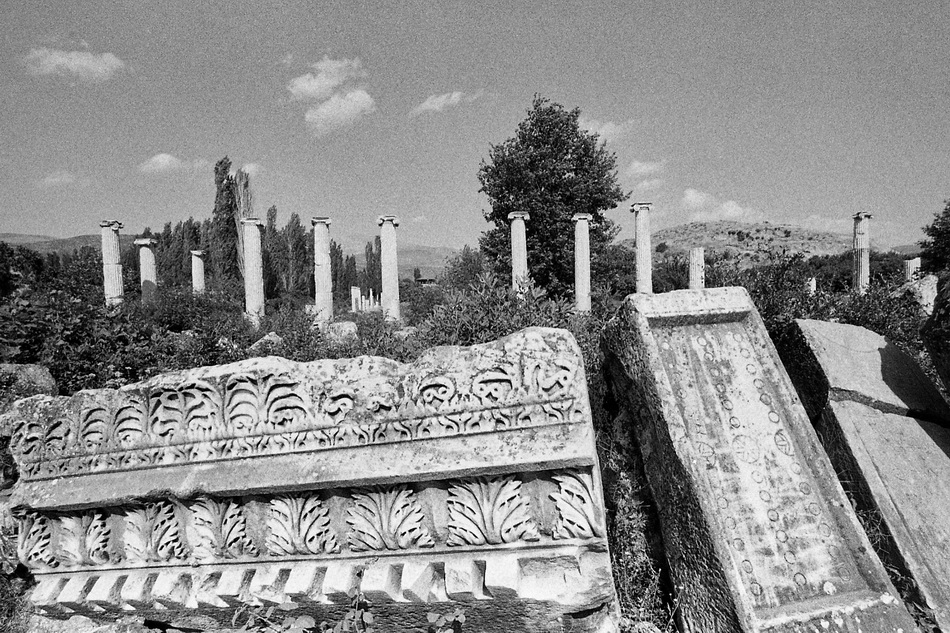
The marble quarries surrounding the city played a decisive role in its development. Fine marble extracted especially from the foothills of Babadağ provided local craftsmen with abundant material, allowing one of the Roman world’s leading schools of sculpture to flourish. The artists of Aphrodisias produced not only statues of gods and goddesses, but also imperial portraits, sarcophagi, reliefs and monumental architectural decoration. Their sculptural tradition reached different parts of the Roman Empire.
At the heart of the city’s religious life stood the Temple of Aphrodite. Dedicated to its patron goddess, it enjoyed considerable prestige in Roman times, while privileges granted by emperors contributed to the city’s prosperity. With the spread of Christianity in Late Antiquity, the temple was converted into a church, allowing one building to preserve traces of different religious periods.
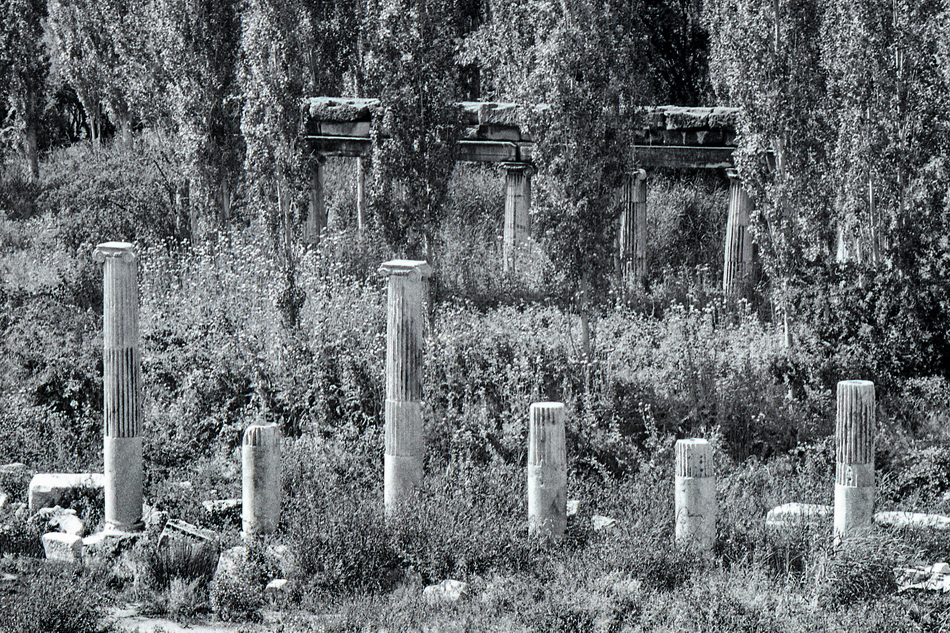
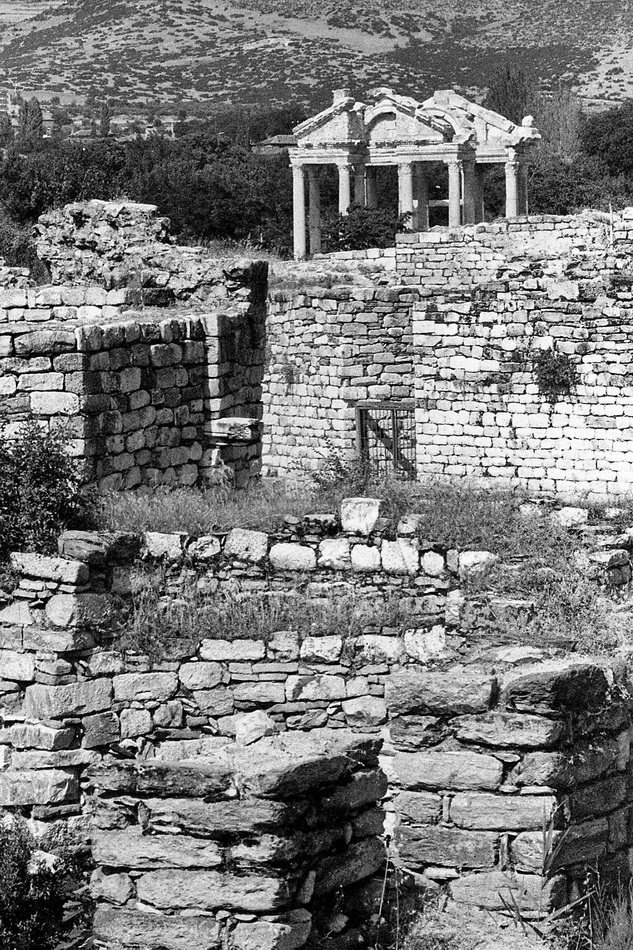
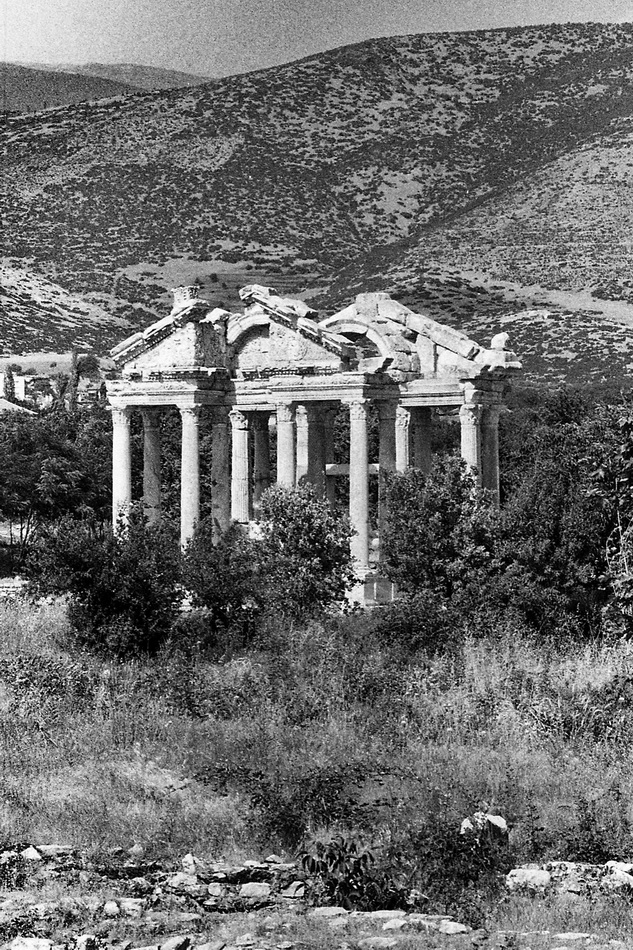
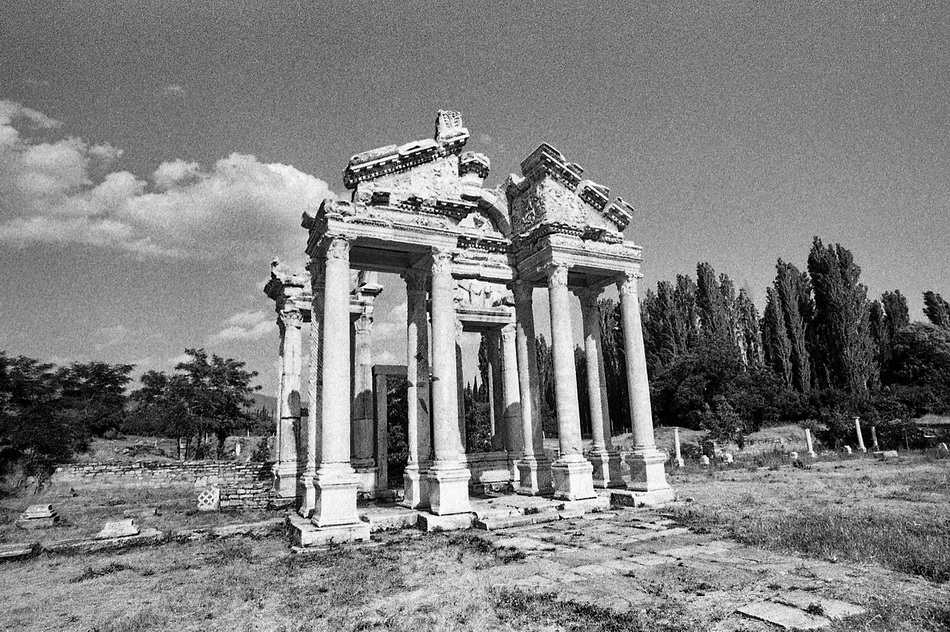
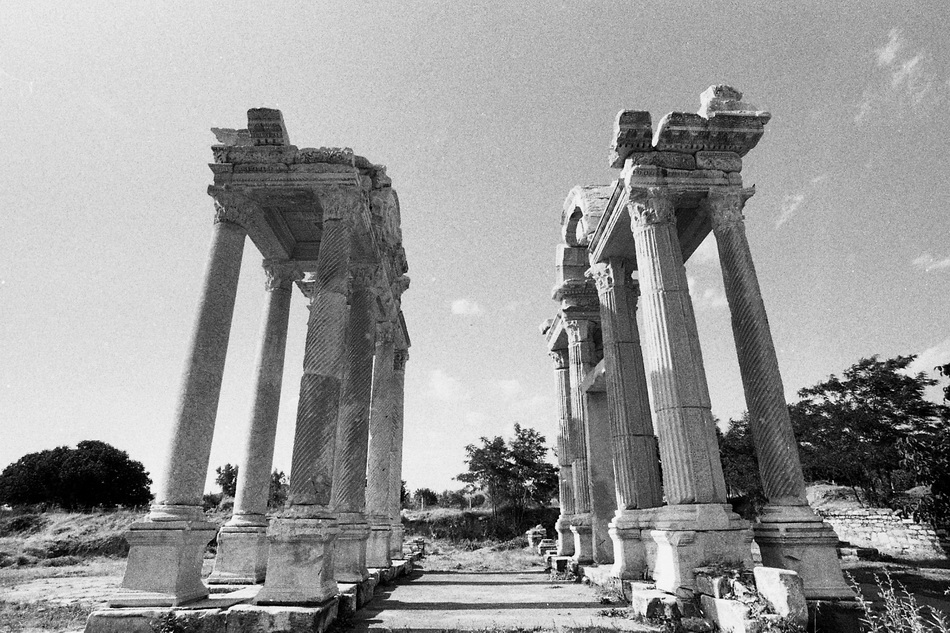
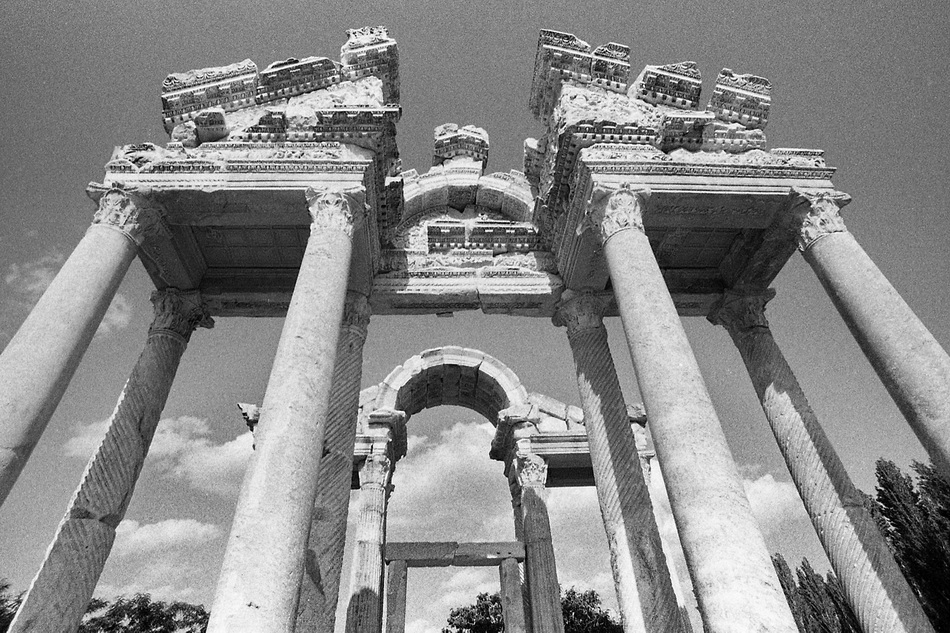
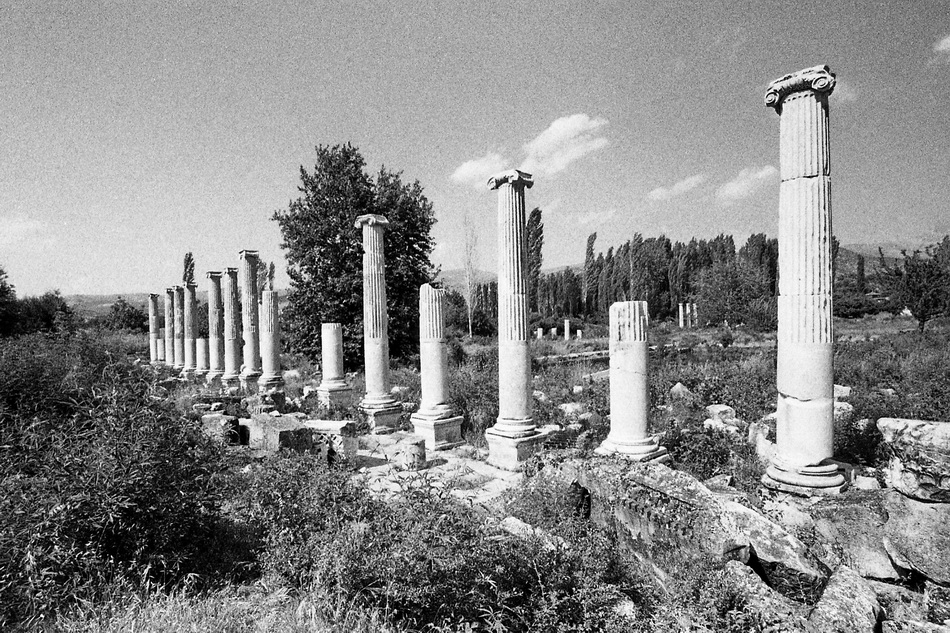
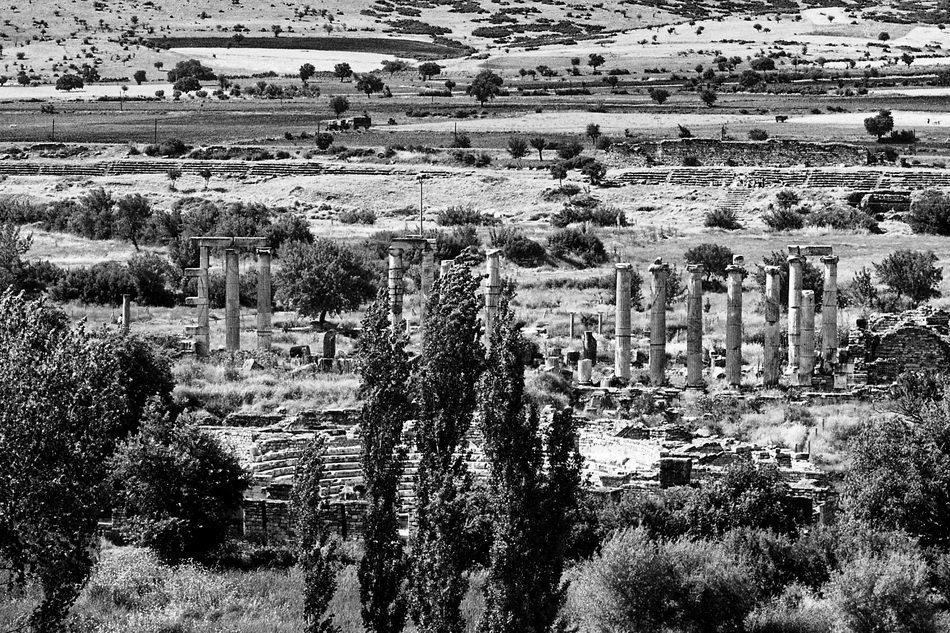
One of the city’s most recognisable monuments, the Tetrapylon, was a monumental gateway leading towards the sacred precinct of the Temple of Aphrodite. Its columns, richly decorated capitals and elegant composition make it a striking example of Roman architecture. Much of the structure visible today was re-erected using original fragments recovered during archaeological work.
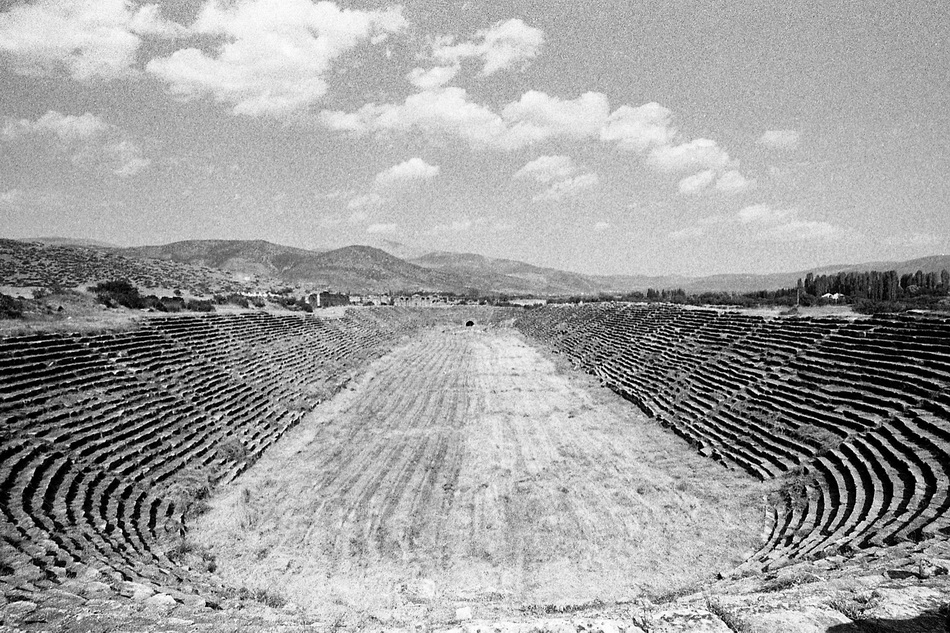
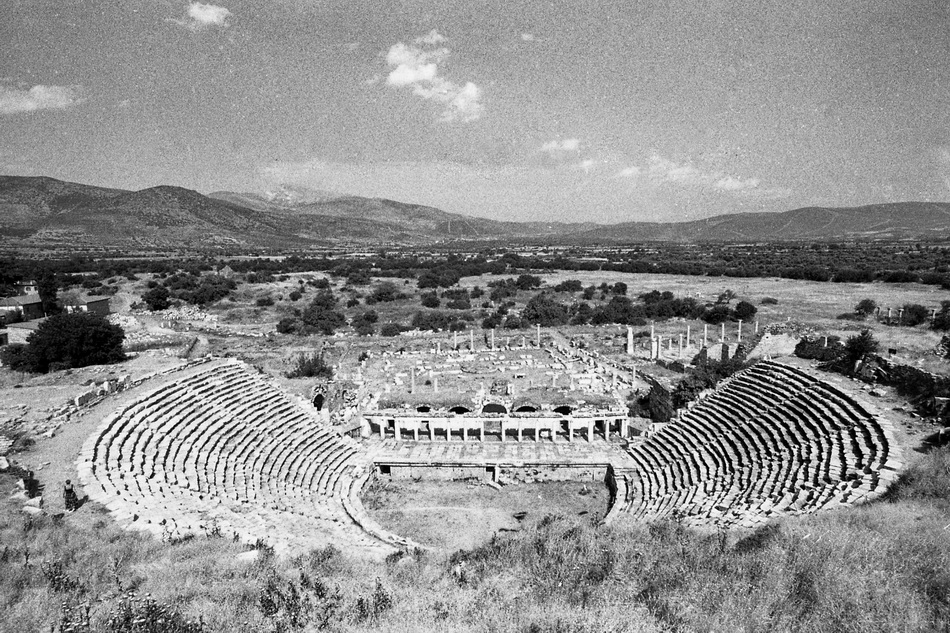
Other major monuments include one of the best-preserved ancient stadiums in Anatolia, the theatre, agora, baths, Sebasteion and other monumental civic buildings. The reliefs of the Sebasteion, depicting emperors, deities and mythological scenes, reveal the exceptional skill of the city’s sculptors. Aphrodisias was not only a city of great stone buildings, but also a place where artists transformed marble into human figures, mythological narratives and enduring expressions of life.
Known also as Stauropolis in Late Antiquity, the city gradually lost its former importance. Earthquakes and changing settlement patterns contributed to its decline, and much of the ancient city lay buried for centuries. Modern archaeological excavations brought its monuments back to light. The work begun in 1961 by Professor Kenan Erim, and continued for many years, played a major role in making Aphrodisias internationally known. The ancient city was inscribed on the UNESCO World Heritage List in 2017.
A Day in Aphrodisias — 1999
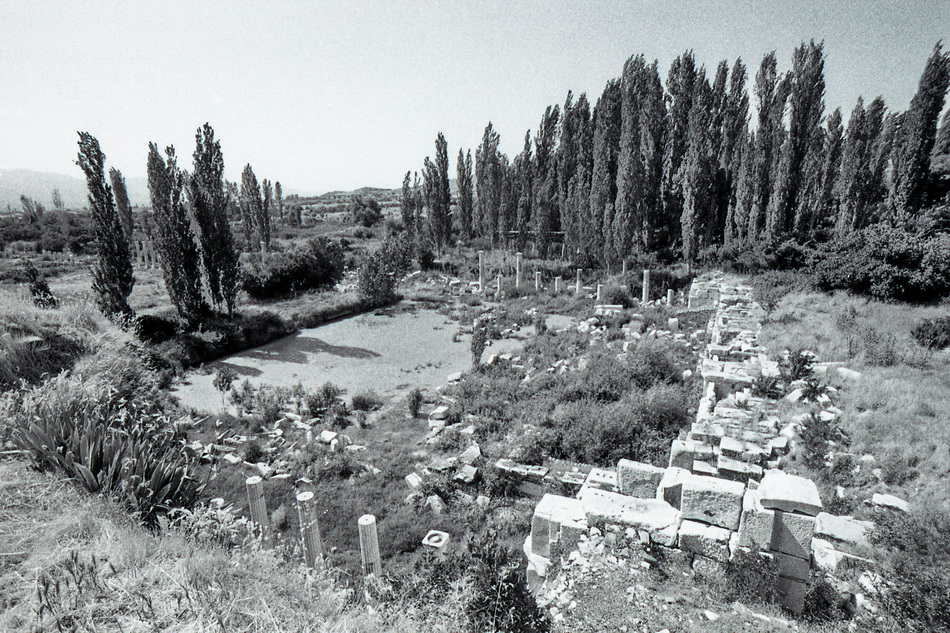
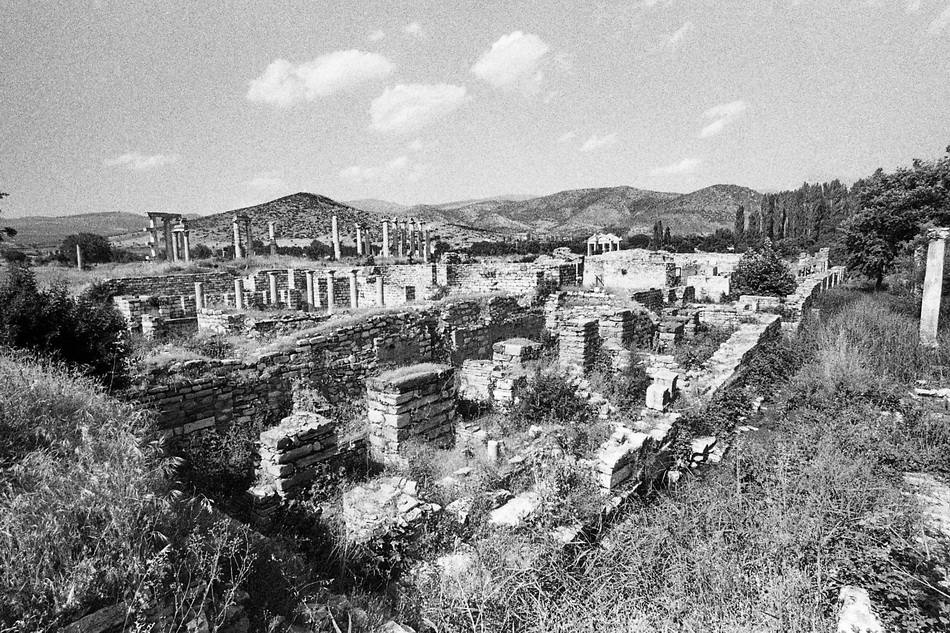
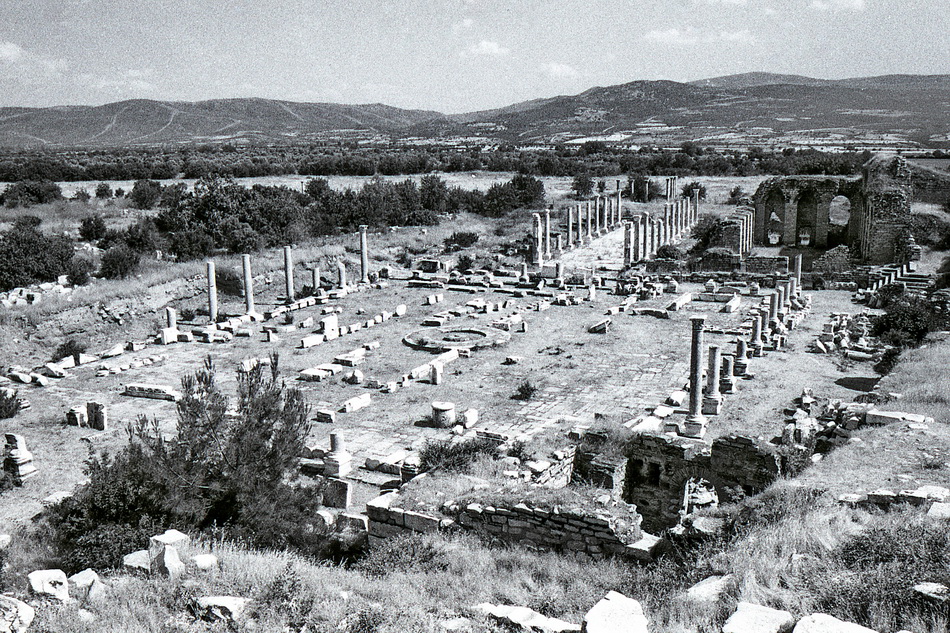
I photographed Aphrodisias in 1999, using black-and-white analogue film.
The conditions of analogue photography were very different from those of today. You could not see the result of a photograph until you returned home and developed the film. Unlike with digital cameras, there was no way to check the image immediately and simply take it again if you were dissatisfied. Every press of the shutter had a cost. You therefore had to think about the light, composition and exposure before making each photograph.
If, after developing the film, you were unhappy with a photograph, returning to the same place to take it again was usually impossible. Each frame was therefore the result of a decision made at the moment of exposure — one that could not later be changed.
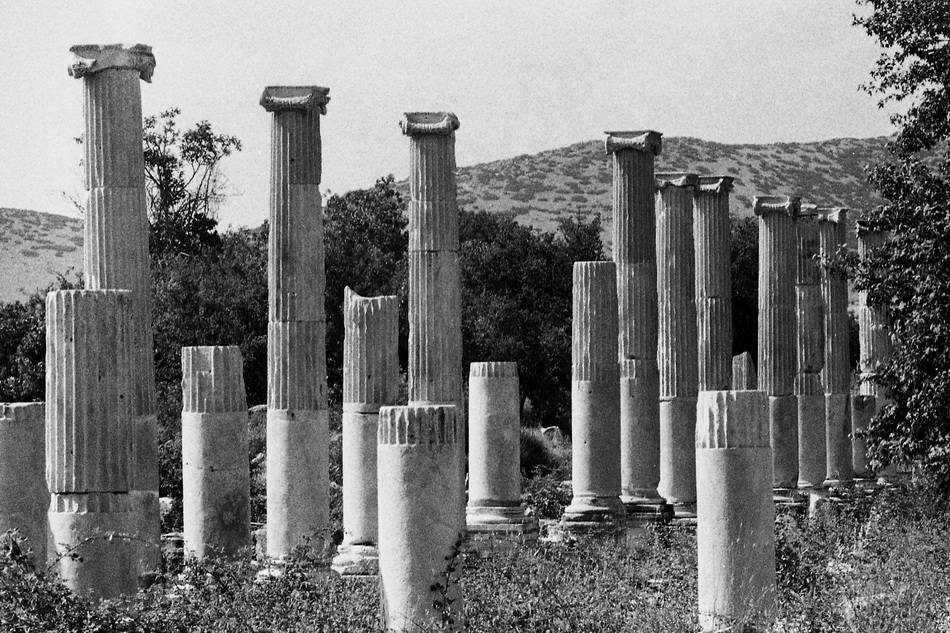
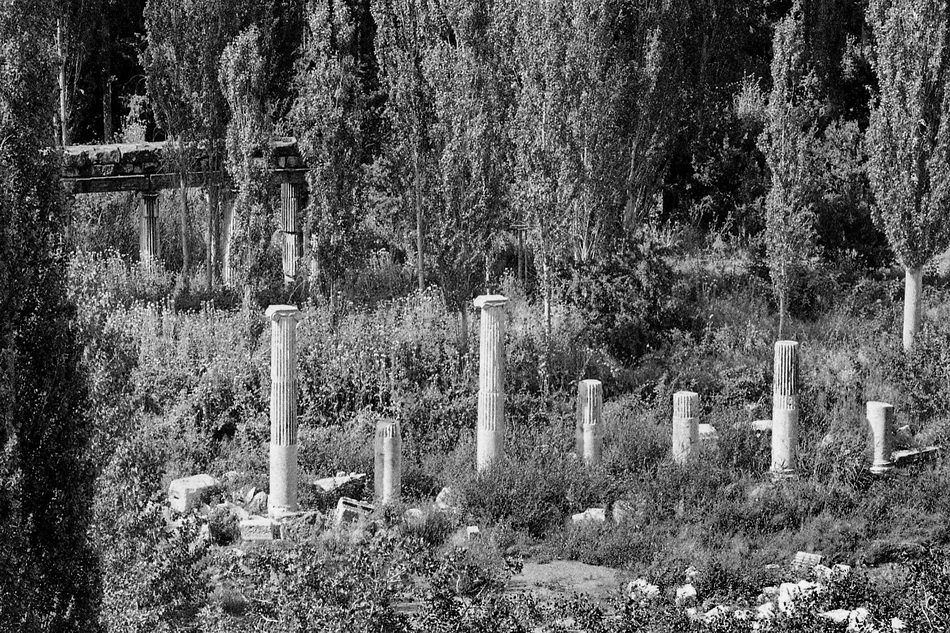
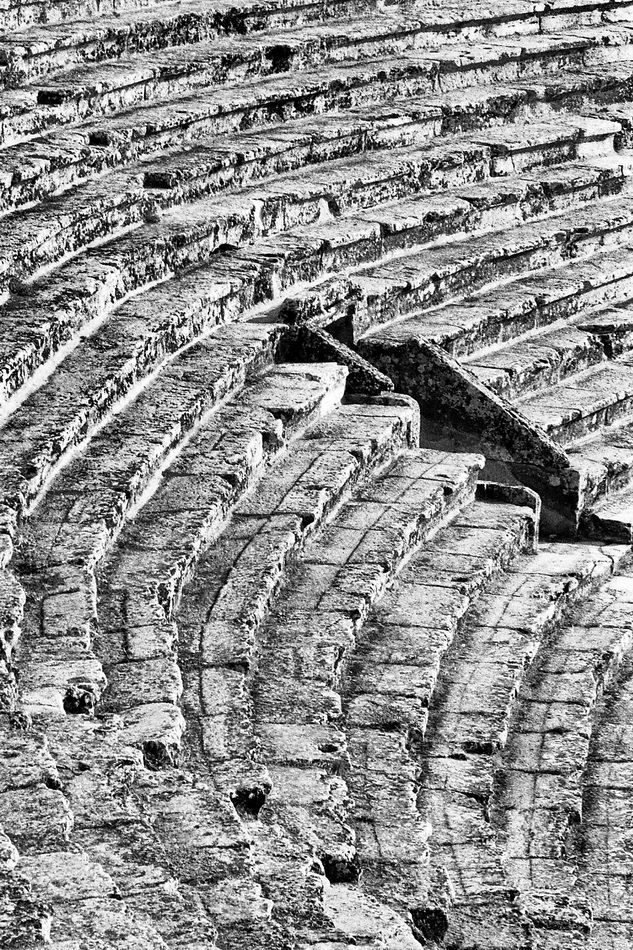
As I walked among the monumental buildings, columns, reliefs and sculptures of Aphrodisias, I worked with an awareness of how black-and-white film would render the texture of stone and the relationship between light and shadow. The towering columns and rich architectural details of the Tetrapylon, in particular, offered a powerful visual structure to explore from different viewpoints.
When photographing ancient cities, it is not enough merely to show the scale of their buildings. What interests me is also the possibility of conveying the traces of human labour and artistic vision that brought them into being. In Aphrodisias, stone had become more than a building material: in the hands of skilled craftsmen, it was transformed into architecture, sculpture and lasting testimony to human history.
Looking at these photographs from 1999 today, I remember not only the appearance of Aphrodisias at that time, but also the patience and discipline required by analogue photography. Each image records a decision made in the light and circumstances of that day, without the option of returning to take it again.