
Zion Synagogue — Plovdiv, Bulgaria · July 2017
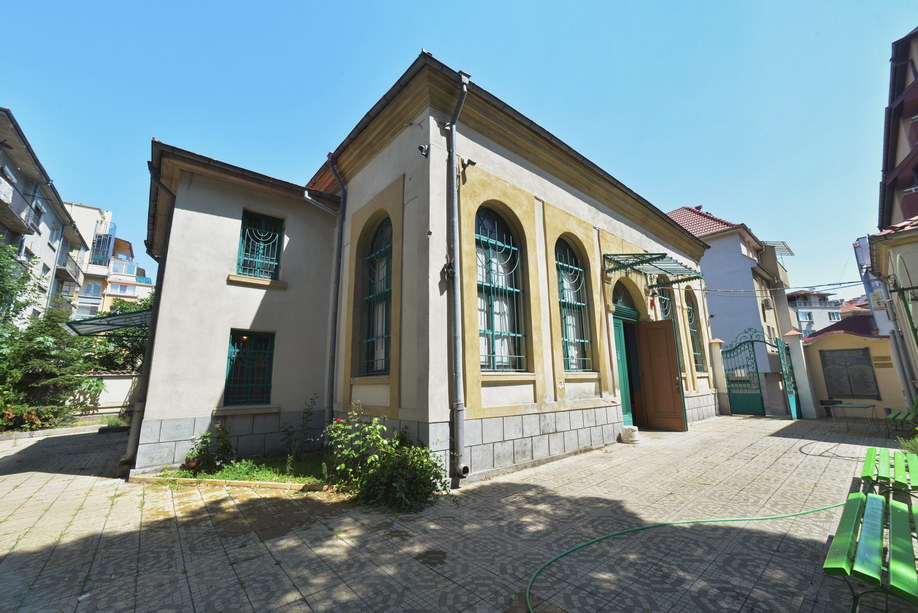
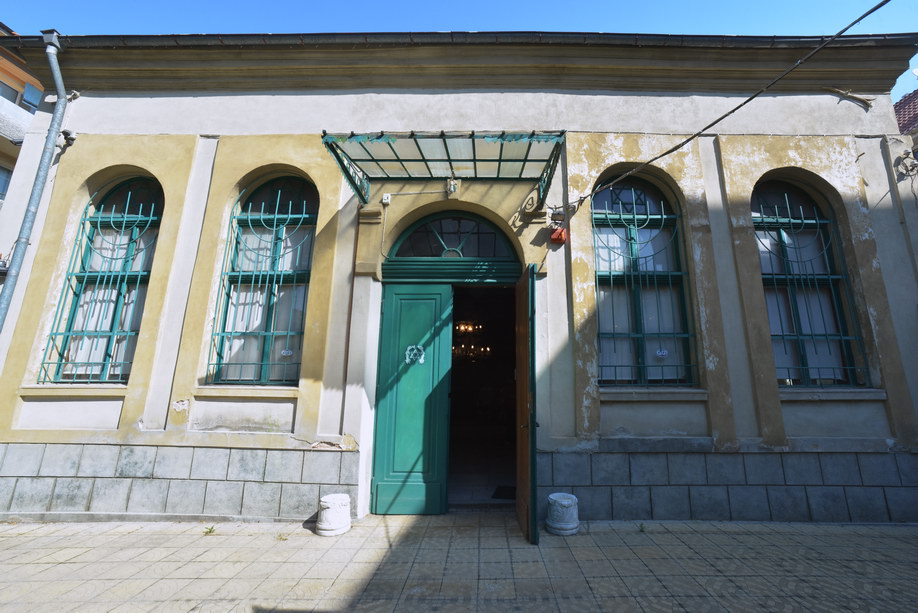
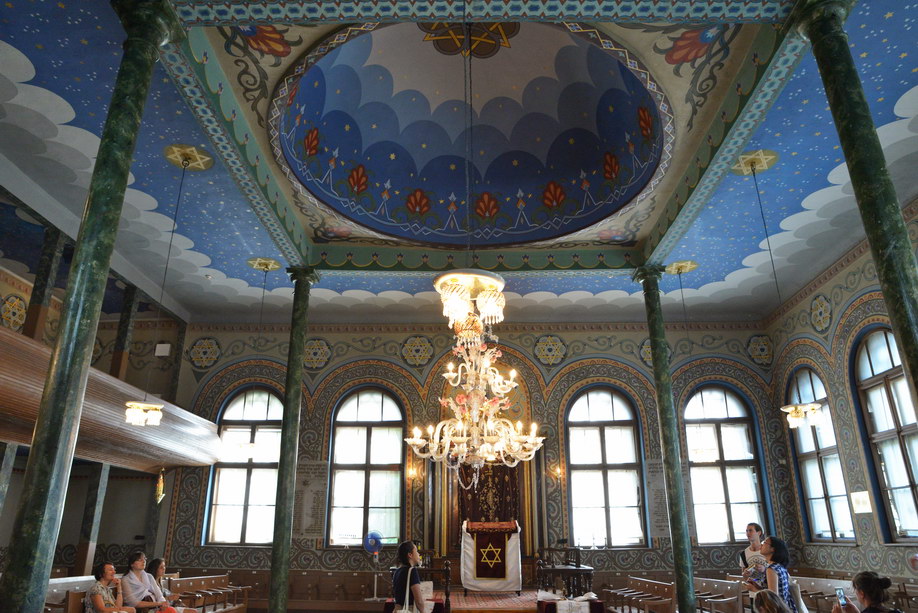
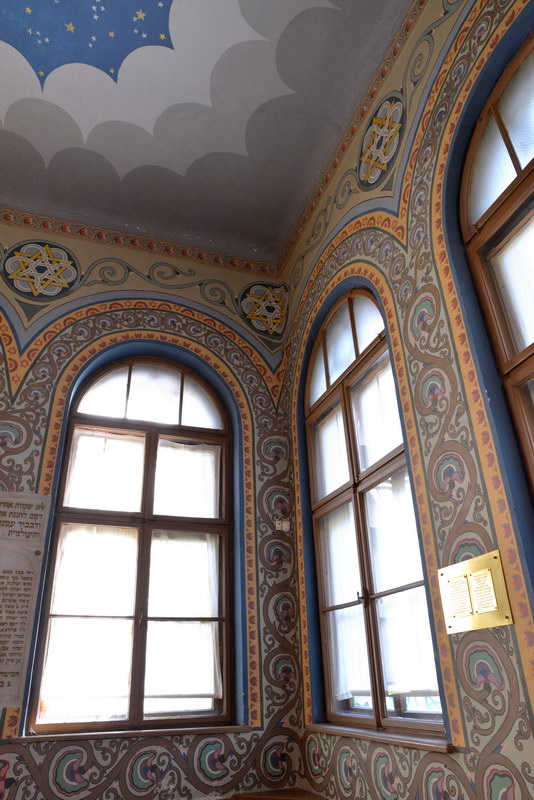
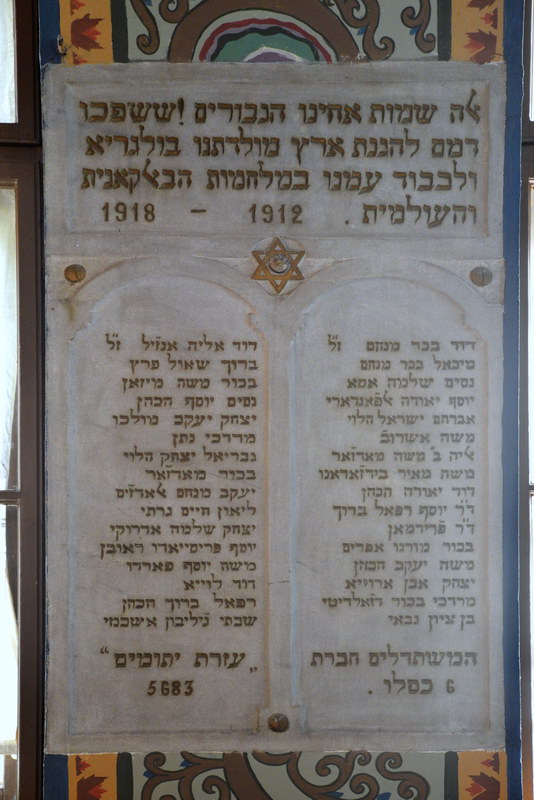
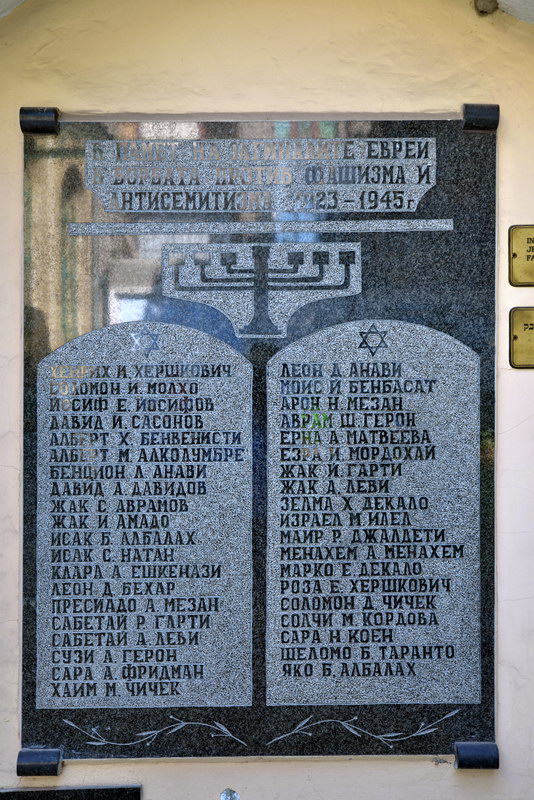
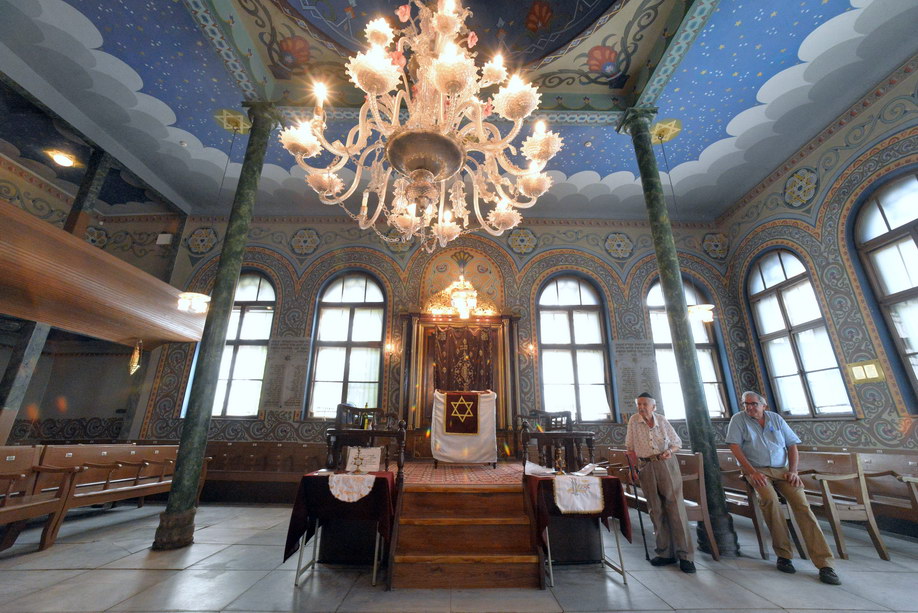
When I entered the Zion Synagogue in Plovdiv, I was struck by the richness concealed behind its very modest exterior. The synagogue stands in the area of the former Jewish quarter, on today’s Tsar Kaloyan Street. As one of the few synagogues in Bulgaria that has remained open for worship, it has a significance that extends beyond its architectural value.
Jewish presence in Plovdiv reaches back many centuries. Under Ottoman rule the city, known as Filibe, became an important commercial centre. After the expulsion of the Sephardic Jews from Spain in 1492 and their reception in Ottoman lands, new Jewish communities developed across Balkan cities, and Plovdiv became one of their important centres. The Ladino language, religious traditions and Mediterranean culture they brought with them gradually became part of Ottoman urban life. The existence of several synagogues serving different congregations reflects the former size and diversity of this community.
The present Zion Synagogue was built in 1892, after Bulgaria had separated from Ottoman rule. Although constructed within the new Bulgarian state, its architecture and decoration continued the earlier Ottoman-Sephardic synagogue tradition. Zion is therefore regarded as an important surviving example of the late Ottoman-type Sephardic synagogues of the Balkans.
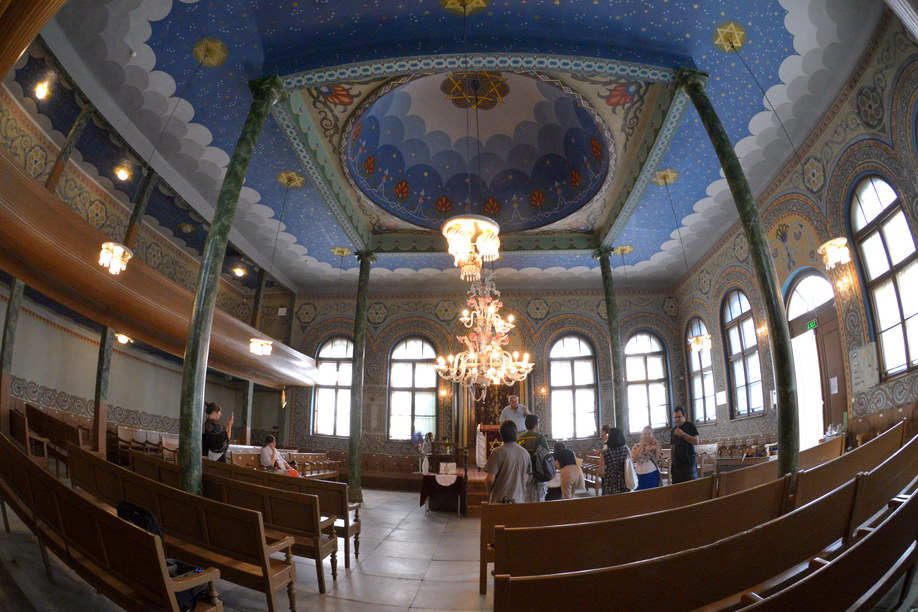
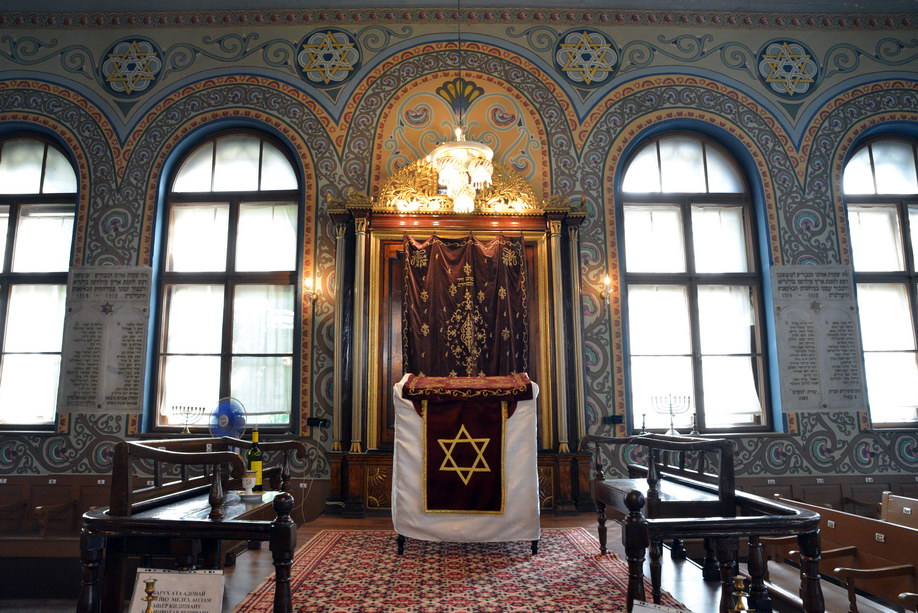
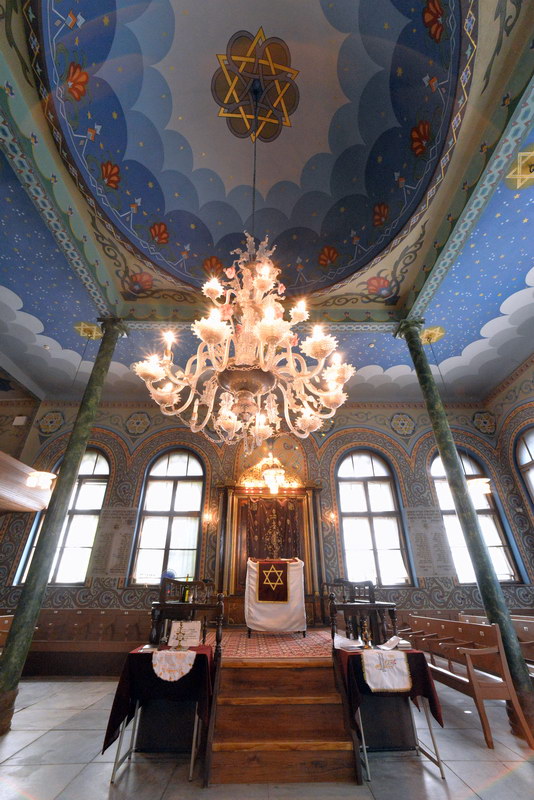
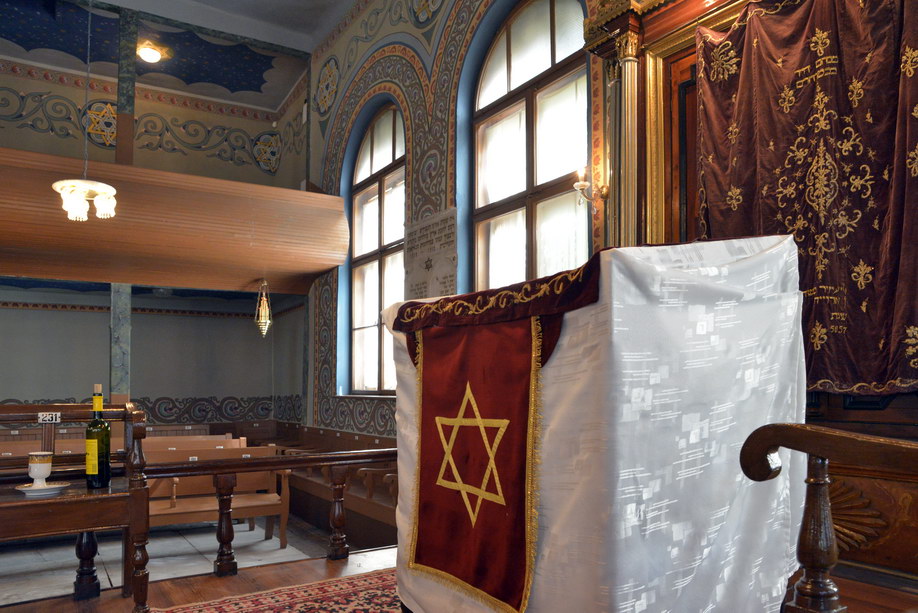
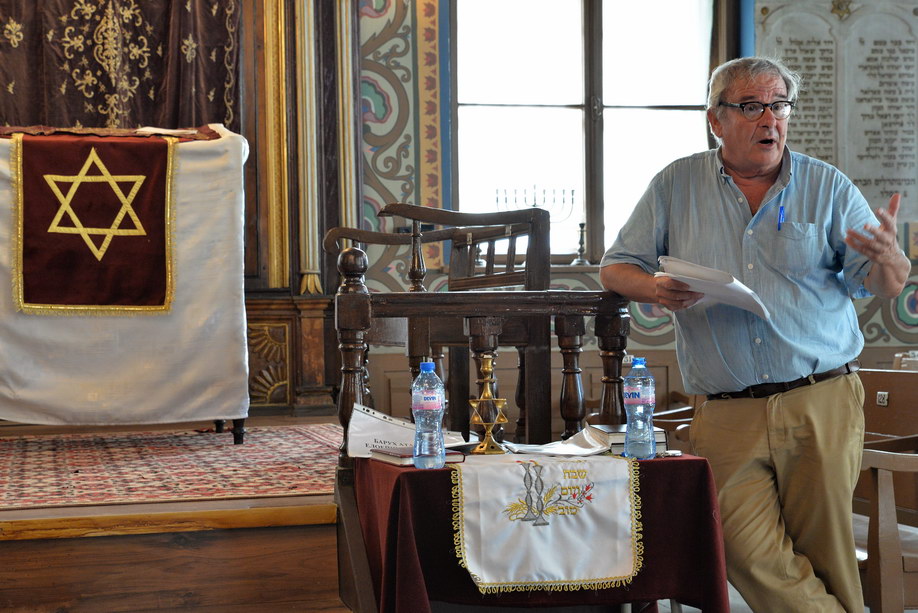
The restraint of the exterior changes completely inside. A women’s gallery surrounds the rectangular prayer hall, while the central worship area and the Aron ha-Kodesh on the eastern wall establish the traditional Sephardic arrangement. The richly decorated Aron ha-Kodesh, where the Torah scrolls are kept, forms the religious focus of the interior.
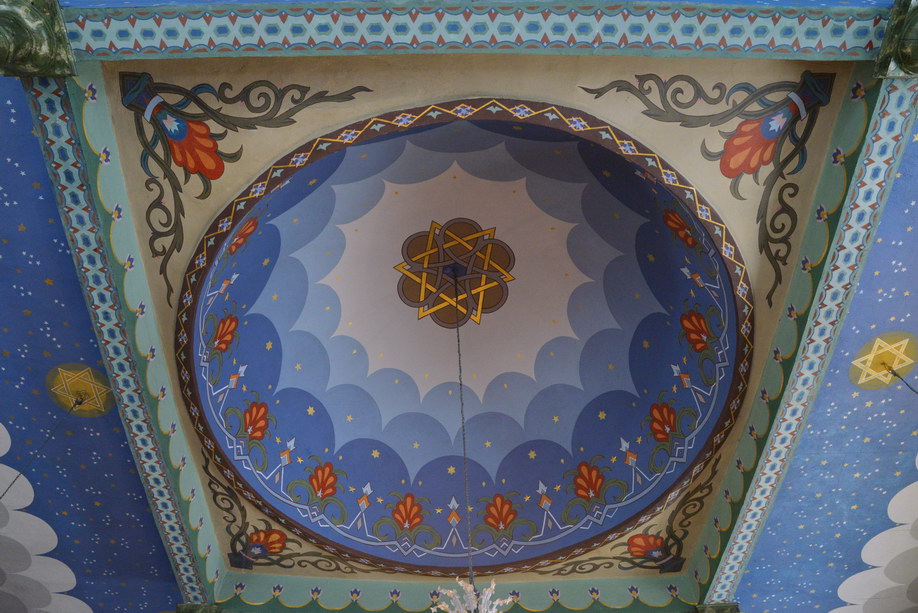
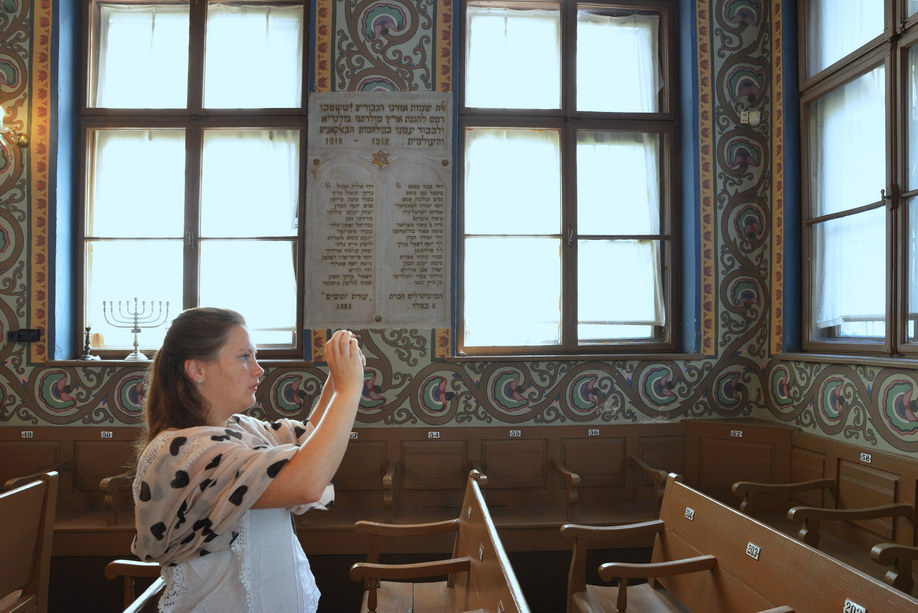
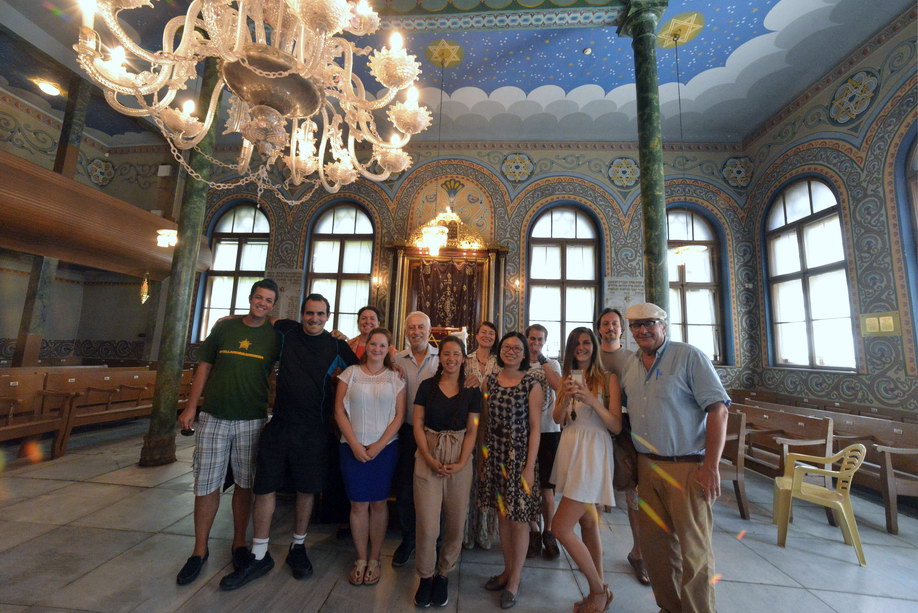
For me as a photographer, however, the strongest aspect of the building was its decoration. The walls and ceiling are covered with dense geometric and vegetal ornament. Blue, green, red and gold tones combine with the timber surfaces and galleries to create an unexpectedly colourful interior world. The large chandelier suspended at the centre almost becomes an architectural element in its own right. Ottoman, Moorish and nineteenth-century European decorative influences can all be sensed in this visual language.
The story of the synagogue is not limited to architecture. During the Second World War, Bulgaria’s Jewish community faced a critical period. Anti-Jewish legislation was introduced from 1941, and in 1943 preparations were made for deportations. Opposition from members of parliament, leading figures of the Bulgarian Orthodox Church and other parts of society prevented the deportation of approximately 48,000 Jews living within Bulgaria’s pre-war borders. At the same time, more than 11,000 Jews from Bulgarian-administered occupied territories in Thrace and Macedonia were deported, and the great majority were murdered. Both realities need to be remembered together when discussing this history.
After the war, much of Bulgaria’s Jewish population emigrated to the newly established state of Israel. The community in Plovdiv, once numbering in the thousands, became much smaller, and most of the city’s former synagogues disappeared or found other uses. The survival of Zion therefore represents more than the preservation of a building: it is one of the rare living traces of Plovdiv’s centuries-old multi-religious and multicultural urban life.
When I photographed this small synagogue in July 2017, what moved me was the historical density carried without monumentality. From the quiet street, entering the colourful interior with its ceiling, galleries, chandelier and Aron ha-Kodesh felt like opening a door into another world. My photographs record not simply a beautiful nineteenth-century place of worship, but a living fragment of social memory stretching from the Sephardic arrival in Ottoman lands to present-day Plovdiv.