
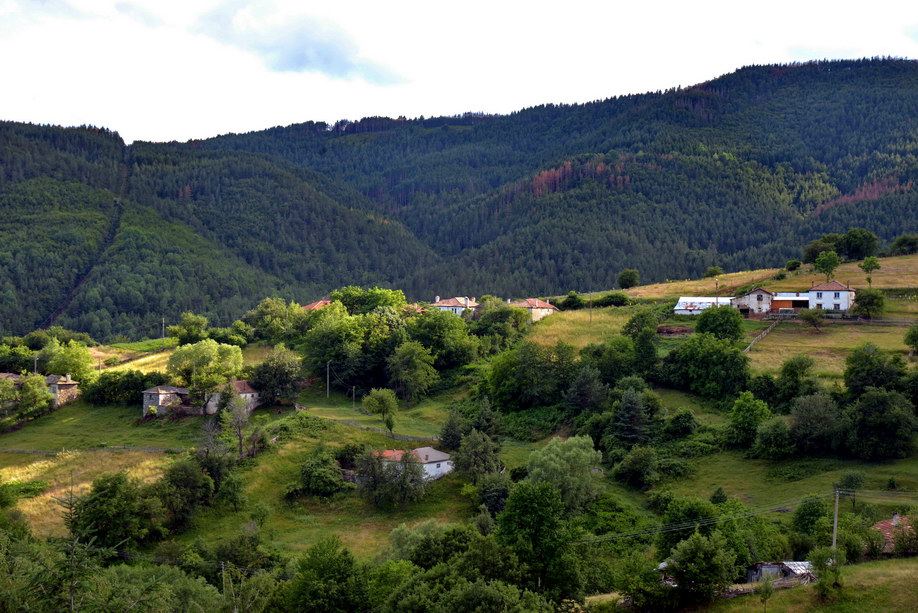
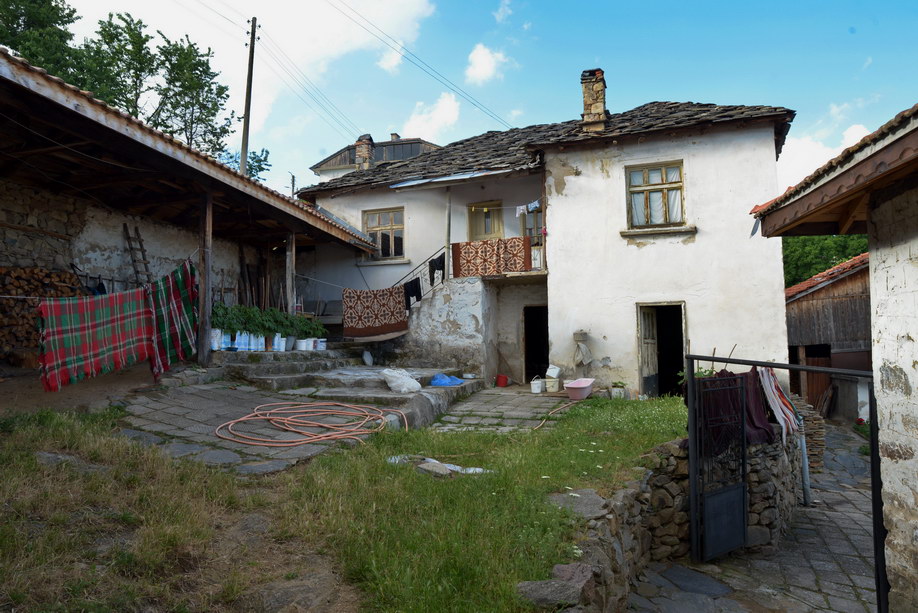
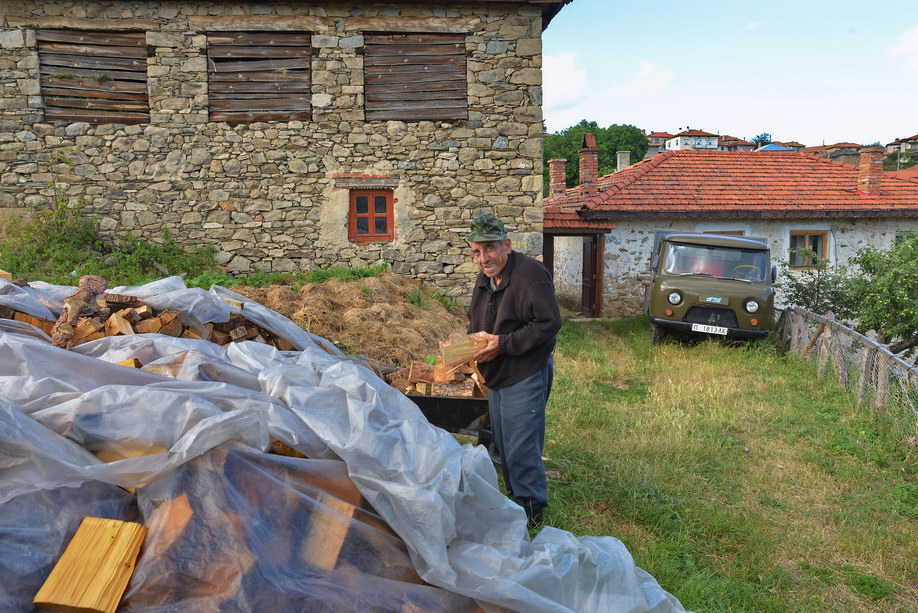
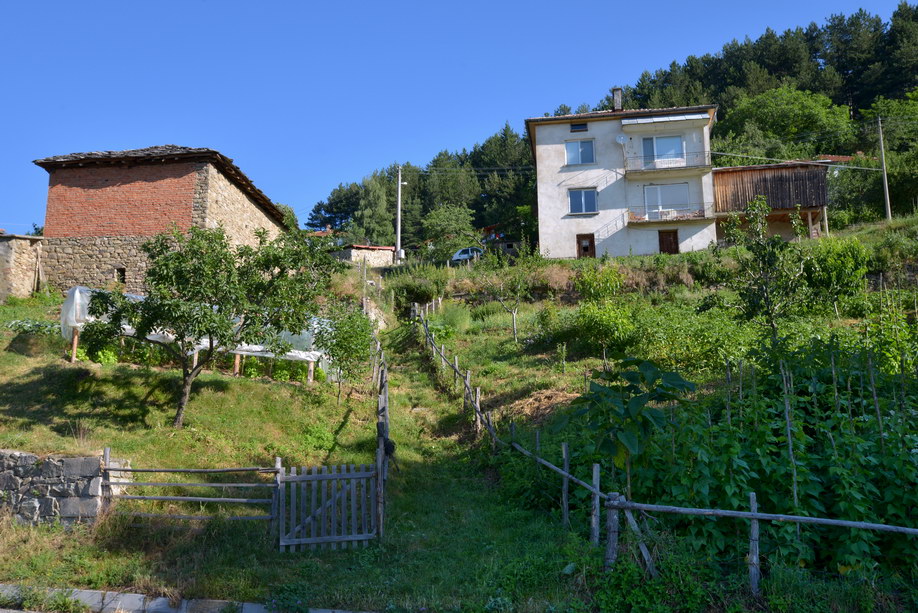



In July 2017, as part of the Plovdiv Summer School programme, I travelled to Zagrazhden, a mountain village in the municipality of Banite, Smolyan Province. The settlement lies among the valleys and wooded slopes of the Rhodope Mountains, far from the busy streets of Plovdiv. I came here to observe and photograph everyday life, but the visit became something more personal than a field assignment.
Zagrazhden belongs to a region associated with the Pomaks, a Bulgarian-speaking Muslim community whose history reflects the complicated religious and cultural landscape of the Balkans. Islam spread through parts of the Rhodopes during the Ottoman centuries, while local speech, family customs and a strong attachment to mountain villages continued to shape community life. Pomak identity is not uniform: people may describe their own belonging in different ways, and no single label can tell the whole story of a village.
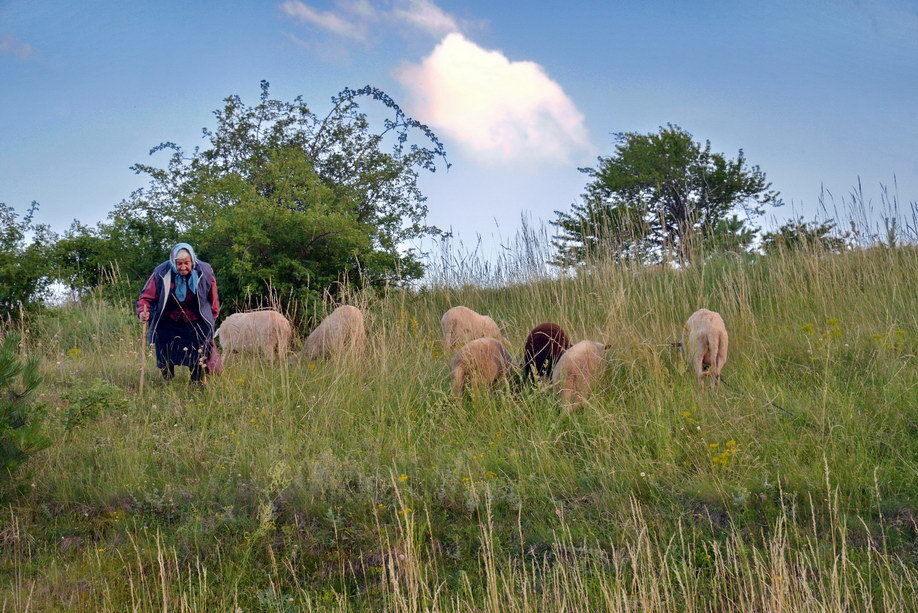
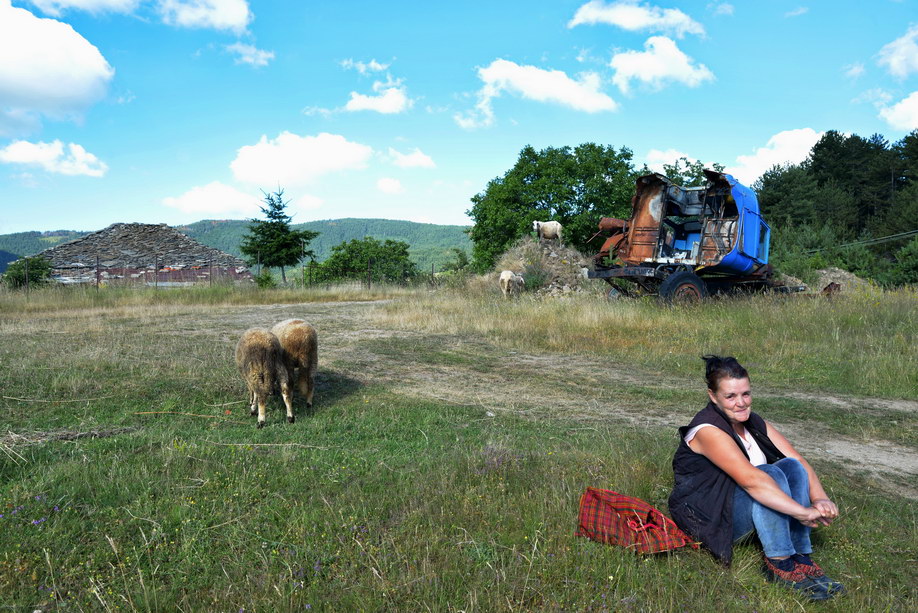
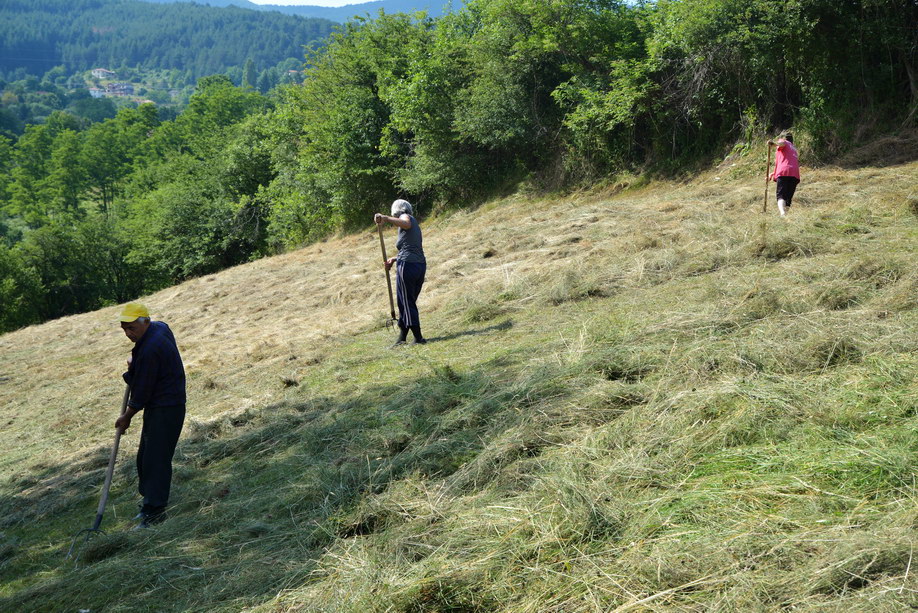
For generations, the Rhodope landscape influenced how people made their living. Animal husbandry, seasonal movement between pastures and small-scale agriculture formed part of the wider mountain economy. During my visit, I watched villagers taking their animals out in the morning. Such ordinary moments interested me as much as any monument: the paths, the pace of work and the quiet familiarity between people and their surroundings.
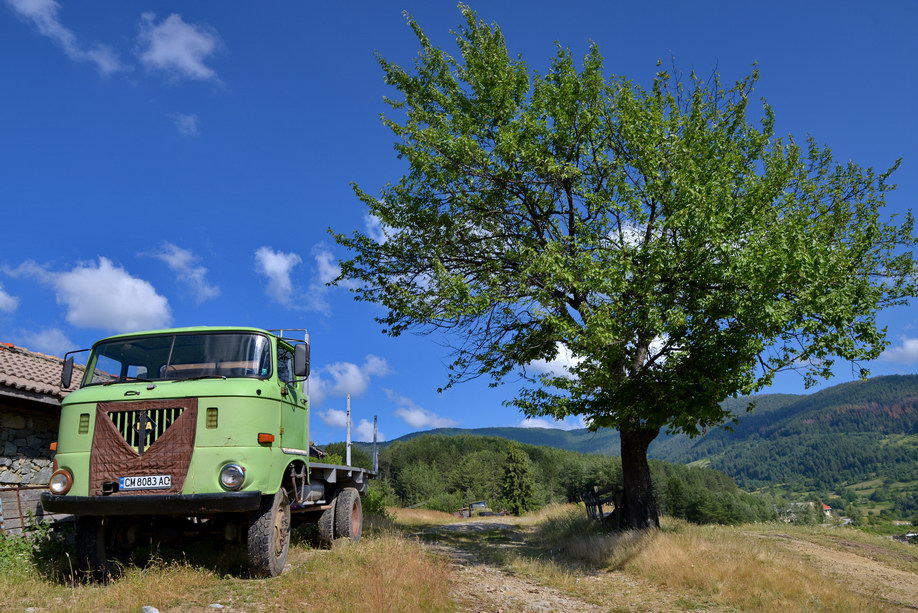
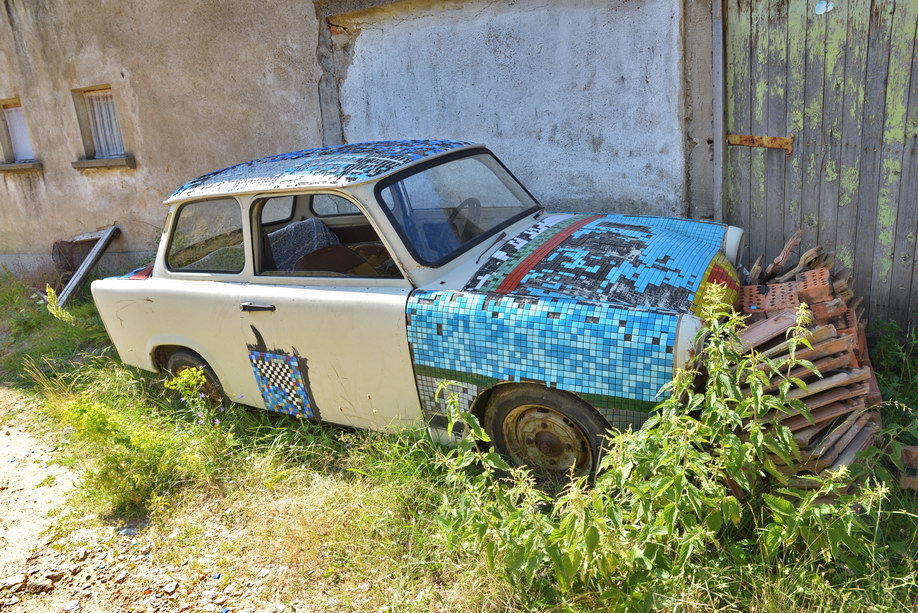
The village also bore signs of a more recent past. Mining had once provided work in the area, while the abandoned trucks and other ageing machinery suggested an economy that had changed. One of the most unexpected sights was an old East German Trabant decorated with small ceramic stones. To me, it was both an object left over from the socialist period and a wonderfully individual gesture, transforming a familiar machine into something quite different.
These details led me to think about the twentieth-century history of the Rhodopes. Under Bulgaria's communist government, modernisation projects reshaped rural livelihoods, and Bulgarian-speaking Muslim communities also experienced state pressure on religious and cultural expression, including campaigns to change personal names. I cannot read those larger histories directly from a rusting truck or an old building, yet such objects can prompt questions about what a community has lived through and what it remembers.
Our host, Zdravko, gave the visit its most memorable human moment. During our fieldwork I spoke with my wife on the telephone because it was our wedding anniversary. When Zdravko learned why we were talking, he first offered us some of his homemade rakia. Then he said that he would sing a song for us. He sang a beautiful song about nature, and my Bulgarian colleague Georgi translated the words. What began as a casual conversation became a gift I have never forgotten.
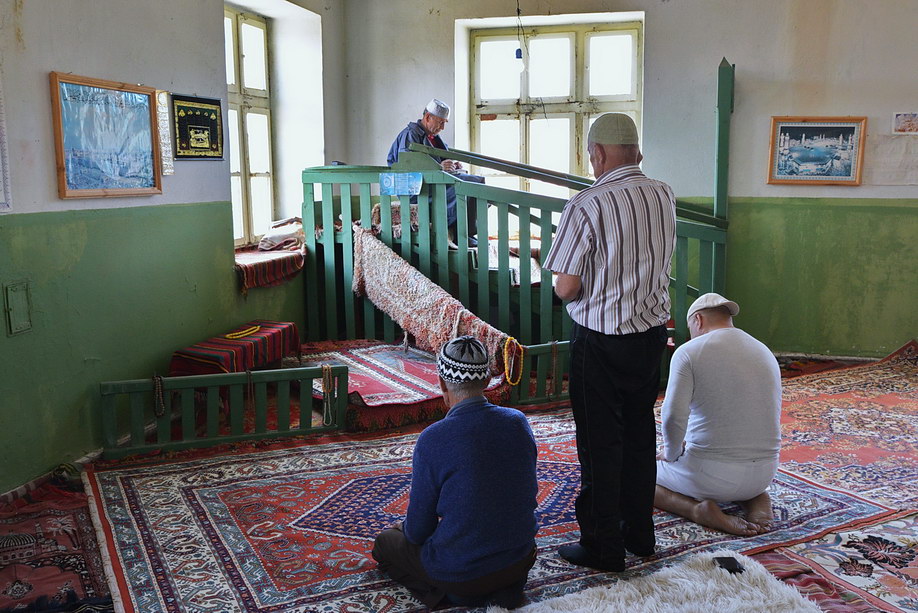
Another discovery awaited me at the village mosque. On its wall I noticed a marble plaque bearing a red star and an inscription in Bulgarian. I asked Georgi to translate it. The inscription commemorated an action on 2 September 1944 by units associated with the Vasil Kolarov partisan brigade, including the Raycho Kirkov and Georgi Benkovski detachments. It was a striking juxtaposition: a memorial to communist-era resistance on the wall of a Muslim place of worship, bringing different layers of local history into a single frame.
I left Zagrazhden with photographs of mountain roads, animals, ageing vehicles and the traces of history, but also with the memory of a song offered in friendship. These images are not an attempt to define the Pomak community from the outside. They are a record of what I saw and of the hospitality that turned a brief visit to a Rhodope village into a lasting memory.