
A Sixty-Year Cycle and a Book Understood Twelve Years Later
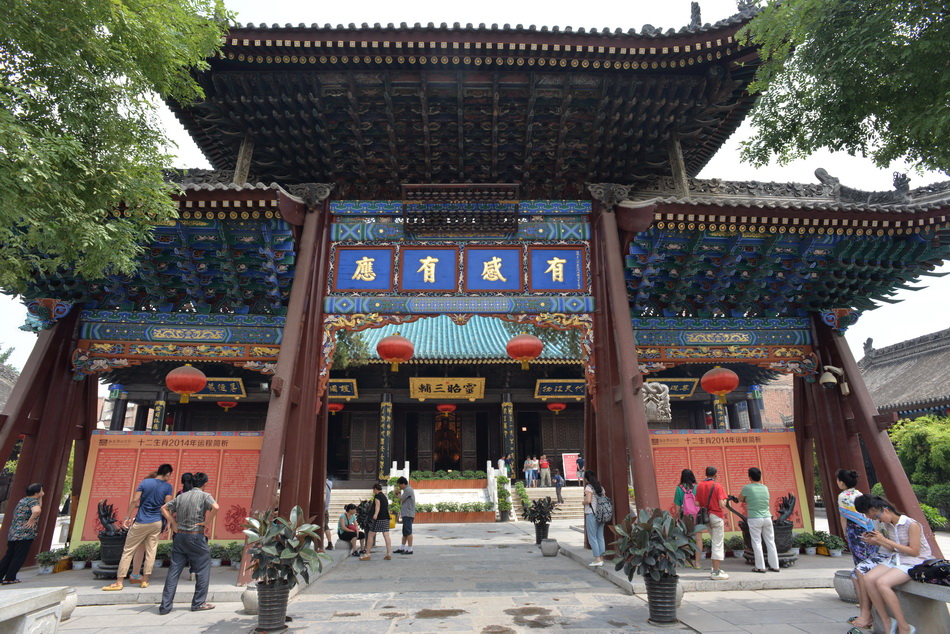
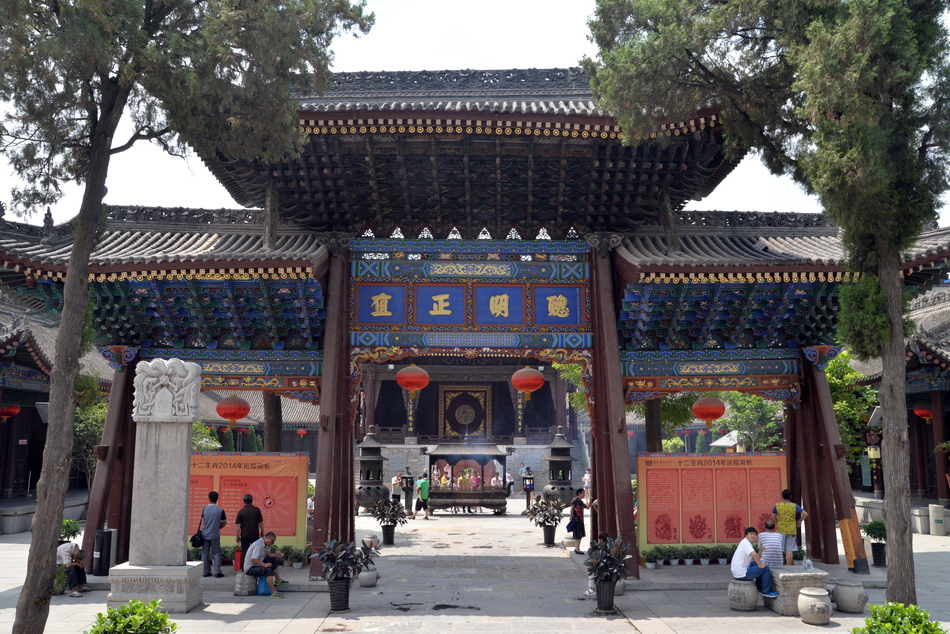
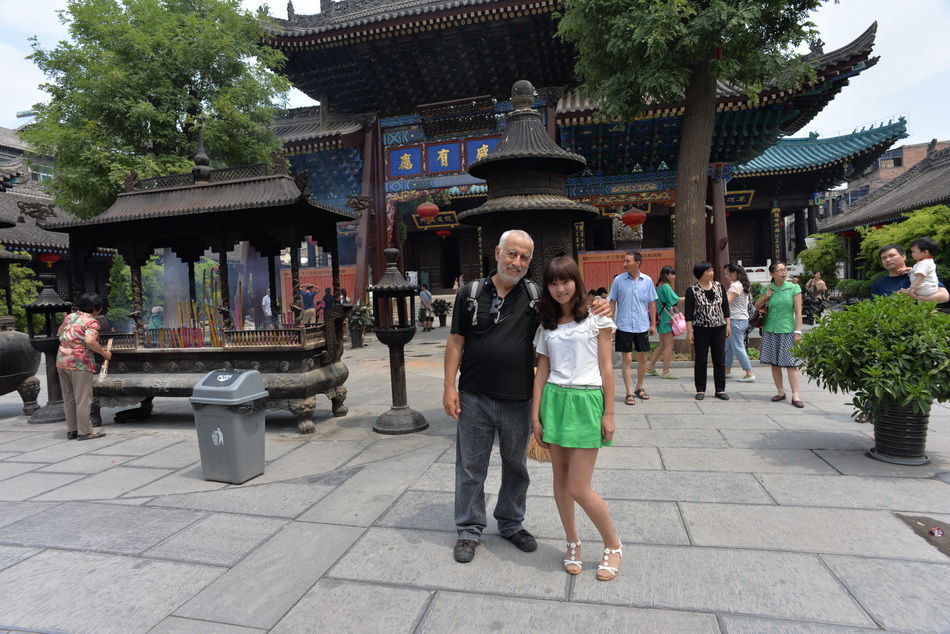
During my journey to China in 2014, I visited the City God Temple (Chenghuang Miao, 城隍庙) in Xi’an, one of the country’s ancient capitals. I was sixty years old. As I entered, I had no idea how different the meaning of this visit would become for me years later.
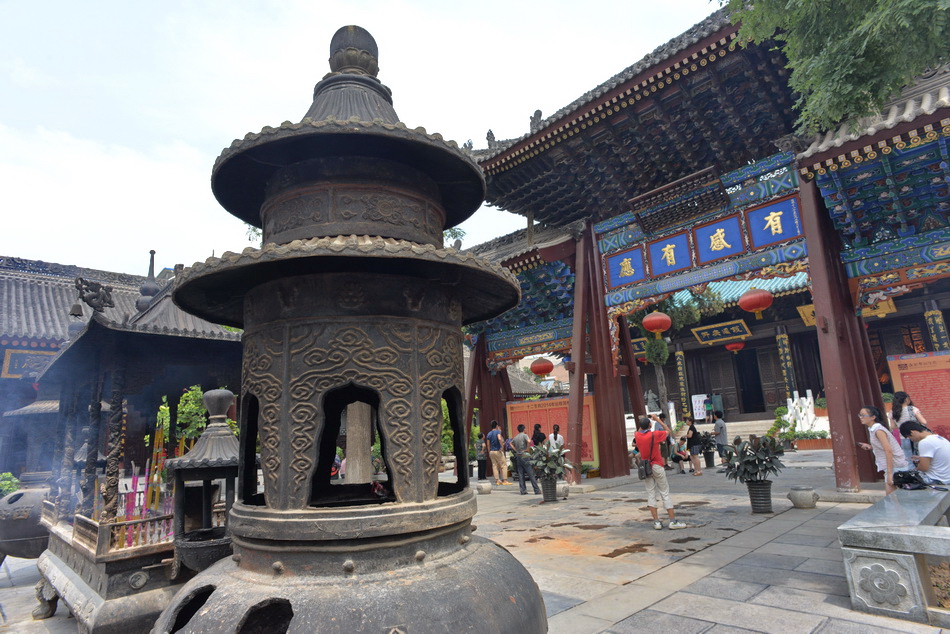
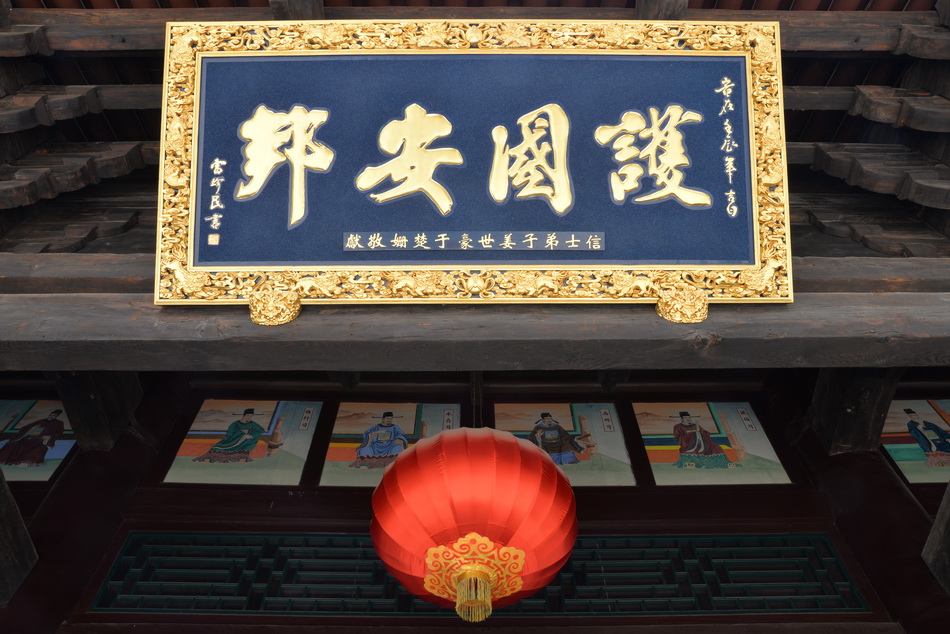
Xi’an, one of the eastern starting points of the Silk Road, has long been an important centre of Chinese culture. During the Tang dynasty it became one of the world’s largest and most cosmopolitan cities, bearing the traces of Buddhist, Daoist, Muslim and other communities. The City God Temple, within the historic urban fabric, is one of the places where China’s traditional religious culture remains visible.
The City God and the History of the Temple
In Chinese tradition, the City God is known as Chenghuang. Within Chinese popular religion and Daoist practice, the deity is believed to protect the city and its inhabitants, observe human conduct and play a role in the administration of justice after death. City God temples are therefore not simply places of worship; they also express ideas of justice, moral responsibility and social order.
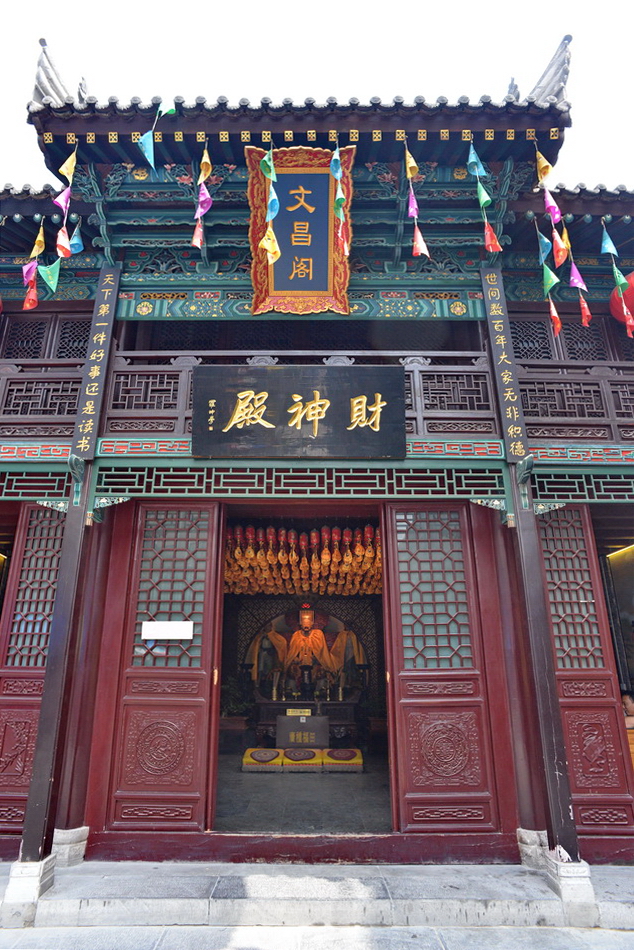
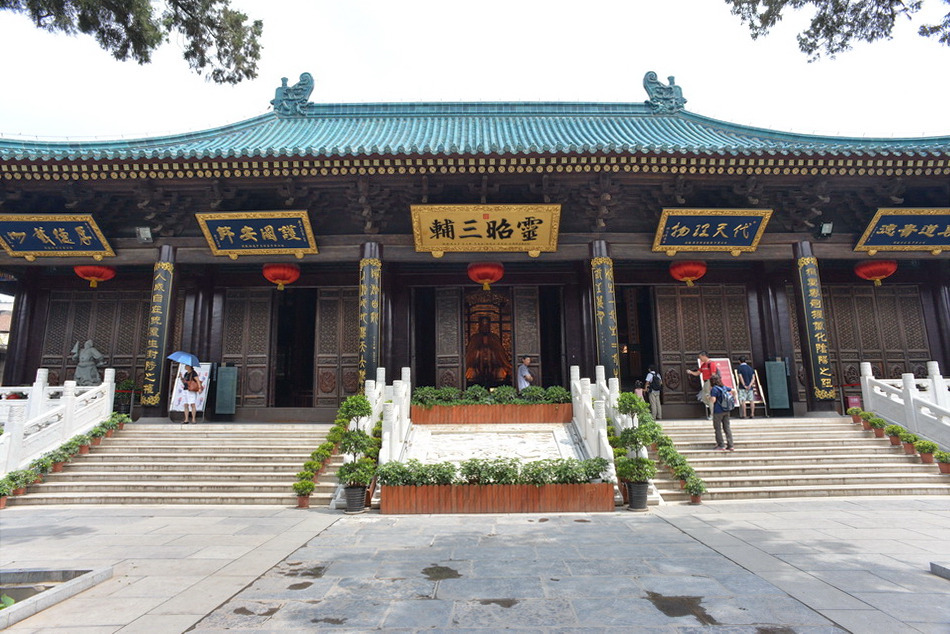
The Xi’an City God Temple traces its foundation to 1387, during the Ming dynasty. Repaired and altered over the centuries, the complex displays characteristic features of traditional Chinese timber architecture, elaborate rooflines and religious decoration. It became an important centre of the City God cult in the region.
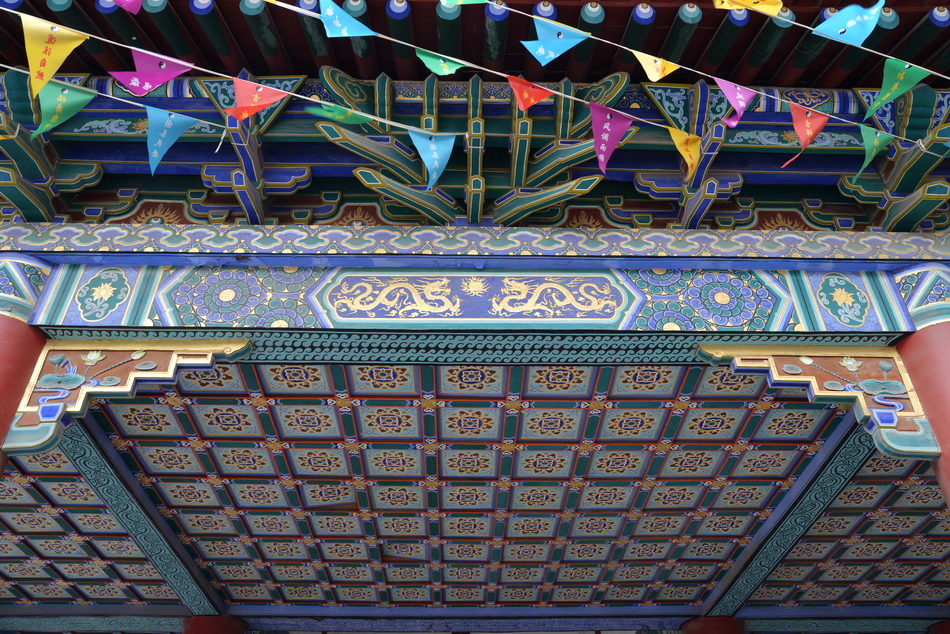
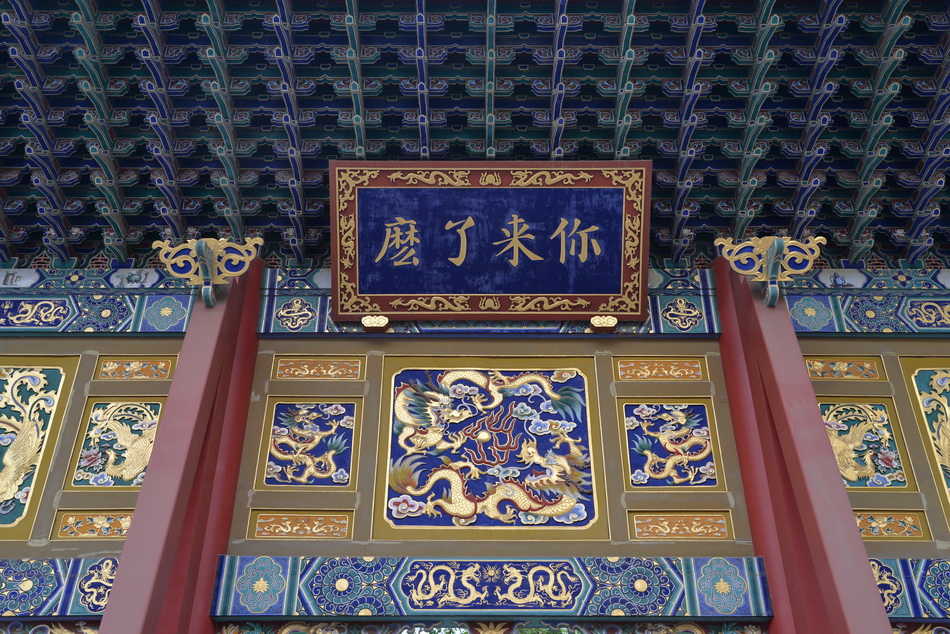
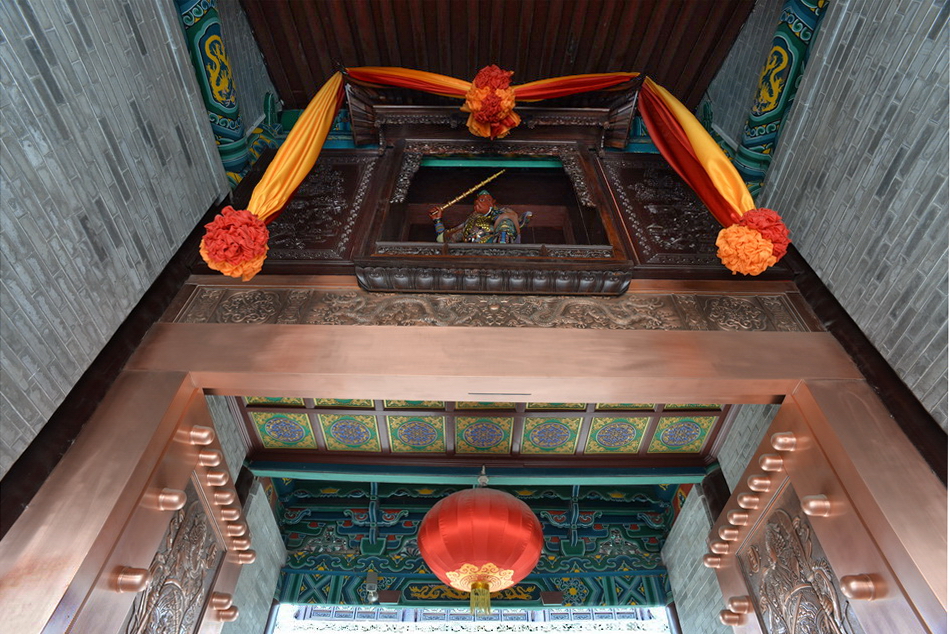
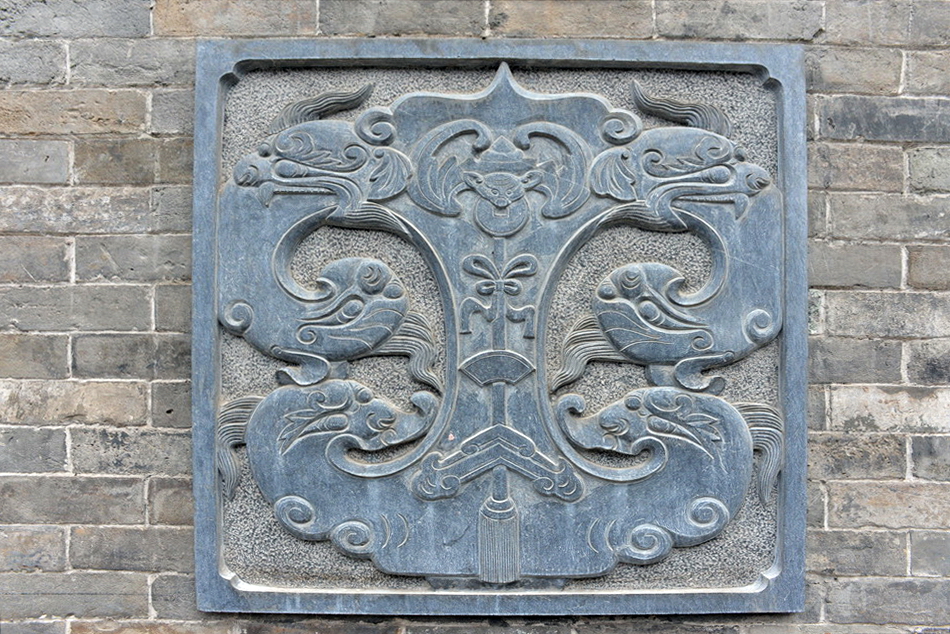
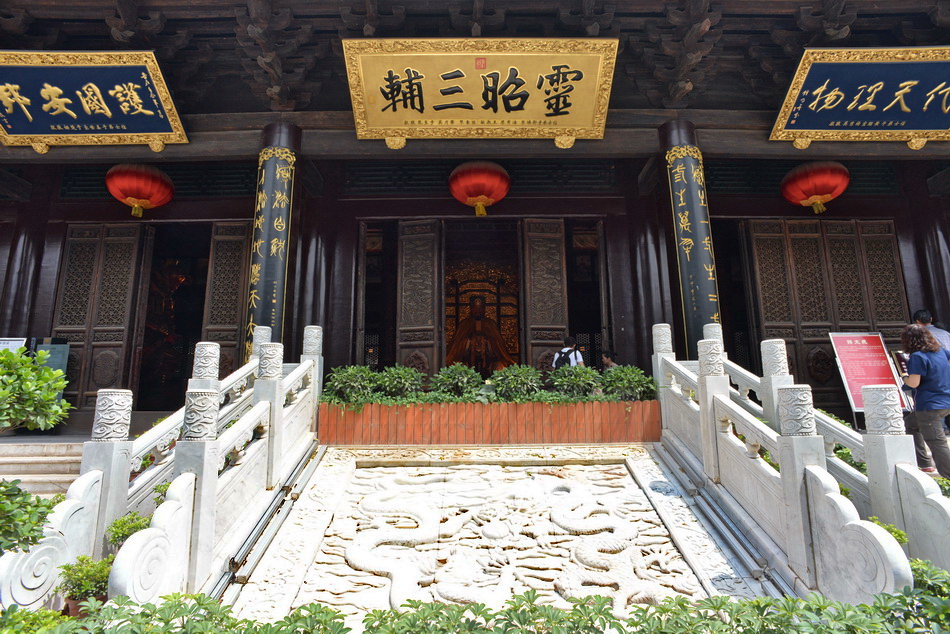
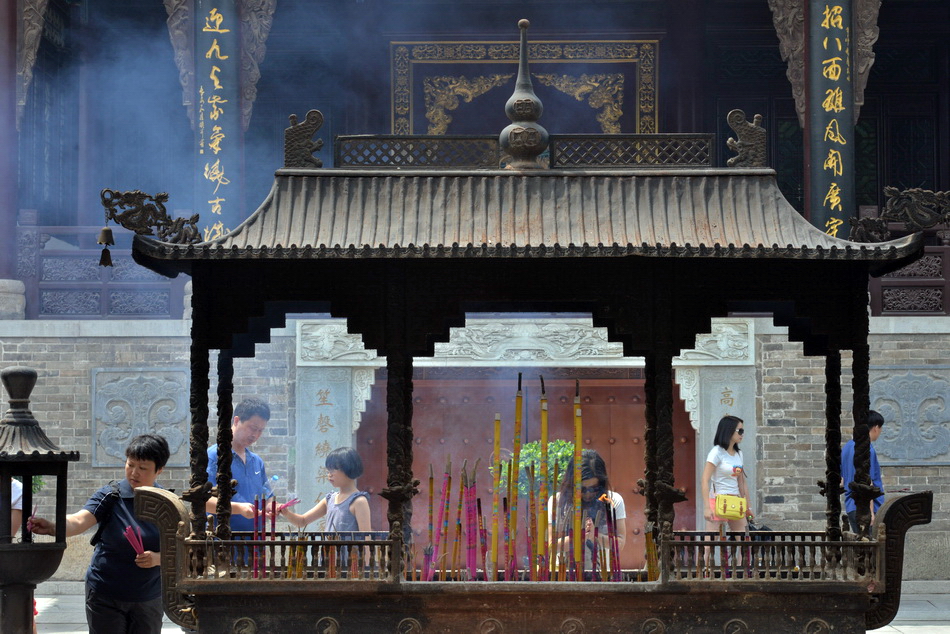
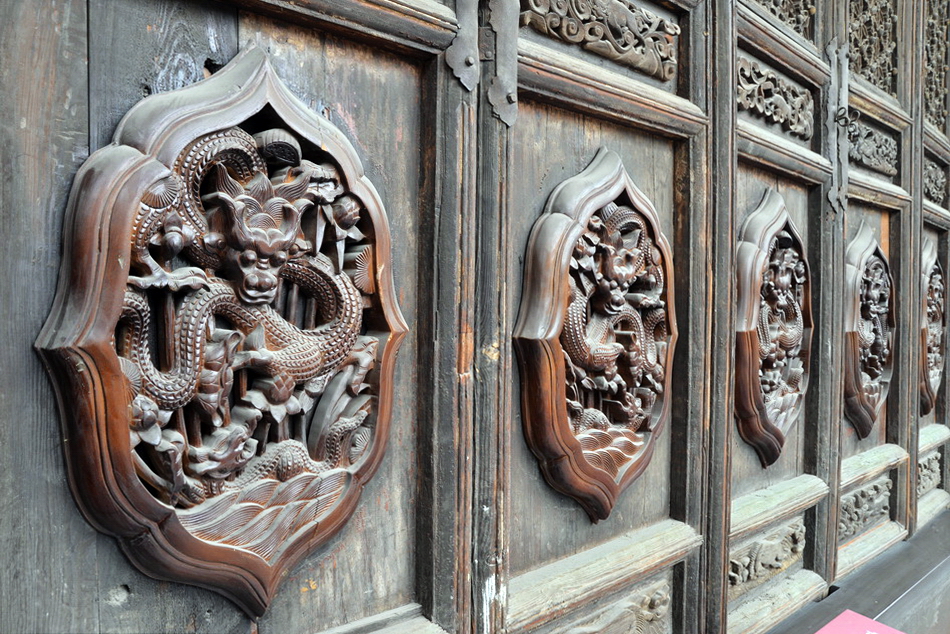
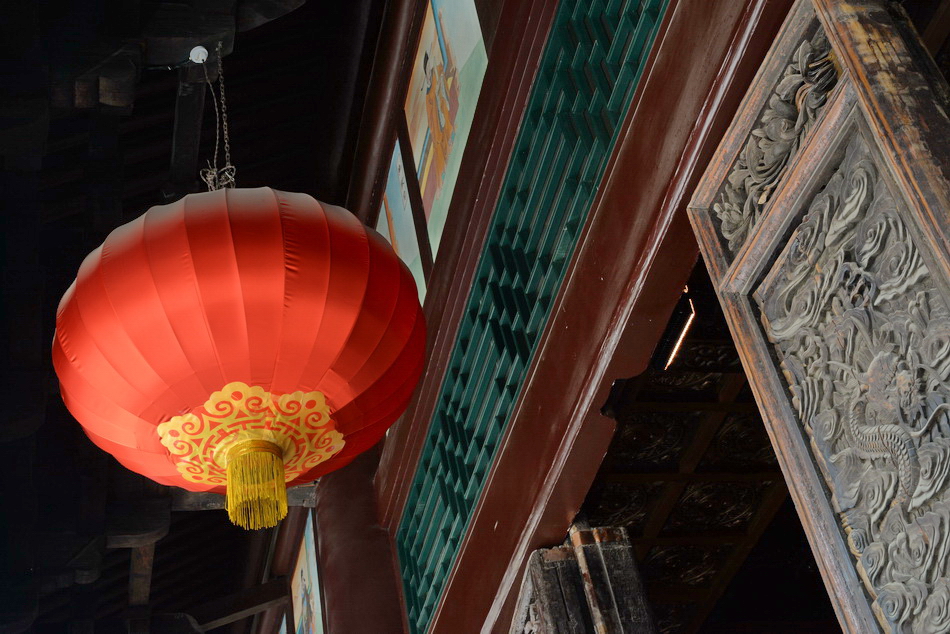
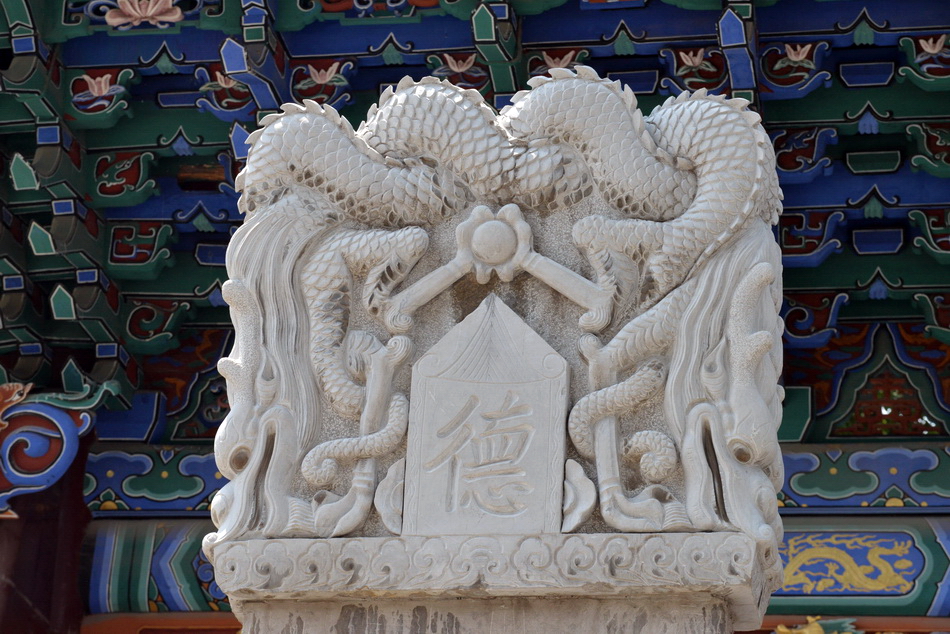
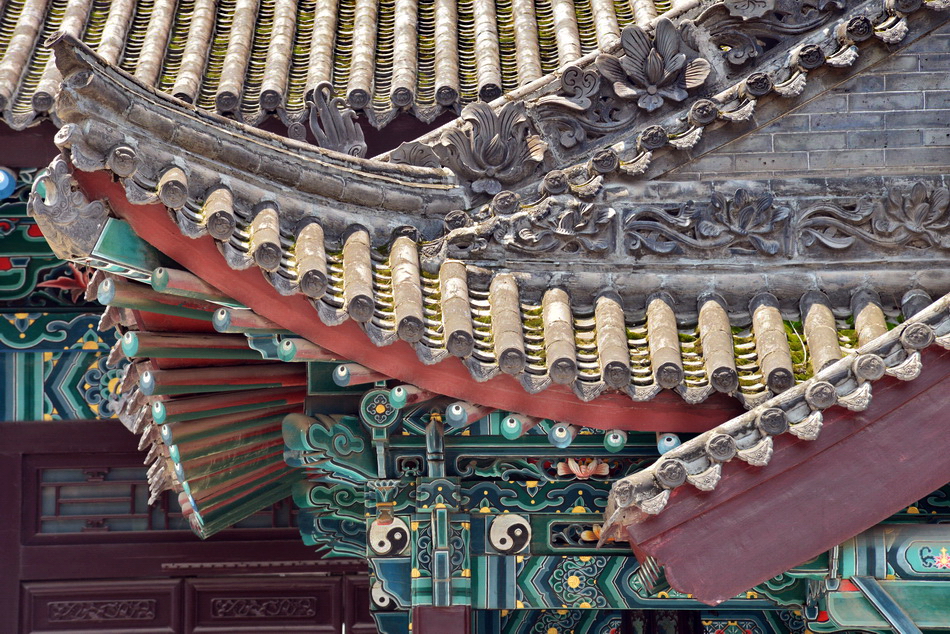
The buildings surrounding its courtyards caught my attention with their sweeping eaves, painted wooden ornament, carved details and statues. In Chinese temple architecture, a roof is more than shelter: its form and decoration can also express the beliefs associated with the building.
I was especially interested in the Yin–Yang symbols on the roofs. In Chinese thought, Yin and Yang represent contrasting yet complementary forces. Darkness and light, night and day, stillness and movement belong to an ever-changing whole. This idea is not exclusive to Daoism, but it is central to many Daoist interpretations of the world.
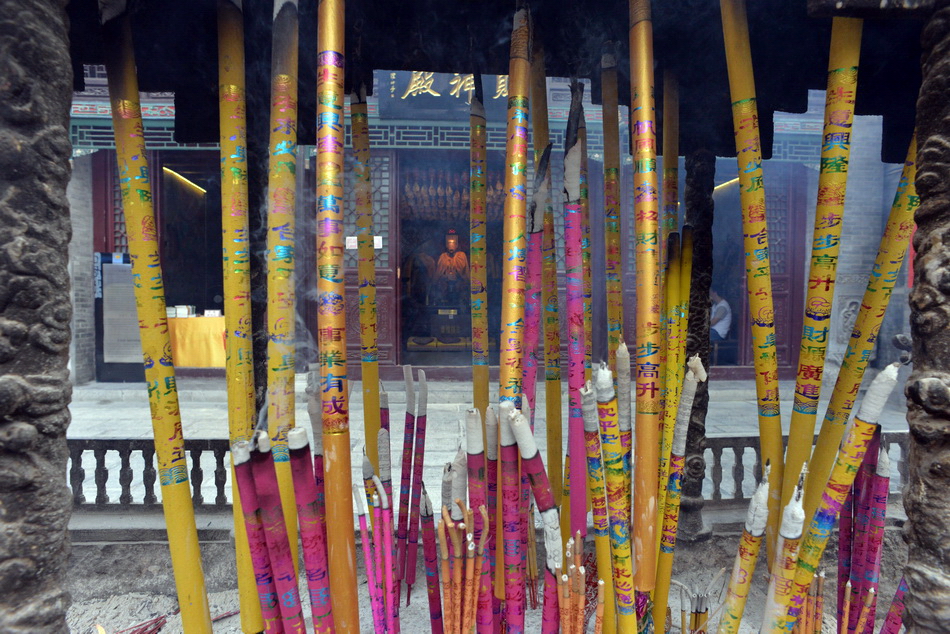
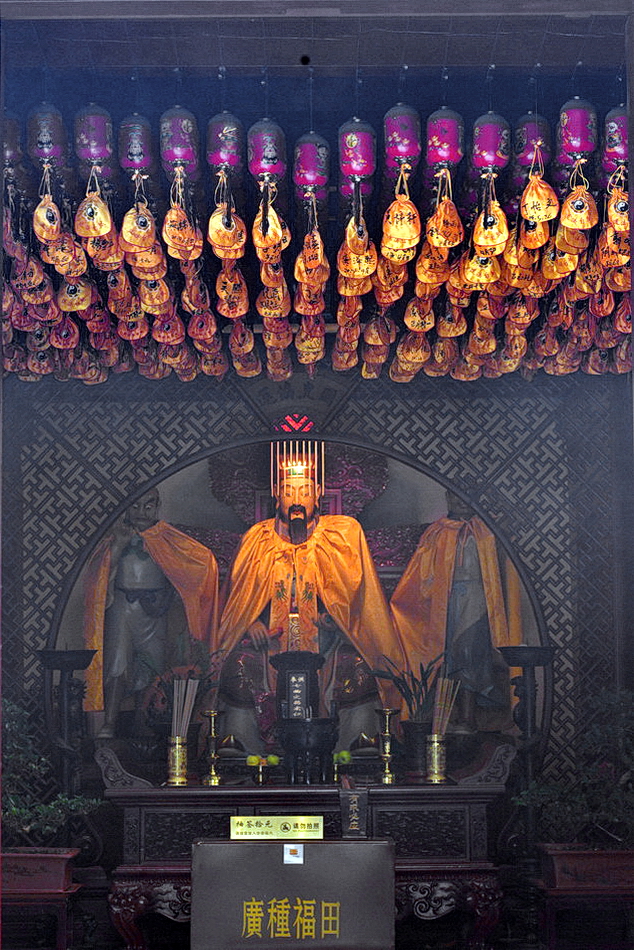
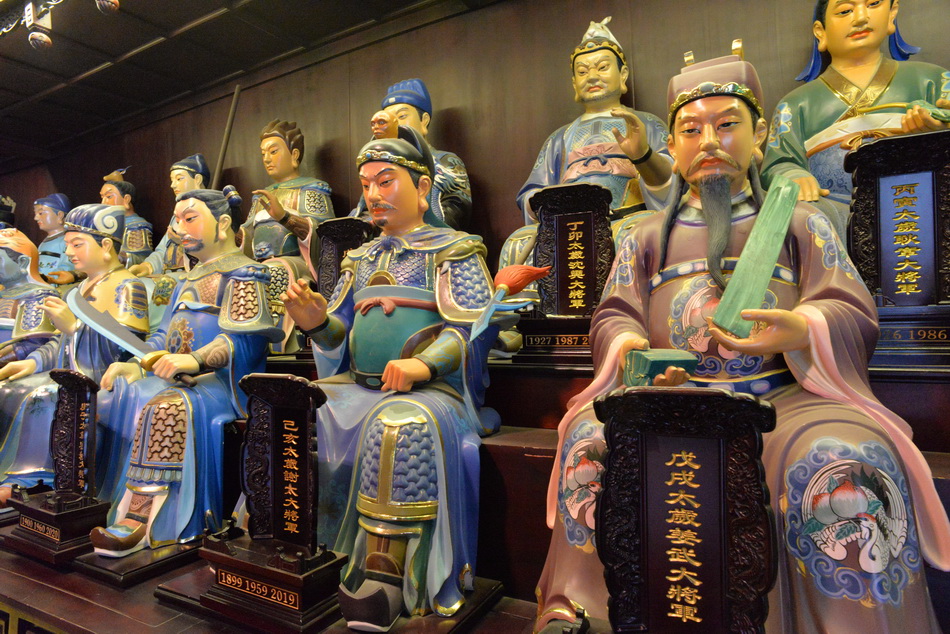
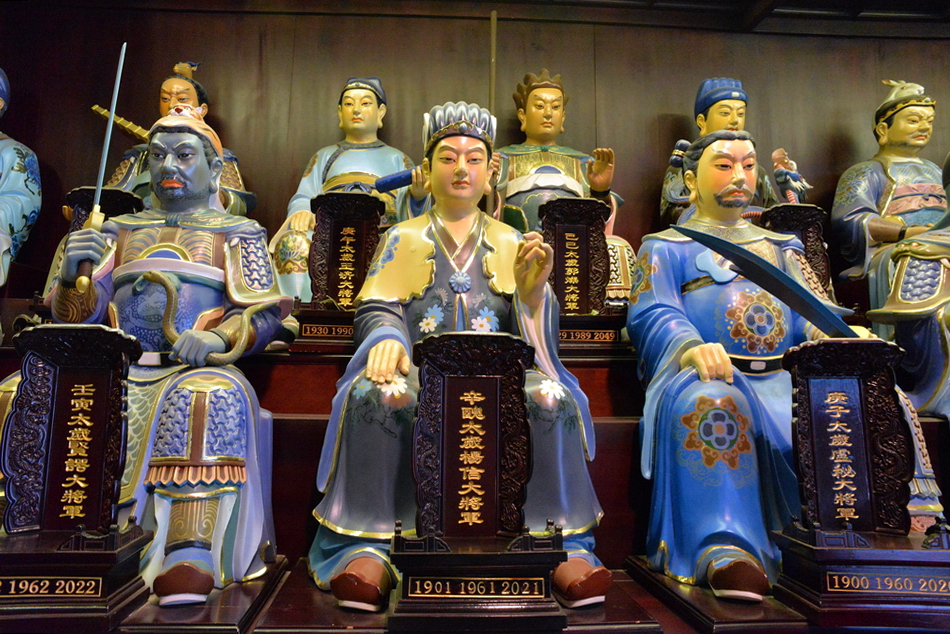
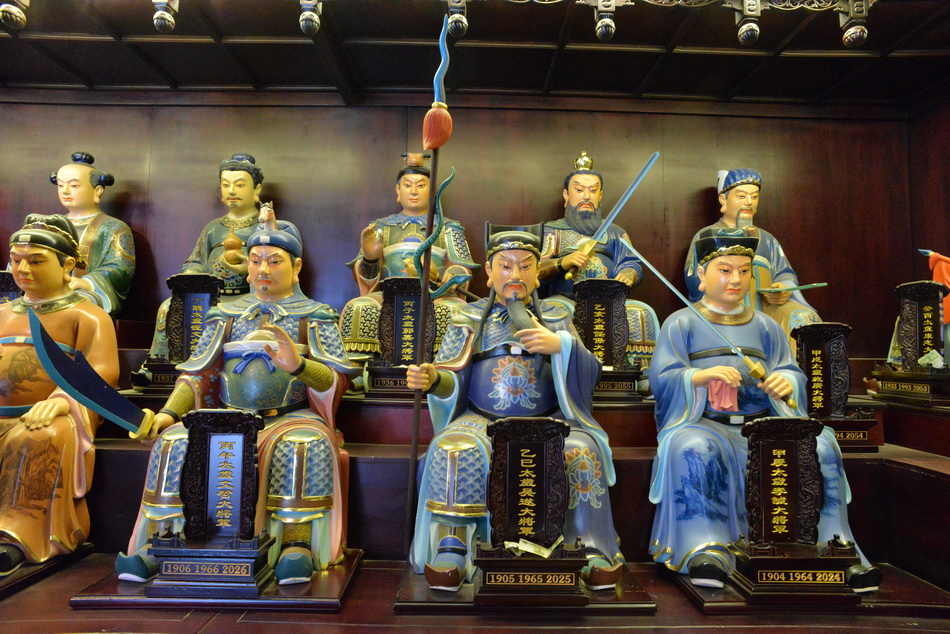
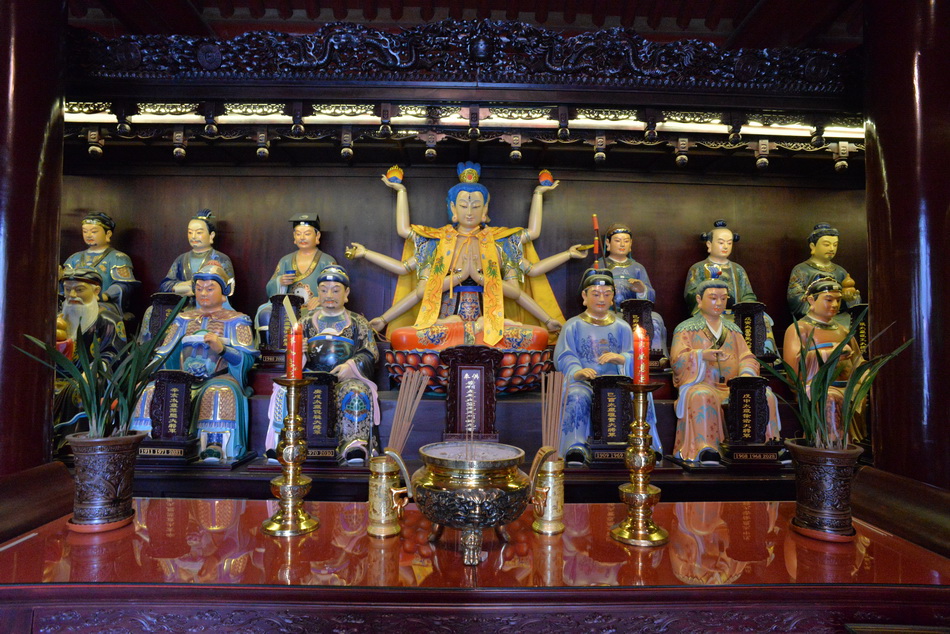
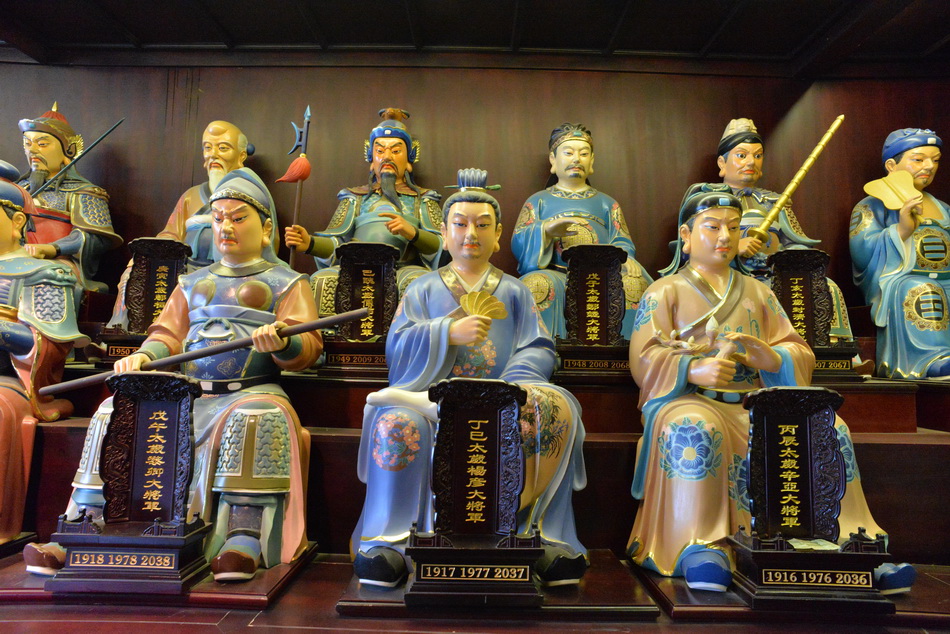
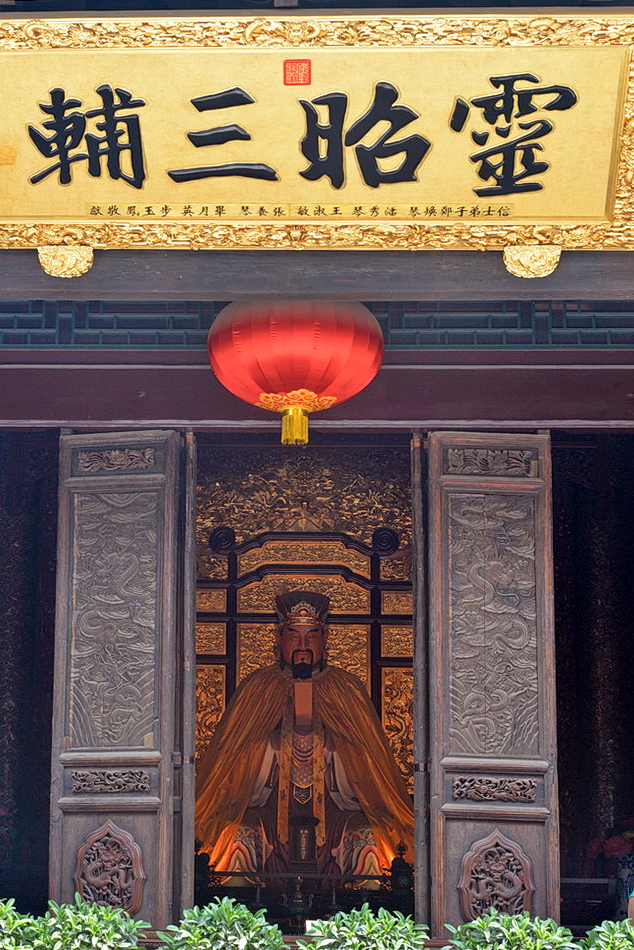
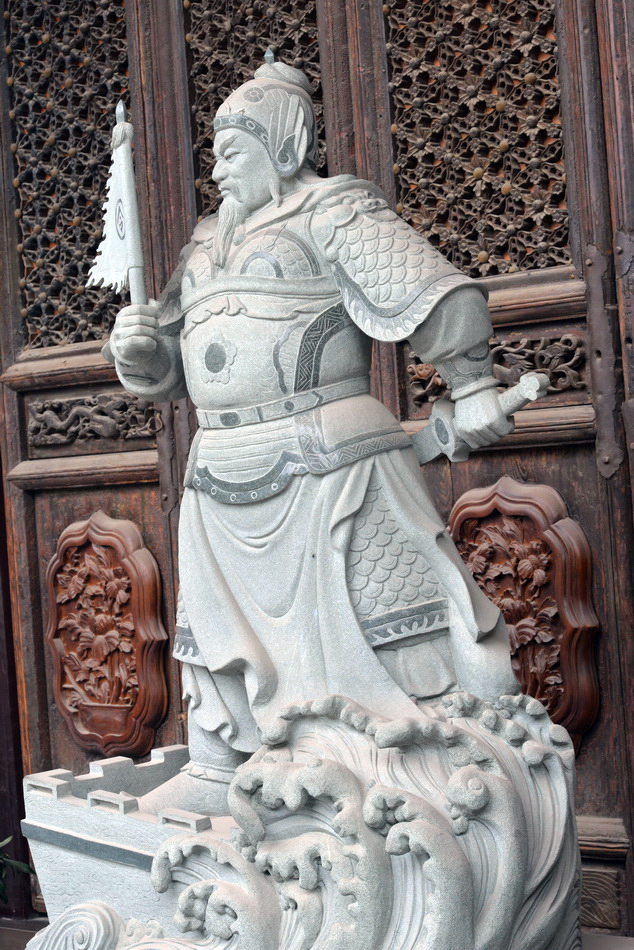
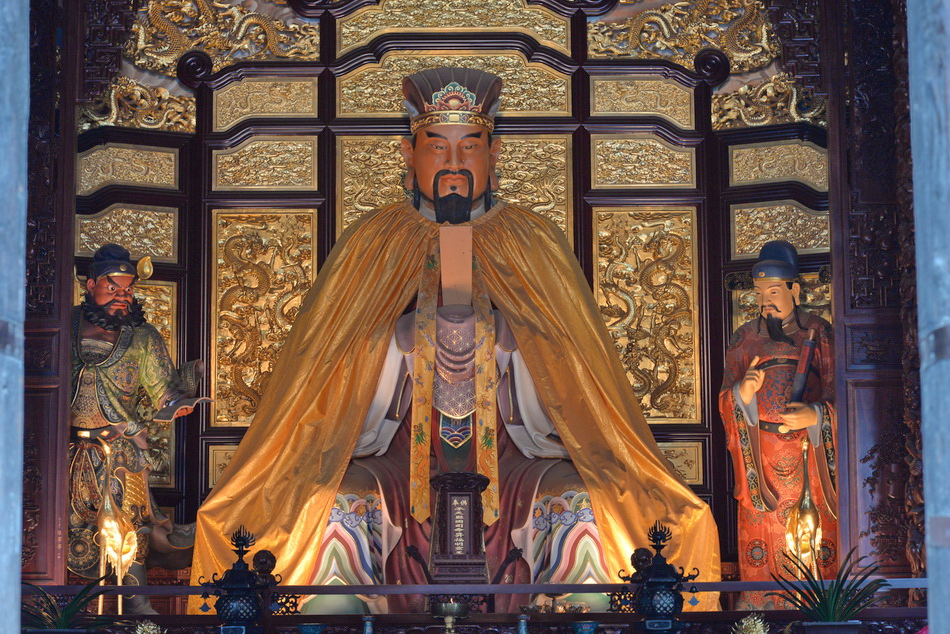
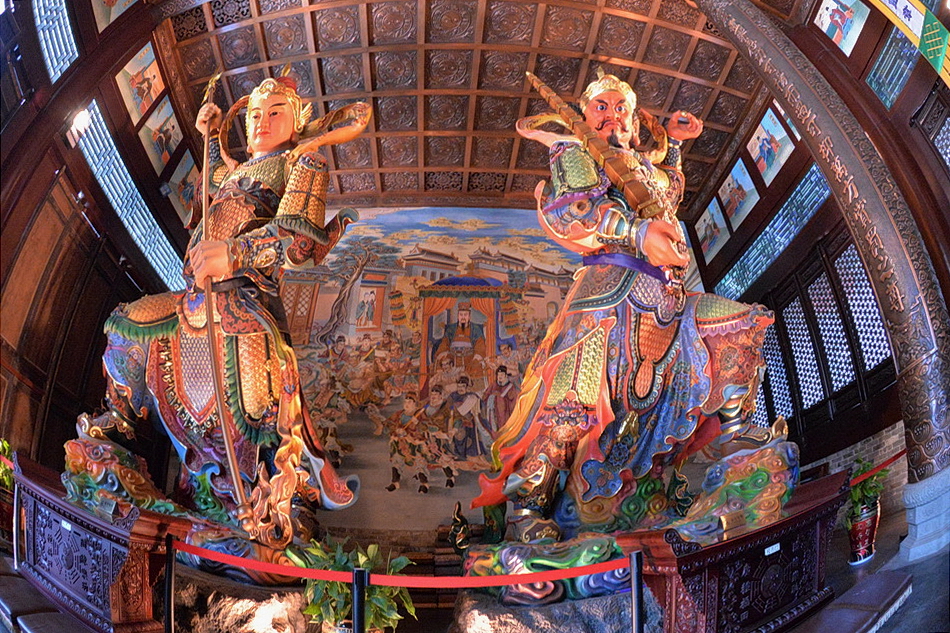
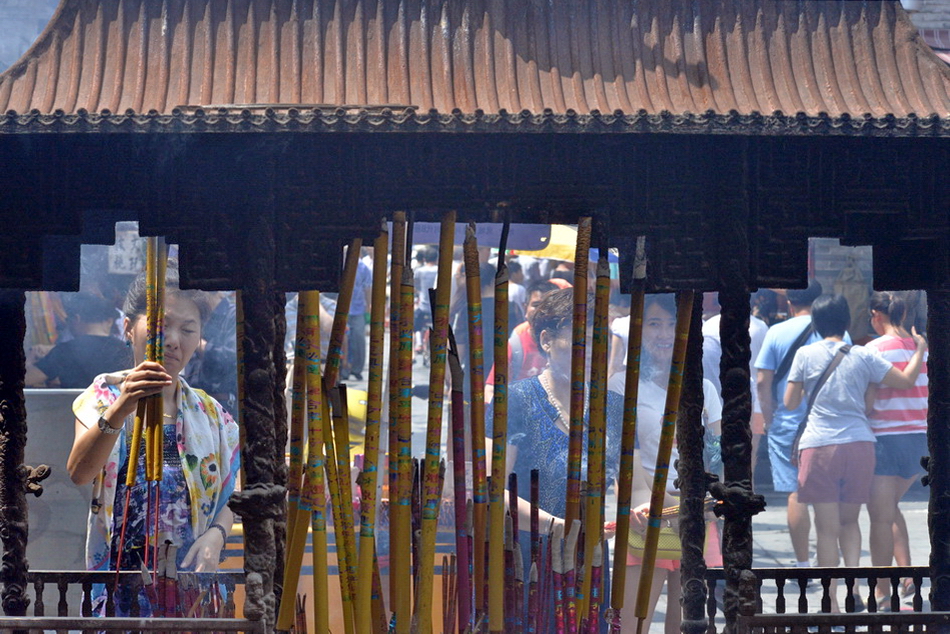
Inside, the divine figures, guardian statues, altars and incense revealed a rich symbolic world. The figures’ faces, clothing and gestures, and the decoration around them, carried religious and moral meanings as well as artistic ones.
I also noticed inscriptions beneath the statues associated with sixty-year cycles. The traditional Chinese calendar combines twelve earthly branches with ten heavenly stems to form a cycle of sixty years, after which the same combination returns. At the time, I did not know that these cycles would later acquire a personal significance for me. The precise wording of the inscriptions remains to be examined.
Permission to Photograph and an Unexpected Gift
I wanted to photograph the interiors, but photography was prohibited. I approached an attendant and asked for permission. To my surprise, he allowed me to take pictures. I was therefore able to document the interior spaces, statues and religious details that visitors would not normally be permitted to photograph.
During my travels in China, I had several pleasant encounters with local visitors who wanted to have a souvenir photograph taken with someone from another country. A photograph with a young woman in the courtyard of the City God Temple became one of my personal memories of this visit.
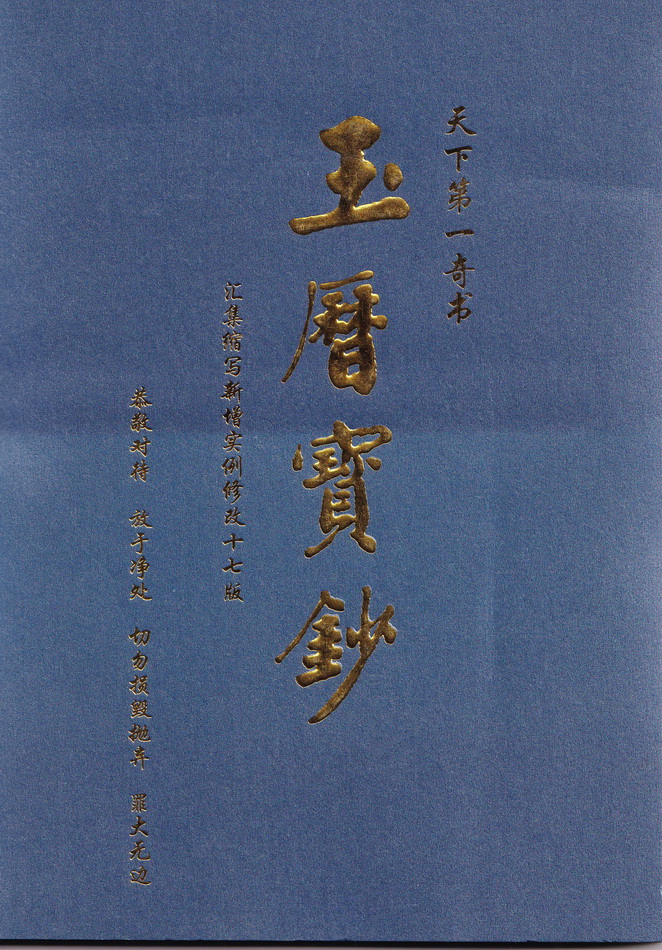
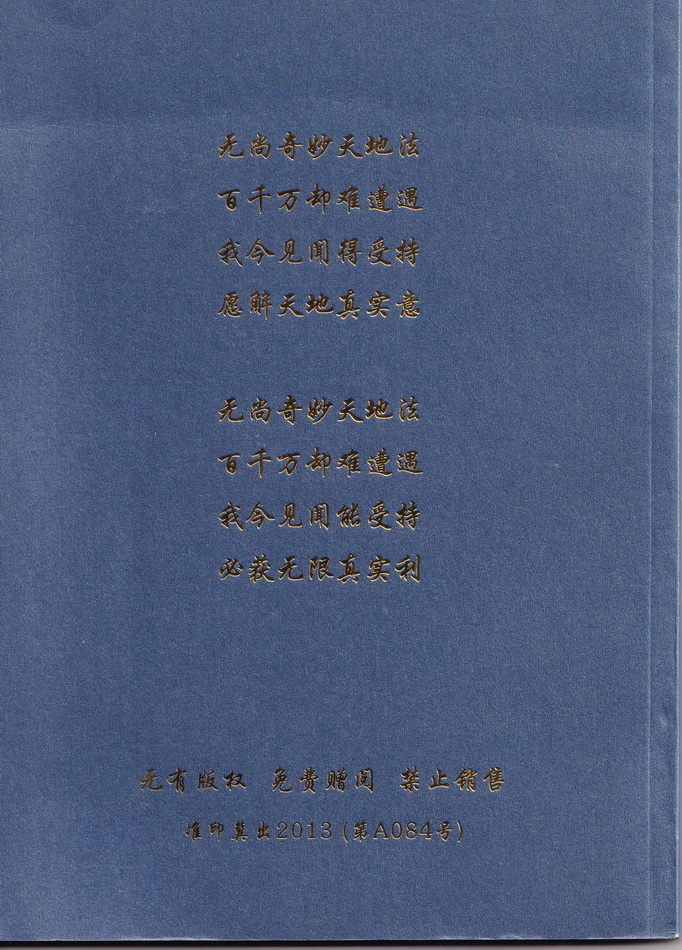
As I was about to leave, the attendant who had allowed me to photograph offered me a book written in Chinese. I tried to explain that I did not know the language and would be unable to read it, but he insisted that I take it. Not wishing to reject his kindness, I accepted the gift.
I brought the book home to Türkiye and placed it on my bookshelf, where it remained for years.
Twelve Years Later: The Jade Calendar
Exactly twelve years passed.
In July 2026, while revisiting the photographs I had taken in China, I remembered the book I had received at the temple. This time I had the Chinese text translated and began to read it.
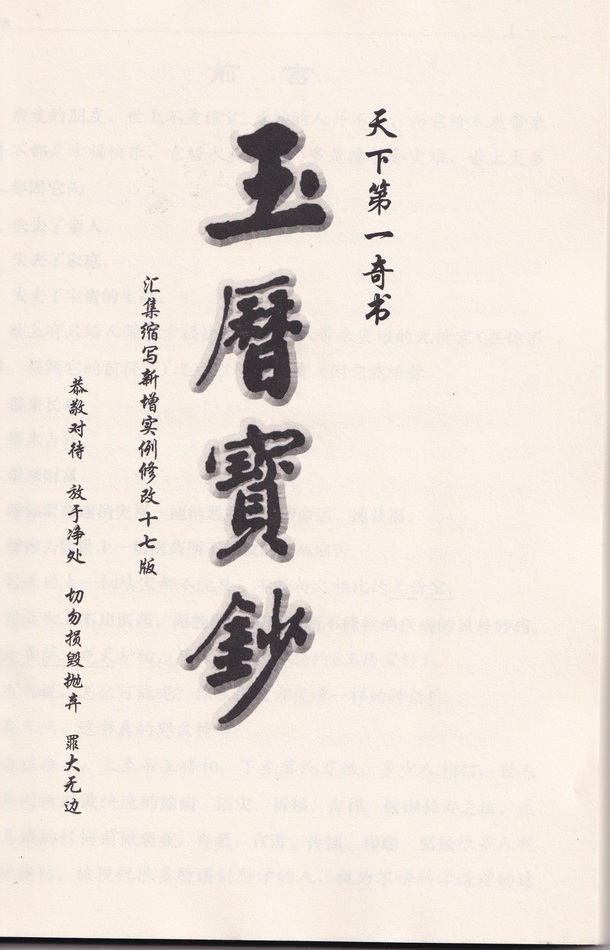
Its title was The Precious Text of the Jade Calendar (Yù Lì Bǎo Chāo, 玉曆寶鈔).
The work describes the consequences of human conduct after death, good and evil, moral responsibility and judgment in the afterlife. Bringing together elements of Daoist and Chinese popular religious belief, it encourages readers to live virtuously.
As I read, I began to understand more clearly how the book related to the religious world I had encountered twelve years earlier. The City God’s association with the observation of human conduct and judgment after death echoed the book’s central themes.
I do not know why the attendant was so determined to give me that particular book. Perhaps it was a religious text distributed to visitors; perhaps he wanted to share something of his beliefs after granting me permission to photograph. Whatever his reason, that small gift prompted me, many years later, to think more deeply about the statues and symbols I had photographed.
The Year of the Horse and a Completed Cycle
While having the book translated, I learned something else that surprised me.
I was born in 1954, the Chinese Year of the Wood Horse. The traditional Chinese calendar uses a sixty-year cycle formed by combinations of the twelve animal signs and the five elements in their Yin and Yang forms. The same animal-and-element combination returns after sixty years.
The year 2014 was also a Wood Horse year.
When I visited the Xi’an City God Temple at the age of sixty, the sixty-year cycle associated with my birth year had come around again. I had no knowledge of this at the time.
The inscriptions connected with sixty-year cycles beneath the statues I had photographed became even more intriguing in retrospect. Details that I had simply documented in 2014 acquired an unexpected connection with the chronology of my own life twelve years later.
More remarkably, July 2026, when I had the book translated and read it, also fell in a Year of the Horse—this time the Fire Horse.
I was born in 1954, visited this temple in 2014 at the return of the sixty-year cycle, and discovered the meaning of the book given to me there twelve years later, in 2026, another Horse year.
I cannot know whether these coincidences mean anything beyond chance. The alignment of calendar years does not prove a predetermined connection. Yet sometimes the meaning we give to an experience emerges only long after it has taken place.
In 2014 I entered the temple as a documentary photographer. I photographed its architecture, statues, religious symbols and atmosphere of worship. I understood the meaning of the book I carried away only twelve years later.
A temple visited unknowingly at the completion of a sixty-year cycle; a book waiting twelve years on my shelf; and its meaning emerging in another Year of the Horse...
Looking back, I feel that I did more than photograph a temple in Xi’an that day. Without knowing it, I had stepped into a story to which I would return many years later.