
Velikoy Wooden Mosque — Artvin
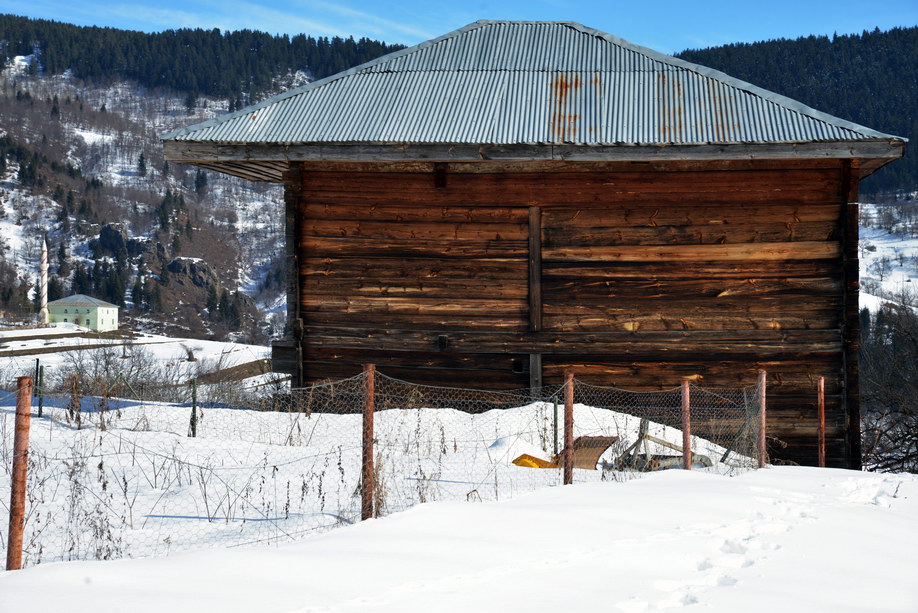

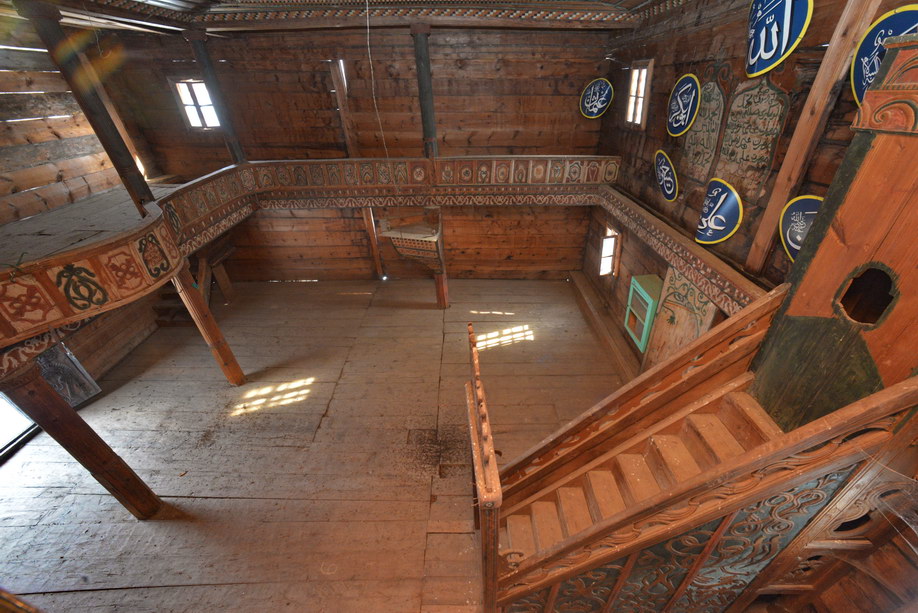
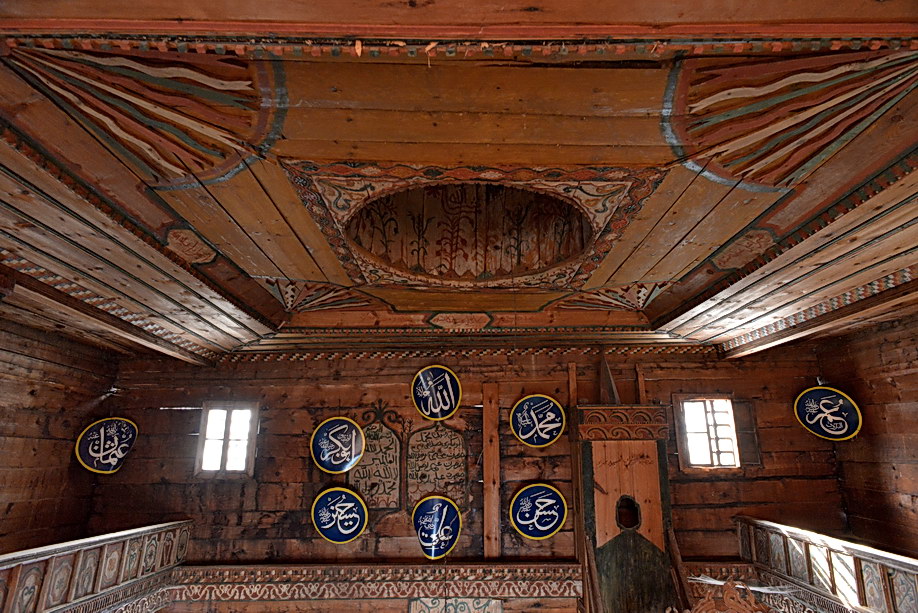
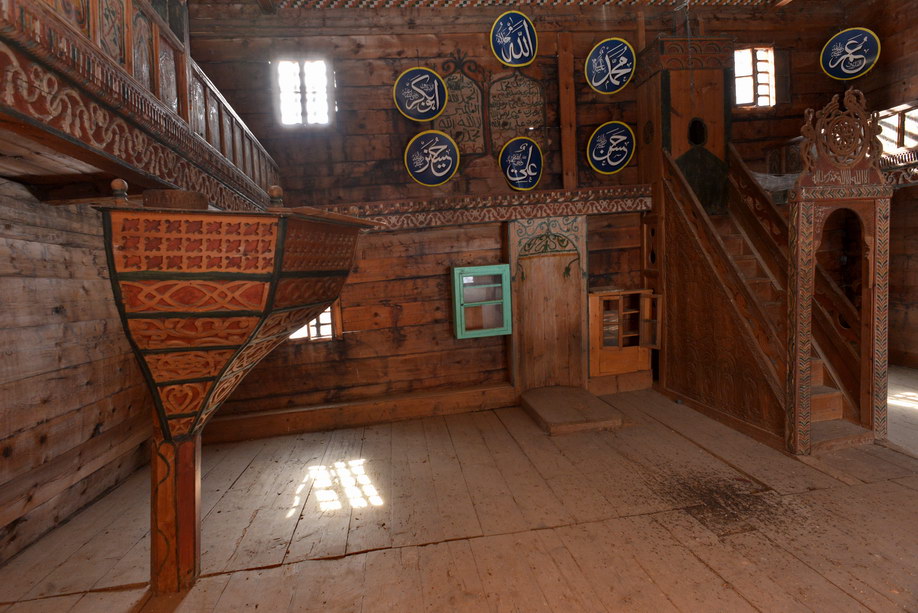
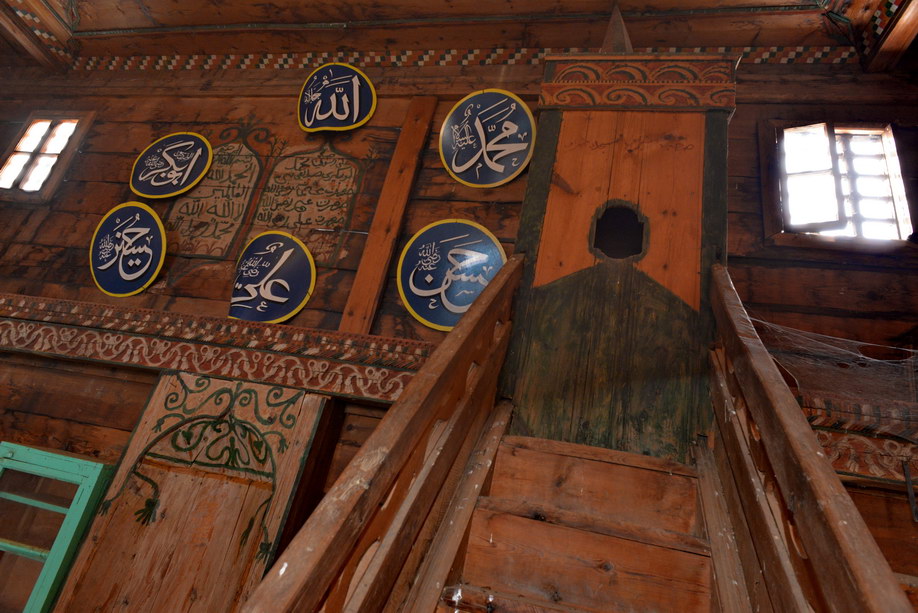
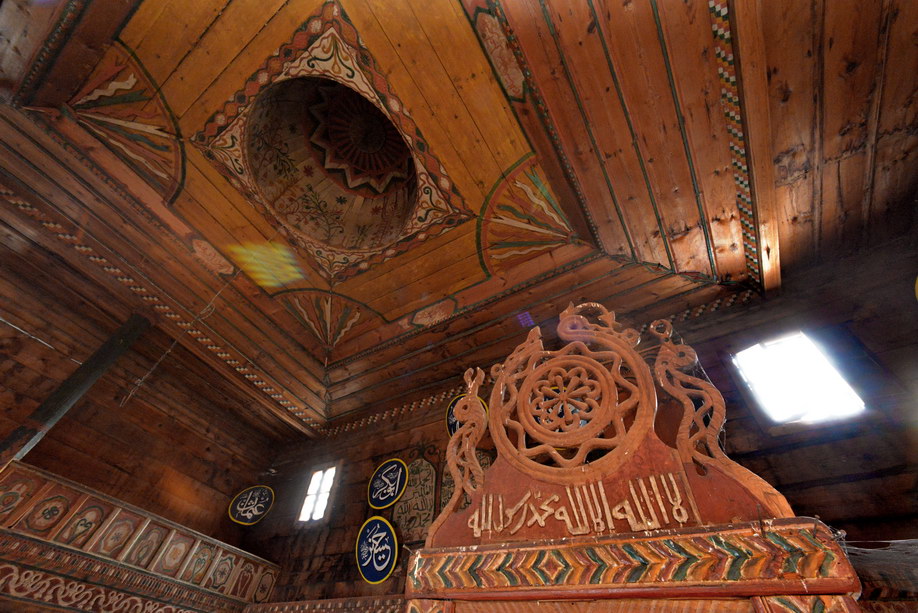
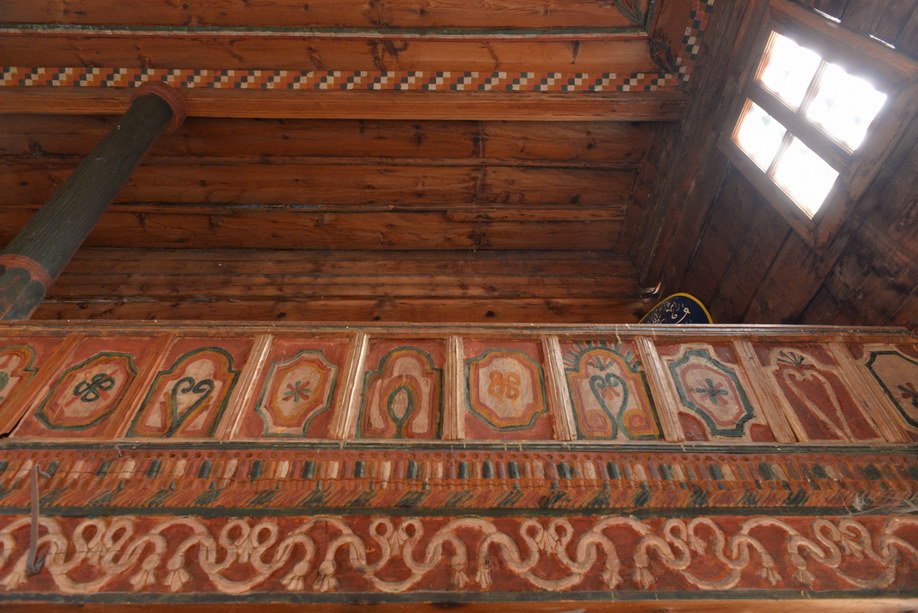
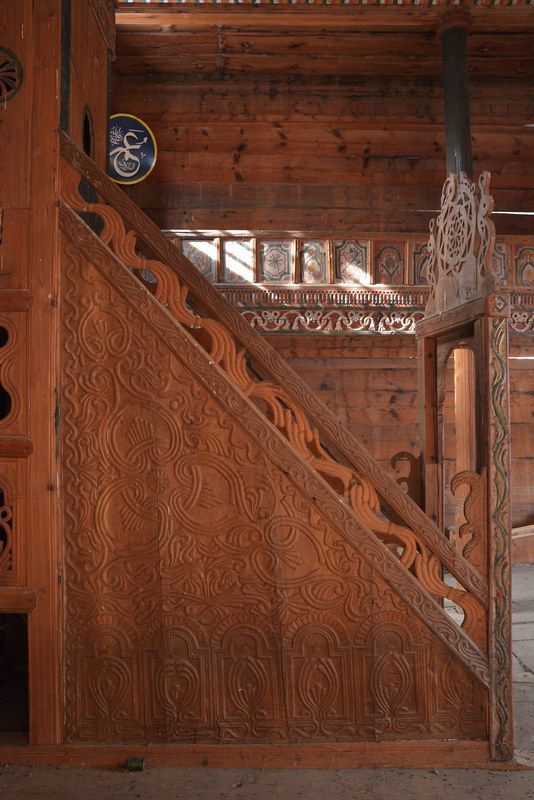
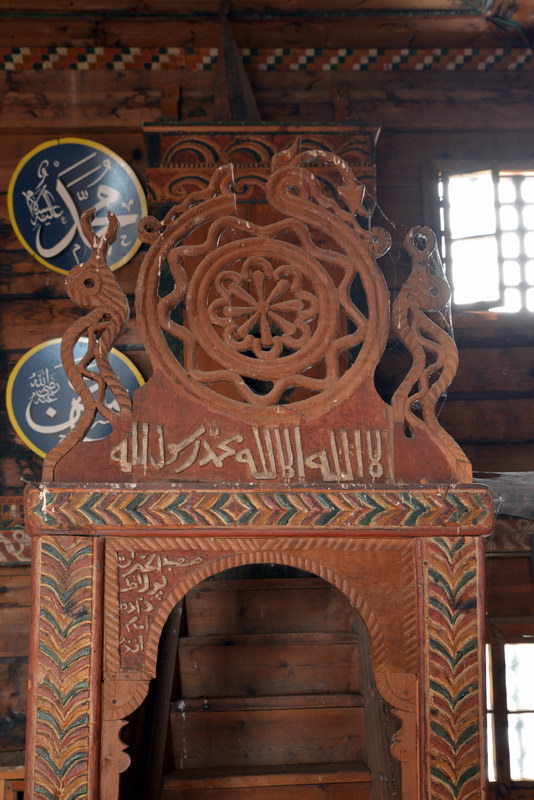
I photographed the Veliköy Wooden Mosque in Şavşat, Artvin, in February 2016, during my visit to the village for the traditional snow wrestling festival. Set within the mountainous landscape of northeastern Türkiye, the mosque immediately attracted me because of the quiet relationship between its modest scale, its timber construction and the richly decorated world hidden inside.
The mosque is generally dated to 1882 on the basis of its inscription, although some local accounts give slightly different dates. Local tradition associates its construction with Hasan Usta. It belongs to the distinctive wooden mosque tradition of the eastern Black Sea region, where local craftsmen developed building methods suited to an environment rich in timber. Its walls were assembled with interlocking wooden elements in the traditional çantı technique, relying on carefully fitted joints rather than masonry construction.
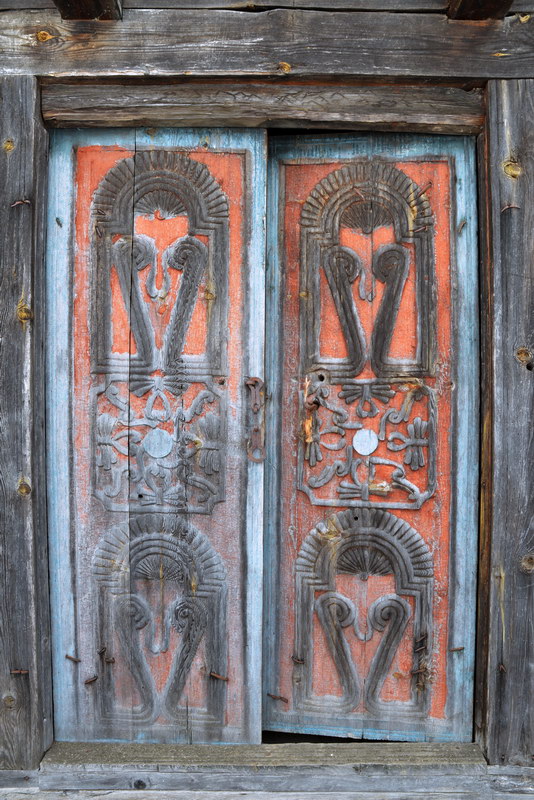
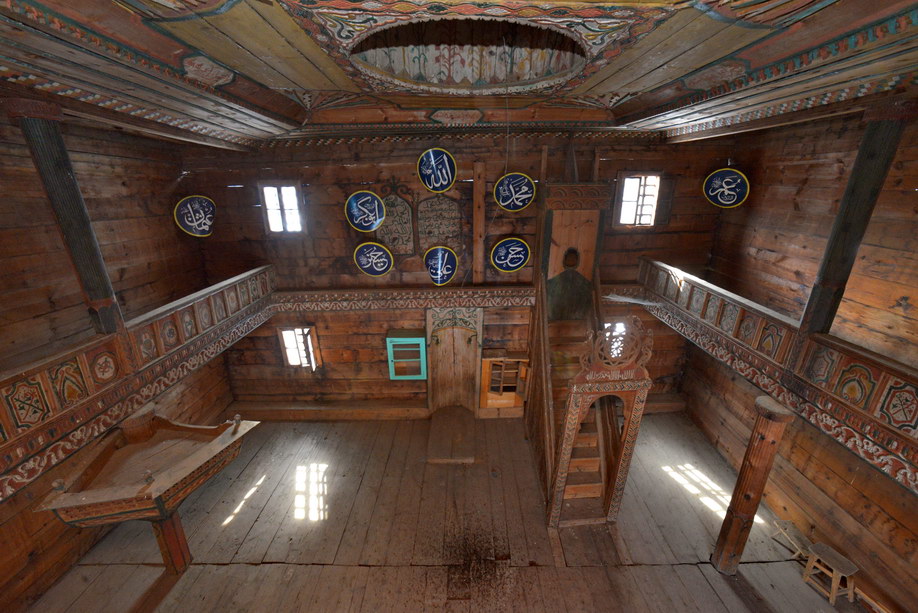
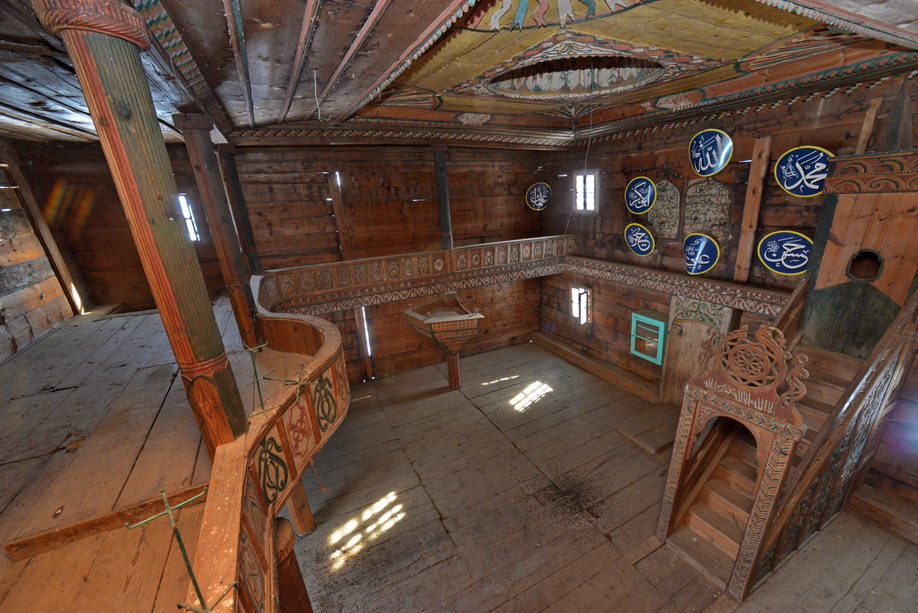
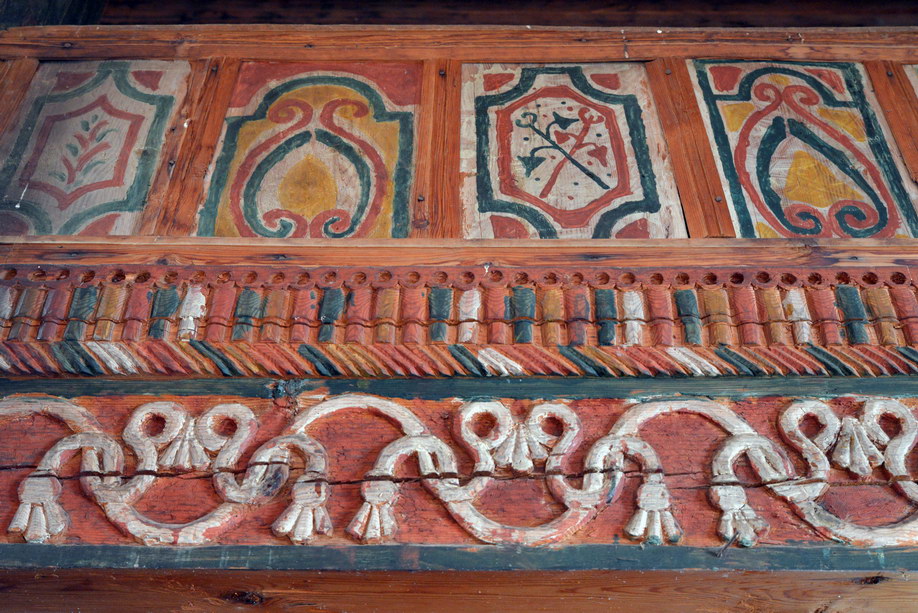
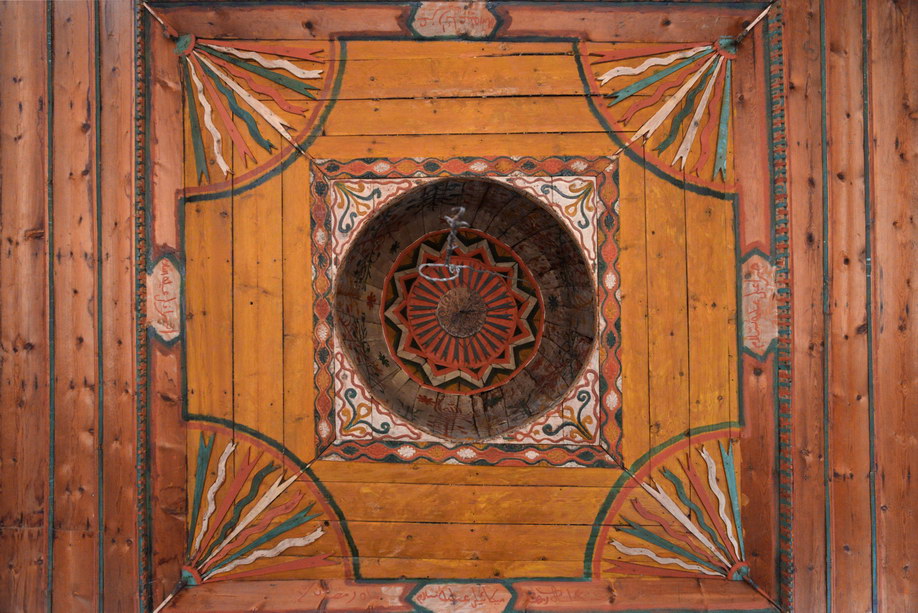
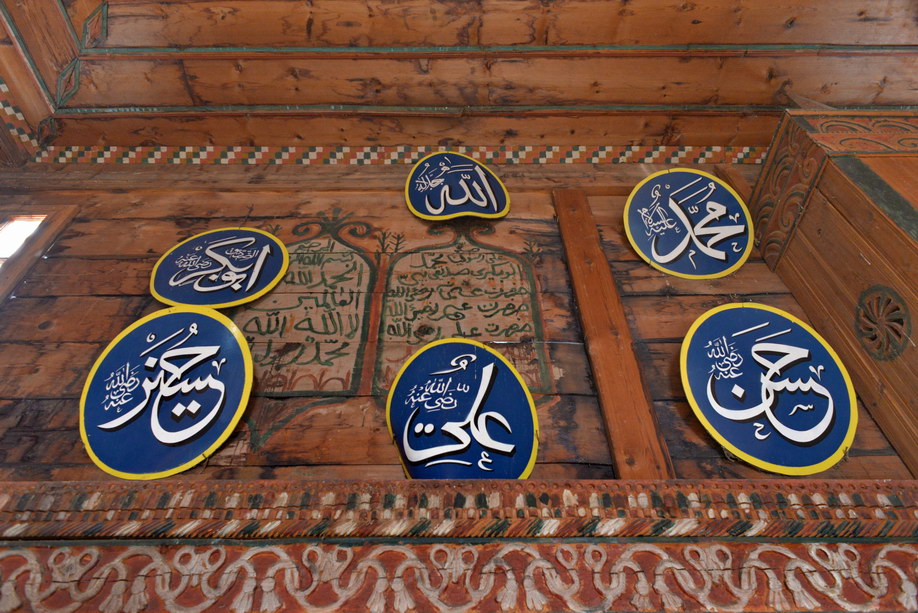
The restrained exterior gives little indication of the interior. Wooden columns, the gallery, pulpit and wall surfaces are enriched with carved and painted ornament. Geometric forms, vegetal motifs and calligraphic panels appear throughout the prayer space. The ceiling is particularly striking: its central composition, built up in concentric forms, turns the overhead surface into one of the visual centres of the mosque. These decorations are not separate additions to the architecture; they are part of the same craftsmanship that shaped the building itself.
Like many rural wooden buildings, the mosque has changed during its long life. Repairs and later interventions have inevitably altered some elements, and the original minaret has not survived in its earlier form. Yet the main timber structure and much of the interior decoration still convey the character of the nineteenth-century building and the skill of the local craftsmen who created it.
When I entered the mosque in 2016, the contrast with the activity outside was memorable. Veliköy was preparing for the snow wrestling festival, and the village was full of movement, people and winter light. Inside the mosque there was a completely different rhythm: wood darkened by time, painted details, carved surfaces and the quiet of a building that had served the same community for generations. My photographs were an attempt to record not only its architectural details, but also this sense of continuity between craftsmanship, faith and village life.