

In December 2013, I travelled to Thessaloniki with my wife to receive the grand prize in a photography competition jointly organised by the Thessaloniki Museum of Photography and Cedefop, the European Centre for the Development of Vocational Training. The award was the reason for our journey, but it also gave us an opportunity to spend time exploring a city whose streets reveal many different chapters of Balkan and Mediterranean history.
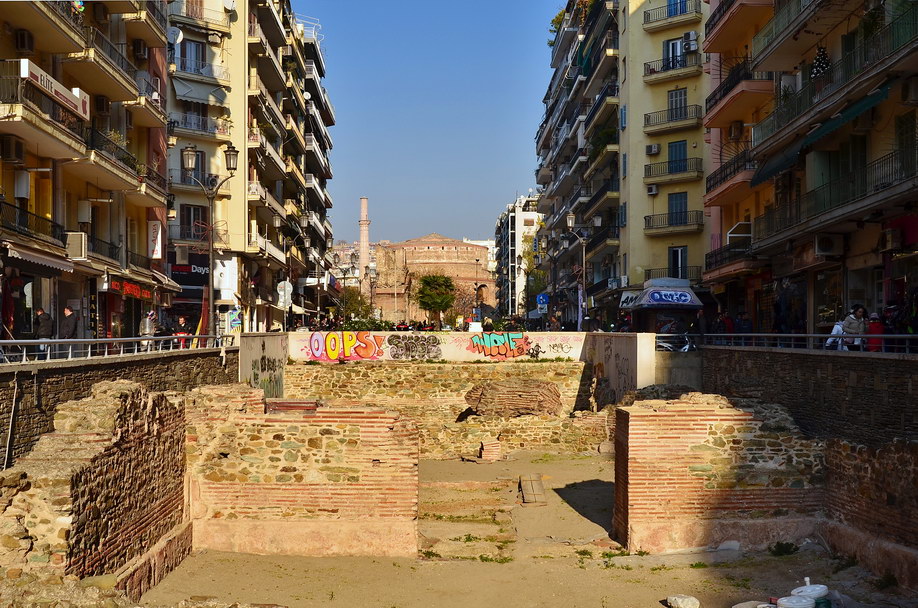
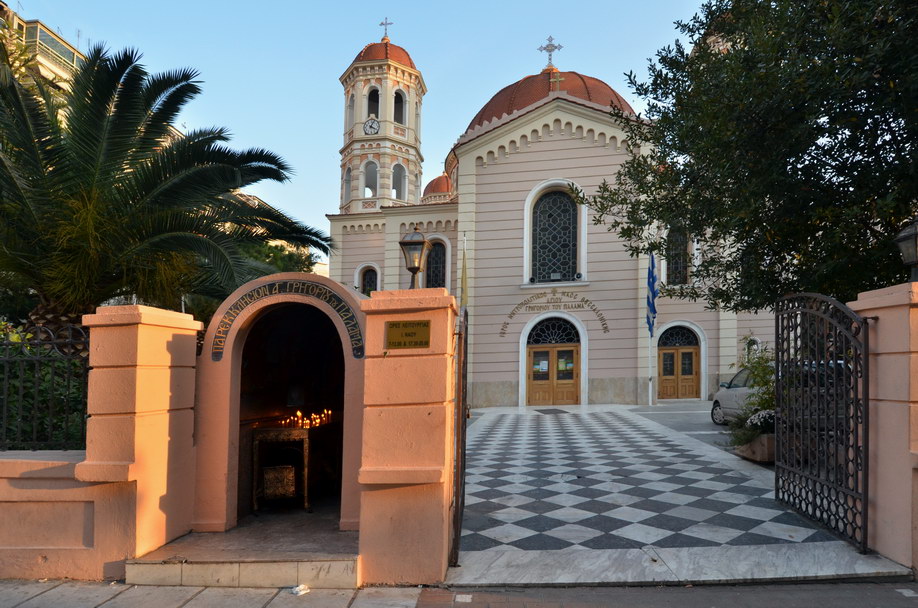
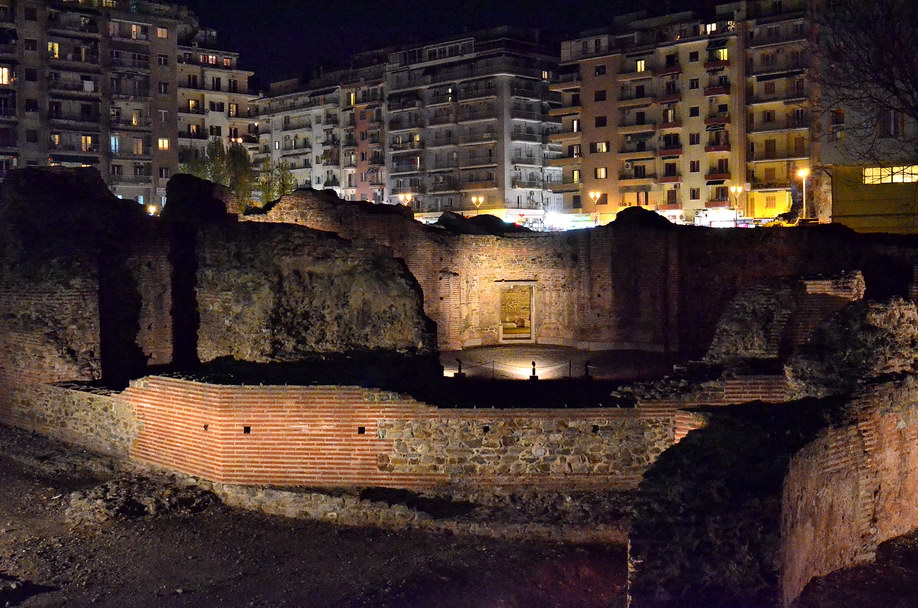
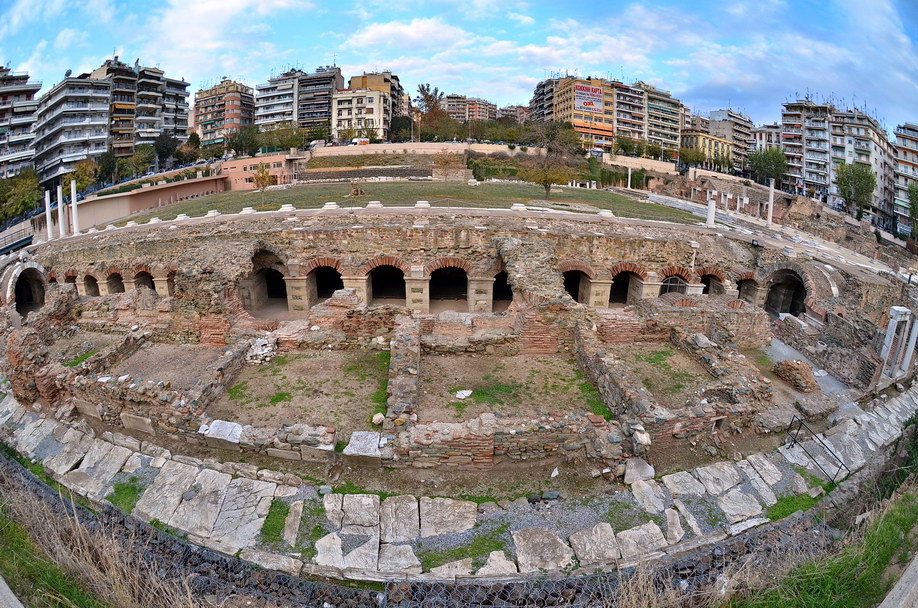
Founded in the fourth century BCE and named after Thessalonike, a member of the Macedonian royal family, the city grew into an important port and crossroads. Roman remains, Byzantine churches, Ottoman buildings and traces of a once-thriving Jewish community coexist in its urban fabric. The Rotunda, the Arch of Galerius and the early Christian and Byzantine monuments, several of which form part of a UNESCO World Heritage Site, reflect the city's long history. Under Ottoman rule, Thessaloniki became a major commercial and cultural centre, home to Greek, Turkish-speaking Muslim and Sephardic Jewish communities, among others.
The city's Jewish history is especially significant. Sephardic Jews expelled from Iberia in the late fifteenth century settled here in large numbers, and Thessaloniki became an important centre of Jewish life. During the German occupation in the Second World War, the great majority of the city's Jews were deported and murdered in the Holocaust. The city's history is therefore not simply a story of cultural diversity, but also of the devastating loss of communities that had helped shape its identity.
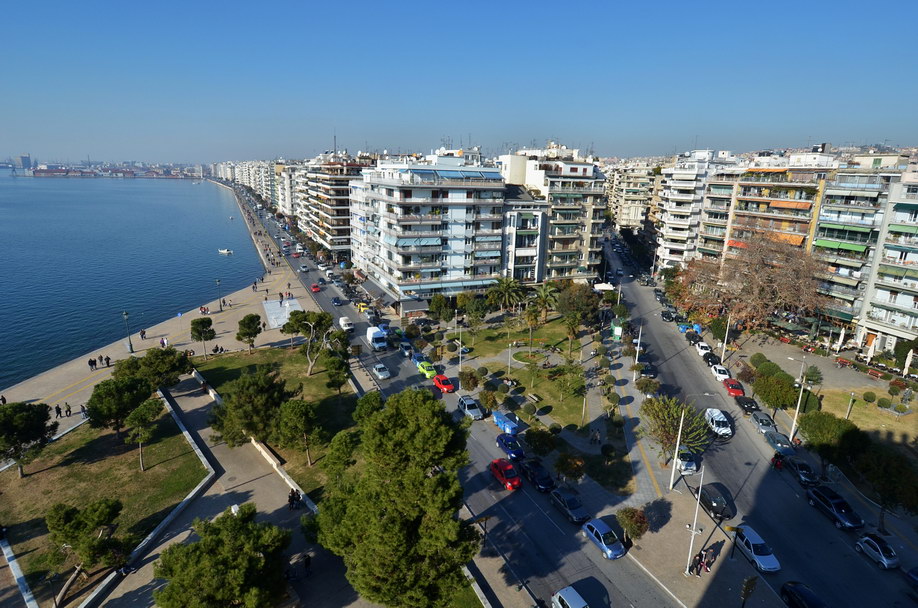
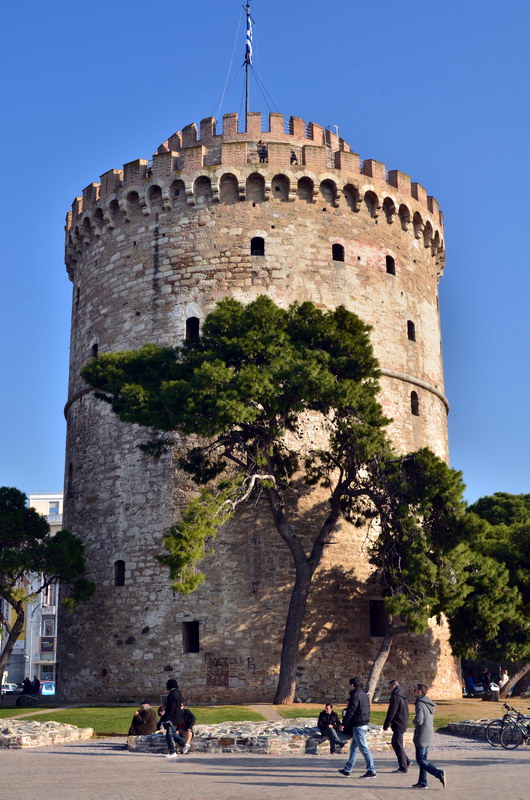
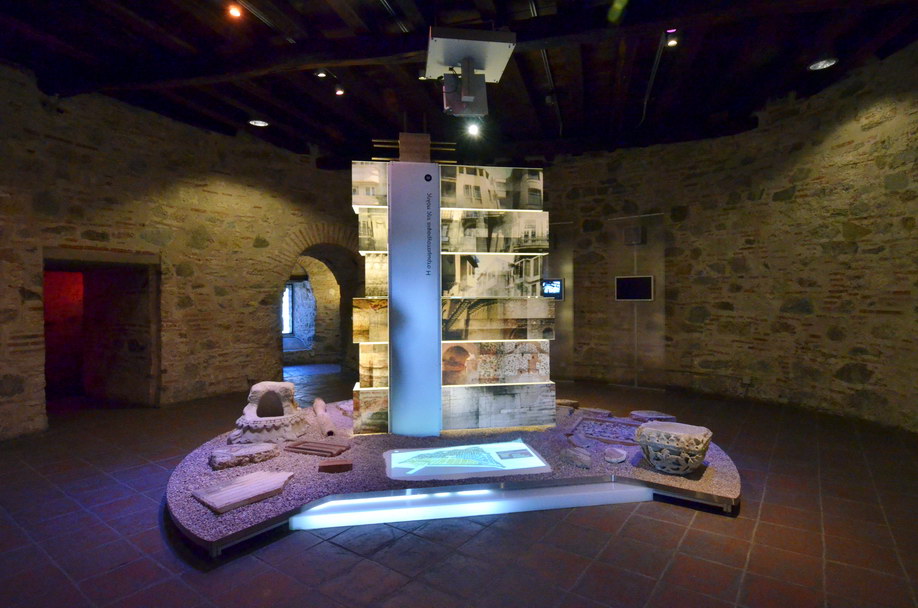
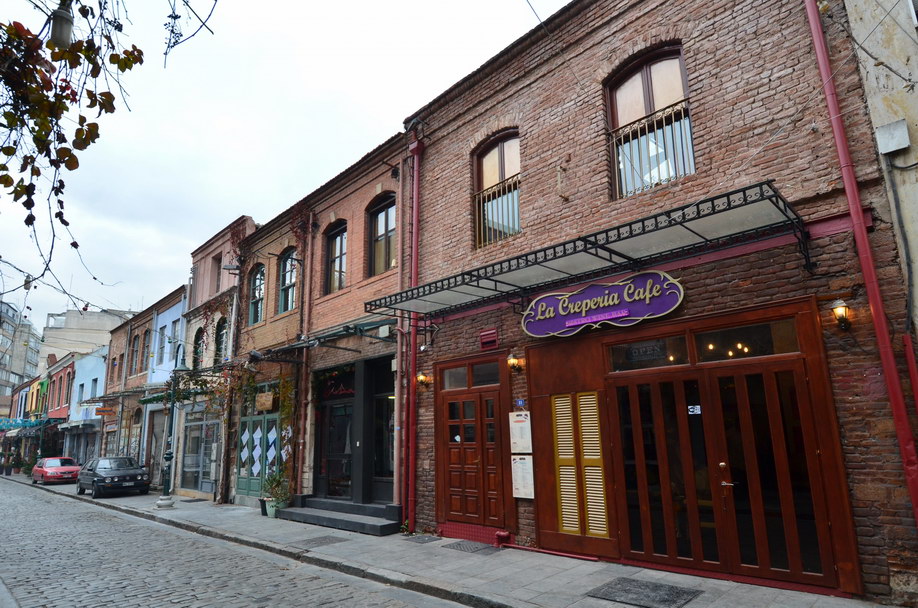
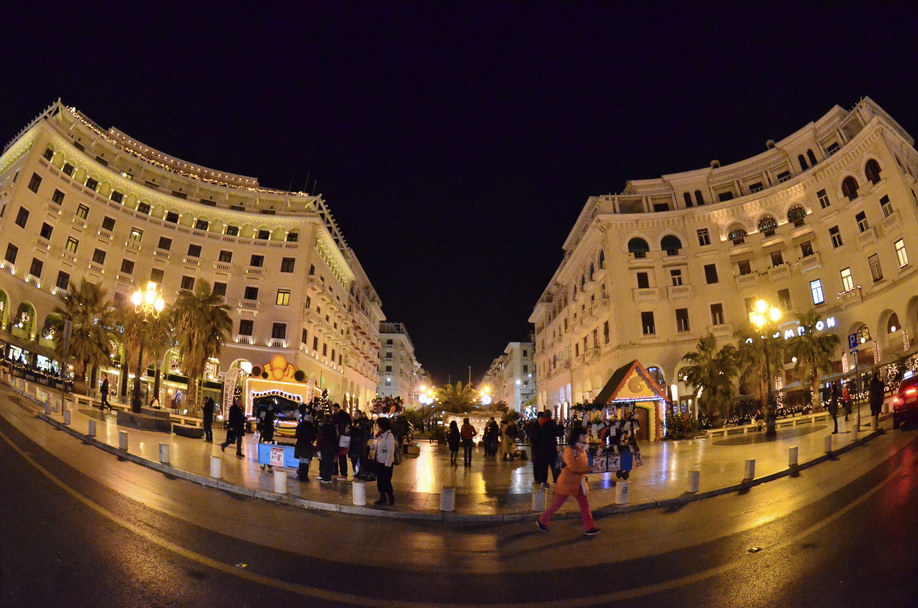
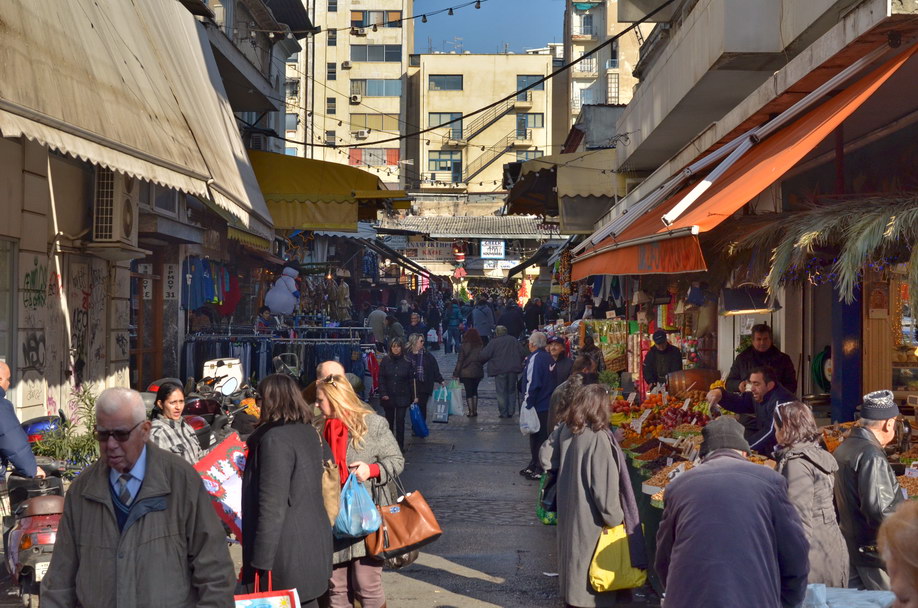
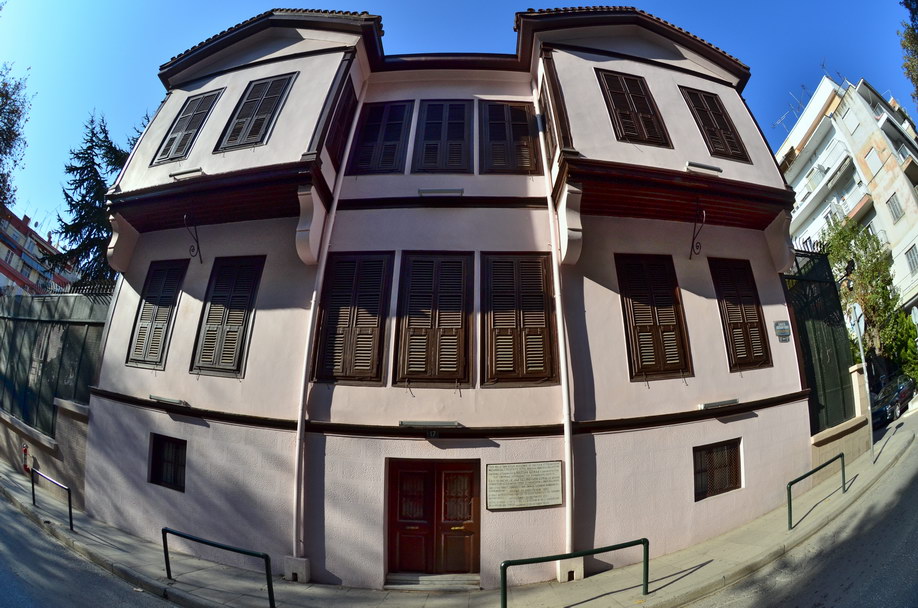
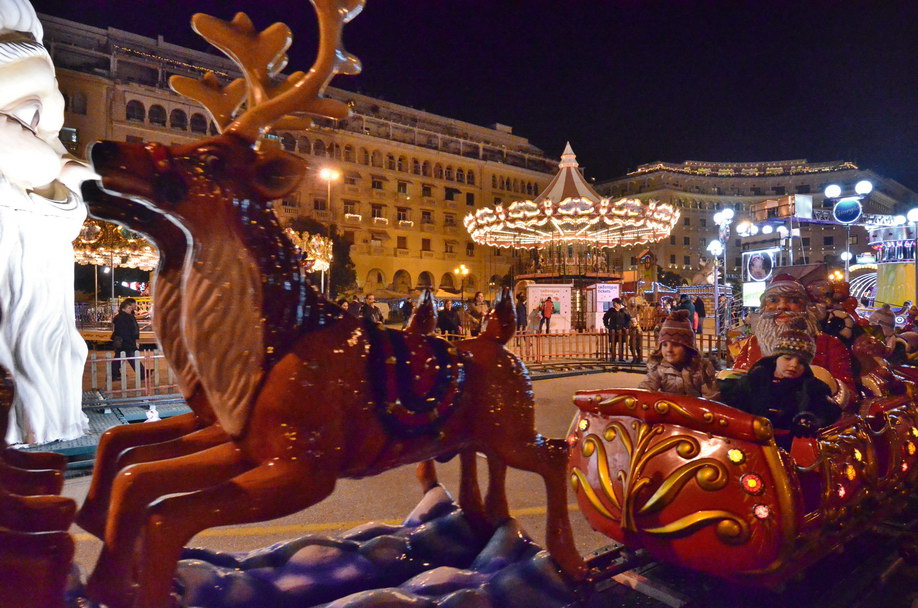
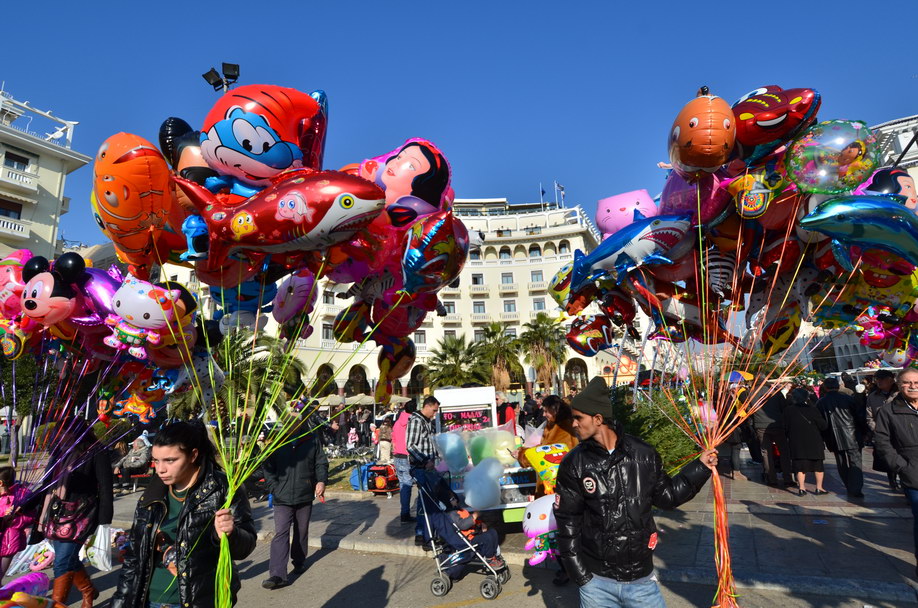
During the time left between our commitments, we wandered through markets and side streets, stopping at small restaurants serving home-style food, taverns and shops selling ouzo and local spirits. We visited the White Tower on the waterfront, Aristotelous Square and the house where Mustafa Kemal Atatürk was born, now a museum associated with the Turkish Consulate. These places offered very different perspectives on Thessaloniki, from the monumental and political to the informal rhythms of daily life.
We also joined a sightseeing bus tour, where an unexpected encounter stayed with me. The man selling tickets recognised me from a local news report about the photography award and was delighted to meet me in person. What impressed me was not the recognition itself, but his interest in photography and cultural news. It was a small conversation, yet it gave the visit a personal meaning that no monument could have supplied.
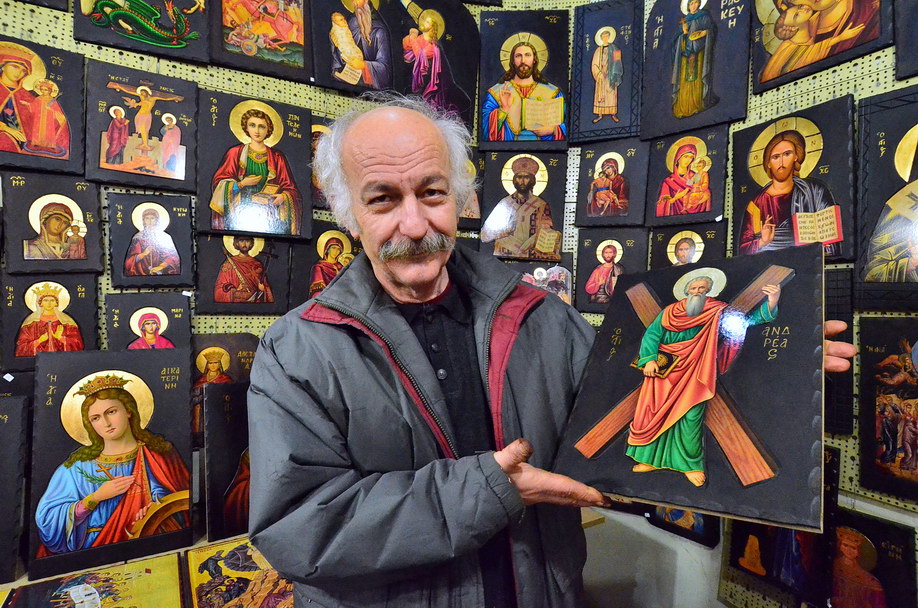
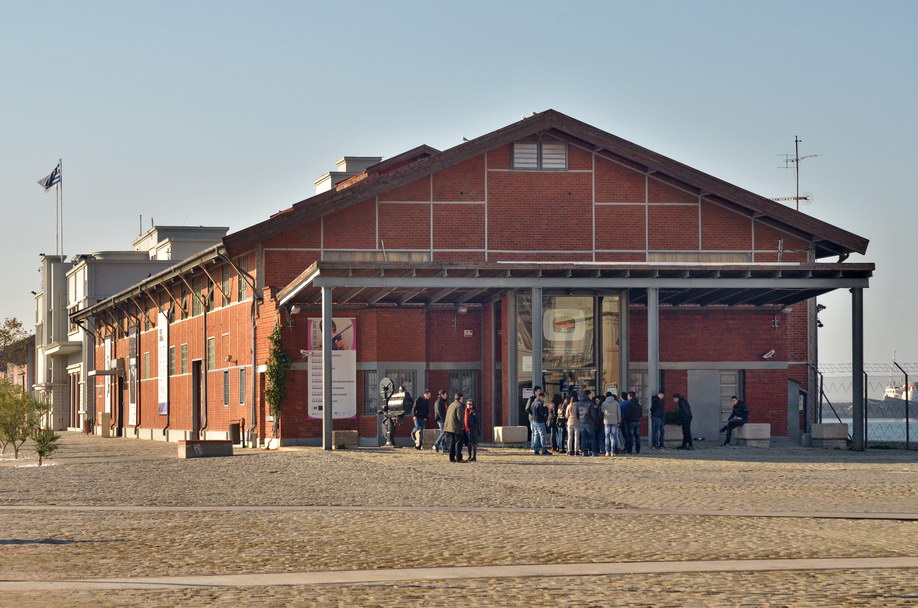
These photographs are less a comprehensive portrait of Thessaloniki than a record of the city as I encountered it during that December visit: its public spaces, historical layers, markets and everyday encounters. The prize brought me there, but it was the people and the life of the streets that made the journey memorable.