

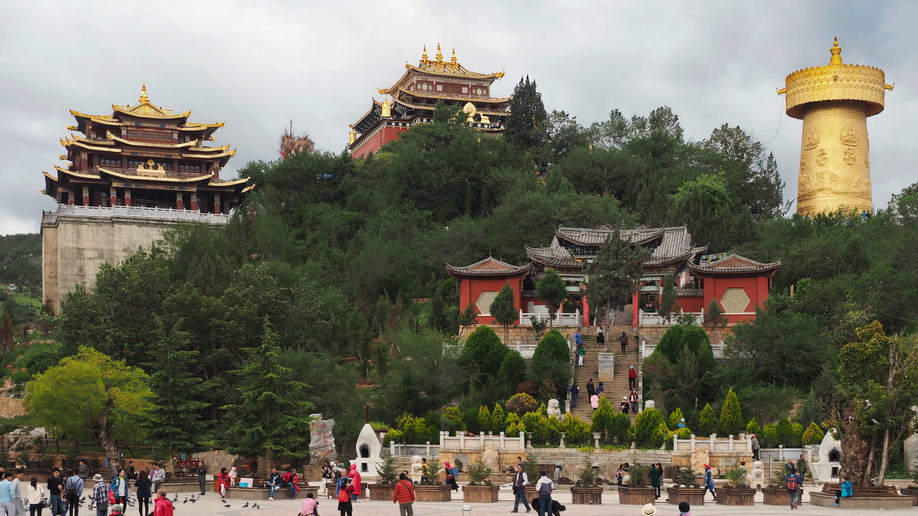
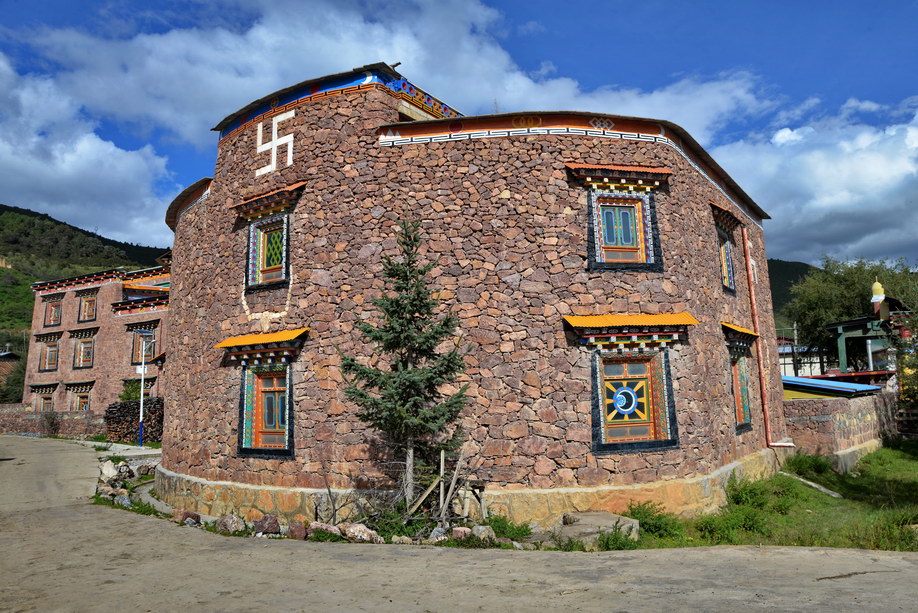
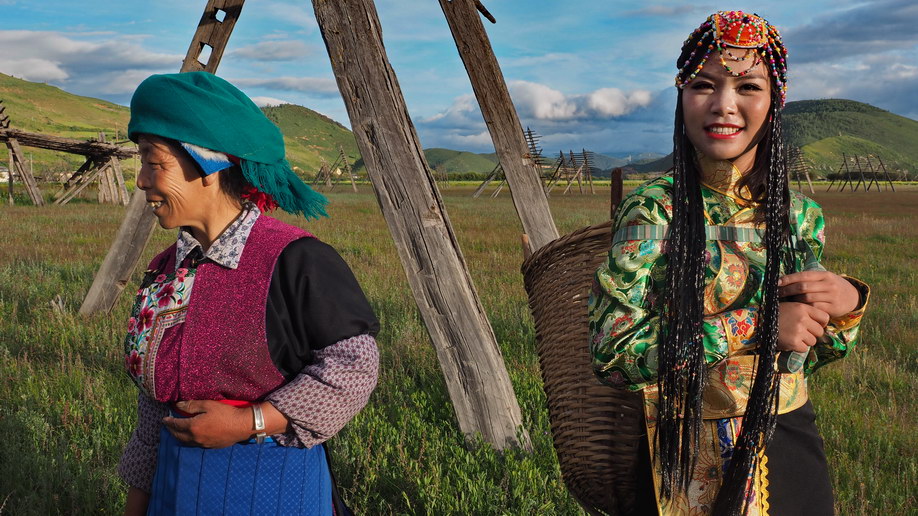
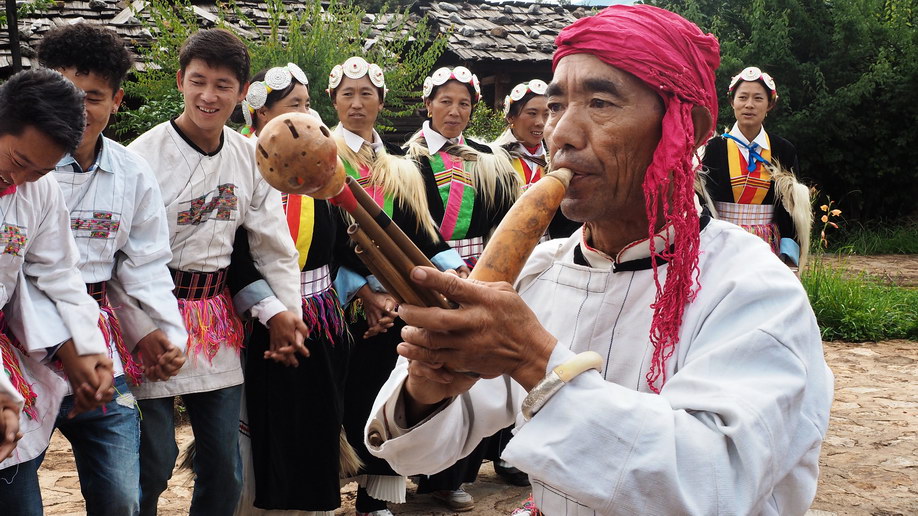
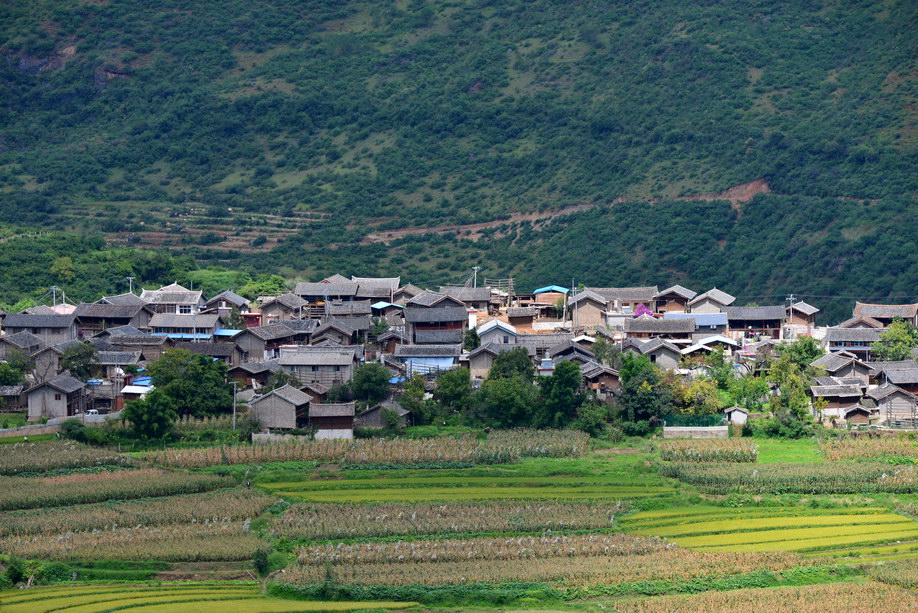
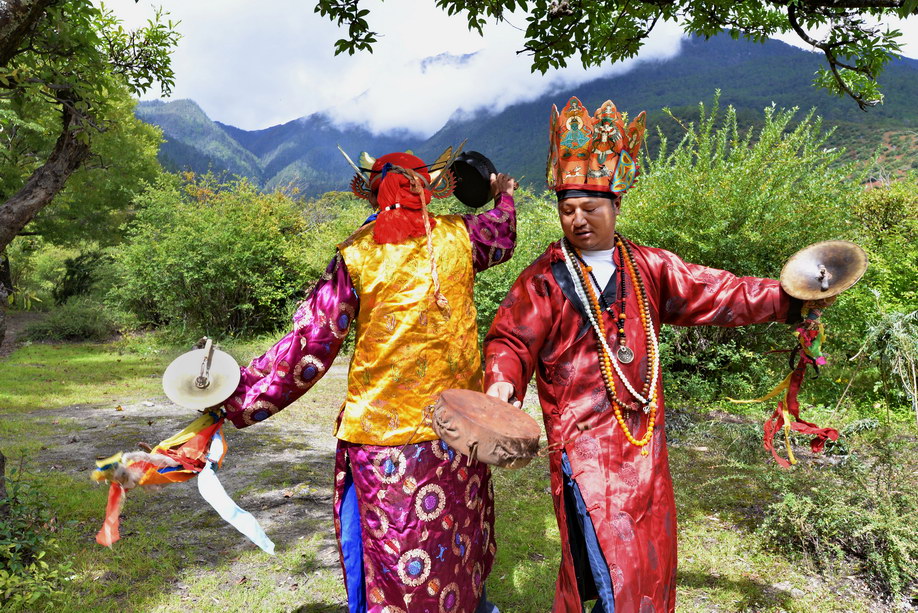
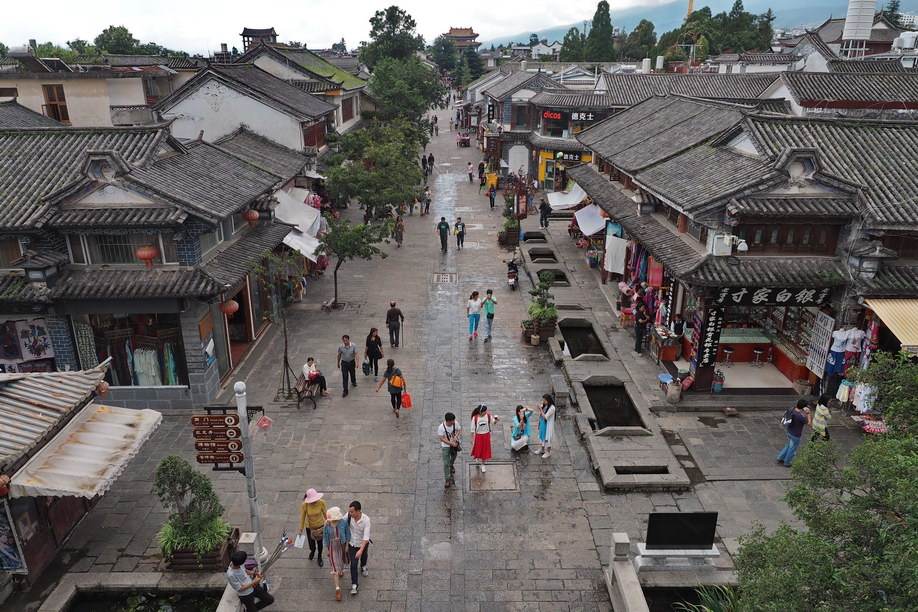




Before travelling to Shangri-La in September 2015, I had read about the ancient Tea and Horse Road. I was interested not only in the historic trade routes, but also in the communities that had grown along them. The network linked Yunnan and Sichuan with the Tibetan plateau and, through connecting routes, with regions farther south and west. Tea, horses and many other goods moved along these roads, together with people, beliefs and customs.
After spending time in the northern part of Yunnan, I decided to travel south. My destination was Donglianhua, a Muslim village beyond Dali that had played a role in the caravan trade. I first travelled to Dali by bus and spent several days exploring the city and its surroundings. I did not know exactly how I would reach the villages I wanted to photograph.
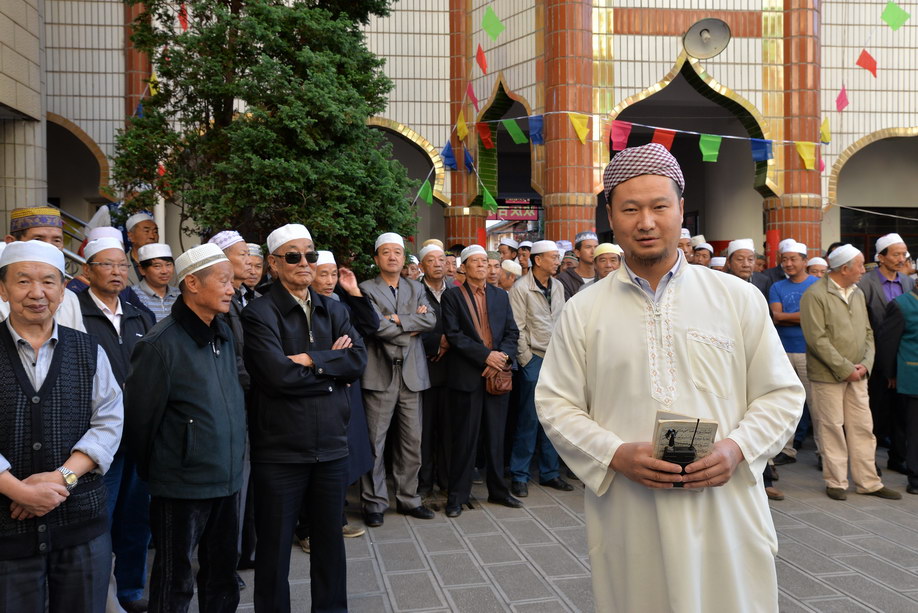
During my photography of Eid al-Adha at the Xiaguan Mosque in Dali, I became acquainted with the imam. When I explained my interest in Donglianhua and the old trade road, he generously offered to take me there in his own car. It was an unexpected invitation, and it changed the character of my journey. Instead of simply arriving at a destination, I could visit other Muslim villages along the way and learn about them through someone who knew the area.
The Hui Muslim communities of Yunnan have a long and complex history. Their development was shaped in part by movements of soldiers, officials, merchants and families during the Yuan dynasty and the centuries that followed. Over time, Muslim traders became involved in the region’s caravan networks. Their connections extended across ethnic, linguistic and religious boundaries, as trade brought distant settlements into contact with one another.
As we travelled, I began to see the Tea and Horse Road less as a line on a map and more as a series of inhabited places. The villages were not merely stops on an old commercial route: they were communities with their own houses, courtyards, places of worship and memories. The imam’s company gave me the opportunity to approach them with greater understanding than I could have managed on my own.
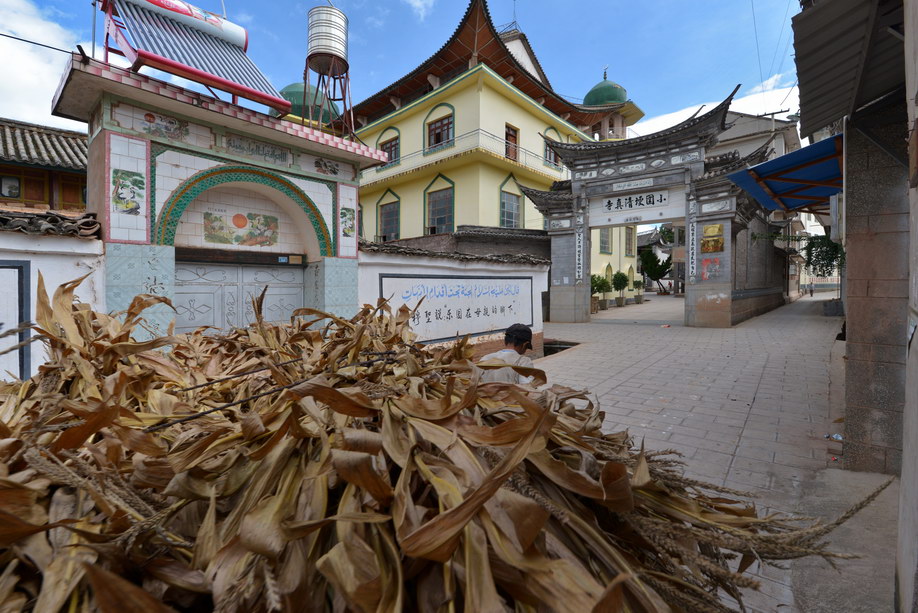
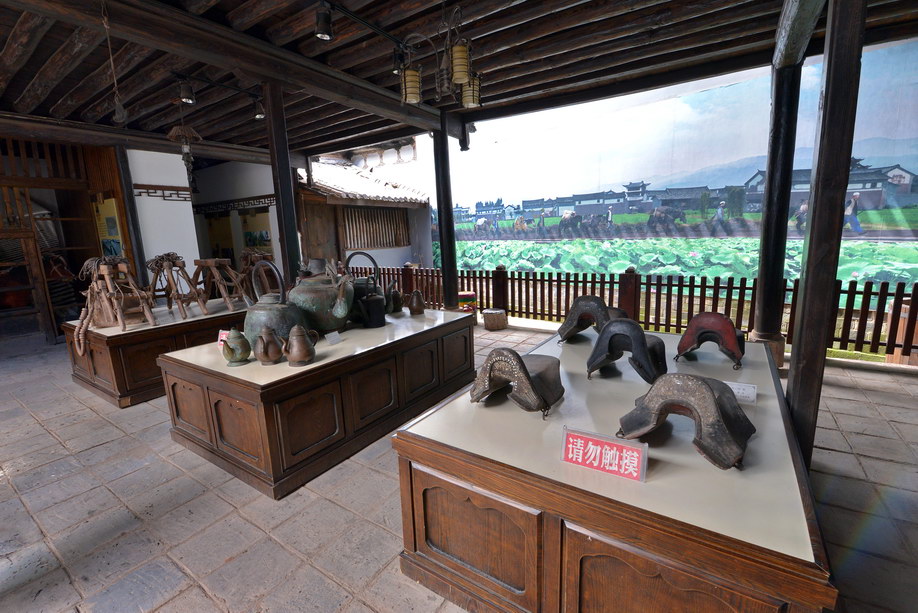
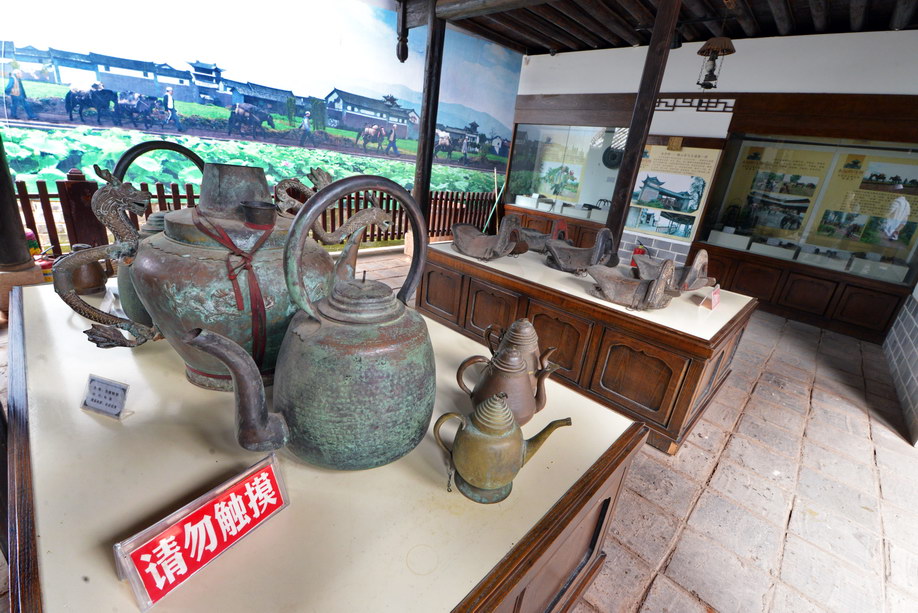
Donglianhua was particularly memorable. Its traditional residences and courtyards reflected the prosperity that some Hui merchant families had achieved through trade. Architectural details offered traces of a past in which caravans, commercial partnerships and family networks helped connect Yunnan to a much wider world. I also visited a local museum devoted to the history of the Tea and Horse Road.
I photographed what I encountered along the journey, conscious that the buildings and streets belonged to a living community rather than an open-air museum. My interest was in the relationship between history and everyday life: the way a trading past could still be read in the physical surroundings, even as the rhythms of village life continued in the present.
Looking back, I remember the imam’s kindness as clearly as the places themselves. His invitation turned a planned visit into a shared journey. These photographs are a record of the road from Shangri-La towards Donglianhua, but also of the people whose generosity allowed me to experience a small part of its continuing history.