
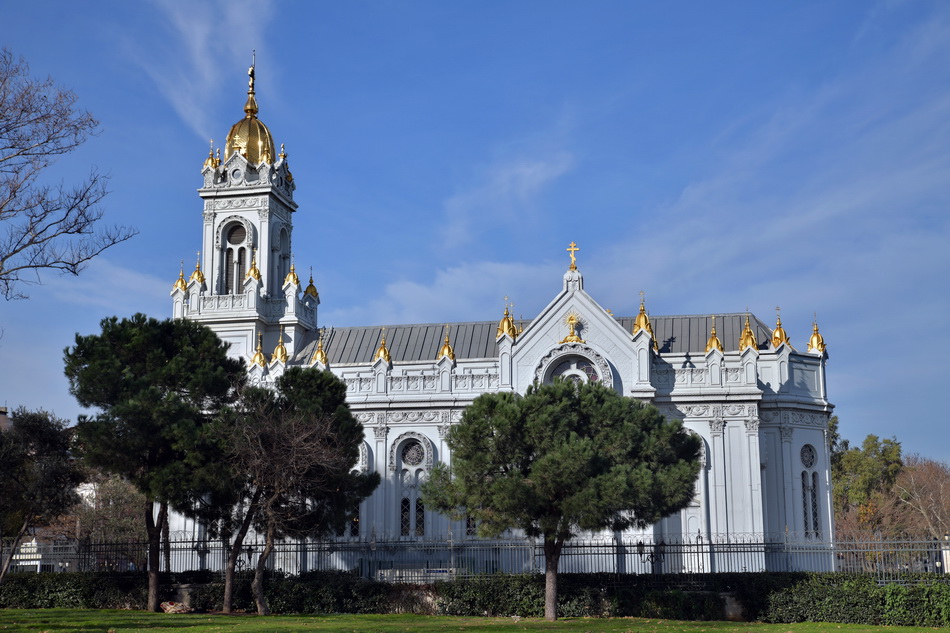
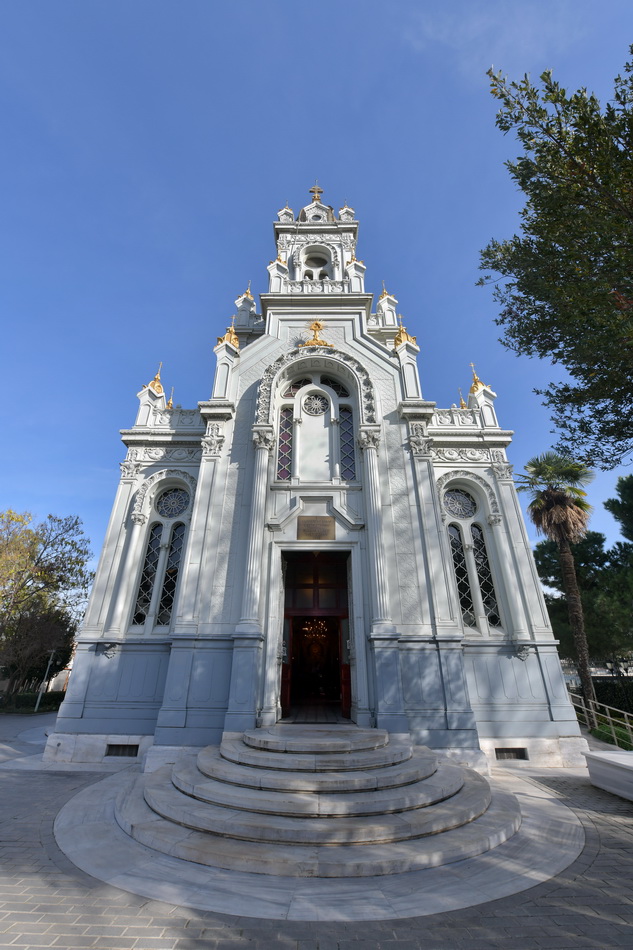
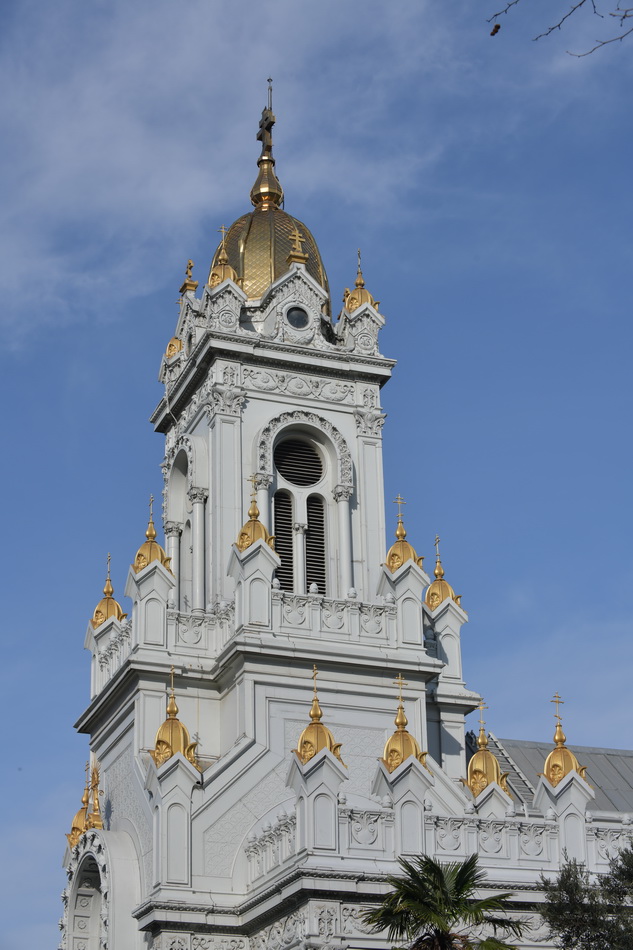
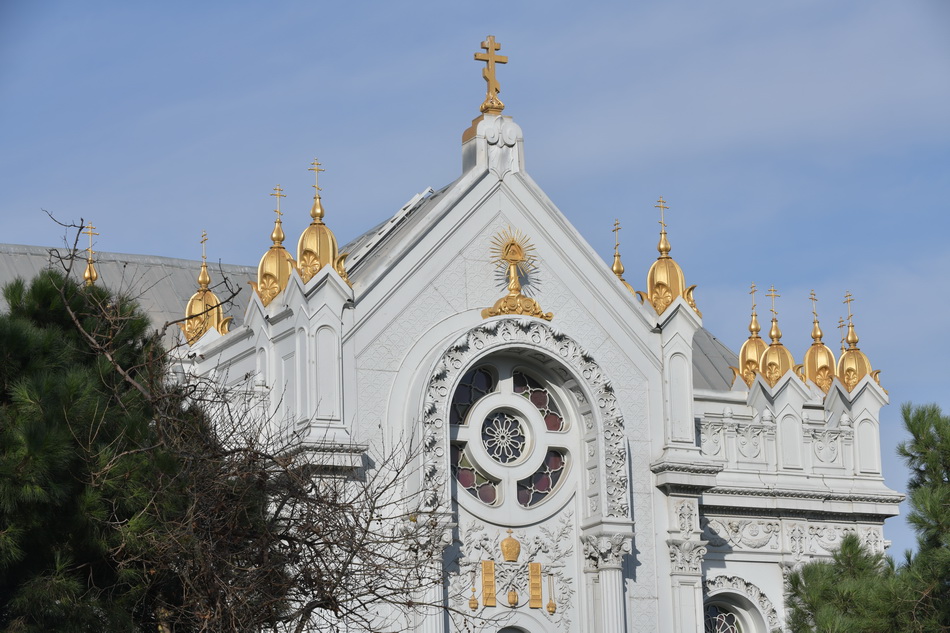
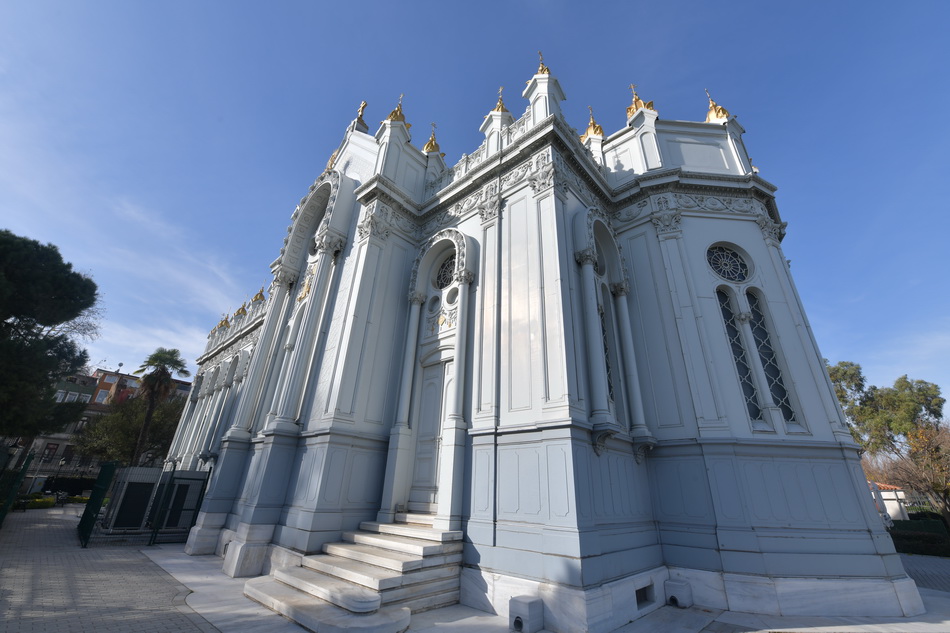
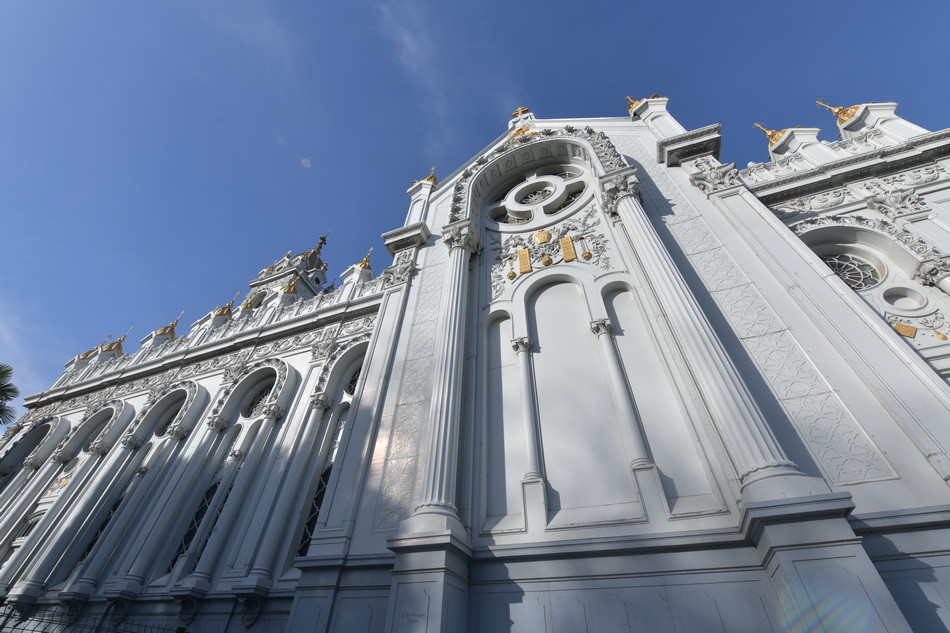
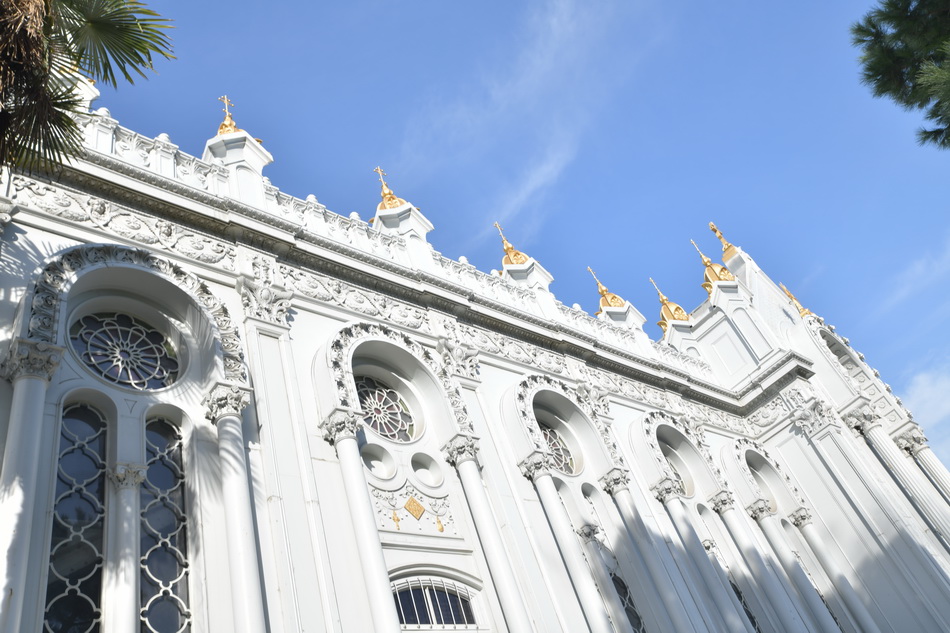
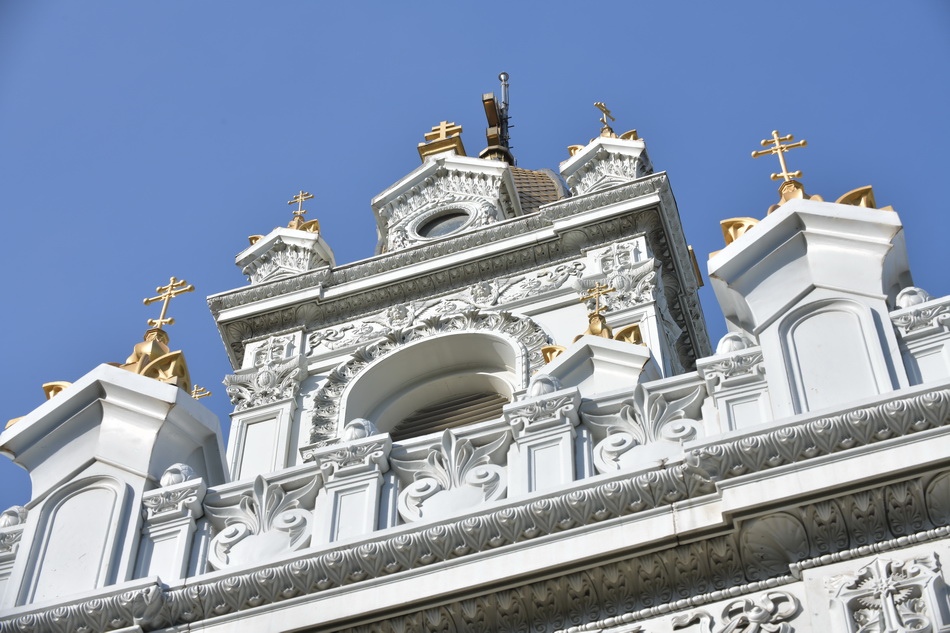
In Istanbul's Balat district, on the shore of the Golden Horn, Bulgarian St. Stephen Church stands apart from the city's other historic churches. Widely known as the Iron Church, it is remarkable not only for its religious history but also for the material from which it was built. Its pale exterior, slender tower and elaborate ornamentation give it the appearance of a stone church, yet much of its structure is made of prefabricated iron elements.
The church belongs to the Bulgarian Orthodox community and is closely associated with the nineteenth-century movement for an independent Bulgarian ecclesiastical identity within the Ottoman Empire. The earlier wooden church on this site was replaced by the present building, which was inaugurated in 1898. Designed by architect Hovsep Aznavur, it represents an unusual meeting of ecclesiastical architecture and the industrial construction methods of its time.
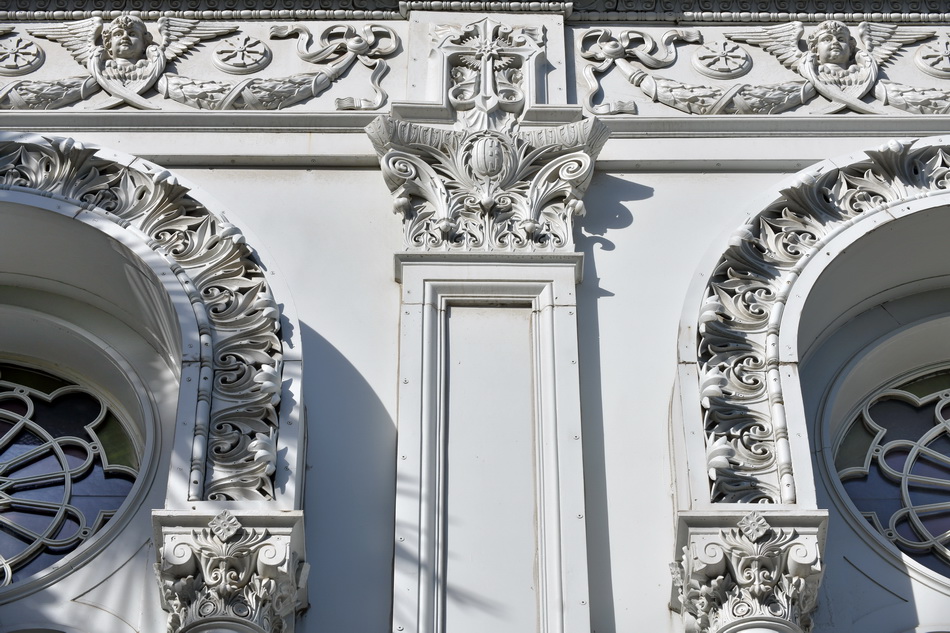
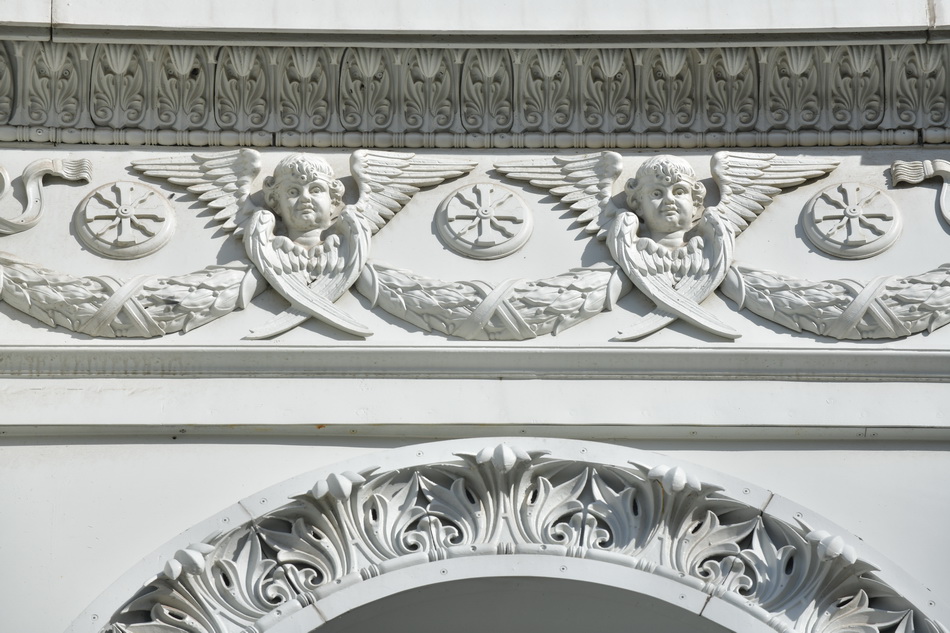
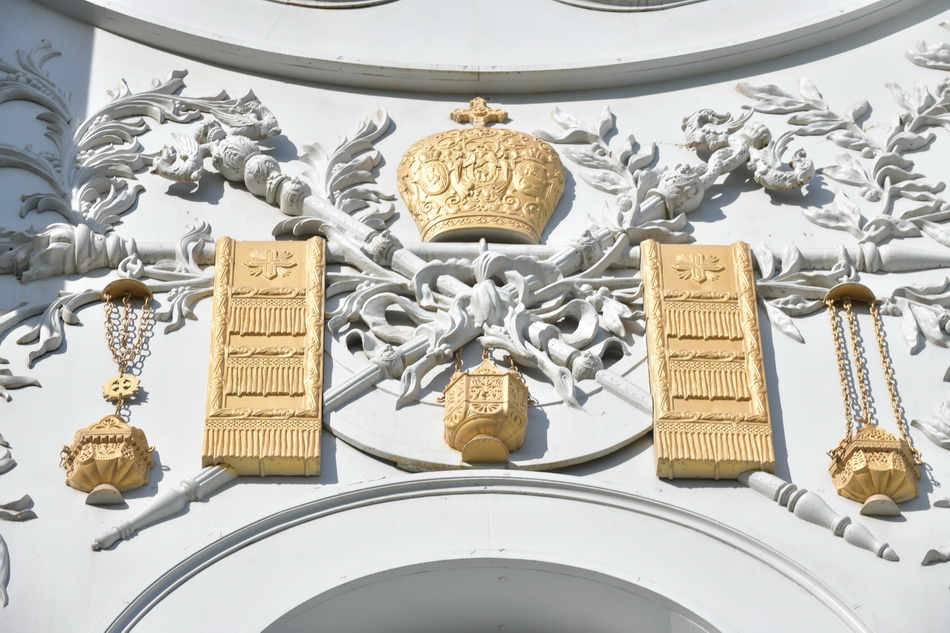
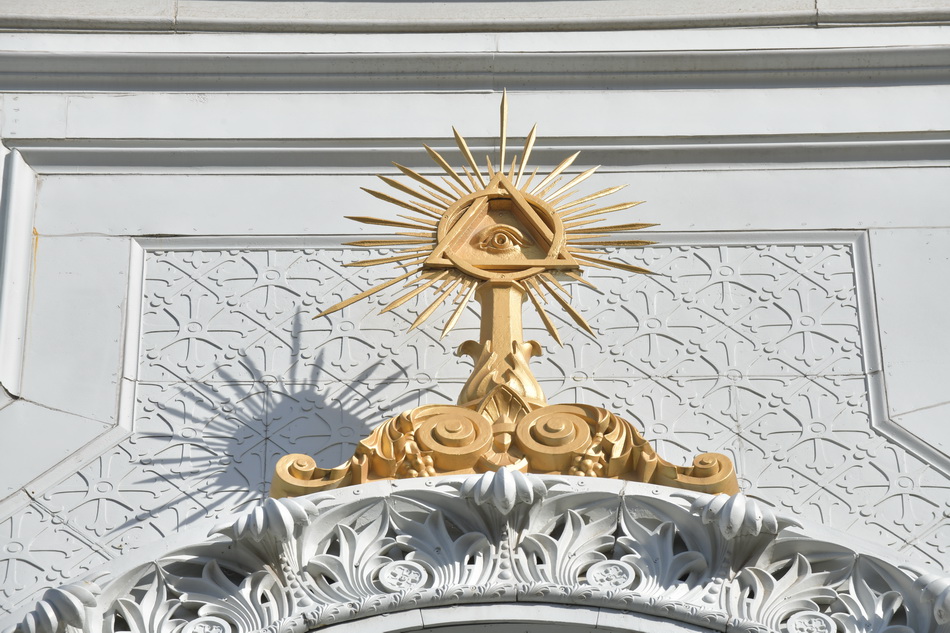
Its metal components were manufactured in Vienna and transported to Istanbul, where they were assembled on the Golden Horn waterfront. This method of construction makes St. Stephen an especially interesting example of nineteenth-century prefabrication. The intricate façade, pointed arches, windows, reliefs and gilded details show how industrially produced components could be used to create an exceptionally decorative sacred building.
Only a small number of prefabricated iron churches were built in the nineteenth century. According to accounts from the Bulgarian Orthodox Church Foundation, three such churches were constructed, and the examples outside Istanbul did not survive. The Iron Church therefore stands as an exceptionally rare surviving example of this construction method. Approximately 500 tonnes of prefabricated metal components were manufactured in Vienna, transported to Istanbul and assembled on the shore of the Golden Horn, making the building significant not only as a place of worship but also as a monument to industrial engineering.
I began my photographs outside, moving around the church to understand its silhouette and the relationship between its tower, side elevations and waterfront setting. Seen from different angles, the building reveals a surprising richness of detail. Close photographs of the façades bring out the repeating ornaments, sculpted forms and metalwork that are less apparent from a distance.
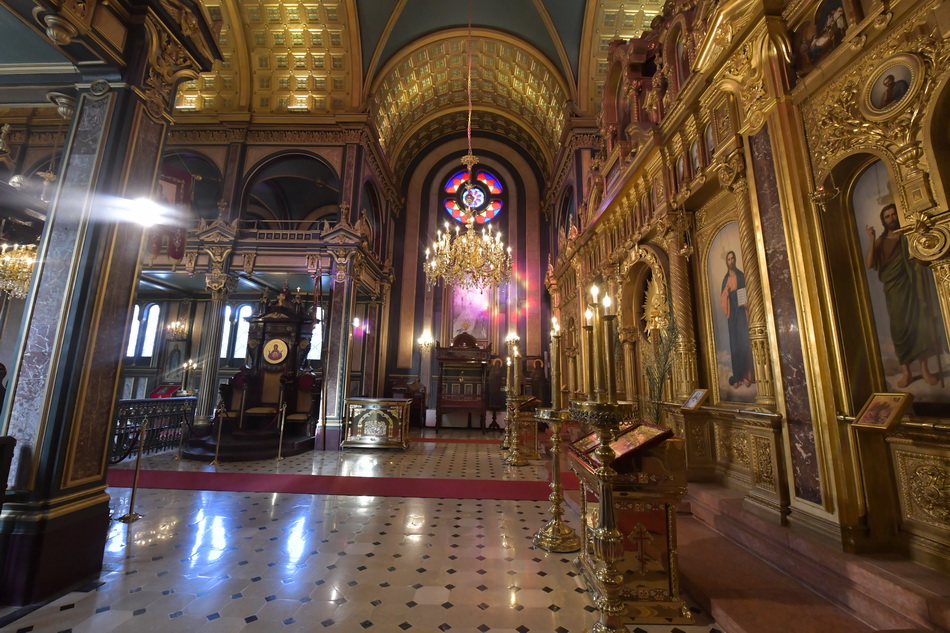
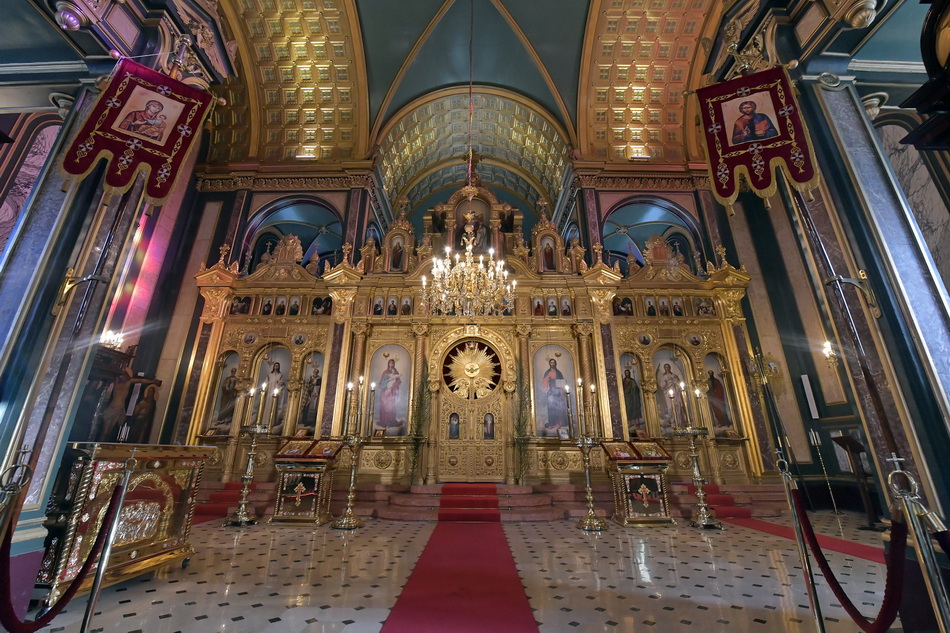
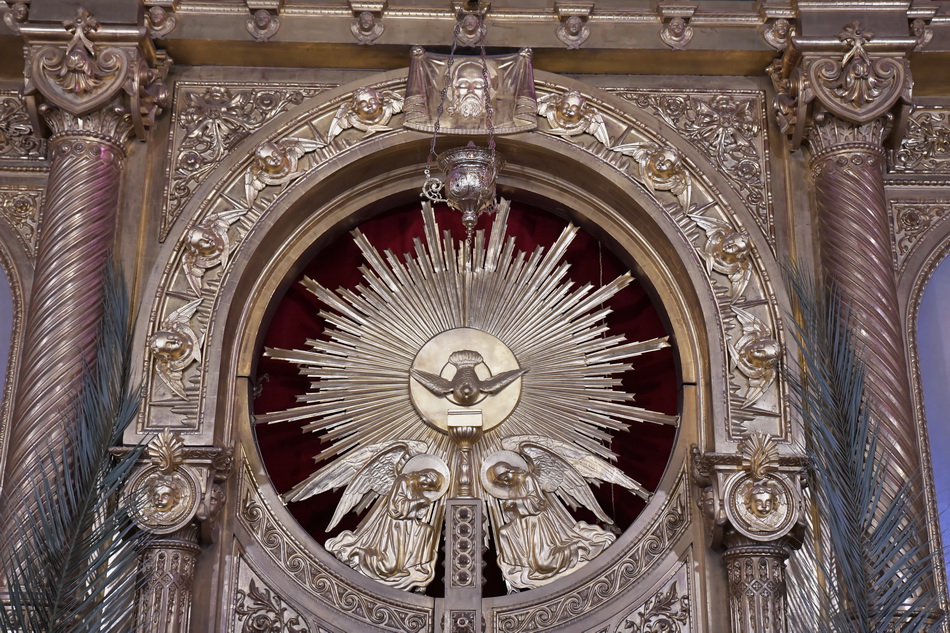
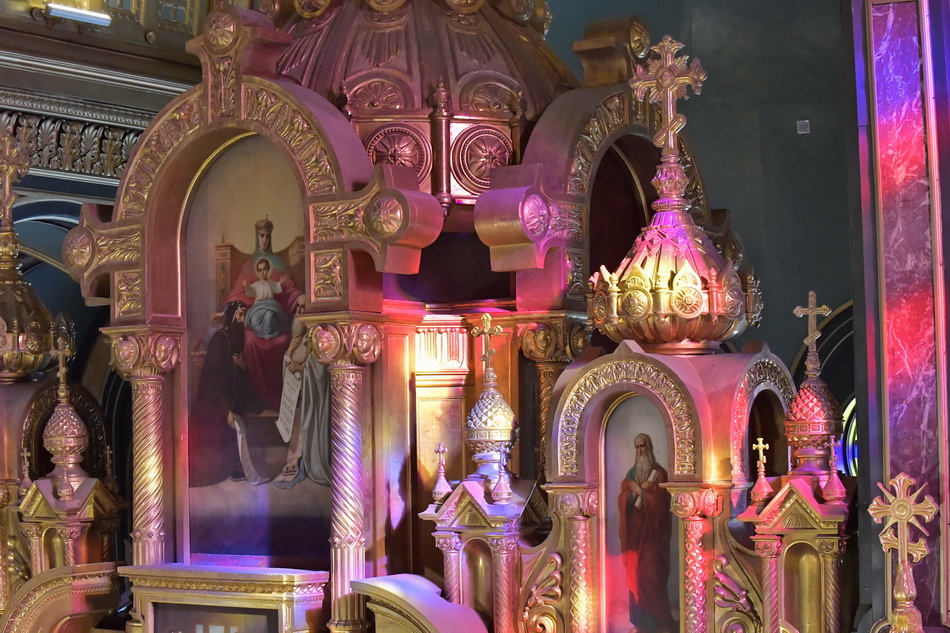
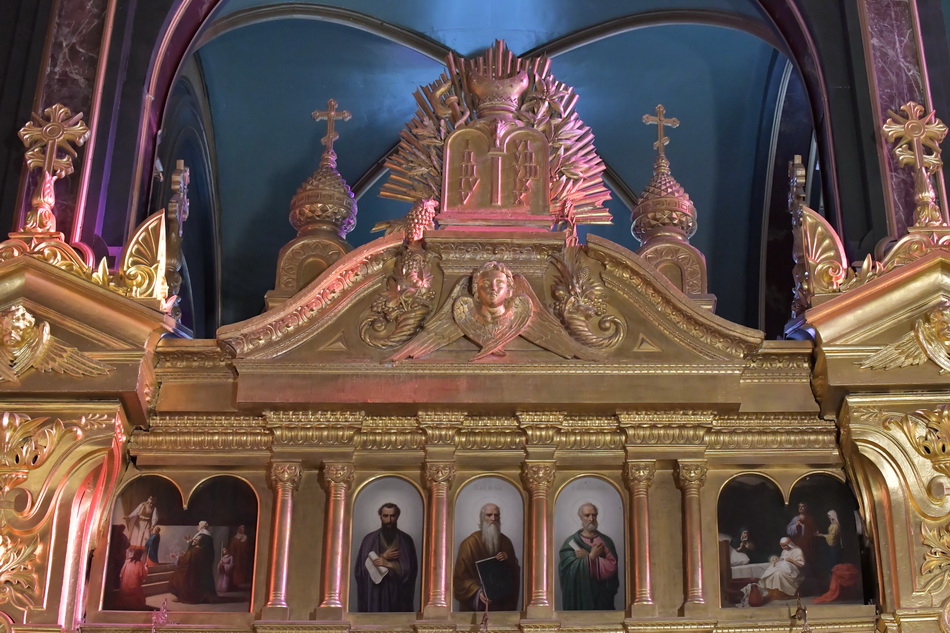
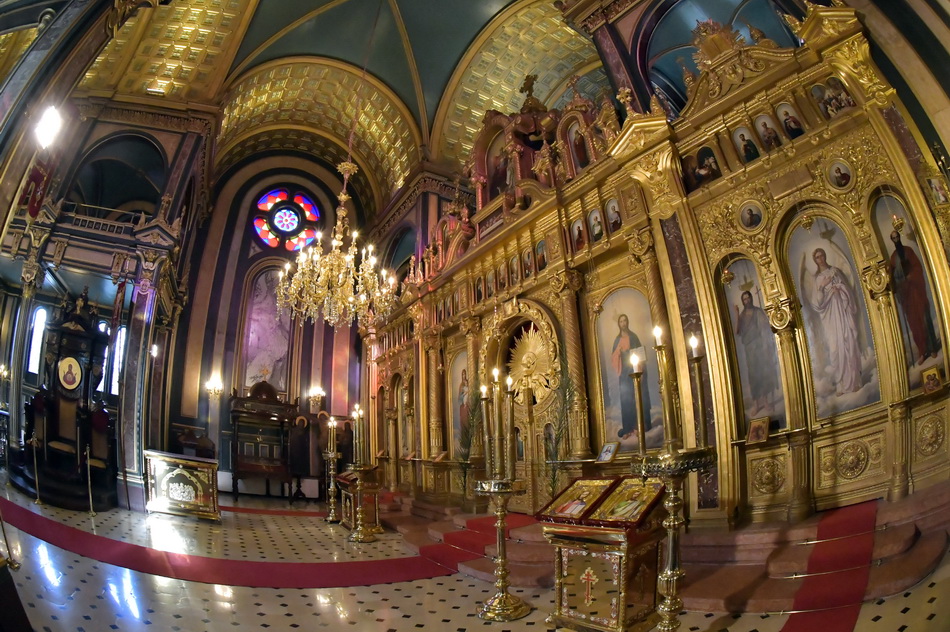
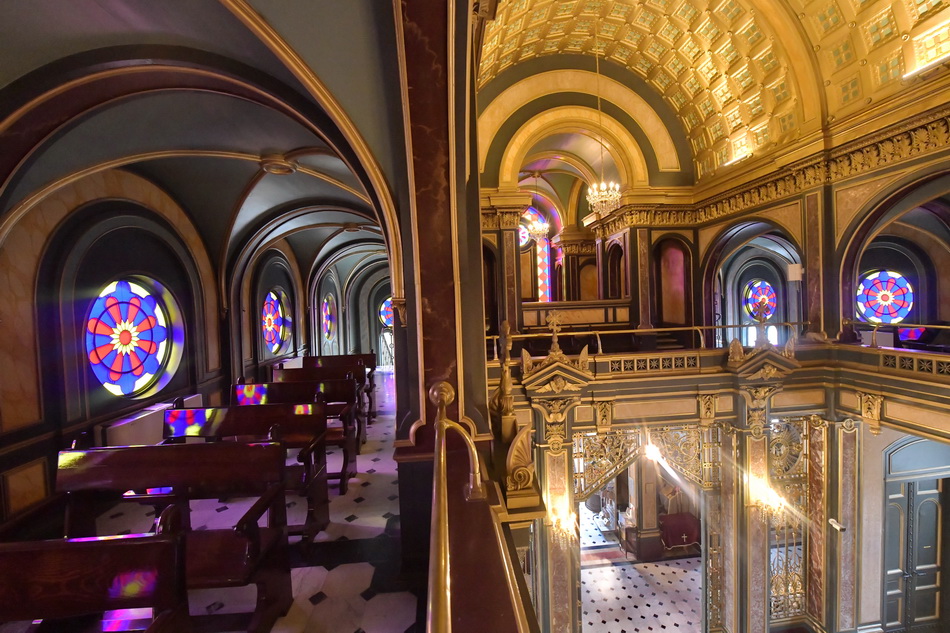
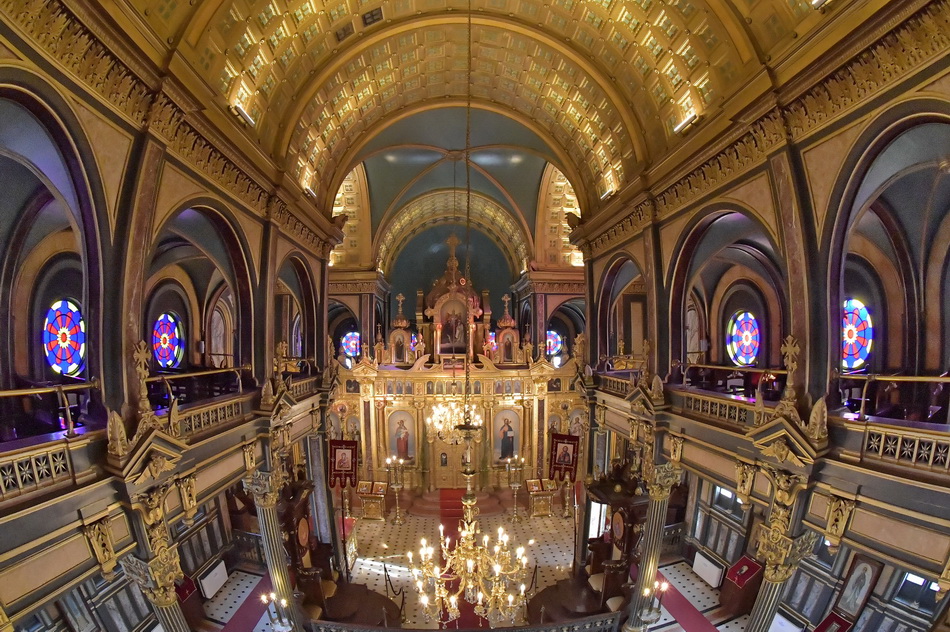
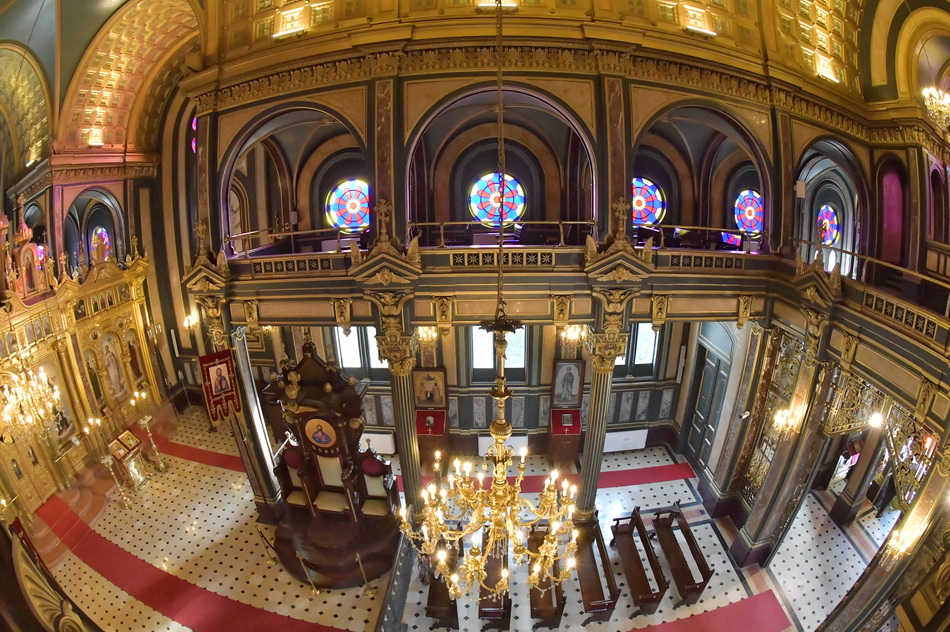
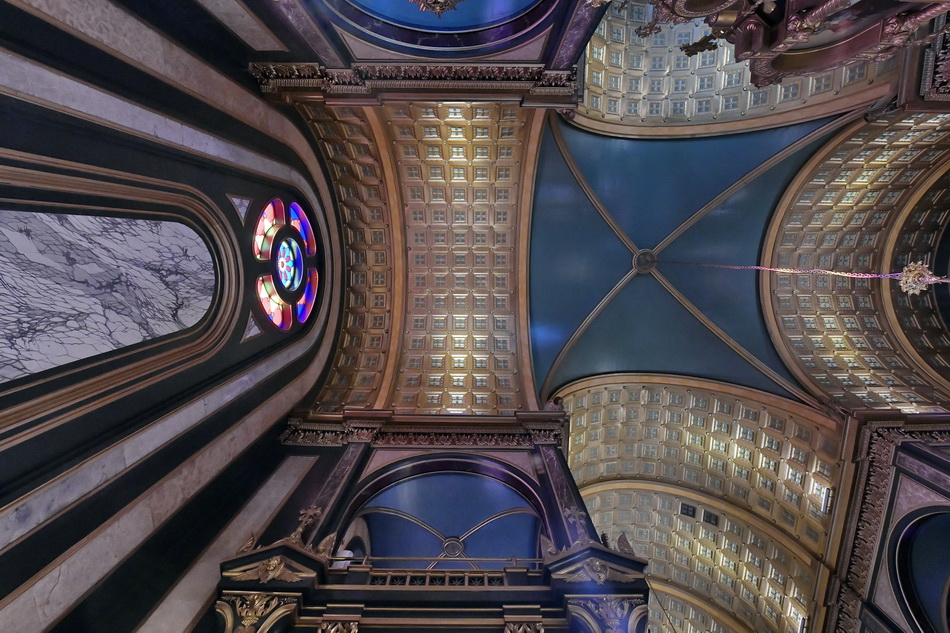
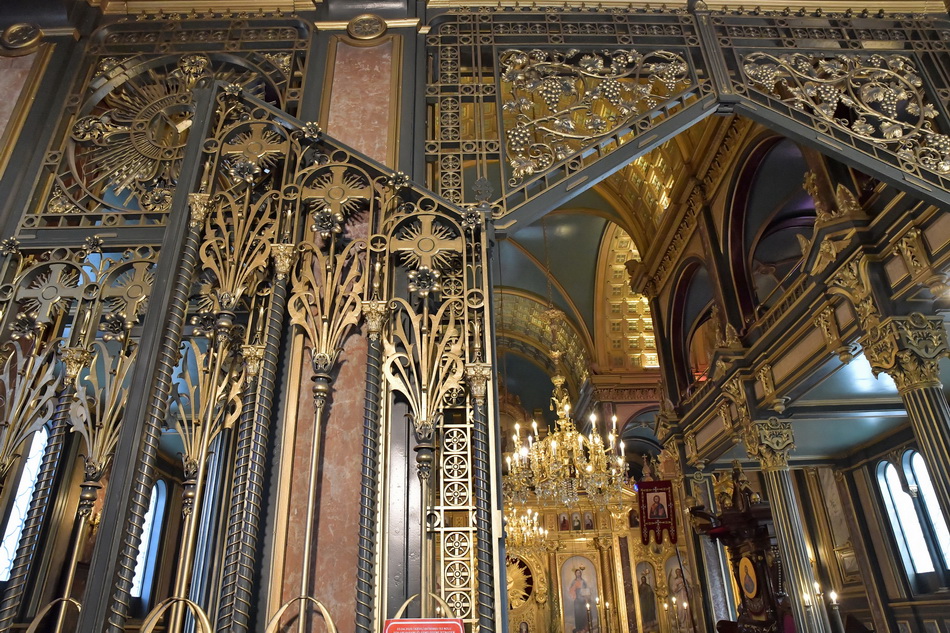
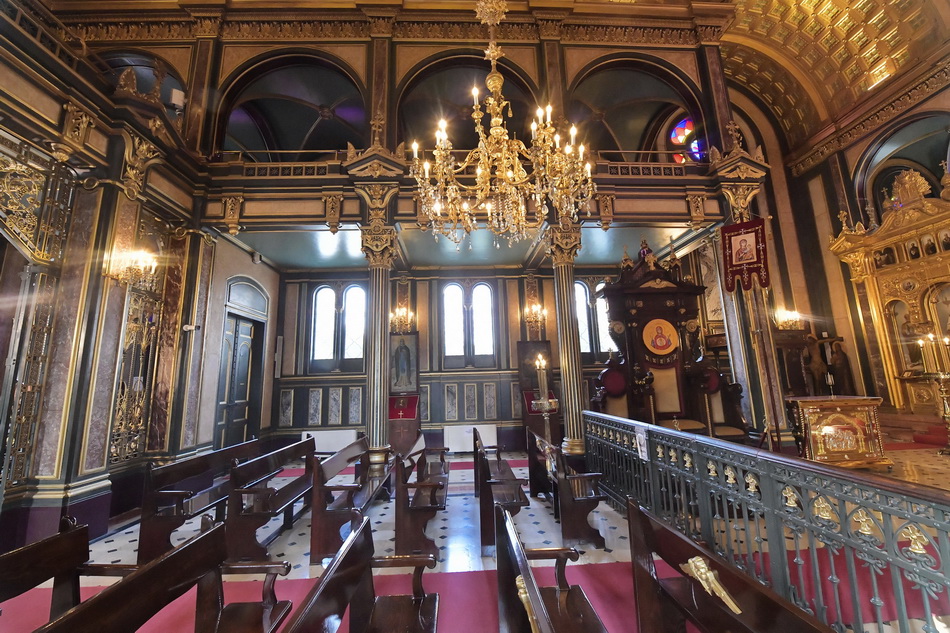
Inside, the atmosphere changes. The elaborate iconostasis, icons, gilded surfaces, chandeliers and vaulted ceilings create a richly layered interior. I photographed both the overall space and individual details, looking upward toward the ceiling and across the nave to understand how decoration, light and structure work together. The church is a place of worship, but its interior also tells a story about craftsmanship and the artistic language of Orthodox Christianity.
The building underwent an extensive restoration and reopened in 2018. Its survival is significant in a city where communities, religious institutions and architectural styles have changed over many generations. For me, the Church of St. Stephen brings together several subjects that recur in my documentary work: the cultural diversity of Istanbul, the continuity of religious traditions and the care needed to preserve historic architecture.
This portfolio of 24 photographs moves from the church's exterior to its interior. I wanted to record not only a familiar landmark of Balat, but also the details that make it distinctive: an iron structure shaped into an ornate house of worship, carrying the history of Istanbul's Bulgarian Orthodox community into the present.