
The Day Of The Dead Decorations, San Miguel de Allende Oct.2025 - Mexico
"Death is not an end, but a bond that continues to be remembered."
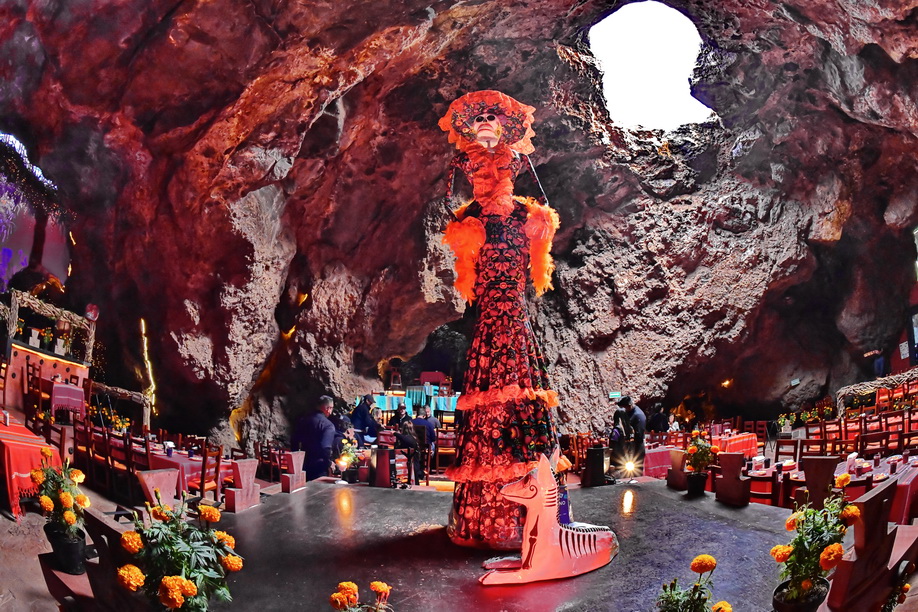
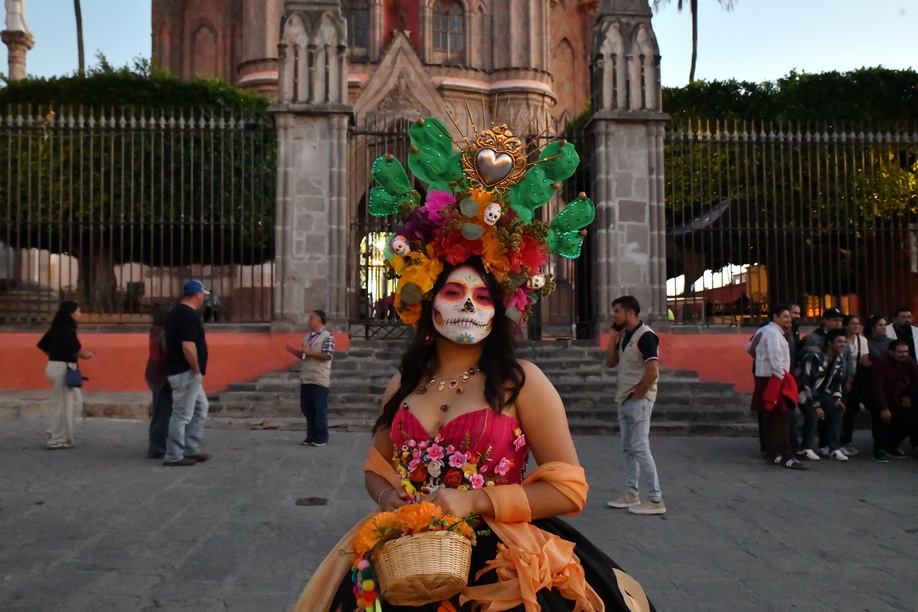
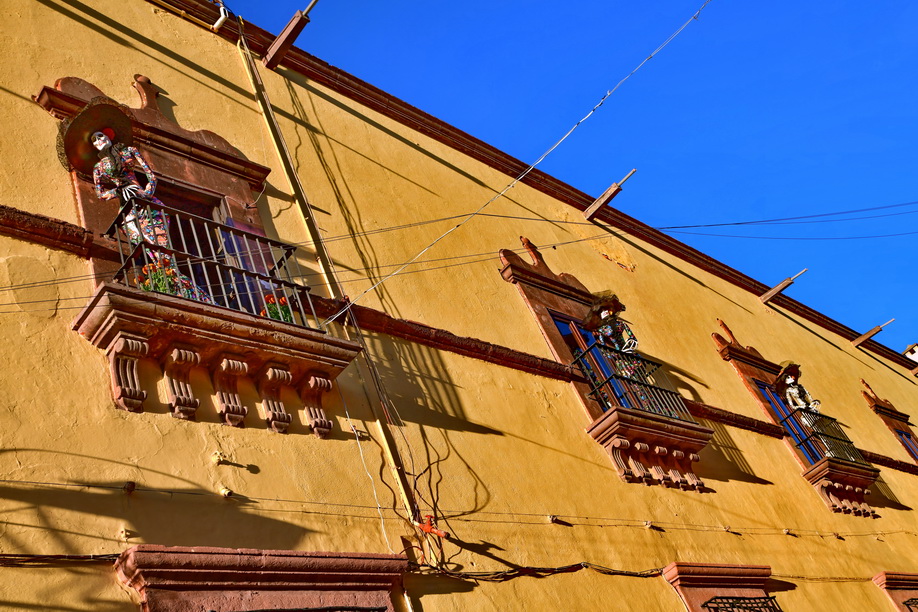
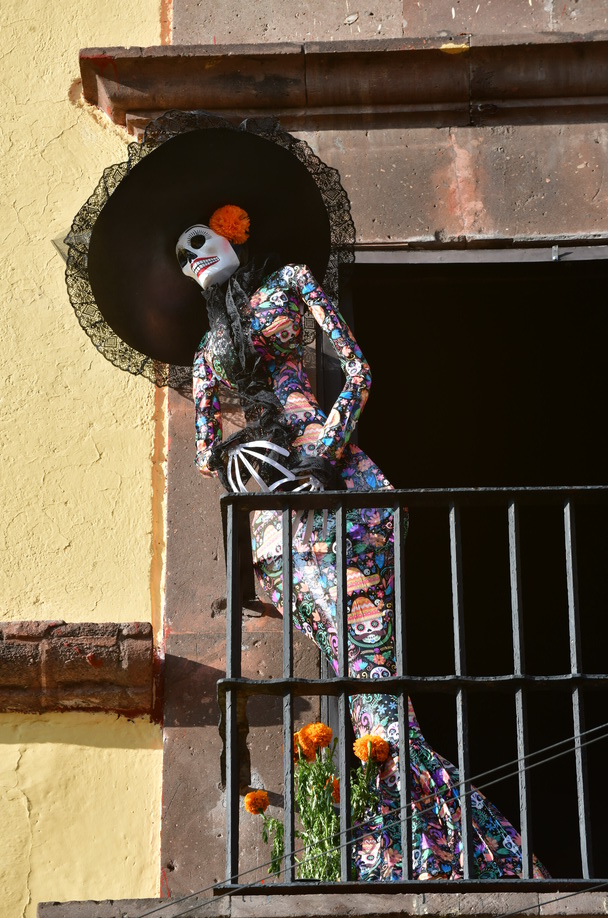
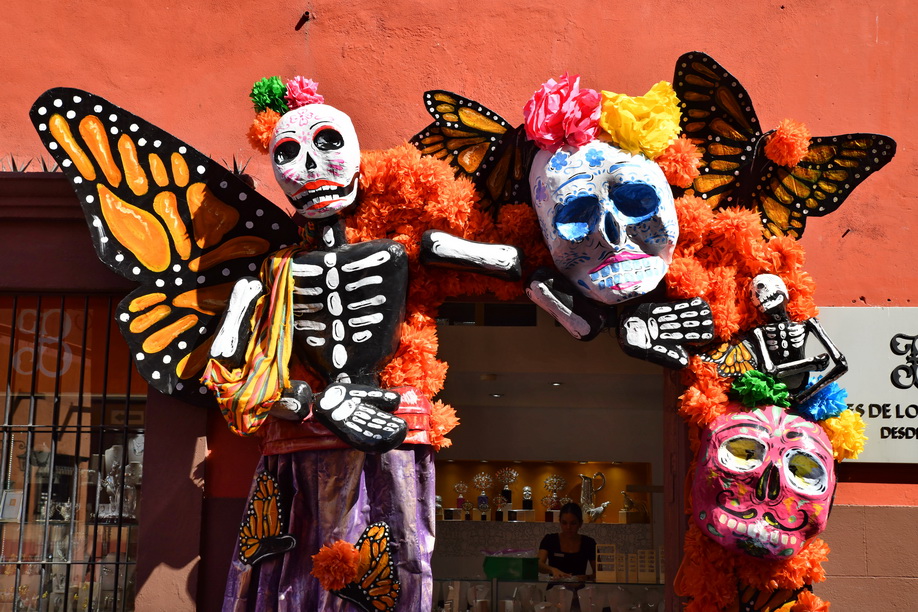
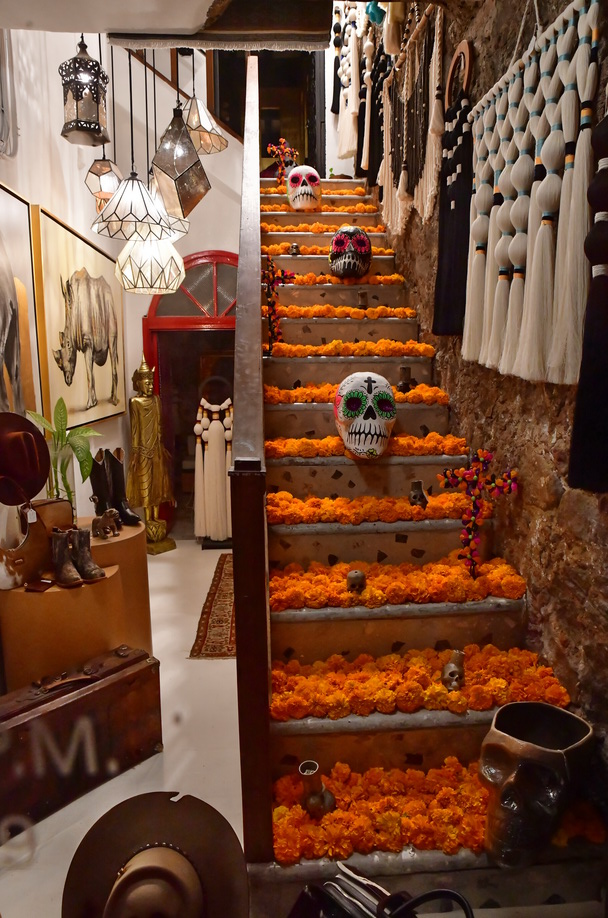
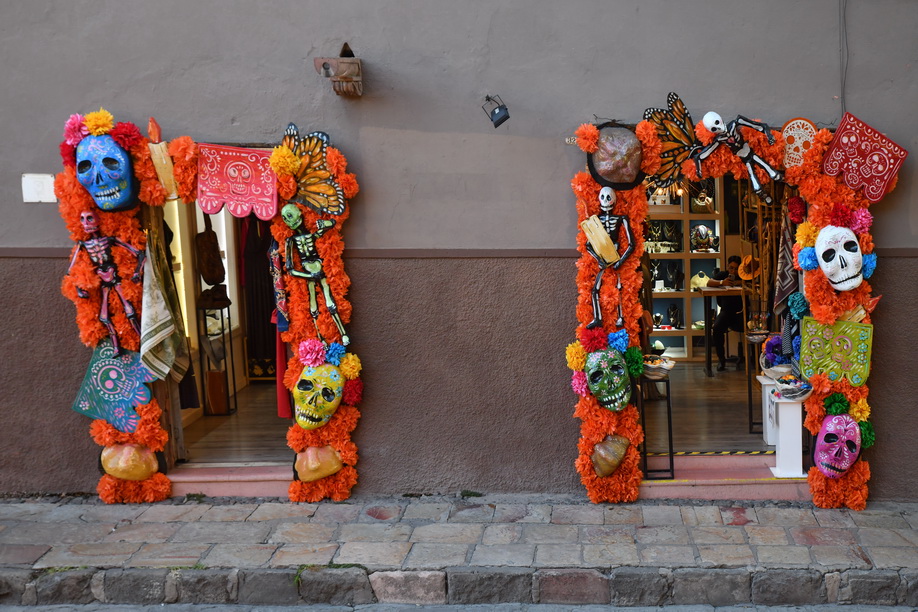
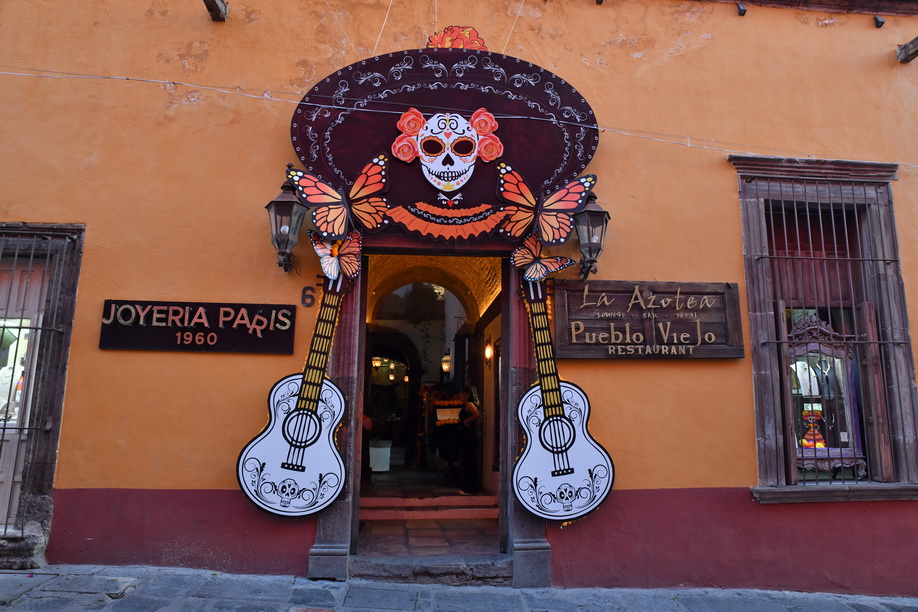
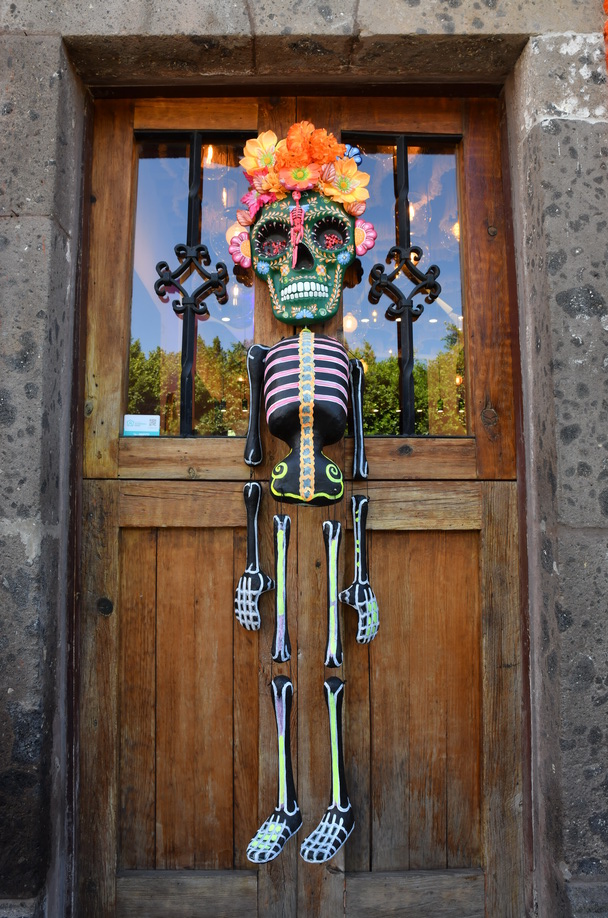
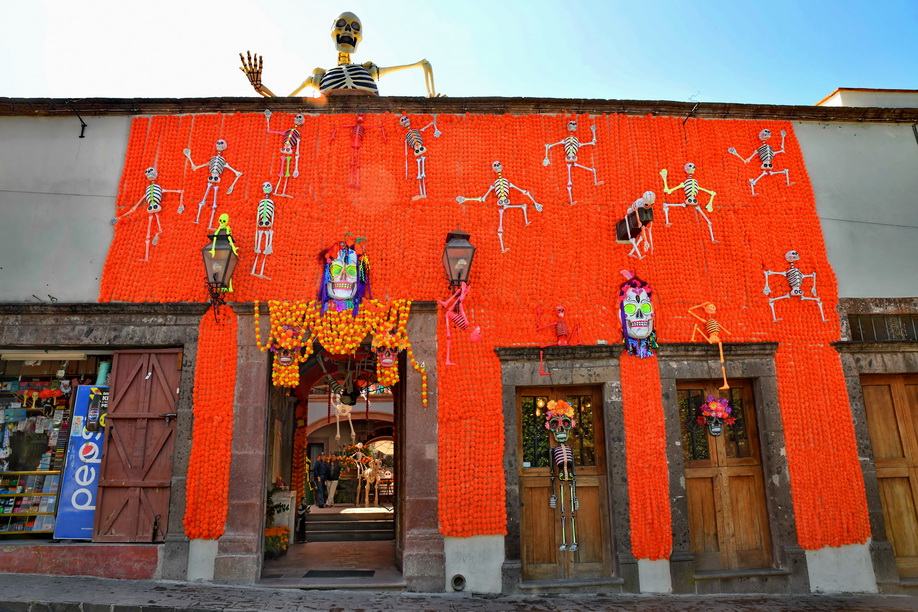
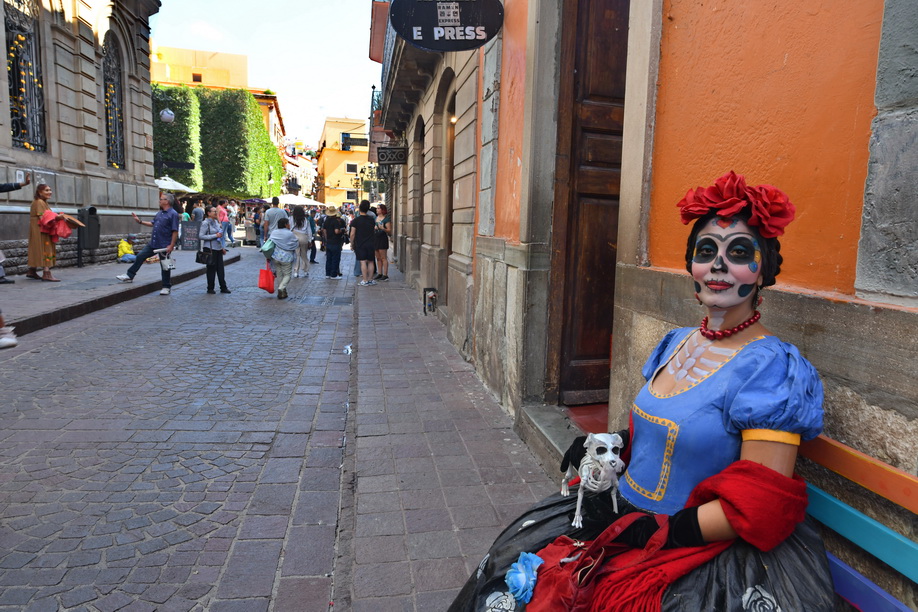
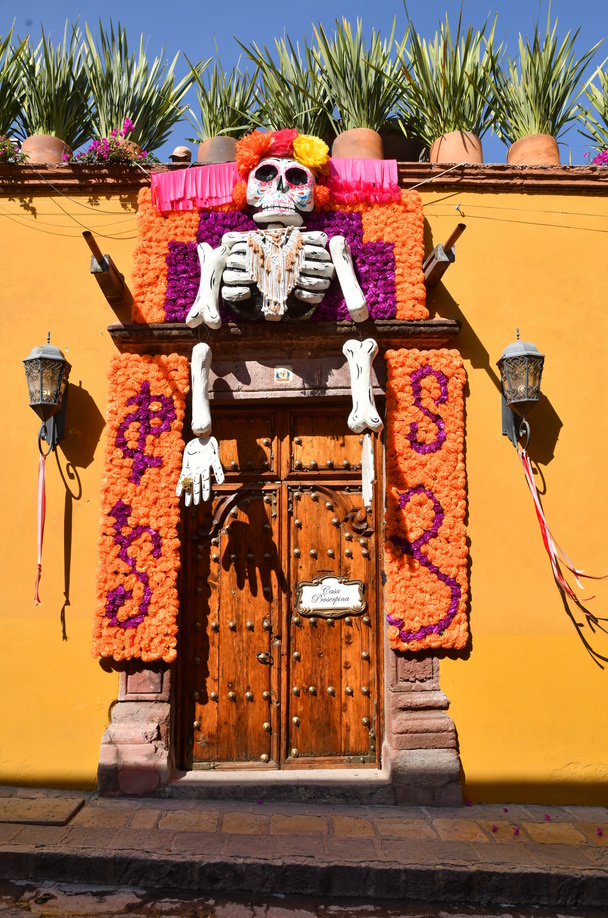
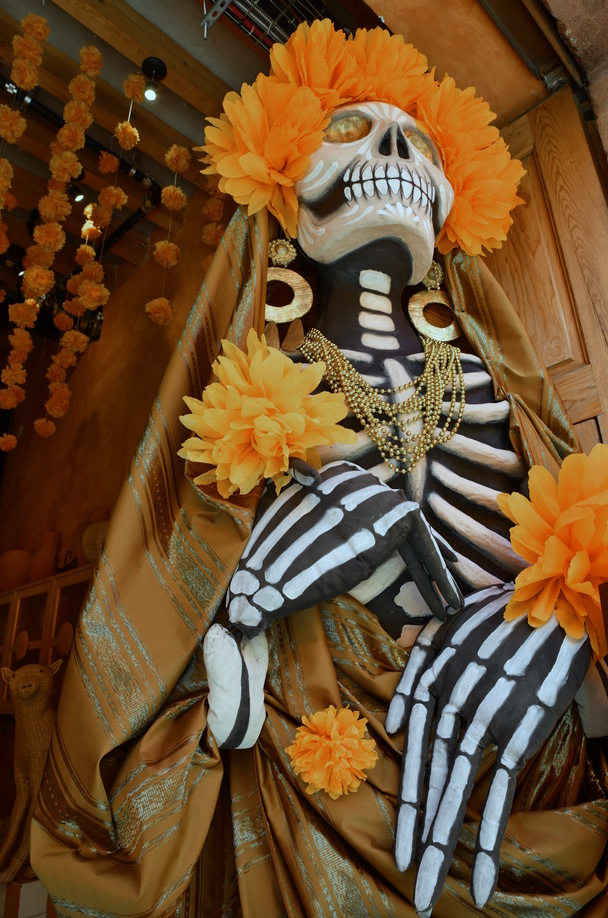
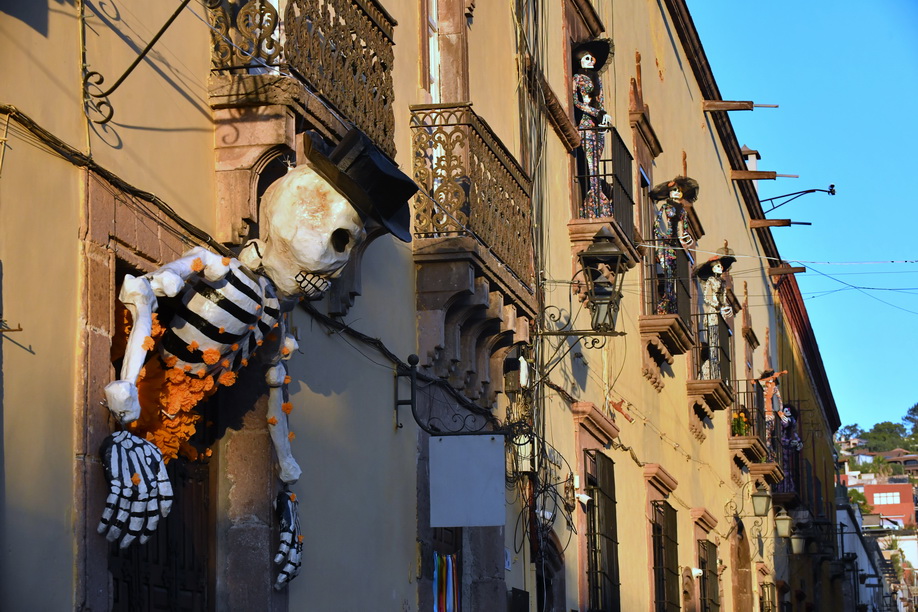
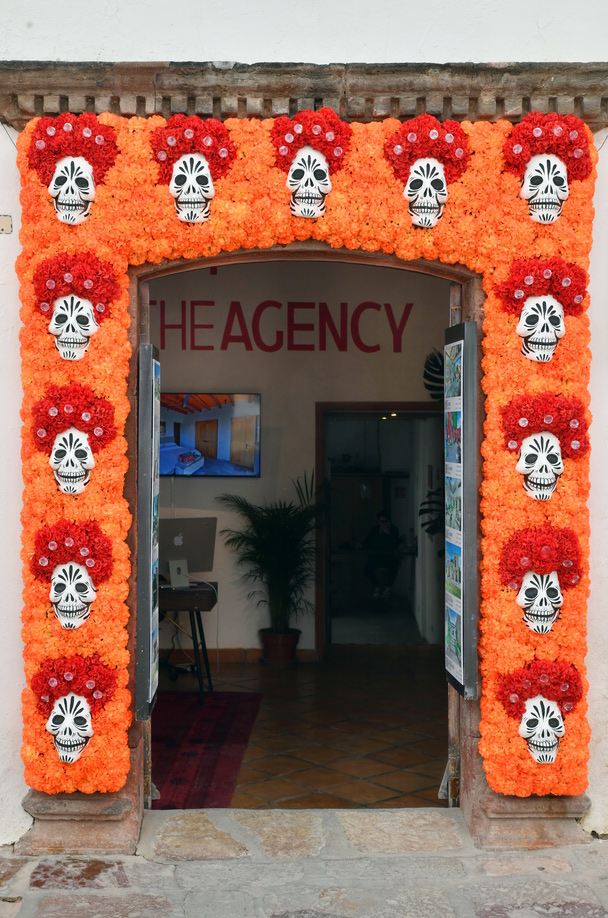
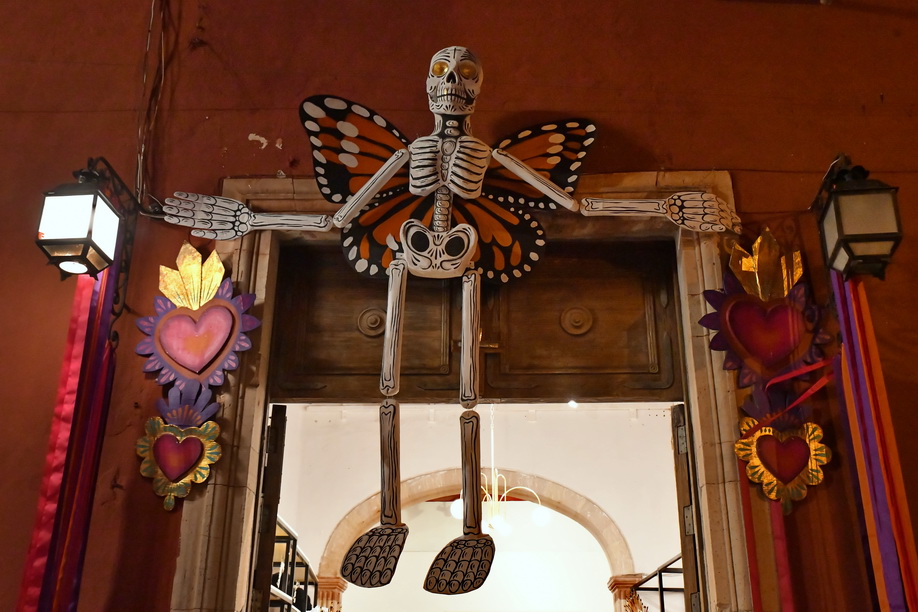
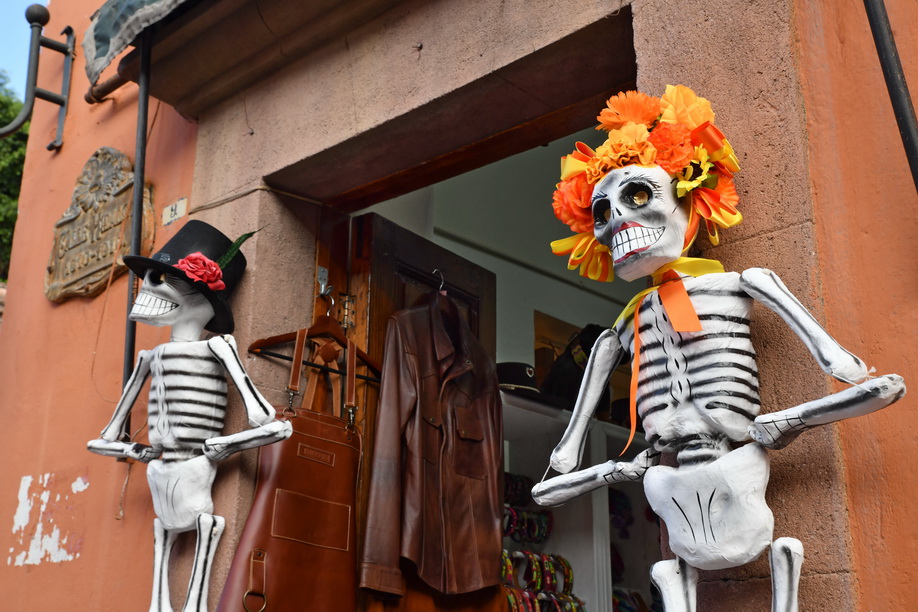
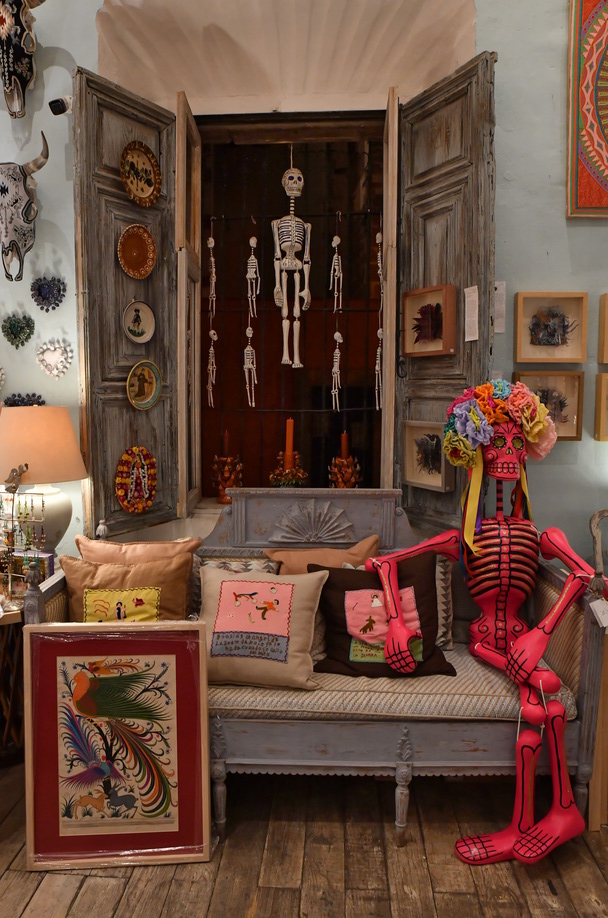
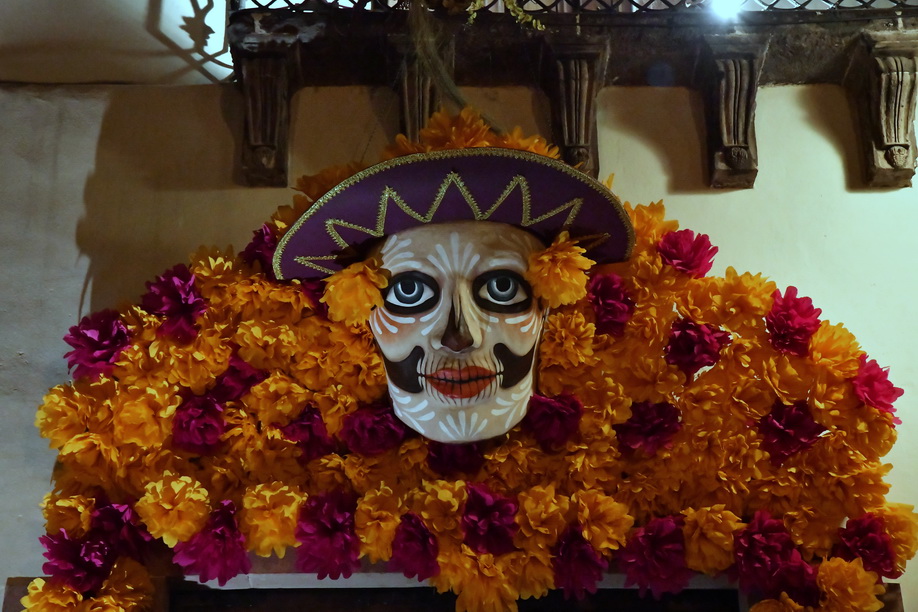
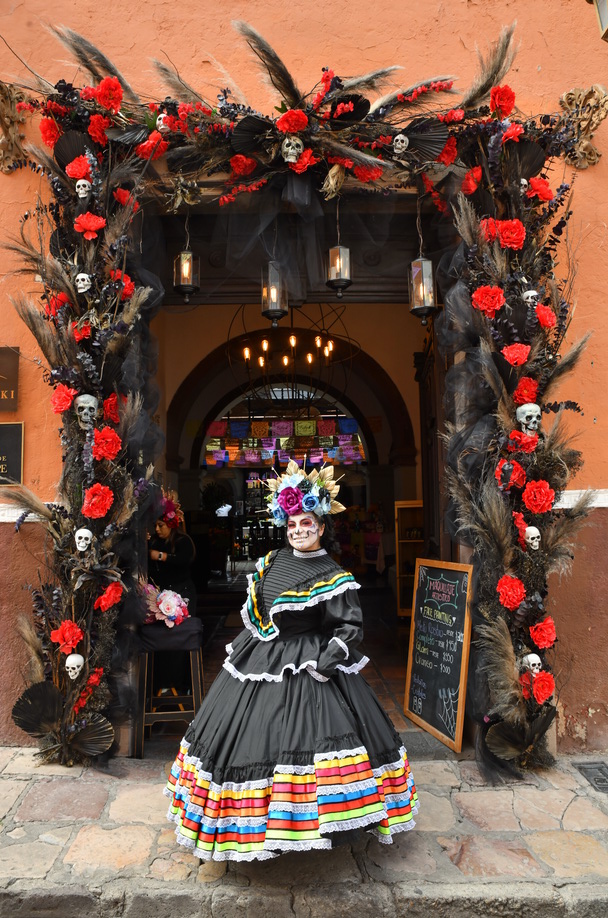
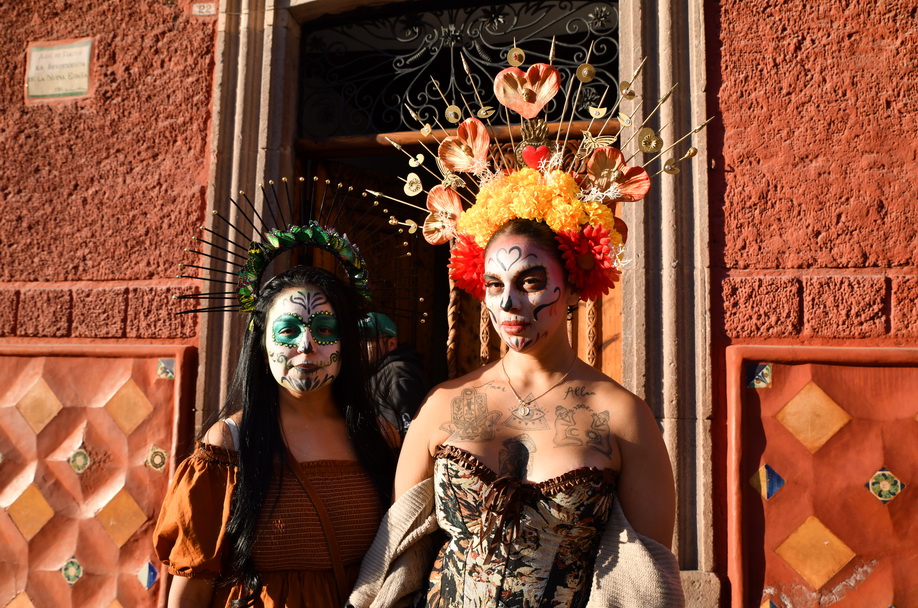
Día de los Muertos (Day of the Dead) decorations are not merely ornaments; each carries symbolic meanings about death, life, and remembrance. The decorations seen in San Miguel de Allende are a very aesthetic reflection of this shared tradition. The colorful and vibrant street decorations are one of the most striking aspects of this tradition. Narrow streets and squares are adorned with colorful papel picado (paper flags with holes) and cempasuchil (orange marigolds). It is believed that the scent of these flowers attracts spirits. Catrina and other skeleton figures often take center stage in the street decorations of San Miguel. These are sometimes placed in the streets in the form of large puppets or sculptures. The historic stone streets of San Miguel de Allende, combined with colorful decorations and traditional motifs, create a lively and celebratory atmosphere - a sense of remembrance and celebration rather than a somber atmosphere of mourning.
The most classic symbols and their meanings:
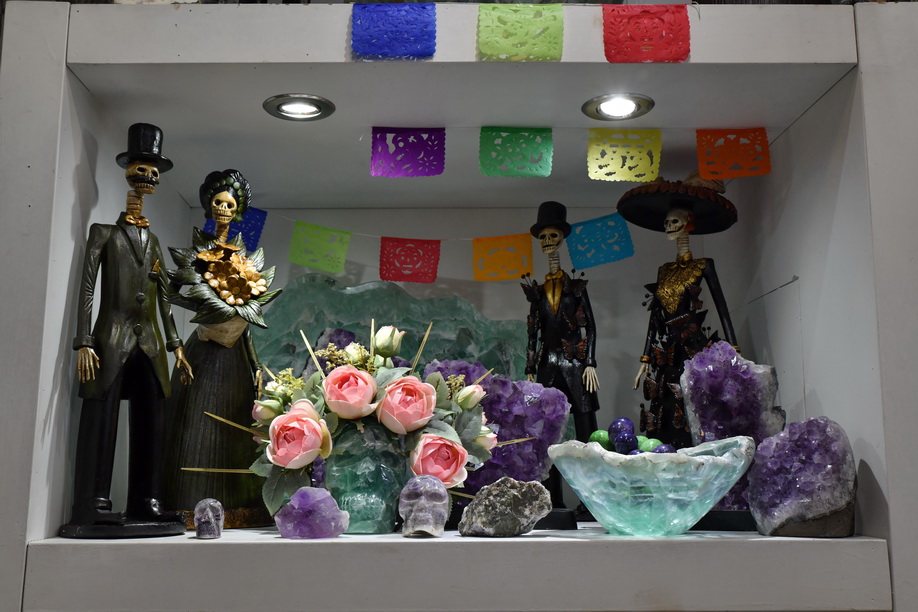
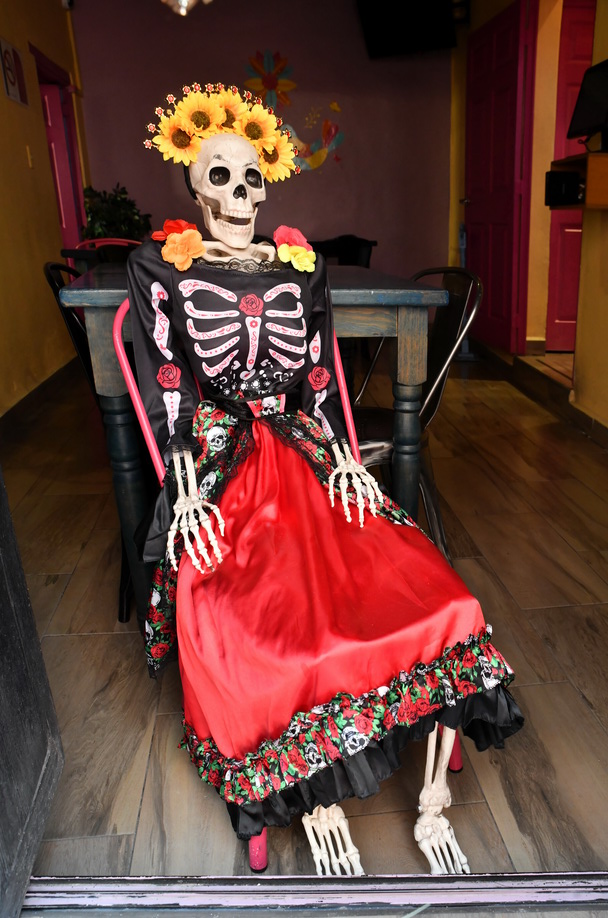
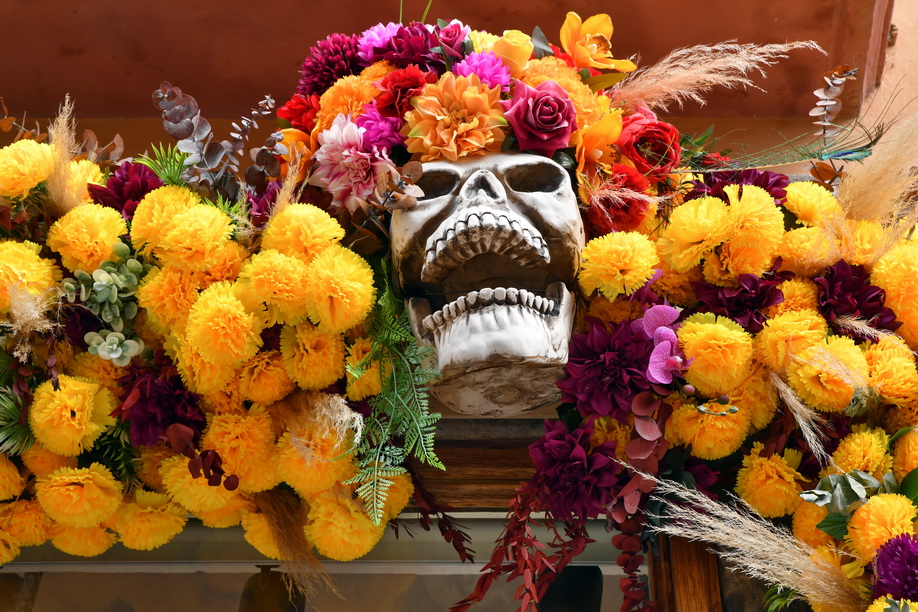
Cempasúchil (Marigold): Known as the "flower of the dead." Its bright orange and yellow color symbolizes the sun and life. Its strong scent is believed to help spirits find their way. Flowers are often laid on the ground to form a path (from the grave to home or the altar). It represents the connection between life and death. Hearts, paths, and frames made with these flowers are very common in the streets of San Miguel. Papel Picado (Colored Paper with Holes) is one of the most iconic decorative elements. The paper represents the fragility of life; the holes represent the wind and the unseen world, the four elements. Meaning of the colors: Purple: mourning and respect Orange: life and sun Red: blood, life force White: purity and hope Their movement in the wind symbolizes the presence of spirits. Calavera (Skull) Often made of sugar (calavera de azucar). It conveys that death is not something to be feared, but a part of life. Names are written on them; they personalize death. Their sweetness emphasizes that death is a memory, not a painful one. They are frequently seen in shop windows and street sculptures in San Miguel. La Catrina A well-dressed female skeleton figure. It conveys the message that everyone is equal in the face of death. It satirizes the rich-poor divide. It also reflects Mexican humor and irony. It is a cultural icon of celebrations. Candles Each candle represents a spirit. Their lights guide the spirits; they are often placed in even numbers (for balance). Ofrenda (Altar) A memorial area dedicated to the deceased. It usually contains photographs, favorite foods and drinks, candles, flowers, incense, and personal belongings. The aim is not to summon the spirit back, but to lovingly keep their memories alive. Pan de Muerto A special Day of the Dead bread. The bone shapes on it represent death, the round form the cycle of life, and the sweet taste the beauty of life. The decorations in the streets and shops are more than ornaments, but an expression of a belief and the philosophy behind it.