
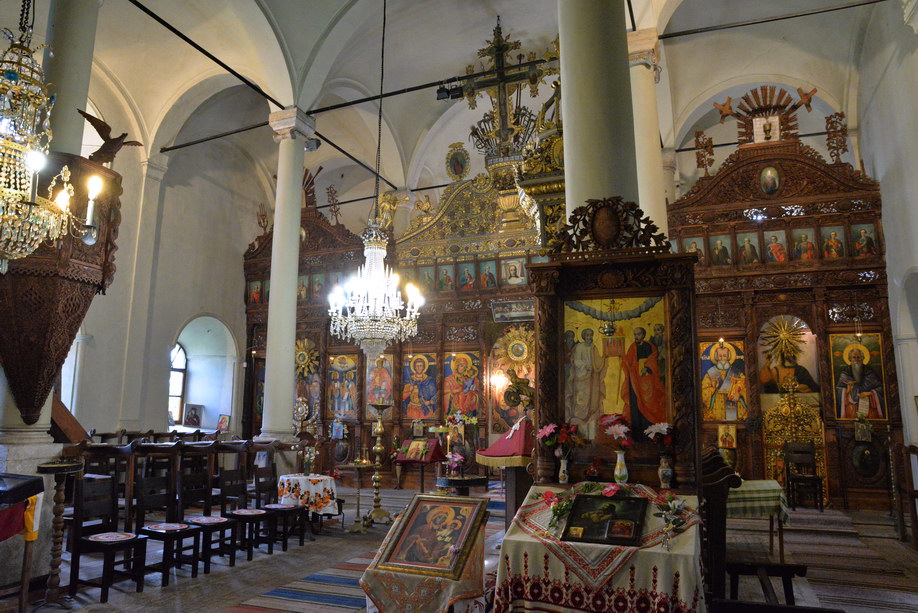
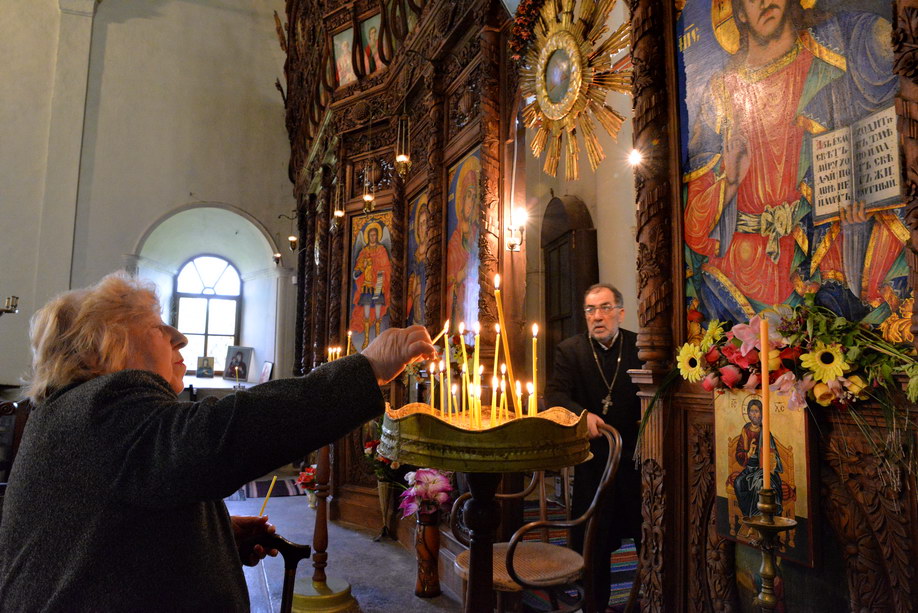
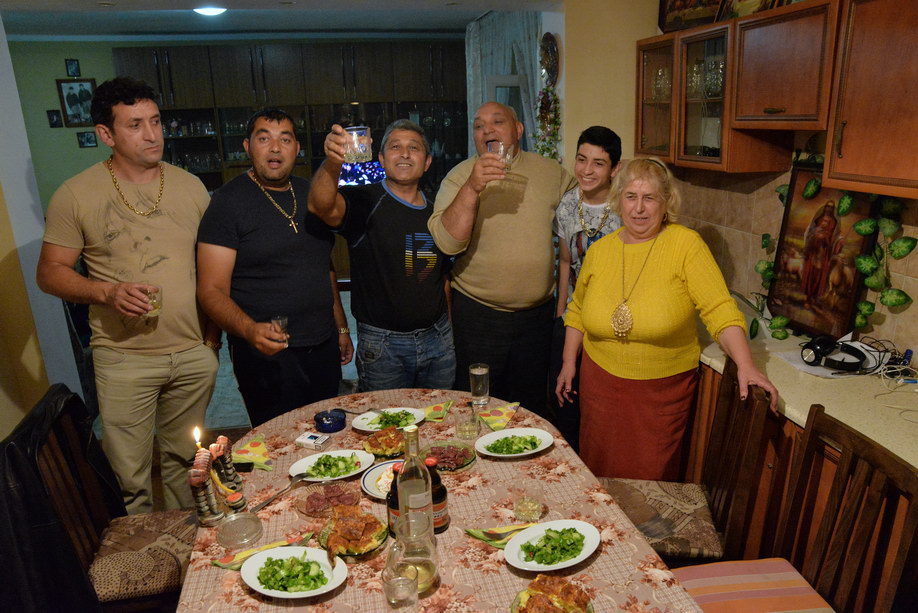

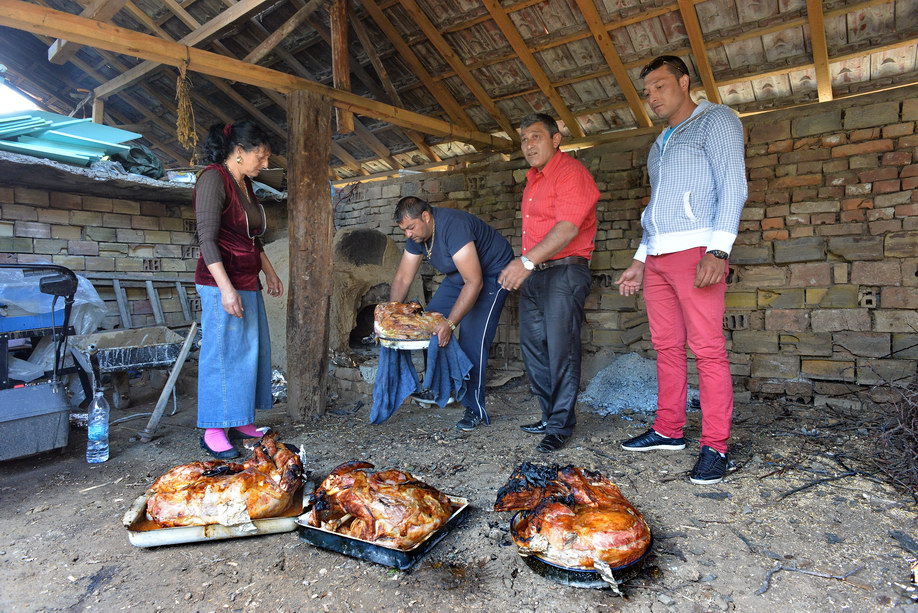
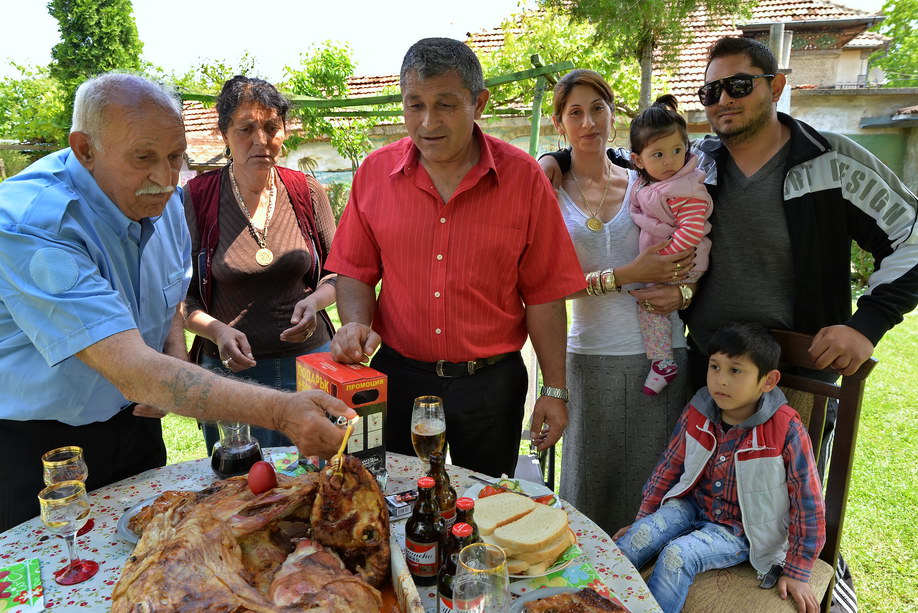

This was the beginning of my photographic project about Roma communities in Bulgaria. I was welcomed as a guest by a Christian Kalderash Roma community in Veliko Tarnovo during the celebration of St. George’s Day. What I encountered was not simply a religious holiday, but a gathering in which family, hospitality, seasonal renewal and inherited customs came together.
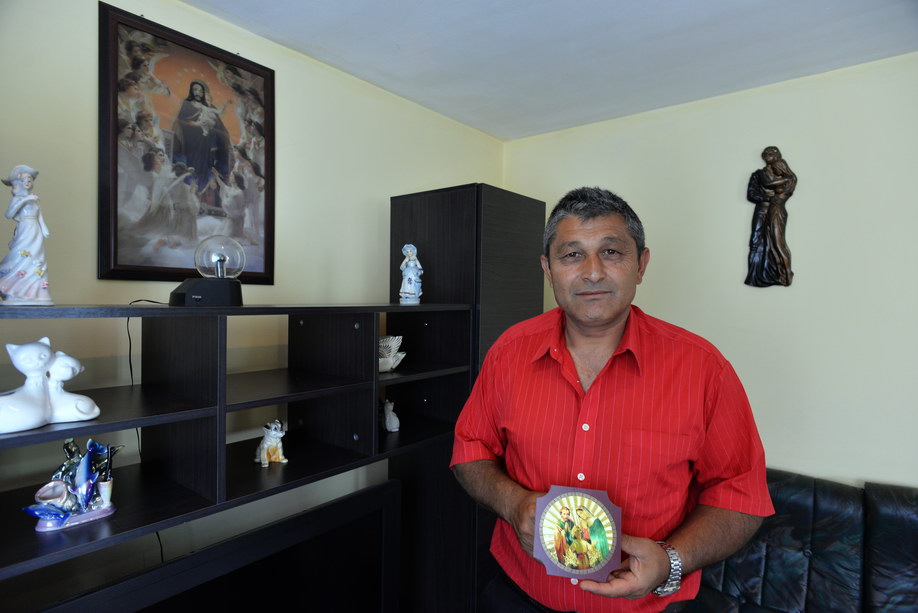
Celebrated on 6 May, St. George’s Day is widely known in Bulgaria as Gergyovden. Among many Roma communities, the spring festival is also called Ederlezi, although its name, observances and religious associations vary between families and communities. Some celebrations continue over several days. For the people who welcomed me, the occasion was closely connected with their Christian devotion and their sense of belonging.
I had known the name Ederlezi long before I travelled to Bulgaria. In the 1960s, as a child in western Turkey, I remember spring celebrations in which lambs were slaughtered. The memory returned to me in Veliko Tarnovo. I was now photographing another community, in another country, yet certain gestures and the importance of gathering around a shared meal felt familiar.
St. George is revered in Christian tradition as a martyr and is often depicted overcoming a dragon. In the account I heard about the holiday, a story of St. George saving Roma people from a threatening dragon formed part of the celebration’s meaning. Such narratives belong to living oral traditions and can differ from one community to another; I understood this story as part of the particular tradition being shared with me.
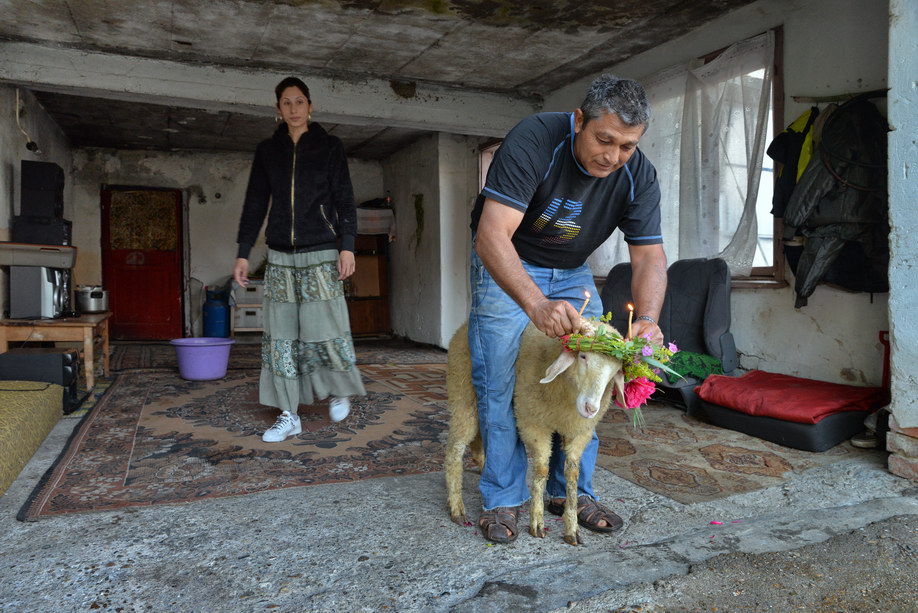
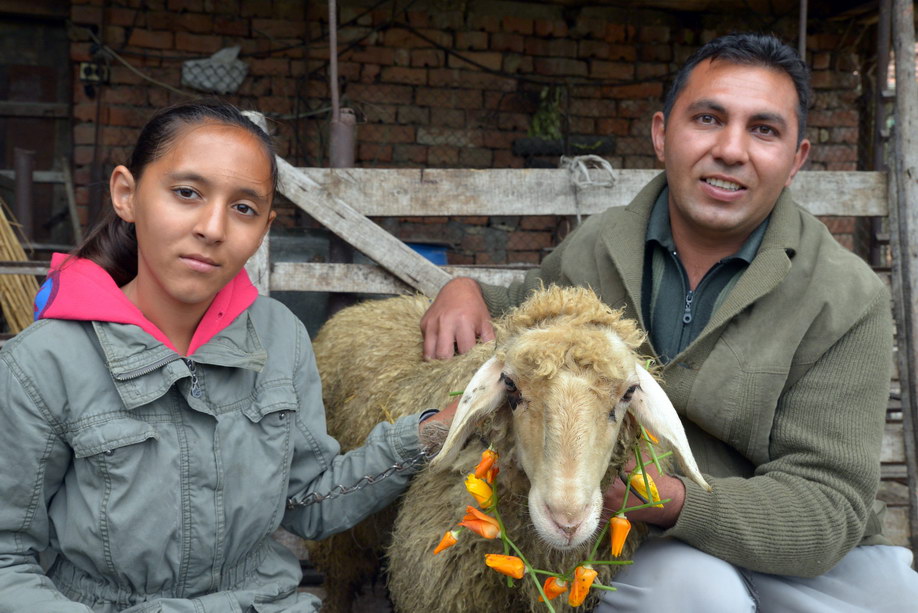
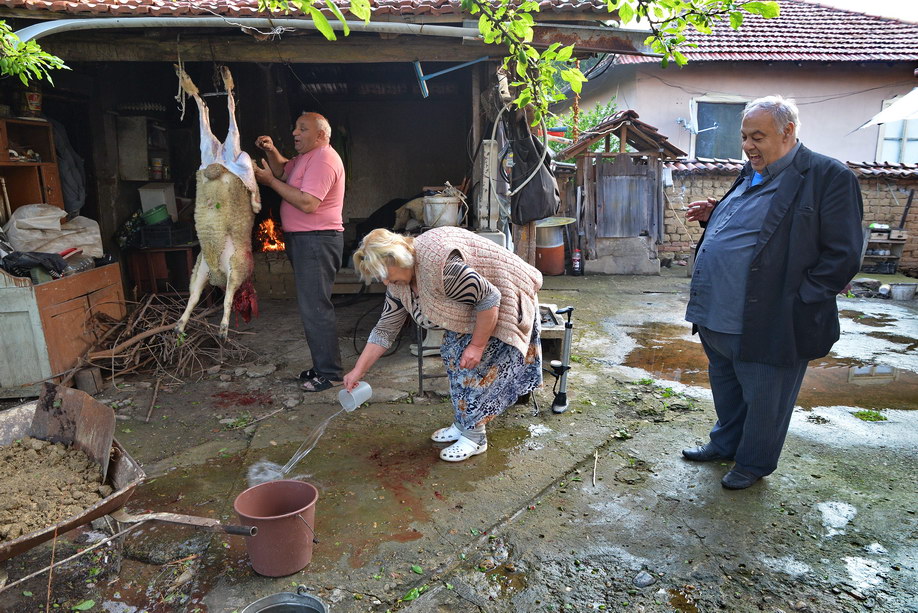
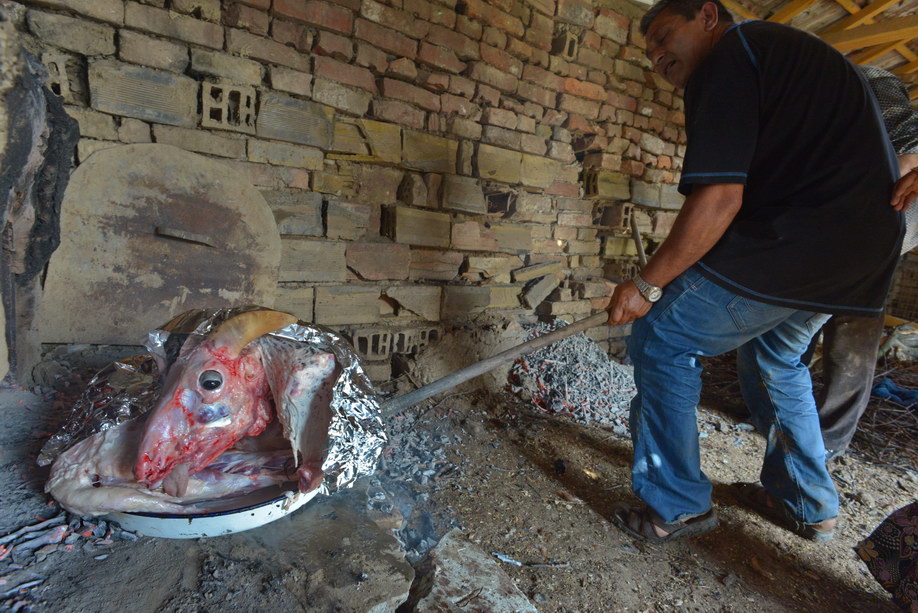
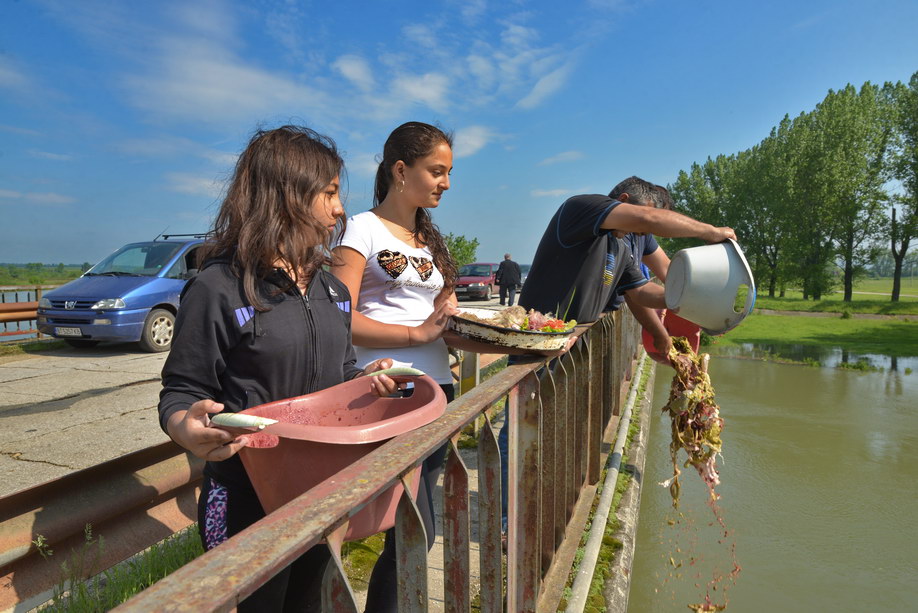
The lamb has a central place in many St. George’s Day and Ederlezi observances. In the custom described to me, the oldest man of the family performed the sacrifice in St. George’s name. Beforehand, the animal’s head was decorated with spring flowers. Blood was collected and poured into flowing water. These actions were presented to me as elements of a tradition passed down through generations, rather than as practices shared in precisely the same form by all Roma families.
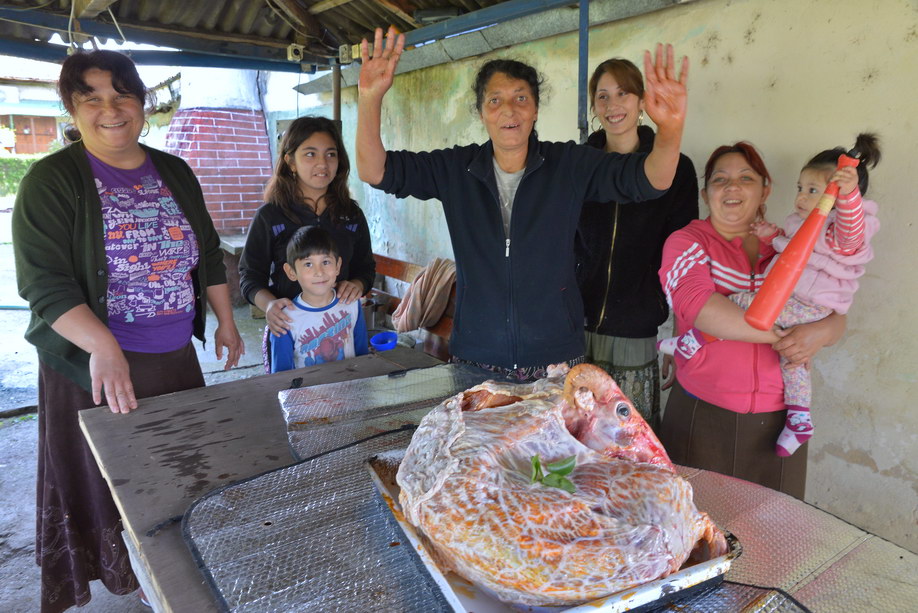
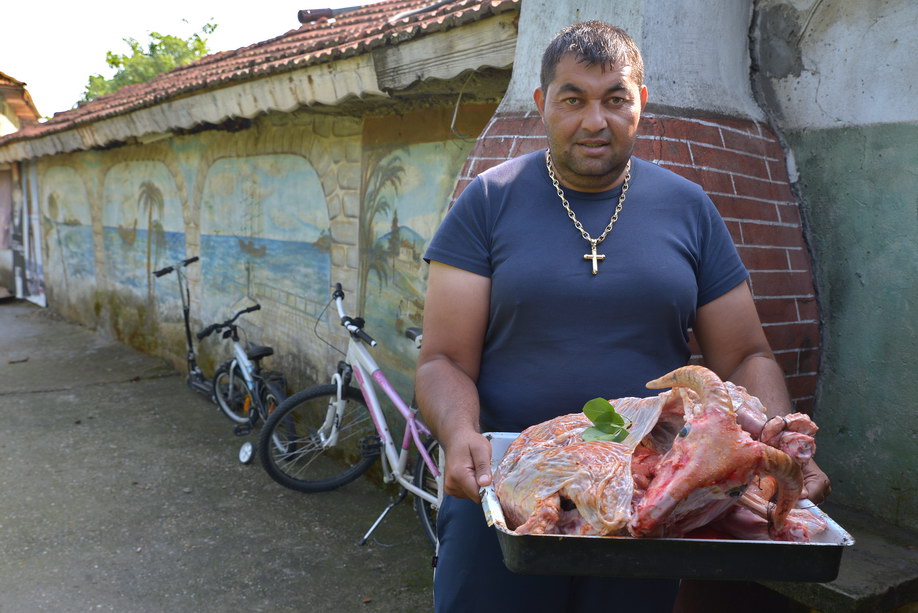
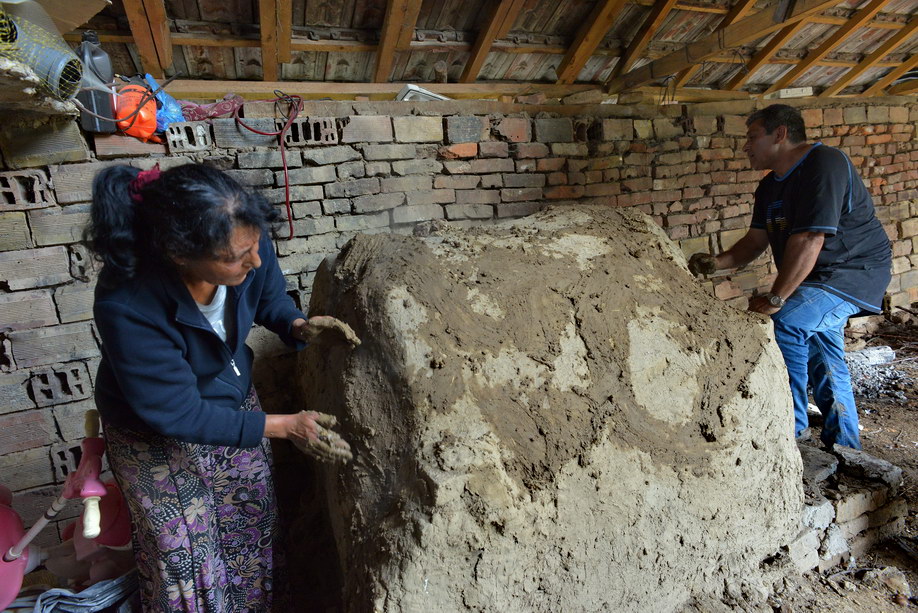
After preparation, the lamb was roasted and became the centerpiece of a family meal. I was told of the custom of placing a coin in its mouth as a wish for prosperity, followed by lighting a candle and saying a prayer. Flowers, water, fire, food and the presence of relatives all gave the day a layered character: a Christian feast intertwined with older expressions of hope for health, abundance and a good new season.
Christian and Muslim Roma communities may mark this time of year through different religious language and rituals, while sharing the wider celebration of spring. In some Muslim Roma traditions the festival is known as Ederlezi or Hıdırellez, associated with renewal and good fortune. It would be misleading to describe every observance as identical; the variations are part of the cultural richness I wanted to understand through photography.
As a documentary photographer, I was interested in more than the visible sequence of the ceremony. The preparation, the movements of family members, the decorated lamb and the meal all spoke of relationships between generations. Being invited into the celebration allowed me to witness an intimate part of community life. Looking back, I see these photographs as the opening chapter of my Bulgarian Roma project—and as an unexpected bridge to memories from my own childhood.