


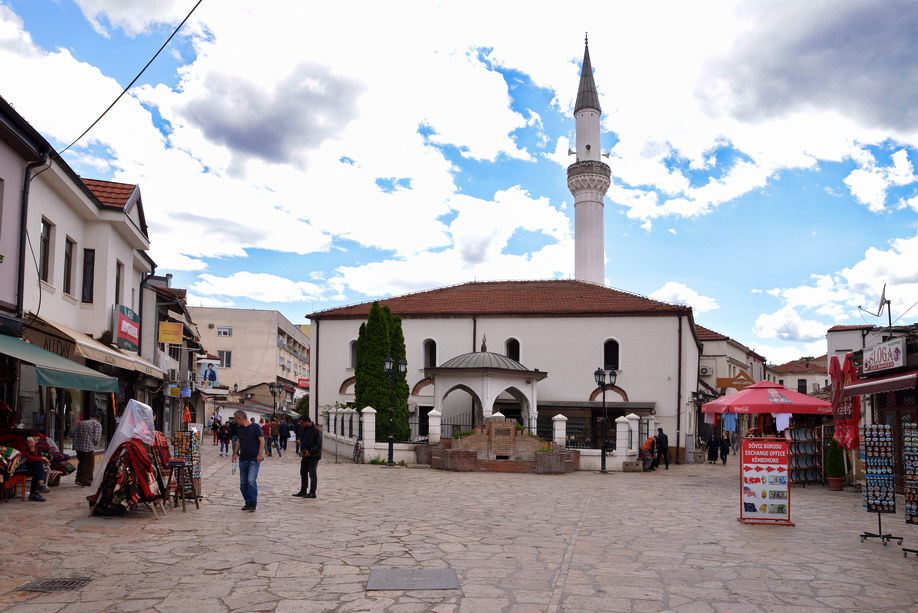
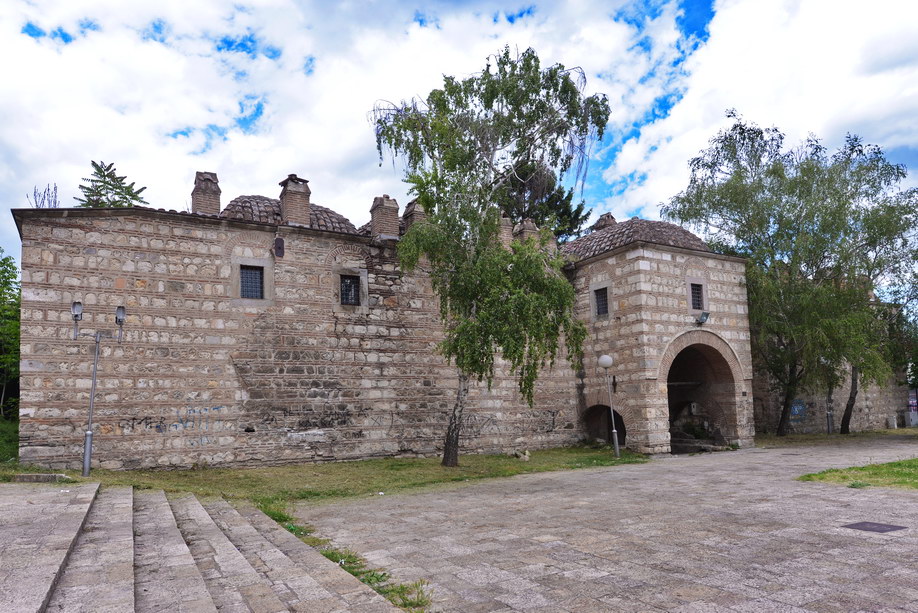

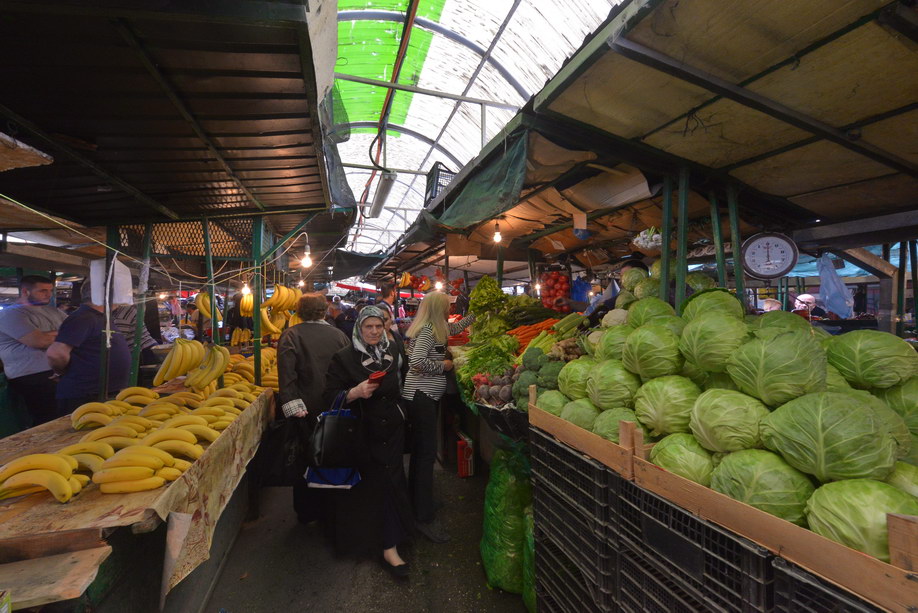
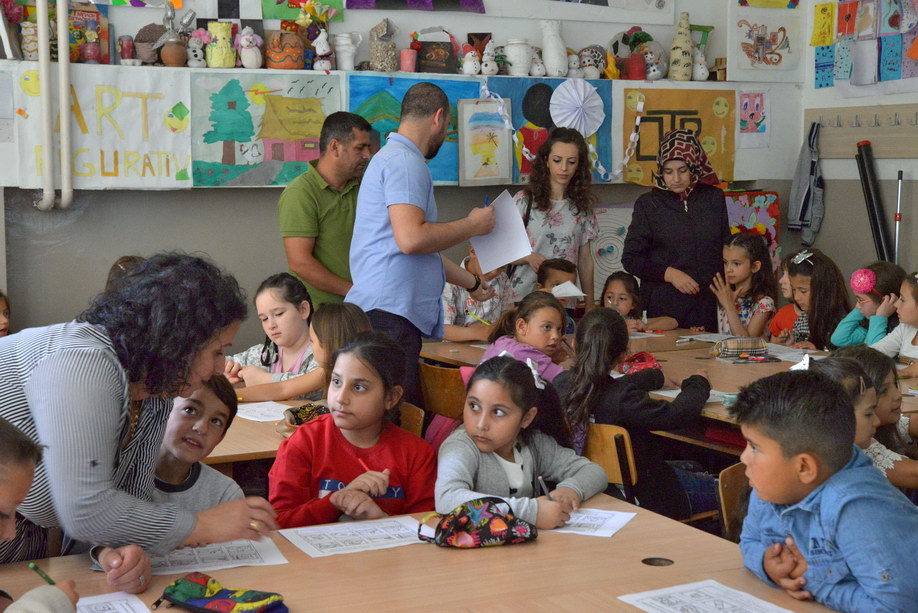
I arrived in Skopje in May 2019 during a journey through North Macedonia connected with my photographic work on Roma culture. The capital was more than a stop between destinations: it was also a place to meet people and consider the next stages of the project. My time was limited, so these photographs are not intended as a comprehensive survey of the city. They are fragments of a capital whose streets and buildings reflect successive historical periods, and of a journey in which encounters mattered as much as monuments.
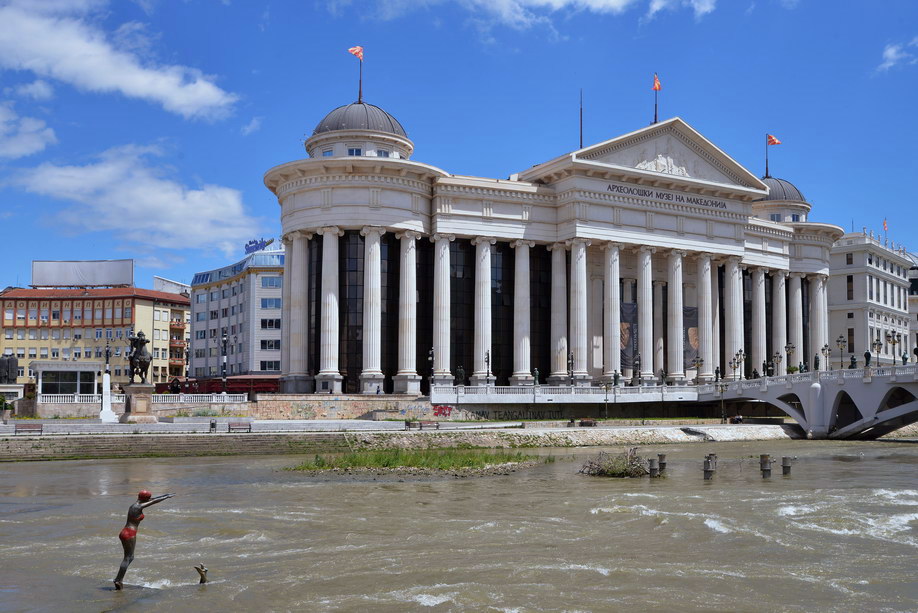
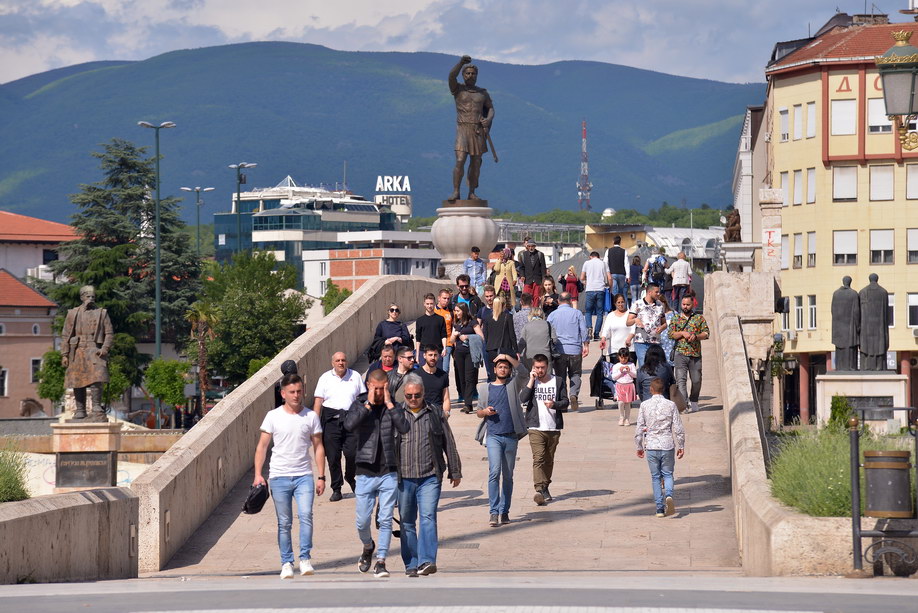
Skopje stands on the Vardar River, along a route that has connected different parts of the Balkans for centuries. Its urban history includes Roman, Byzantine, medieval and Ottoman chapters, followed by the transformations of the Yugoslav and independent Macedonian periods. One of the clearest expressions of this layered history is the Stone Bridge, which links the old commercial quarter with the central square. The bridge is not simply a convenient crossing; it is also a visual connection between different ways of imagining and building the city.
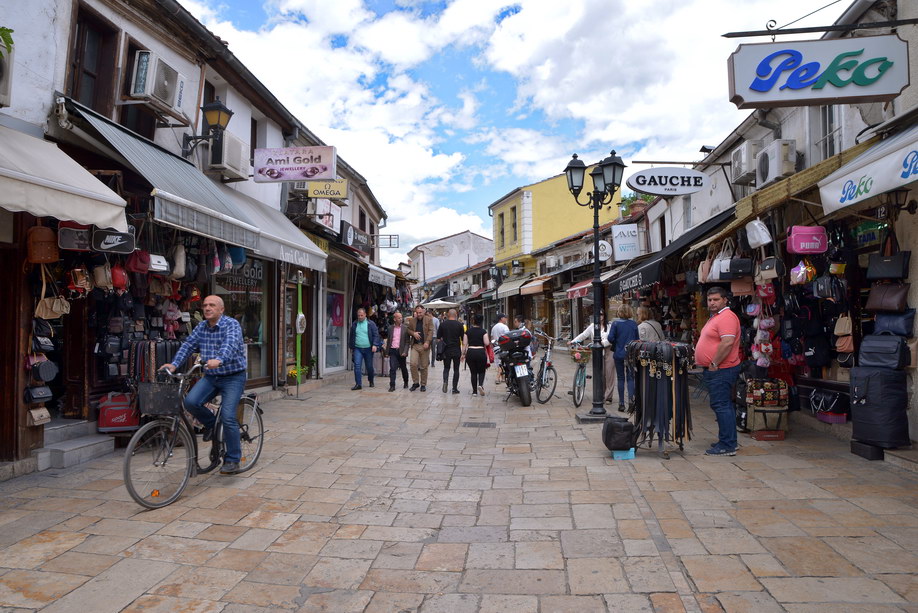
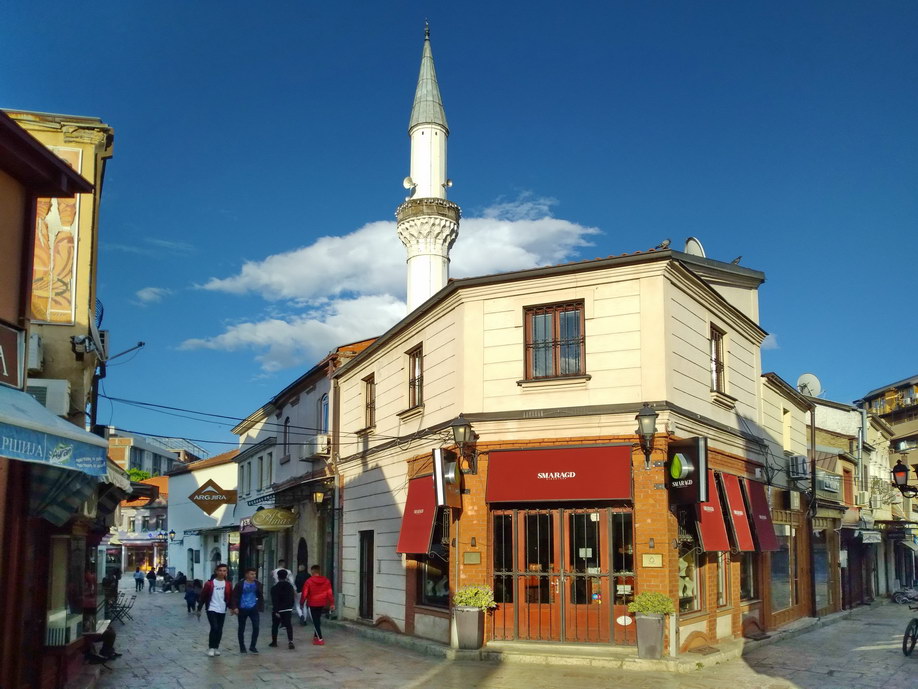
On one side of the river lies the Old Bazaar, or Stara Čaršija, where narrow streets, shops, former inns, mosques and other Ottoman-era buildings preserve an older urban scale. Its commercial life and architectural fabric developed over many centuries. Beyond individual monuments, what interests me in such places is the relationship between the built environment and everyday activity: a street that has carried trade and conversation across generations becomes part of a city's living memory.
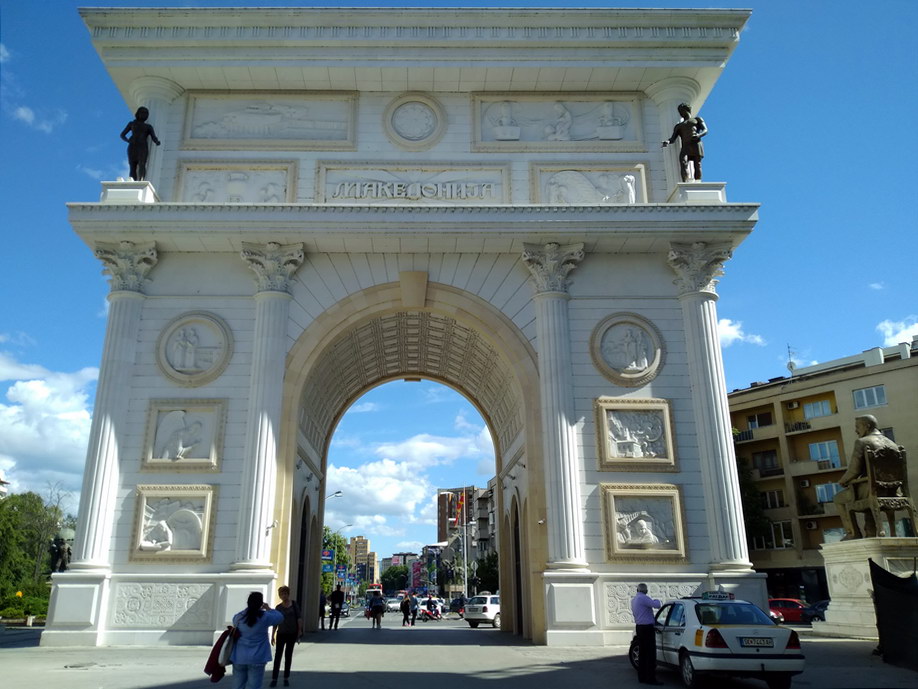
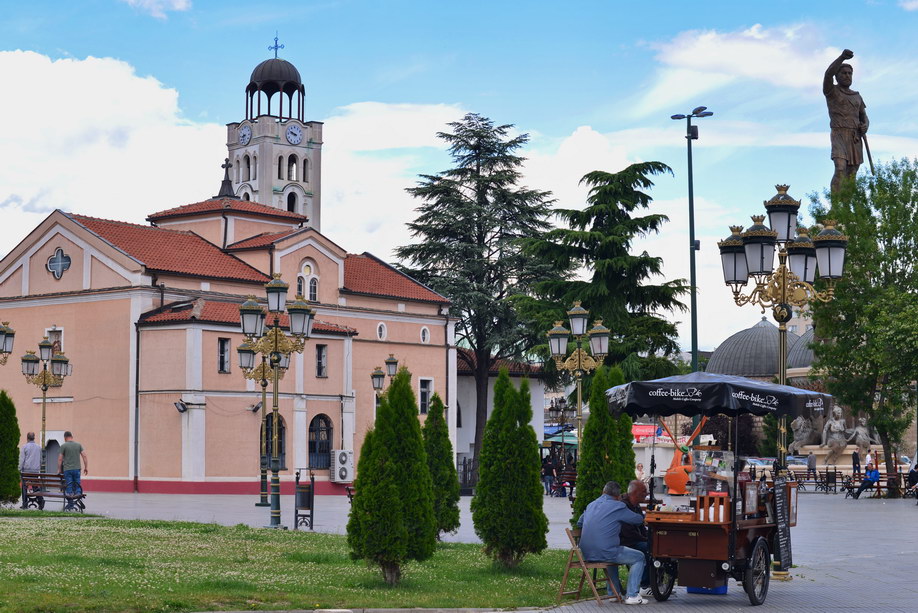
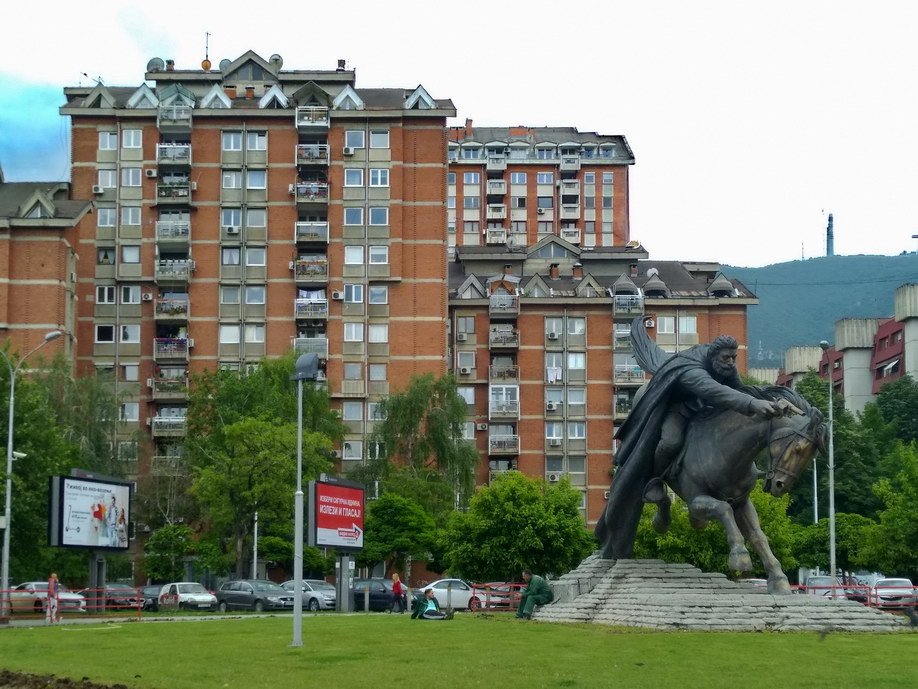
The devastating earthquake of 26 July 1963 profoundly changed Skopje. Much of the city was destroyed or damaged, and the reconstruction that followed introduced modernist planning and architecture. Decades later, the 'Skopje 2014' programme added monumental buildings, sculptures and new façades to the centre. Supporters presented it as a way of strengthening the capital's symbolic identity, while critics questioned its expense, aesthetics and representation of the country's diverse histories. As a result, walking through Skopje means encountering several distinct visions of the city within a relatively small area.
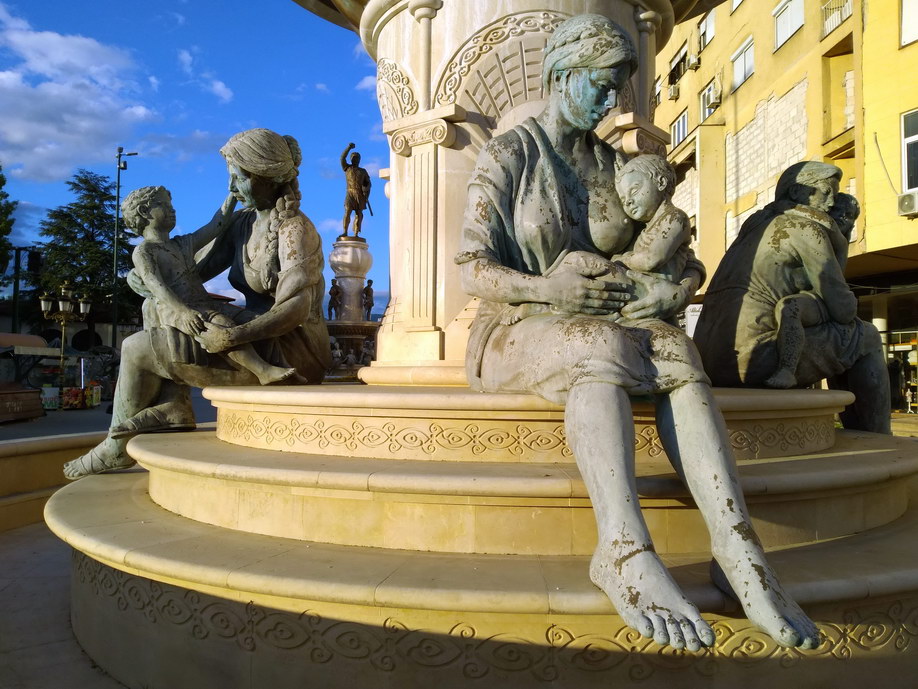
Among the monuments introduced during this transformation is the Fountain of the Mothers of Macedonia, near the Stone Bridge on the north bank of the Vardar. Its bronze figures portray a woman at different stages of motherhood, including a particularly intimate image of a mother breastfeeding her child. The group is commonly associated with Olympias, the mother of Alexander the Great, and is often interpreted as a sequence showing her relationship with her son. In a city centre dominated by equestrian statues, rulers and warriors, these quieter maternal figures create a striking contrast. Yet they also raise questions about how public monuments represent women: while men appear as conquerors and political leaders, women are often celebrated primarily as mothers. Seeing such images in the same urban space invites reflection on the stories a city chooses to tell about its past.
What first caught my attention was the striking contrast between the intimate tenderness of the mothers and children in the foreground and the standing male figure with a sword at his waist in the background. I deliberately brought them into the same frame. The mothers were close enough to reveal small gestures of care, while the armed figure suggested a very different language of authority and power. That contrast was the reason I made the photograph; only later did I seek to understand the story behind the sculptures.
For a documentary photographer, these contrasts are particularly compelling. The Vardar, the old bazaar, modern streets and monumental spaces do not tell a single, uncomplicated story. They reveal a city continually reshaped by political change, disaster, reconstruction and the everyday lives of its residents. My visit also belonged to a wider journey of conversations about Roma cultural life, reminding me that the most valuable knowledge of a place often begins when one looks beyond its official landmarks and listens to the people who live there.