



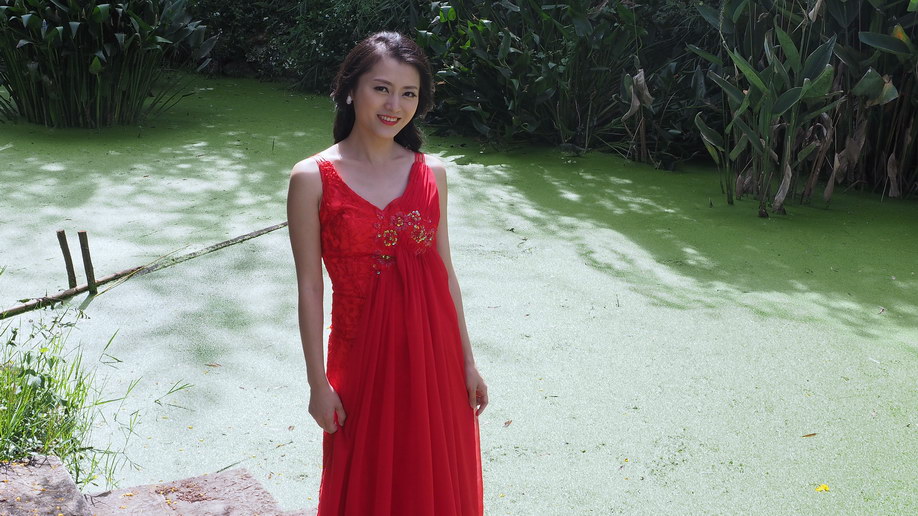
In September 2015, I travelled through Yunnan from Shangri-La towards Dali, photographing people I encountered along the way. The route took me through places associated with Tibetan, Yi, Naxi and Hui communities. Rather than attempting to catalogue these cultures, I wanted to remember particular meetings: a face, a gesture, an occupation, or a moment when someone allowed me to enter their world with my camera.
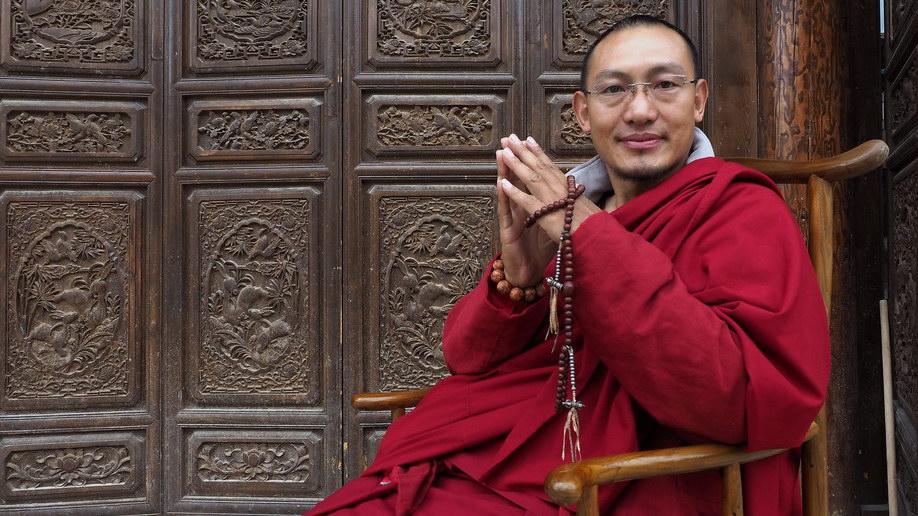
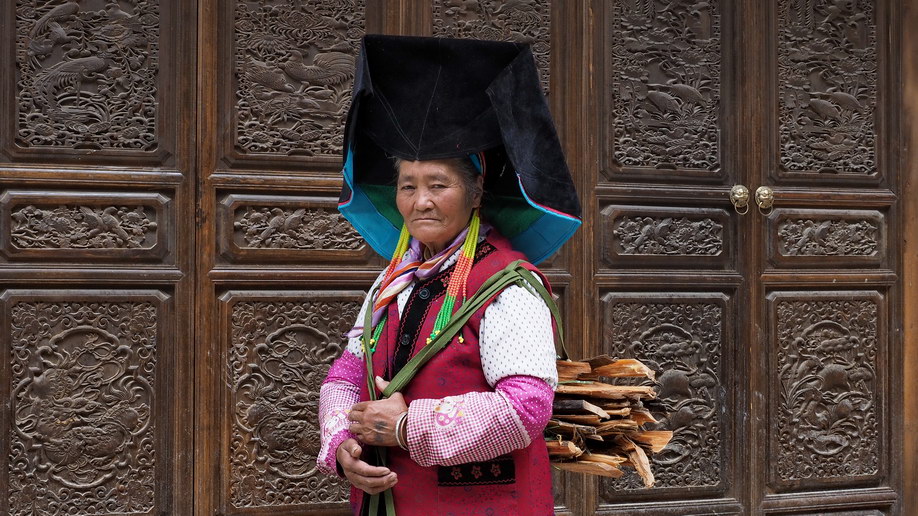
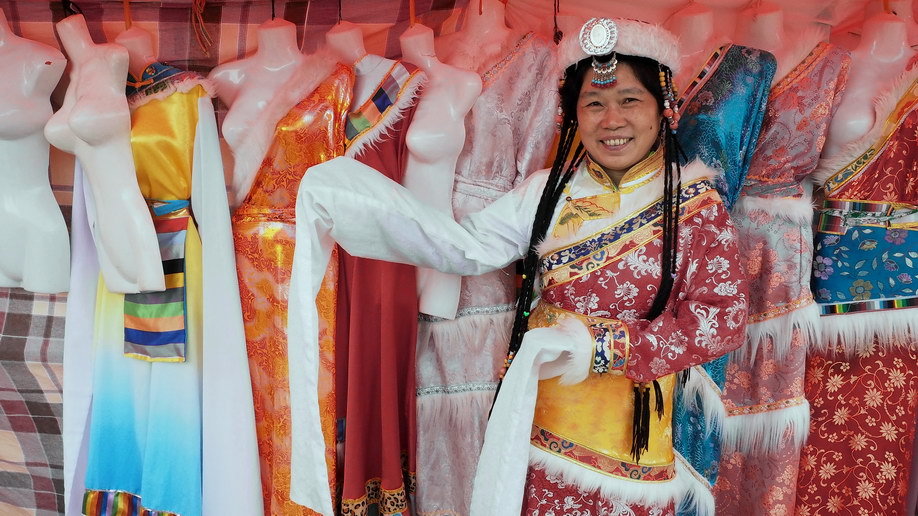
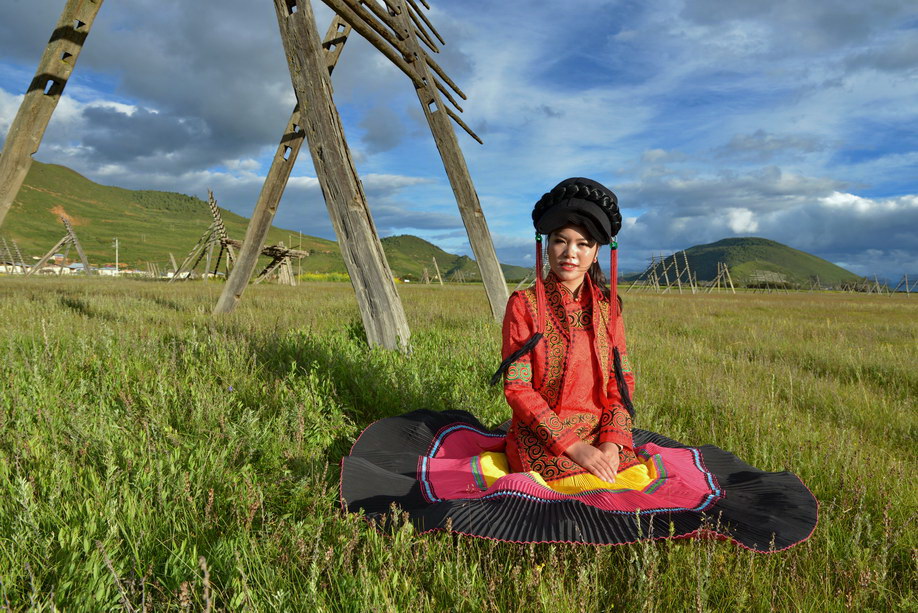
Some of the portraits are quiet and direct. A Buddhist monk sits before an intricately carved wooden doorway, prayer beads in his hands. Women appear in colourful clothing and distinctive headdresses; elsewhere, a man in a red headwrap holds a traditional stringed instrument. Their surroundings matter as much as their expressions. Wood, stone, textiles and the mountain landscape give each encounter its own setting.
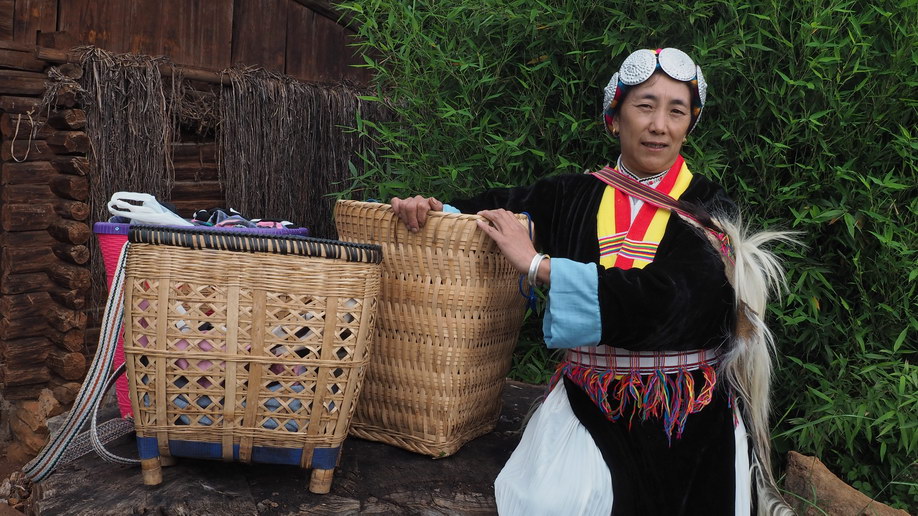
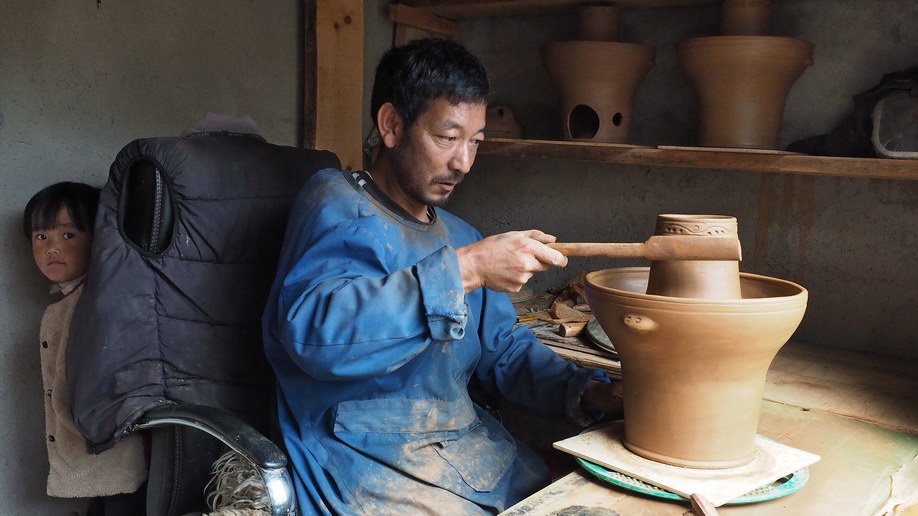
Other photographs show people at work. Beside woven baskets, a woman pauses for my camera. At a wooden loom, two women continue the patient work of making cloth. In another workshop, a potter shapes a vessel on a turning wheel, surrounded by the objects and tools of his trade. These scenes remind me that traditional skills are not merely exhibits from the past. They survive through the hands and daily labour of people who practise them.
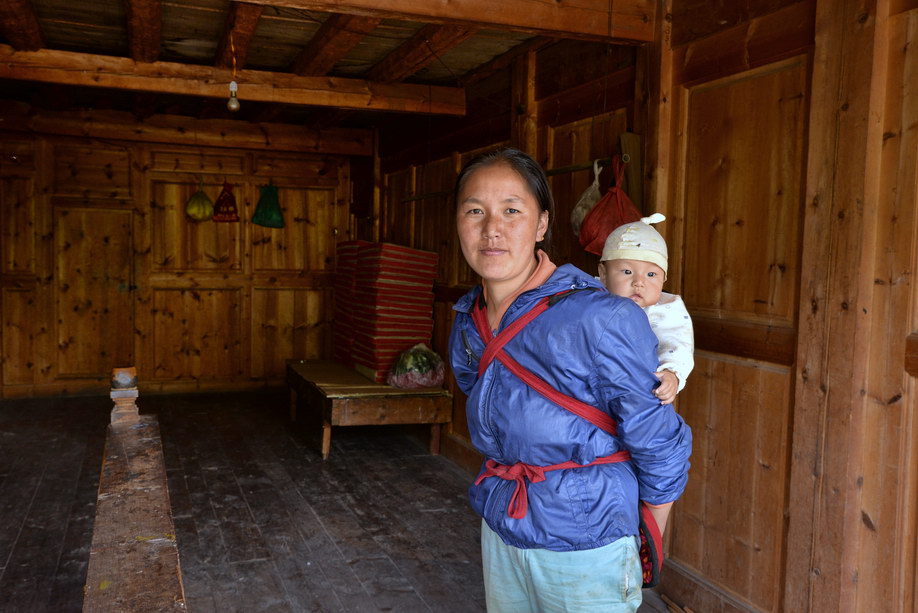
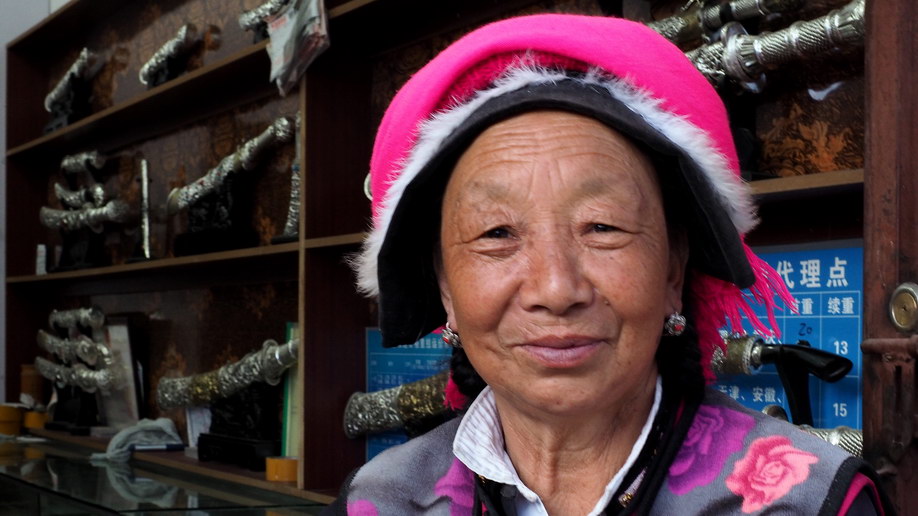
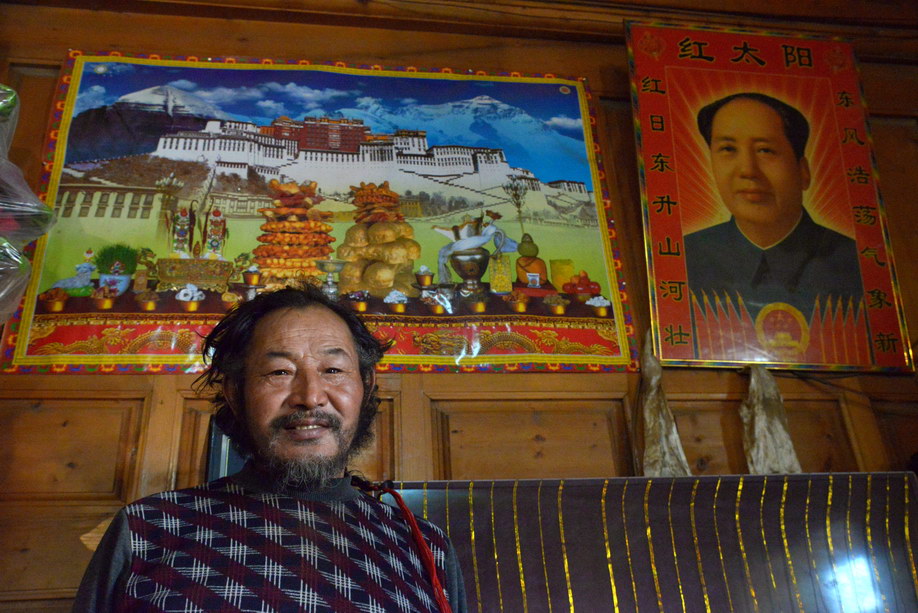
Family life and personal spaces also enter the series. A woman carries a small child on her back inside a timber house; an older woman smiles beneath a bright pink head covering; a man sits in a room whose wall is filled with images. Each photograph suggests a life extending far beyond the brief instant in which I pressed the shutter. I do not know everything about these people, and the photographs should not pretend otherwise.
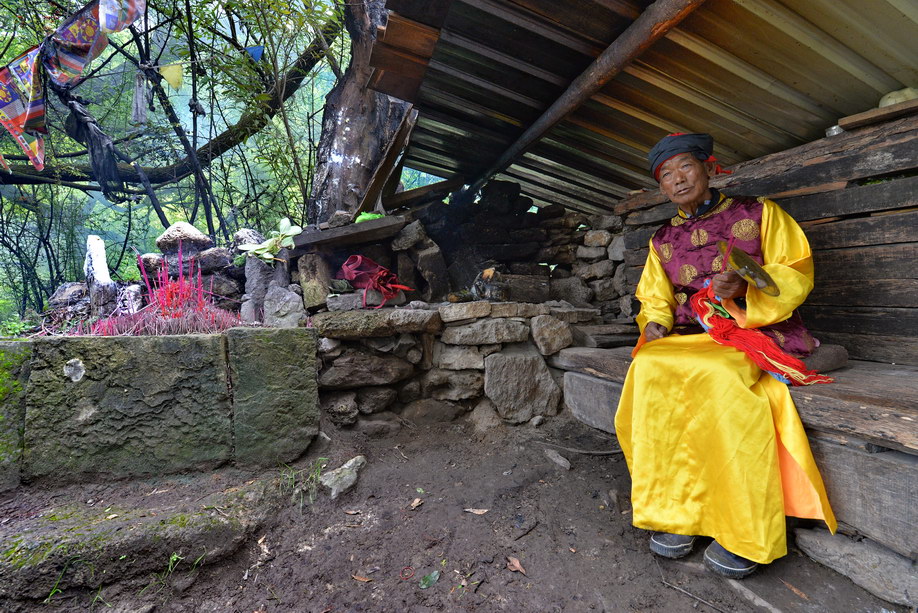
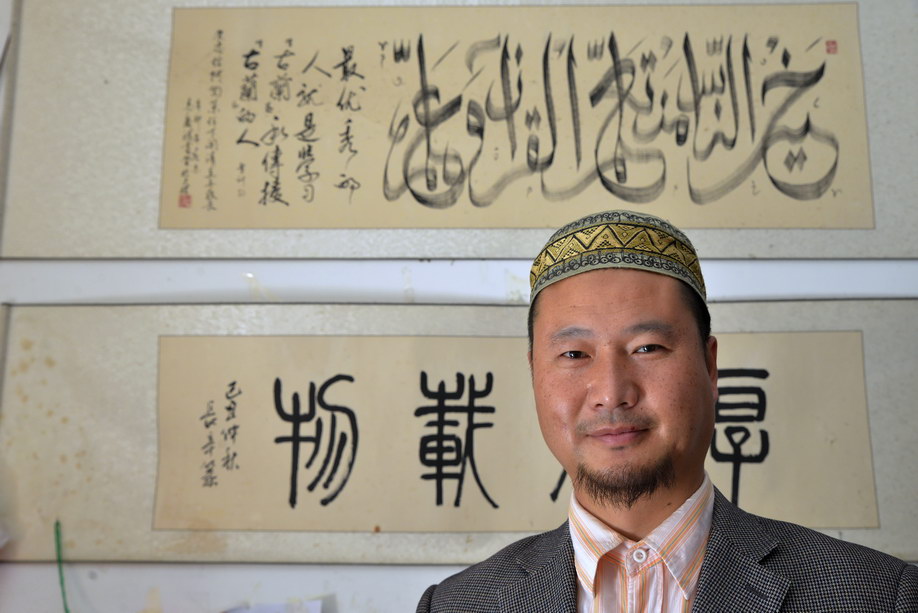
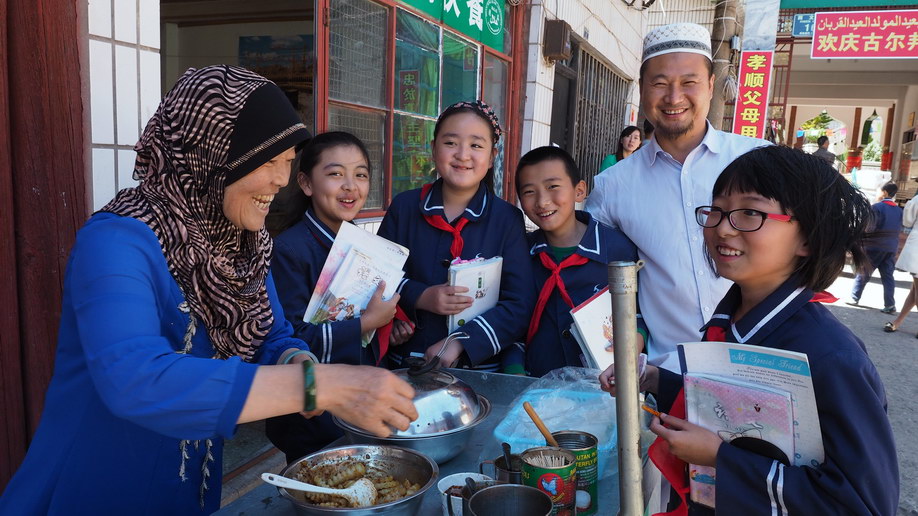
The journey also brought me into the company of religious figures and groups gathered in public spaces. One portrait shows a man in a Muslim cap standing beneath Arabic and Chinese calligraphy. Another photograph records a cheerful gathering around a street-side stall. Elsewhere, richly dressed participants move together through a crowded celebration. The series moves between contemplation, work, family life and communal festivity.
The historical Tea and Horse Road forms a background to many of these encounters. It was a network of trading routes connecting the tea-growing regions of southwestern China with the Tibetan plateau and neighbouring areas. For generations, people, goods, beliefs and languages moved along these paths. The cultural diversity I encountered between Shangri-La and Dali cannot be reduced to the road alone, but that long history of exchange helps explain why so many different traditions coexist in Yunnan.
I have always believed that a portrait should begin with the individual rather than a label. Dress, language, religion or occupation may help us understand the setting, but they do not tell the whole story of the person before us. Some of these photographs were made during conversations; others came from a short pause in a working day or a passing encounter. Each required a degree of trust, however fleeting.
These sixteen photographs are a personal selection, not a complete account of Yunnan's peoples. Looking at them again, I remember the musician, the weavers, the potter, the families and the faces met along the road. The landscapes were extraordinary, but it is the people who have remained with me most vividly. They are the human memory of my journey through Yunnan in 2015.