
Ceremonies
Ethiopian Orthodox Christmas – Istanbul (2024)
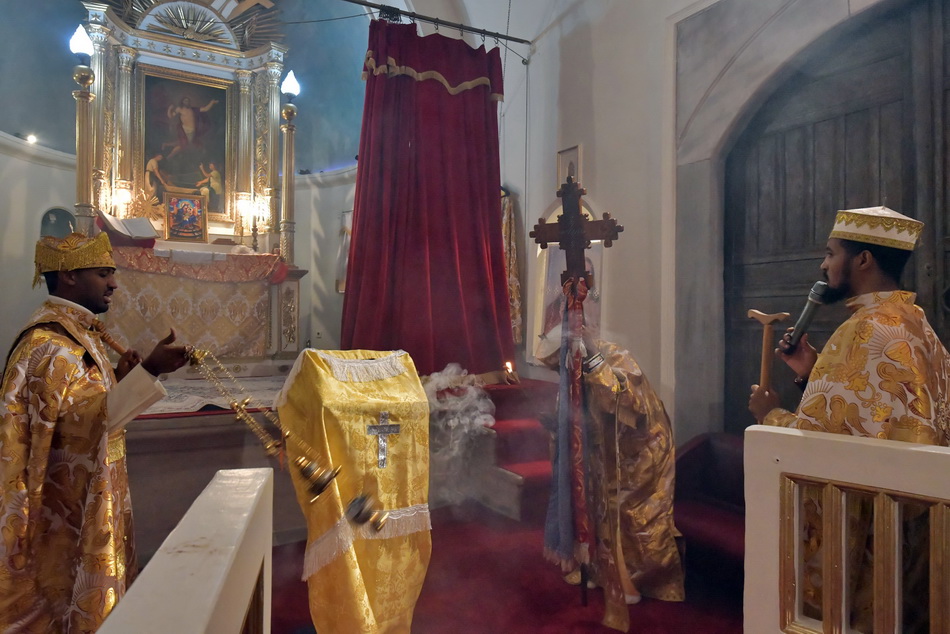
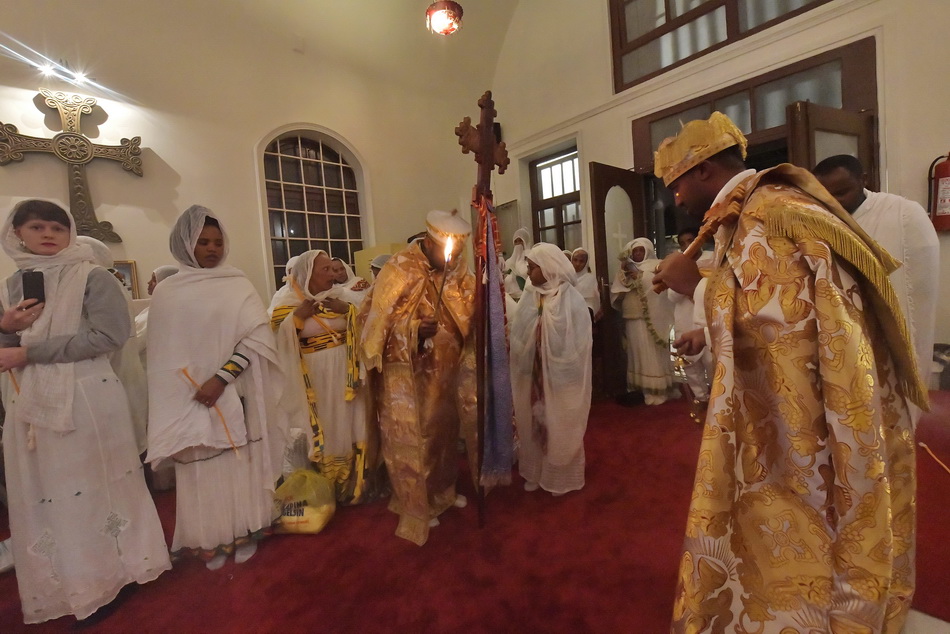
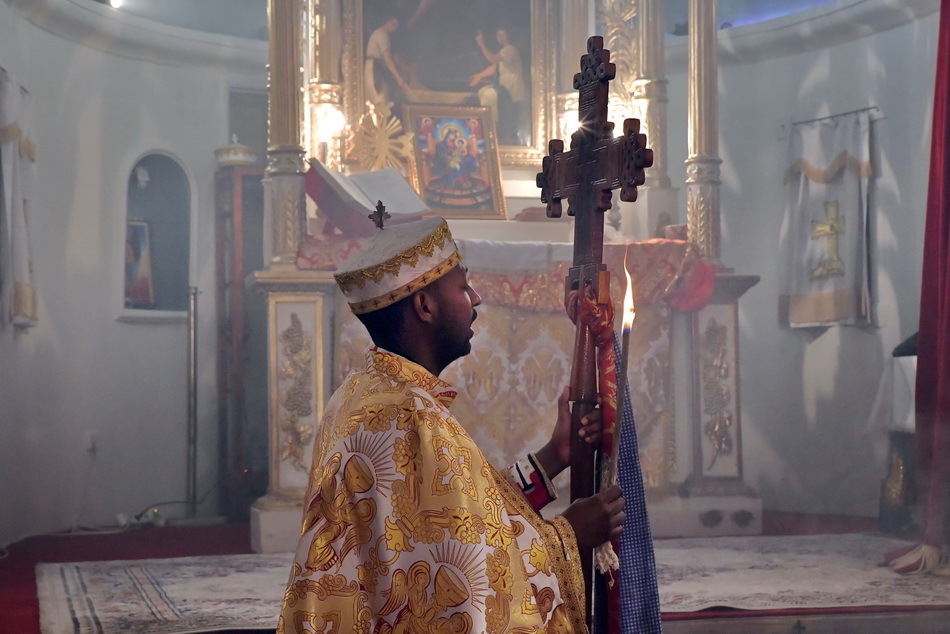
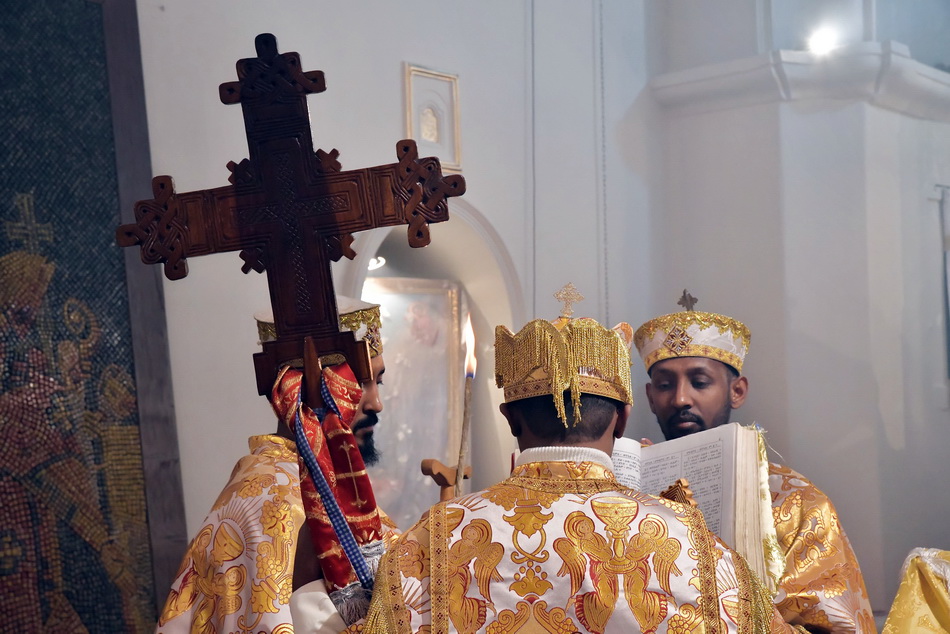
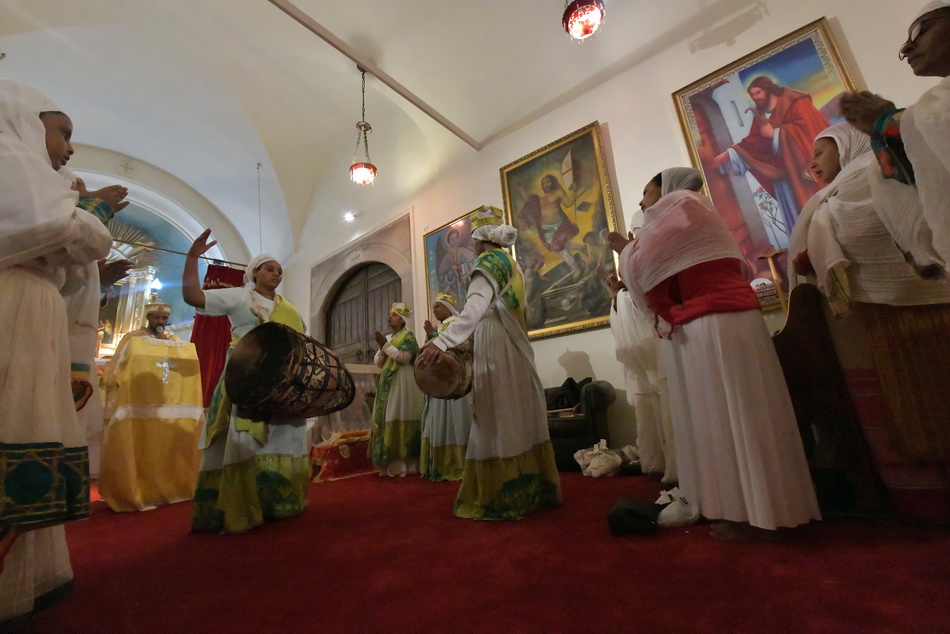
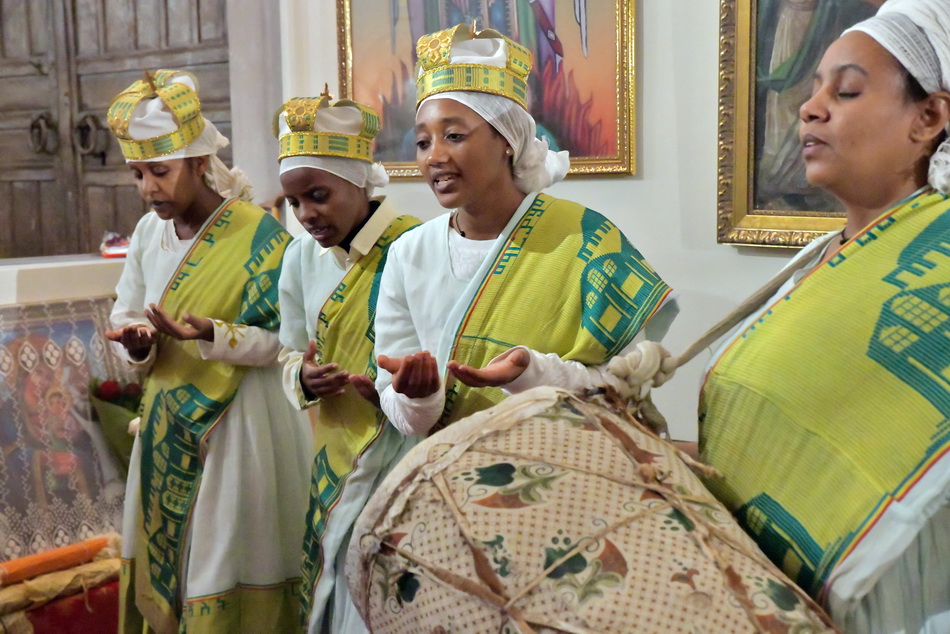
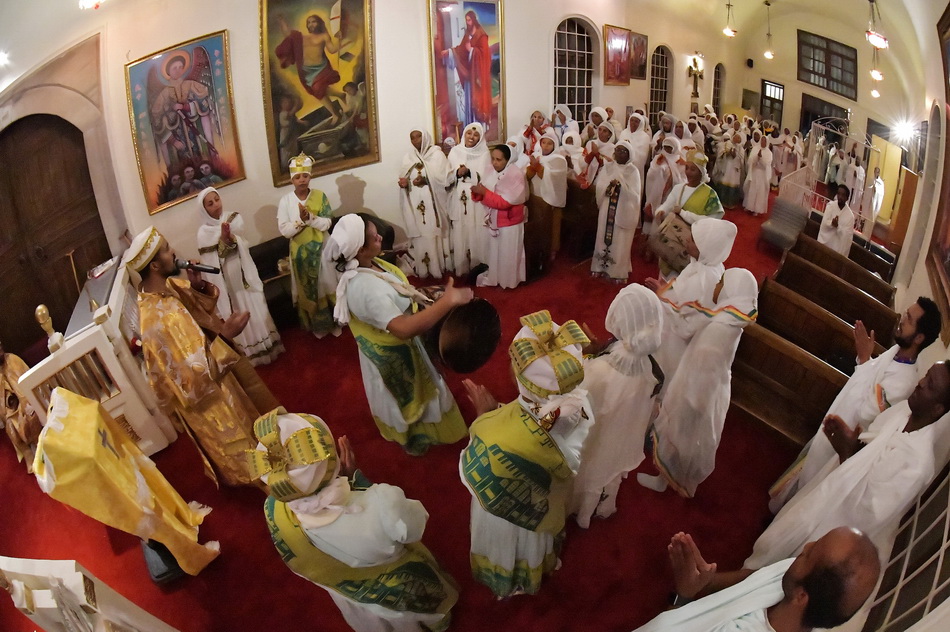
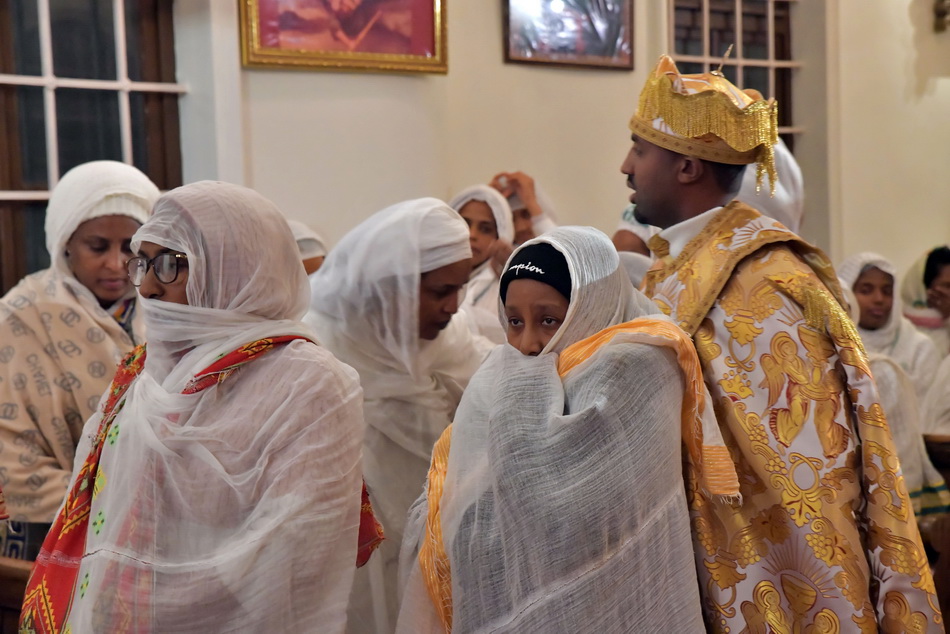
Ethiopia is one of the countries where Christianity has maintained a continuous presence since the fourth century. Over the centuries, the Ethiopian Orthodox Tewahedo Church has preserved its distinctive forms of worship, religious calendar and cultural traditions. One of its most important celebrations is Christmas, known in Ethiopia as Genna or Ganna. Unlike much of the Western Christian world, Ethiopian Orthodox Christians celebrate the birth of Jesus on January 7.
The Ethiopian Orthodox Church belongs to the Oriental Orthodox tradition, alongside the Armenian Apostolic, Coptic and Syriac Orthodox churches. Although these churches share important elements of faith and worship, their calendars and some practices differ. The Armenian Apostolic Church commemorates the birth and baptism of Jesus together on January 6, while Ethiopian Orthodox Christians celebrate Christmas on January 7 and Timkat, commemorating the baptism of Jesus in the River Jordan, on January 19. The extended period of fasting before Christmas makes the feast the culmination of spiritual preparation as well as a celebration.
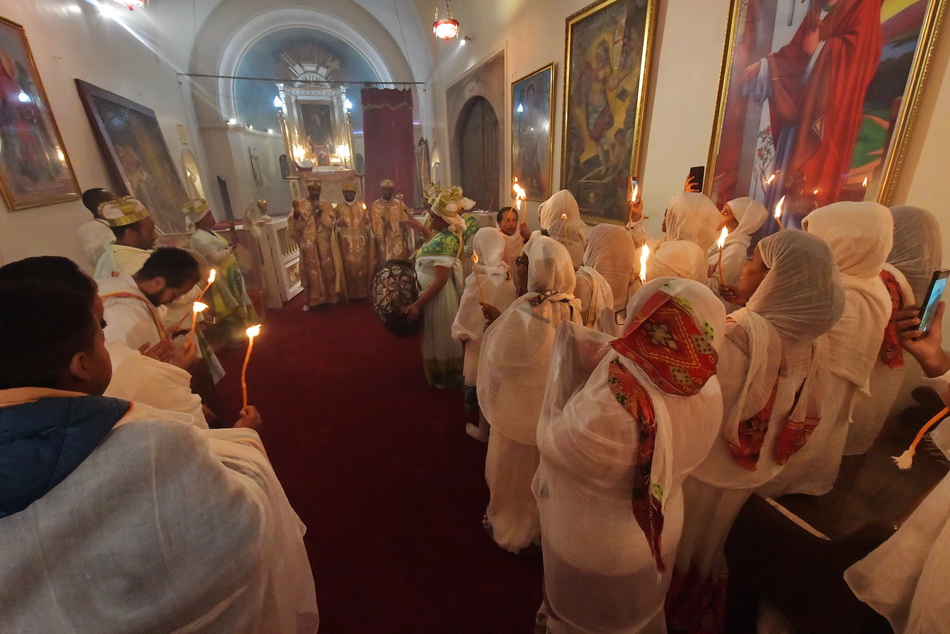
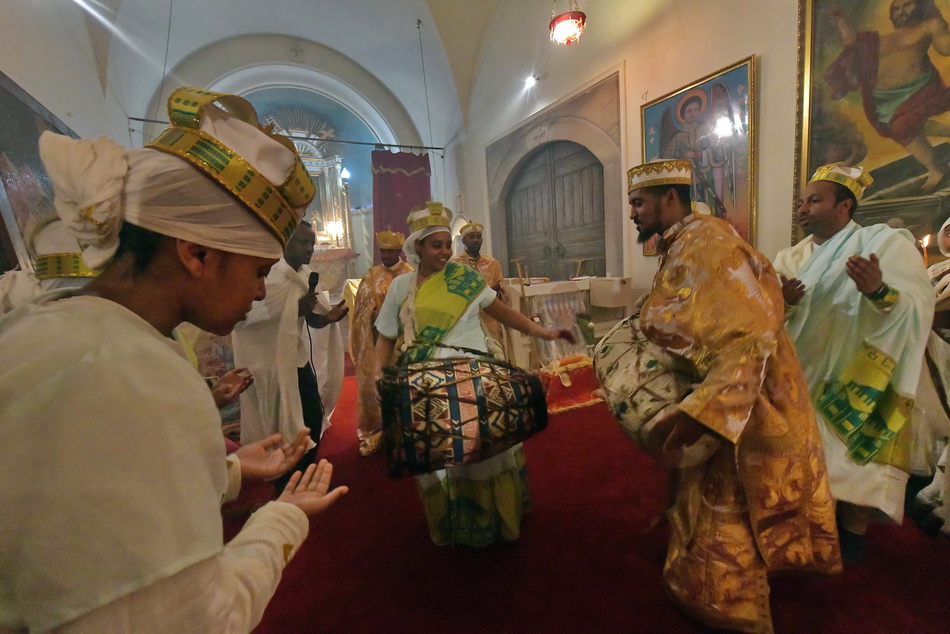
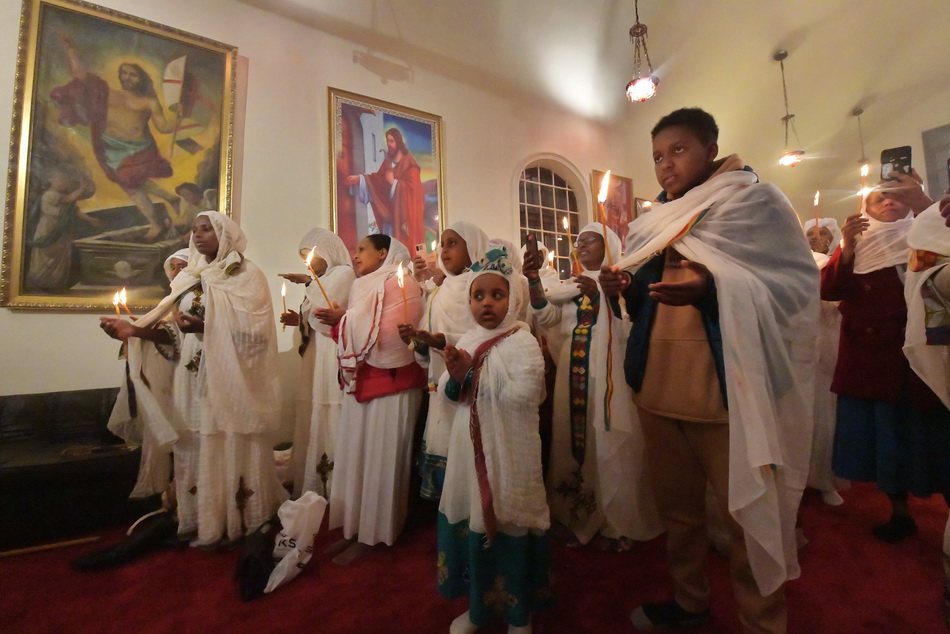
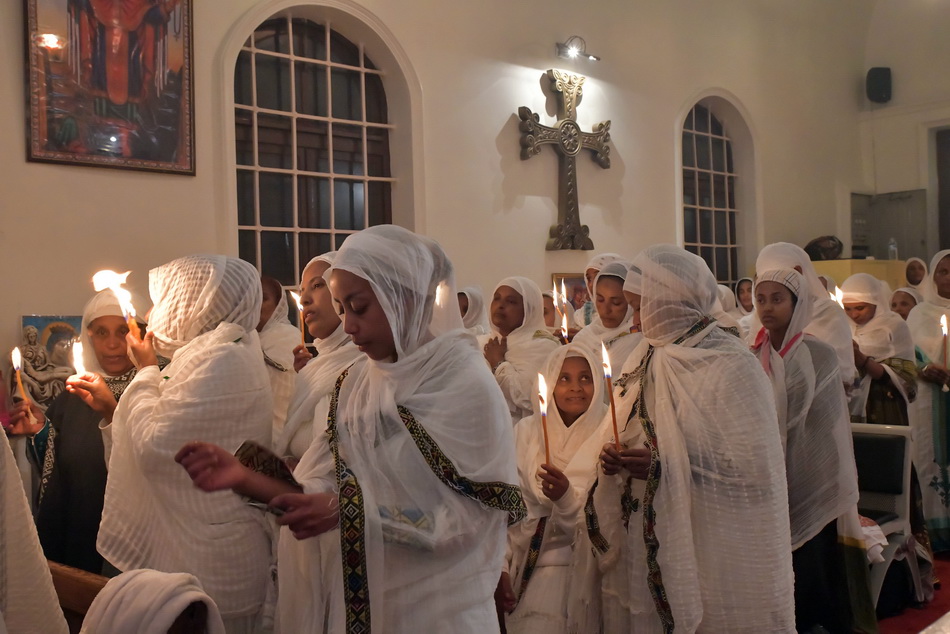
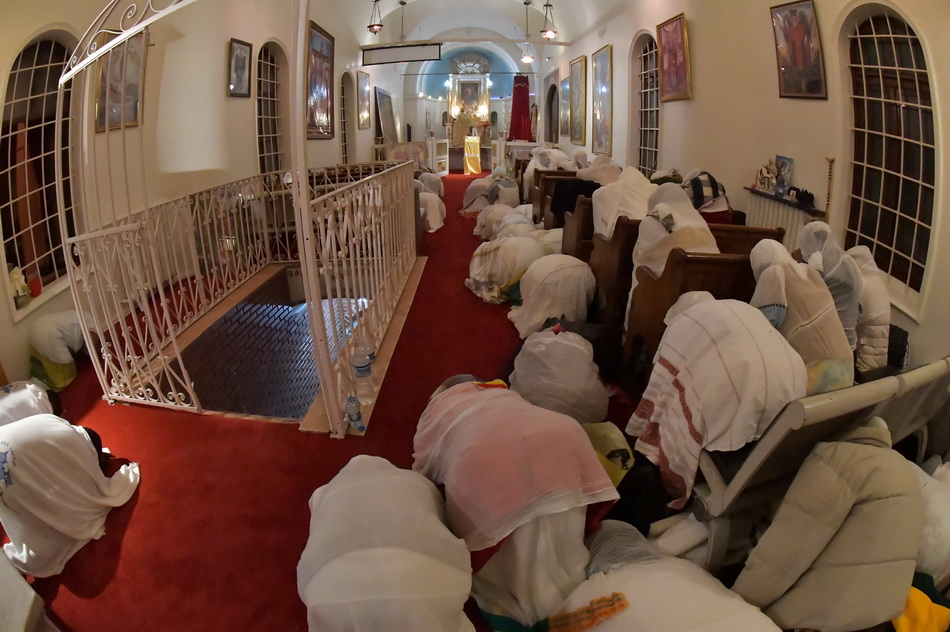
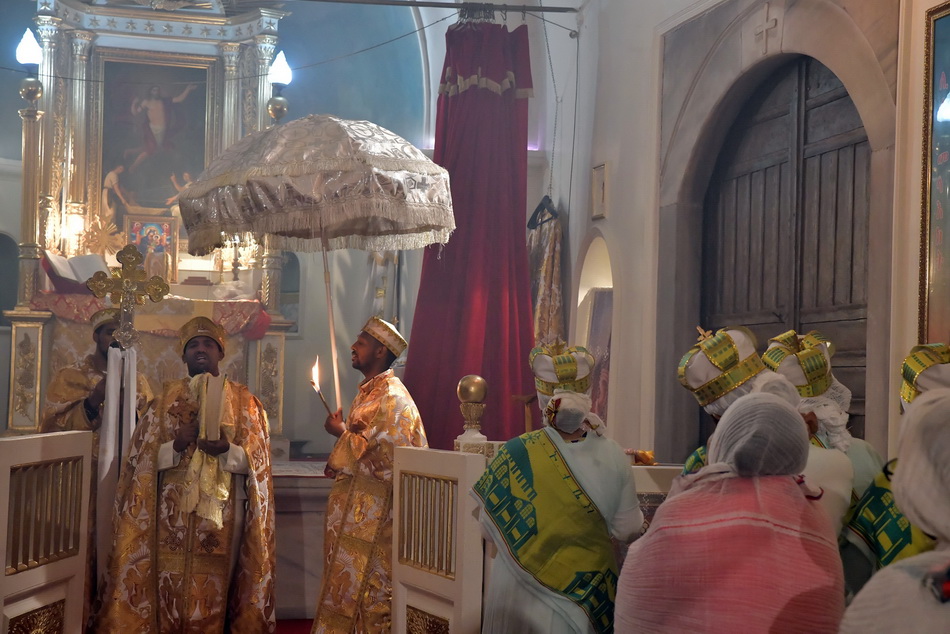
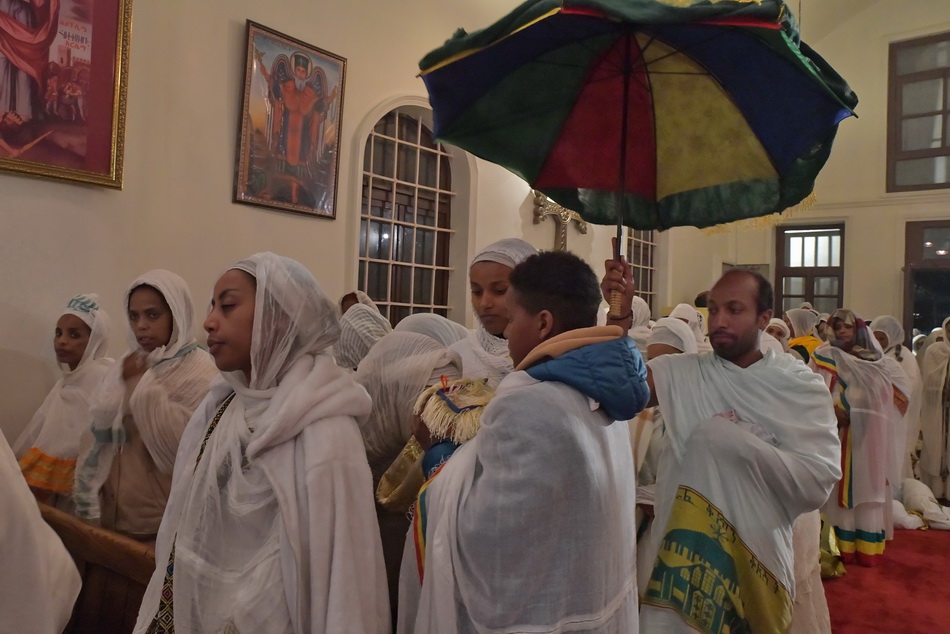
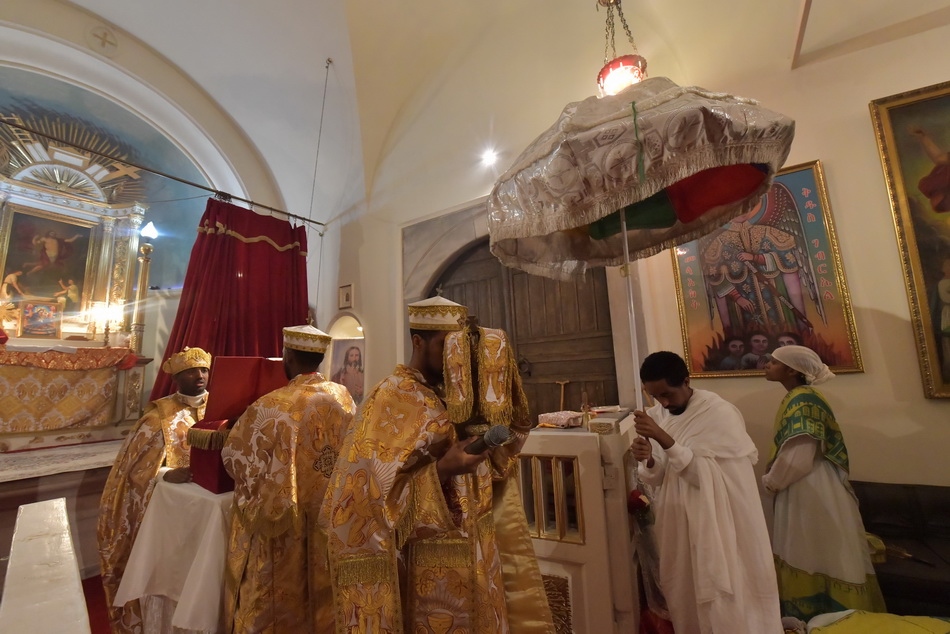
Ethiopian Orthodox Christians living in Istanbul hold their religious services in an Armenian Apostolic church that welcomes their community. This solidarity between two Christian traditions enables Ethiopians to maintain their religious practices far from their homeland. Although I have photographed ceremonies of many Christian communities, some features of Ethiopian worship were new to me. The traditional white shawls covering women's heads and draped over men's shoulders, the removal of shoes before entering the church, the hymns and the drums are distinctive elements of their worship. These customs are not exclusive to Christmas; they also appear in other Ethiopian Orthodox ceremonies.
I attended the Christmas service that began on the evening of January 6, 2024, and remained in the church until the following morning. After the church doors were closed, worship continued throughout the night. Prayers, hymns and readings followed one another. The congregation participated with remarkable patience and devotion. As the night progressed, however, the fatigue of standing and praying for so long became apparent.
Then, when the drums entered the ceremony, the atmosphere changed. Their rhythmic beats, accompanied by hymns, brought renewed energy to people who had grown tired. A congregation that had seemed weary moments before joined the worship with fresh vitality. I witnessed how music and rhythm in the Ethiopian Orthodox tradition are not merely accompaniments but an integral part of the service. These transitions between quiet, concentrated prayer and rhythmic hymns were among the most striking moments of the night.
The icons on the church walls, the worshippers holding candles, the white shawls and the expressions on people's faces all contributed to the atmosphere I wanted to photograph. I took many photographs throughout the service. For this portfolio, rather than attempting to show every moment of the night, I selected the images that were most meaningful to me and best conveyed the character of the ceremony.
After the morning service, the community gathers around a shared meal. Food prepared at home and brought to the church is offered to everyone. This tradition shows that the religious celebration is also a gathering that strengthens social solidarity. For Ethiopians living in Istanbul, the church is not only a place of worship but also an important communal space where they preserve their cultural identity and their ties to one another.
For me, that night was more than an opportunity to observe a different Christmas celebration. I witnessed how people living far from their homeland sustain their faith and traditions. Their perseverance through the long service, the renewed energy brought by the drums, and the solidarity built around shared belief have remained in my memory. I hope these photographs will preserve a glimpse of the religious and cultural life of this community within Istanbul's multicultural world.