
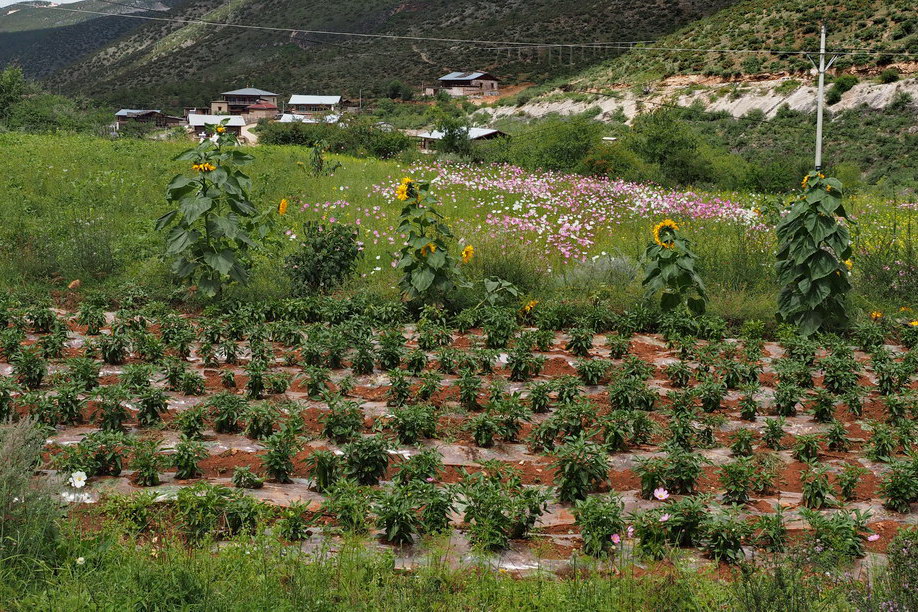
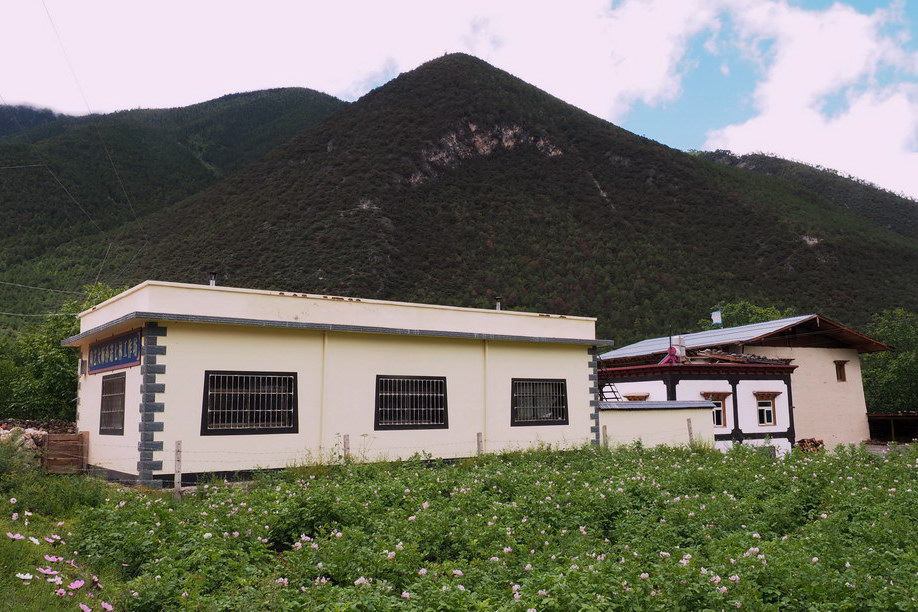
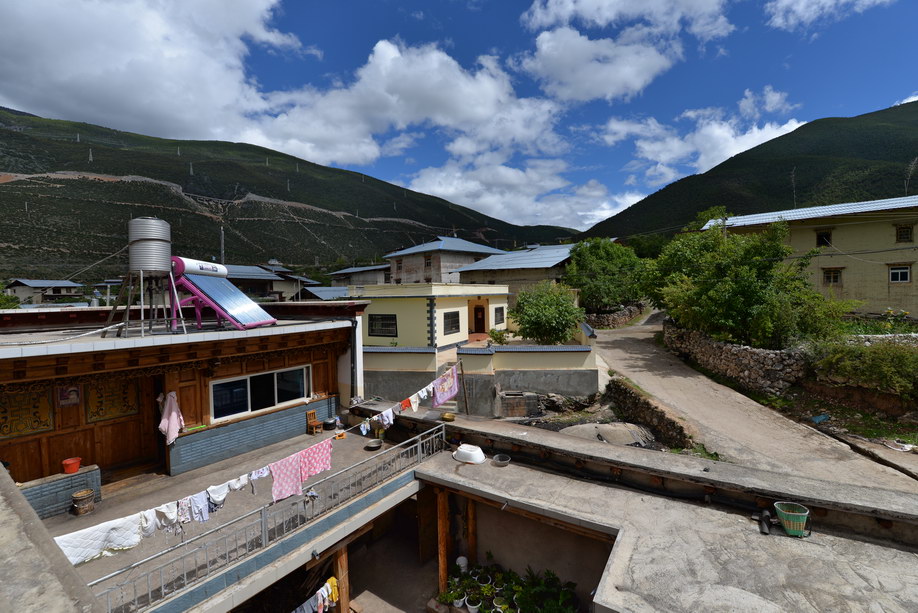
In September 2015, I travelled from Shangri-La to Nixi Tangdui, a Tibetan village known for its traditional black pottery. I hired a private vehicle for the journey. My driver, Erik, spoke both Chinese and Tibetan, and his help made it possible for me to meet the people whose work I wanted to photograph.
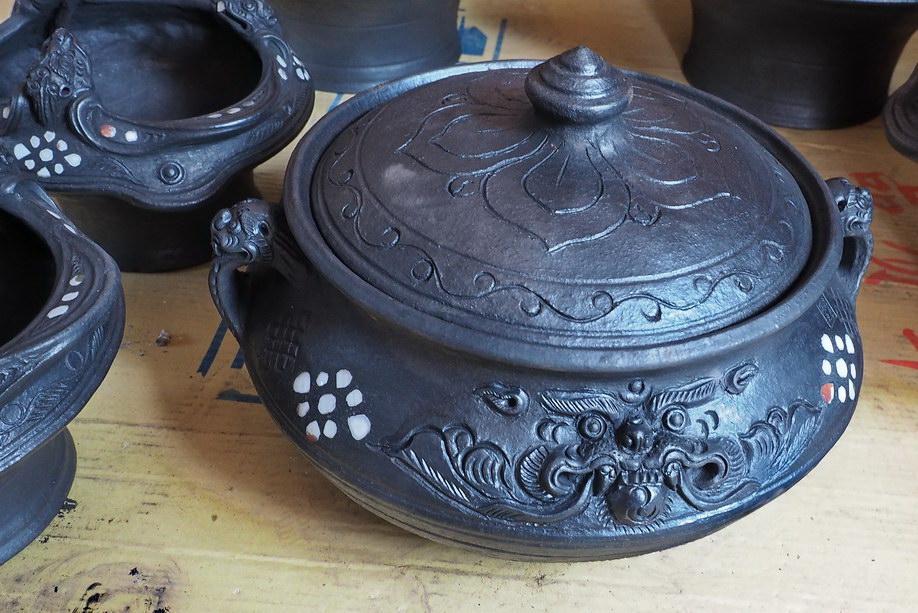
Nixi pottery is closely tied to everyday life. The village produces cooking pots, fire pans, kettles, butter-tea vessels, incense burners and butter lamps. Rather than relying on industrial machinery, potters shape the clay with their hands and simple wooden tools. The craft has been passed from one generation to the next, preserving skills that belong to the cultural heritage of the region.
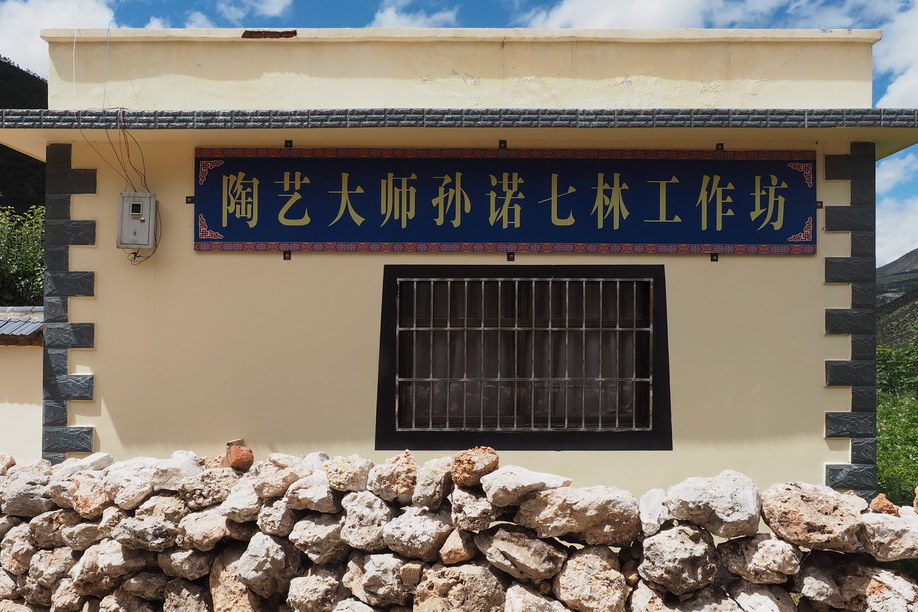
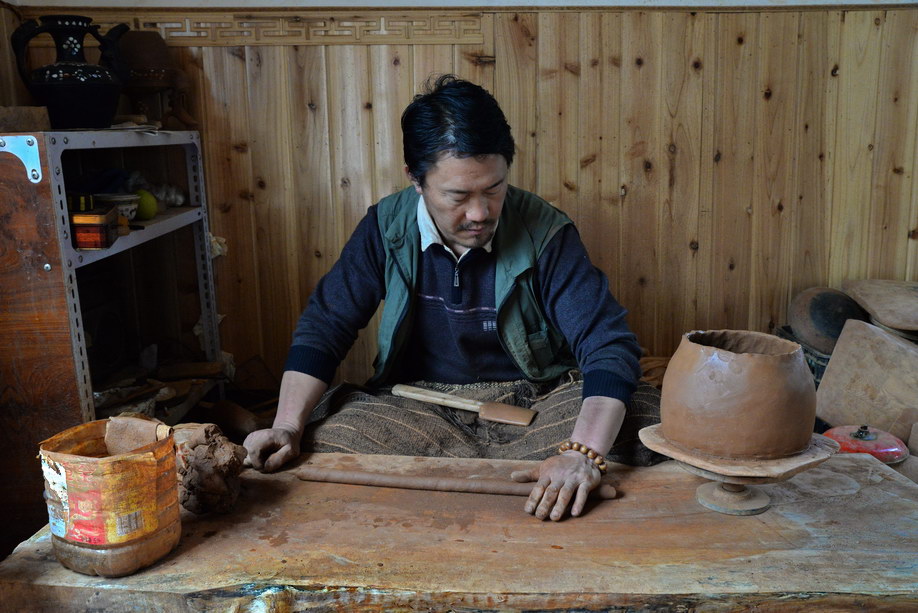
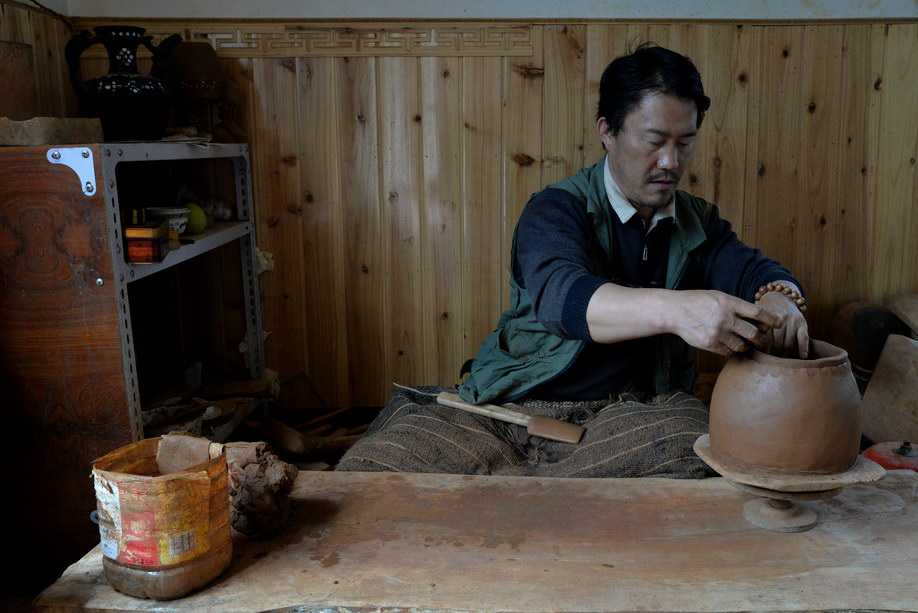
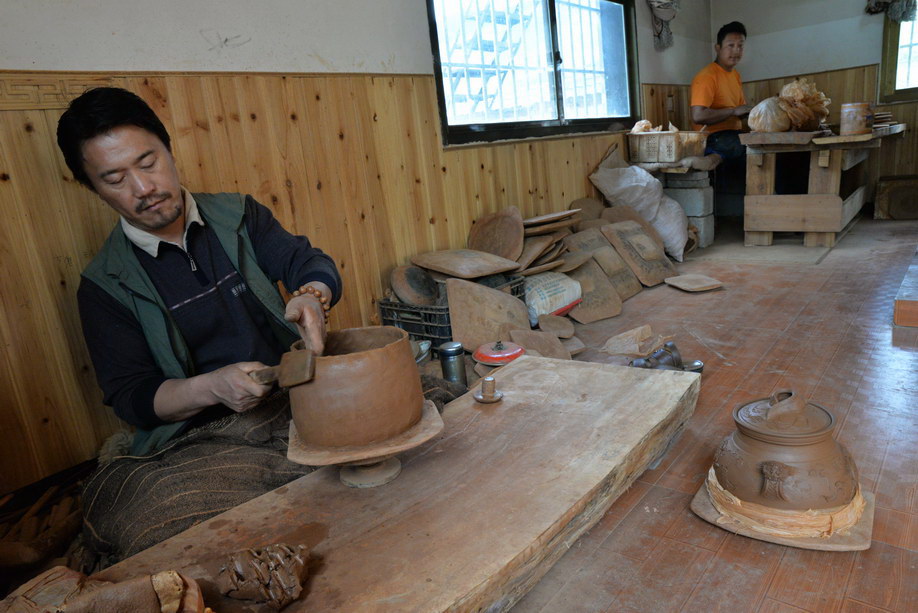
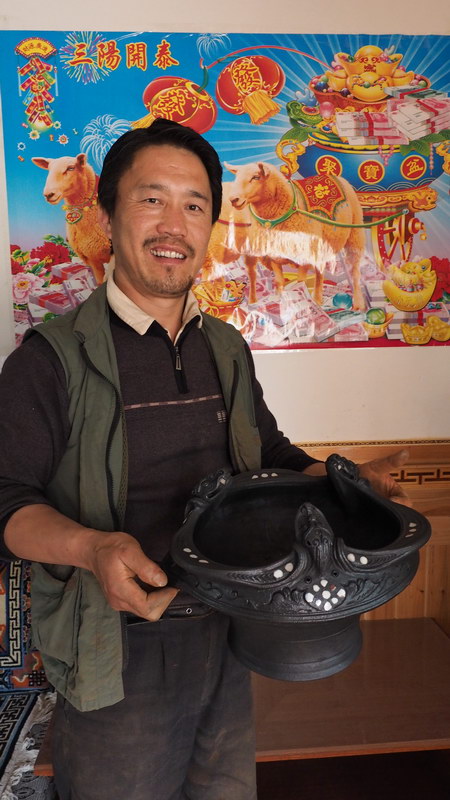
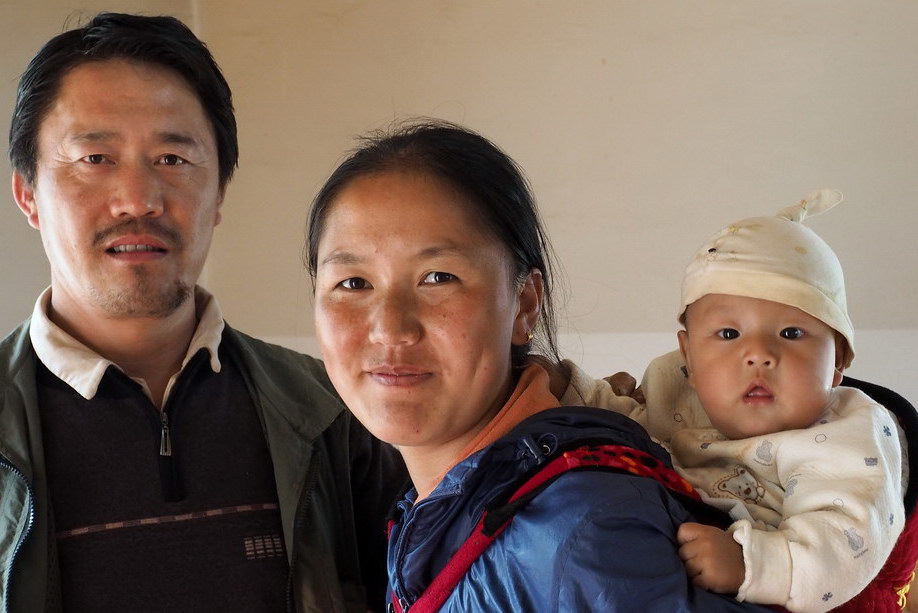
I visited the workshop of master potter Sunnuo Qilin, whose family had practised the craft for generations. According to the account I gathered during my visit, he had worked as a potter for more than forty years, learning from his father and passing his knowledge on to younger members of his family and other villagers. He was known for making many different forms of pottery.
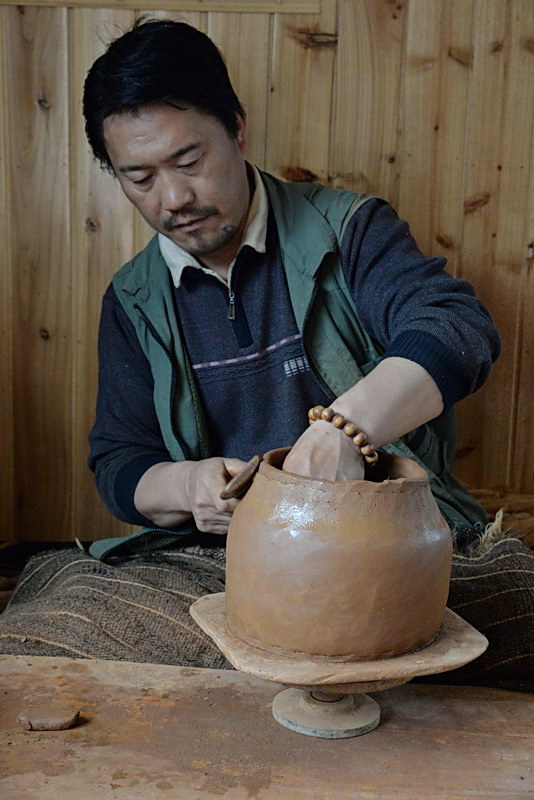
I watched and photographed the stages of his work. The clay was first prepared in elongated pieces, which were beaten with a wooden mallet to compact and unite the material. The clay was then curved into a circular shape and gradually built upwards. Using a specially shaped wooden tool, the potter struck and worked the sides until the vessel took its final form. The process demanded a practiced eye and a rhythm acquired through years of experience.
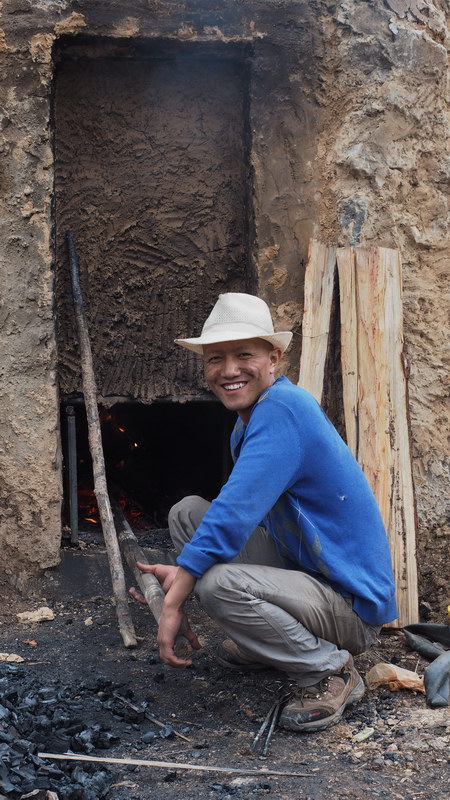
The finished vessels are dried and fired, and their characteristic dark appearance is associated with the firing process. Traditional Nixi pottery is often described as black pottery, but the result depends on the clay, fuel and firing conditions. Watching the shaping process at close range, I was struck by how much could be achieved with so few tools.
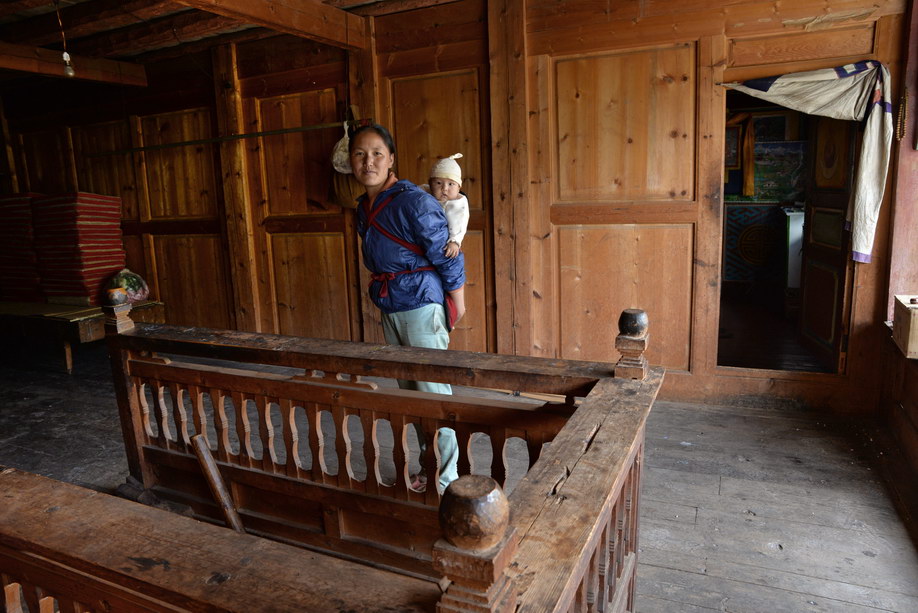
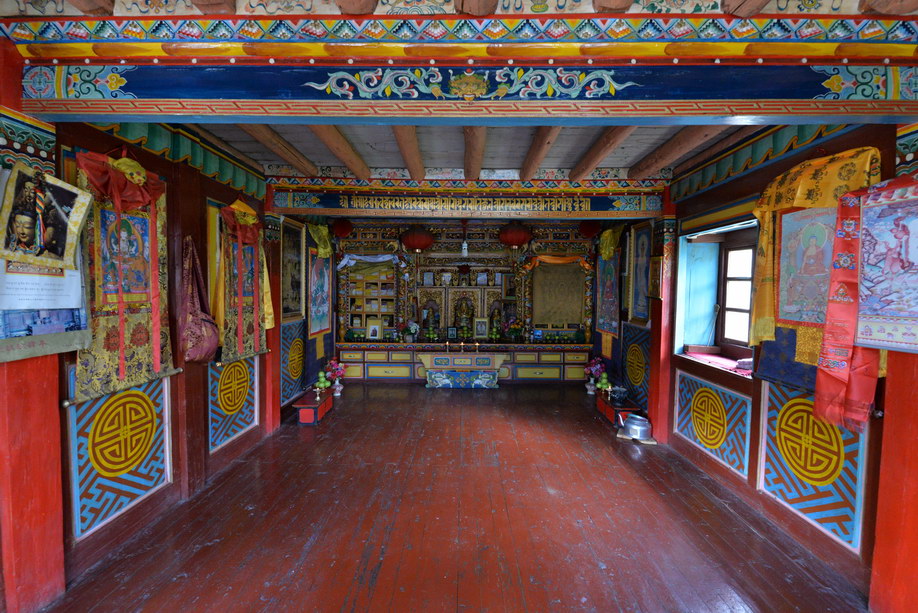
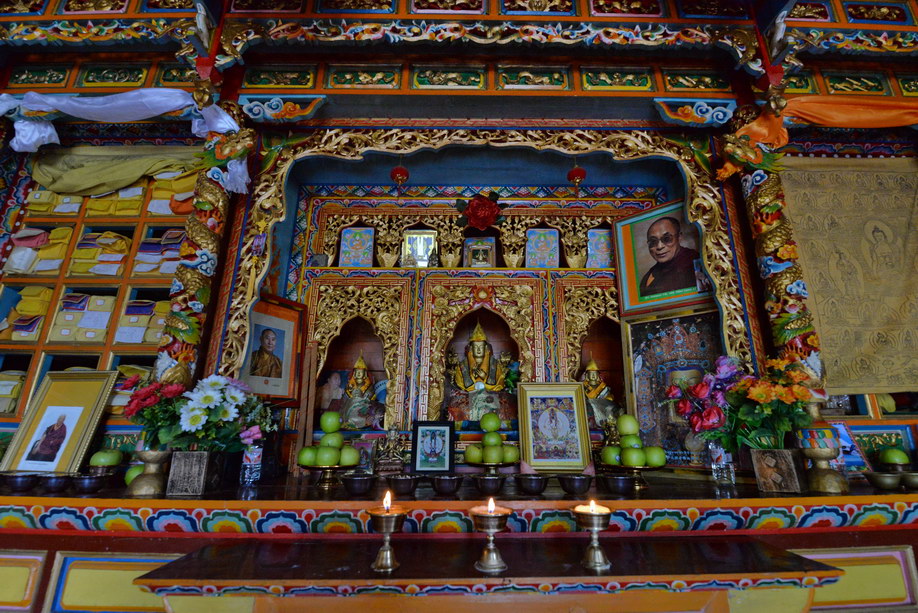
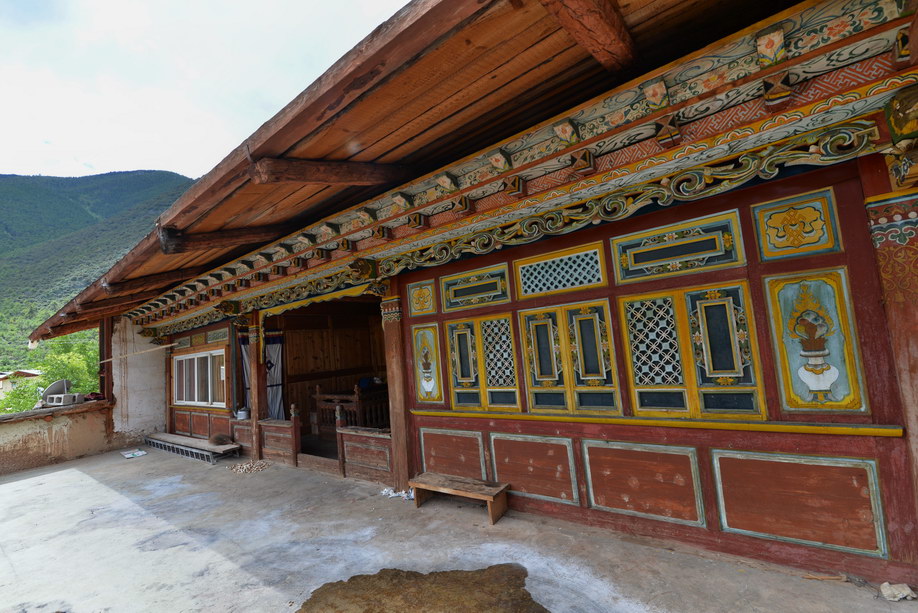
After completing my photography in the workshop, I asked Sunnuo Qilin whether I might also visit his home. He agreed. The house was a two-storey wooden building, and upstairs I found a small space devoted to Buddhist worship. One wall held an image of the Dalai Lama, the Tibetan spiritual leader living in exile.
That room offered a different view of the village from the one I had seen in the workshop. The pottery reflected the continuity of practical knowledge; the prayer space spoke of the family's religious and cultural identity. I photographed both with the awareness that these were parts of a living home, not simply objects on display.
My photographs from Nixi record the hands, tools, clay vessels and surroundings of a craft sustained by individual makers and their families. I remember the patience of the potter, Erik's invaluable help and the generosity with which I was welcomed into a private home. Together, those encounters made my visit to Nixi one of the memorable experiences of my 2015 journey through Yunnan.