
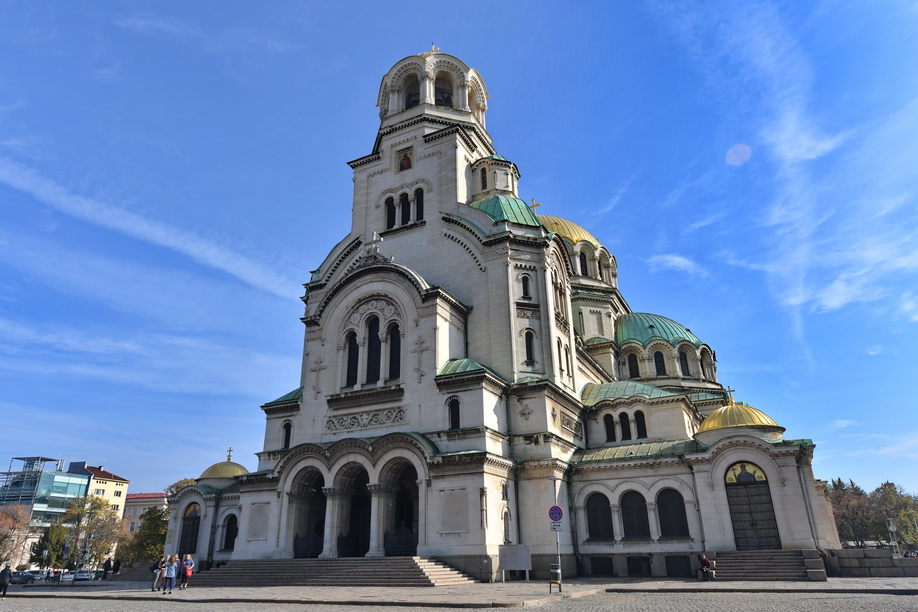
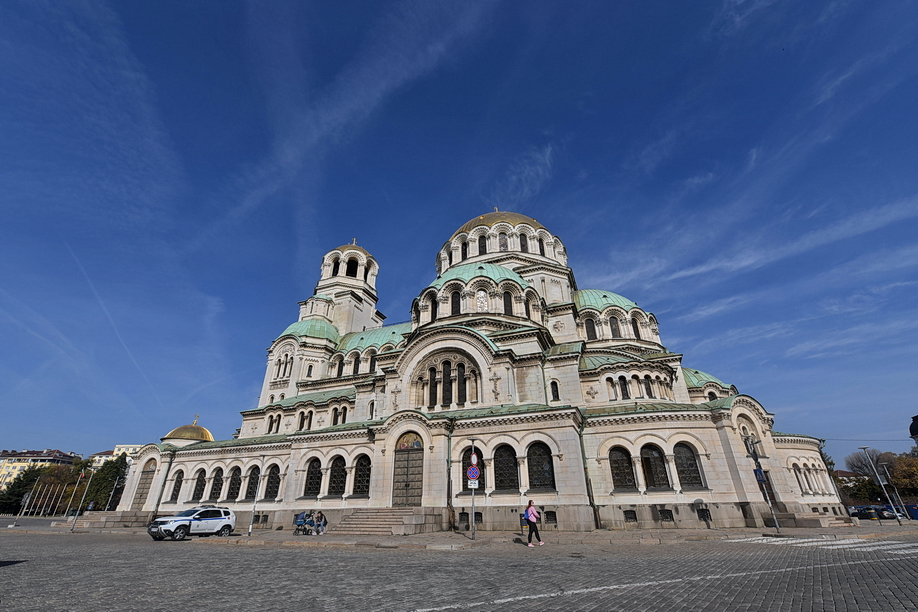
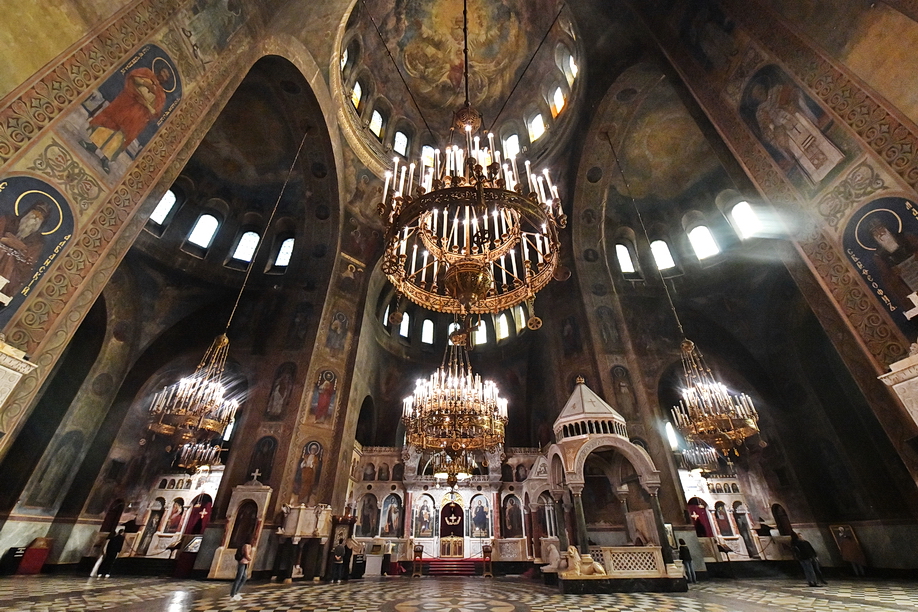
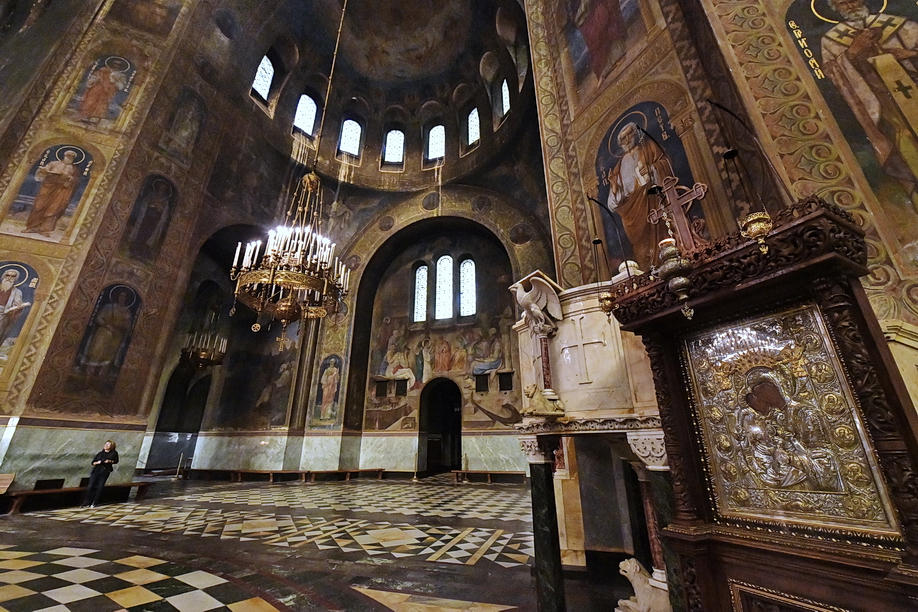
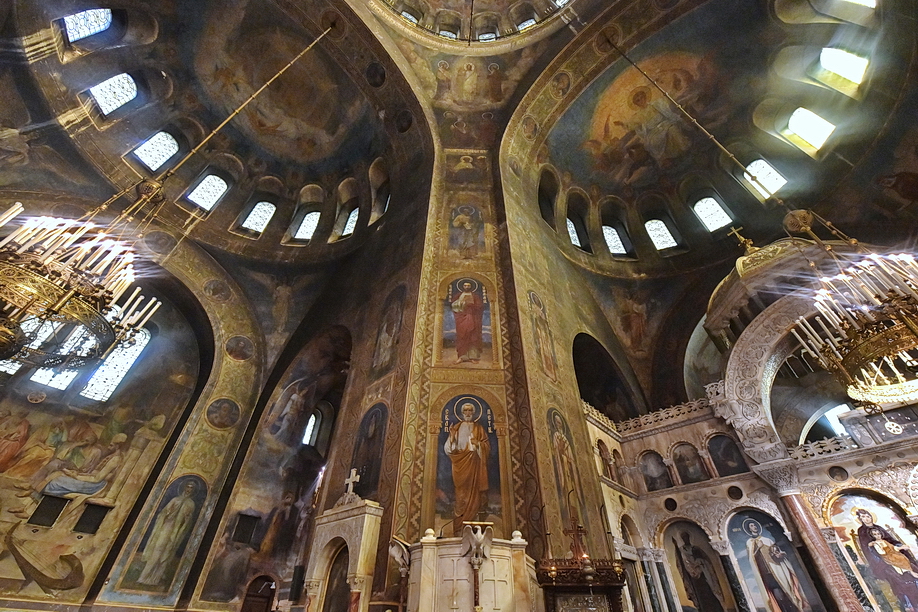
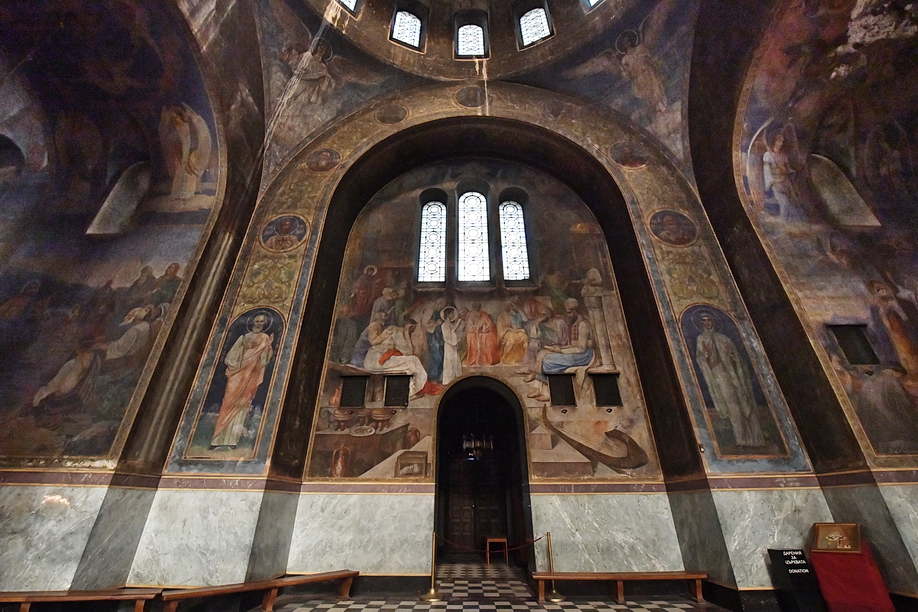
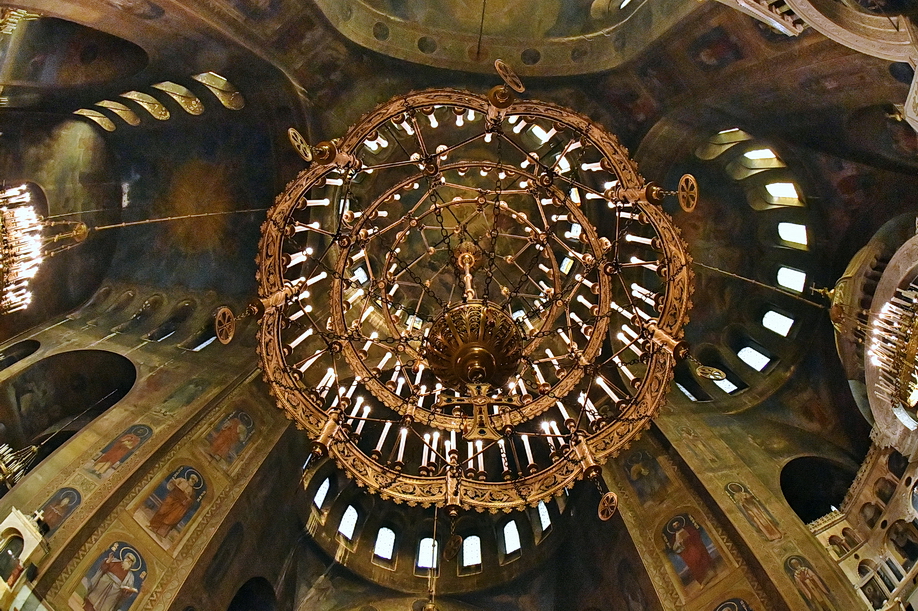
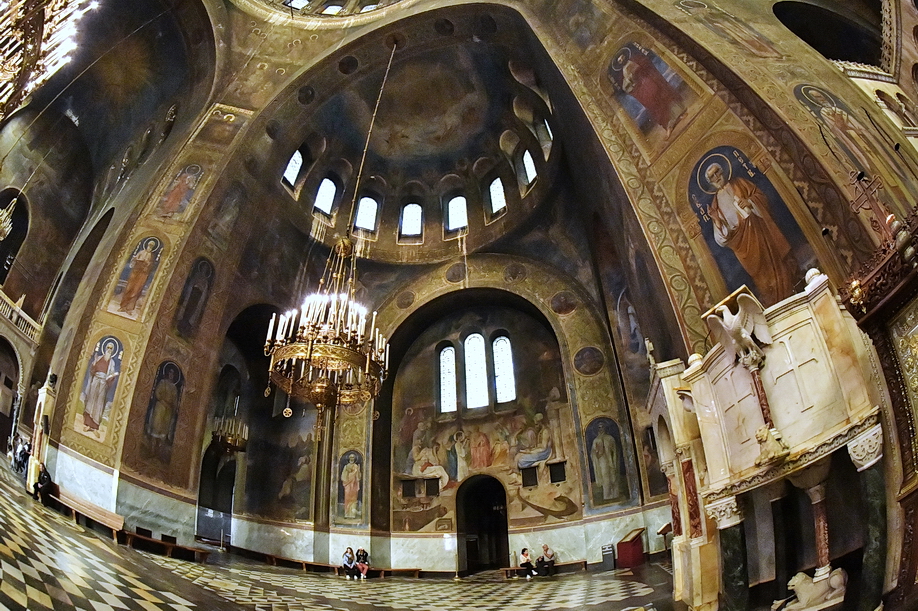
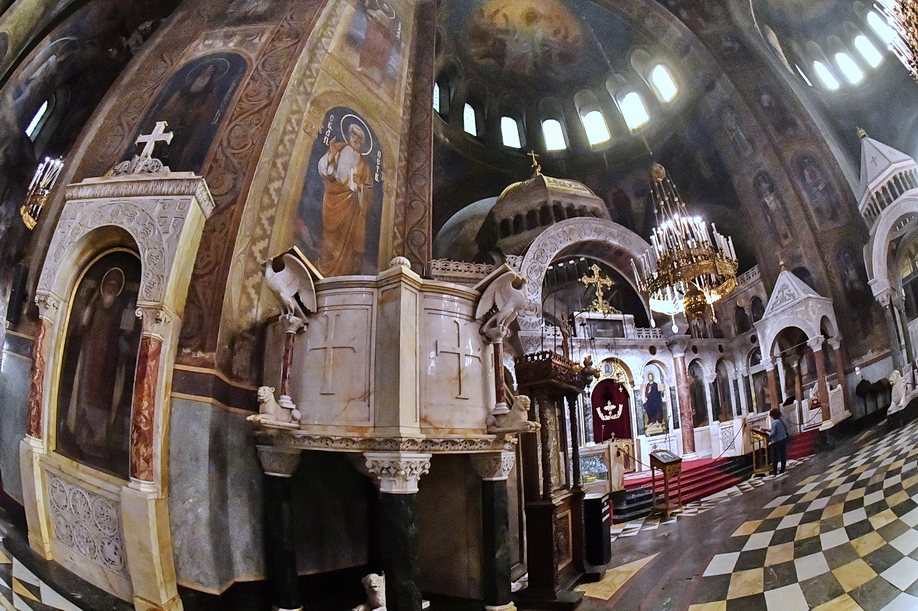
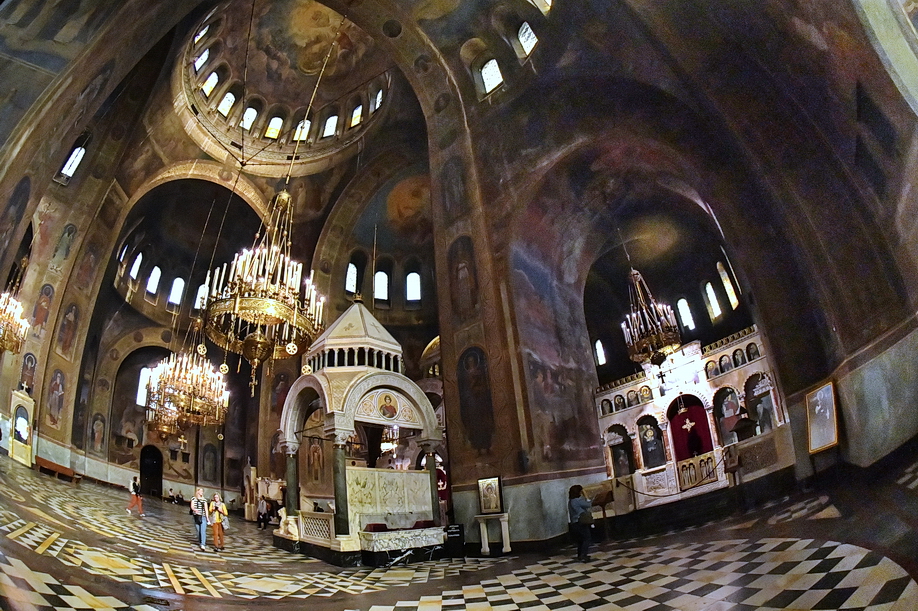
When I photographed St. Alexander Nevsky Cathedral in Sofia on 3 November 2022, I was looking at far more than one of the capital’s most recognizable buildings. Its golden domes, broad arches and carefully balanced volumes embody a chapter of Bulgarian history in which religious architecture, national memory and political change became closely intertwined.
The idea of a memorial cathedral emerged in 1879, soon after the Russo-Turkish War of 1877–1878 and the restoration of Bulgarian statehood. Initially proposed for the historic city of Veliko Tarnovo, the project was later transferred to Sofia, the new capital. Donations from the public and support from the state helped make this ambitious undertaking possible. The cathedral commemorates those who died in the war, particularly soldiers of the Russian imperial army and its allies.
The foundation stone was laid in 1882, but the main construction took place between 1904 and 1912. The architect Alexander Pomerantsev developed the final design, drawing on the Byzantine architectural tradition while incorporating decorative elements associated with Bulgaria’s medieval heritage. The result is a monumental, cross-domed Neo-Byzantine church whose scale is felt both across the square and within the building.
From outside, the succession of domes and semi-domes creates a powerful silhouette. The gilded central dome rises above the stone façades, while the bell tower contains twelve bells cast in Russia. Their combined weight is approximately twenty-three tonnes. The contrasting surfaces of stone, metal and gold give the cathedral a different appearance as the light changes during the day.
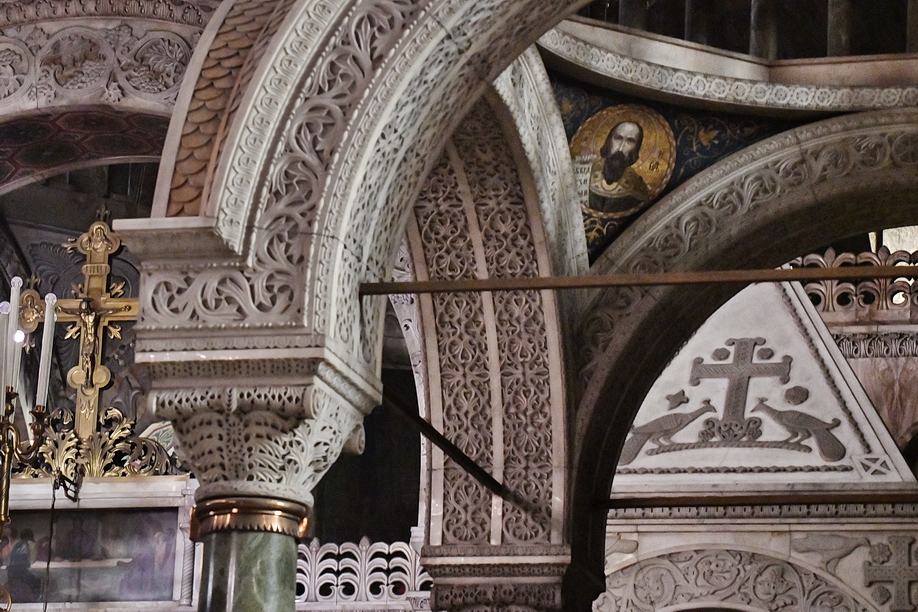
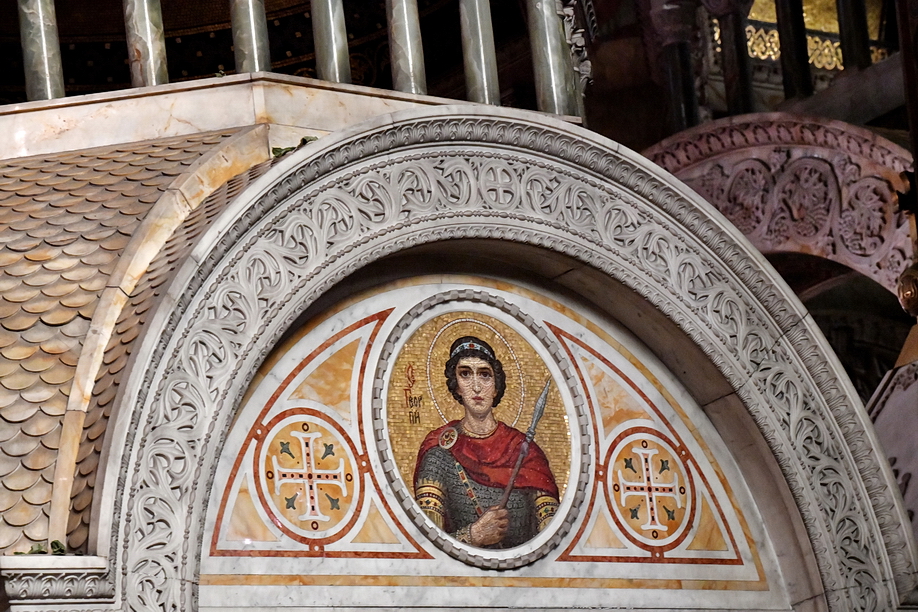
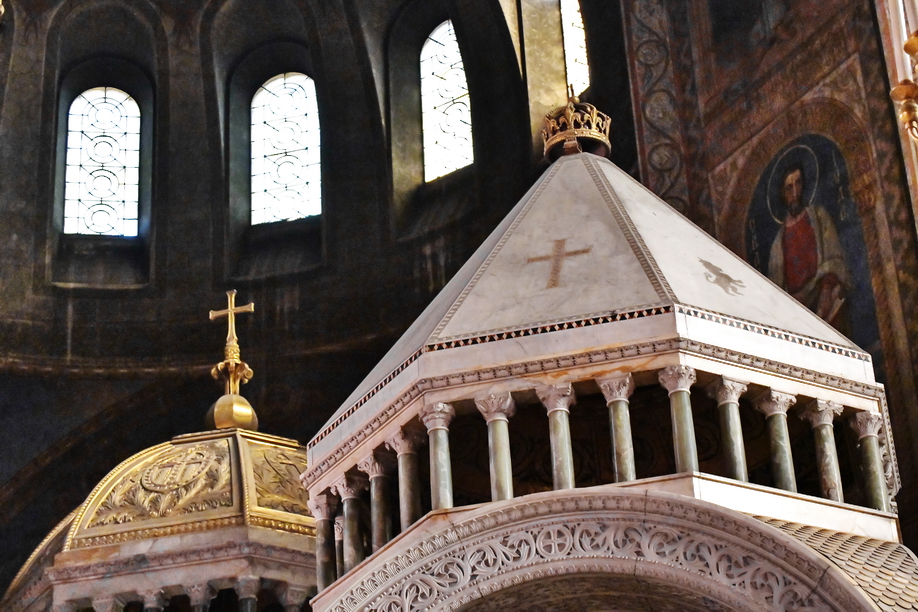
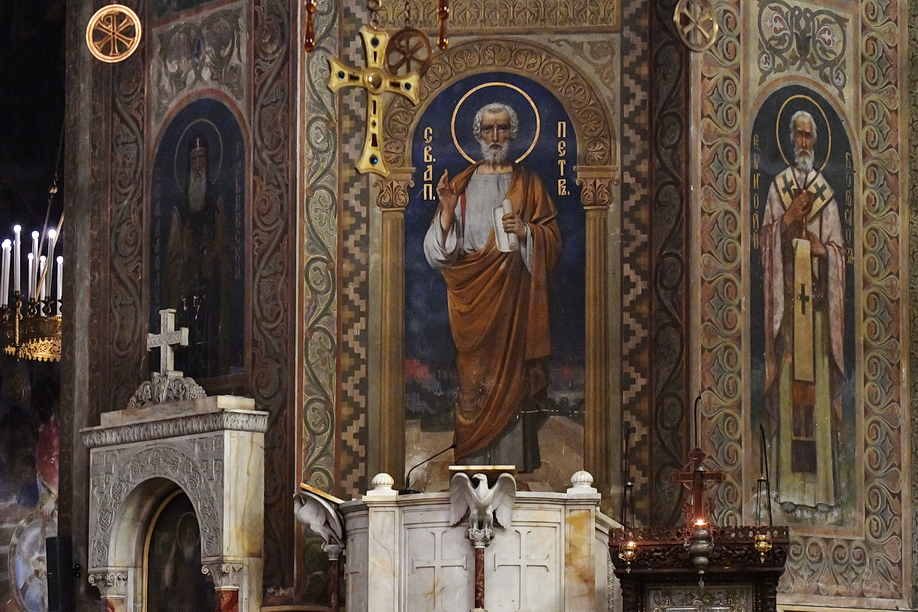
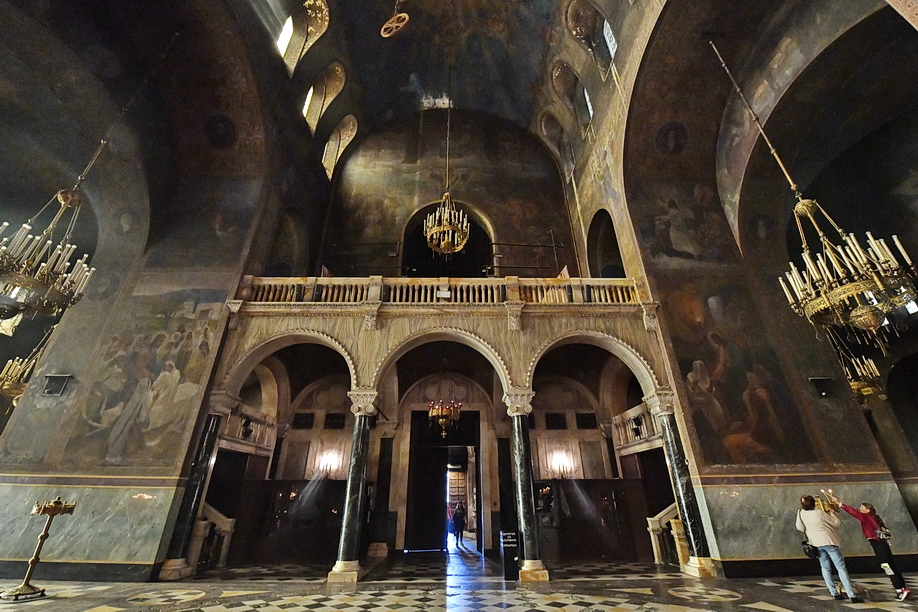
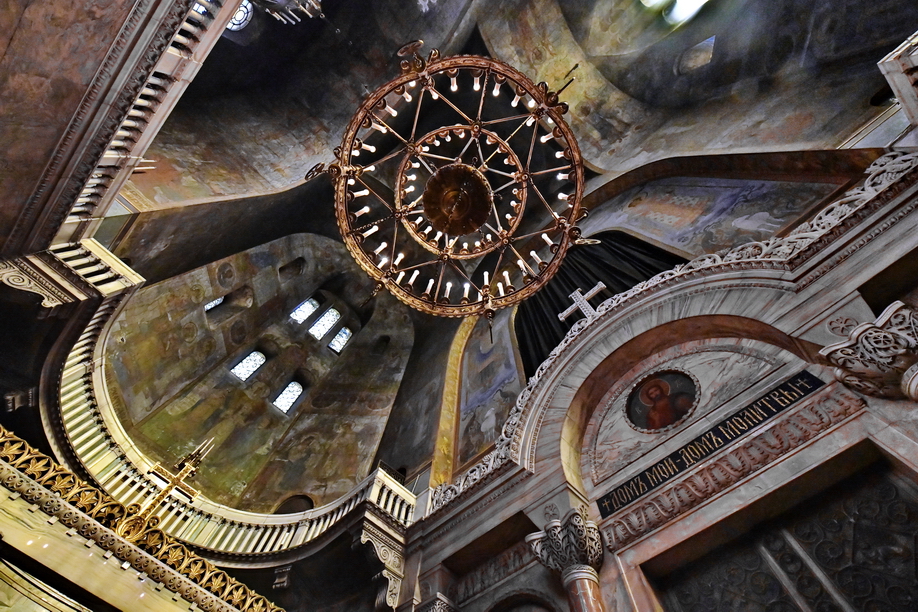
Inside, the impression is one of space, solemnity and elaborate craftsmanship. Marble columns, arches, mosaics, icon paintings and murals form a richly layered interior. Bulgarian and Russian artists contributed to its decoration, while materials and architectural components came from several European countries. The building was not simply constructed; it was assembled through an international network of craftsmen and workshops.
The cathedral was consecrated in September 1924, after wars and political upheavals had delayed its completion as a functioning national shrine. Its name, honouring the medieval Russian prince and Orthodox saint Alexander Nevsky, also reflects the shifting relationship between Bulgaria and Russia. During the First World War the dedication was temporarily changed to Saints Cyril and Methodius before the original name was restored.
Below the cathedral, the crypt houses the Museum of Christian Art, part of Bulgaria’s National Gallery. Its collection places the monument within a much longer history of icon painting and Christian visual culture in the Bulgarian lands. This quieter space offers a revealing counterpoint to the cathedral’s imposing exterior.
For me, photographing the cathedral meant paying attention to how a public monument can hold several histories at once: faith and art, gratitude and remembrance, national identity and international influence. The photographs are an attempt to record those layers through the building’s architecture rather than reduce it to a familiar postcard view.