
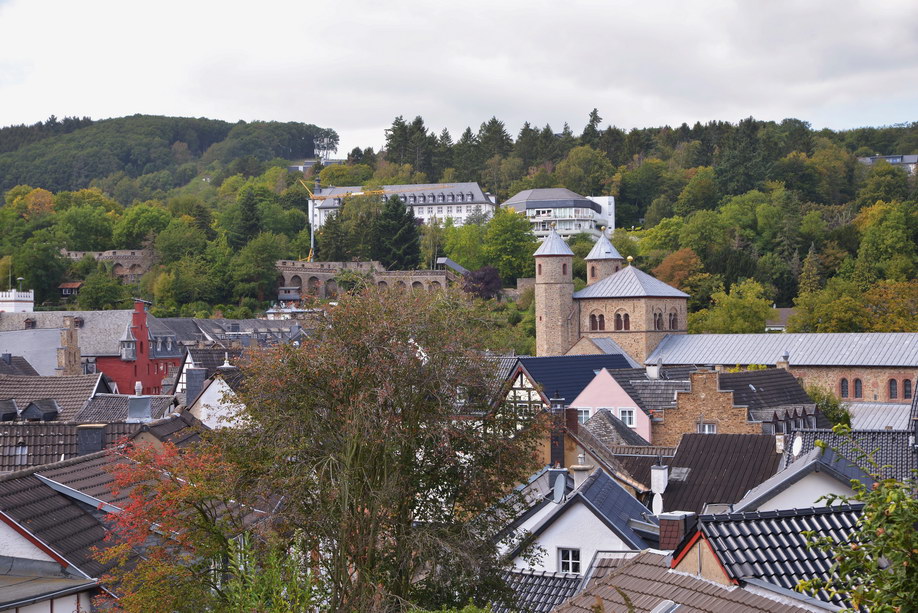

Located in the German state of North Rhine-Westphalia, at the foothills of the Eifel Mountains, Bad Münstereifel is a historic town whose urban fabric has survived from the Middle Ages. Situated in the valley of the Erft River, approximately thirty kilometres southwest of Bonn, the town reflects the architectural heritage of the region through its wooded setting, historic fortifications and traditional houses. Far from the bustle of large cities, traces of the past can still be felt in the close relationship between its streets and buildings.
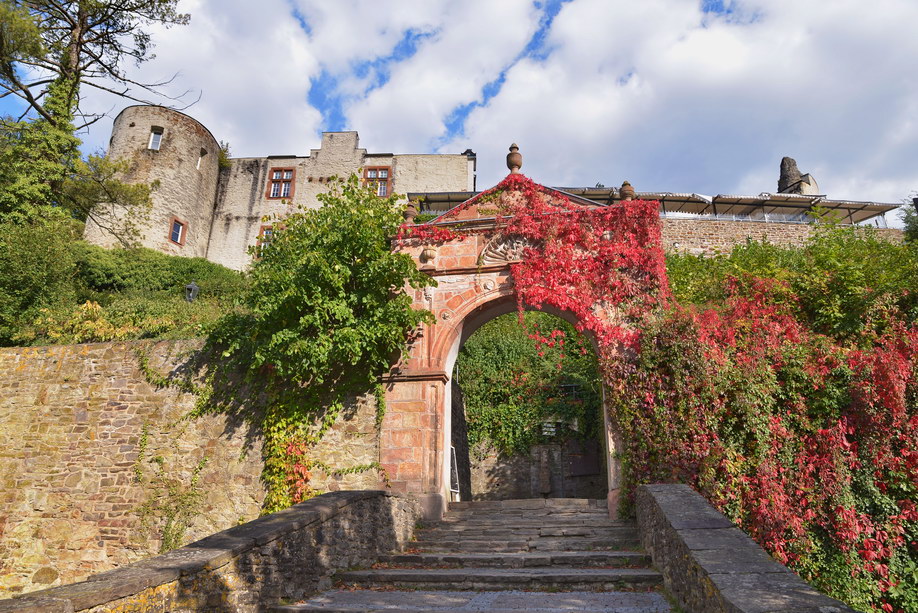
One of Bad Münstereifel’s most distinctive features is the medieval wall surrounding its historic centre. Much of it has survived, and its towers and town gates reveal the settlement’s former defensive system. Passing through these gates into the old town, one encounters narrow streets, small squares and traditional buildings. The walls are more than remnants of military architecture: they also define the town’s boundaries and its historical identity.
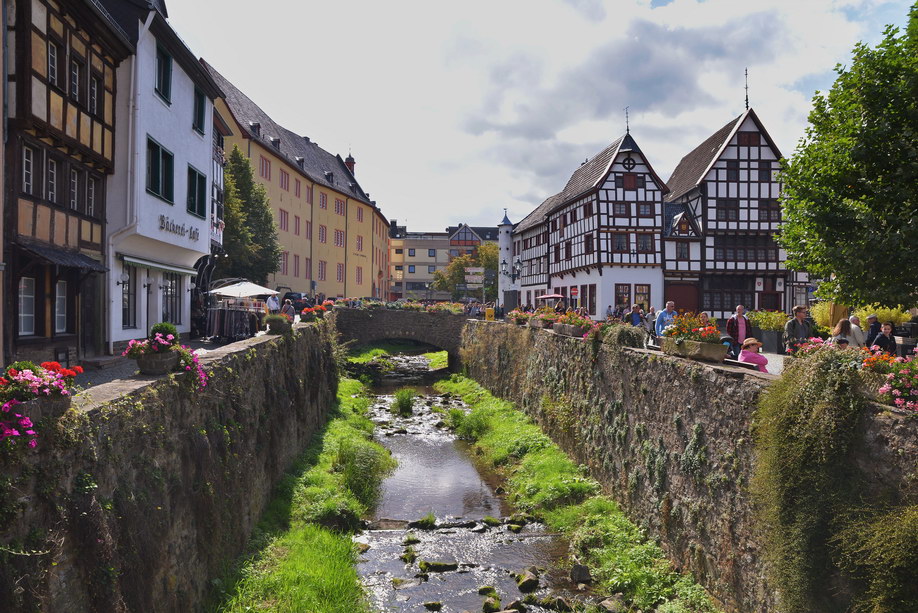
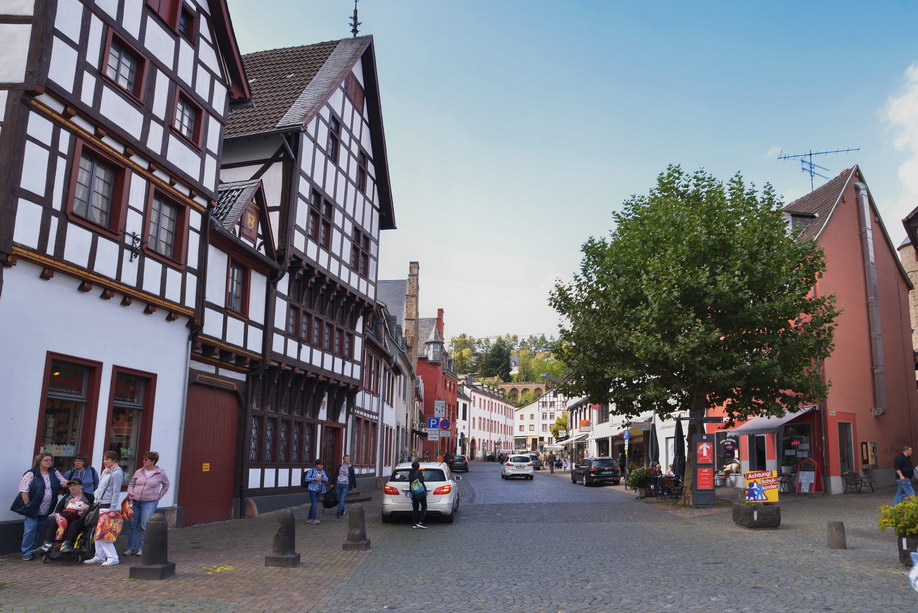
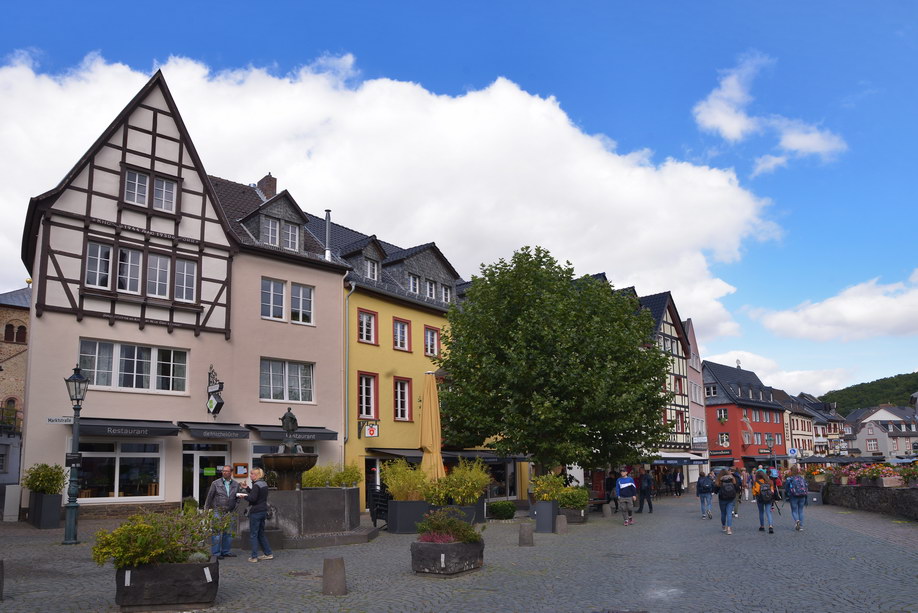
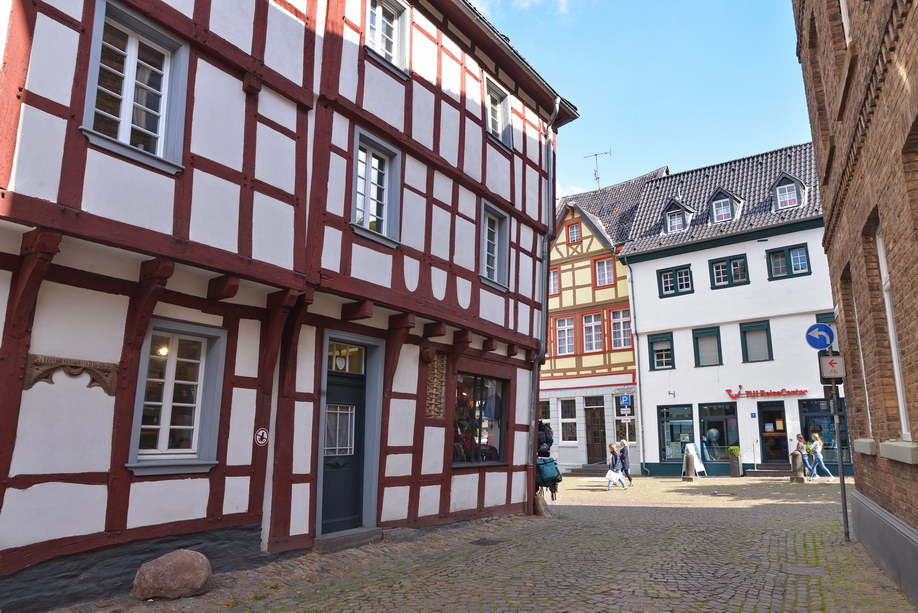
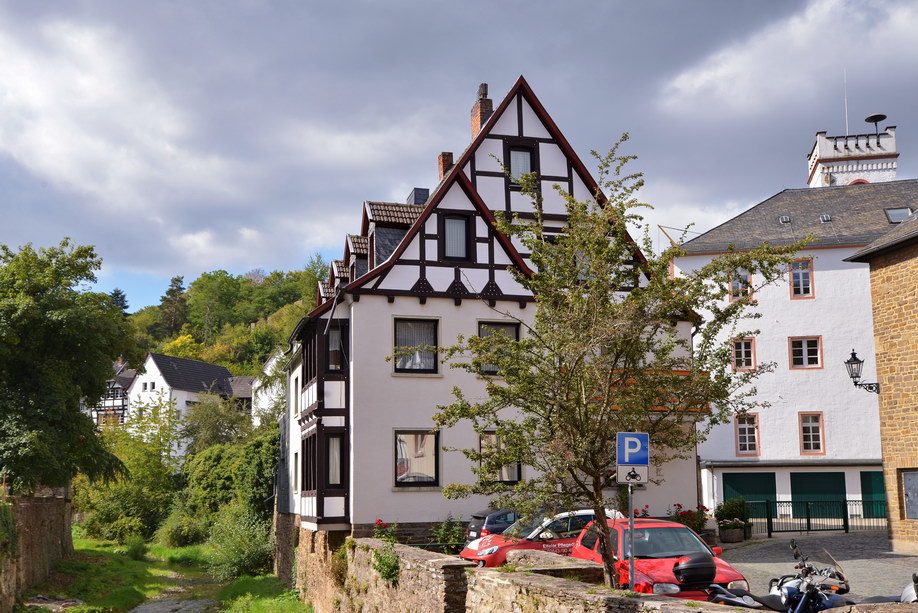
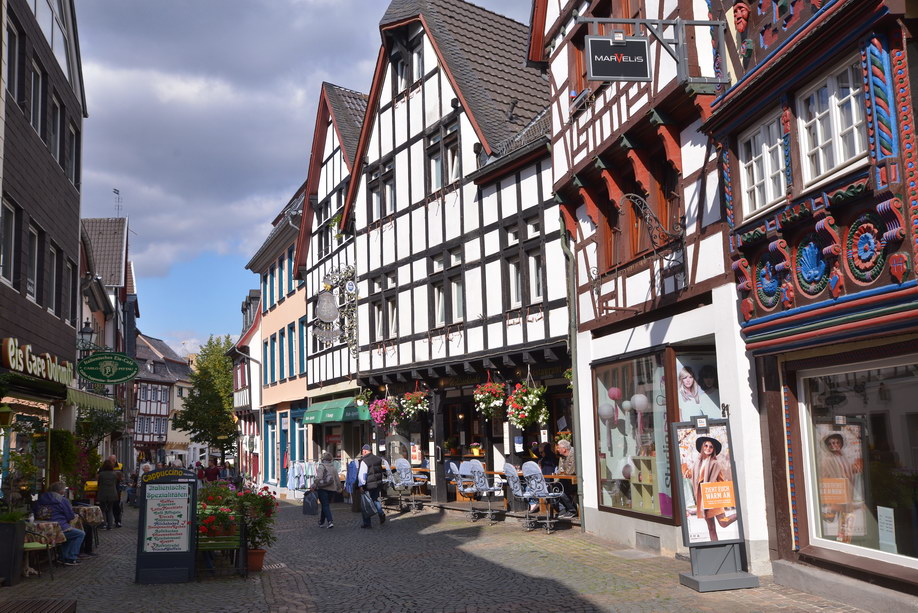
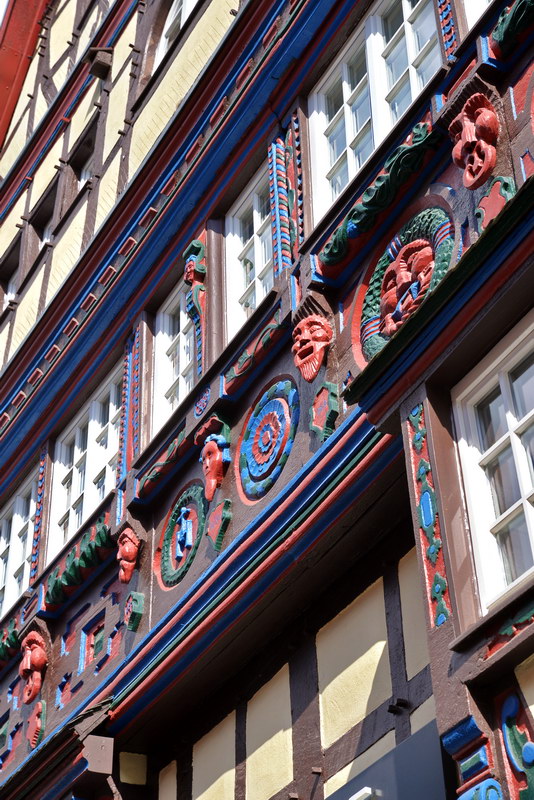
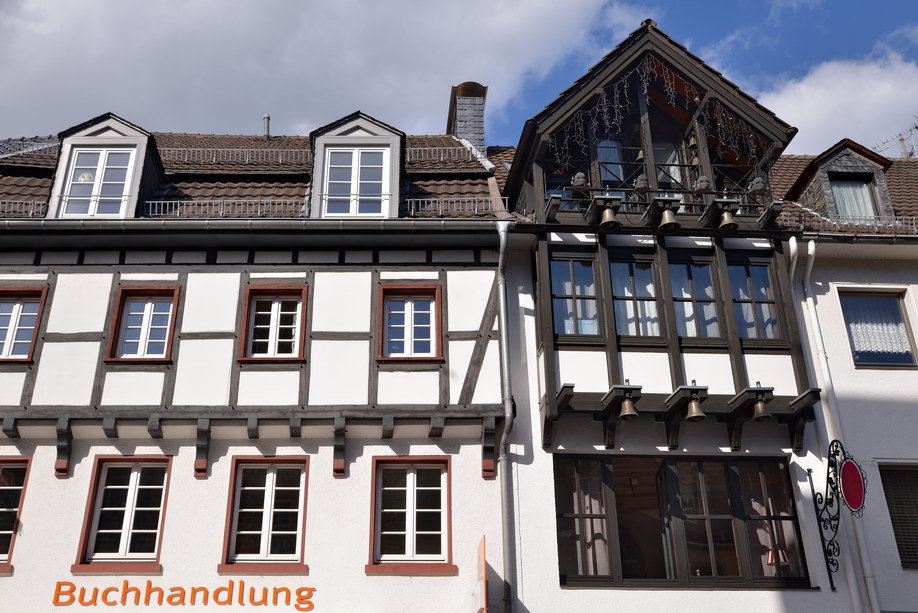
Among the most striking buildings along these streets are the timber-framed houses known in Germany as Fachwerkhäuser. Their load-bearing wooden posts and beams remain visible on the façades, while the spaces between them are filled with other building materials. The contrast between dark timber and lighter wall surfaces creates geometric patterns. In some houses, upper storeys project over the street, while pitched roofs and small windows reflect characteristic features of traditional German urban architecture.
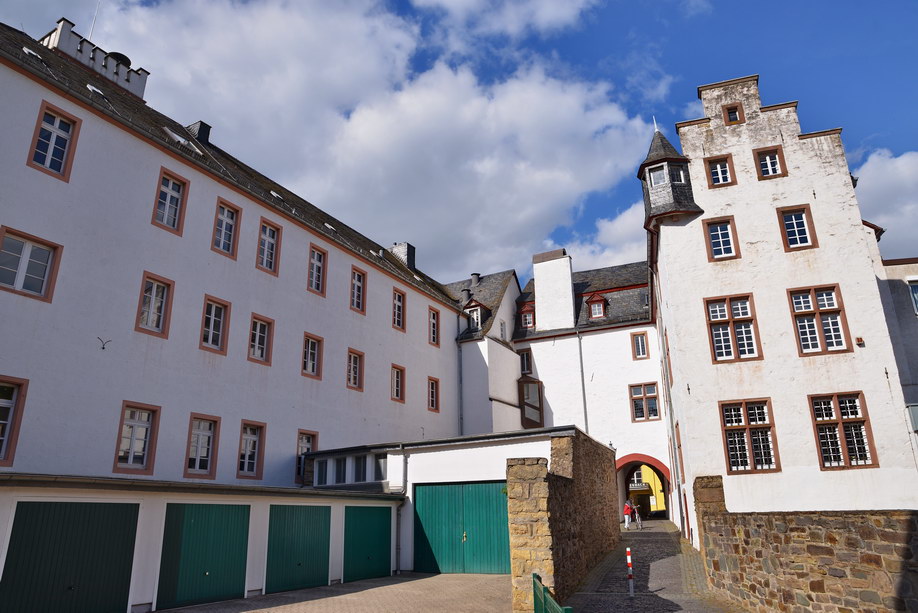
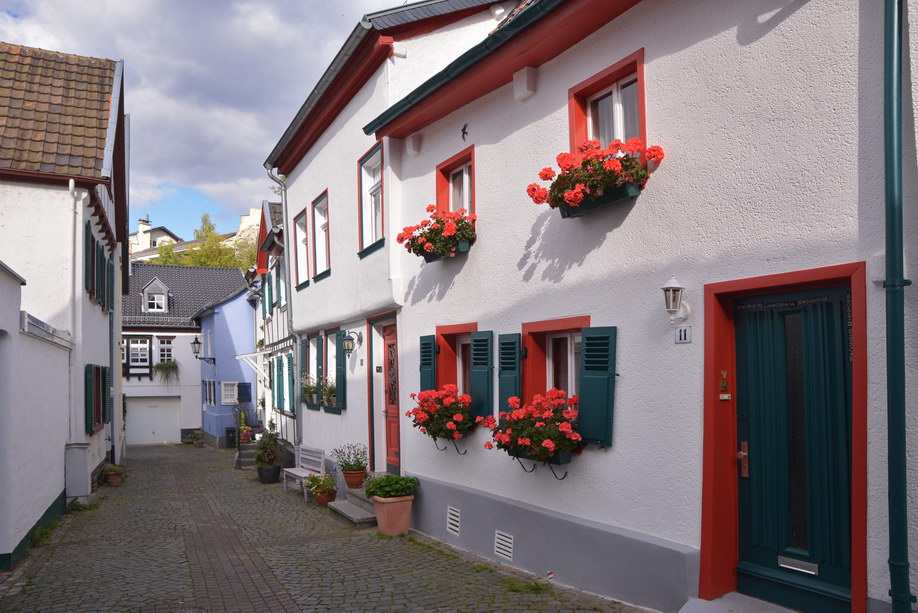
These houses are impressive not only for their individual beauty but also for the harmony they create together. Façades of different heights, varied rooflines, cobbled streets and historic gateways form a compact yet richly textured townscape. The combination of timber, stone and plaster lends the buildings both structural and visual diversity. Repaired over time and adapted to changing uses, they carry traditional building techniques into contemporary life.
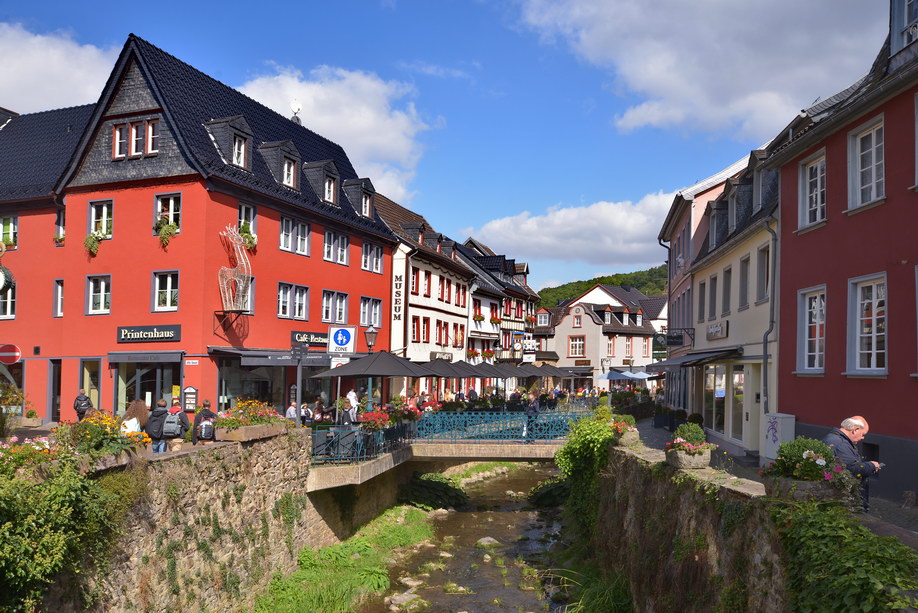
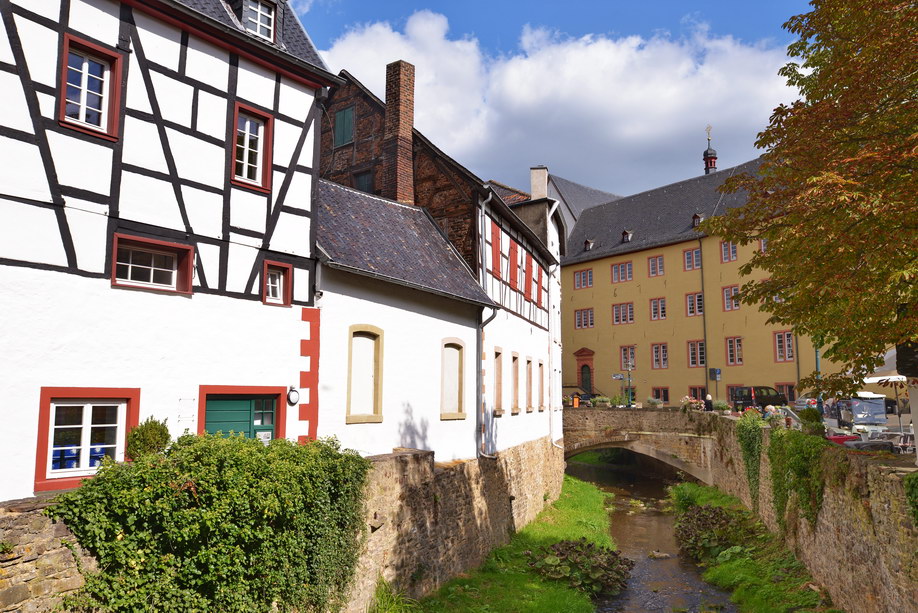
The Erft River, which flows through the town, adds another dimension to Bad Münstereifel’s architectural character. Water passing through the historic centre, together with bridges and riverside buildings, shapes the appearance of the town. Views that suddenly open from narrow streets onto the river create a different atmosphere, framed by stone walls and timbered façades. The river reminds us that nature and architecture cannot be considered separately here.
Religious buildings have also played an important part in the town’s development. The word Münster in its name points to a history associated with a major church or monastic church. The Church of St. Chrysanthus and Daria, with its Romanesque architectural features, is one of the settlement’s significant historic buildings. Together with the surrounding old streets, it helps us understand how the town developed from the Middle Ages onward.
Beyond its historic architecture, Bad Münstereifel is also known as a spa and health resort. In Germany, the designation Bad is used for officially recognised spa or health-resort towns. Today, some buildings in the historic centre serve as shops, cafés and other businesses. Their continued use shows that the old town is not simply a preserved historic setting, but a living place that adapts to changing economic and social circumstances.
As I photographed the streets of Bad Münstereifel in September 2019, what struck me most was the coherence of its historic architecture and the human scale of the town. The geometric lines of timber-framed façades, the perspectives of cobbled streets, the town gates and the buildings along the Erft offered many photographic possibilities. Rather than grand monuments, it was the small architectural details of this settlement that preserved traces of everyday life in the past.
In July 2021, however, Bad Münstereifel suffered severe damage during the catastrophic floods that struck western Germany. As the Erft overflowed, numerous buildings and streets in the historic centre were damaged. As in Ahrweiler, my photographs taken before the flood gradually acquired a different documentary significance. The streets, houses and bridges I had photographed in 2019 for their architectural qualities now also record the appearance of the town before the disaster.
Looking at my photographs of Bad Münstereifel today, I think not only about traditional German urban architecture but also about how valuable—and how vulnerable—historic surroundings can be. Houses, walls and streets preserved over centuries may suffer immense damage in a very short time when natural disasters strike. For me, therefore, this photographic study made in 2019 is no longer merely an exploration of architecture; it is also a documentary contribution to the memory of a town that has undergone profound change.