


Shortly after arriving in Shangri-La in September 2015, I asked the receptionist at my hotel whether she could find an English-speaking driver. Before long, a young man named Eric arrived in his own car. As we talked, I learned that he was also an English teacher at Shangri-La Middle School. During the following days, he drove me to places I wanted to photograph and helped me communicate with the people I met. What began as a practical arrangement gradually became a friendship.
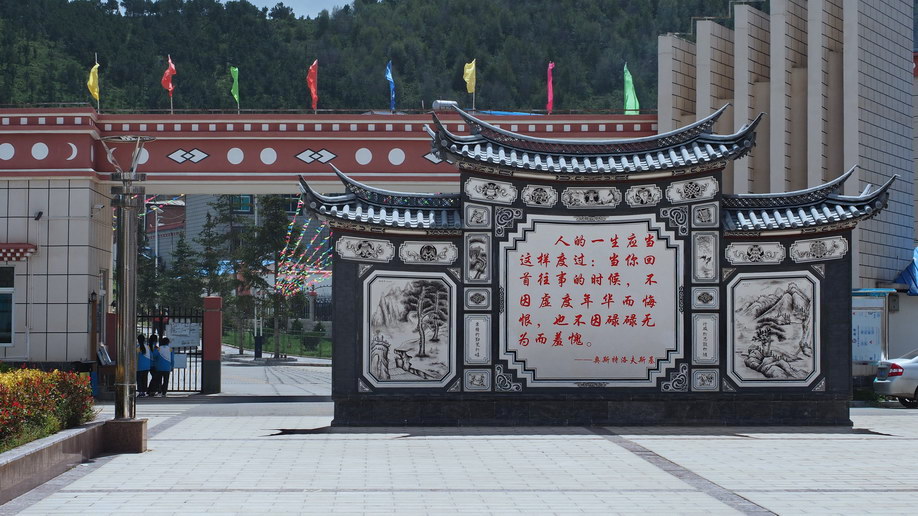
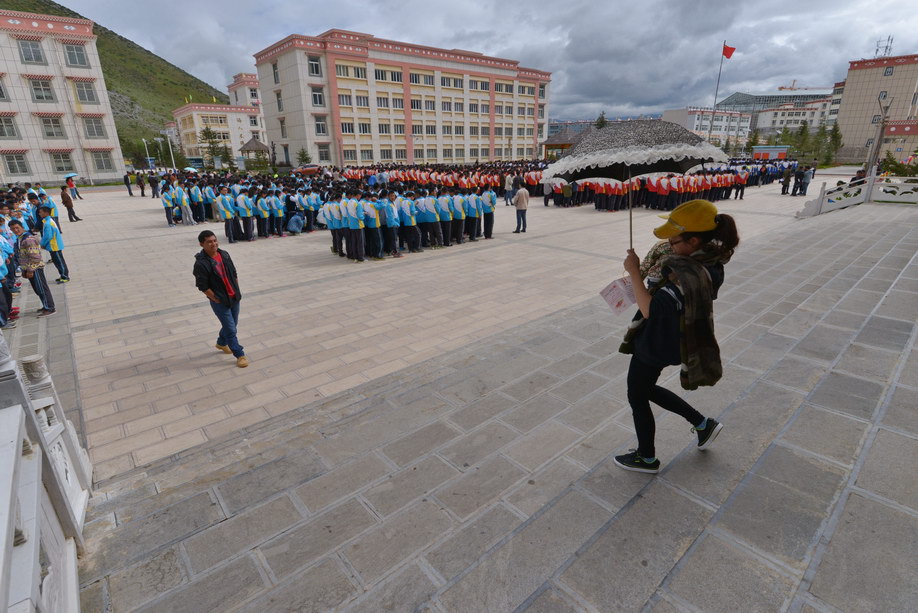
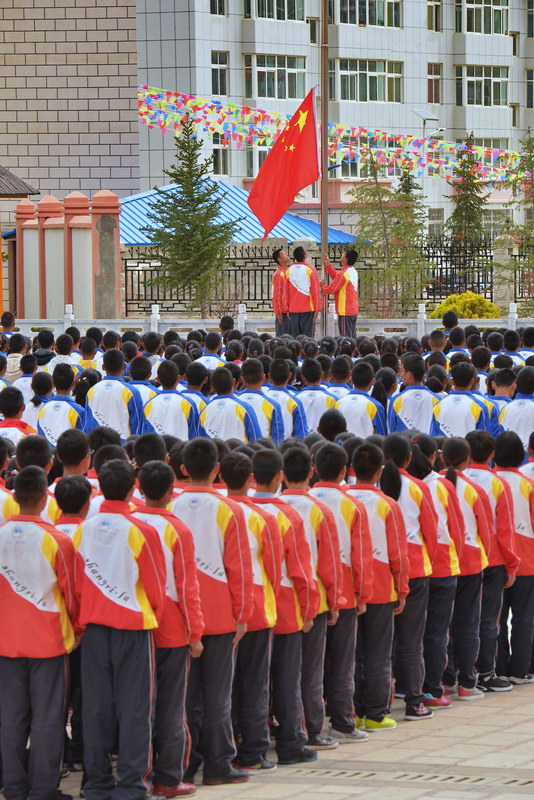
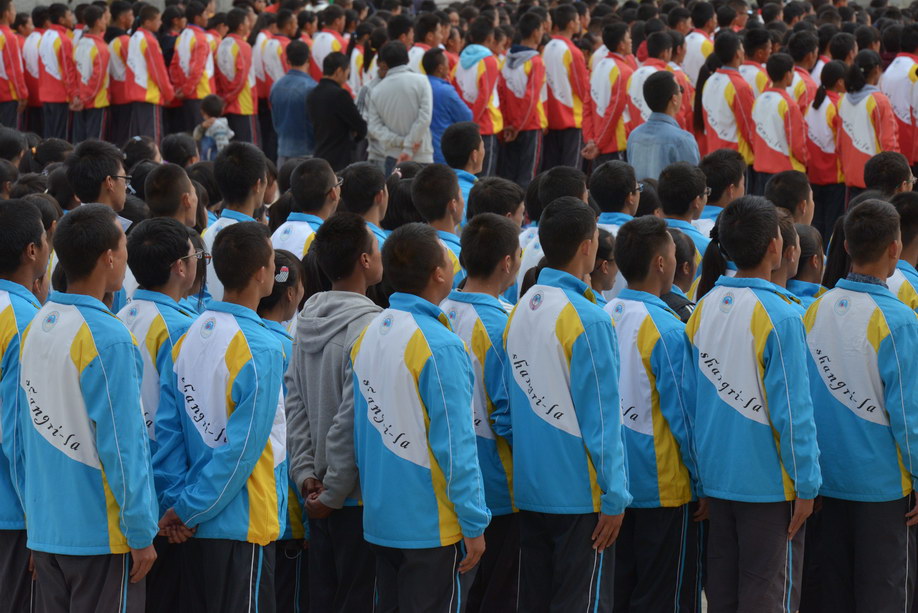
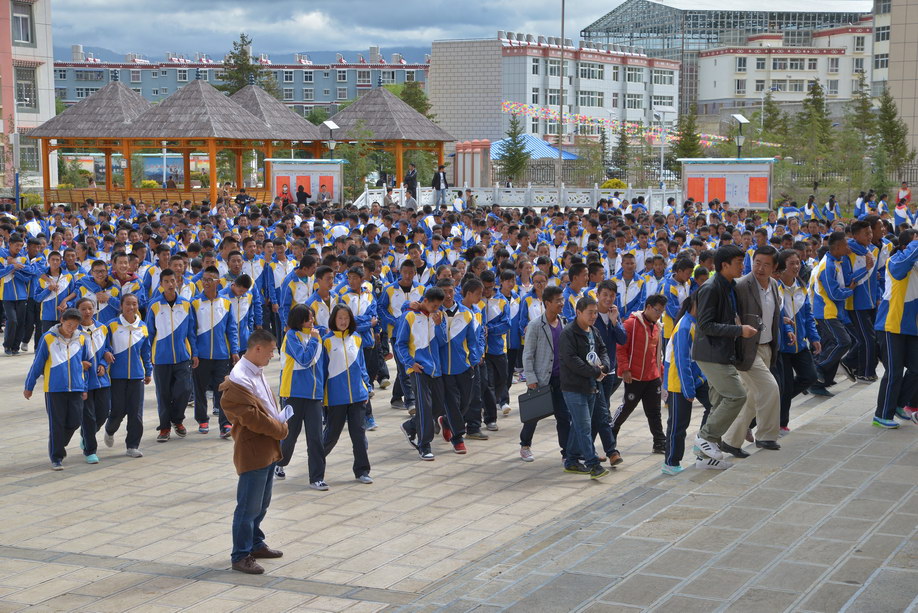
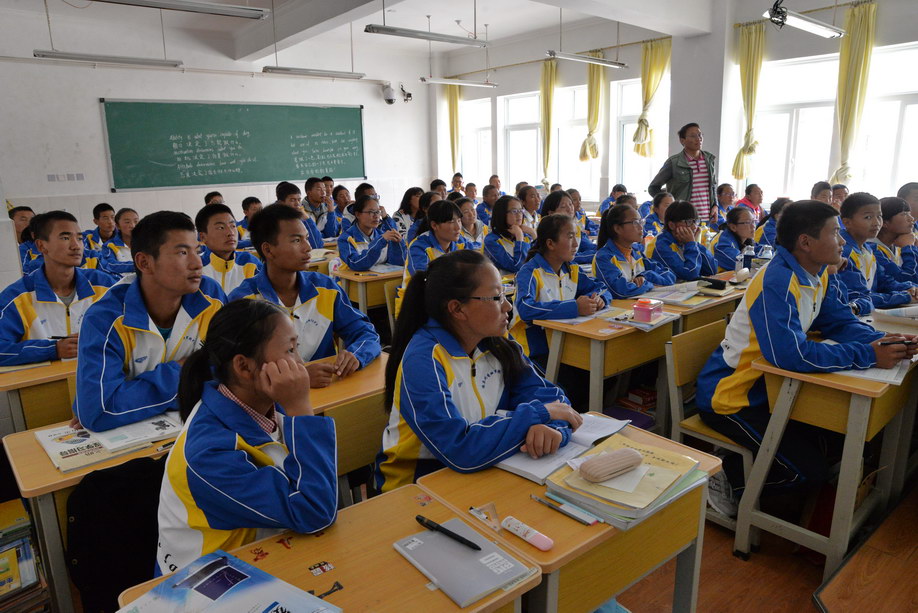
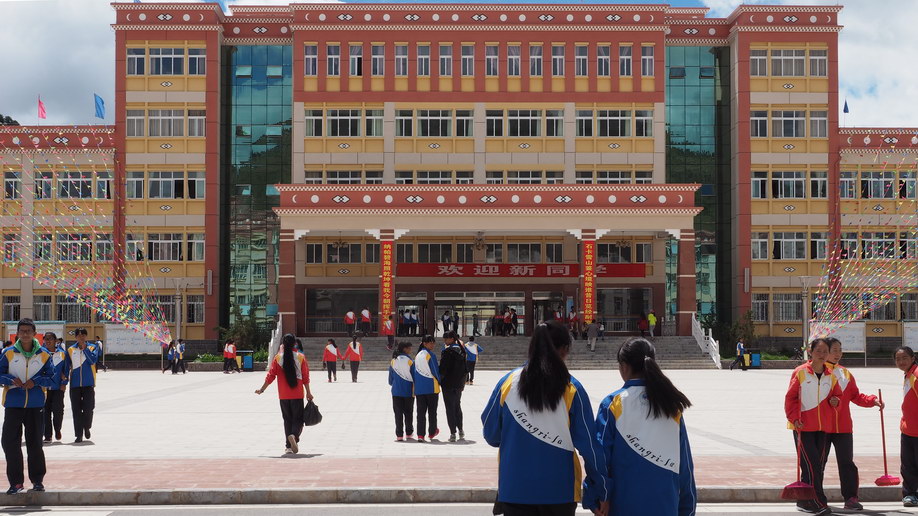
One day Eric invited me to visit his school and give a presentation of my photographs. For a photographer travelling alone, it was an unexpected opportunity to see a part of local life that visitors rarely encounter. We arrived early in the morning, in time to watch the students assemble for a ceremony that reminded me of the flag ceremonies I remembered from my own school years in Turkey. Afterwards, they went to their classrooms.
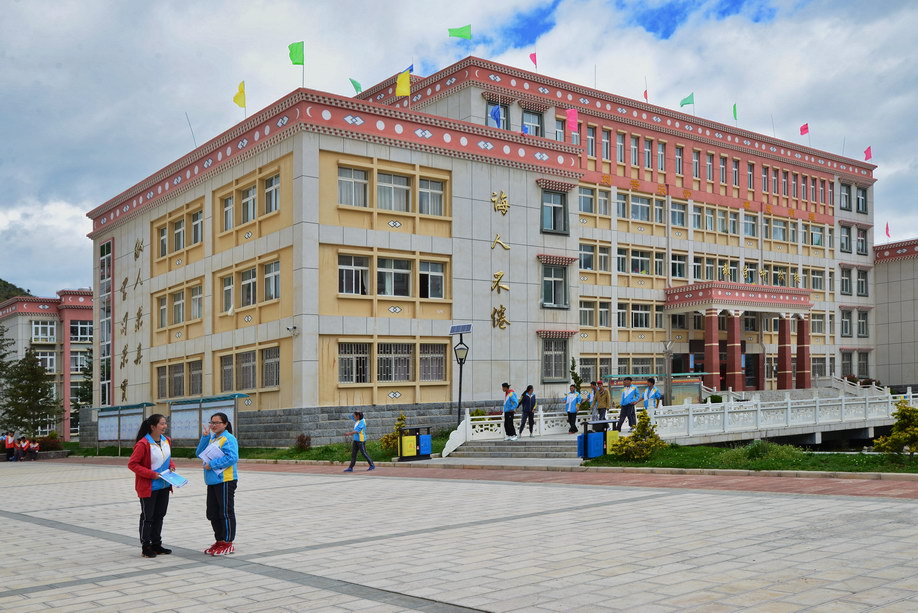
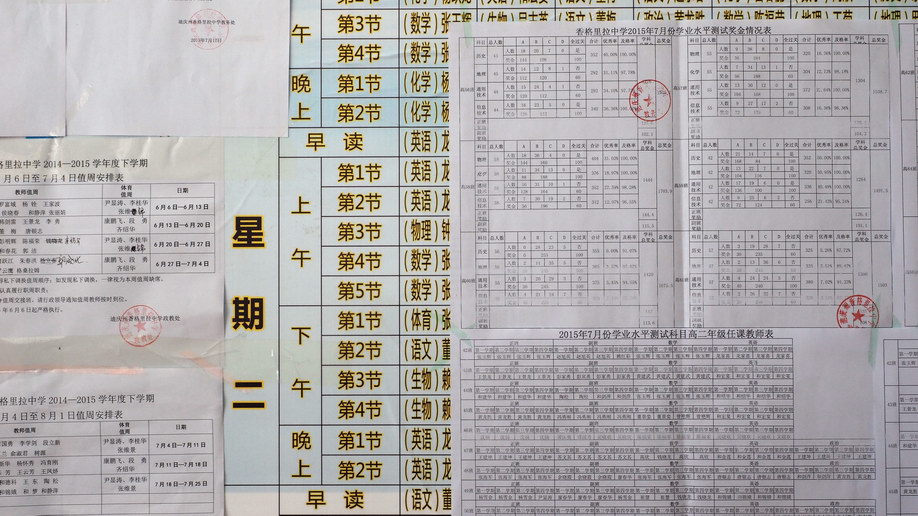
According to the information I was given during my visit, the school accommodated about 2,300 boarding students from Shangri-La and surrounding settlements. The daily programme began at 8:20 in the morning and continued until 9:30 at night, with two hours of free time. I was told that the academic year was divided into two terms, from March to mid-July and from September to mid-January. Teachers also lived in accommodation provided by the school; the rent quoted to me was 1.5 yuan per square metre each month. The scale and rhythm of this boarding-school life were very different from what I had known.
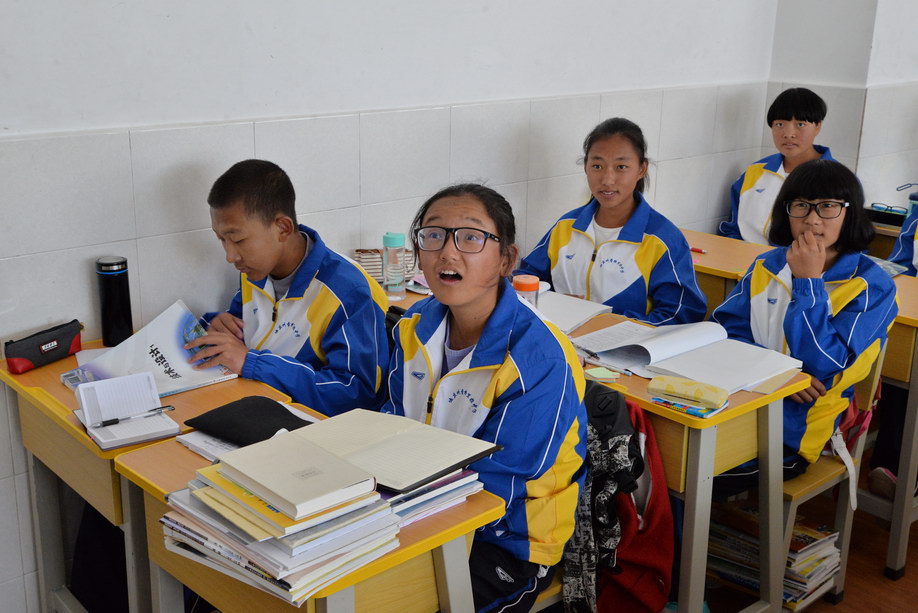
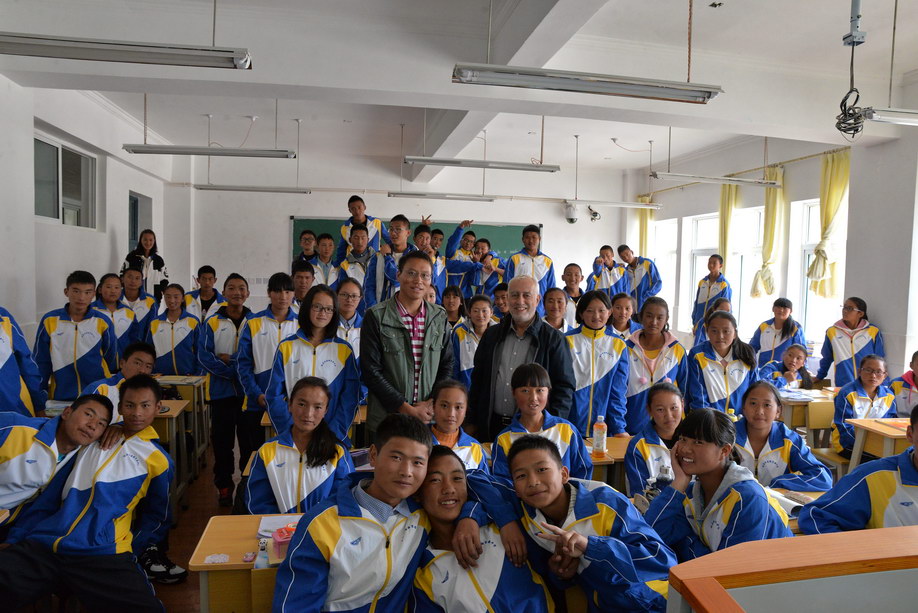
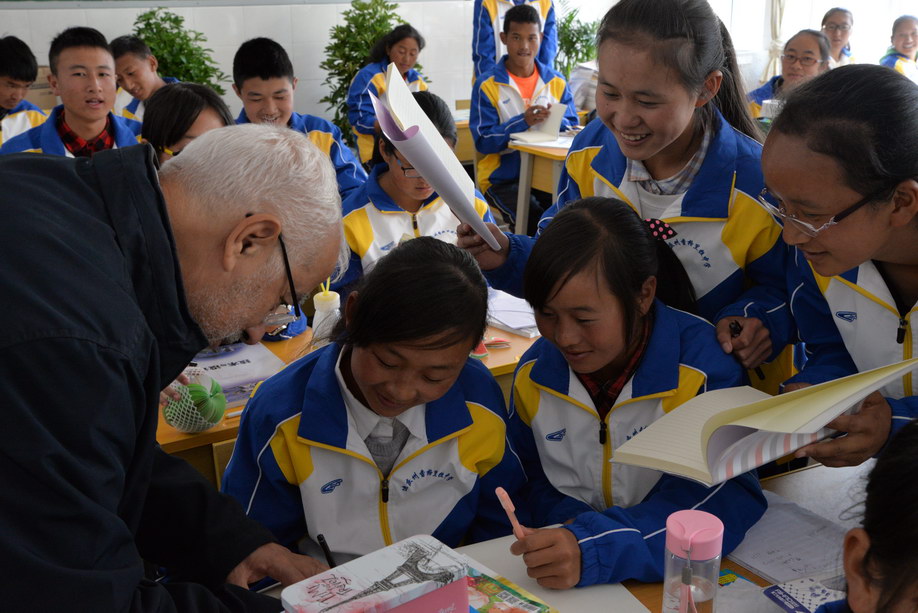
Eric arranged for me to show my photographs during English lessons, so that we would have a language in common. The students followed the images attentively, then began asking questions. Their curiosity was wonderful. They wanted to know not only about the places and people in my photographs, but also about my own life. One student even asked my wife's age. When the sessions ended, several students asked me to sign their notebooks. I had come to share photographs, but the conversations became just as memorable as the images.
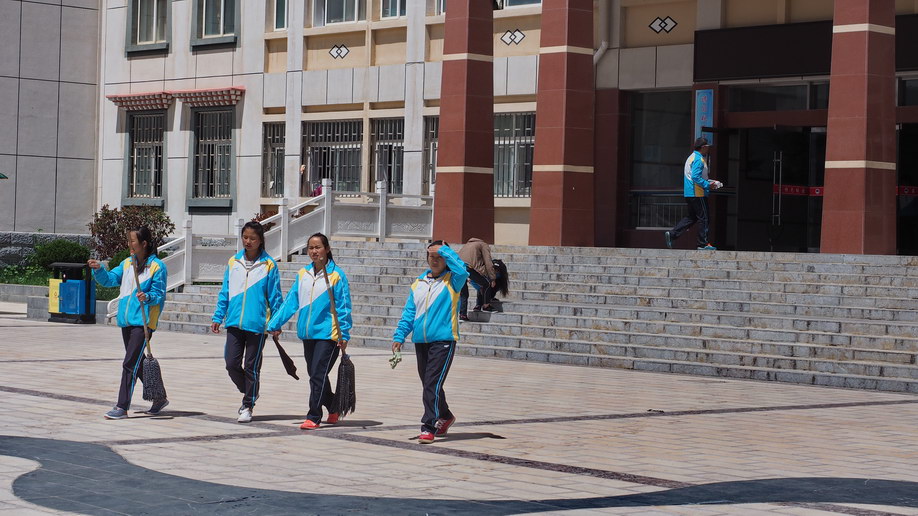
During the lunch break I saw students sweeping the grounds with brooms. Colourful prayer flags were visible around the school buildings, a familiar sight in Tibetan areas. Their presence reminded me that this was not simply another school in China, but an institution situated within the distinctive cultural landscape of Shangri-La. In Tibetan Buddhist tradition, prayer flags carry prayers and auspicious wishes, often associated with well-being and compassion.
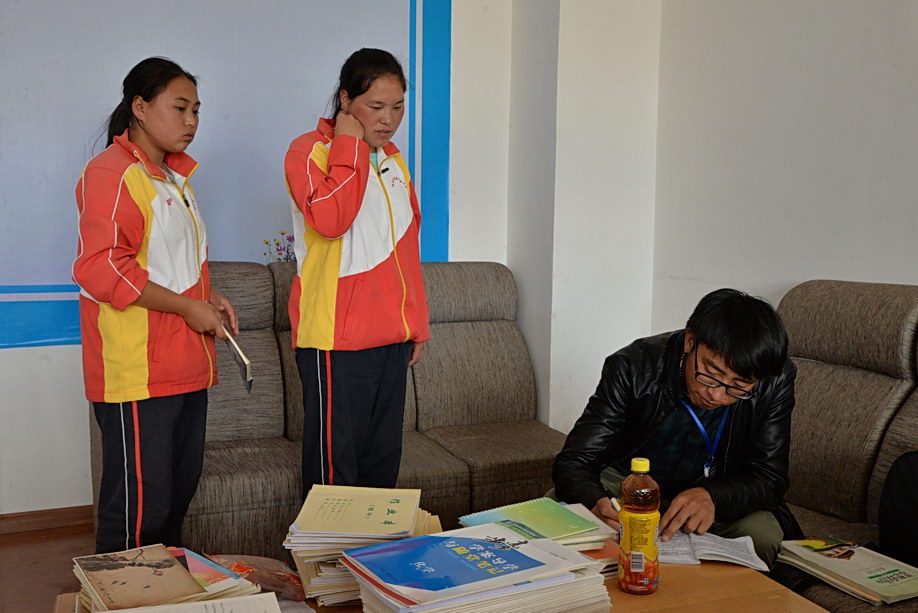
After the presentations, Eric took me to the teachers' room. There I met a young teacher named Wan Xin Mei, who told me she was twenty-five years old. When I asked what subject she taught, she replied, 'Politics.' I was surprised to encounter political education as a middle-school subject. Her answer stayed with me, not because I knew much about the curriculum, but because it challenged my expectations. I photographed her; she appears in photograph 15 of this series.
Looking back, what I remember most is the welcome I received. The morning ceremony, the students' questions, the notebooks held out for signatures, the work taking place during the lunch break and the conversations in the teachers' room all offered glimpses of an ordinary school day. Thanks to Eric's invitation, I was able to photograph an environment I would never have entered as a tourist. This series is my record of that encounter in Shangri-La in September 2015.