
It is impossible to tell the story of Mexico City in six days. I therefore did not intend this page to be a city guide or a comprehensive portrait of Mexico City. I created separate pages for some of the major museums and archaeological sites I visited. Here, I simply wanted to bring together a few images that caught my attention and stayed with me as I walked through the city during those six days. They are, more than anything else, visual notes from Mexico City.
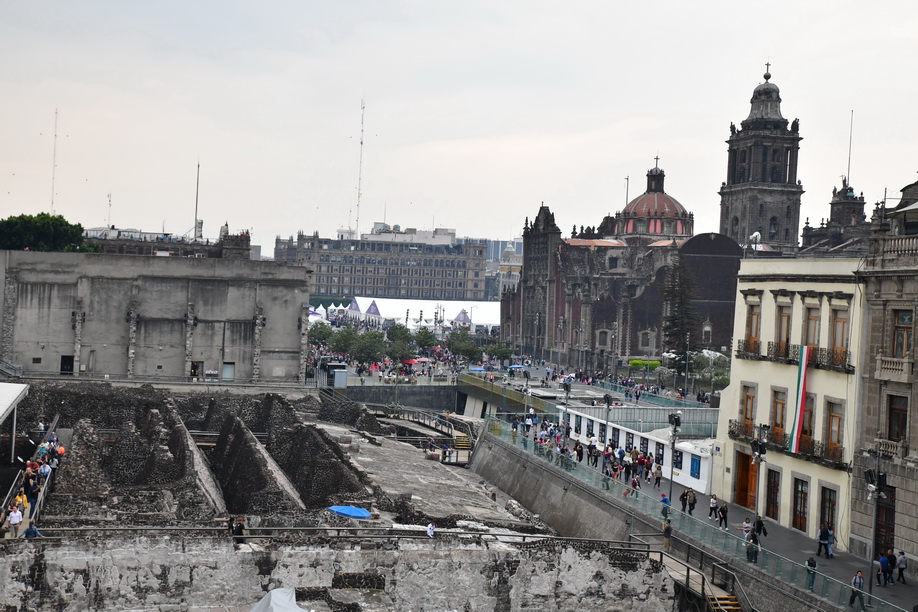
One of the things that impressed me most was how different periods of history constantly emerge through one another. At the Templo Mayor, the successive layers of temples built on top of earlier structures reveal the sacred centre of Tenochtitlan. Immediately behind the ruins rises the Metropolitan Cathedral, built after the Spanish conquest. The cathedral stands beside the former sacred precinct, while stones taken from demolished Mexica structures were also reused in the construction of the new colonial city. Looking at the scene, I see the remains of one civilisation and the new order that followed it within the same frame.
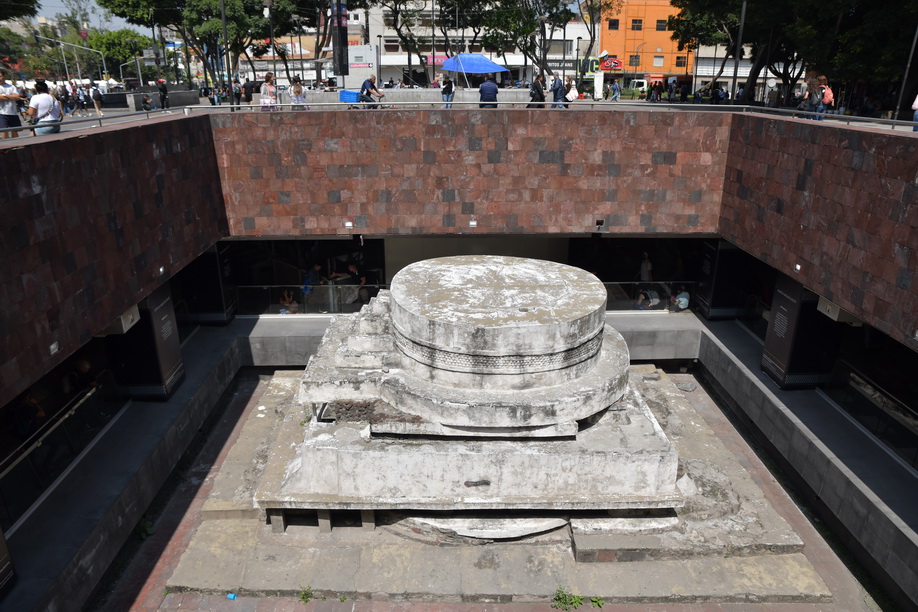
I encountered a similar connection at Pino Suarez Metro Station. During the construction of the Metro, the remains of a temple dedicated to Ehecatl, the god of wind, were discovered, including its cylindrical base. Preserved today inside the metro station, this small archaeological structure reminds us that another city still survives beneath modern Mexico City. In one place, the cathedral rises behind the temples of Tenochtitlan; elsewhere, the remains of an ancient temple appear in the middle of the modern Metro system.
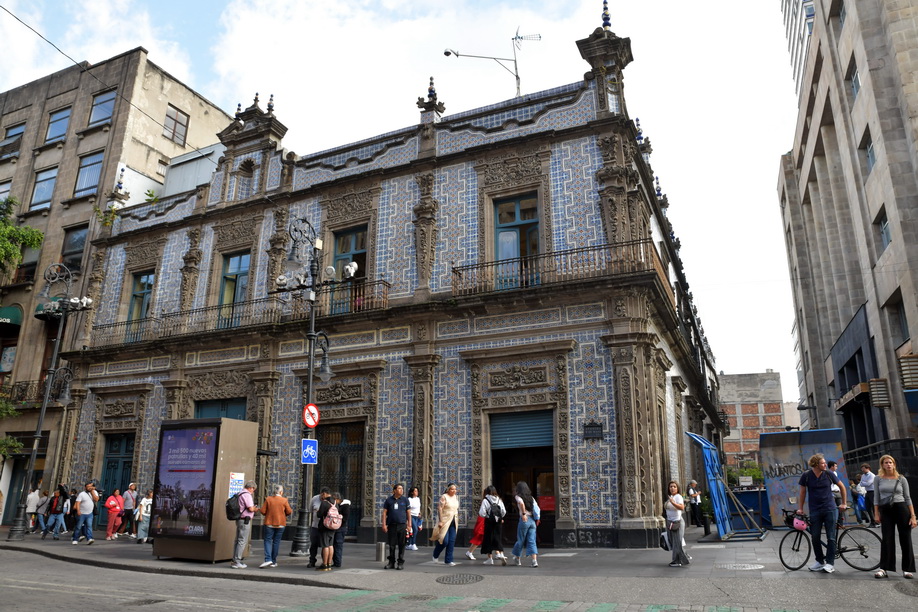
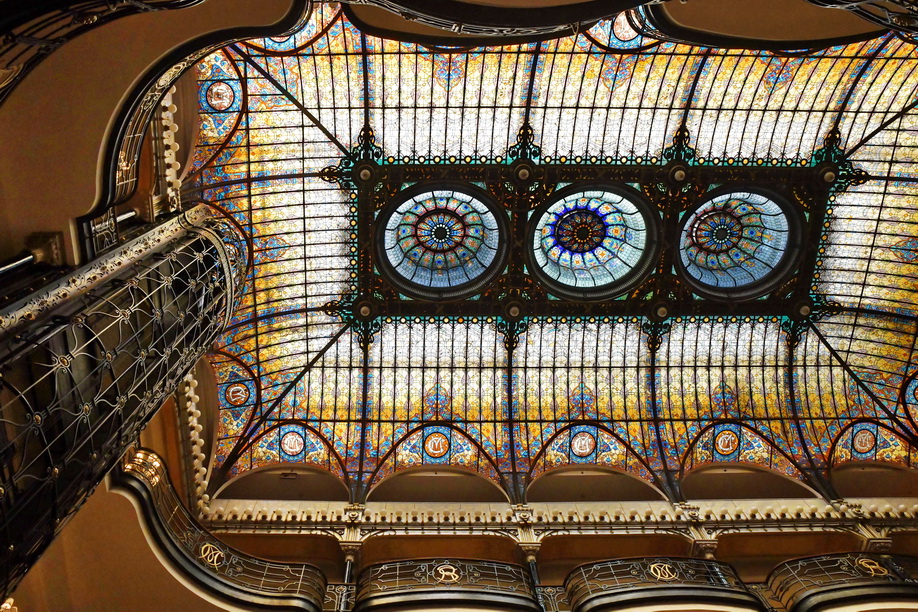
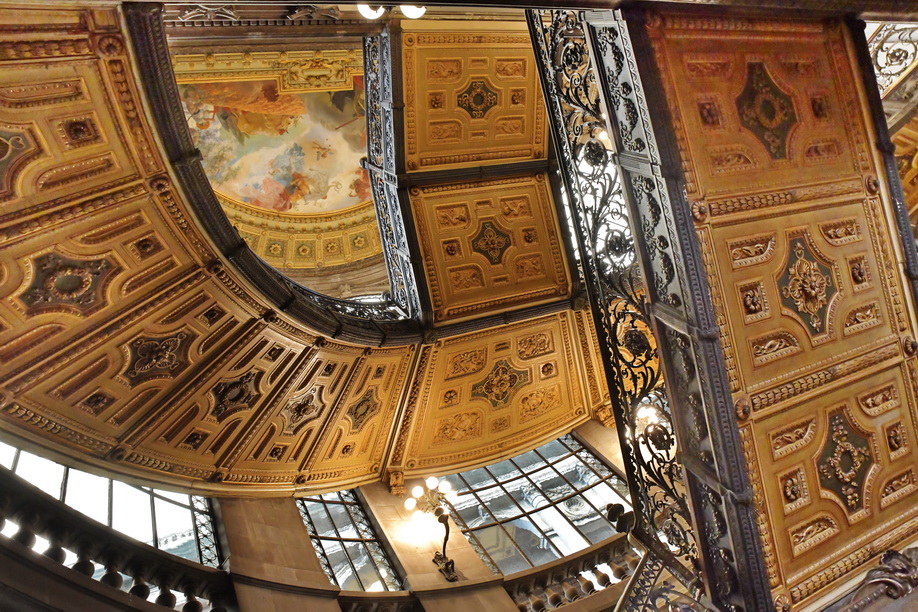
As I continued through the streets, other periods of the city gradually appeared. The tiled facade of Casa de los Azulejos, the facades of old buildings and the magnificent stained-glass ceiling of the Gran Hotel Ciudad de Mexico reveal another side of the city. The architecture around the National Museum of Art carries traces of the monumental urban vision of Mexico City in the late nineteenth and early twentieth centuries. Within a few streets or a few Metro stops, periods separated by hundreds of years can stand side by side.
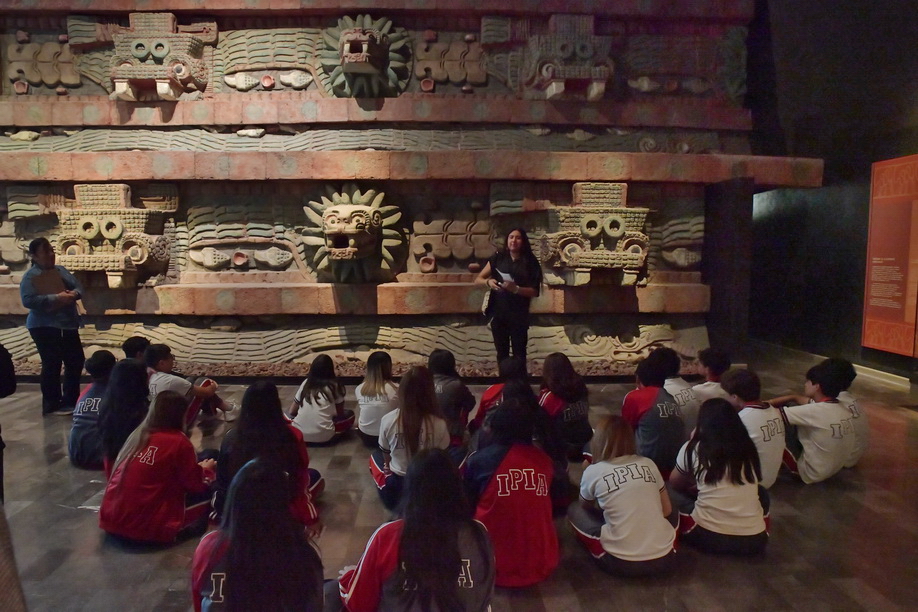
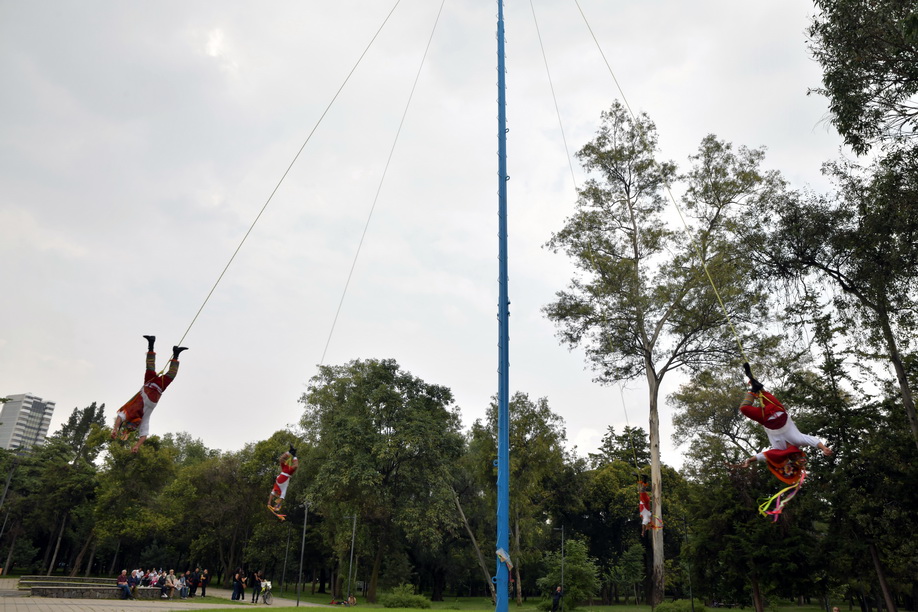
I felt the same relationship between past and present in the museums. At the National Museum of Anthropology, I was particularly struck by a group of students sitting in front of monumental remains from the Mexico world, listening to their teacher. Seeing a new generation learning about its own past in front of these centuries-old objects made the museum feel like much more than simply a place where ancient artefacts are displayed. Another encounter that connected the present with Mexico's ancient past was the Voladores ritual. Watching the performers climb the tall pole and descend slowly towards the ground while circling through the air was more than a colourful street spectacle. The ritual has deep roots in the Indigenous cultures of Mesoamerica and has survived through generations as a living tradition. Seeing it performed in the middle of modern Mexico City was another reminder that the past here does not survive only in archaeological ruins or museum displays; it also continues through rituals, music and collective memory.
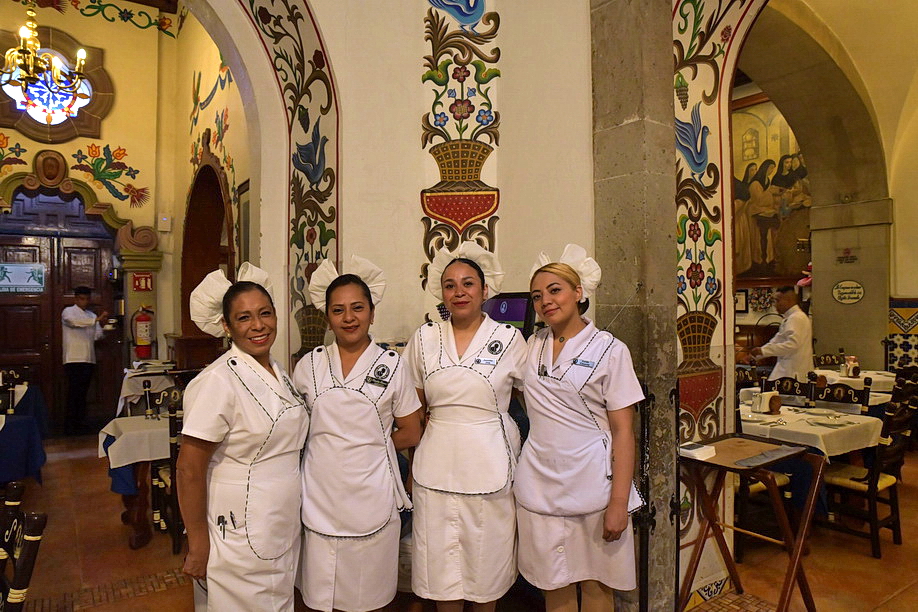
But Mexico City, for me, was not only monuments, archaeological remains and museums. At the end of the day, the women working in a traditional restaurant, its colourful wall decorations, the tables and the ordinary rhythm of daily life also became part of the journey. I wanted to include these smaller encounters among the larger historical narratives, because sometimes what remains in our memory of a city is a magnificent building, and sometimes it is an ordinary encounter lasting only a few minutes.
This page therefore does not claim to tell the story of Mexico City. Six days can only be a beginning in a city this vast, complex and layered. There are neighbourhoods I did not see, buildings I could not enter, museums I would like to visit again, and much that I have yet to photograph. I see this page not as a completed work, but as an open diary that I hope will grow with new photographs and new encounters on future journeys to Mexico City.