
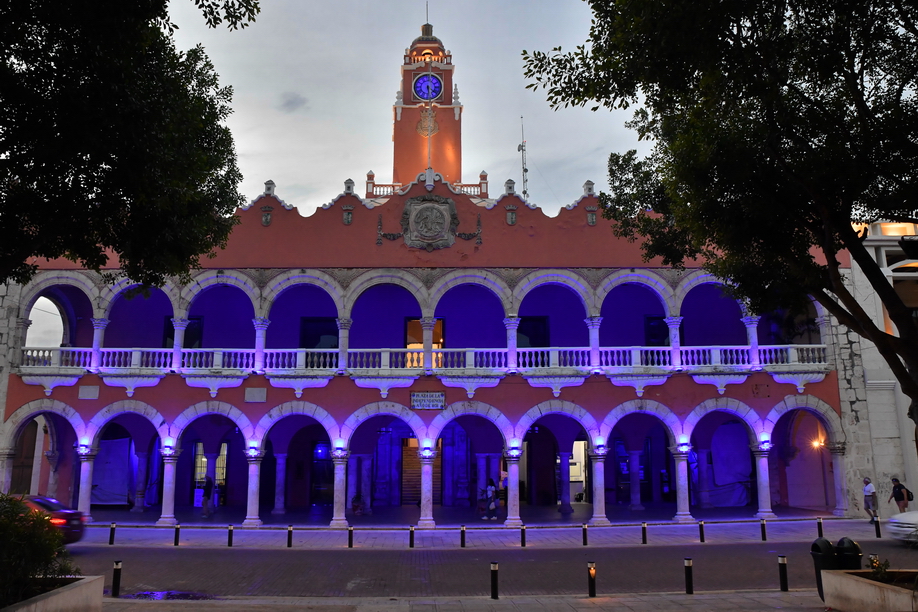
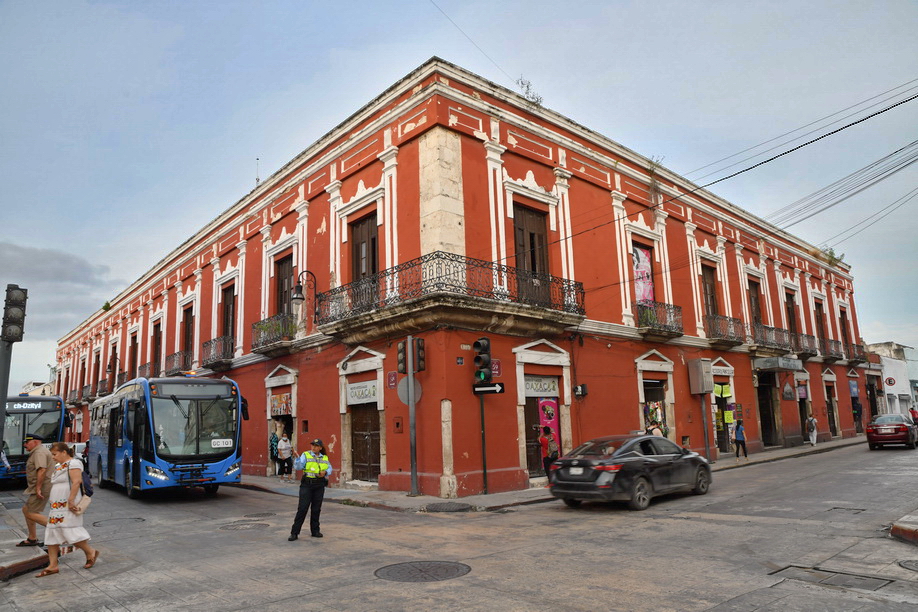
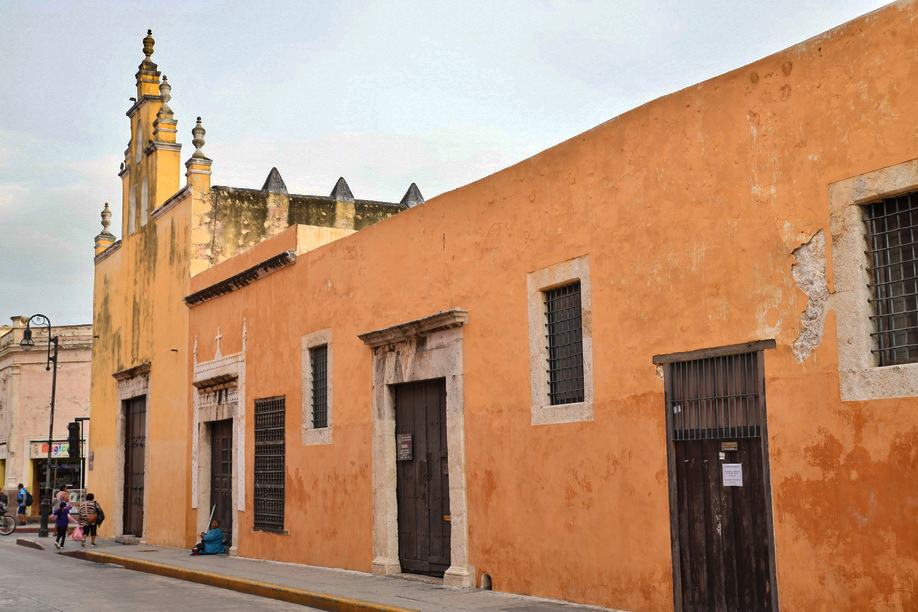
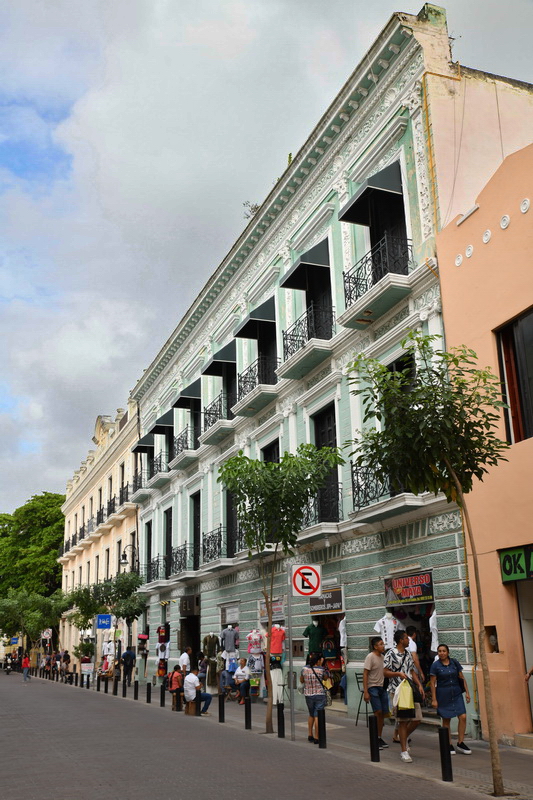
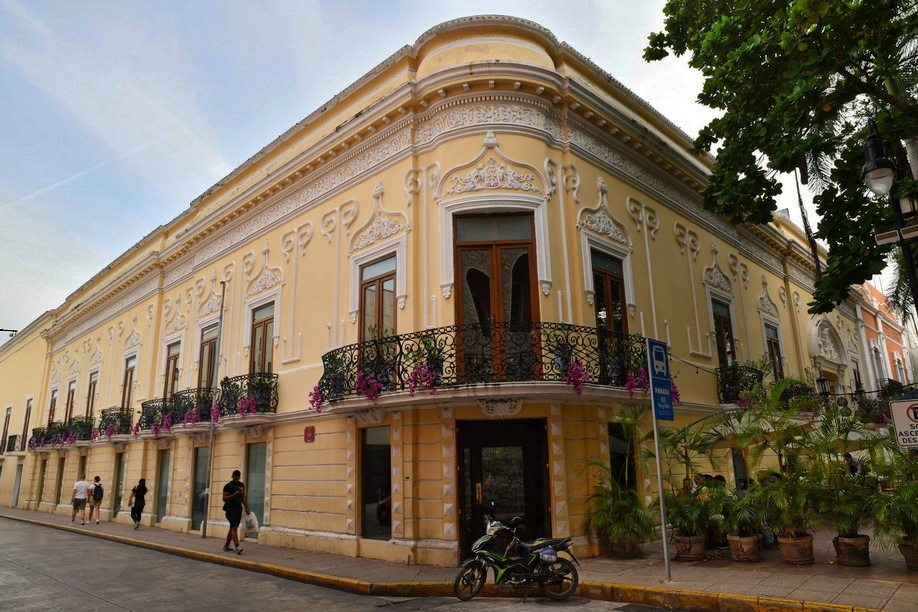
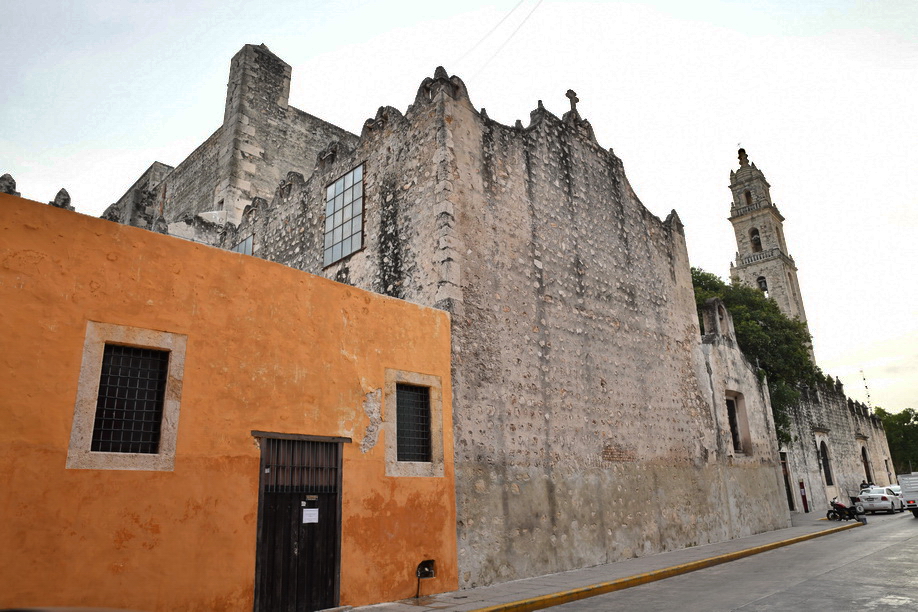
When I arrived in Merida, one of the first things that caught my attention was the colour of the city. Yellows, reds, blues and greens appeared across the facades, giving the streets a distinctive character. Merida, the capital of Yucatan, was founded by the Spanish in 1542 on the site of the Maya city of T'ho. Stones from ancient Maya structures were reused in the construction of the colonial city, reminding us that beneath the Merida we see today lies a much older settlement. In this sense, Merida is not simply a colonial city, but a place where the Maya past and the Spanish period have been layered one upon the other.
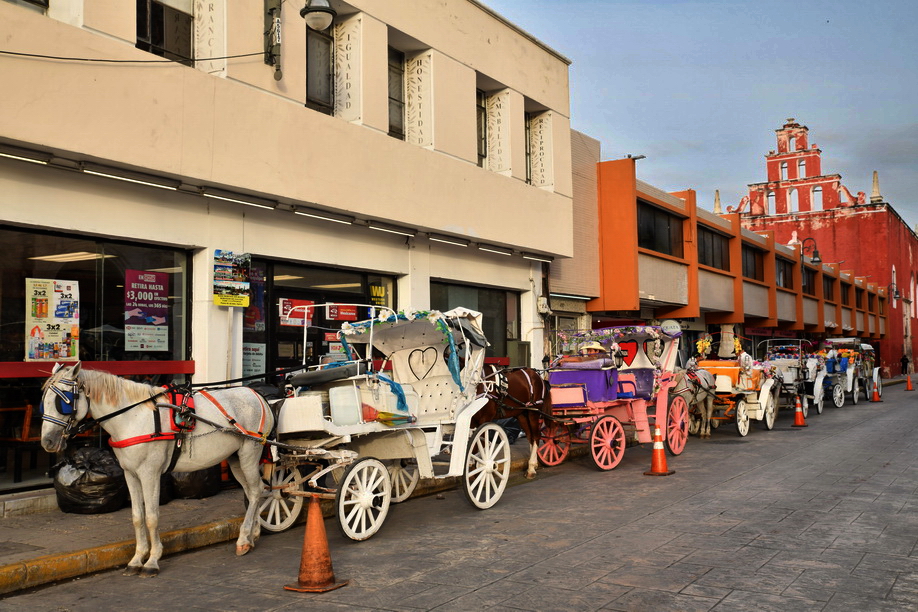
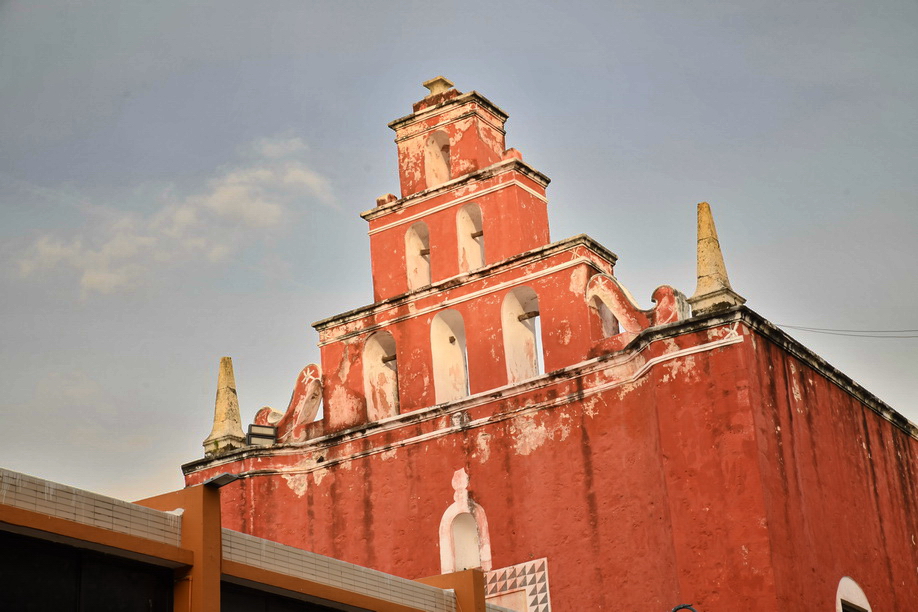
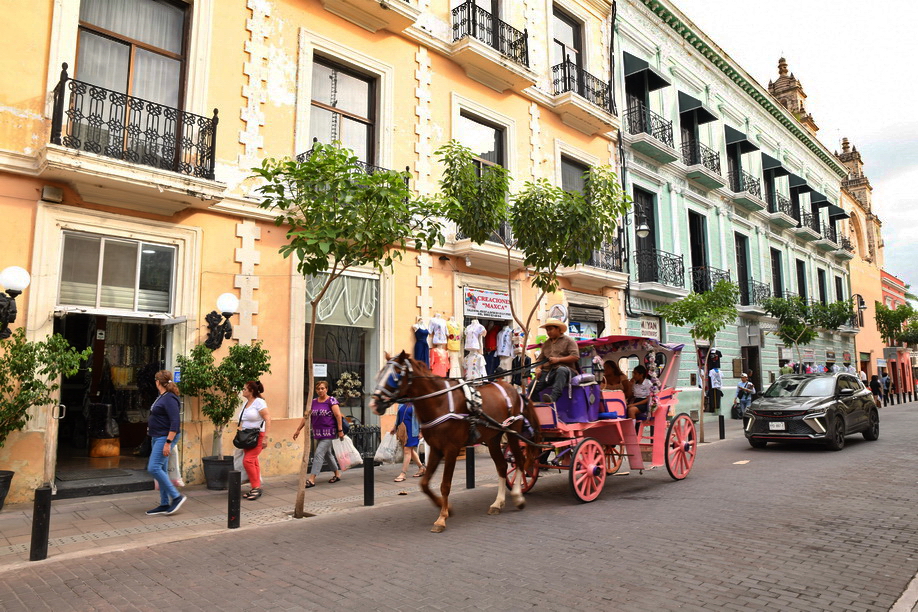
Walking through the historic centre, I could see these different periods particularly clearly in the architecture. Old buildings with thick stone walls, wrought-iron balconies, colourful facades and large wooden doors line the streets. Some have been carefully restored, while others still carry the marks left by time. Traditional horse-drawn carriages moving among cars and buses add another layer to this mixture of past and present. While photographing the city, it was often these encounters that interested me most.
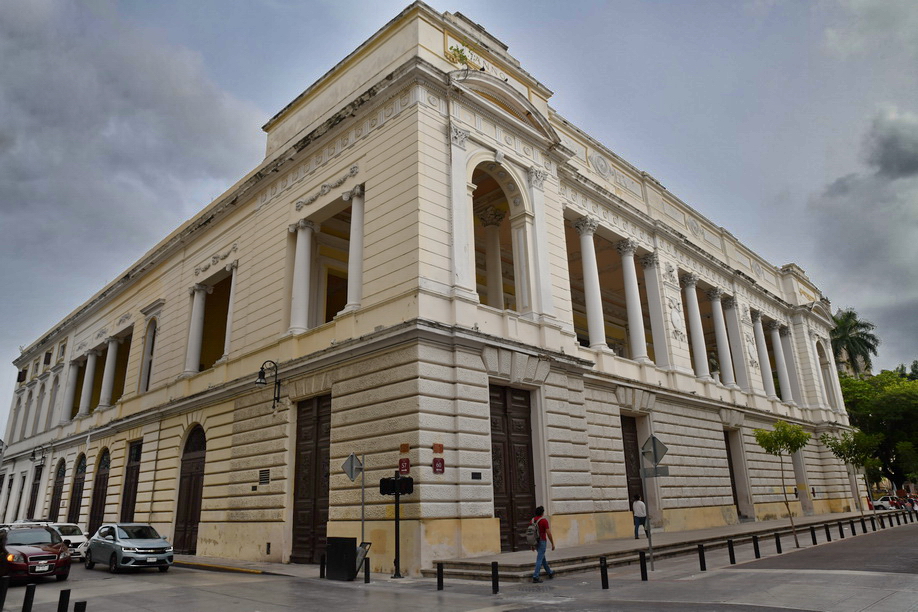
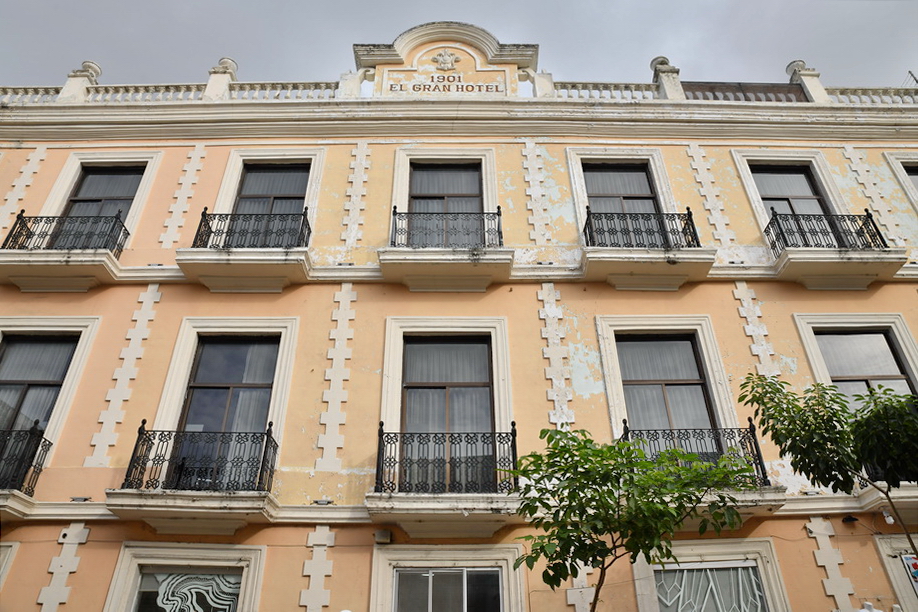
The appearance of Merida was not shaped by the colonial period alone. During the late 19th and early 20th centuries, the wealth generated by Yucatan's henequen industry transformed the city. Neoclassical buildings, elaborate facades, wrought-iron balconies and large residences still reflect the prosperity of that period. Buildings such as the Gran Hotel de Merida, dating from 1901, preserve something of the more elegant and cosmopolitan character the city acquired at that time.
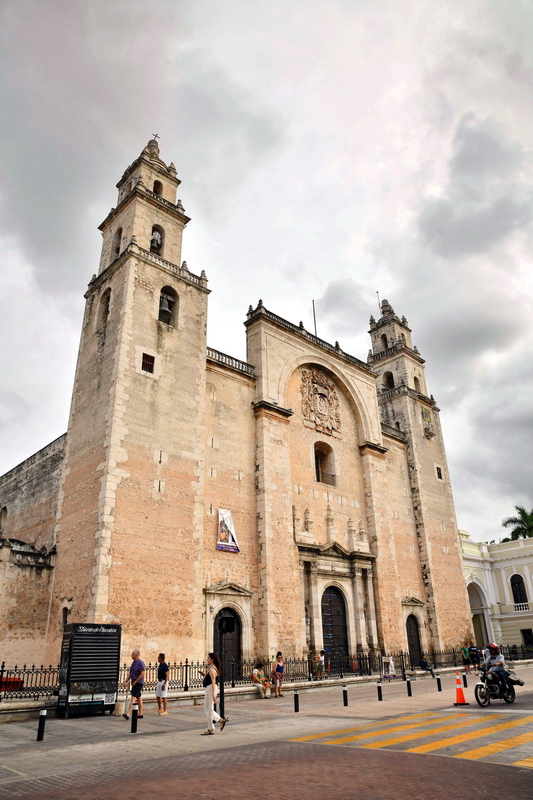
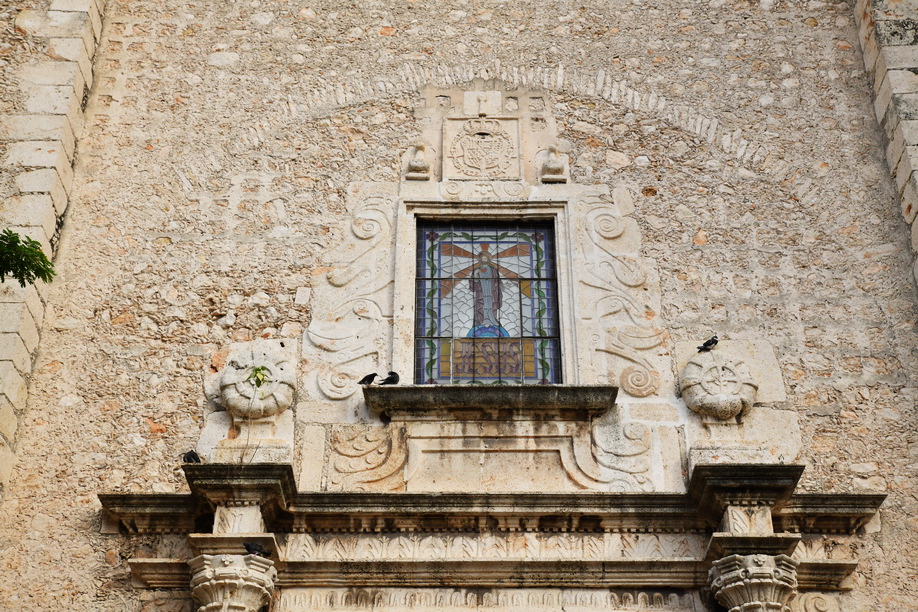
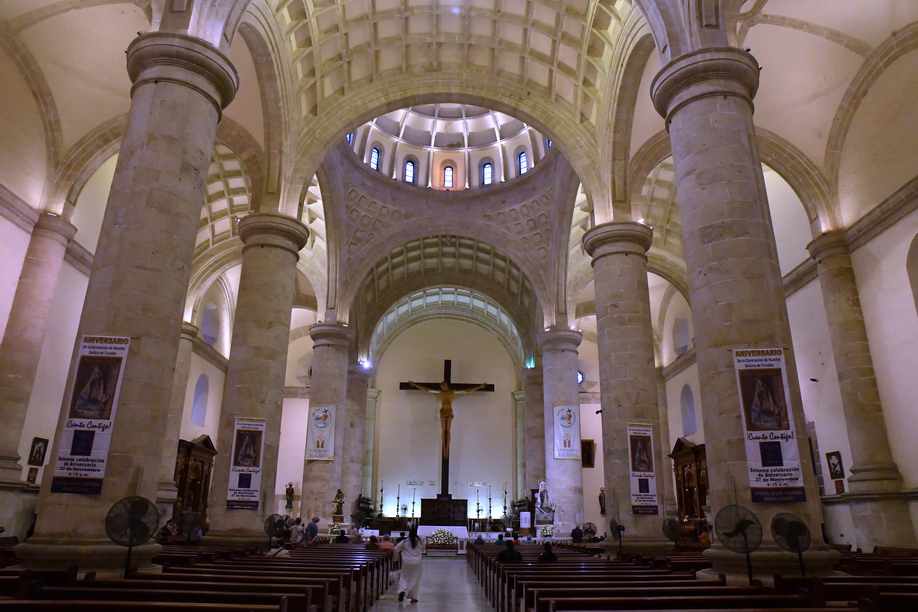
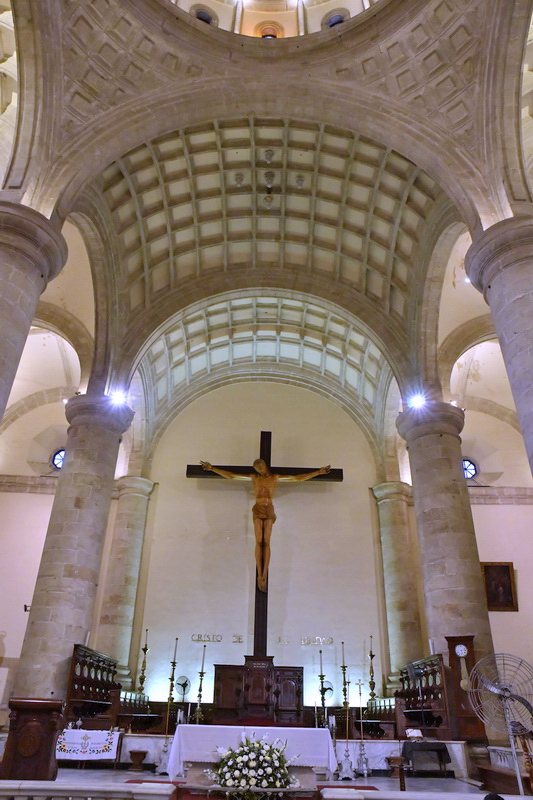
One of the most impressive buildings in the historic centre is undoubtedly the Cathedral of San Ildefonso. Built in the 16th century, it is one of the oldest cathedrals in the Americas. From the outside, its massive stone facade has an almost fortress-like appearance, and the same sense of monumentality continues inside. Heavy columns, broad arches and high vaulted ceilings give the interior its character, with the architecture itself taking precedence over elaborate decoration. At the far end of the nave, the large Cristo de la Unidad forms a powerful focal point within this relatively austere space.
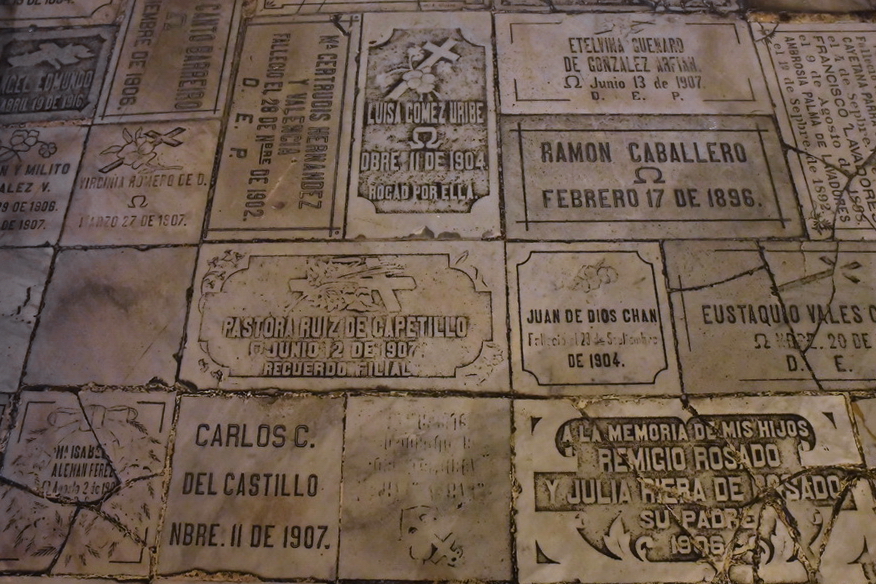
Inside the cathedral, however, I was interested not only in the monumental architecture but also in the smaller details. Among these were the old memorial and burial stones set into the floor. Names, dates, crosses and inscriptions, some worn by time and countless footsteps, remain visible beneath the feet of today's visitors. Looking at them, I found the contrast striking: above me rose the enormous arches and vaults of the cathedral, while below were the names of individual people who had lived and died centuries ago. They reminded me that this building had not only been a place of worship, but also a witness to generations of human lives.
As I continued walking through Merida, I increasingly felt that the city did not belong to any single period. Its Maya past, the Spanish colonial era, Catholic churches, the prosperity of the 19th century and the busy life of the present all coexist within the same streets. Only a few steps from an old church, there may be shops, buses, cars and horse-drawn carriages. History here does not seem to have been separated from everyday life and placed entirely behind museum walls.
Looking at my photographs afterwards, this is what I remember most clearly about Merida. At first sight, it is a beautiful city of colourful facades and imposing historic buildings. But when I looked more carefully, traces of different periods began to emerge beneath those surfaces. For me, this was what made Merida particularly interesting: a city where the past has not disappeared, but has changed and continued to live within the present.
Mérida was founded by the Spanish in 1542 on the site of the Maya city of T'hó. The city's colonial buildings therefore stand within a much older cultural landscape. In the nineteenth century, the region's henequen trade brought wealth to some families and profoundly shaped urban architecture, while Indigenous Maya communities continued to sustain their language, crafts and traditions. These overlapping histories help explain why Mérida cannot be understood through its colonial façades alone.