
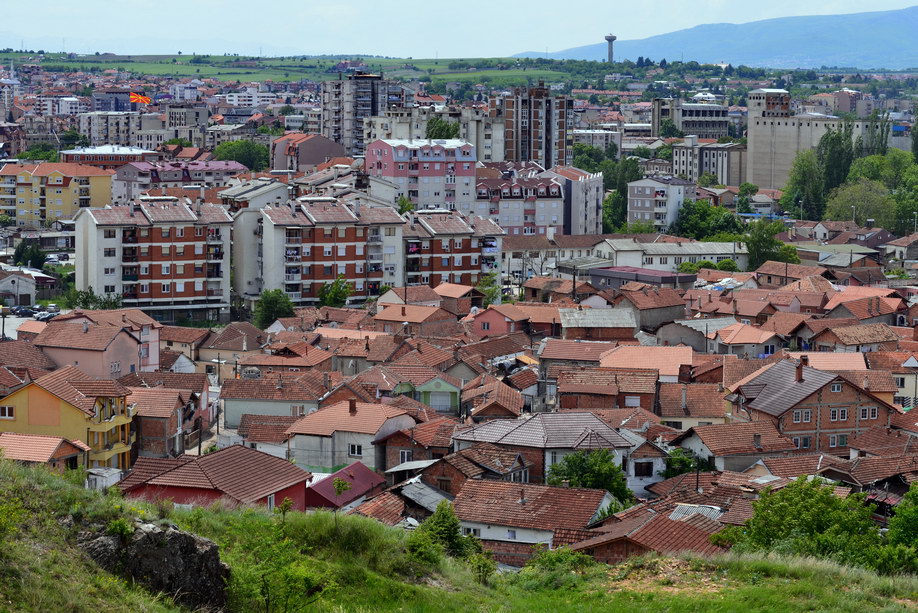
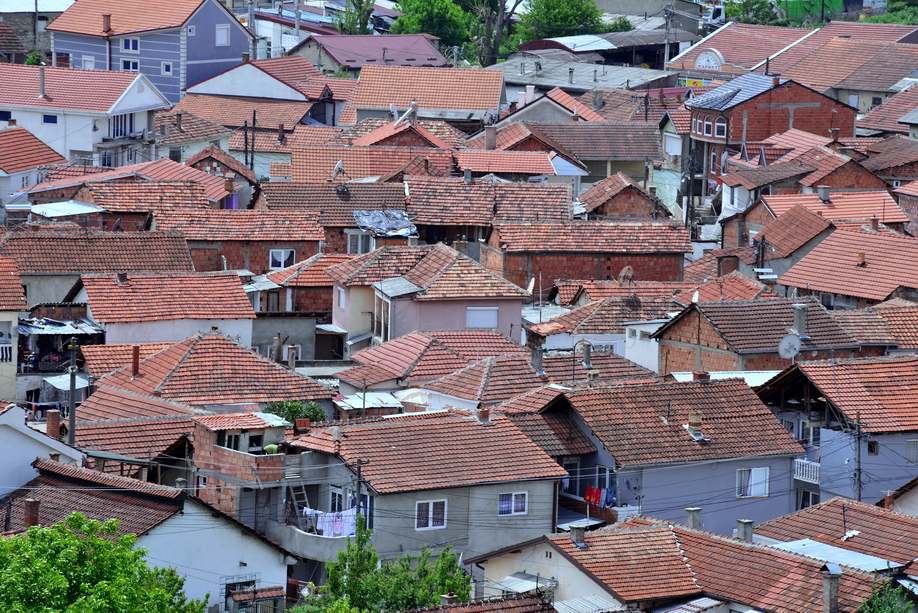


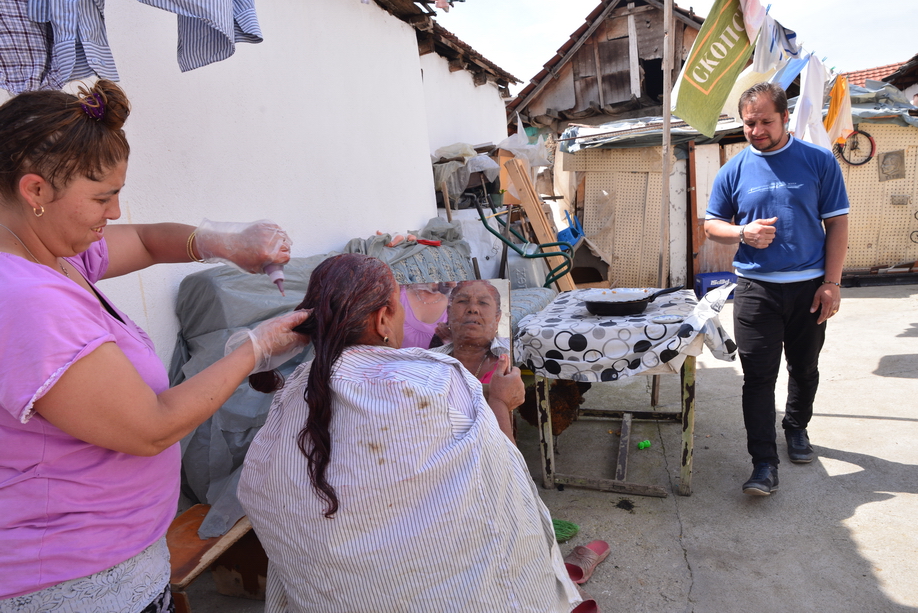
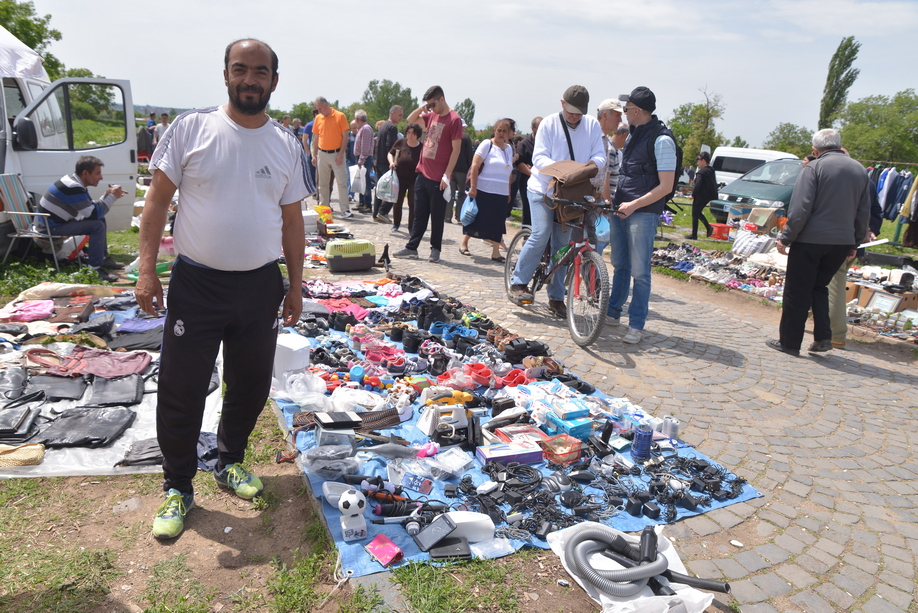
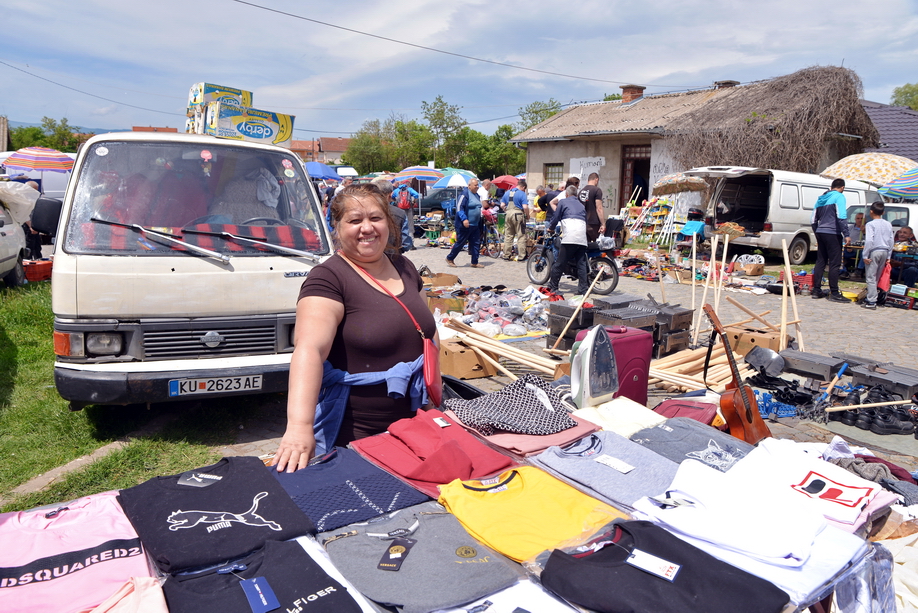
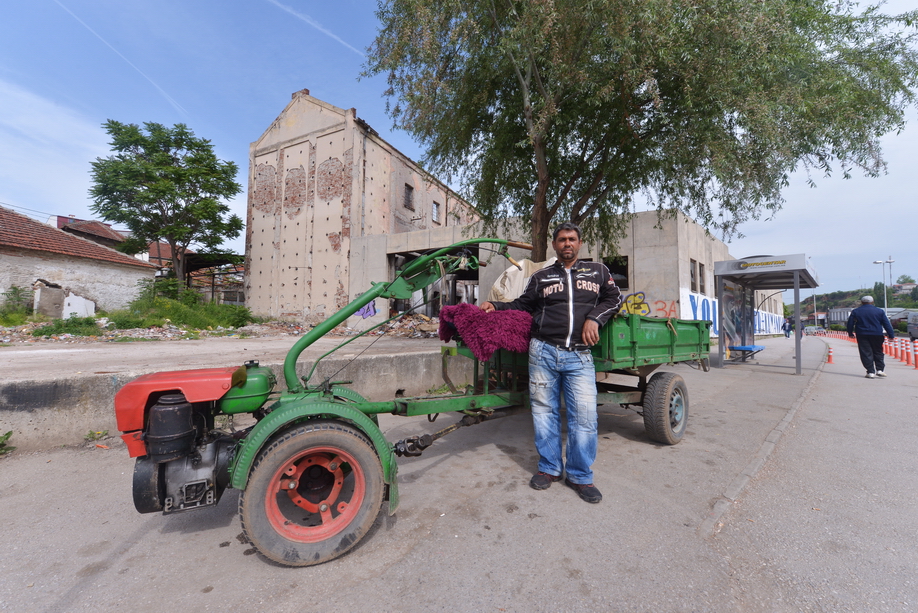
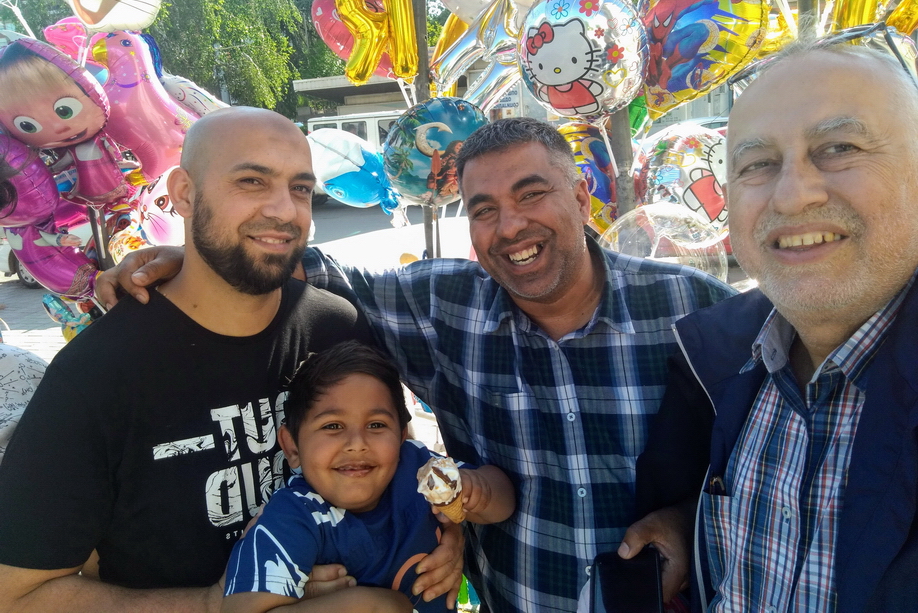
In May 2019, Kumanovo was the first stop on my journey through North Macedonia for my ongoing photographic work on Roma communities. This was primarily a reconnaissance trip: I wanted to meet people, learn about local conditions and establish contacts before returning for a more extensive documentary project. With the help of friends, I visited second-hand markets and the Roma neighbourhood of Bavči (Bavci). Rather than trying to cover the entire city in a short visit, I concentrated on what I could observe and on the conversations that might make a later journey possible.
Kumanovo lies in the northeastern part of North Macedonia, close to important routes linking the Balkans. Its Roma population is not confined to a single neighbourhood. Research on housing and social conditions identifies settlements including Sredorek, Bavči, Baraki and Stari Lozja–Živkova Karpa. These different communities have their own histories and circumstances; treating them as one uniform district would conceal that diversity. Housing studies have also documented difficulties involving infrastructure, employment and access to secure housing in some of these settlements. These are important dimensions of everyday life, although a short photographic visit cannot by itself describe every family's experience.
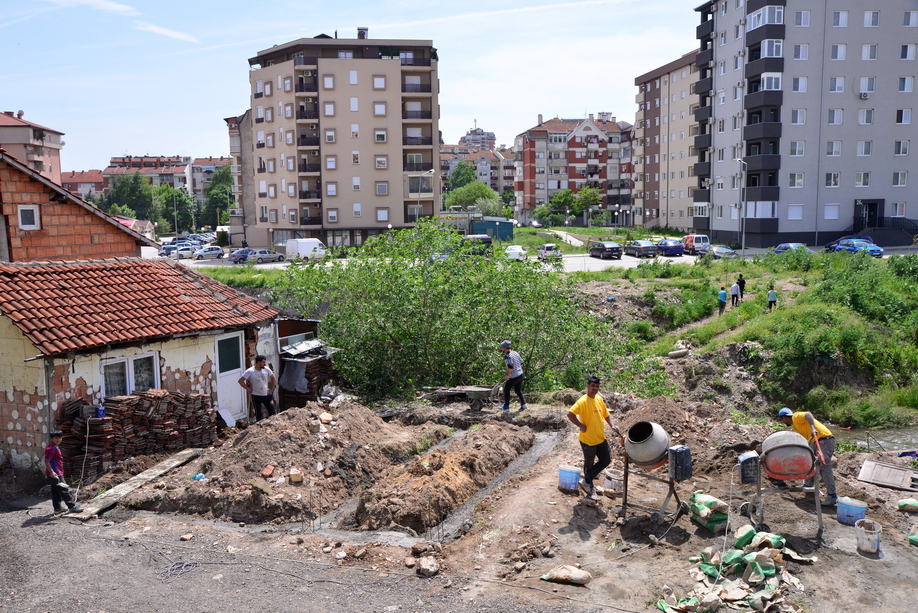
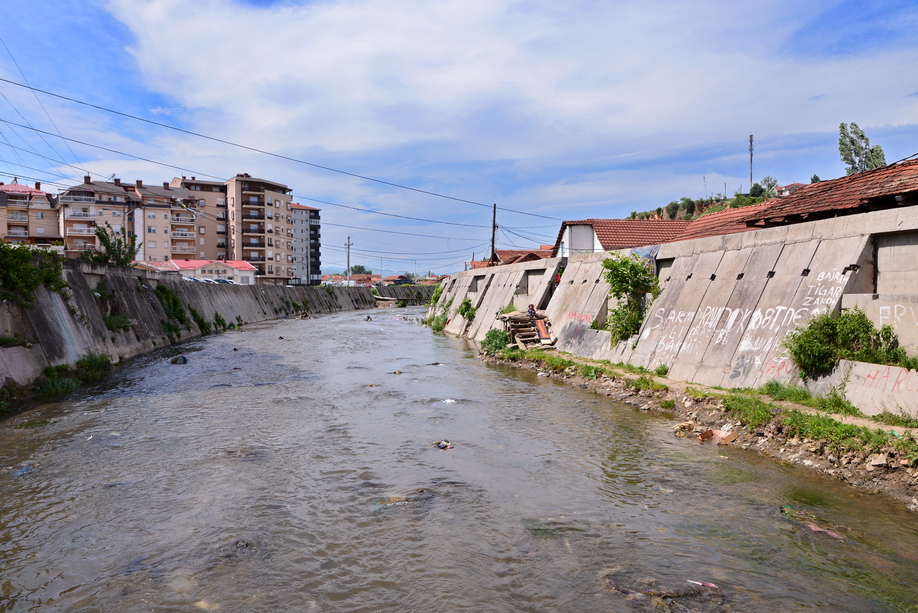
One of my strongest impressions was the stream running through Kumanovo. In the area we visited, it appeared to mark a boundary between neighbourhoods inhabited predominantly by Roma and those on the opposite bank. The physical separation prompted me to think about less visible social divisions. A watercourse does not explain a city's complex relationships on its own, but its place in the urban landscape can become an especially telling image when viewed through a documentary photographer's lens.
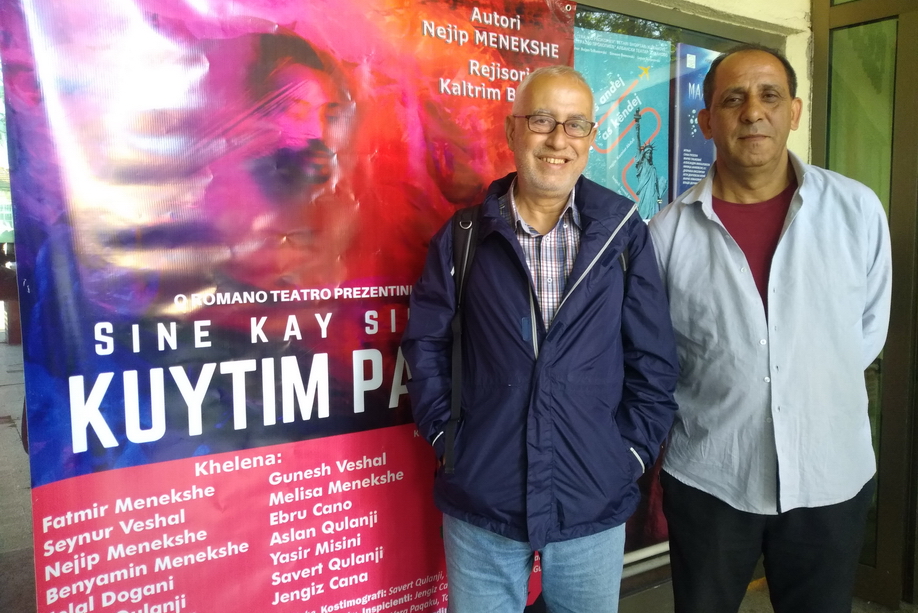
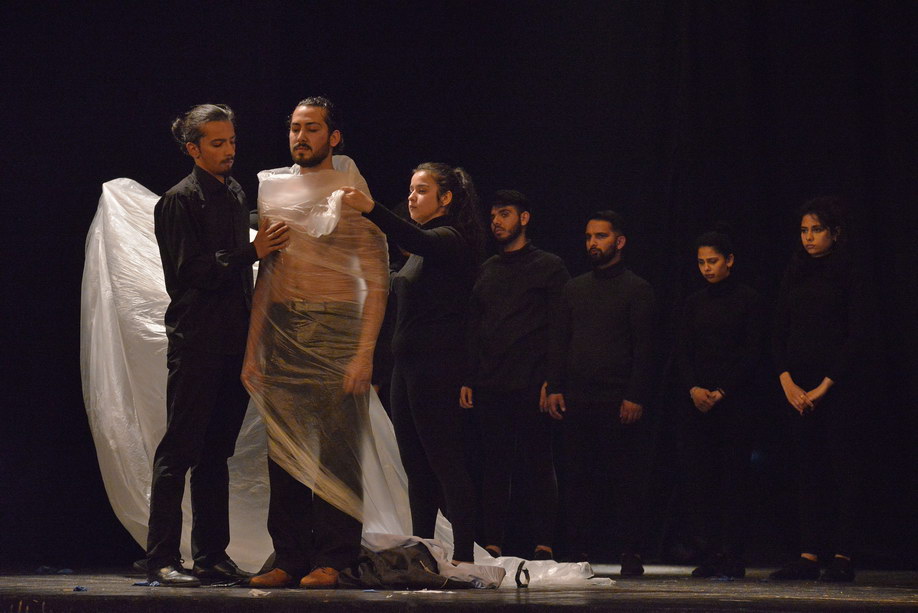
That evening I was invited to a theatre performance by a group from Prizren, devoted to Roma culture. I met the director, Necip Menekşe, and Daniel, an ethnologist from Skopje. For me, these encounters were as significant as the photographs. Documentary work grows through trust and conversation, and a visit that begins with a street or a market can lead to a wider network of artists, researchers and local collaborators. We later discussed possibilities for future work in Skopje and Prizren.
Looking back, I regard these Kumanovo photographs as the opening pages of a journey rather than a completed portrait of a community. They record places and encounters from a limited period in May 2019, while the conversations behind them point to stories still to be explored. I have always believed that photographing a community requires more than observing its outward appearance; it also means recognising its cultural expression, its social circumstances and the people willing to share their experiences.