
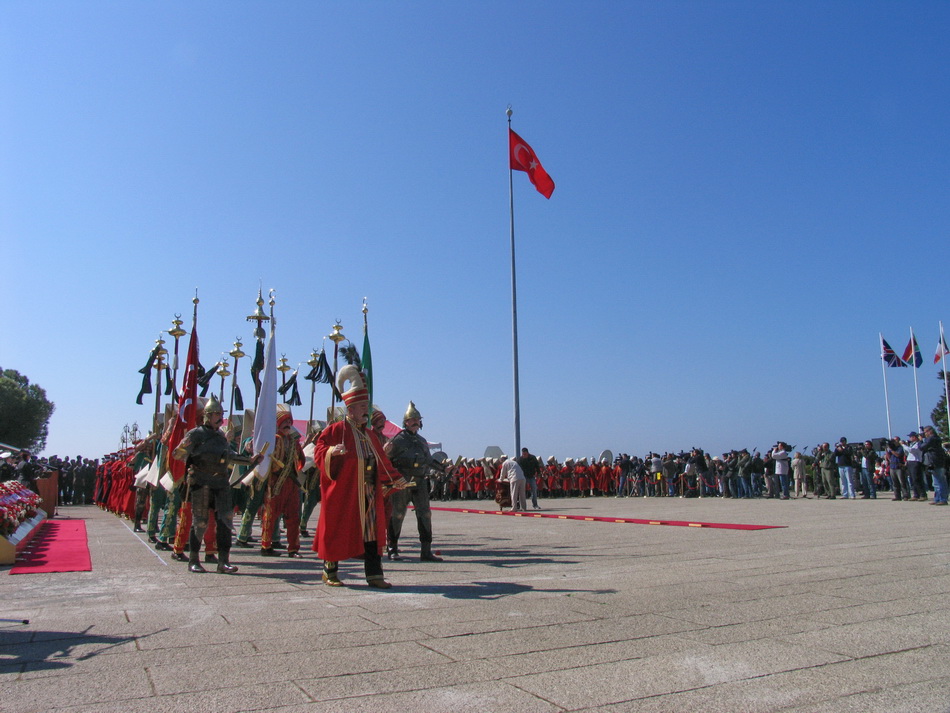
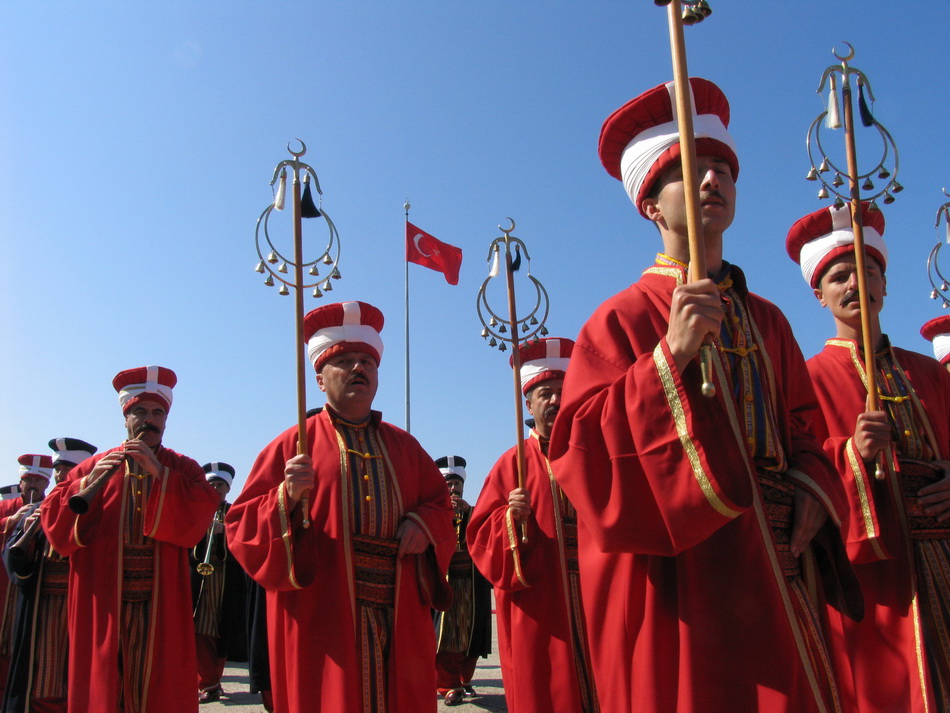
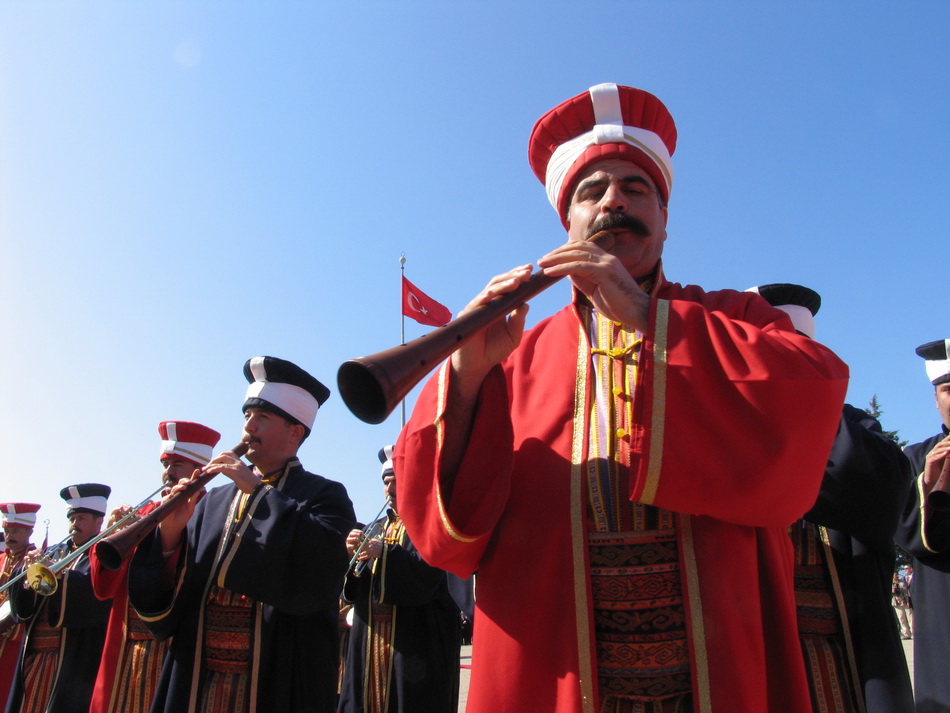
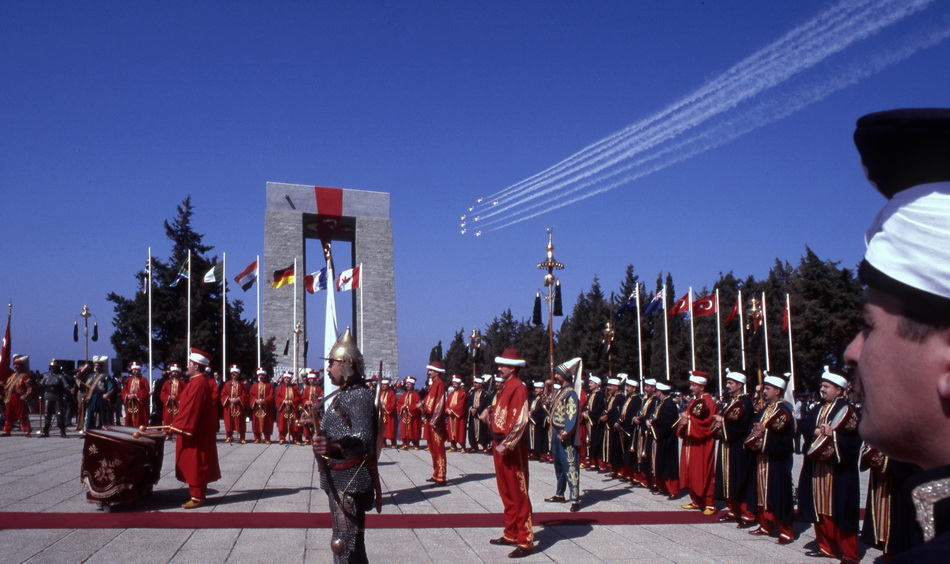
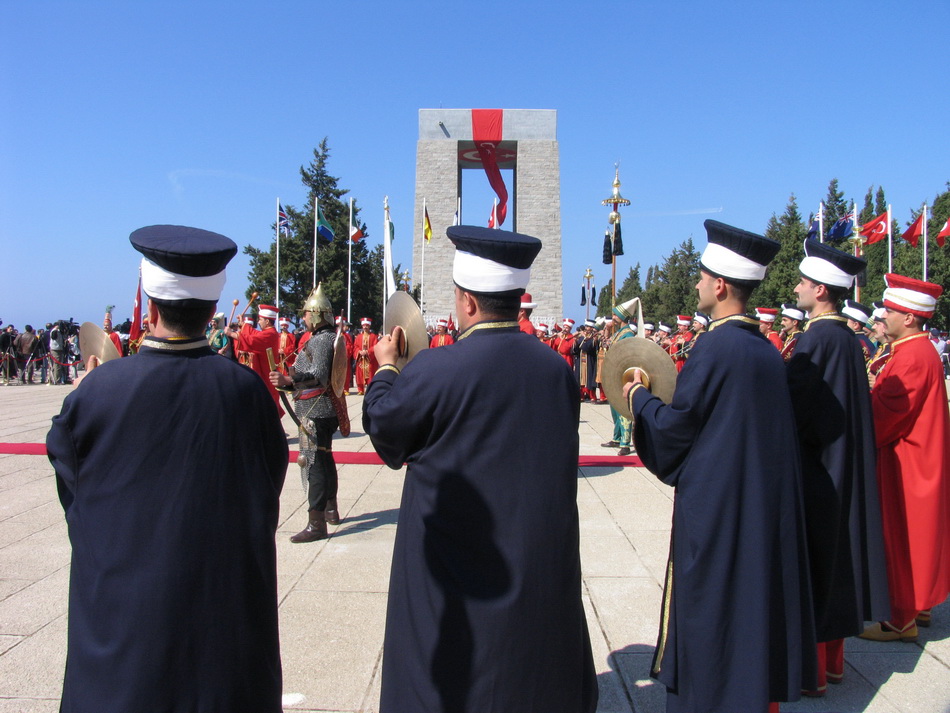
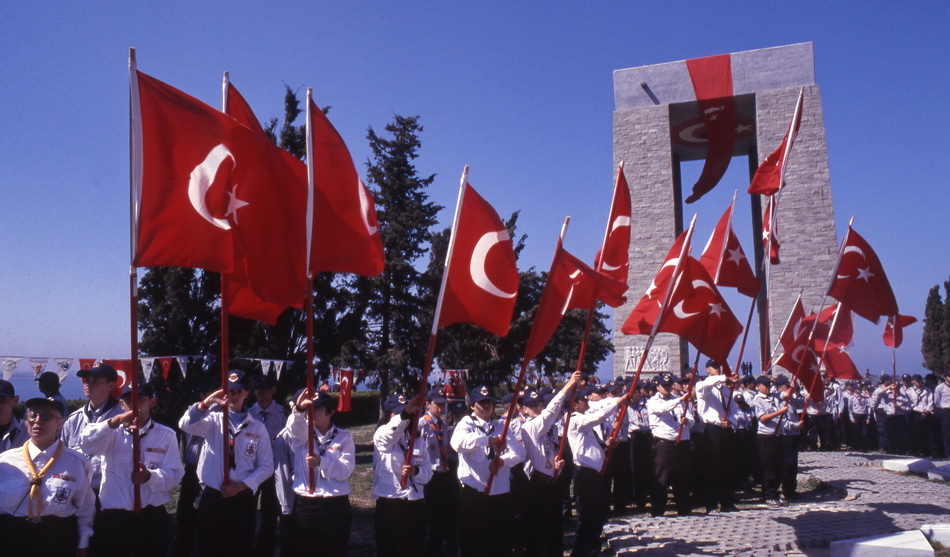
On 25 April 2005, I was on the Gallipoli Peninsula to photograph the ceremonies marking the 90th anniversary of the Gallipoli campaign. Ninety years after the fighting of 1915, people from many countries had gathered on ground that had witnessed immense losses. Turkish military units, performances by the Ottoman military band, aircraft flying overhead and crowds watching with flags in their hands were among the striking scenes of the day. Yet my purpose was not simply to document the official ceremonies. I also wanted to photograph the memorials, cemeteries and the relationships visitors formed with these places.
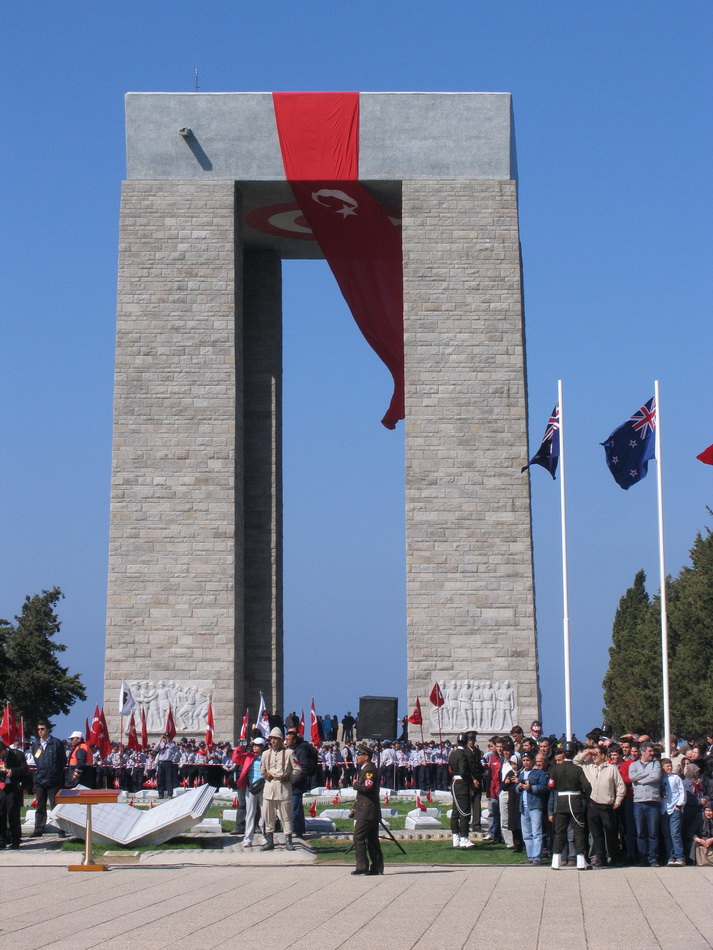
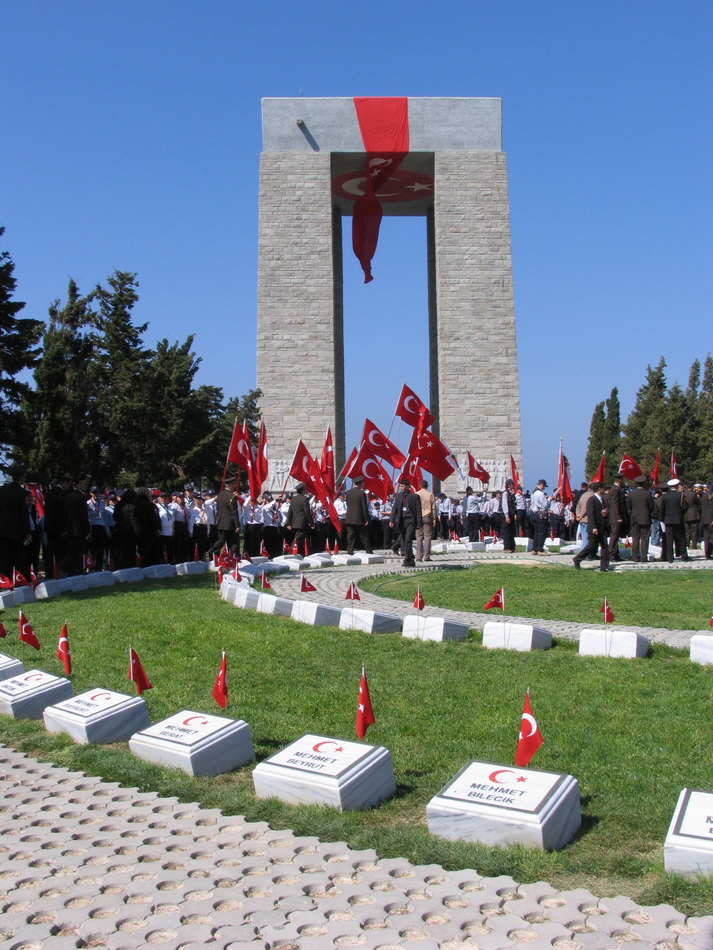
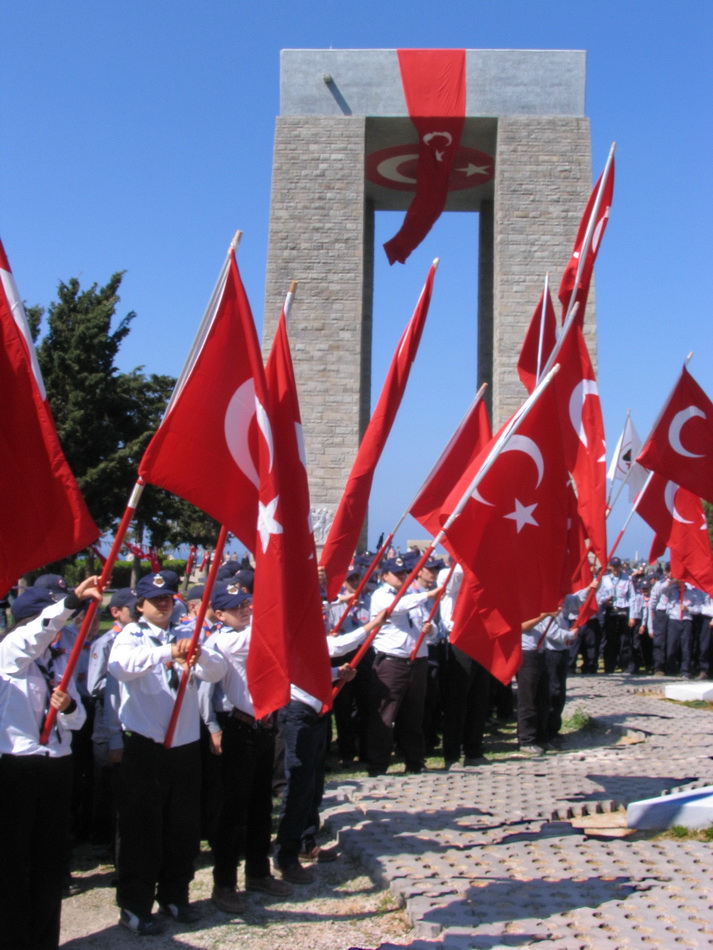
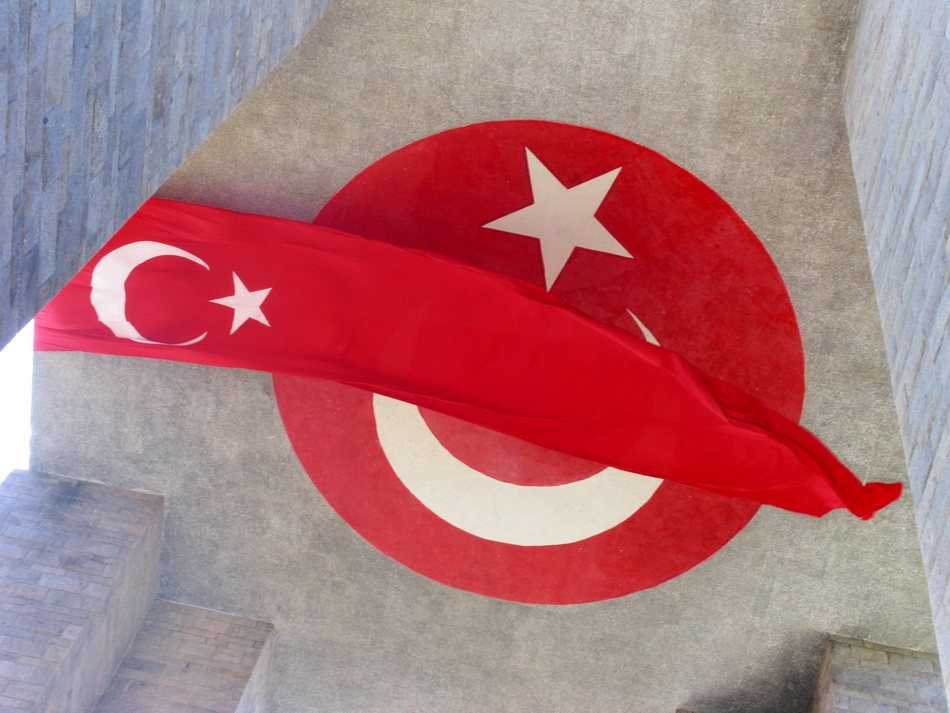
One of the most important monuments on the peninsula is the Çanakkale Martyrs’ Memorial, rising above Morto Bay on Hisarlık Hill. Dedicated to the Turkish soldiers who lost their lives in the Gallipoli campaign, the monument was inaugurated in 1960. Its imposing structure, approximately 42 metres high, is supported by four great columns. Its commanding position overlooking the strait and the former battlefields gives it a powerful symbolic meaning as well as an architectural presence. In my photographs, I tried to bring together different views of this monumental structure, the visitors around it and the crowds gathered for the commemorations.
At the ceremonies around the Martyrs’ Memorial, the historical costumes and music of the mehter band, the formation of military units and the Turkish flags waving in the air drew my attention. The passage of aircraft overhead added to the activity in the ceremonial grounds. These scenes reflected the official and ceremonial dimensions of collective remembrance ninety years after the war. Alongside the large crowds, I also sought to observe individual visitors and smaller details around the monuments.
The Gallipoli campaign brought the Ottoman army and Allied forces into conflict, with devastating human losses on both sides. Beginning with naval operations in 1915 and continuing through months of land battles on the peninsula, the campaign became an important part not only of military history but also of the collective memory of the societies involved. Today, memorials and cemeteries commemorating Turkish, British, French, Australian and New Zealand soldiers across the peninsula bear witness to the human tragedy experienced in this shared landscape.
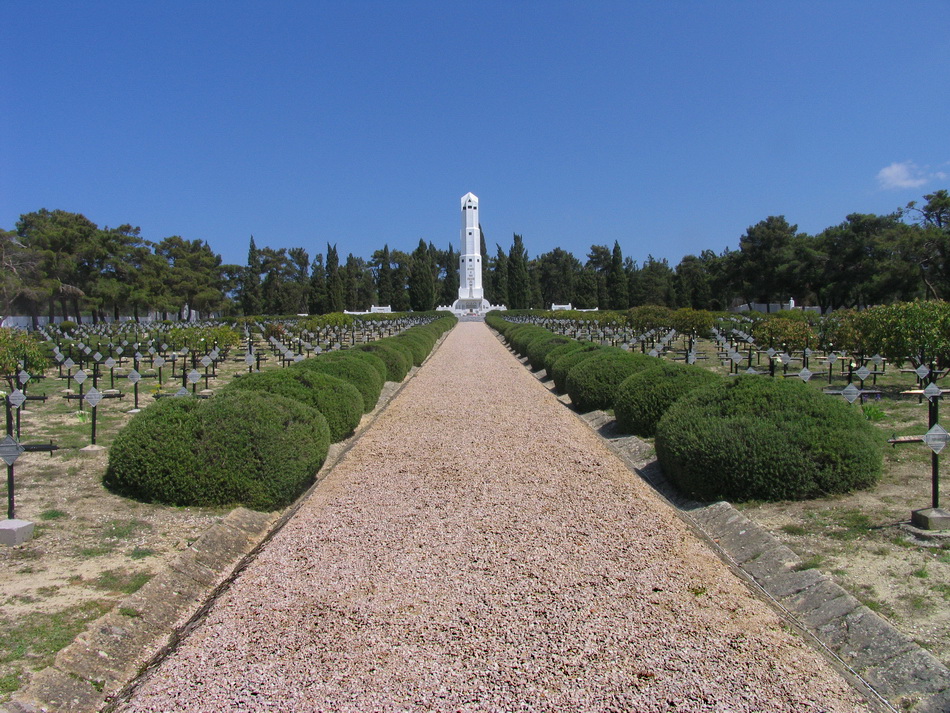
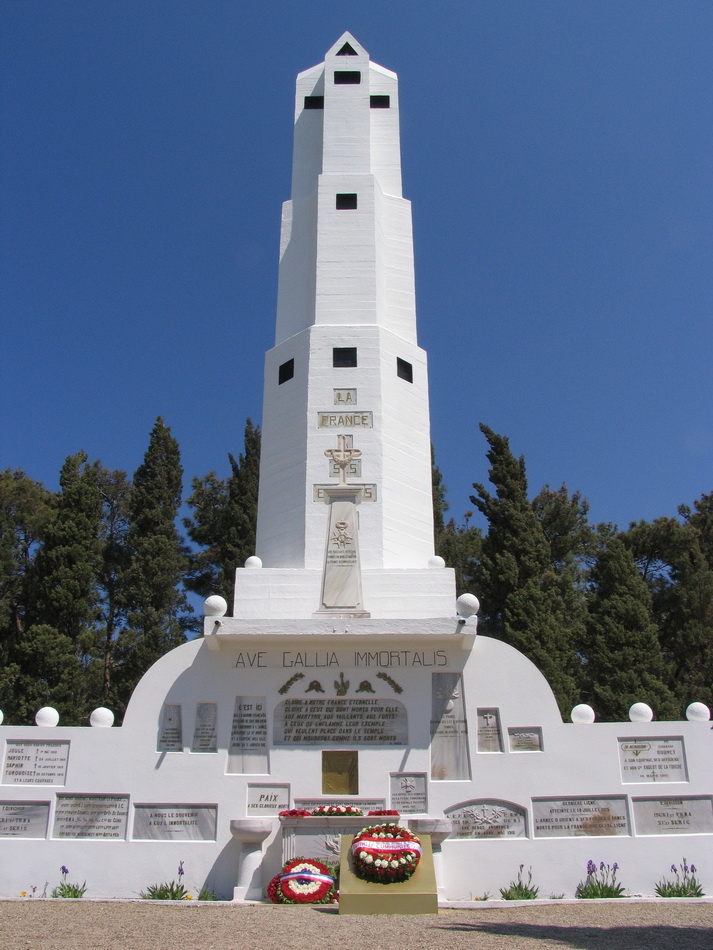
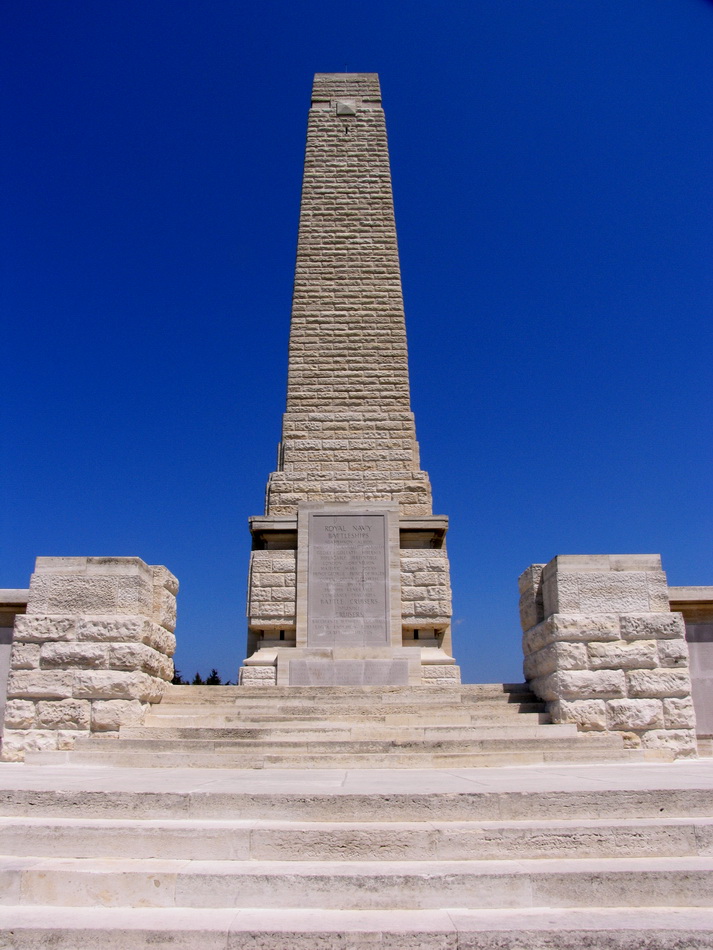
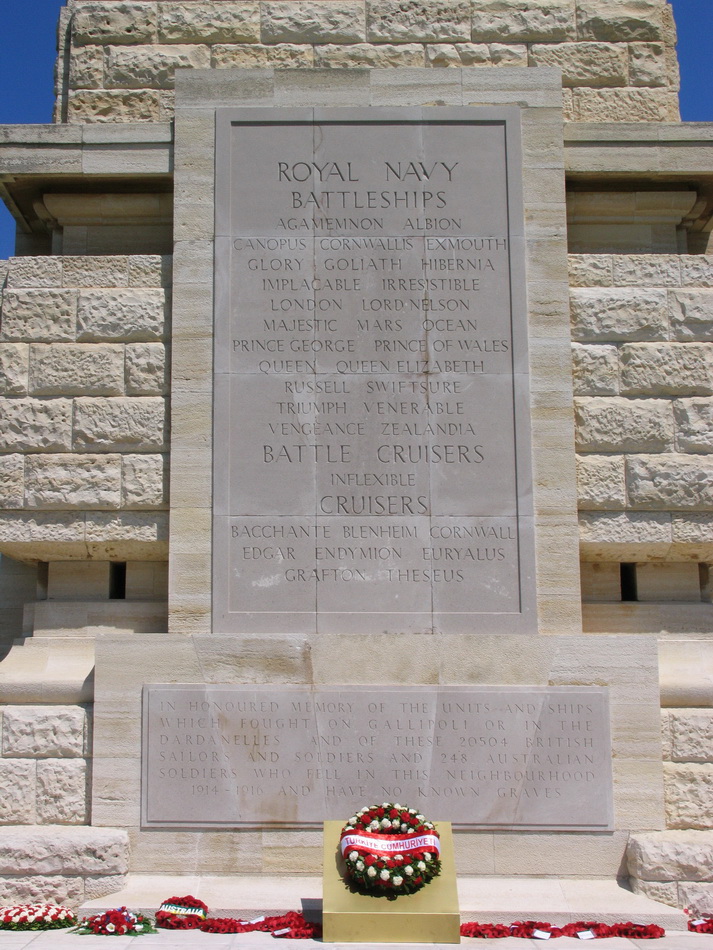
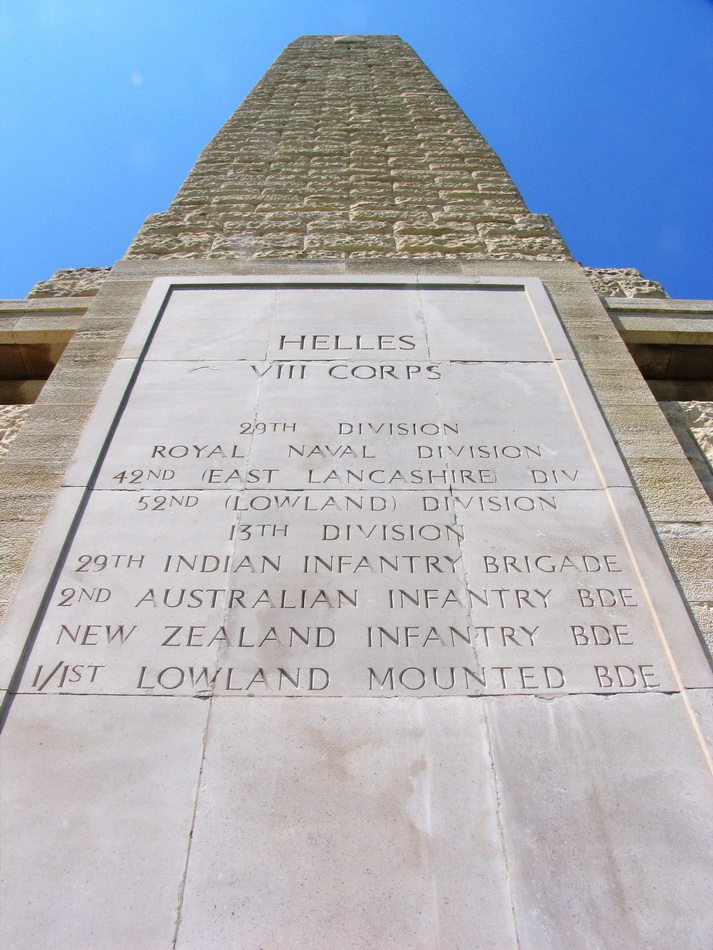
The foreign military memorials and war cemeteries I photographed offered an atmosphere very different from the crowded ceremonial grounds. Rows of gravestones, stone monuments, inscriptions and wreaths spoke of the losses left by war in a quieter language. The architecture of the memorials and the words inscribed on them revealed the different ways nations remember their dead. Each monument belongs to a particular national history, yet also recalls the suffering endured on different sides of the same conflict.
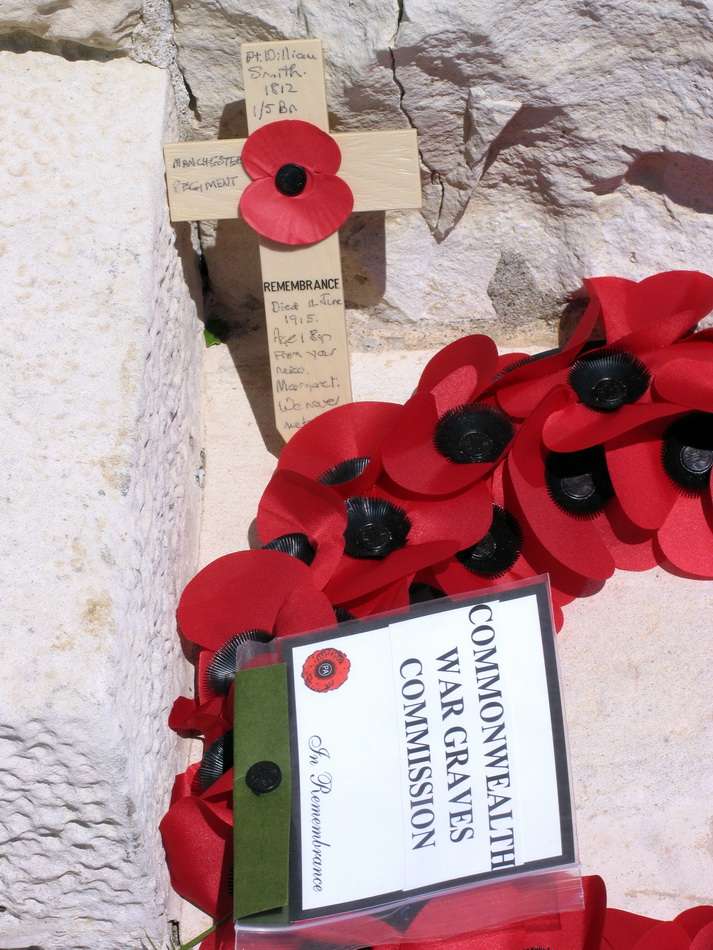
The wreaths and red poppies I encountered at these sites particularly caught my attention. In many countries, especially those of the Commonwealth, the poppy has become a symbol of remembrance for those who died in war. Wreaths placed before stone monuments showed how the memory of a war fought ninety years earlier continued to live on in later generations. Far from the grandeur of large ceremonies, a small token of remembrance left at a memorial could carry just as much meaning.
Throughout that day on the Gallipoli Peninsula, I witnessed different ways of remembering war. There were military ceremonies, mehter music, aircraft flyovers and commemorations attended by thousands; there were also quiet cemeteries, inscriptions carved in stone and wreaths. People from countries that had once fought one another on this ground had returned ninety years later to remember those they had lost.
With these photographs, I sought to document the commemorations held on the 90th anniversary of the Gallipoli campaign, the Çanakkale Martyrs’ Memorial and the war monuments of the Gallipoli Peninsula. For me, this series is more than a record of a historical anniversary. It is a visual testimony to the traces left by war and to the continuing effort to remember across generations.