





On 24 June 2014, I was in Beijing with only two days to explore the city before continuing my journey across China by train. The Forbidden City was one of the places I most wanted to photograph. It was within walking distance of my hotel, yet nothing I had seen from outside prepared me for the scale of the imperial palace complex hidden behind its walls.
The Forbidden City, known in Chinese as Zijincheng, was built between 1406 and 1420 under the Yongle Emperor of the Ming dynasty. For nearly five centuries it was both the residence of the imperial household and the ceremonial and political centre of China. Twenty-four emperors of the Ming and Qing dynasties ruled from this complex. The end of imperial rule in 1912 changed its place in Chinese life; in 1925, the former palace became the Palace Museum. It was inscribed on the UNESCO World Heritage List in 1987.
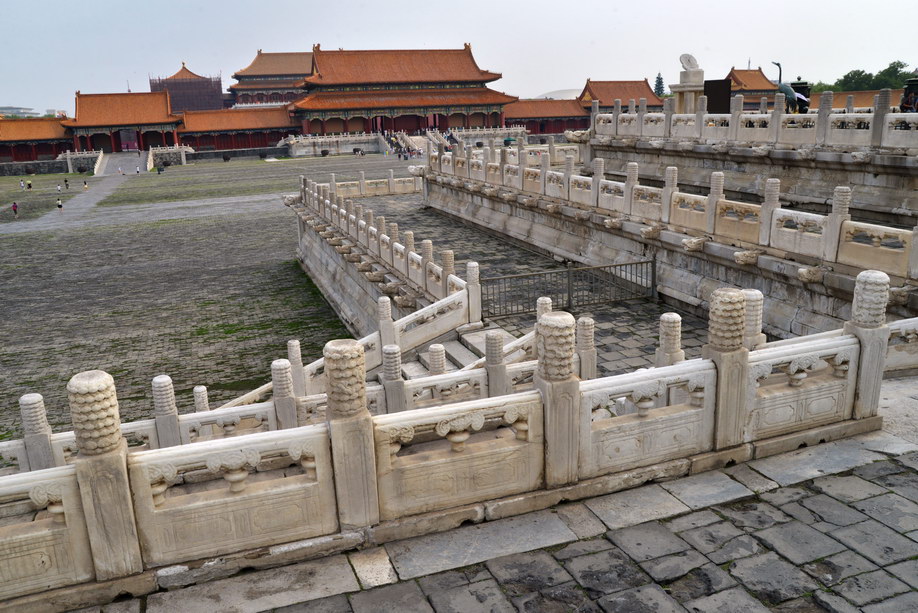
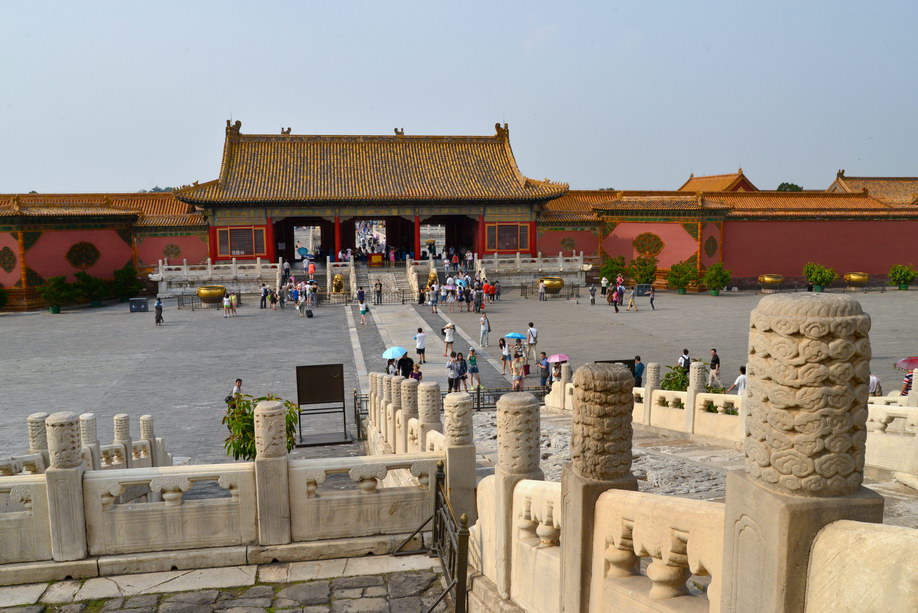
Enclosed by high walls and a broad moat, the palace is far more than a single building. Its vast courtyards, gates, ceremonial halls, residential quarters and gardens form an entire architectural world. The complex is organised around a north–south axis, with carefully balanced spaces on either side. In the southern Outer Court, emperors conducted major state ceremonies; farther north, the Inner Court contained the living quarters of the imperial family. Architecture here was not merely decoration: the sequence and scale of the spaces expressed rank, authority and the order of the imperial court.
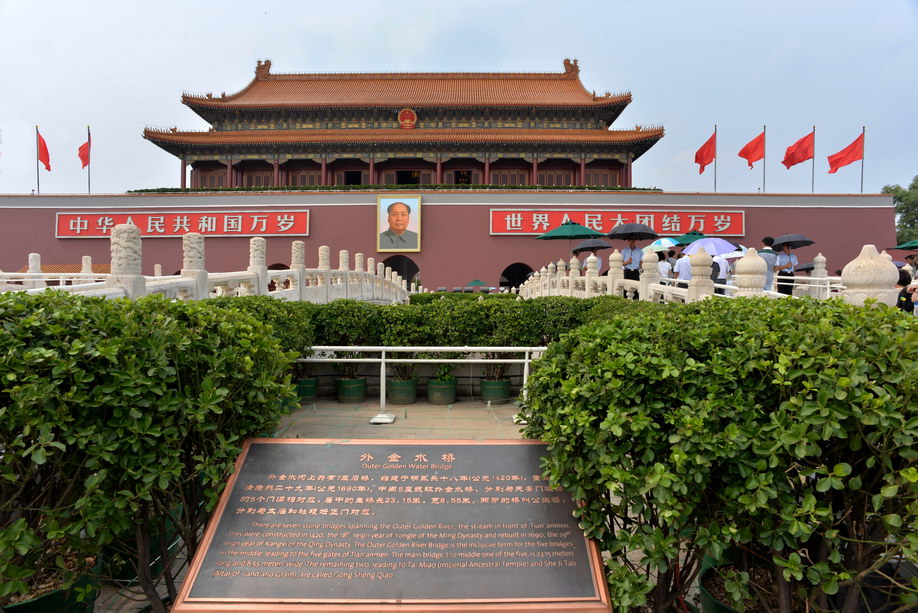
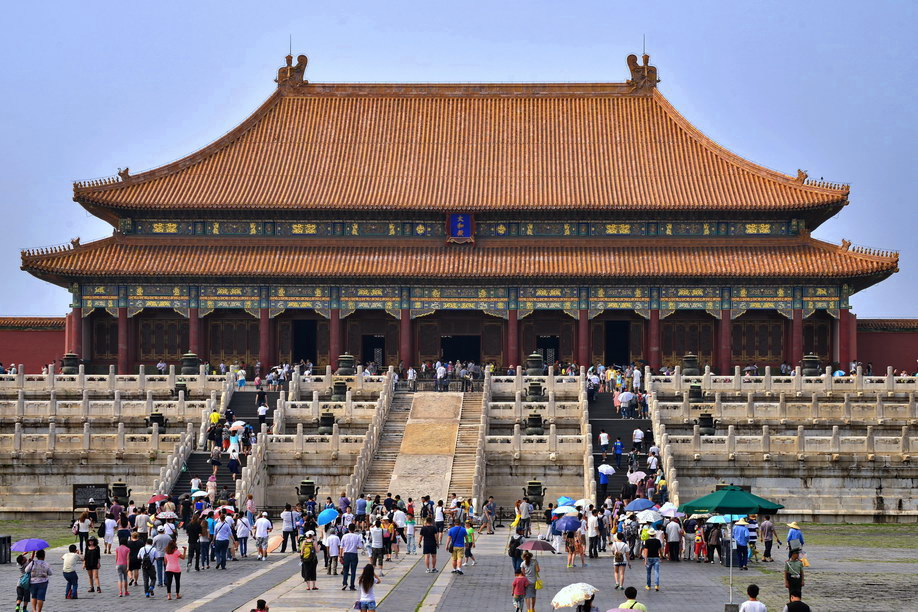
I entered through the southern approach, passing the great portrait of Chairman Mao above Tiananmen Gate. Beyond it, the succession of open spaces seemed almost endless. I would cross one immense courtyard, approach an imposing hall, pass through another gateway and discover yet another courtyard beyond. From outside, the size of the Forbidden City had been impossible for me to imagine. Inside, I began to understand it through the simple act of walking.
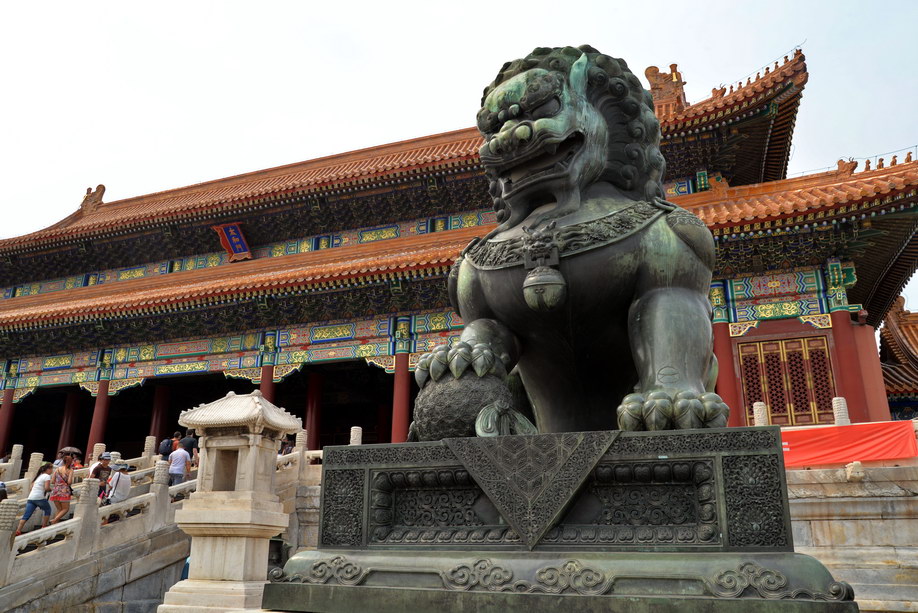
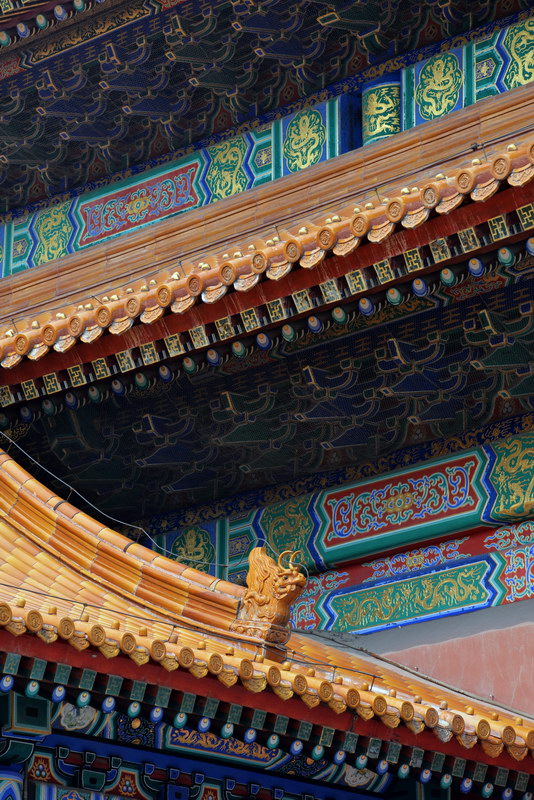
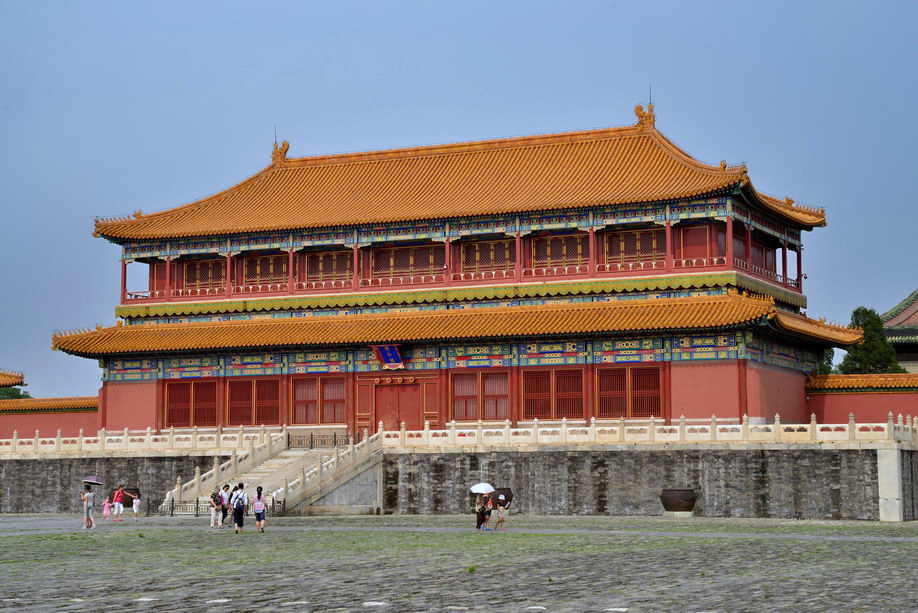
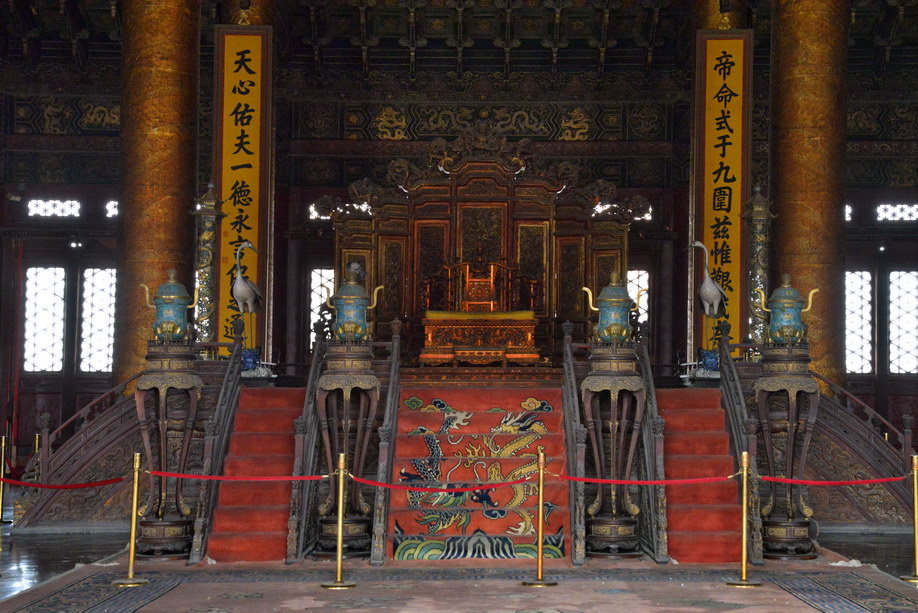
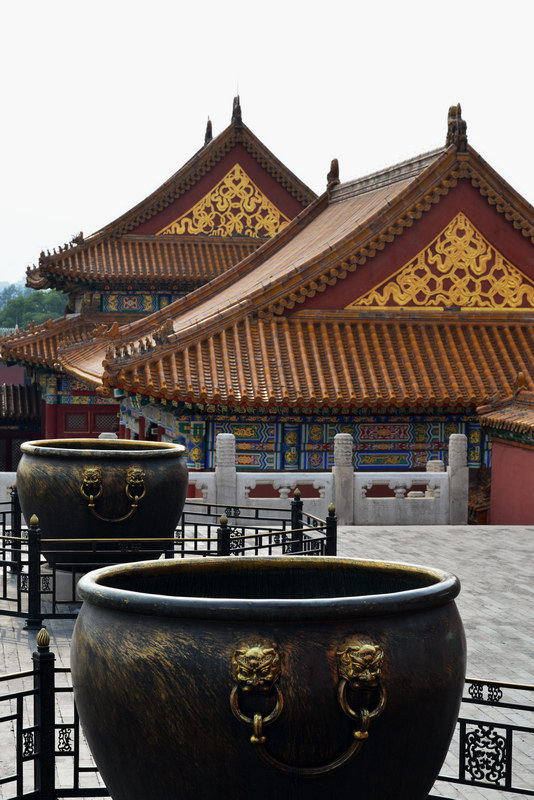
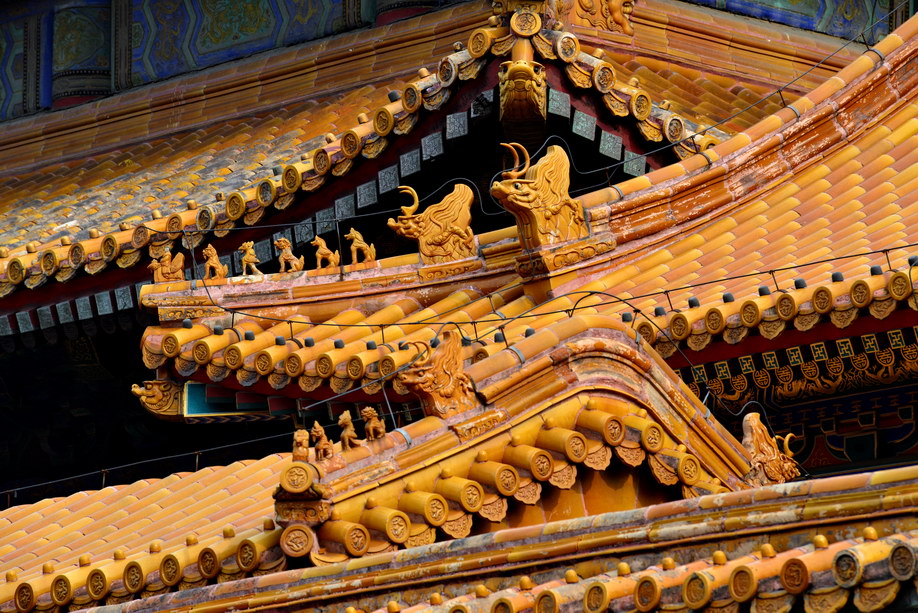
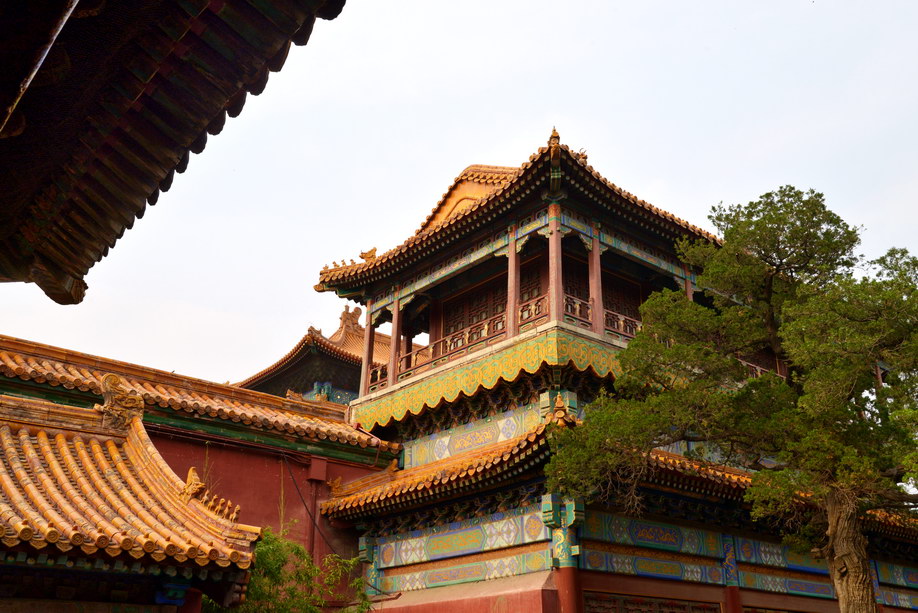
The palace buildings reveal a remarkably consistent visual language: vermilion walls, yellow-glazed roof tiles, broad stone terraces, timber columns and intricately decorated rooflines. The main ceremonial halls stand on elevated platforms, reinforcing their importance within the complex. The repeating colours and architectural forms create a sense of unity, but each new gate and courtyard offers a different perspective. As a photographer, I was interested not only in the monuments themselves but also in the changing relationships between buildings, open spaces and the people moving through them.
I entered at about two in the afternoon and continued photographing until closing time, around five. Three hours passed quickly. Although I moved through a succession of courtyards and halls, I could not honestly say that I had seen the Forbidden City in its entirety. Its size and complexity deserve much more time—ideally at least two days for someone who wants to look carefully rather than simply pass through.
For me, photographing a historic place means trying to understand what survives of the life once lived there. The Forbidden City preserves the architecture of imperial power, but it also invites us to think about the countless people—rulers, officials, craftspeople and servants—whose lives were connected to these walls. My photographs from that afternoon are therefore not an attempt to document the whole palace. They are fragments of a brief encounter with one of China's most extraordinary architectural and historical landscapes.