
Ceremonies
Ethiopian Orthodox Easter – Istanbul
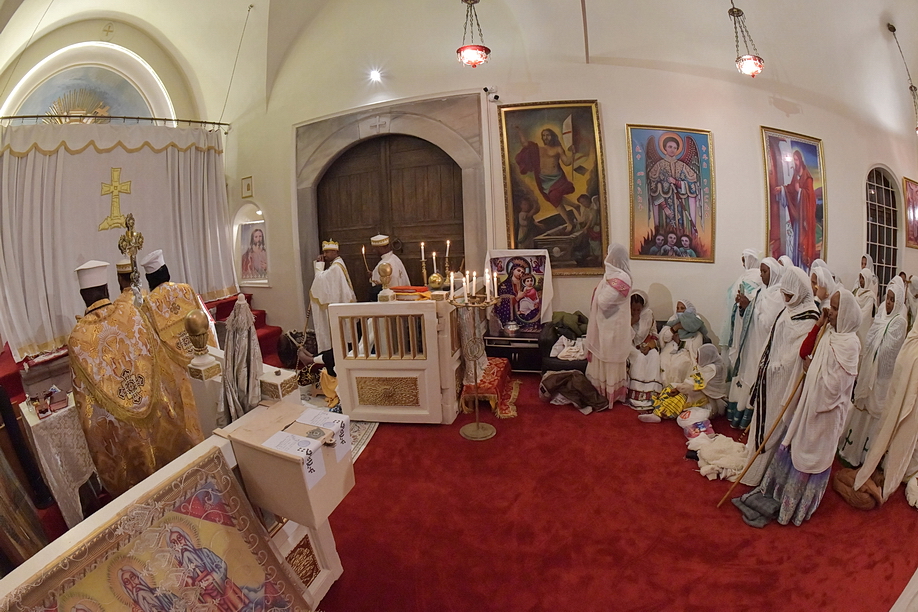
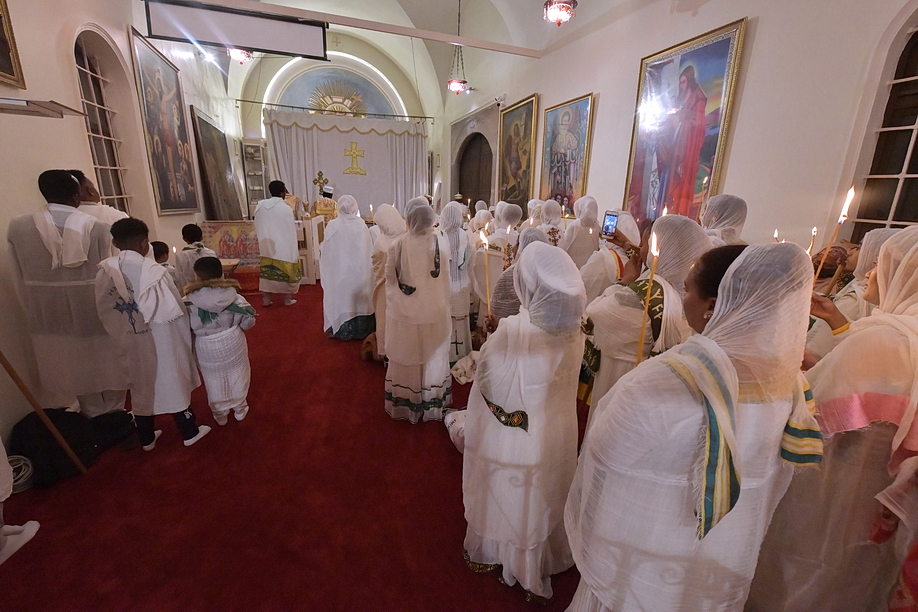
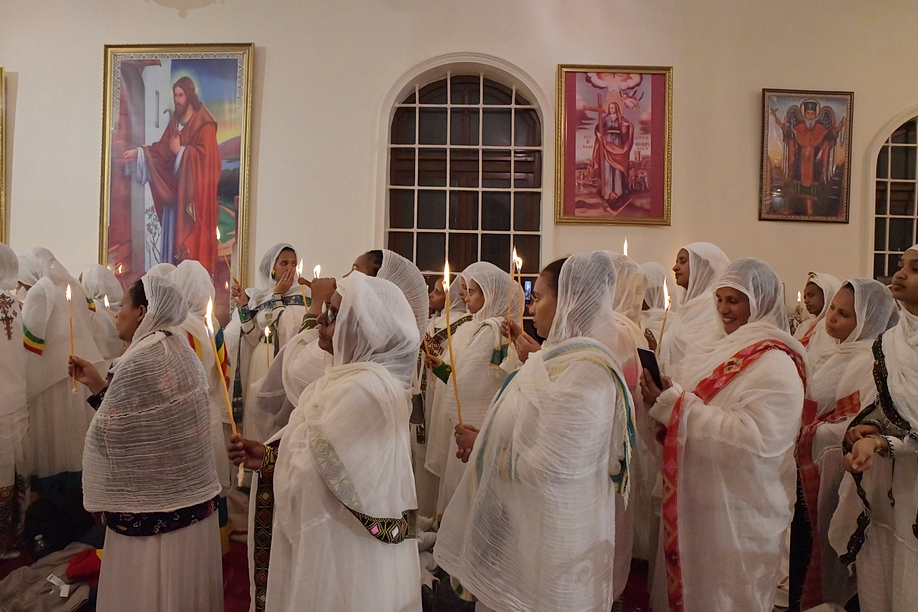
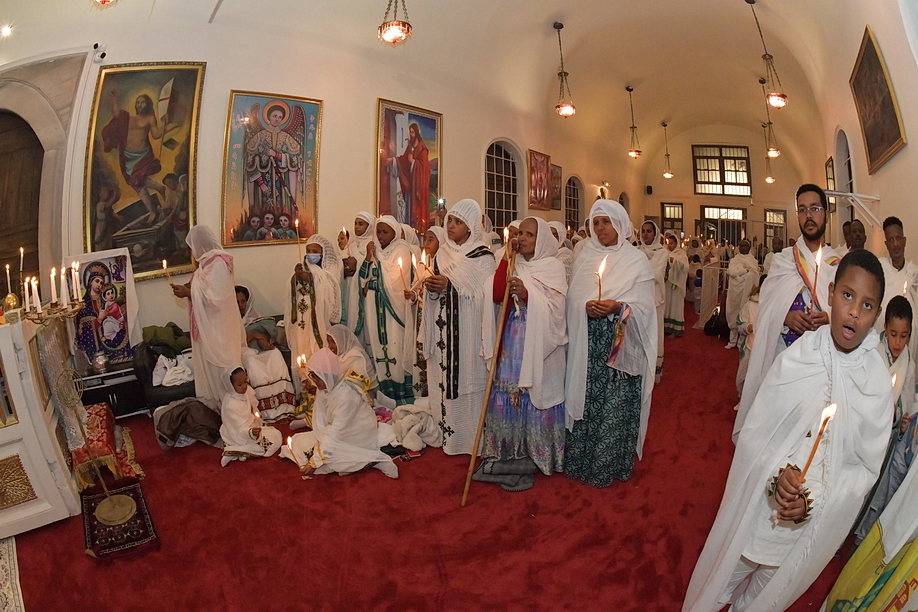
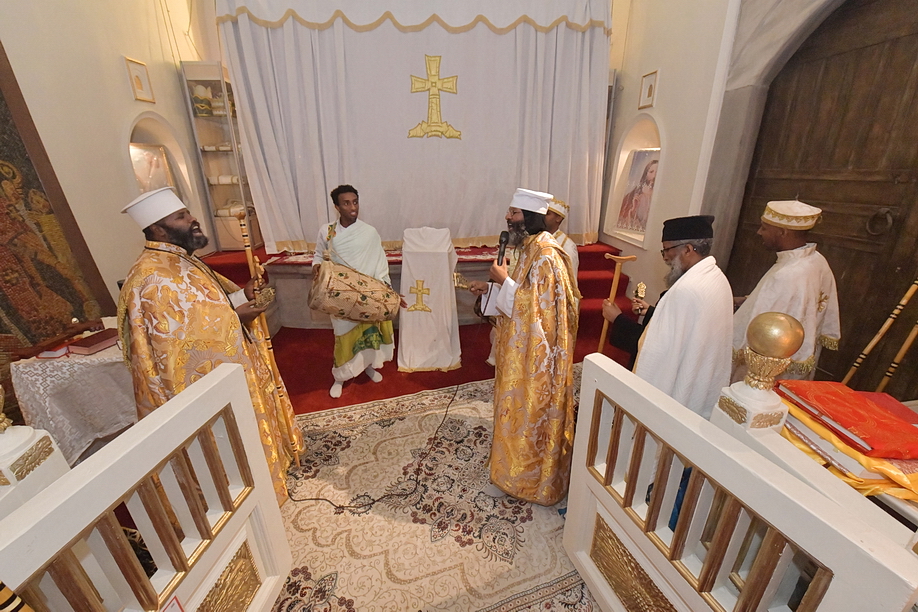
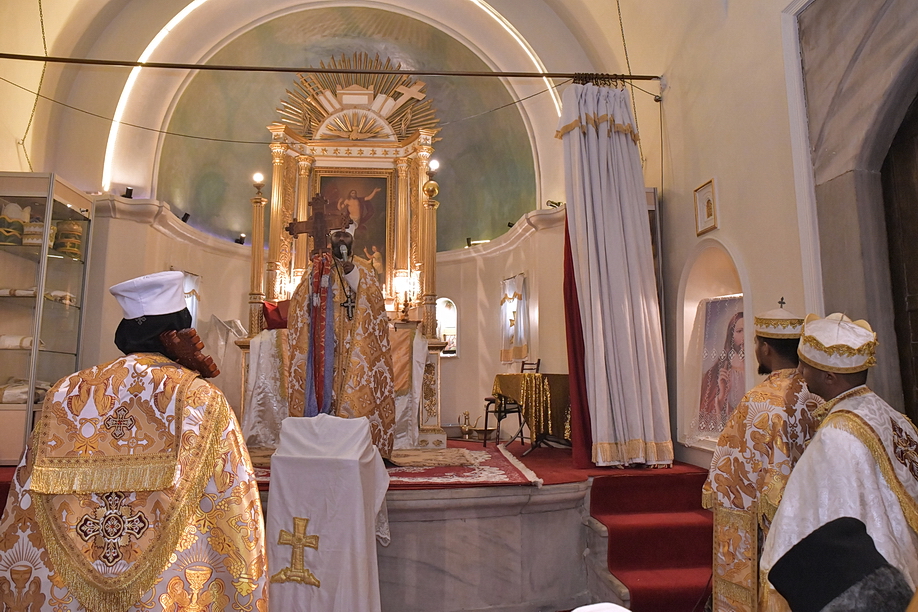
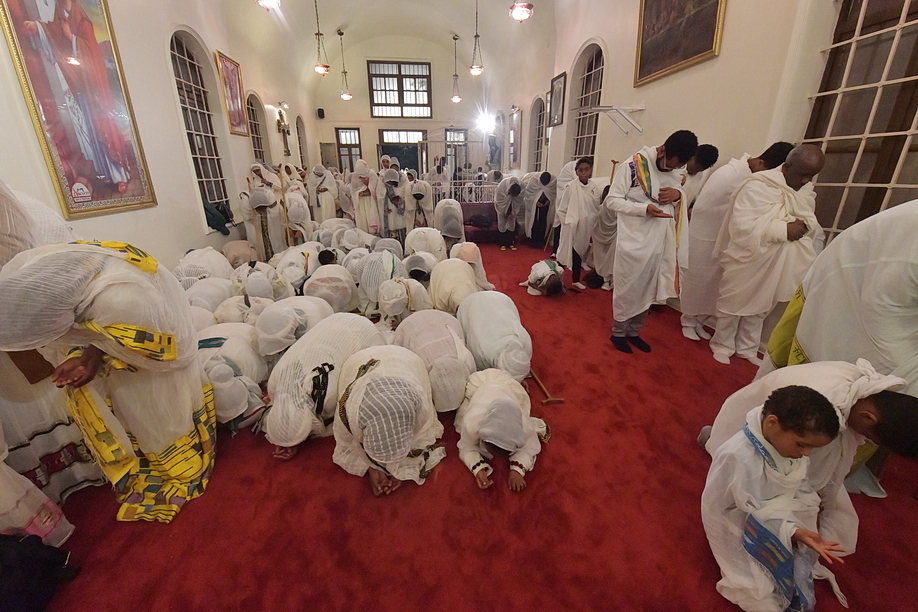
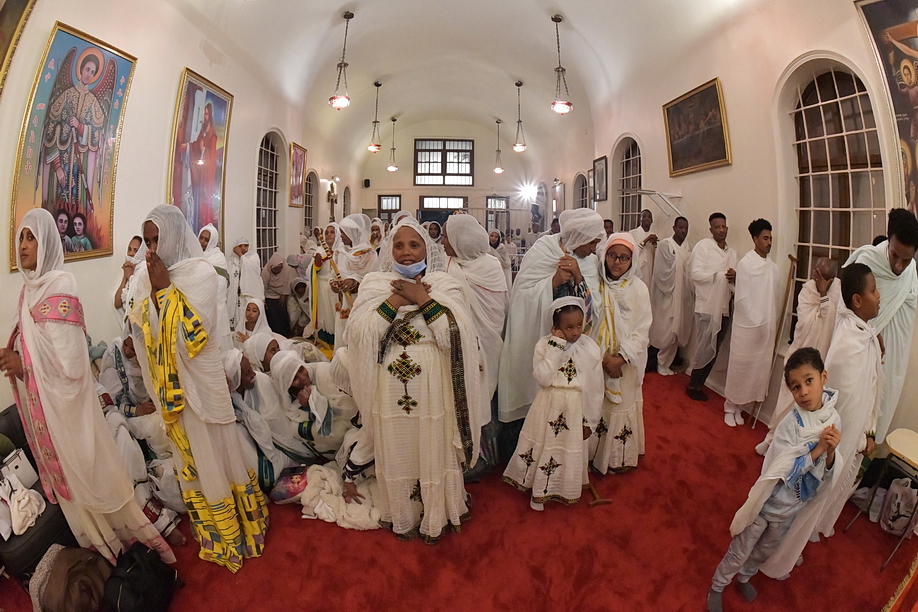
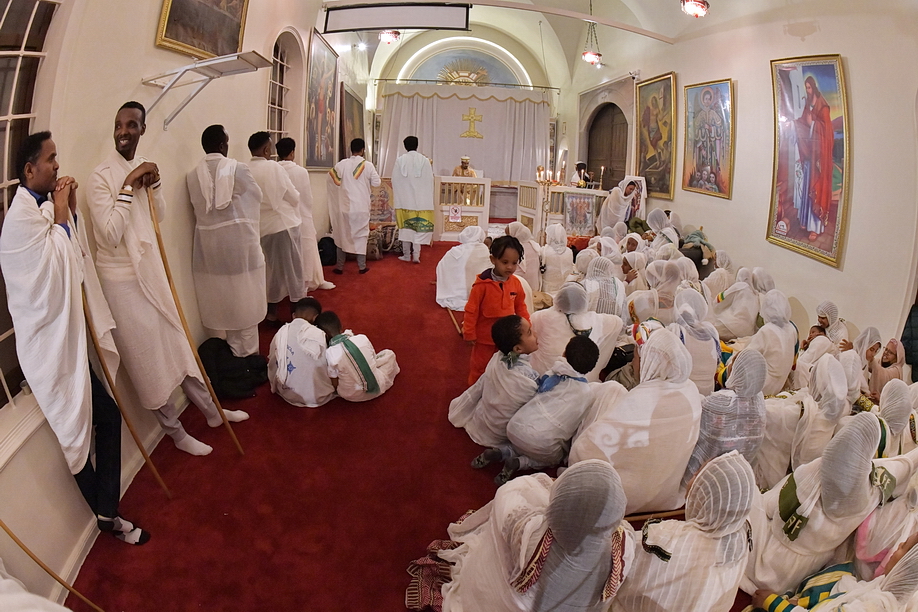
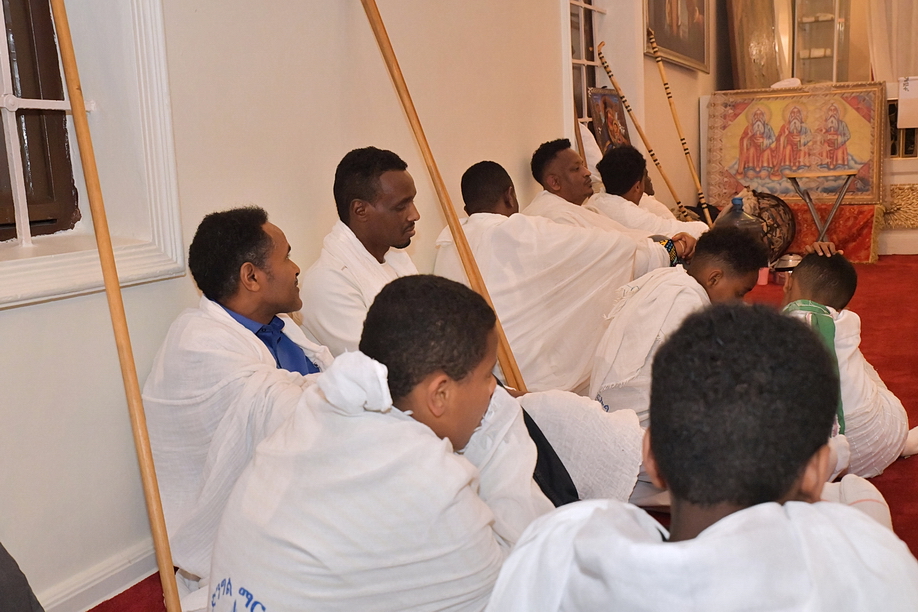
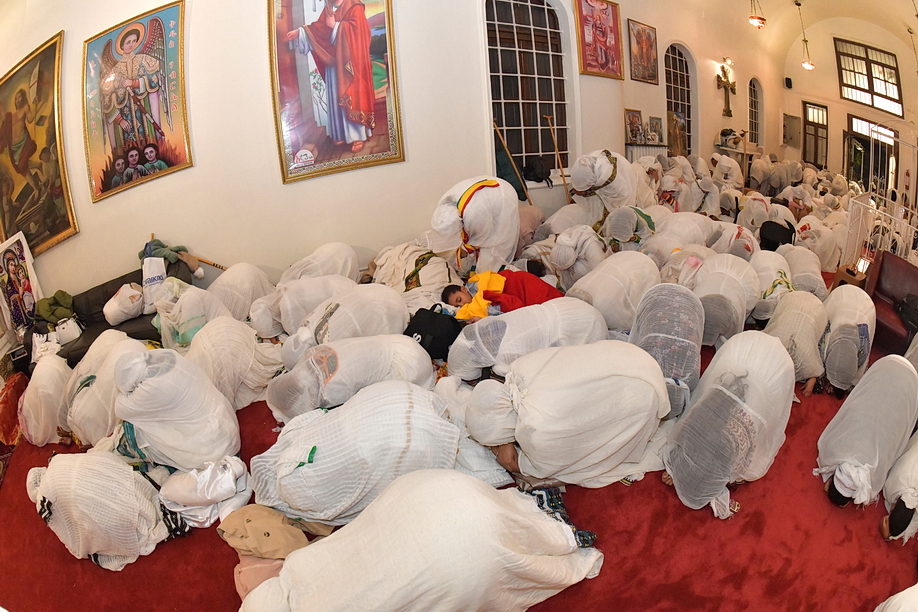
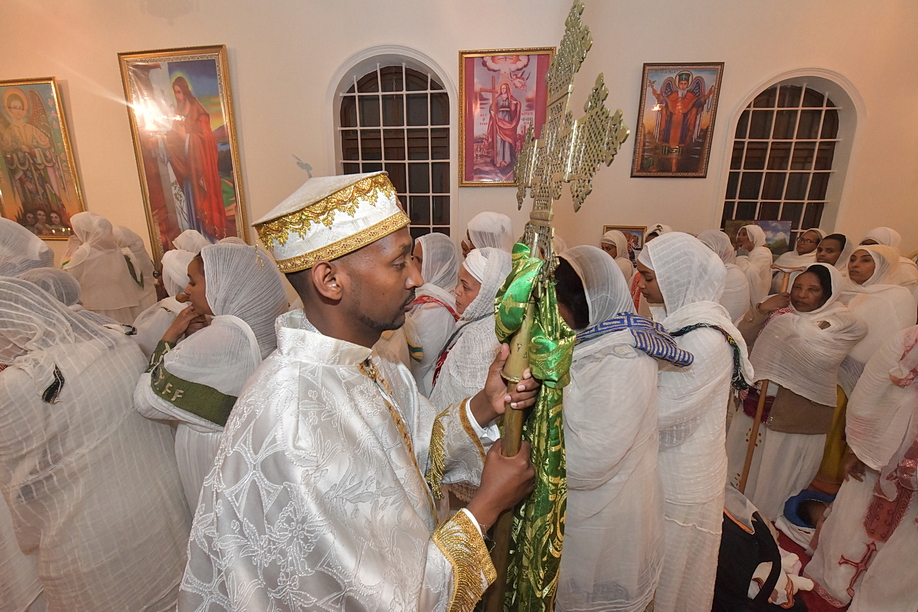
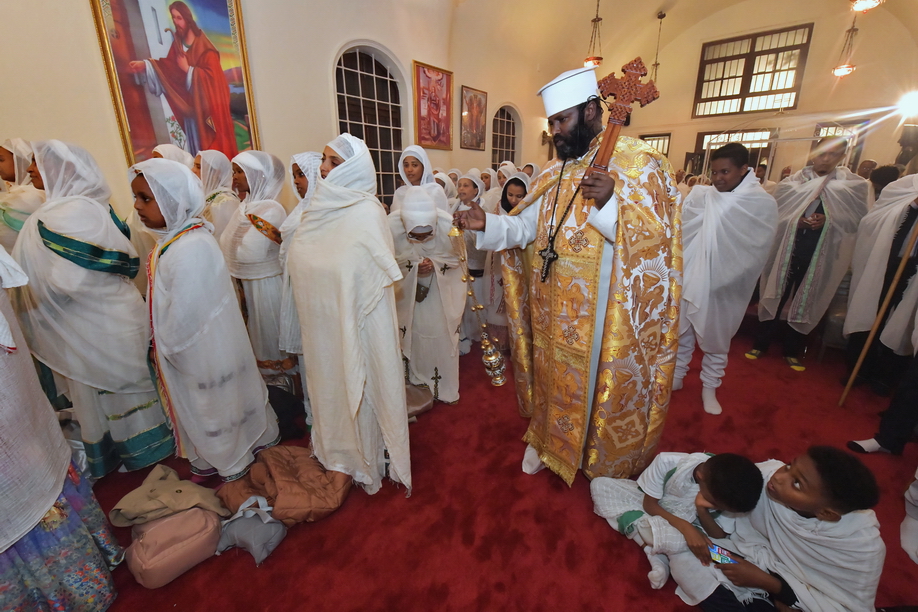
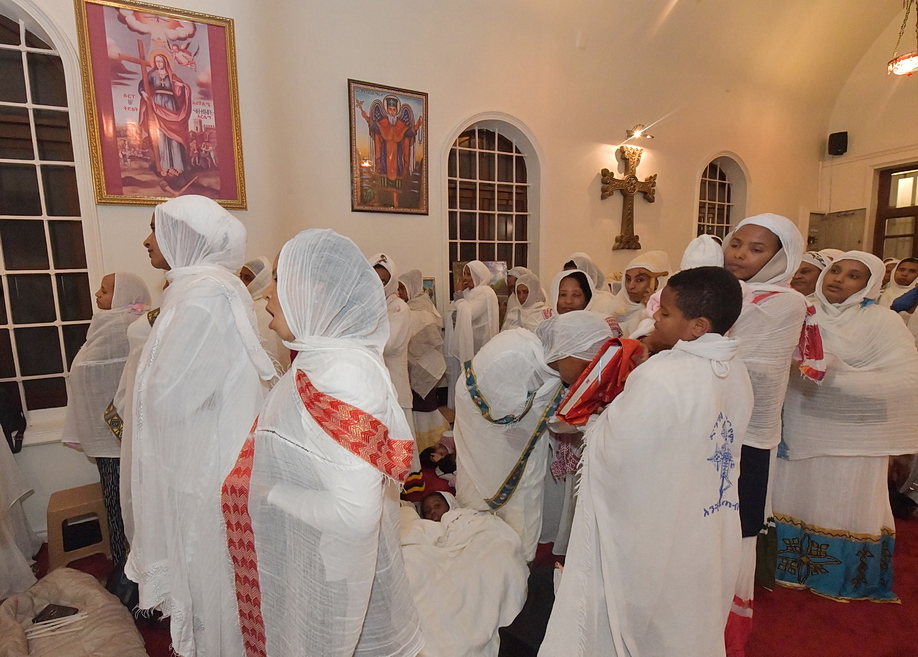
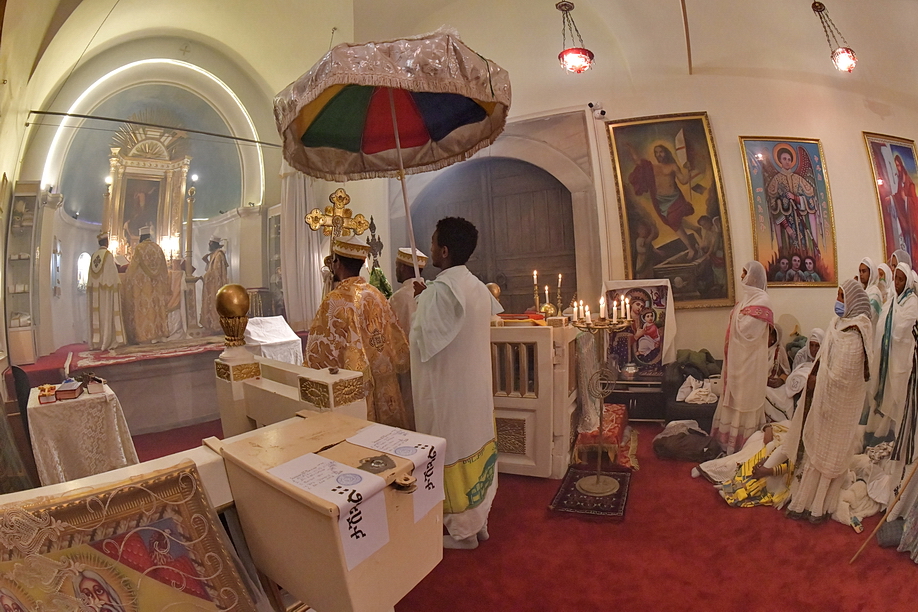
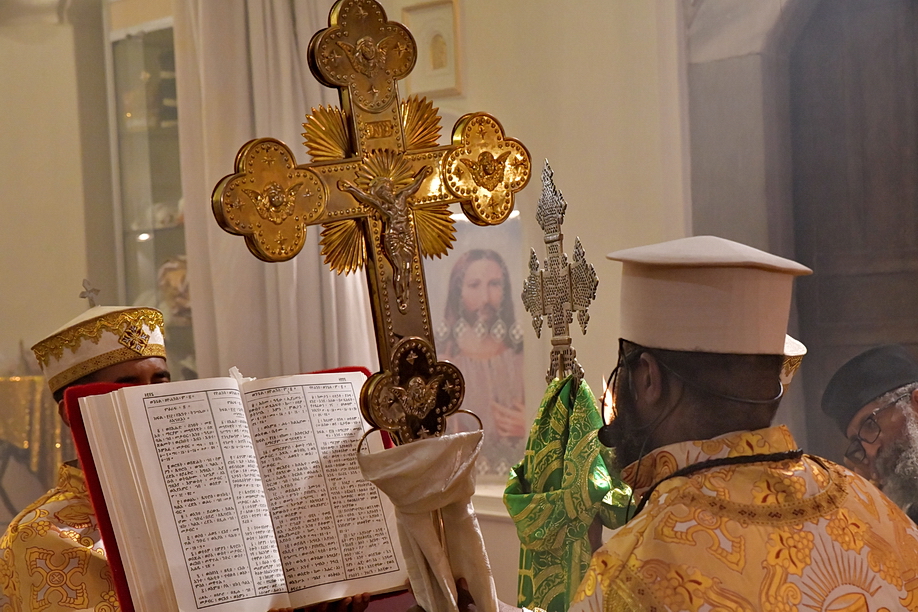
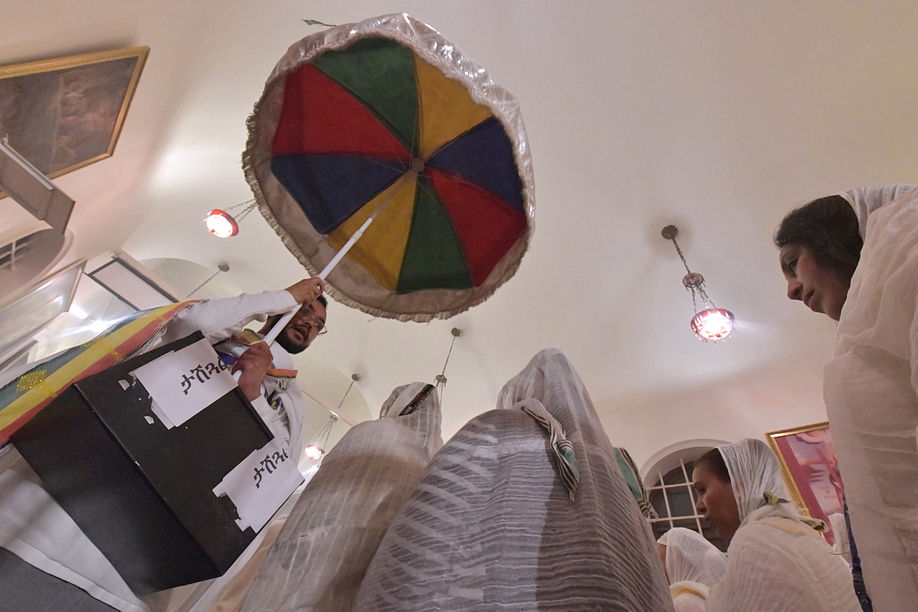
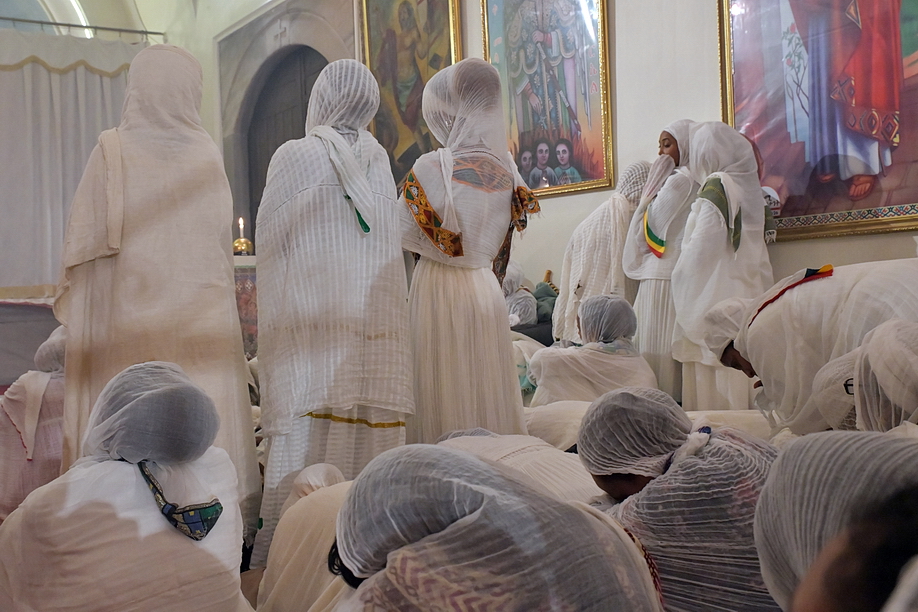
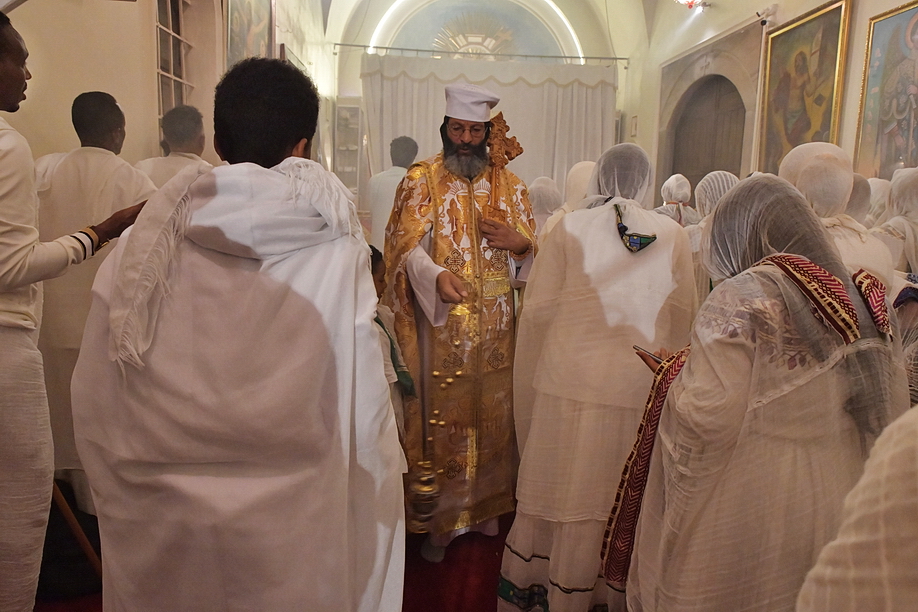
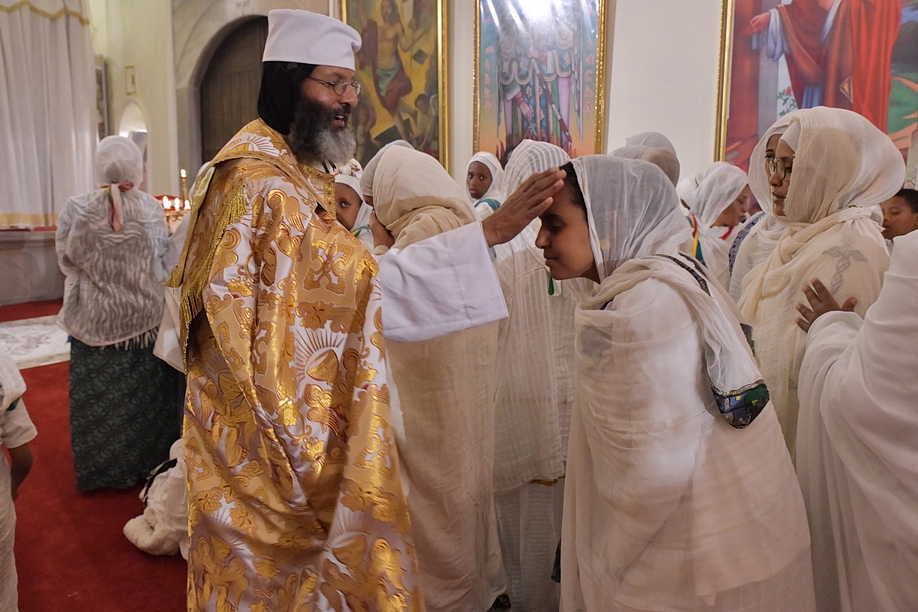
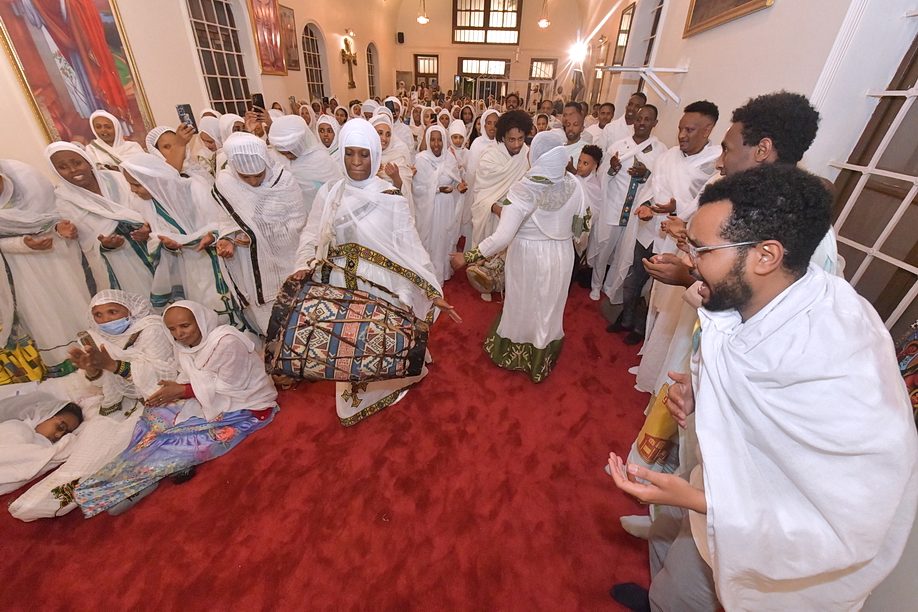
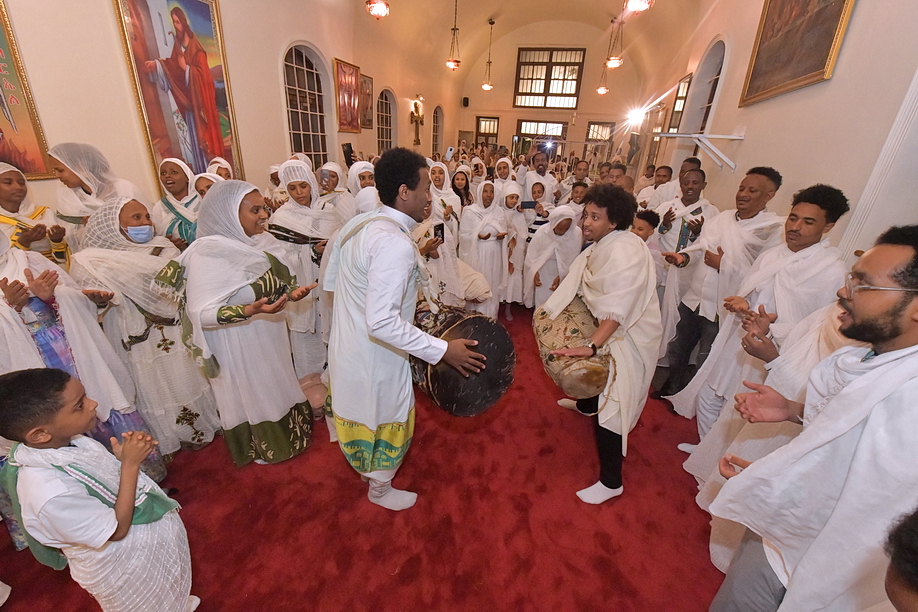
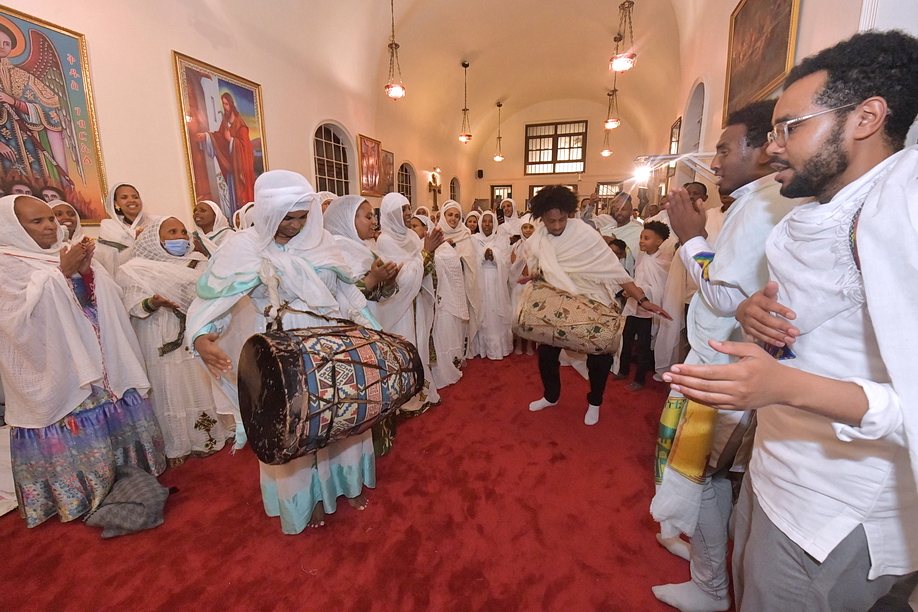
Easter, known as Fasika in Ethiopia, is one of the most important celebrations in the Ethiopian Orthodox Tewahedo Church. Christianity has been part of Ethiopian history since the fourth century, and the church has preserved its own liturgical calendar, sacred music and religious customs. Easter commemorates the resurrection of Jesus Christ and marks the culmination of a long period of fasting, prayer and spiritual preparation.
The Ethiopian Orthodox Church belongs to the Oriental Orthodox Christian tradition, alongside the Armenian Apostolic, Coptic and Syriac Orthodox churches. Although these churches share an ancient Christian heritage, their calendars and forms of worship are not identical. Ethiopian Easter is celebrated according to the church's own calendar and does not necessarily coincide with the dates observed by Western churches.
In Istanbul, members of the Ethiopian Orthodox community hold their religious services in an Armenian Apostolic church that welcomes them as a sister Christian community. This hospitality allows Ethiopians living far from their homeland to maintain their religious practices and to come together around a shared cultural identity. I have photographed ceremonies of several Christian communities, and the Ethiopian services introduced me to forms of worship that were new to my experience.
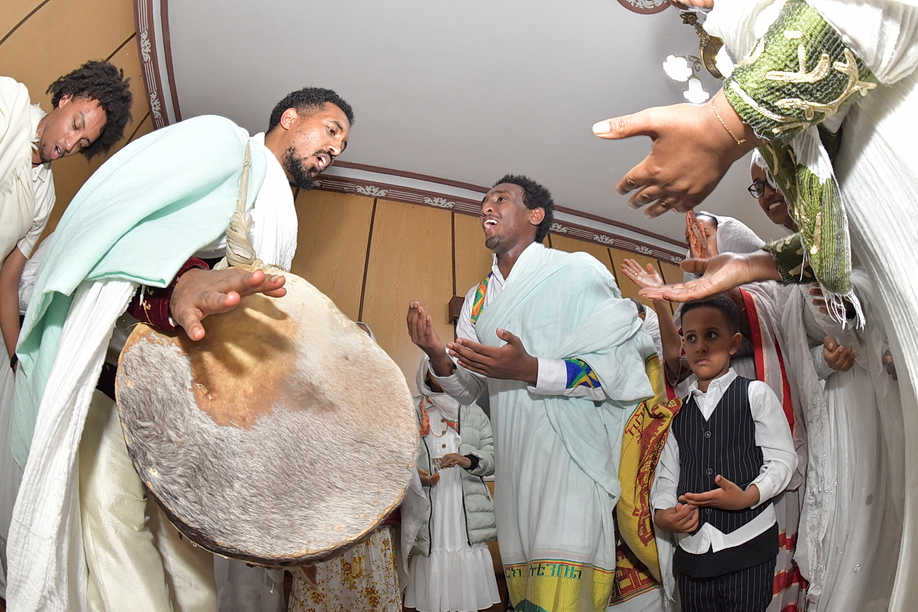
White traditional shawls worn by worshippers, the removal of shoes before entering the church, prayers accompanied by prostration, and the distinctive place of chanting and drums are features I have encountered across Ethiopian Orthodox ceremonies, not only at Easter. Together they create a form of worship in which words, movement, rhythm and communal participation are closely connected.
The Easter observance begins the previous evening and continues through the night until the following morning. Once the church doors are closed, the congregation remains together for the service. Long prayers and hymns demand patience and concentration. At different moments, the sound of drums brings renewed energy to worshippers who have grown tired, and the atmosphere changes as the congregation responds to the rhythm and chanting.
After the service, members of the community share a meal, with food prepared and brought by families. The gathering expresses not only the joy of Easter but also the solidarity that sustains the community in Istanbul. The church becomes a place where faith, language, tradition and personal relationships are preserved together.
In this photographic portfolio I have selected moments from the Ethiopian Orthodox Easter celebration rather than attempting to reproduce every stage of the service. My aim is to document the atmosphere of worship and the continuity of a religious and cultural tradition maintained by a community living far from Ethiopia.