
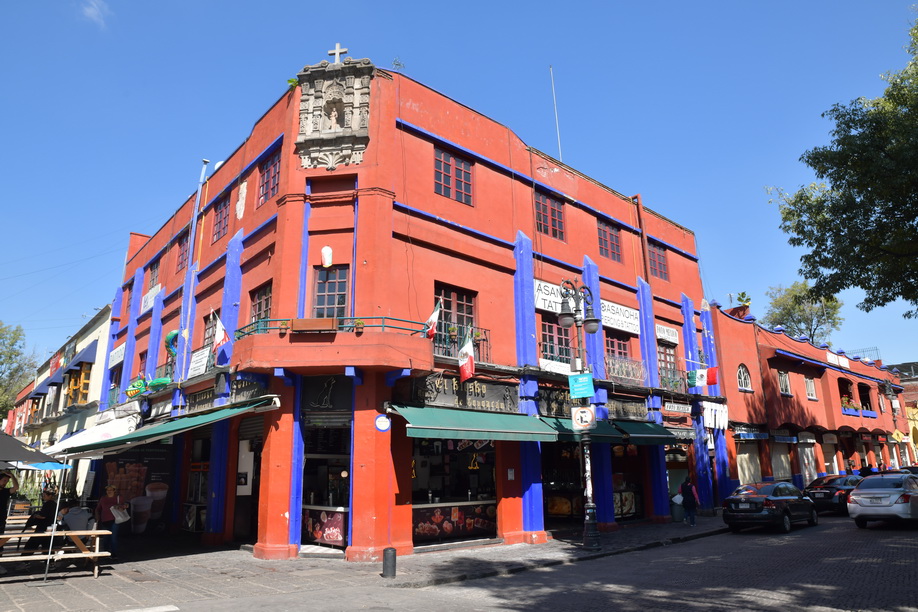
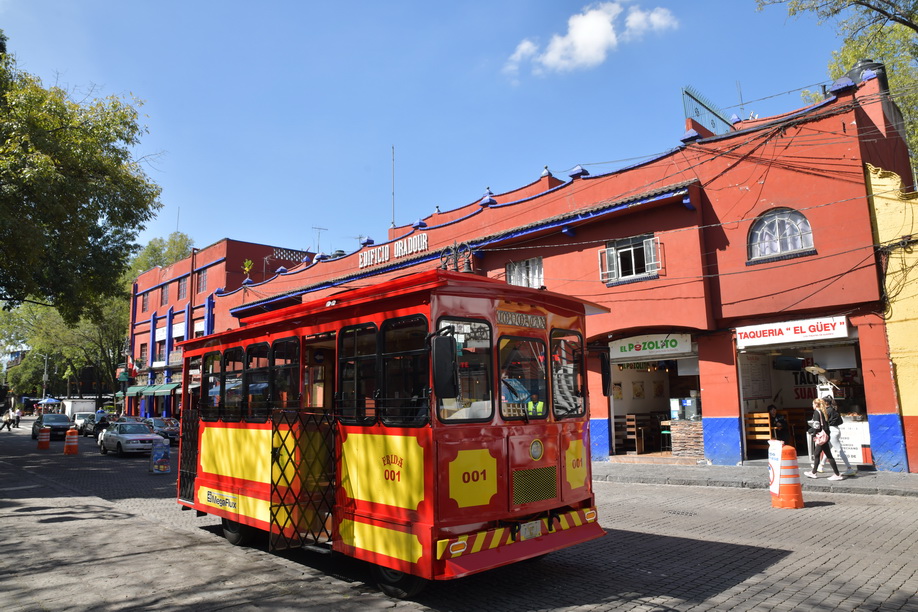
As I travelled south from the centre of Mexico City, the city gradually began to change. Heavy traffic and dense urban development gave way to tree-lined streets, colourful facades and old squares. Although still surrounded by one of the world's largest cities, Coyoacan seemed to have preserved an identity of its own.
Its history reaches back long before the arrival of the Spanish. After the fall of Tenochtitlan in 1521, Hernan Cortes established his headquarters here for a time, making Coyoacan one of the first administrative centres of New Spain.
But what first caught my attention was not a building. It was an animal: the coyote.
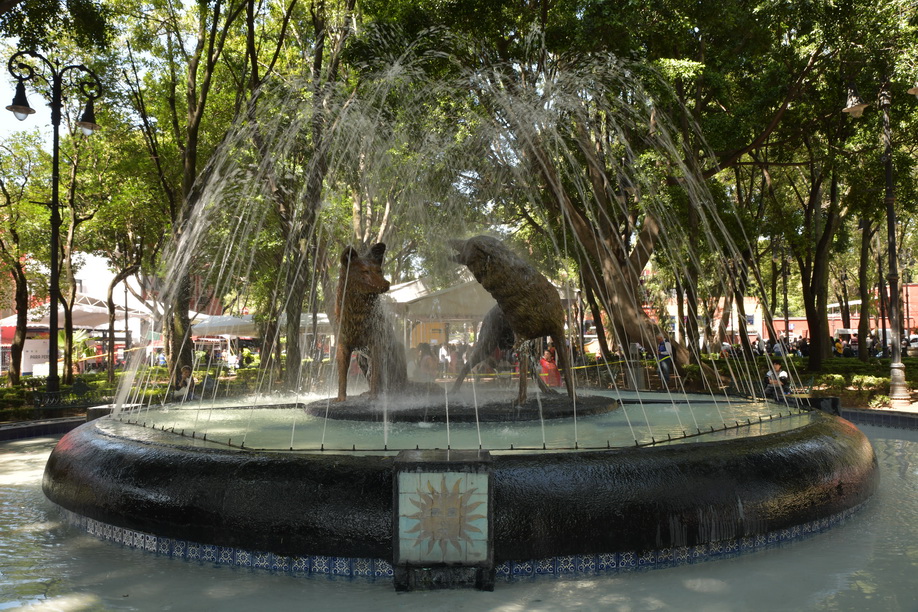
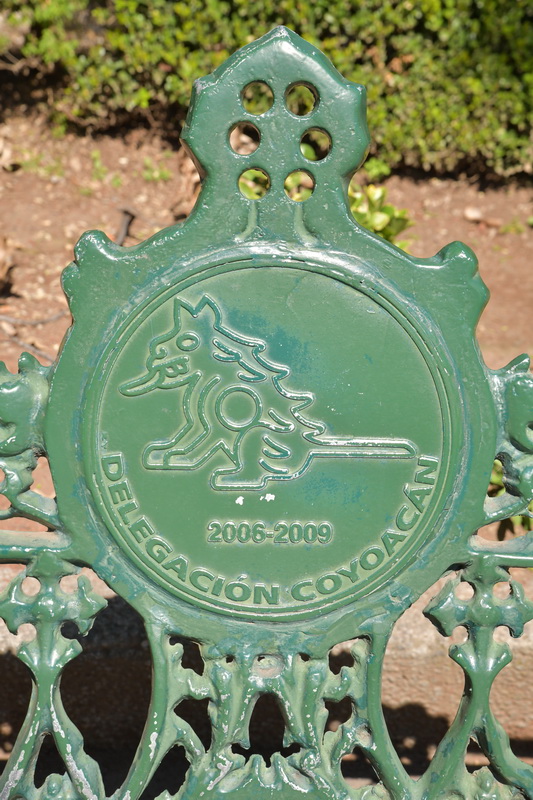
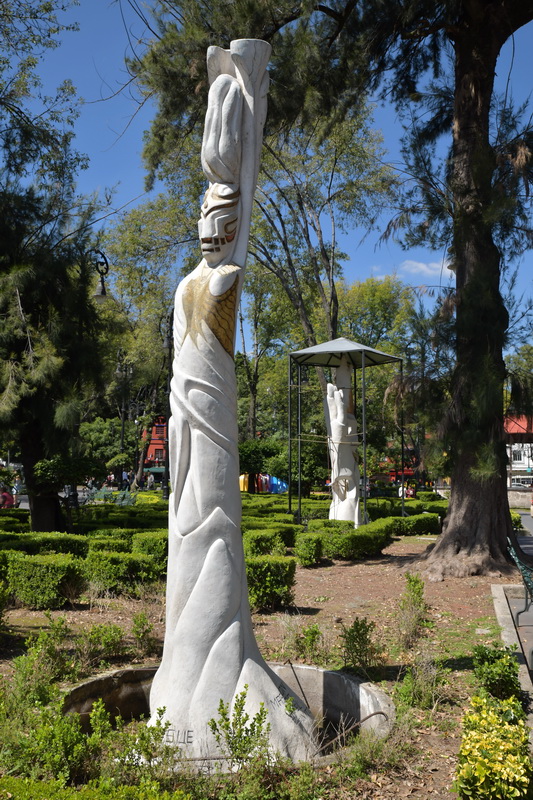
In Jardin Centenario, two coyotes stood beneath the falling water of a fountain. Later I noticed the same figure on old park benches and municipal emblems. I learned that the name Coyoacan comes from Nahuatl and is generally interpreted as "the Place of Coyotes." Suddenly these figures were no longer simply decorative; they were carrying the ancient name of the settlement into the present.
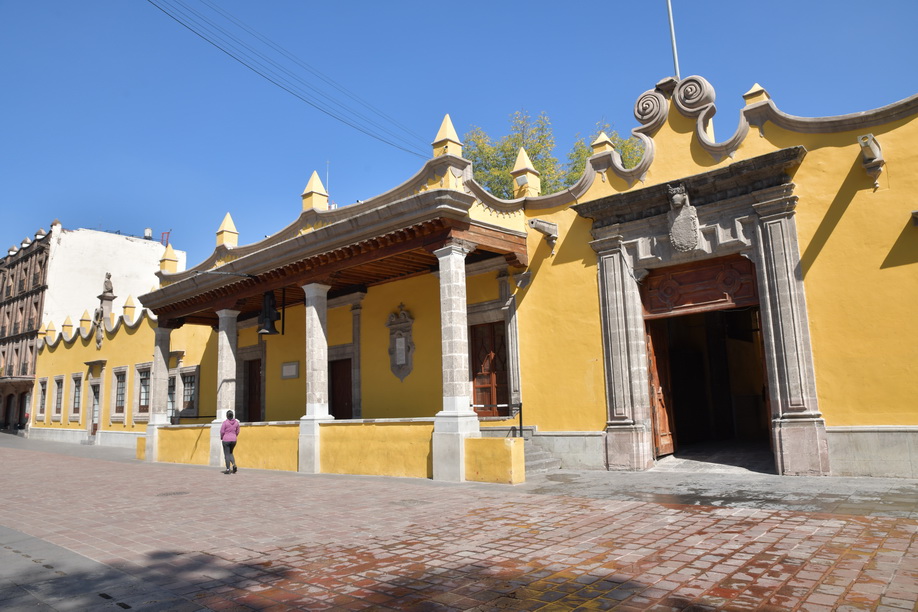
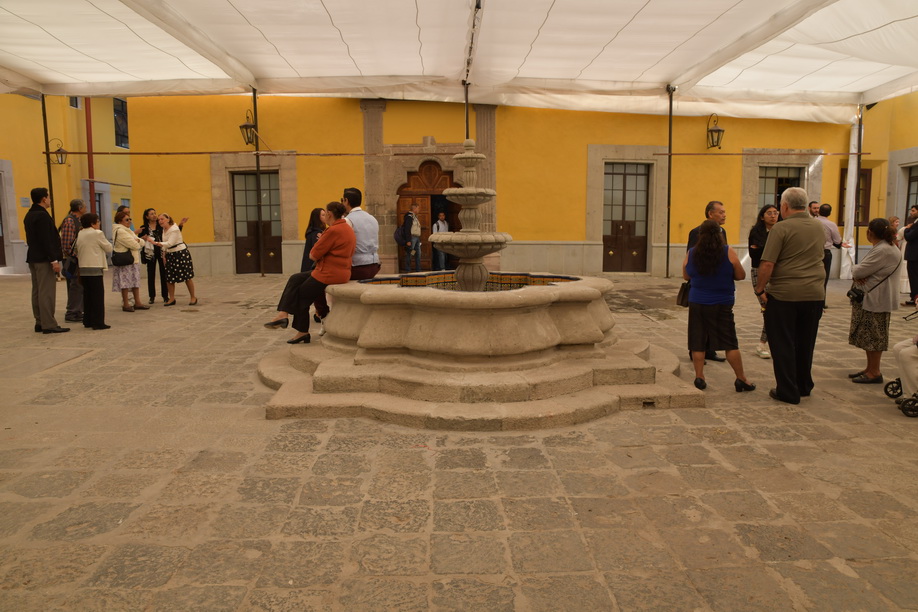
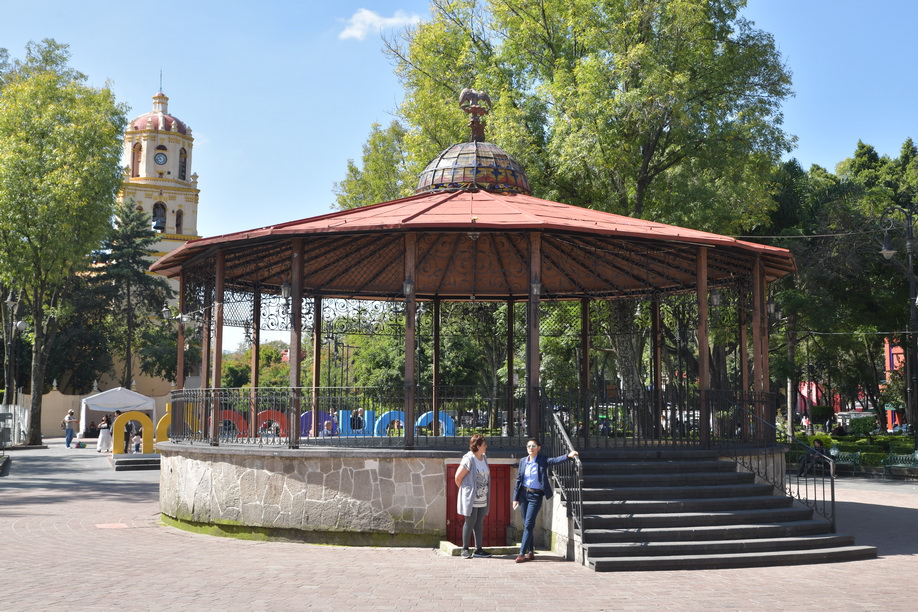
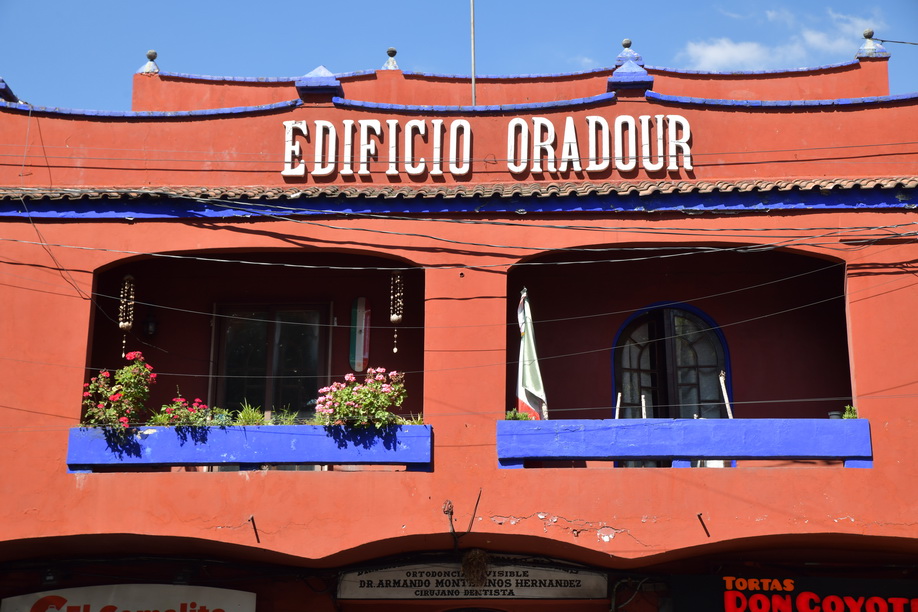
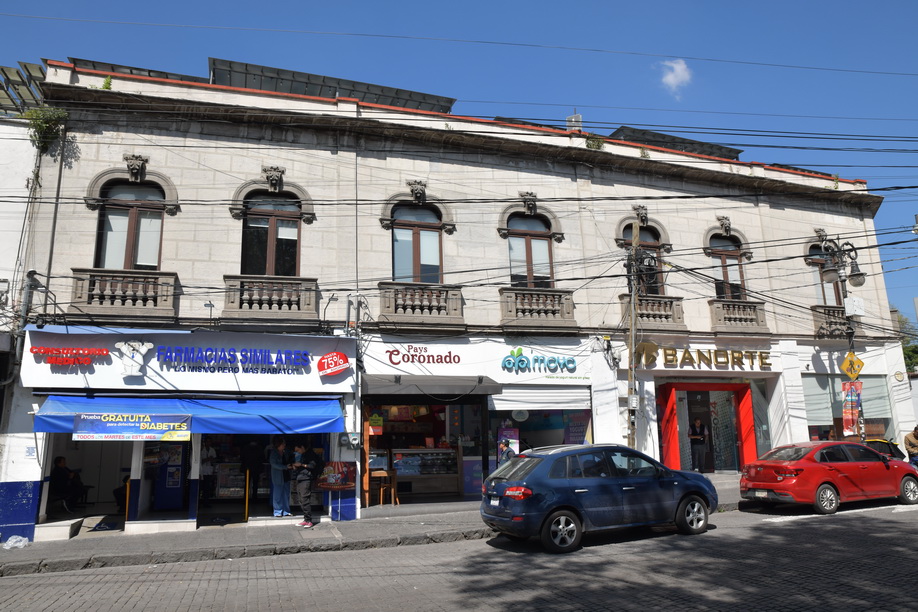
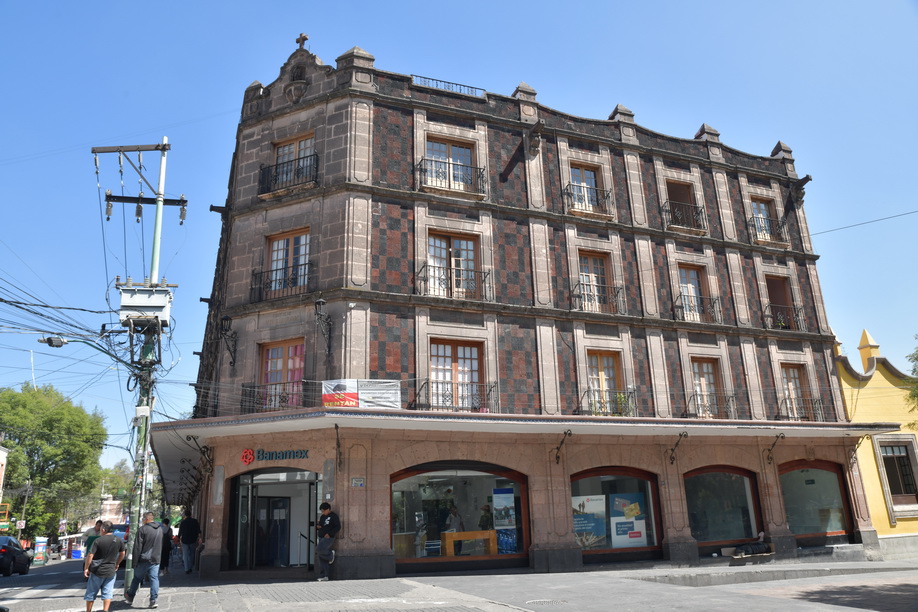
Walking through Jardin Centenario and neighbouring Jardin Hidalgo, I was struck by the way history remained part of everyday life. People talked beneath the trees, sat on benches and gathered around the squares, while old buildings had become cafes, restaurants, banks and shops. The past had not disappeared; it had simply become part of the present.
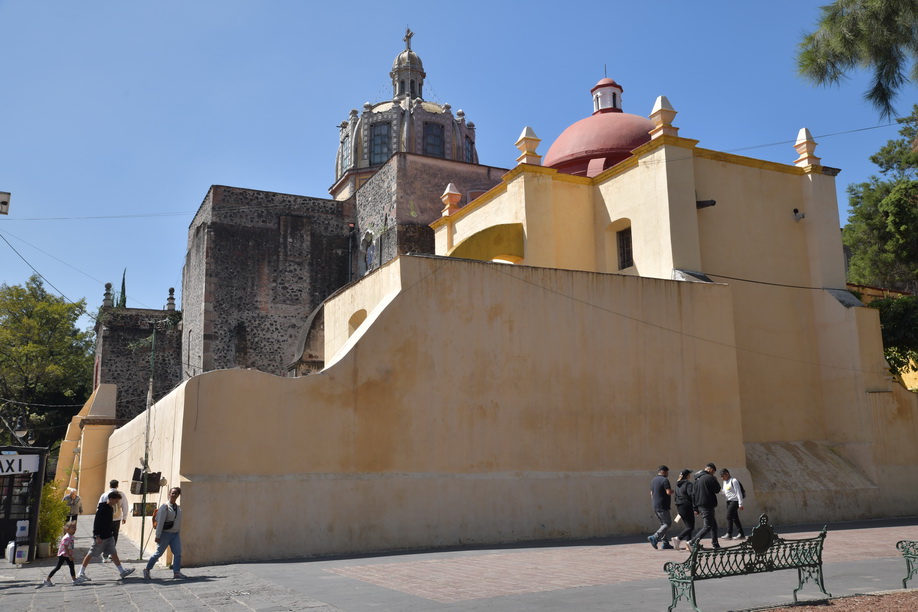
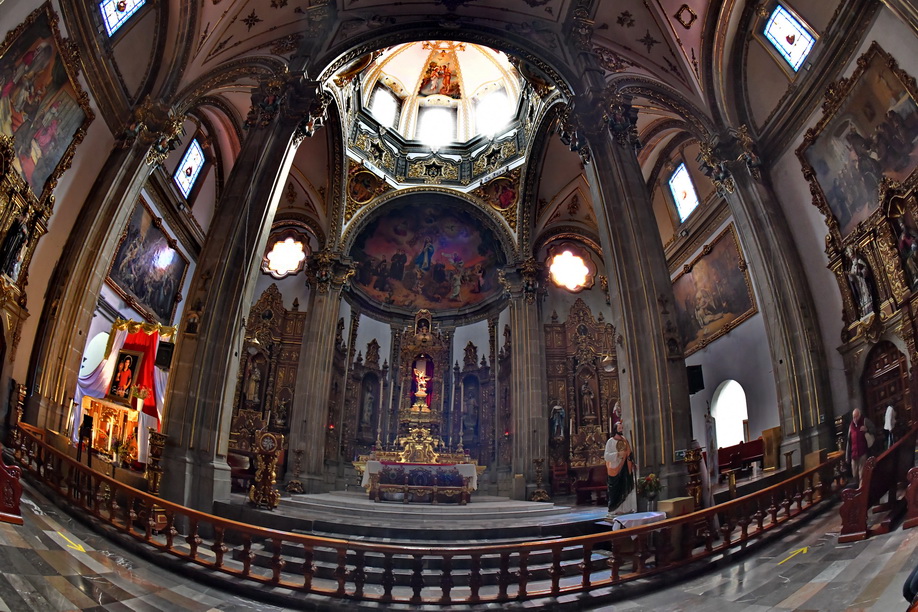
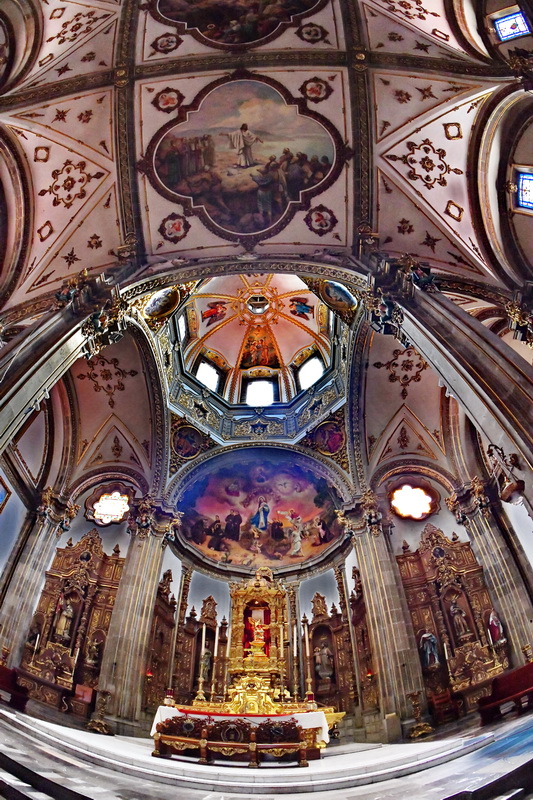
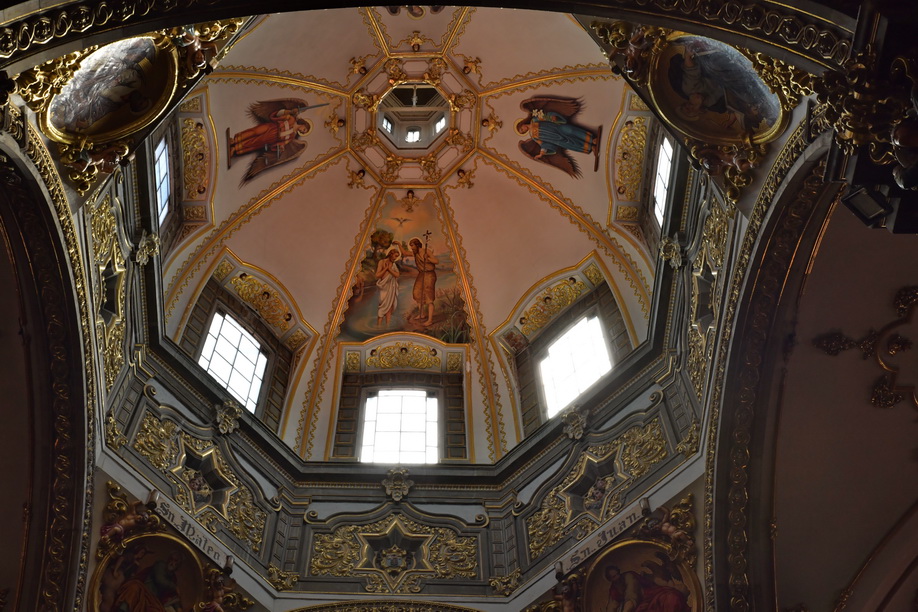
The Church of San Juan Bautista revealed another layer of Coyoacan. One of the oldest church complexes in Mexico City, its origins date back to the sixteenth century. Its relatively simple exterior gave little indication of what awaited inside: high arches, painted vaults, gilded ornamentation and a richly decorated sanctuary. Pointing my camera upward, I found centuries of religious imagery layered across its domes and ceilings.
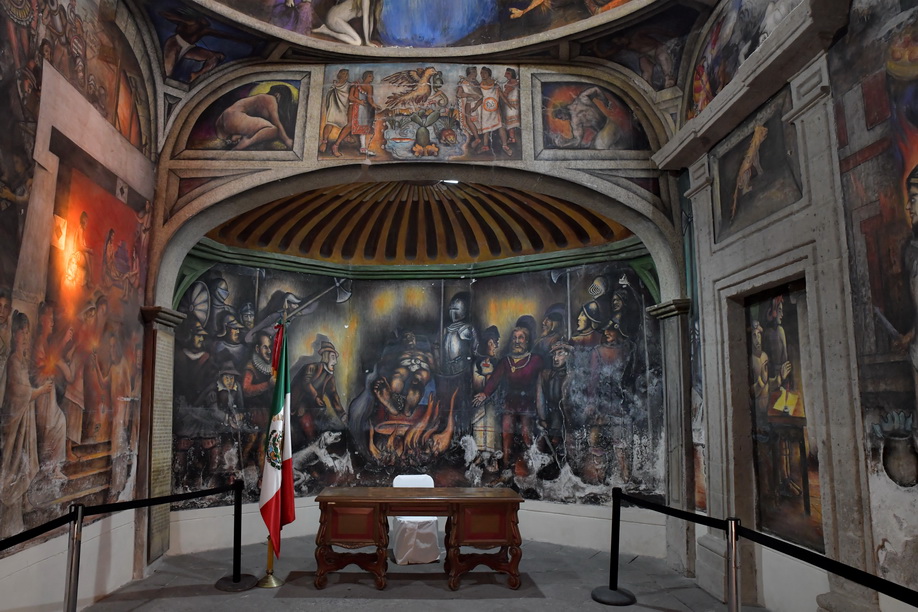
Perhaps this was what interested me most about Coyoacan. Its history does not survive in separate compartments. The coyote of its pre-Hispanic past, the colonial church, old houses, modern shops, passing cars and people sitting beneath the trees all share the same streets.
That was what I tried to follow with my camera: not a collection of monuments, but the traces of different periods living together.
And by the time I left, I understood why the coyote kept appearing everywhere.
This was Coyoacan - the Place of Coyotes.