
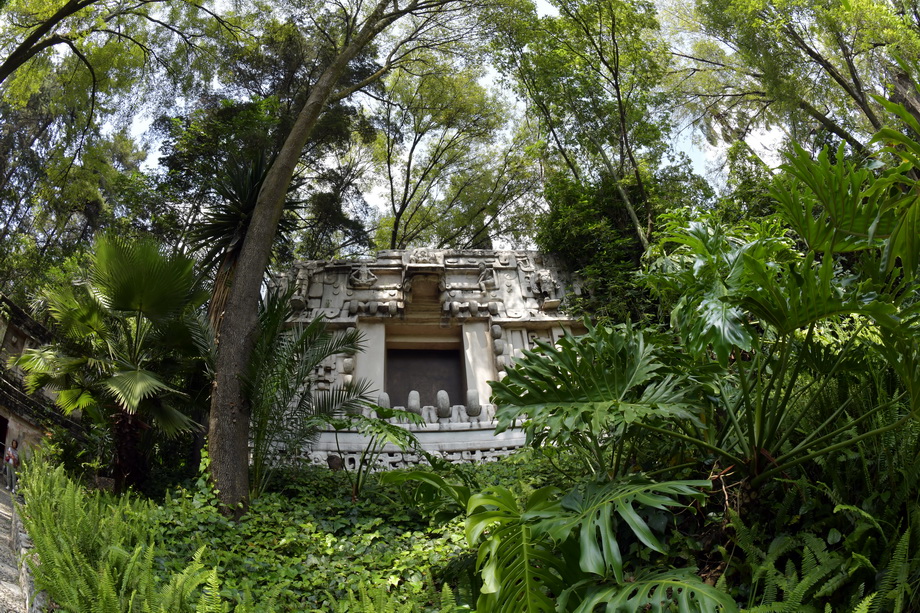
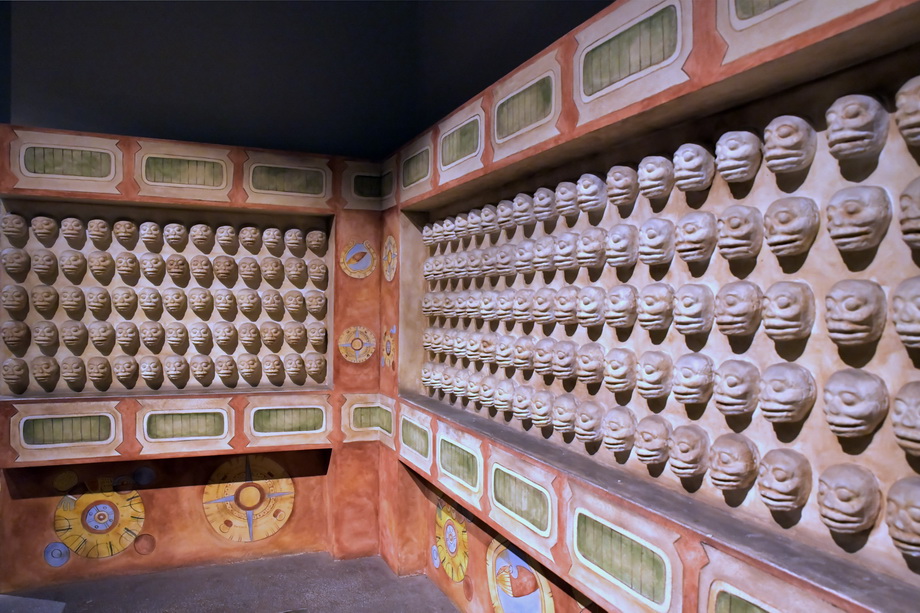
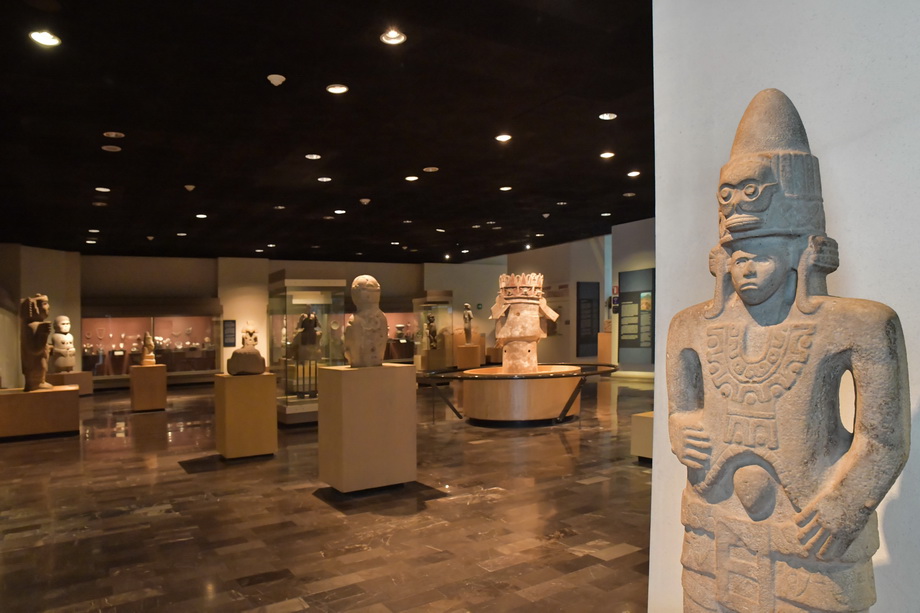
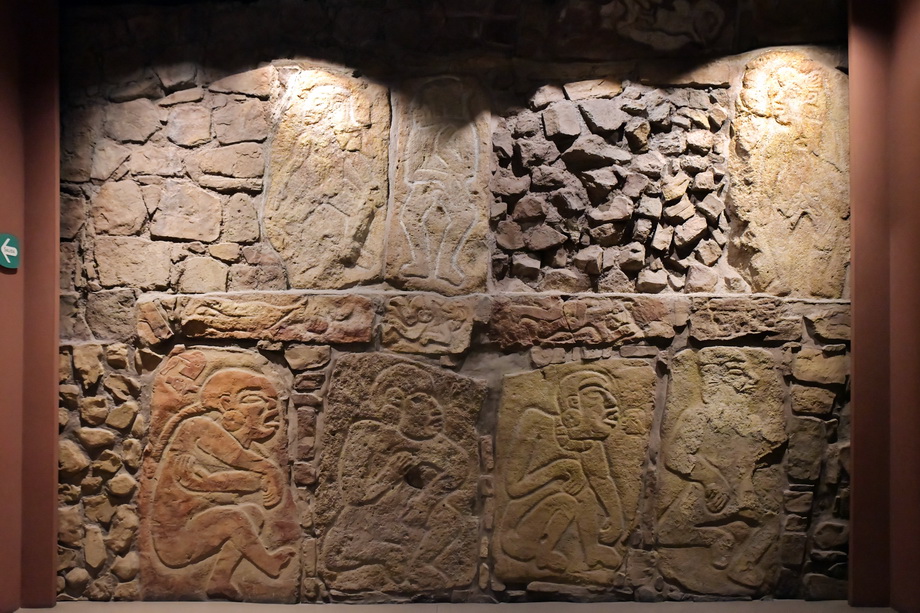
The National Museum of Anthropology in Mexico City is more than a collection of ancient objects. It is an attempt to tell the many histories of a country whose Indigenous cultures developed over thousands of years and whose traditions remain alive. During my visit in October 2025, I was interested not only in the celebrated sculptures, but also in the relationship between the objects, the people who made them and the world they once inhabited.
The present museum opened in 1964 in Chapultepec Park. Its principal architect, Pedro Ramírez Vázquez, conceived a series of exhibition halls around an enormous central courtyard. Here a monumental concrete canopy, supported by a single column often called El Paraguas—the Umbrella—creates a dramatic meeting of engineering, water and open space. The architecture is part of the museum experience: rather than moving through a single enclosed monument, visitors repeatedly return to light and air between the galleries.
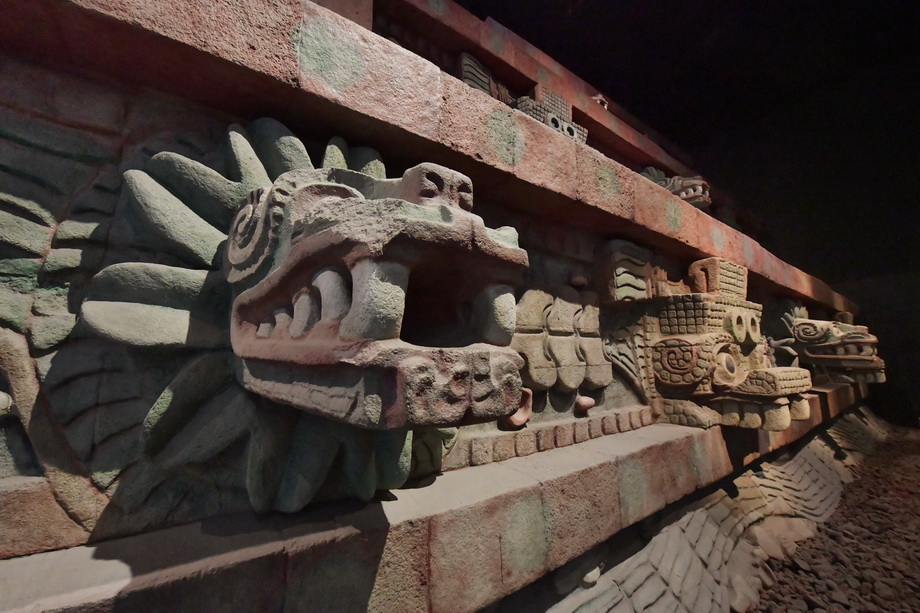
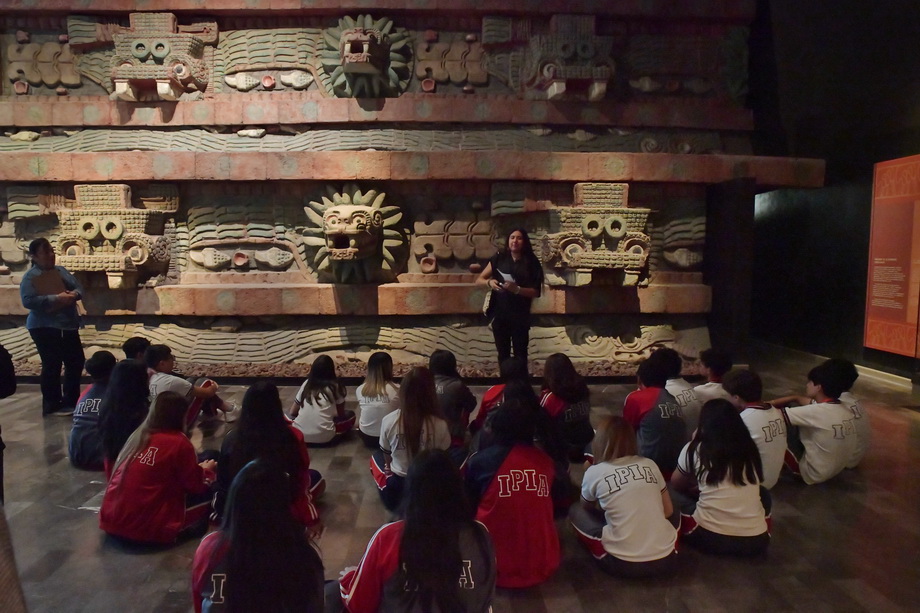
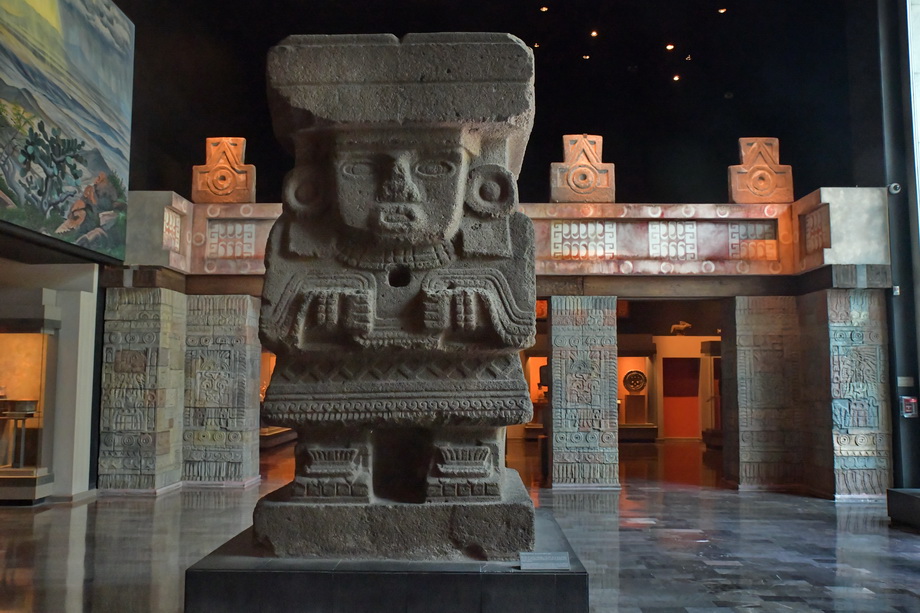
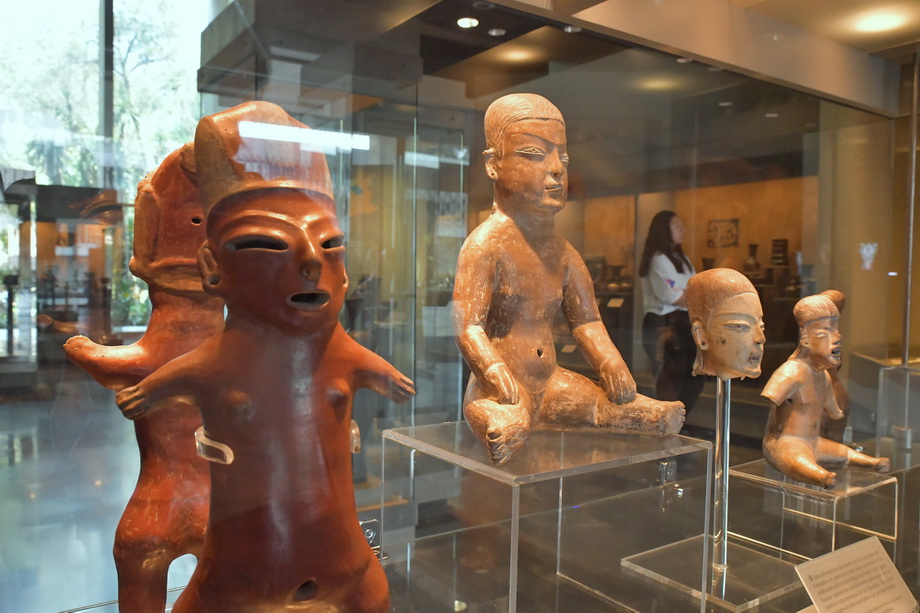
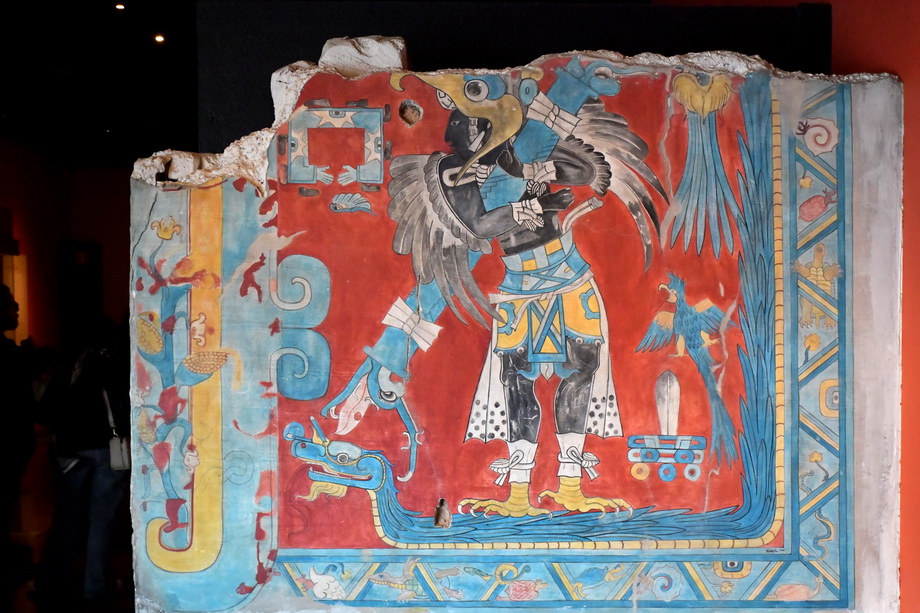
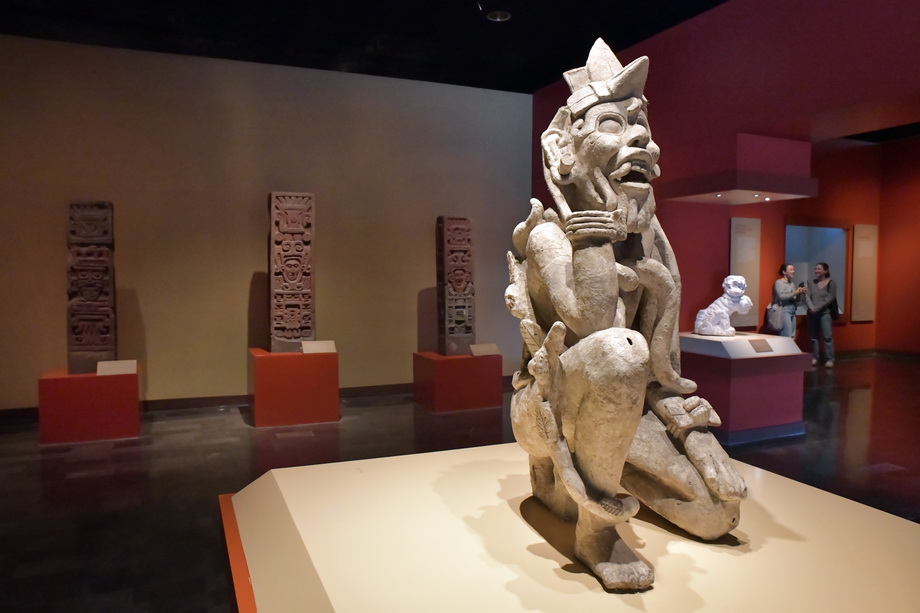
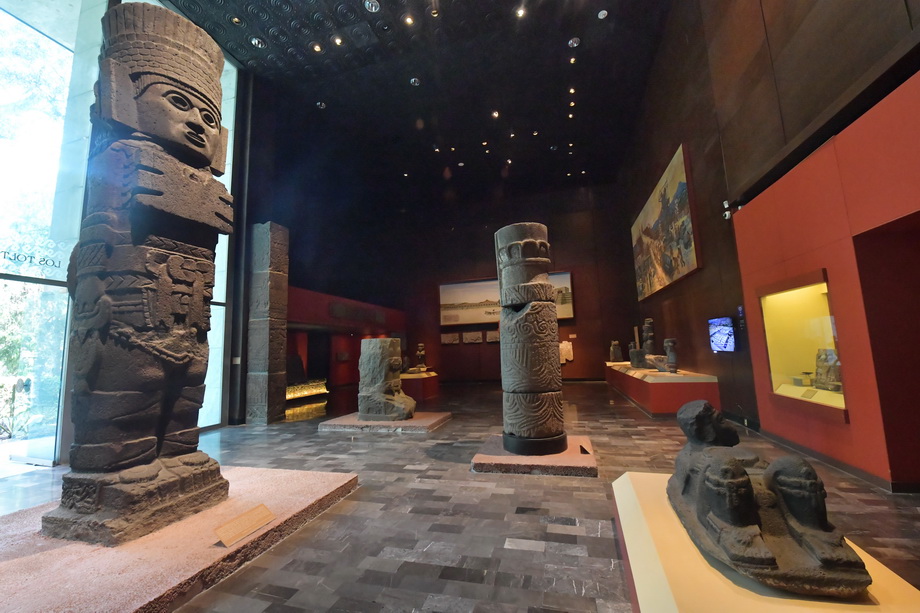
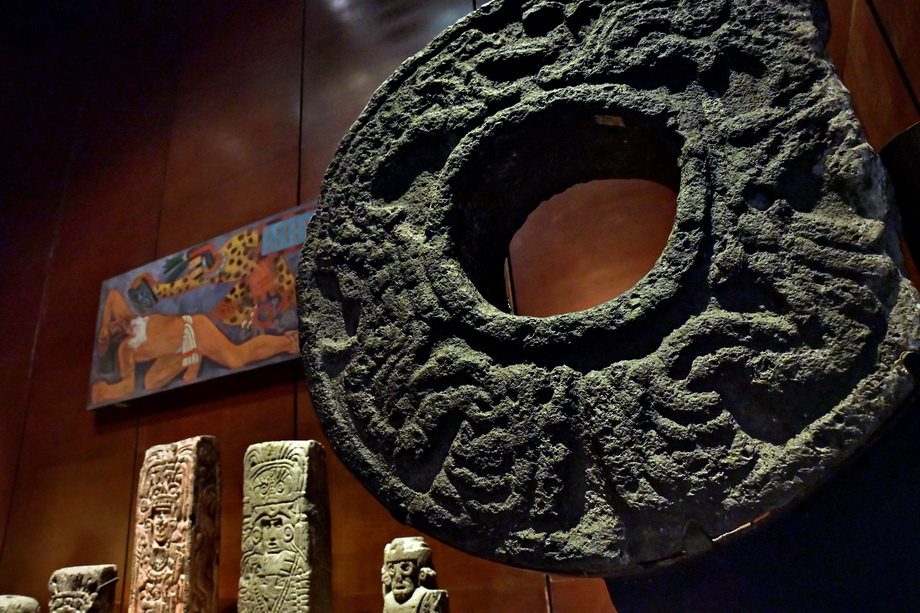
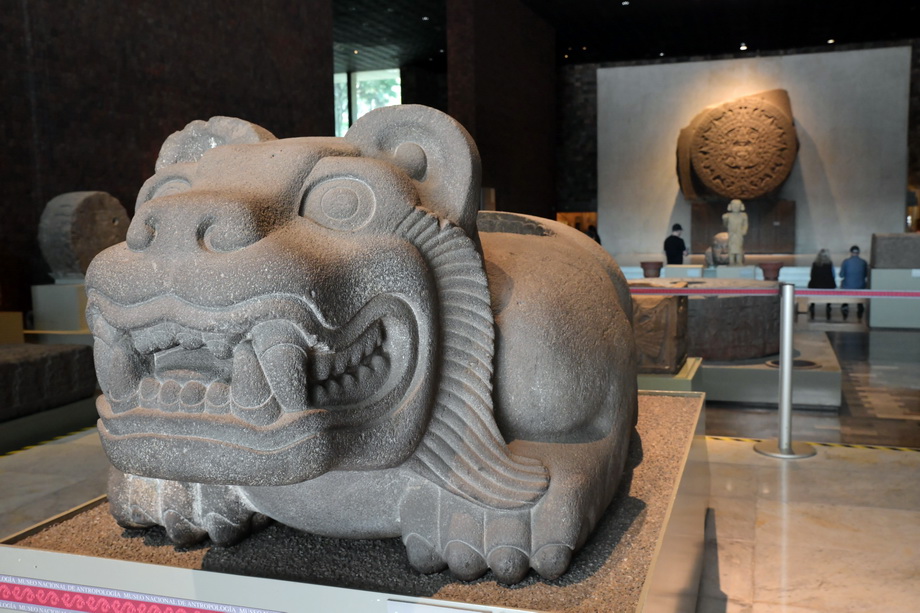
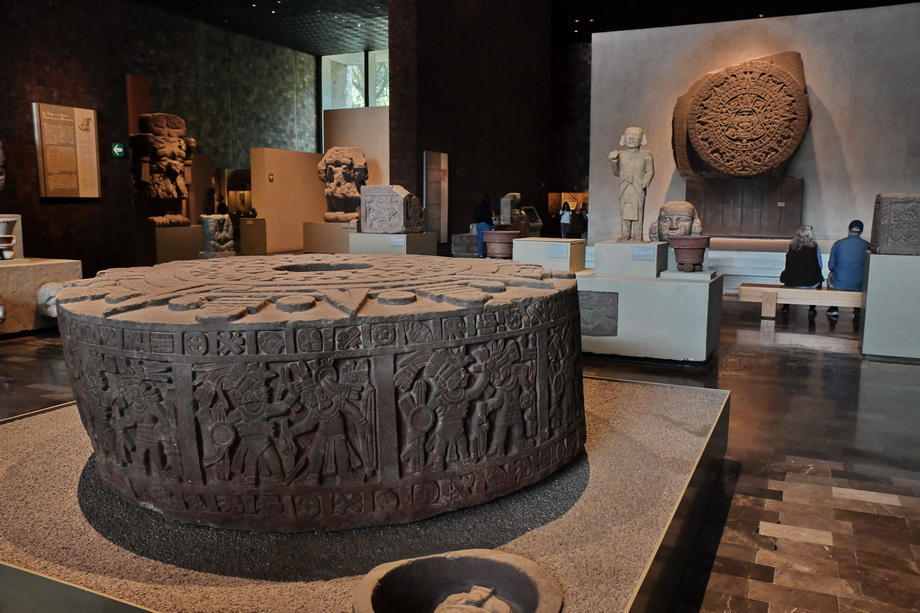
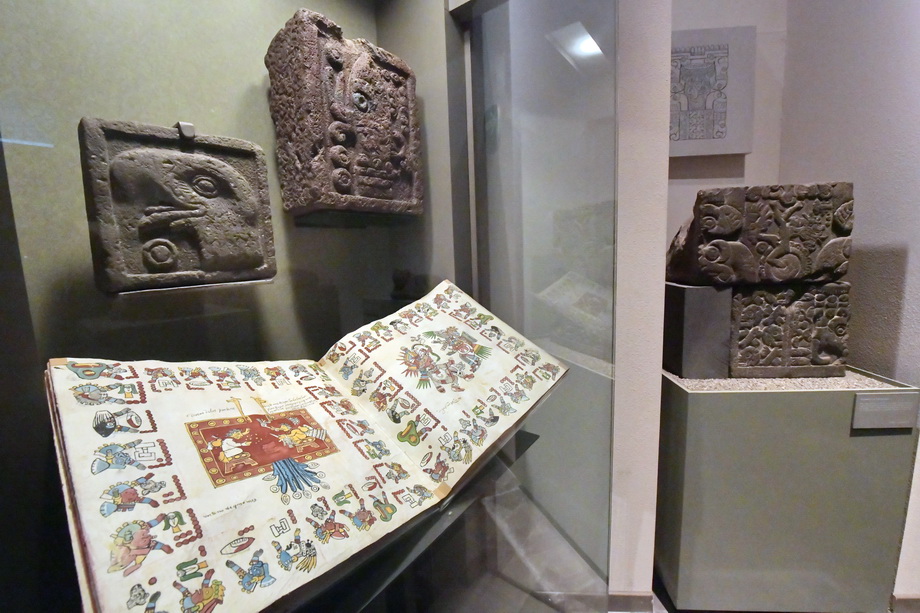
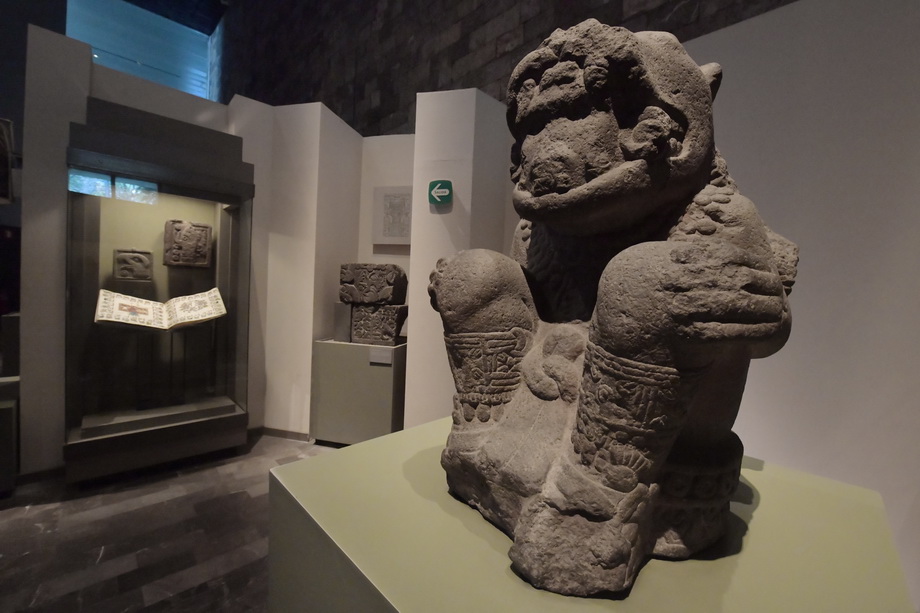
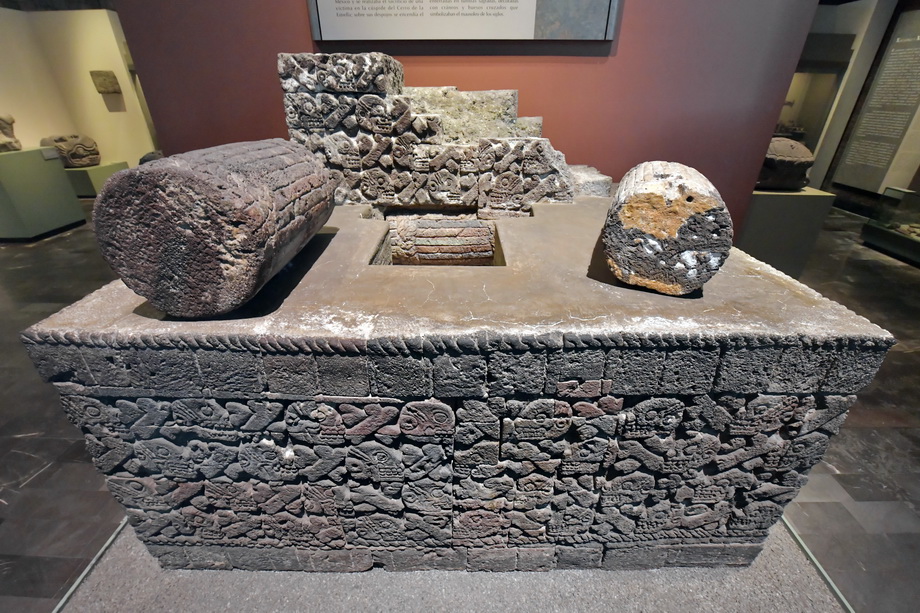
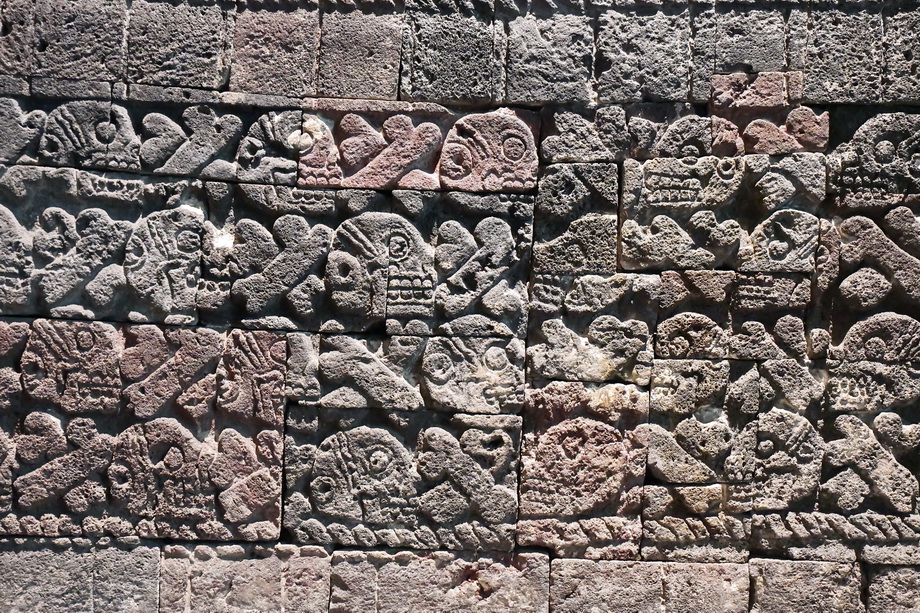
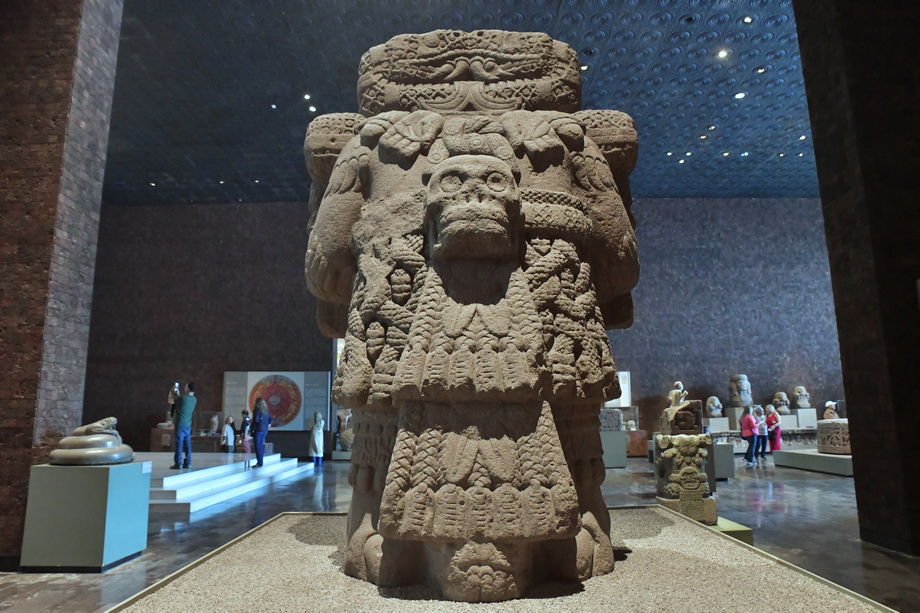
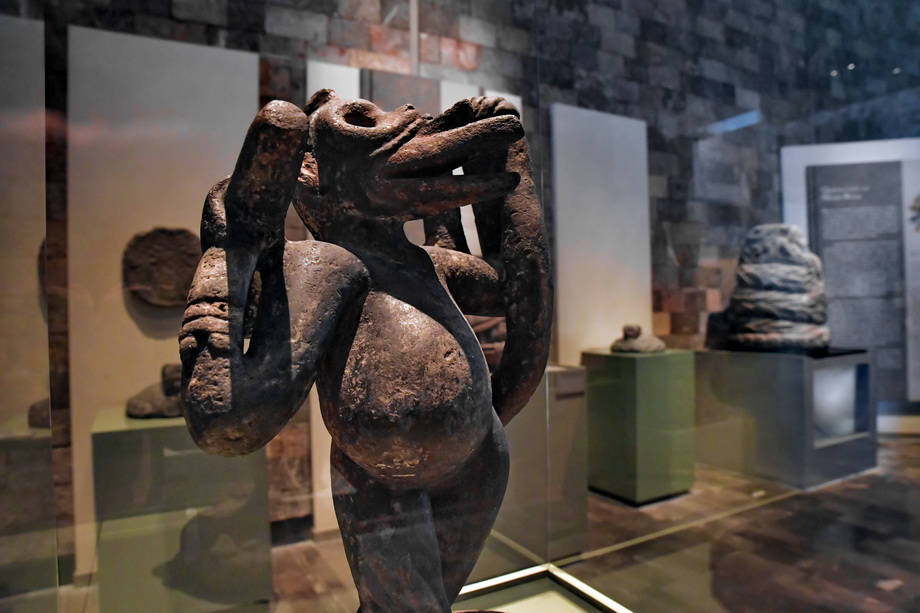
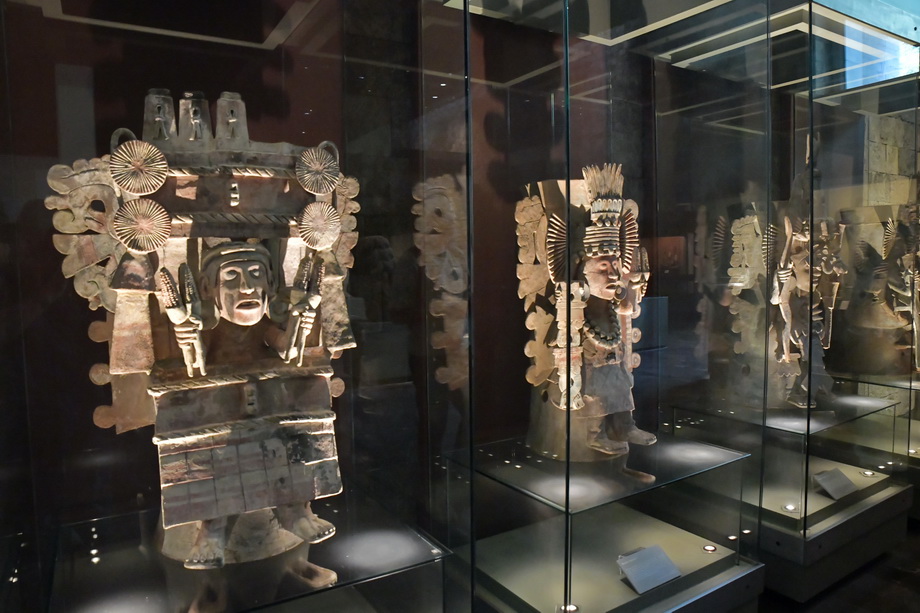
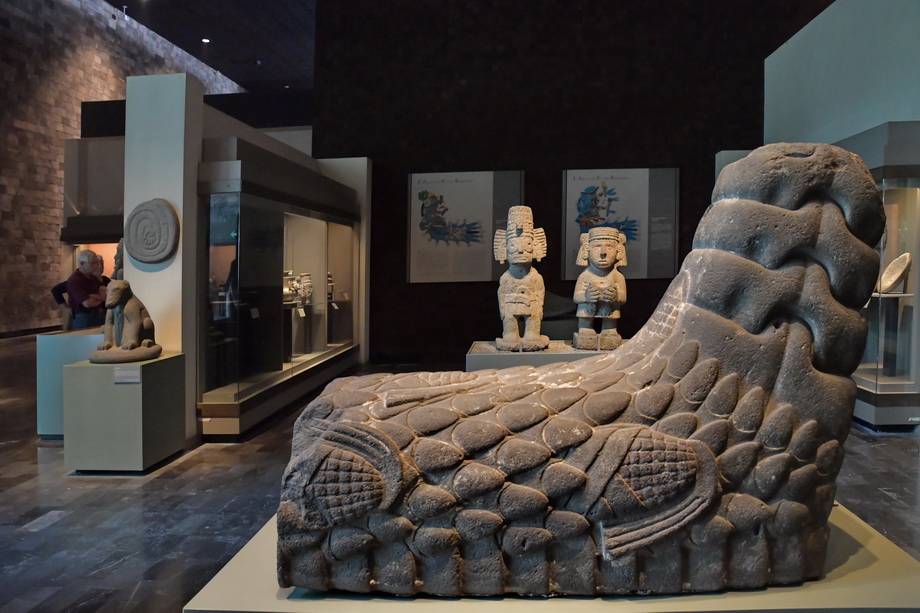
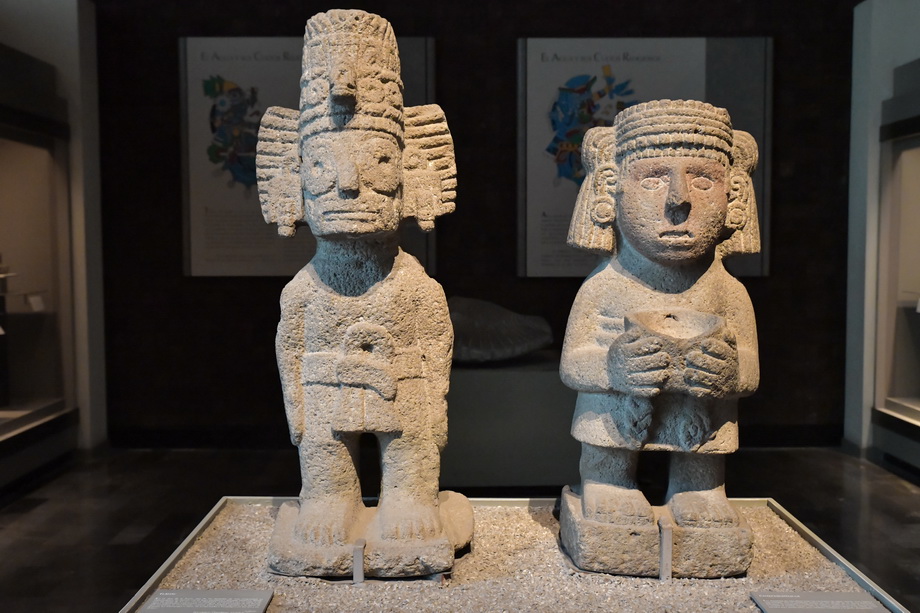
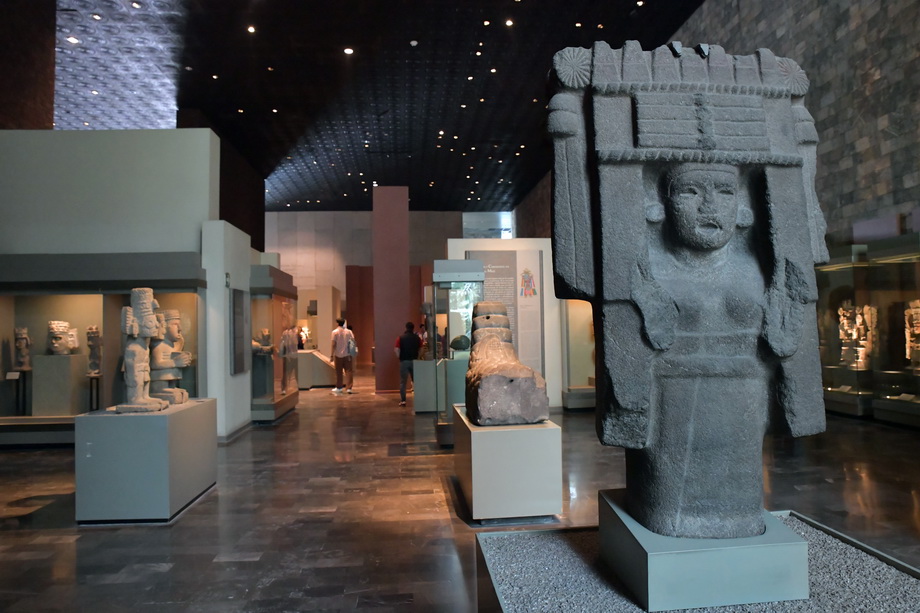
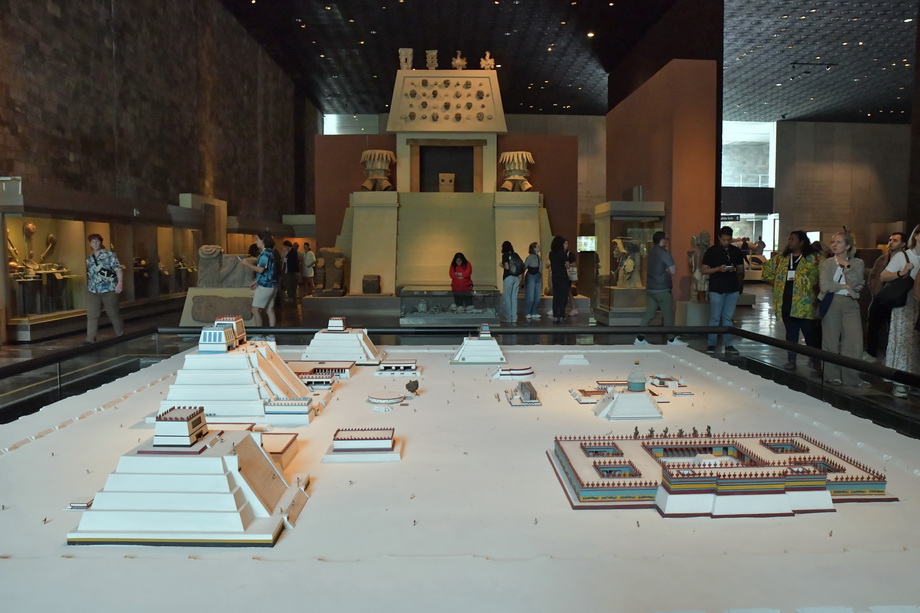
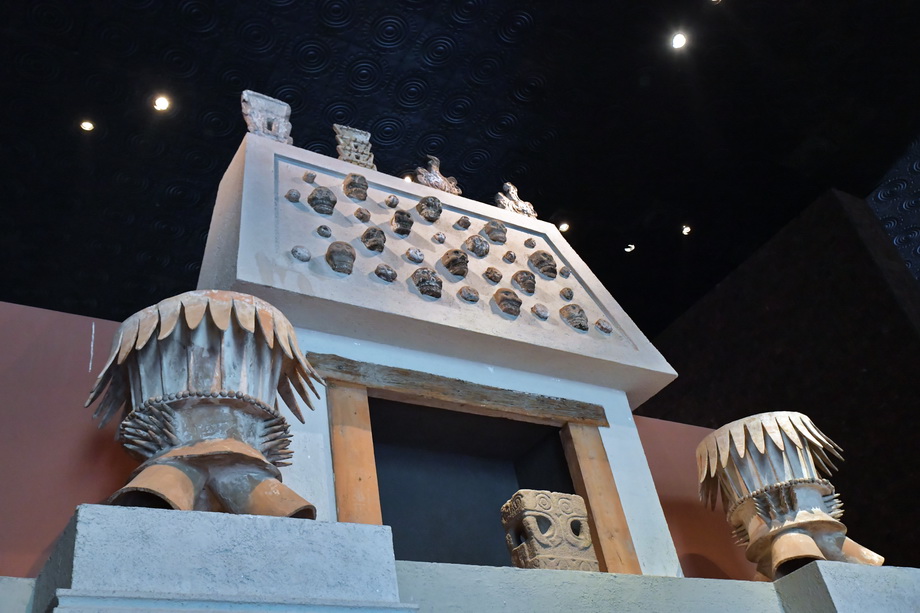
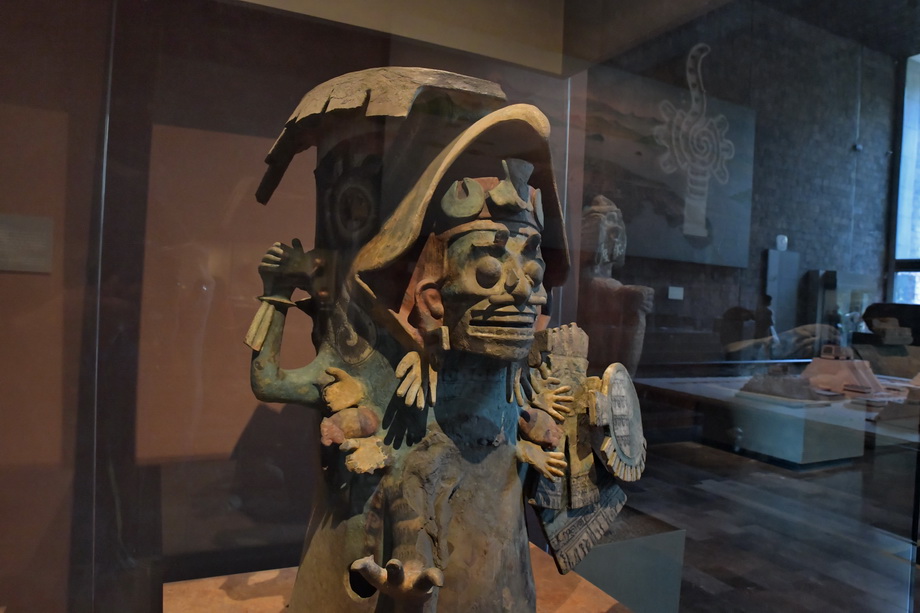
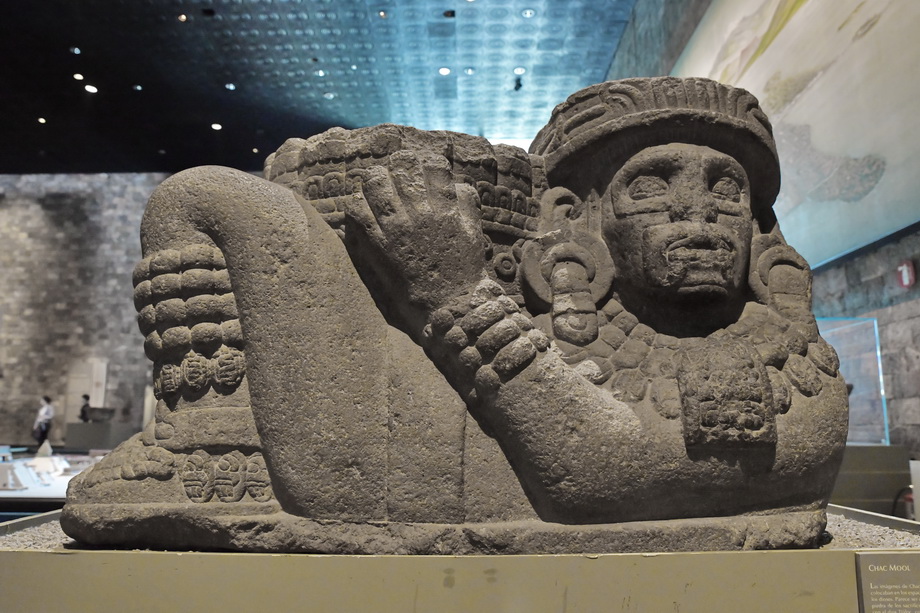
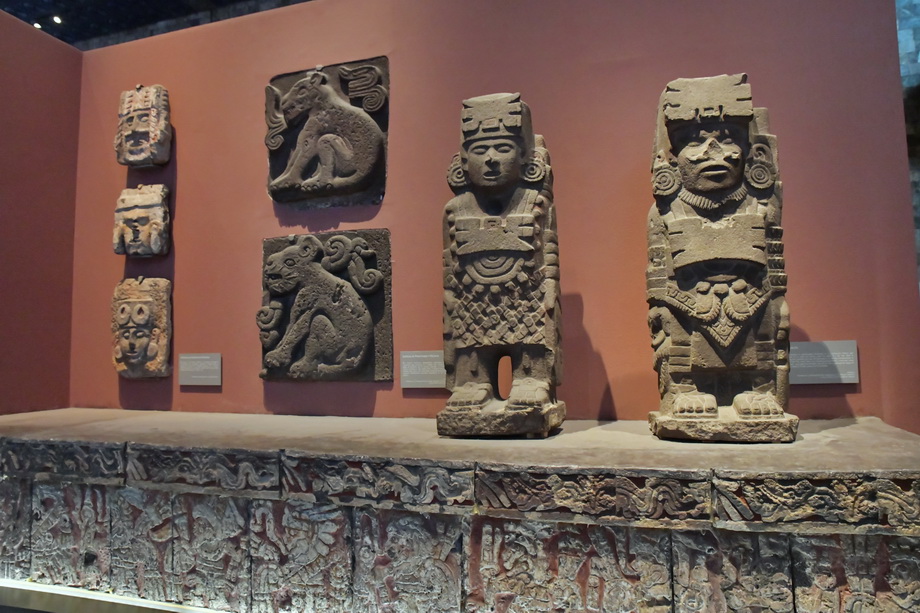
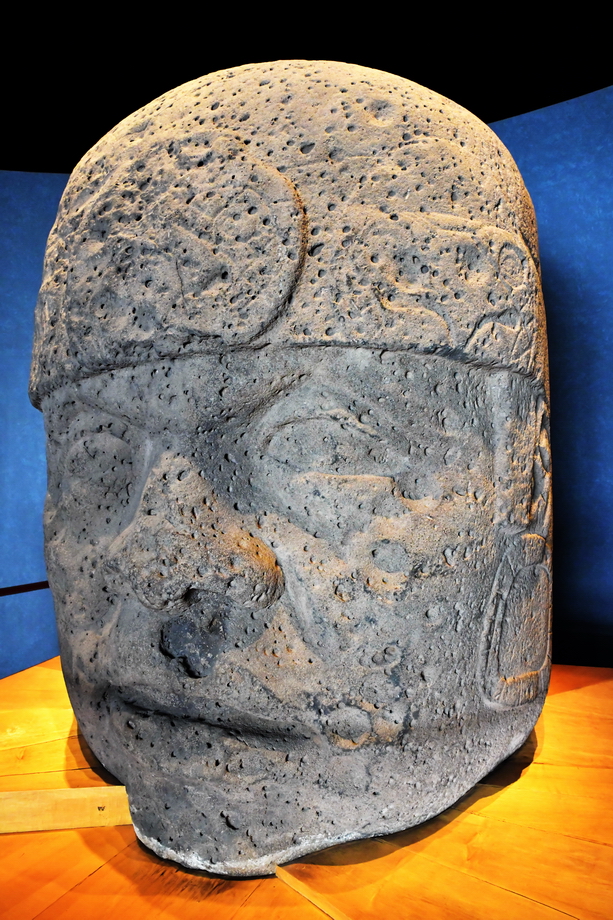
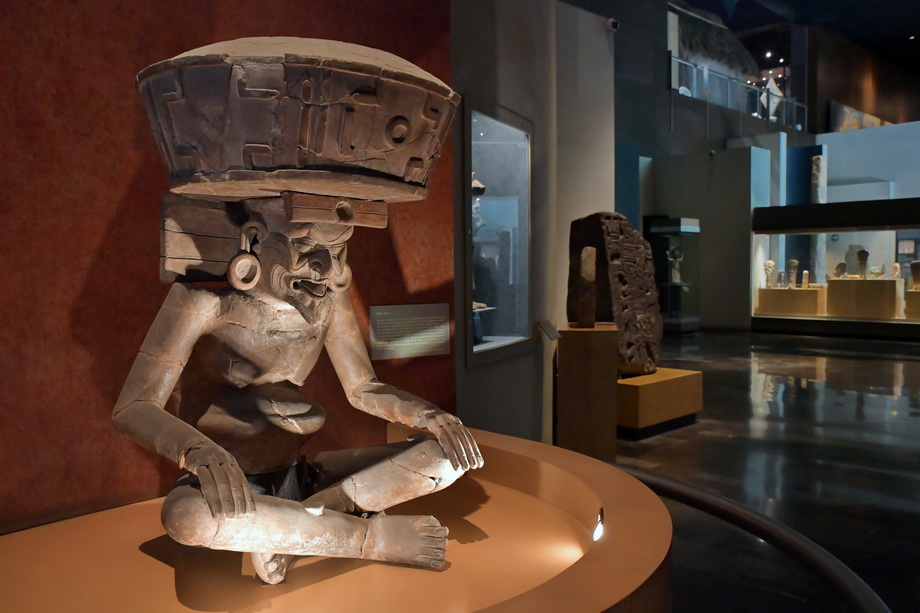
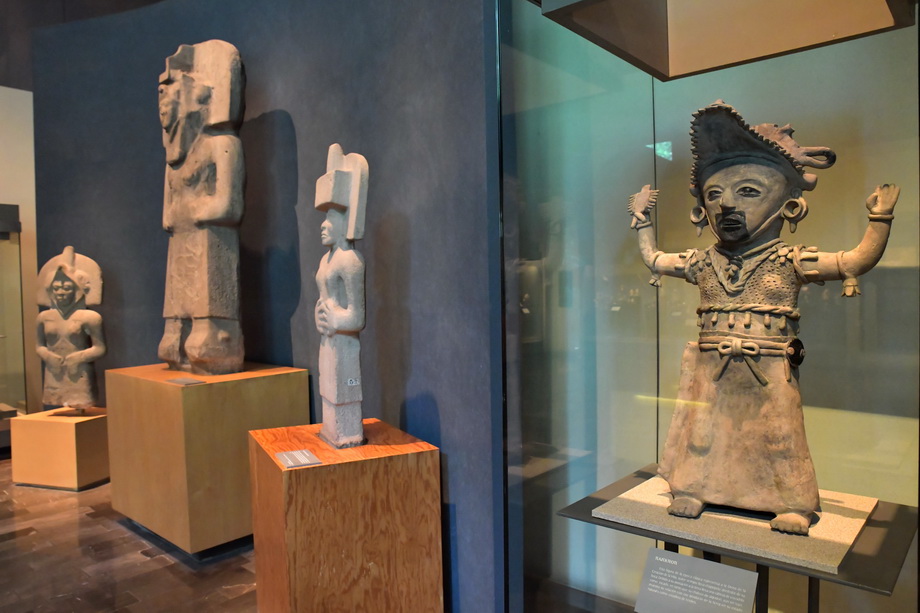
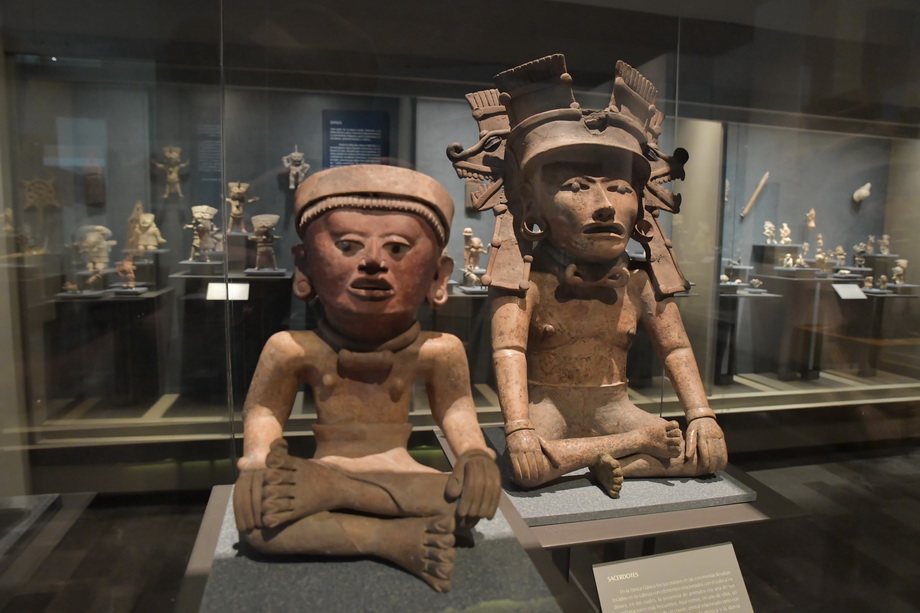
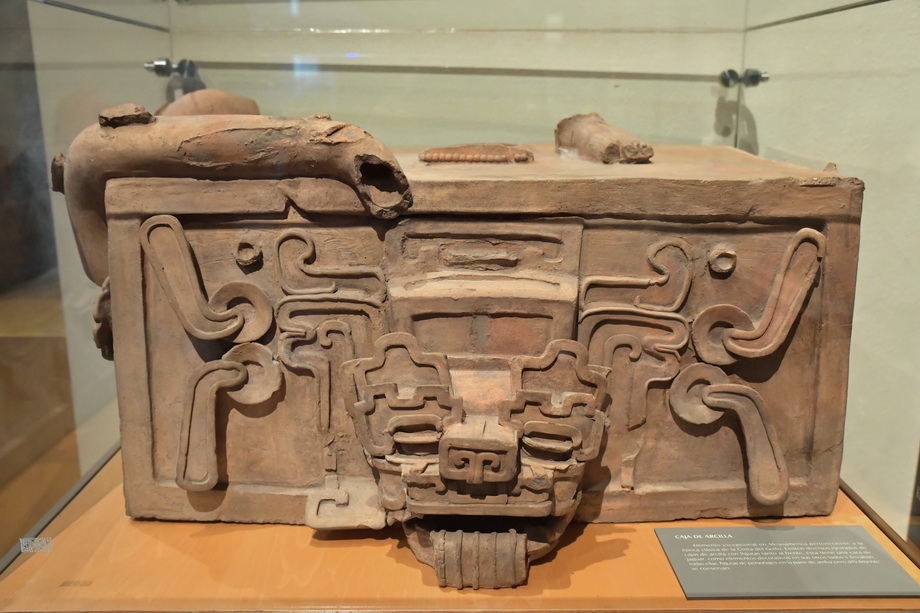
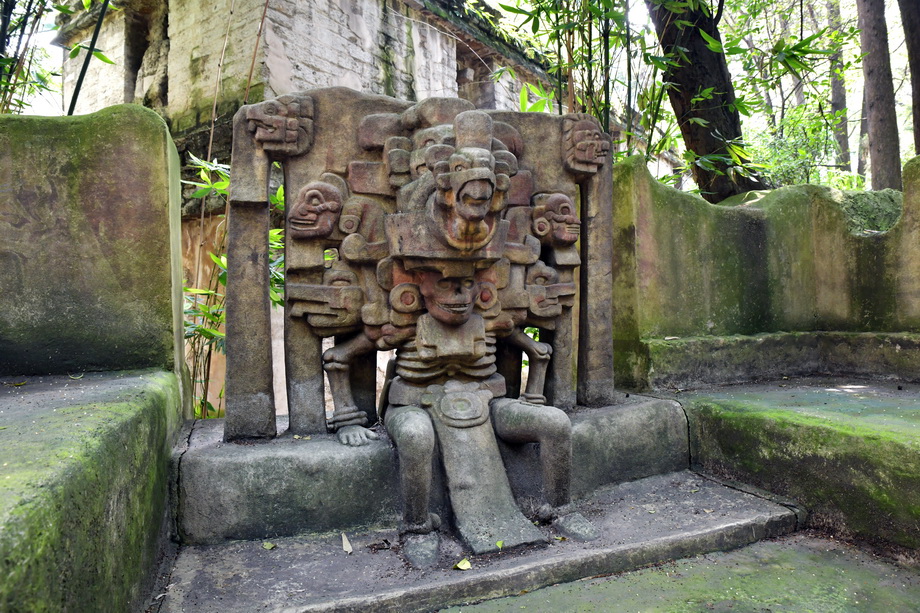
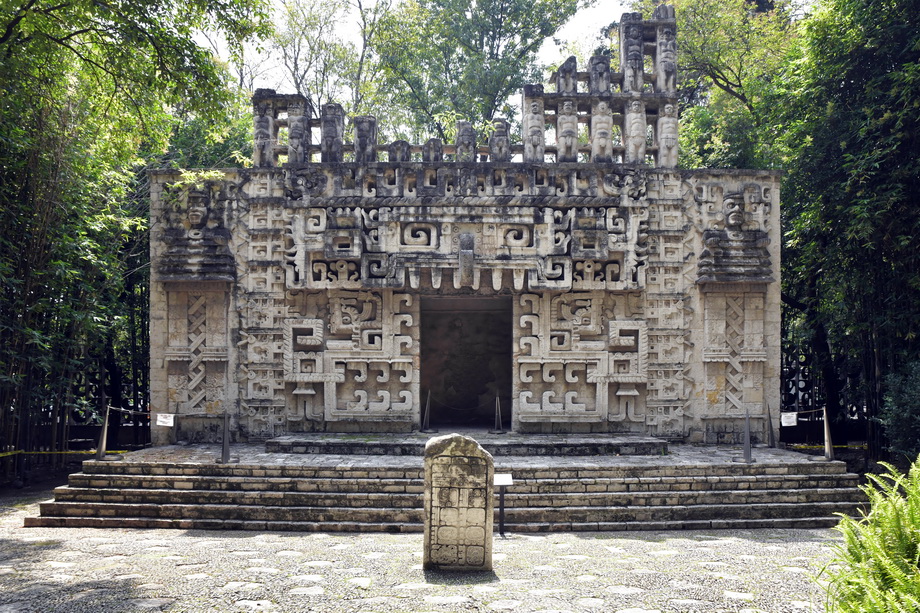
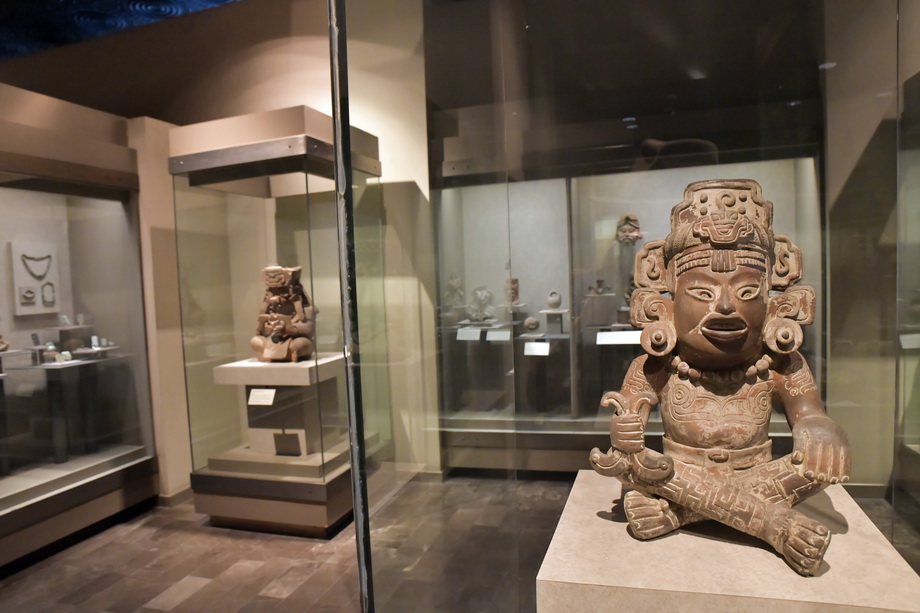
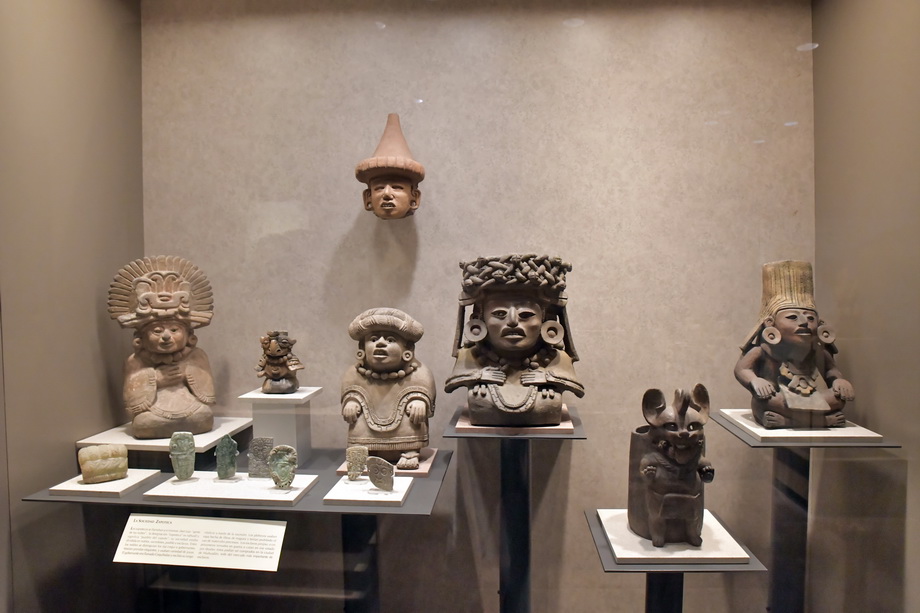
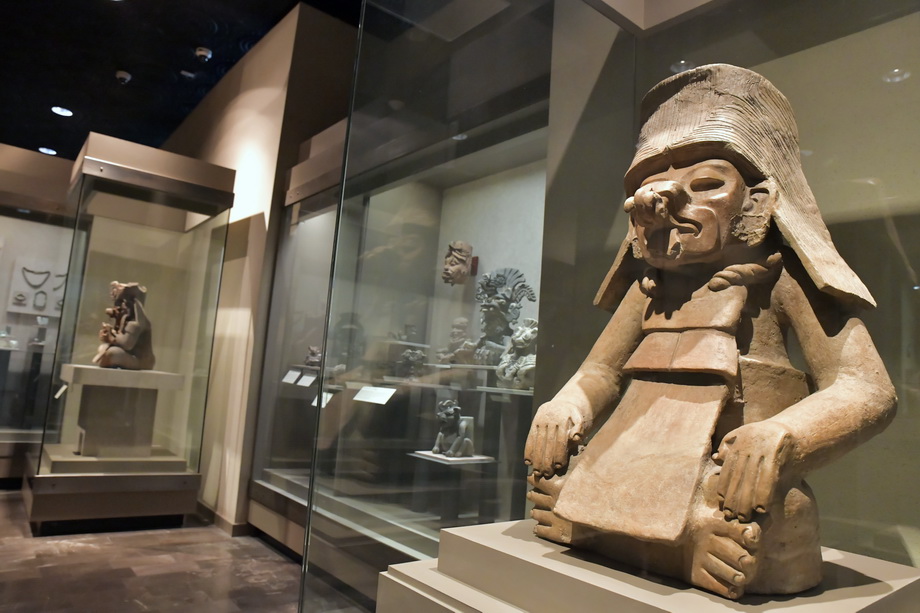
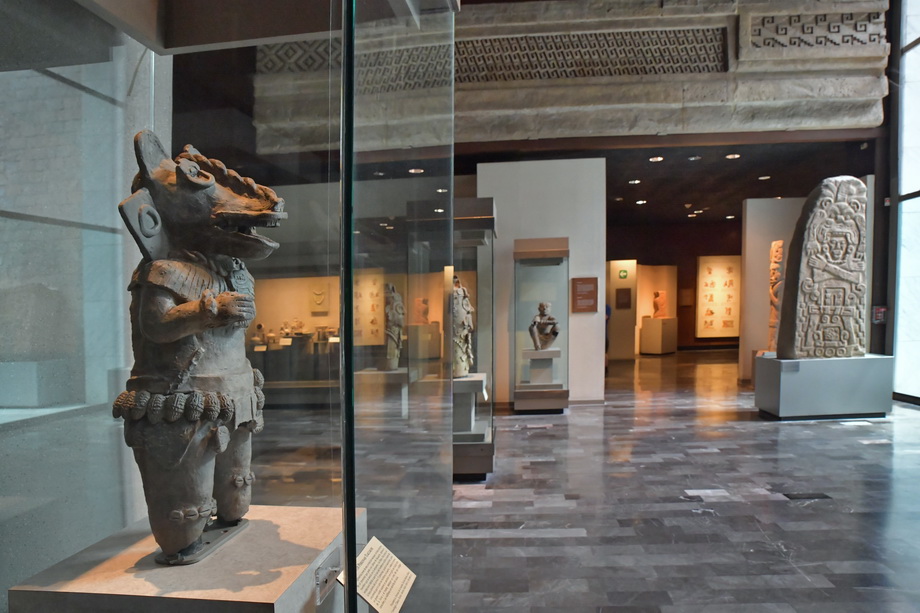
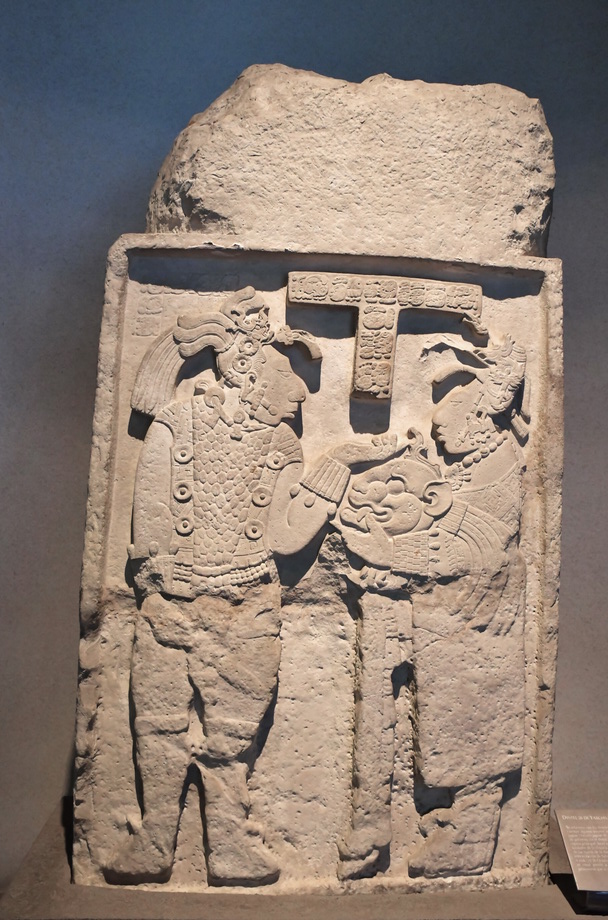
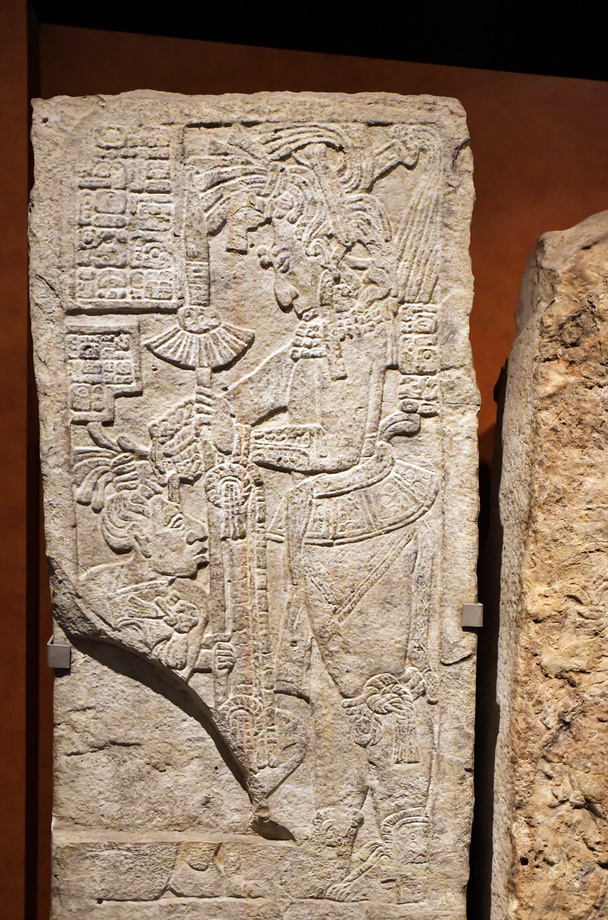
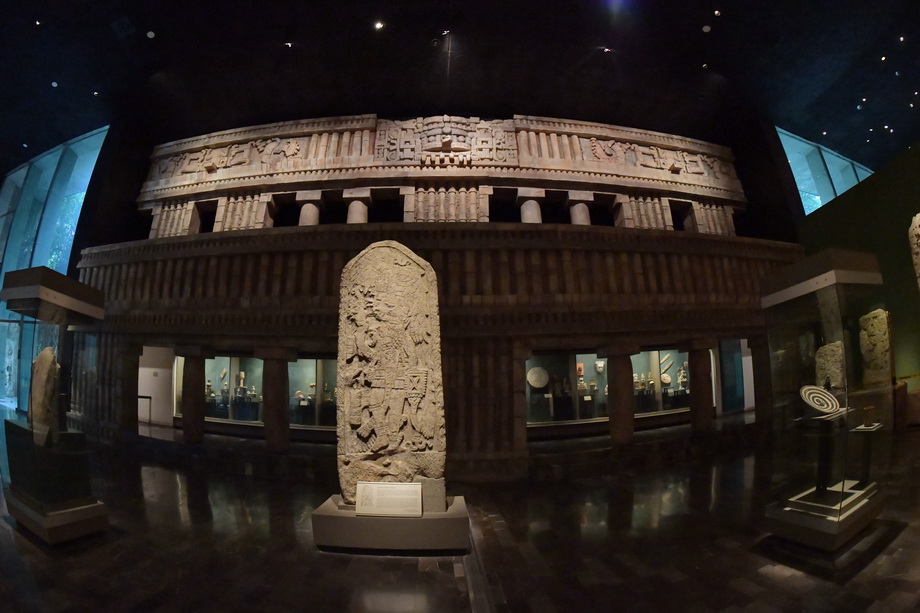
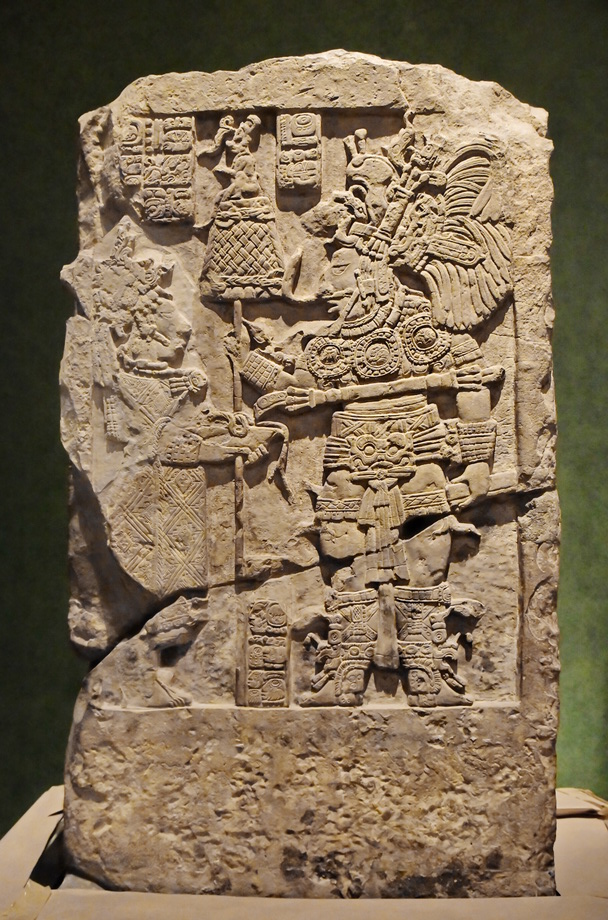
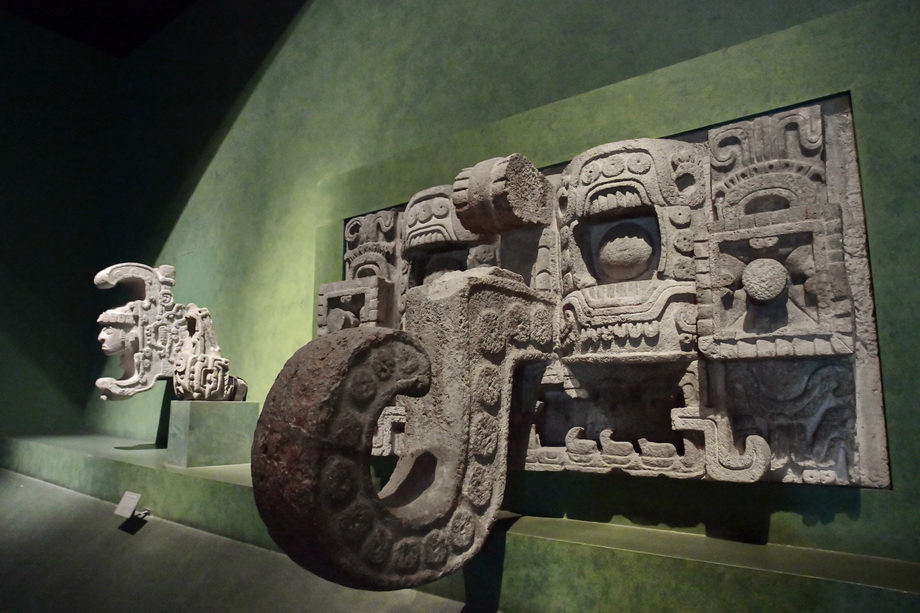
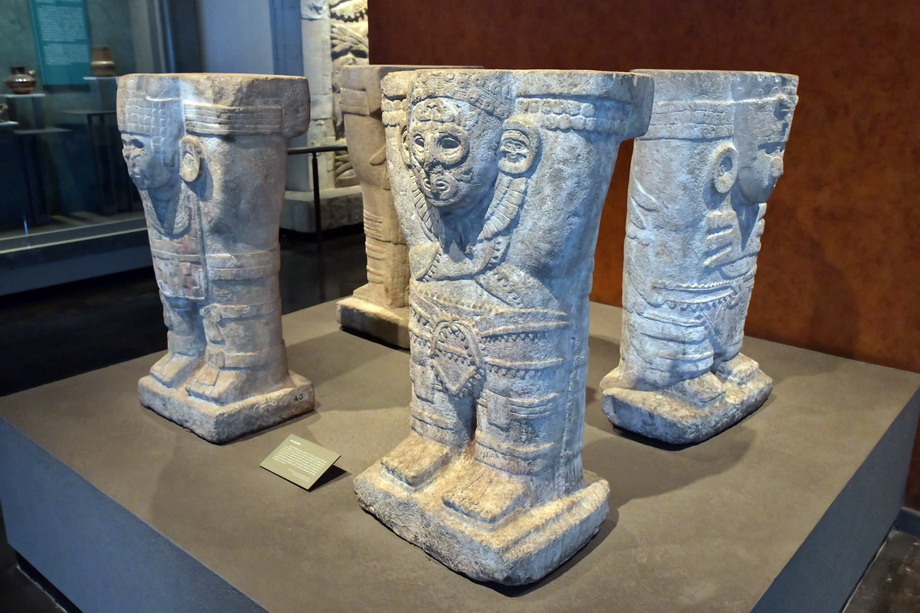
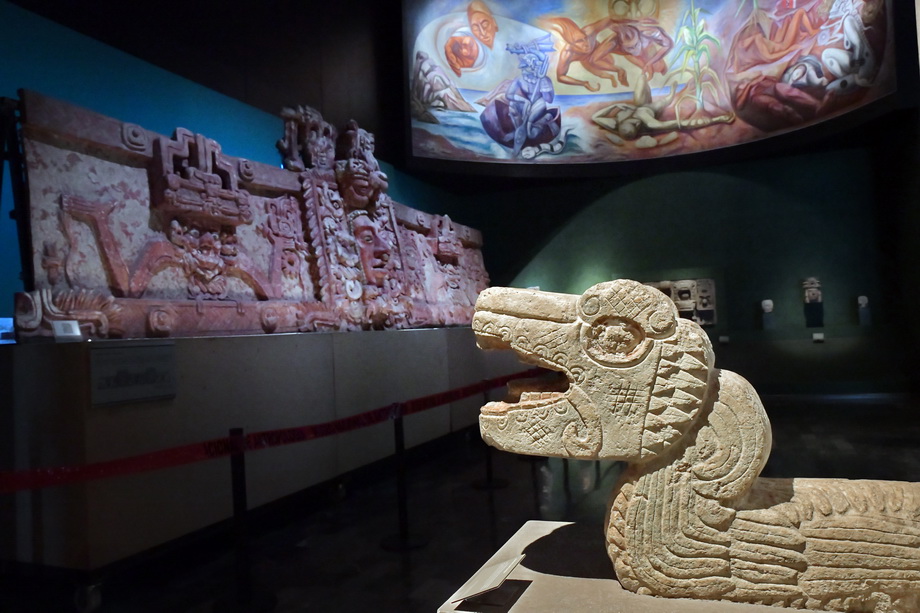
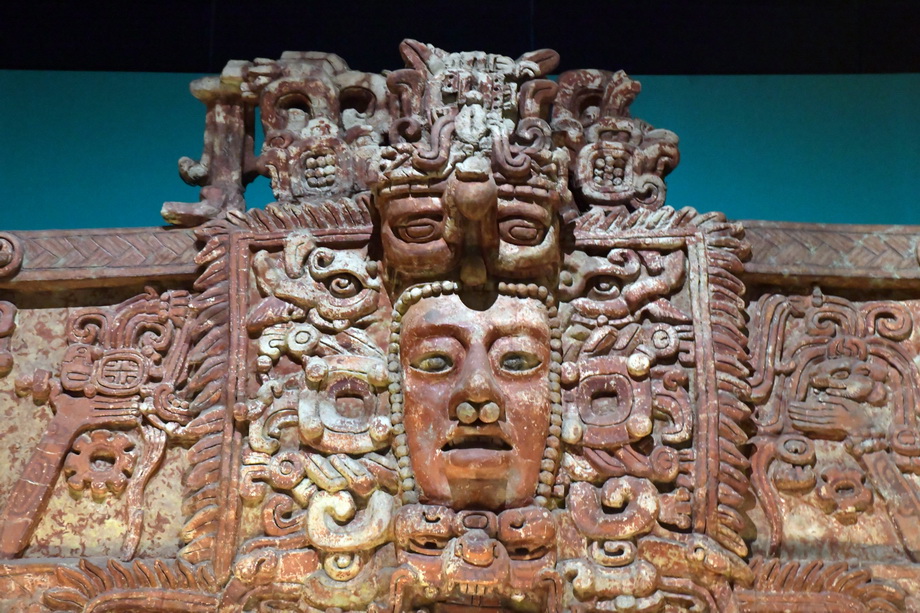
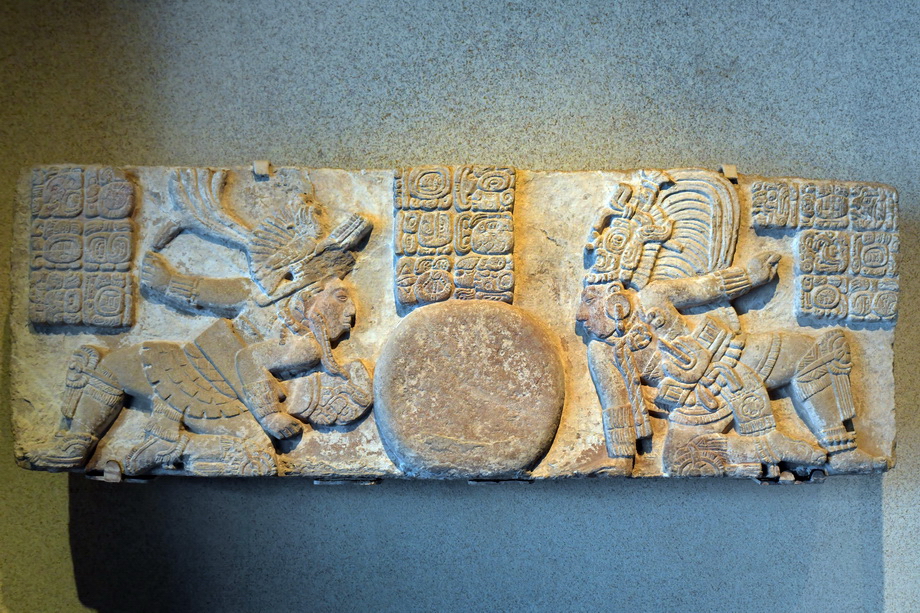
The archaeological collections introduce the civilizations of Mesoamerica, including the Olmec, Maya, Teotihuacan, Zapotec and Mexica, often called Aztec. They were not one uniform culture. They developed different languages, artistic forms, political systems and religious practices, while exchanging ideas and materials across vast distances. Stone carvings, ceramics, masks and ritual objects reveal both these differences and the connections between them.
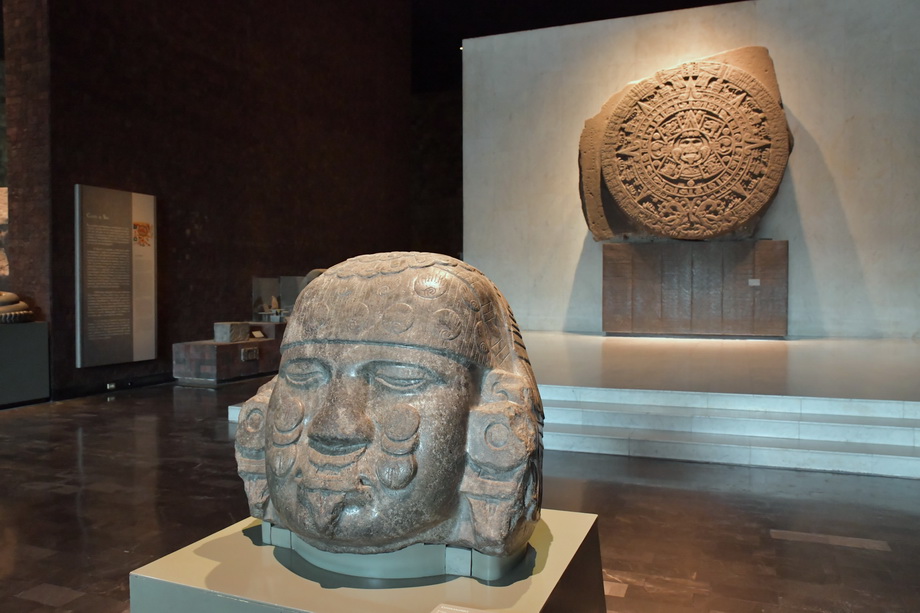
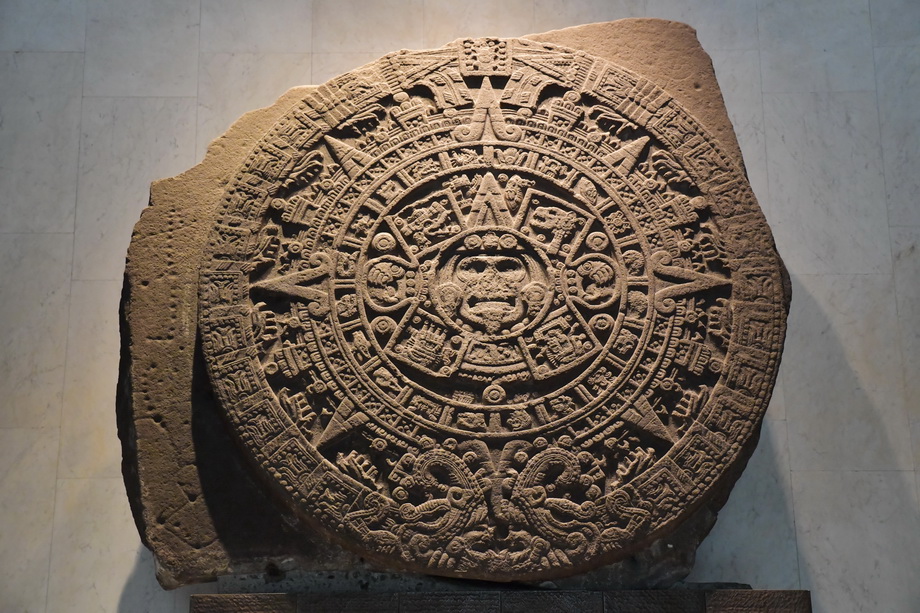
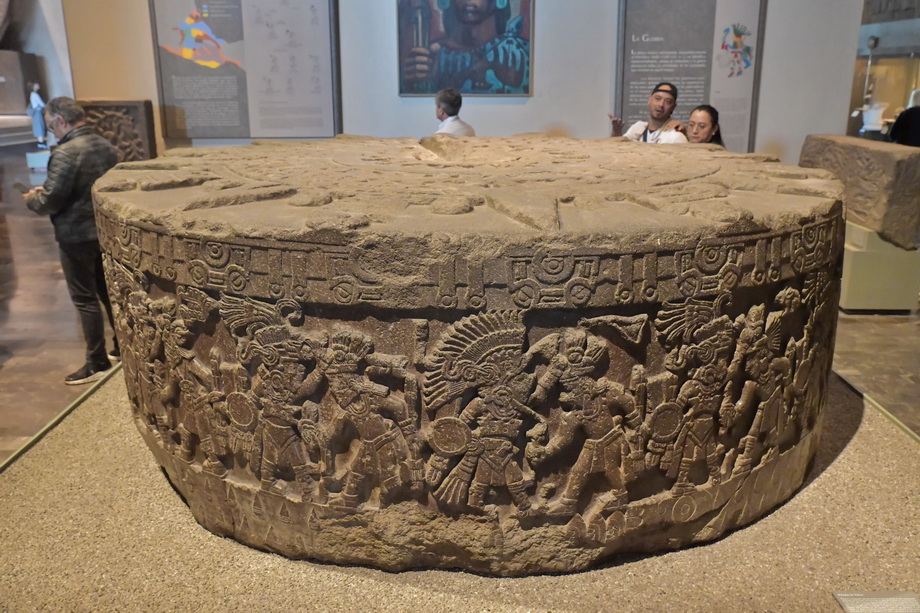
Among the museum’s most famous works is the enormous circular Mexica Sun Stone. Although it is often called the Aztec Calendar, it is not simply a calendar for counting days. Its intricate imagery refers to the movement of time, the sun, cosmic eras and the religious understanding of the universe. Seen at close range, its scale and precision make clear how much intellectual and artistic knowledge was concentrated in a single stone surface.
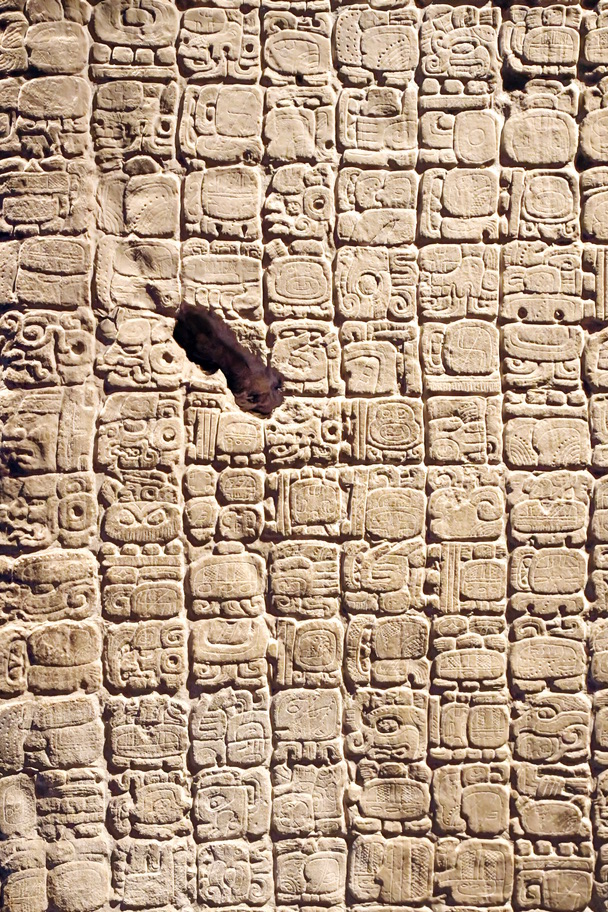
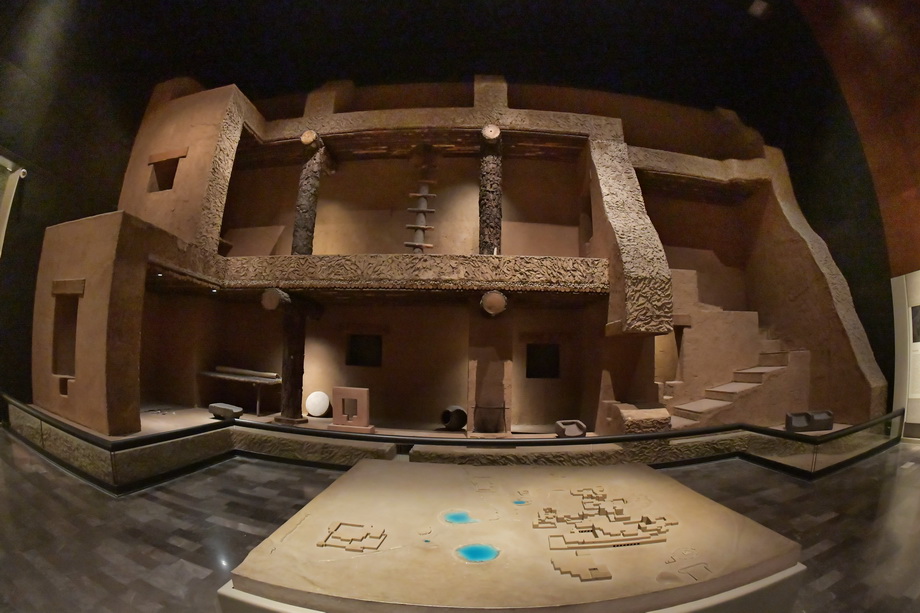
Other galleries reveal a different kind of historical evidence. Burial offerings, tools, ornaments and domestic objects help us understand everyday life alongside the authority of rulers and priests. The Maya collections, for example, demonstrate achievements in writing, astronomy and sculpture, while objects from Teotihuacan speak of a major urban civilization that flourished long before the rise of the Mexica capital.
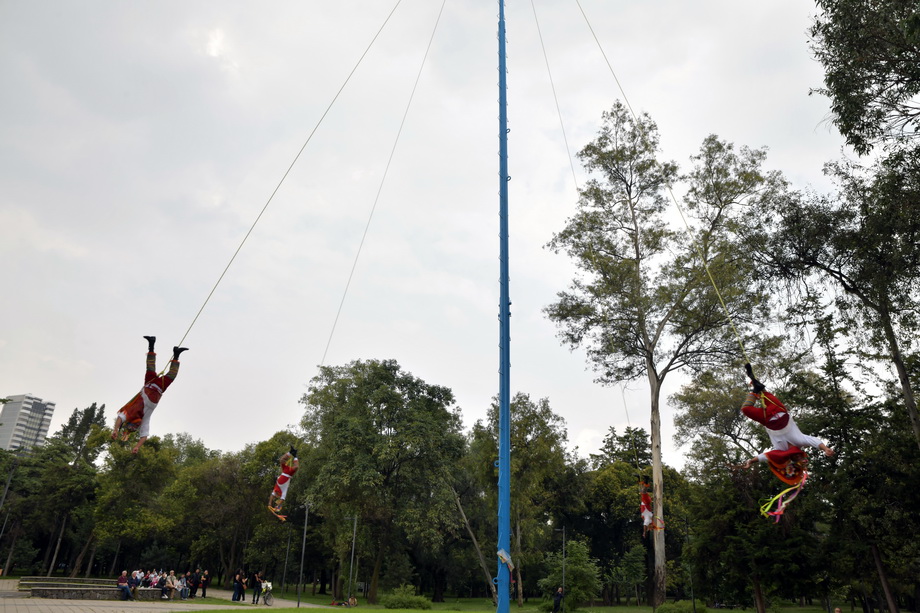
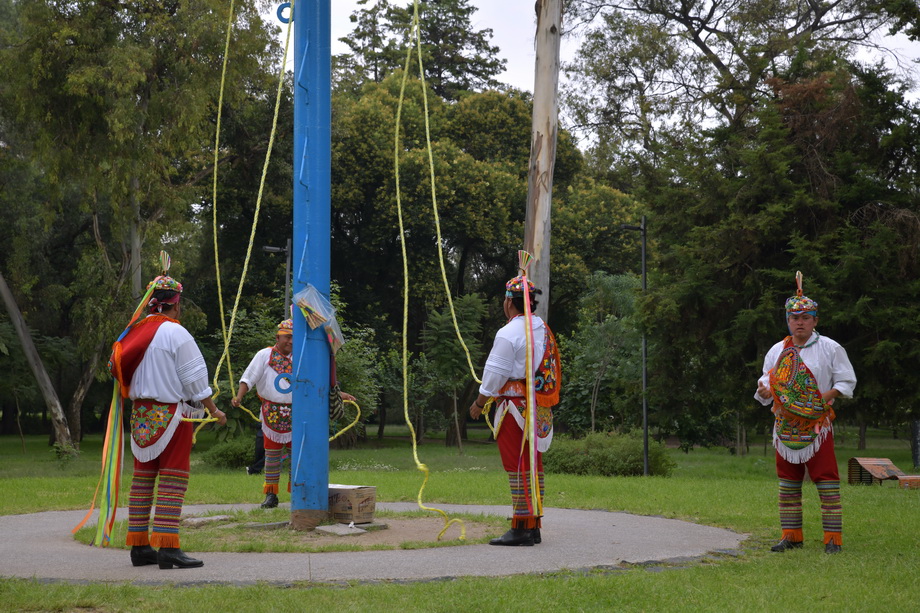
The museum also includes ethnographic galleries devoted to Indigenous communities of modern Mexico. This is an essential part of its purpose. Indigenous history did not end with the Spanish conquest in the sixteenth century: languages, weaving traditions, ceremonies, agricultural knowledge and ways of organizing community life continue to change and endure. The distance between an archaeological display and a living tradition is often much smaller than we imagine.
For a photographer, the museum presents an unusual challenge. Its monumental works invite frontal, almost formal images, yet the most revealing details may be a carved hand, a patterned vessel or the changing light across a stone face. I approached the collections as traces of human decisions and skills, rather than as isolated masterpieces. The photographs are therefore a record of encounters with objects whose original surroundings have largely disappeared.
No single museum can contain the full history of Mexico. Nevertheless, the National Museum of Anthropology provides an important starting point: it encourages us to look beyond the familiar names of empires and to recognize the diversity, complexity and continuity of the cultures that shaped this land.