
Bangkok Chinatown
Bangkok, Thailand | October 2018
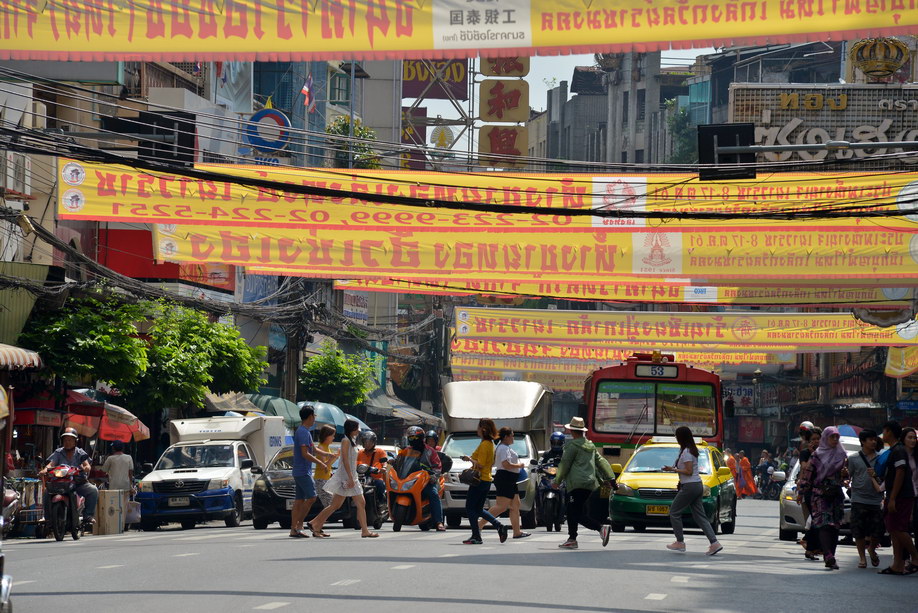
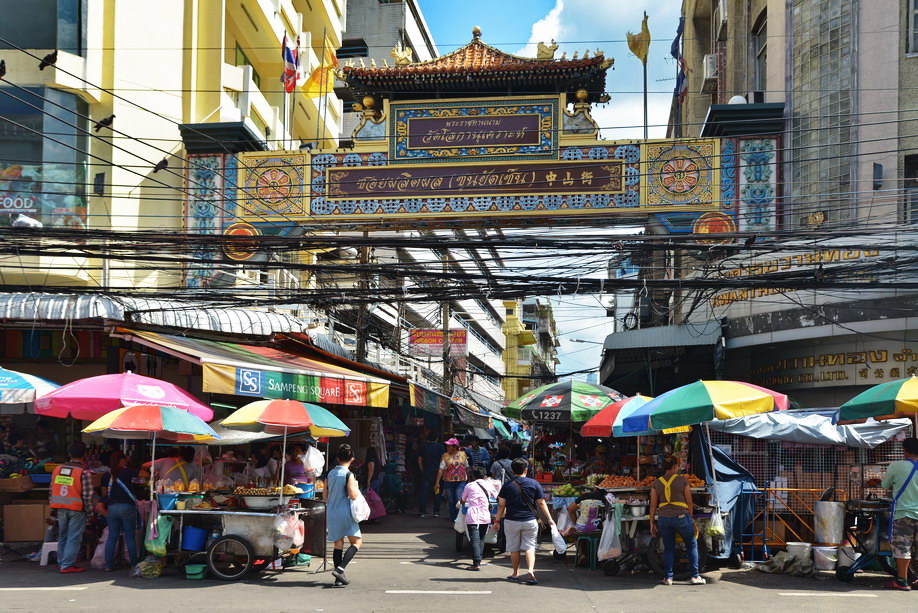

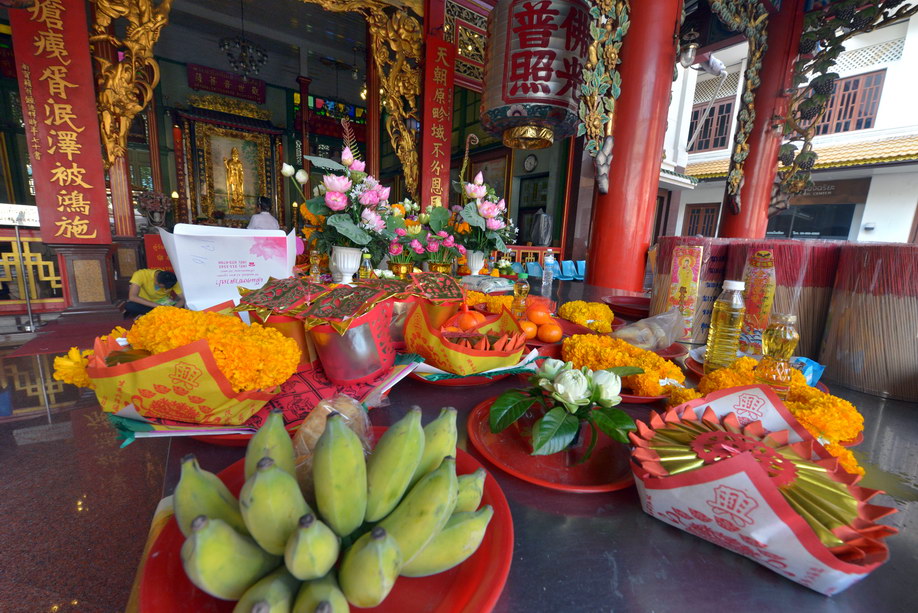
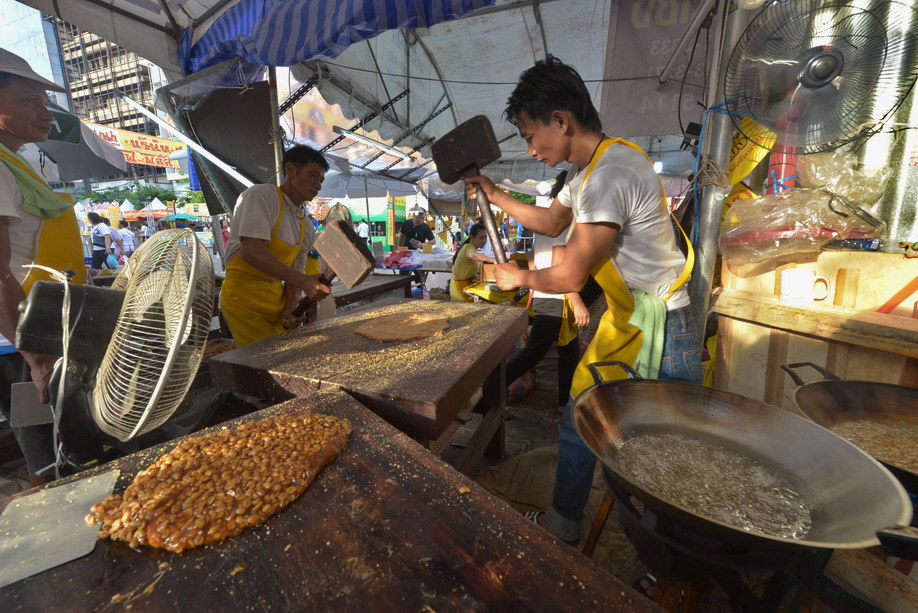
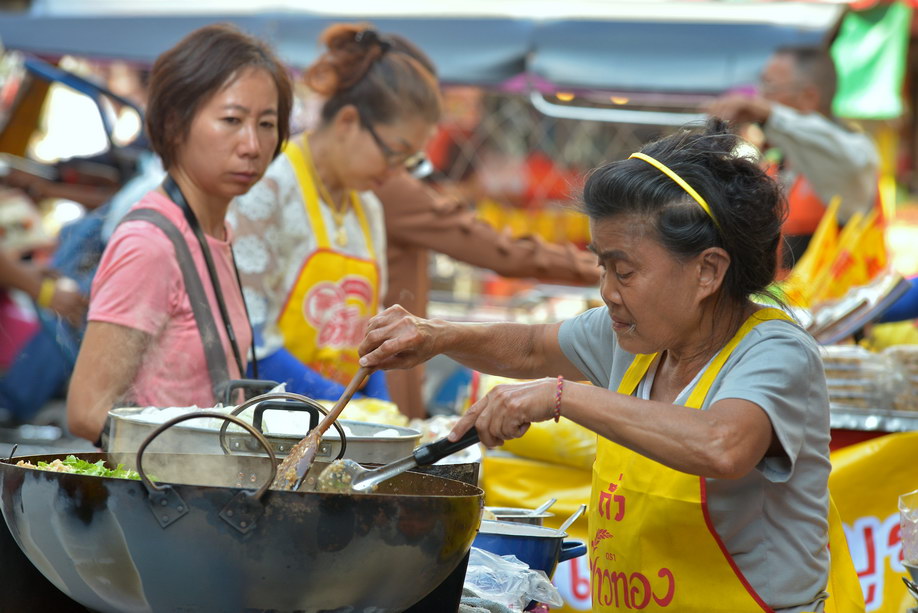
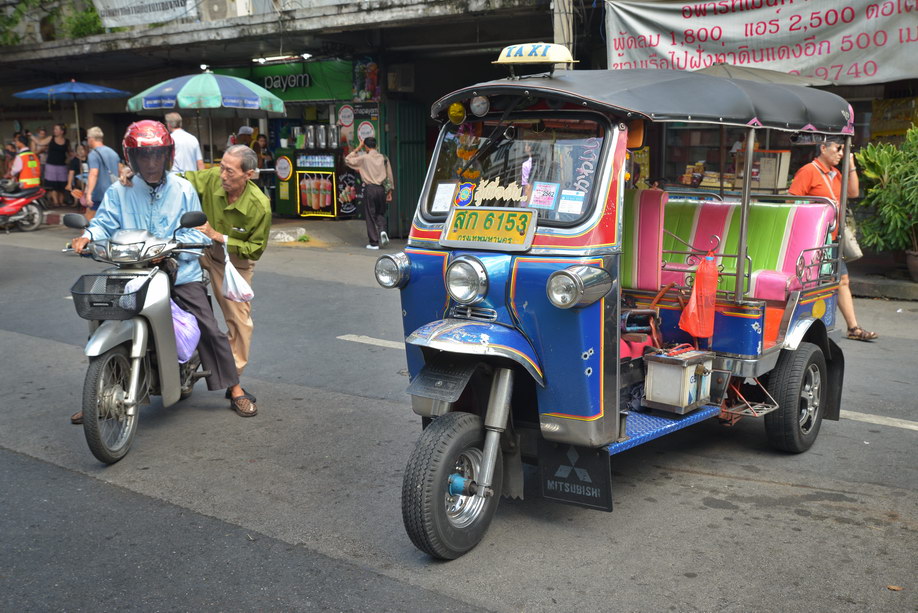


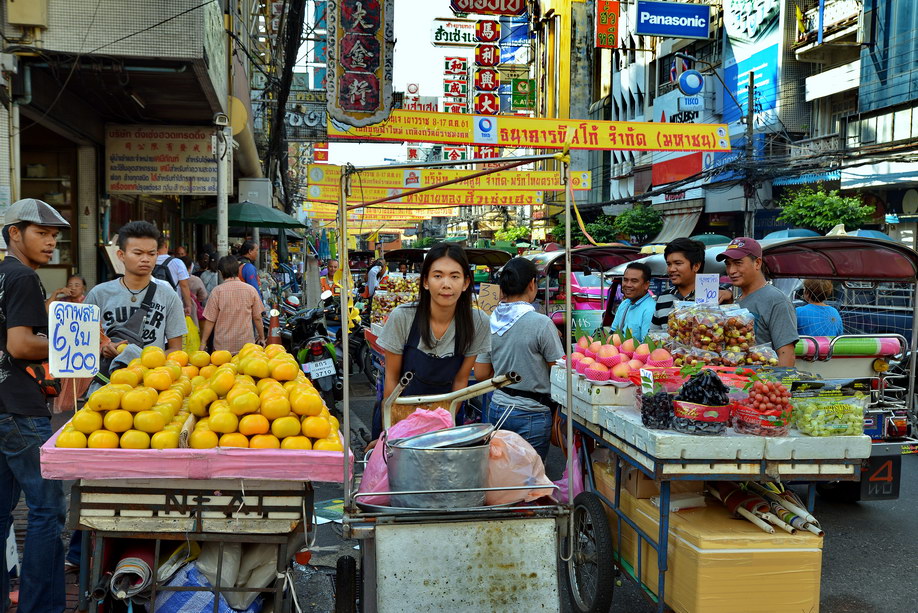
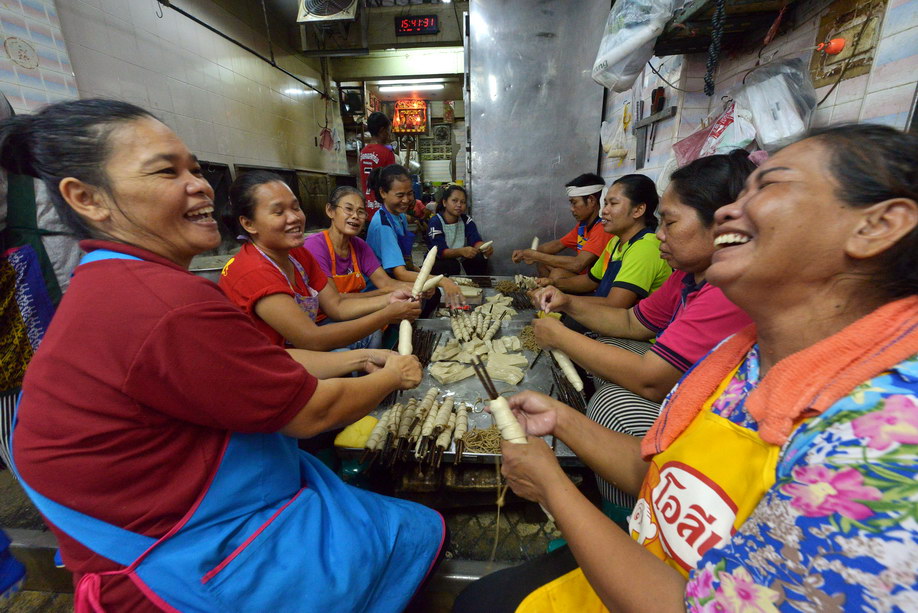
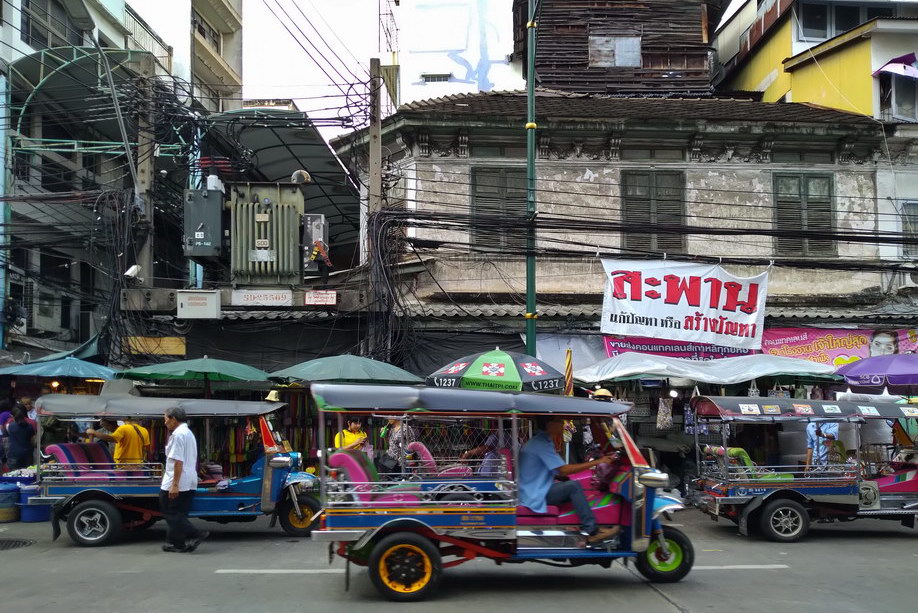

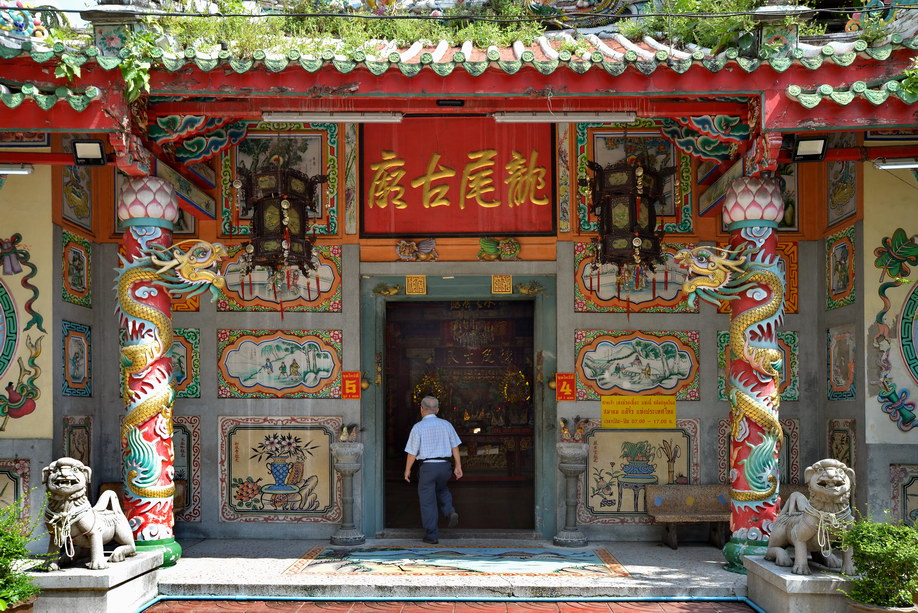

In October 2018, I explored Bangkok’s Chinatown with my wife and daughter. A vegetarian festival was taking place, and we wanted to experience the neighbourhood as well as find something to eat. I had come with my camera, but what stayed with me was not a single monument or famous street. It was the energy of ordinary work: people cooking, selling, sorting and making room for one another in a district where the pavement seemed to belong to everyone.
Bangkok’s Chinatown grew from the city’s long history of Chinese migration and trade. Yaowarat Road is its best-known artery, but the neighbourhood extends into smaller streets where workshops, food stalls and old businesses sit close together. The festival gave our visit a particular atmosphere. Food was being prepared for the crowds, and the streets were full of people who had come to shop, eat or take part in the celebrations. I preferred to wander away from the main road whenever something caught my attention.
Getting there was an experience in itself. We travelled in a songthaew, a small truck converted to carry passengers on benches, where people sat and sometimes stood close together. Passengers signalled that they wanted to get off by pressing a button overhead. We also used a passenger boat on the Chao Phraya River. Moving between road and river offered two different views of Bangkok: the crowded traffic of the city and the life unfolding along its waterfront.
In Chinatown, the smells and sounds changed from one street to the next. Vendors were preparing food for the festival, and we tried fresh sugarcane juice and coconut water. Street food was everywhere. We did not try some of the more unusual foods we saw, such as fried insects or crocodile, but we enjoyed pad thai and tom yum. Eating in a place like this is also a way of observing it: the careful movements of cooks, the waiting customers and the small exchanges that make a busy street function.
One shop stopped me for a different reason. Inside was what looked like a mountain of discarded vehicle parts—sprockets, bearings and other metal components piled together in a confined space. At first glance, it seemed impossible that anyone could find a particular piece there. Yet I wondered whether the man who worked among those piles knew the position of every item, perhaps through years of handling and remembering them. I did not ask him to explain his system, and I cannot know how he organised the stock. But the scene made me think about the kind of knowledge that cannot be read from a sign or a catalogue.
For a passer-by, the metal might have been only scrap. For someone trying to repair a machine or keep an old vehicle running, one of those pieces could still have a purpose. That difference between waste and usefulness interested me. The shop seemed to hold not just parts of vehicles, but fragments of many previous lives of objects—things removed, saved and possibly waiting to be used again. The man was surrounded by a world whose logic might be invisible to strangers. I asked his permission before taking a photograph, and he agreed.
I have often found that photographs made in modest workplaces stay with me longer than pictures of celebrated sights. A shopkeeper, a cook or a mechanic may spend years acquiring a practical understanding of a place that a visitor sees for only a few minutes. Photography cannot fully explain that experience. It can, however, record the encounter and preserve a question. In the scrap-parts shop, my question was simple: how much knowledge and labour do we overlook when we see only disorder?
The festival crowds, the river crossing, the food and the little shops all became part of our family’s memories of Bangkok. Looking back at these photographs, I remember Chinatown not merely as a colourful tourist destination but as a living neighbourhood shaped by trade, migration and everyday ingenuity. Above all, I remember the man among the old metal parts—a brief encounter that made me look more carefully at the quiet intelligence of ordinary work.