
Creating "Catrina" On The Streets, San Miguel de Allende 31.Oct.2025 - Mexico
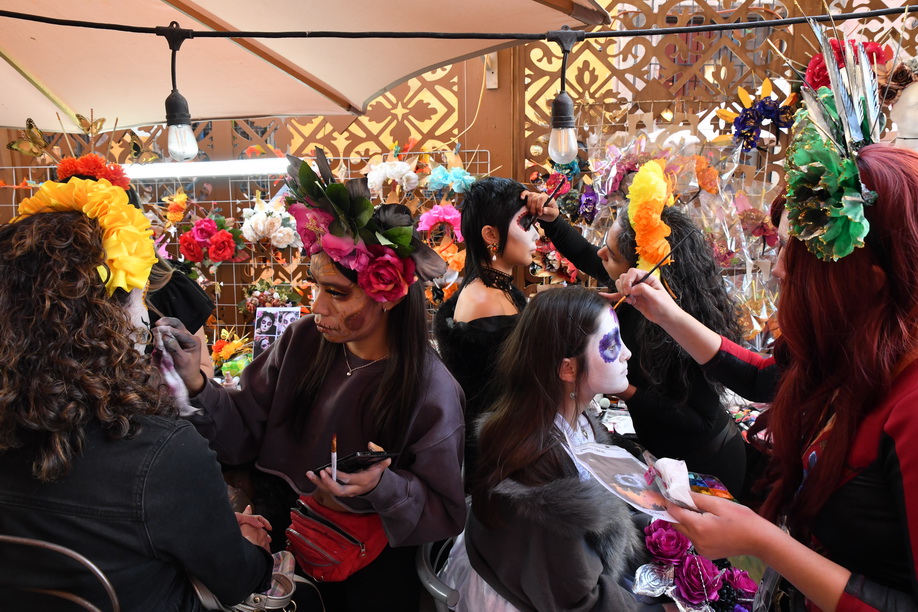
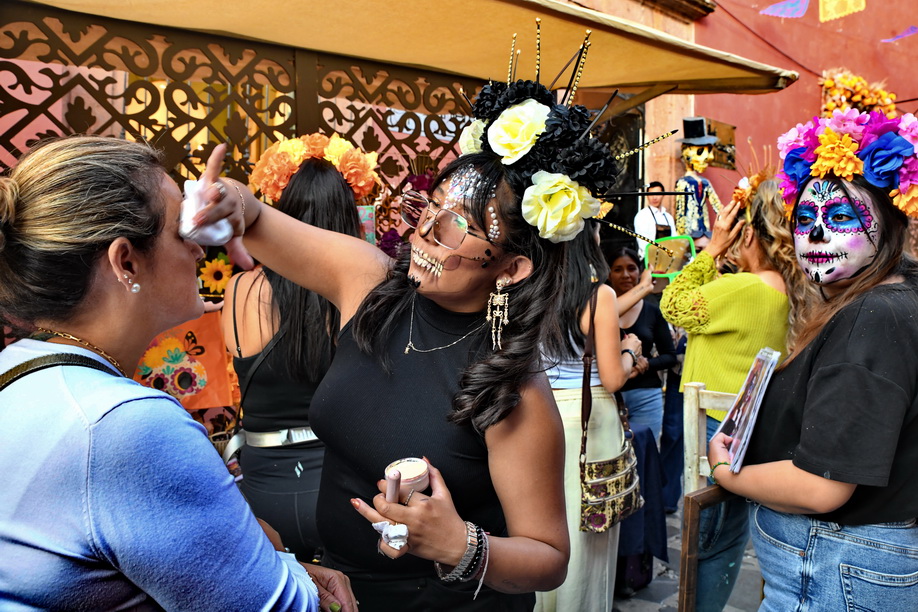

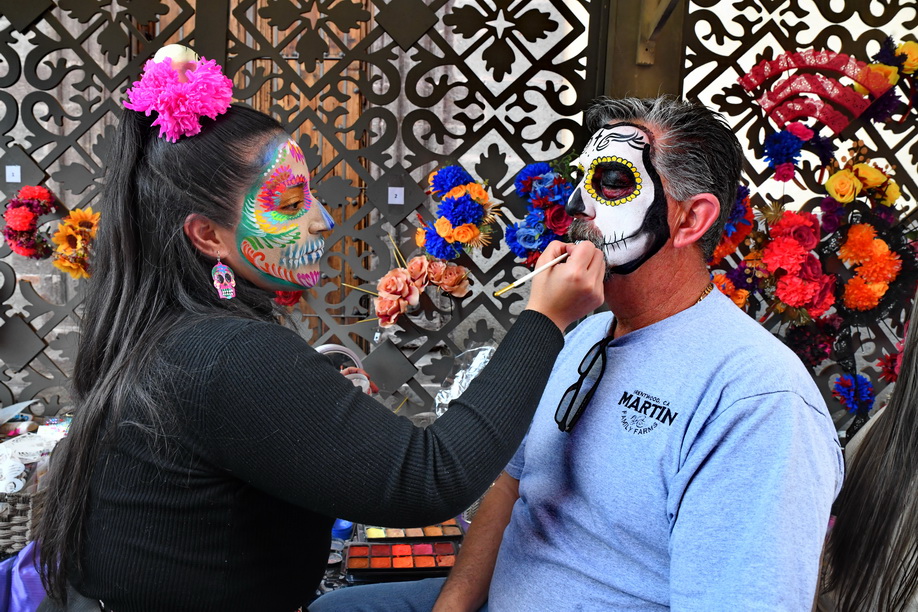
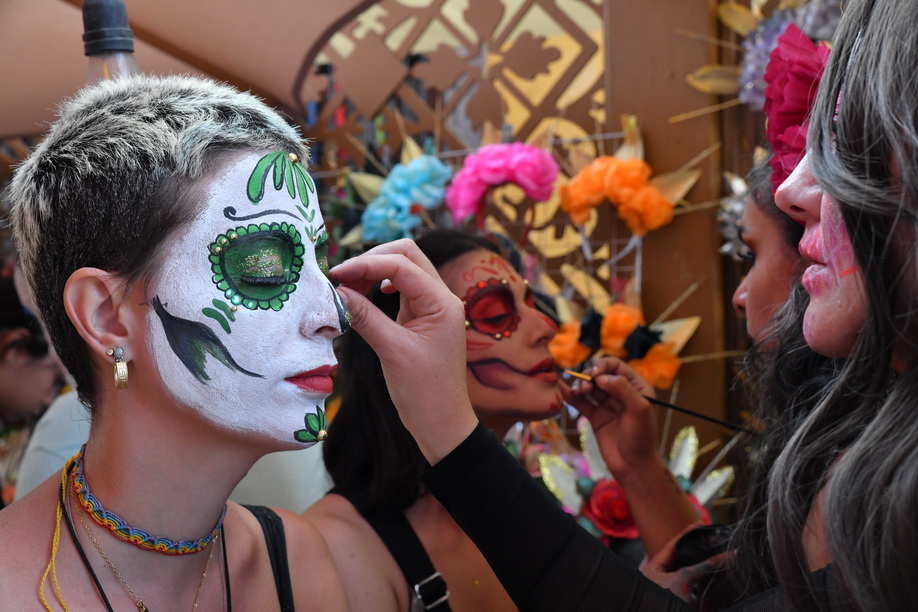
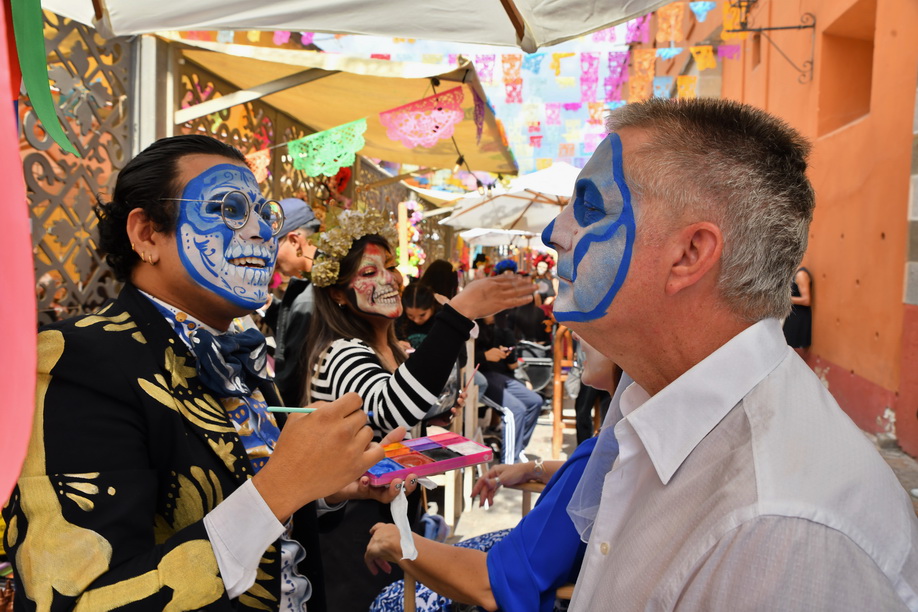

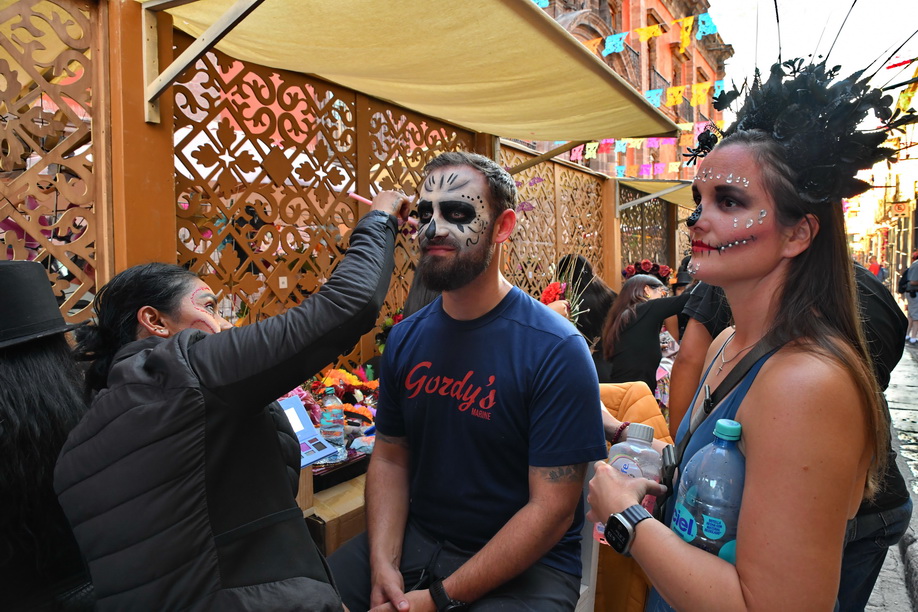


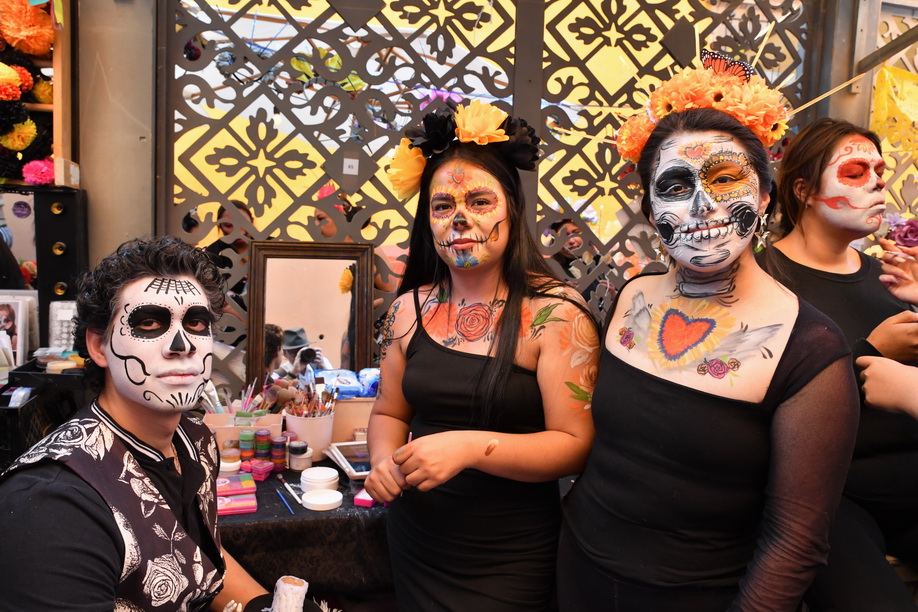

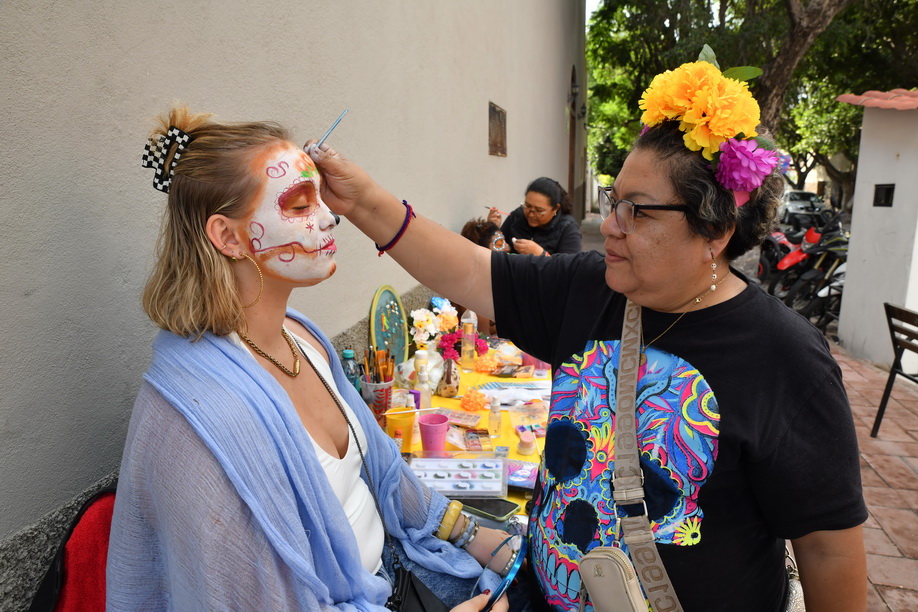
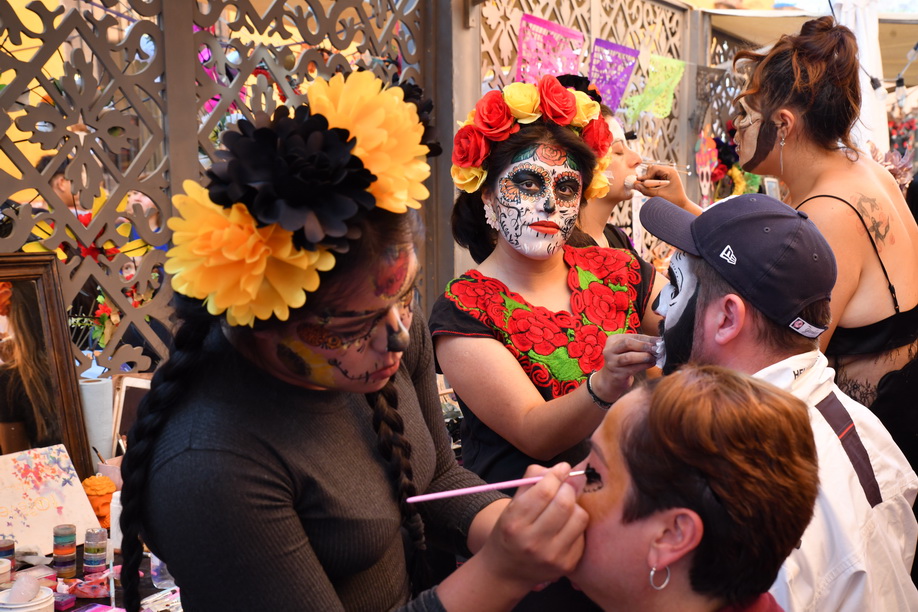

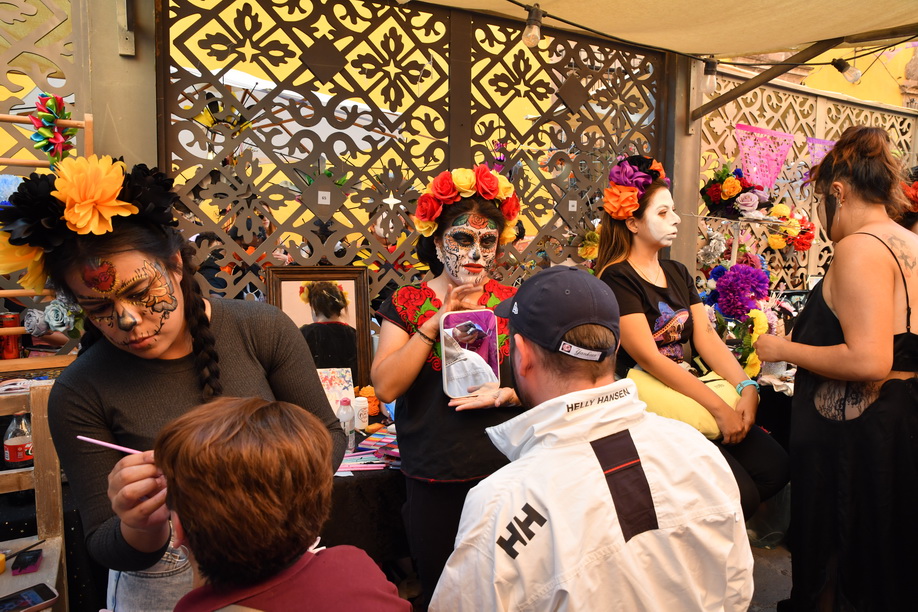
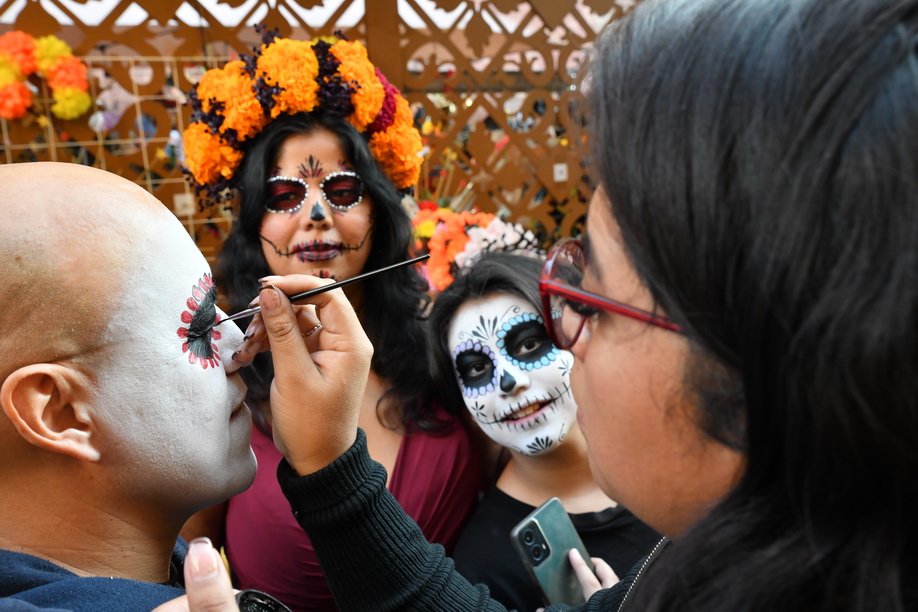
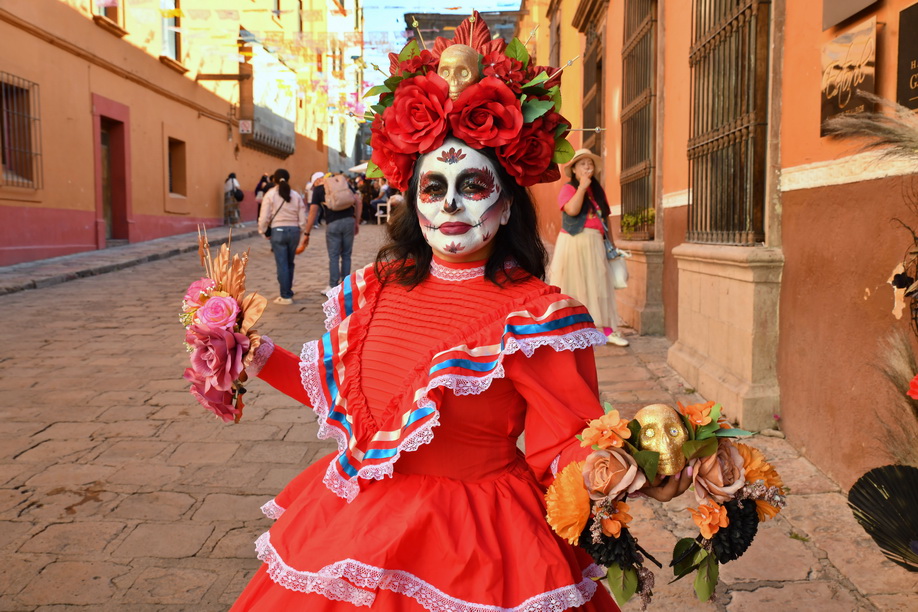
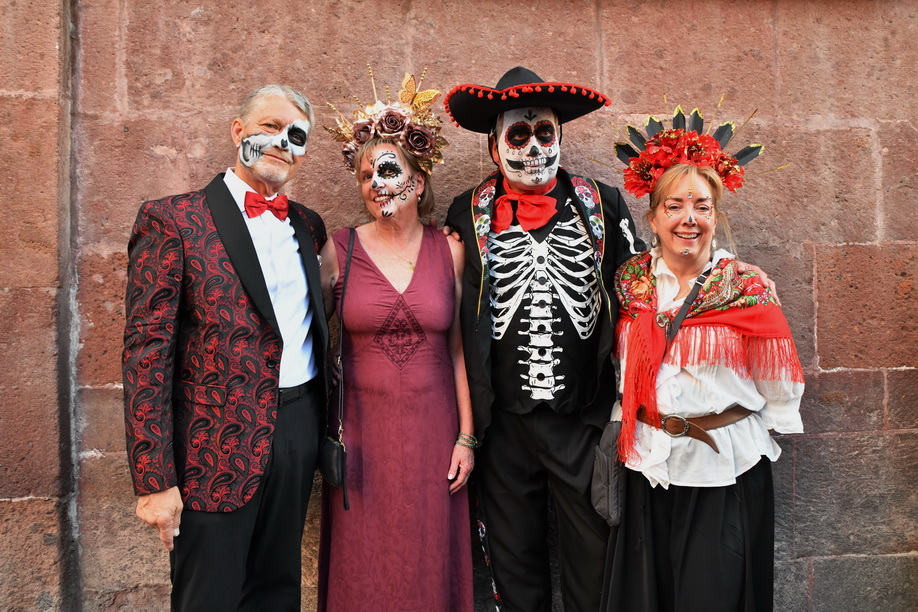
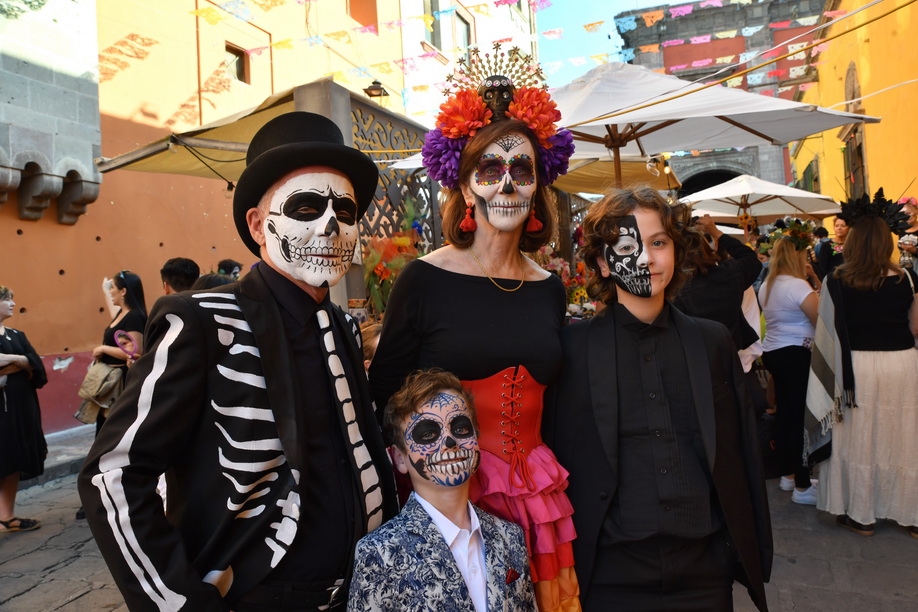
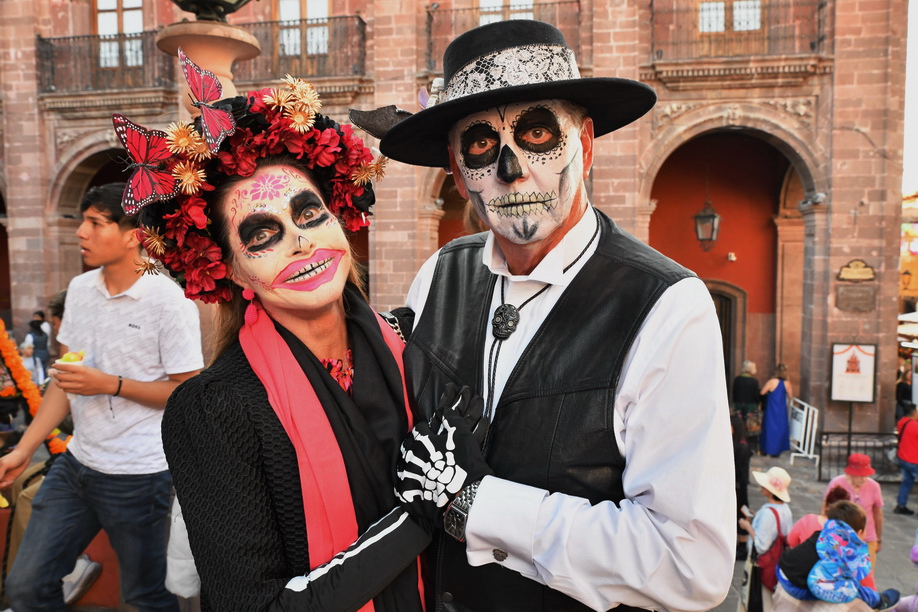
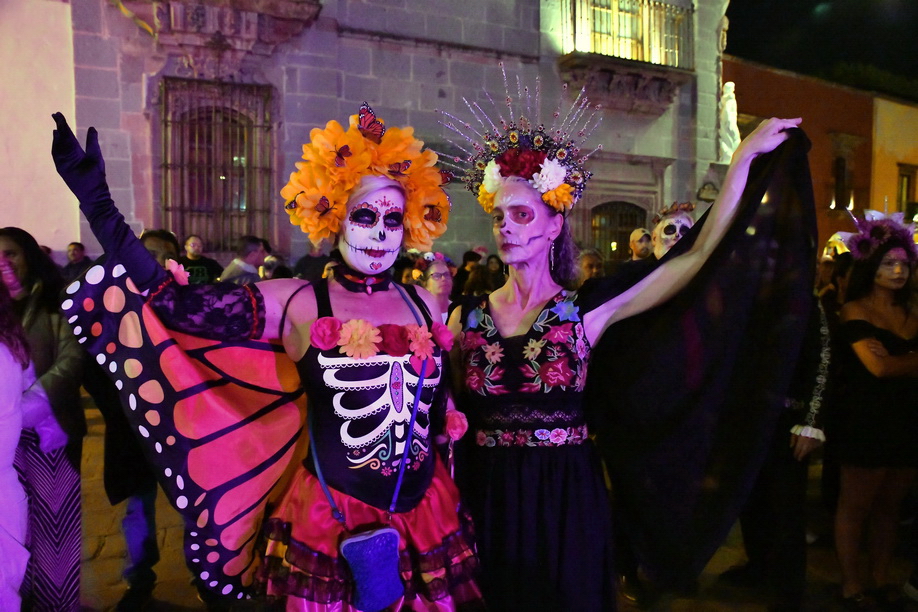
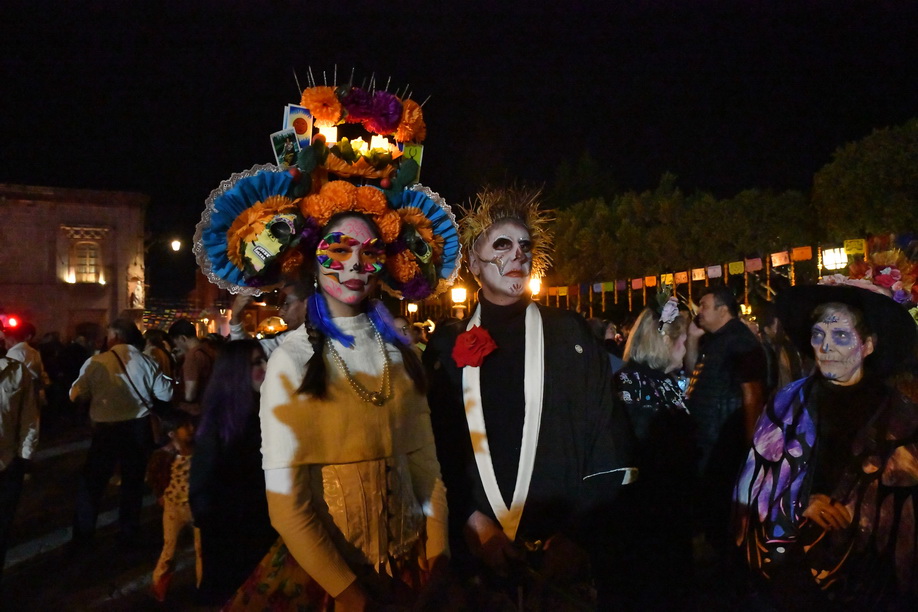
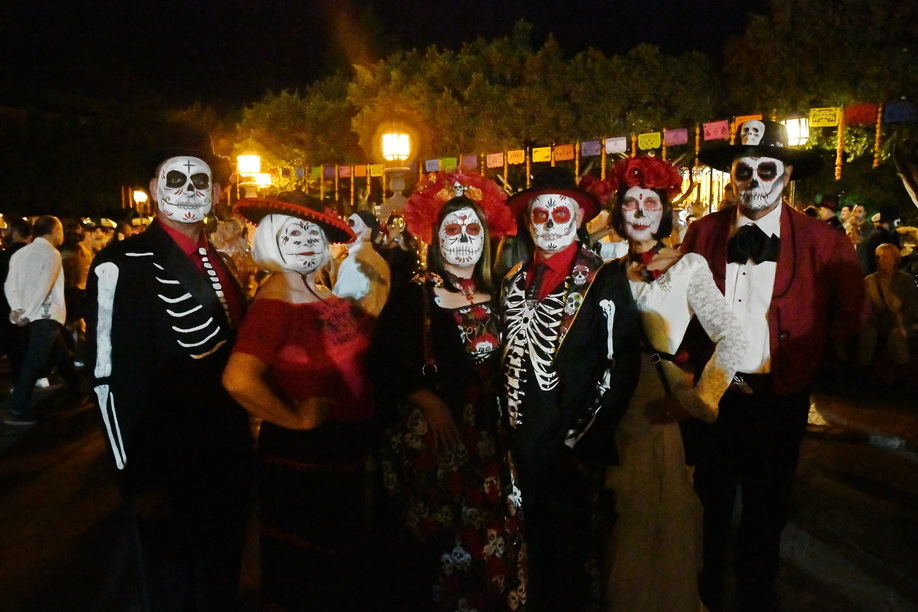
La Catrina, a recurring figure in Mexican visual arts depicted as a lively skeleton wearing a large plumed hat associated with early twentieth-century upper-class European women's fashion. La Calavera Catrina (The Dapper Skull or The Dapper Skeleton)-the figure's name in full-was created by Mexican printmaker José Guadalupe Posada in the early 20th century and became an icon in Mexico through her popularization by artists such as Mexican muralist Diego Rivera and a traveling art exhibition during World War II. The skeletons depict individuals from all classes and occupations, which scholars have interpreted as symbolic of a macabre egalitarianism, suggesting that regardless of status, death comes for all. She was further popularized when Rivera portrayed her at the center of his 1947; Dream of a Sunday Afternoon in the Alameda Central Park. Rivera thus transformed Catrina into a central symbol of the duality of Mexican history, religion, and life and death itself. Through Rivera's interpretation Catrina has become a national symbol of modern Mexico. Her unmistakable visage and hat are reproduced in various forms at Dia de los Muertos (Day of the Dead) celebrations on November 1 and 2. Altars to the deceased often feature figurines of Catrina, while individuals paint their faces and wear elaborate costumes to emulate the calavera. Her status in the festival, a combination of Aztec celebrations of death and the Roman Catholic holidays of All Saints 'Day and All Souls' Day, has thus continued her association with the dual heritage of Mexican identity. (https://www.britannica.com/topic/Catrina) At makeup stalls set up in the streets of San Miguel de Allende, women and men simultaneously got Catrina-style makeup done in preparation for the Day of the Dead. While the traditional Catrina figure is female, there's no inherent restriction preventing a male version. A male Catrina could certainly exist as a modern interpretation, still fitting within the themes of social satire and the universality of death.