
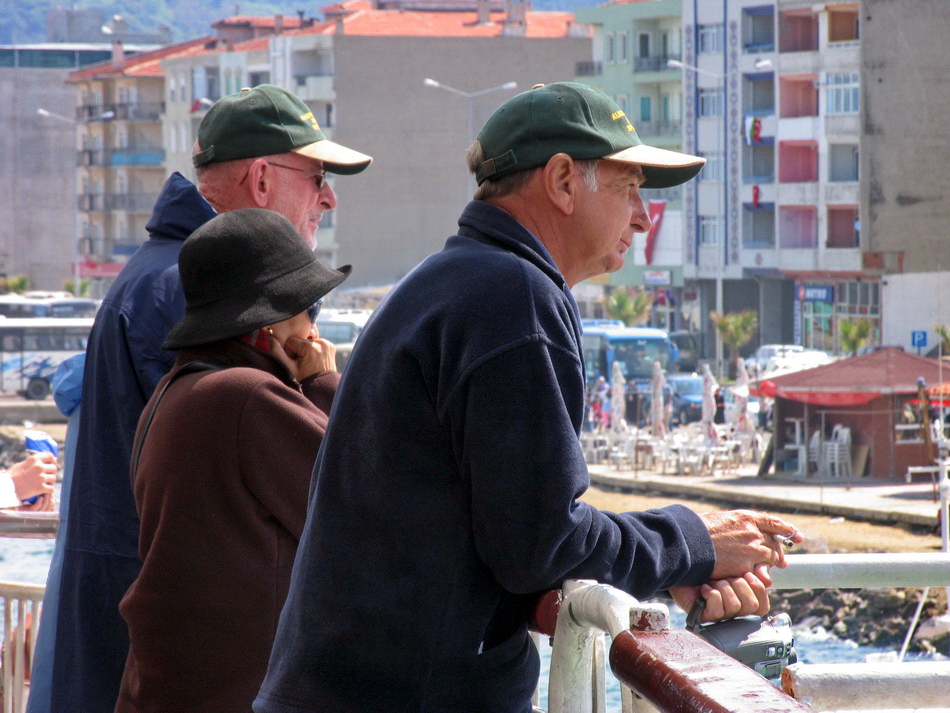
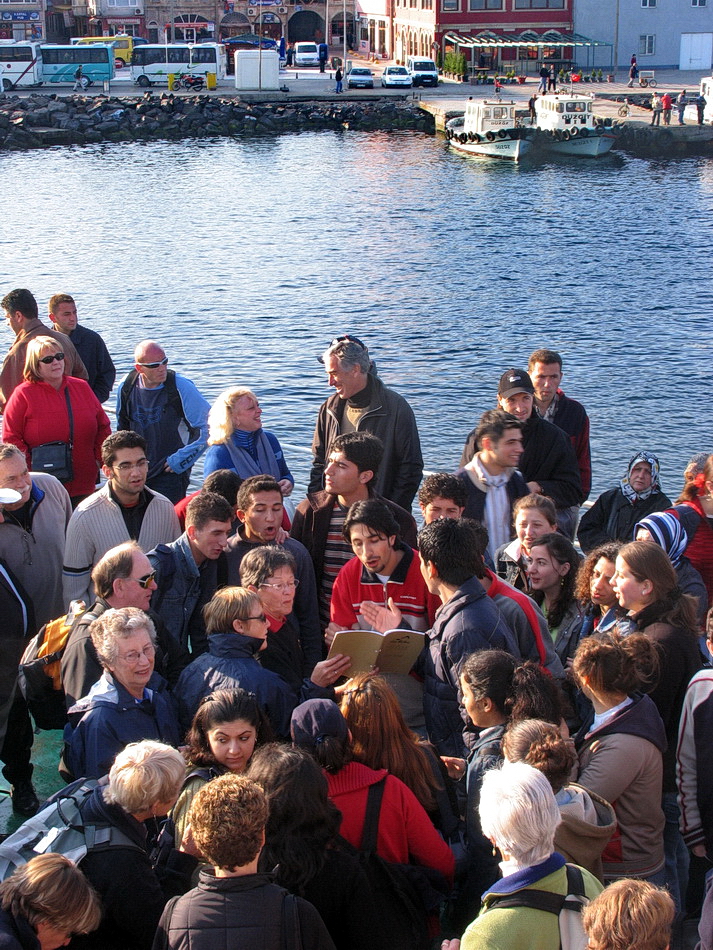
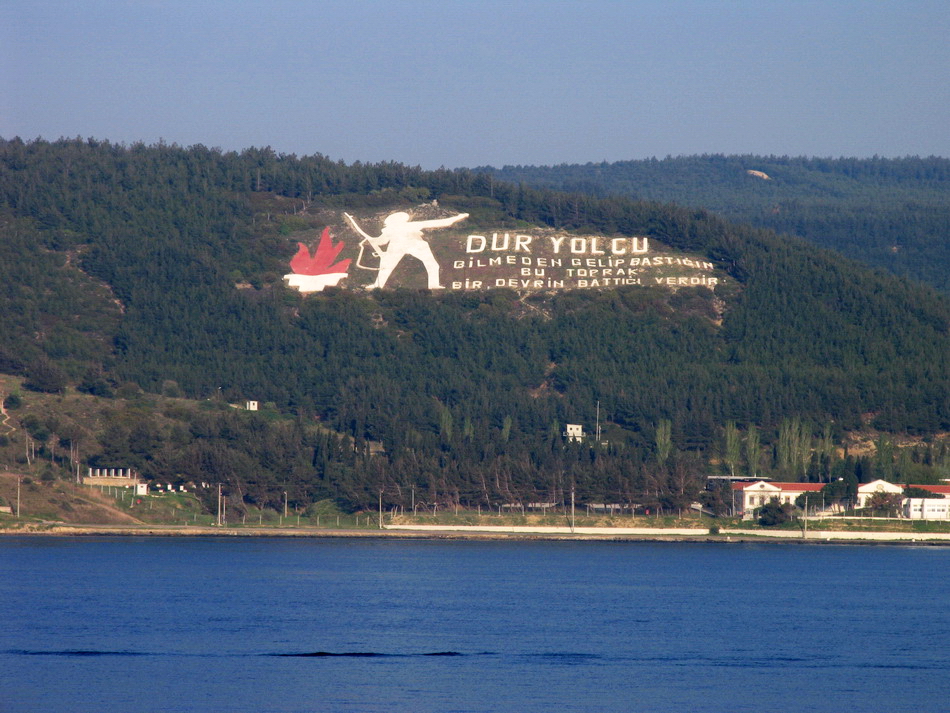
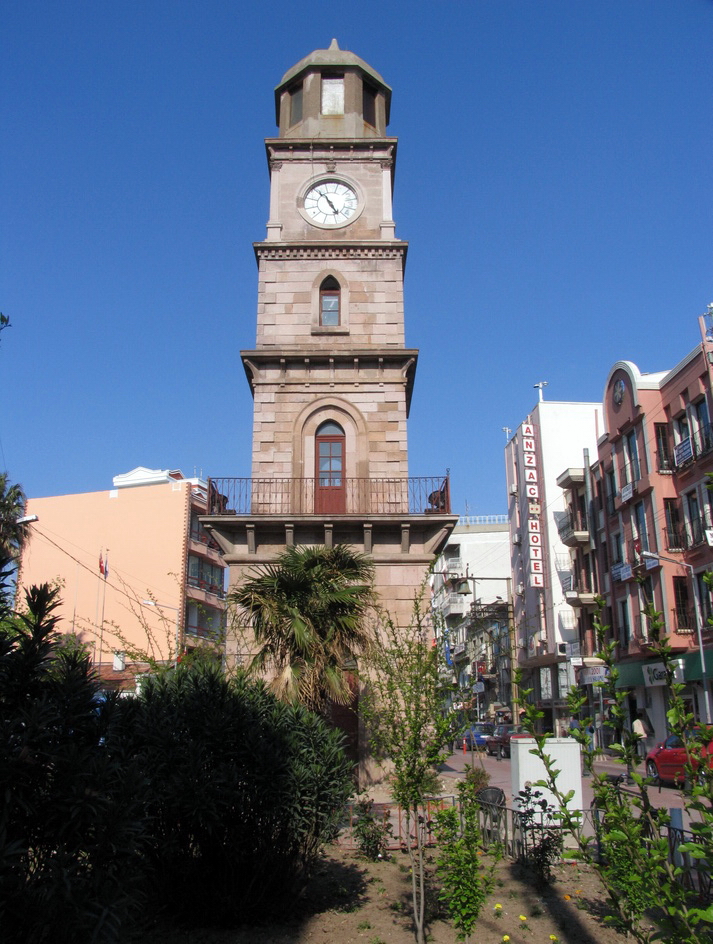
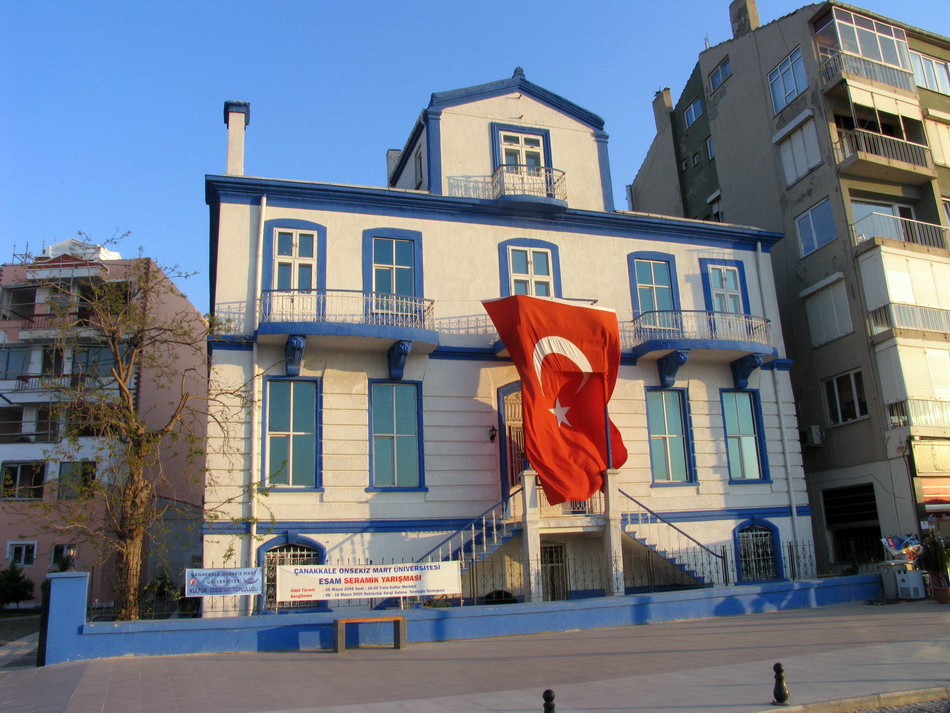
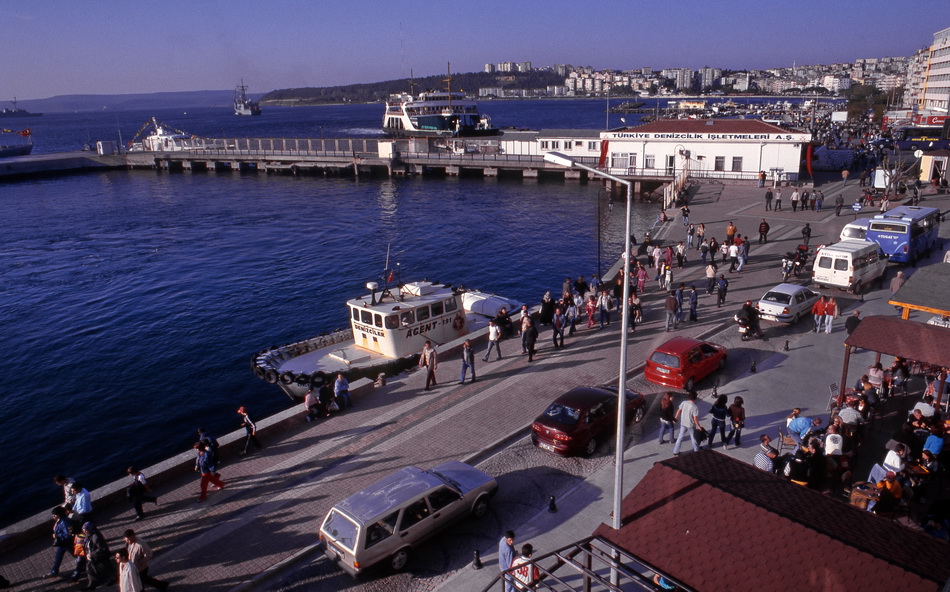
In April 2005, I travelled to Çanakkale to photograph the commemorations marking the 90th anniversary of the Gallipoli campaign. Alongside the ceremonies on the Gallipoli Peninsula, I had an opportunity to photograph the city, its historic buildings and everyday life. Visitors from Australia and New Zealand brought a particular liveliness to the streets. Their encounters with local young people, walks through the city and conversations with residents reflected the friendships that had developed in the ninety years since the war.
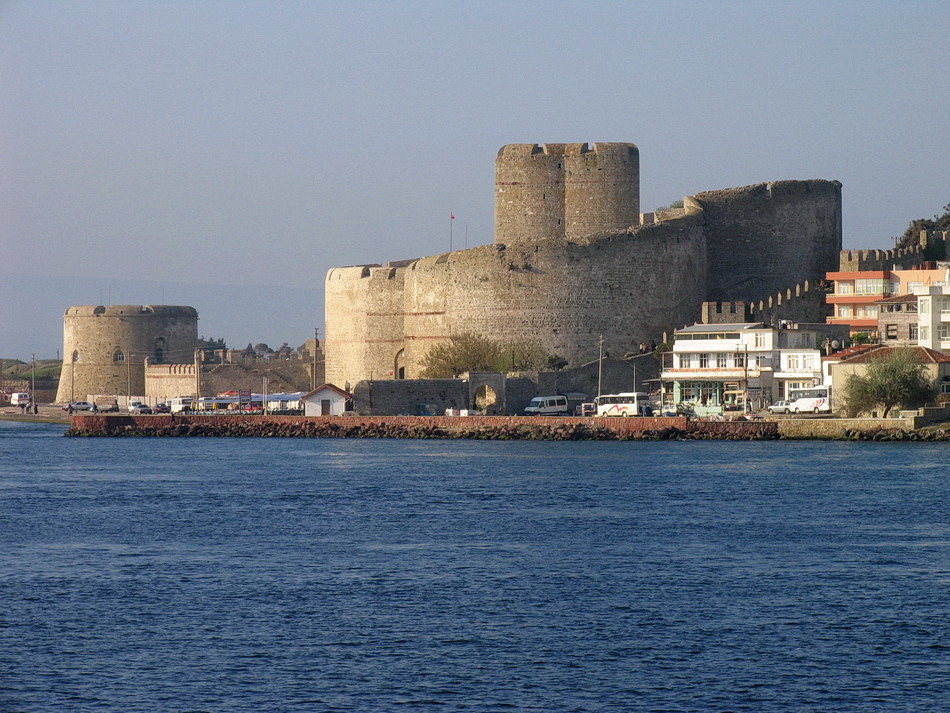
Throughout history, Çanakkale has held a strategic position on the strait connecting the Aegean Sea to the Sea of Marmara. This narrow waterway between Asia and Europe has been vital not only for trade and travel but also for defence. The fortresses built during the Ottoman period to protect the passage remain an essential part of the region’s historic identity. One of the most striking is Kilitbahir Fortress, on the European shore.
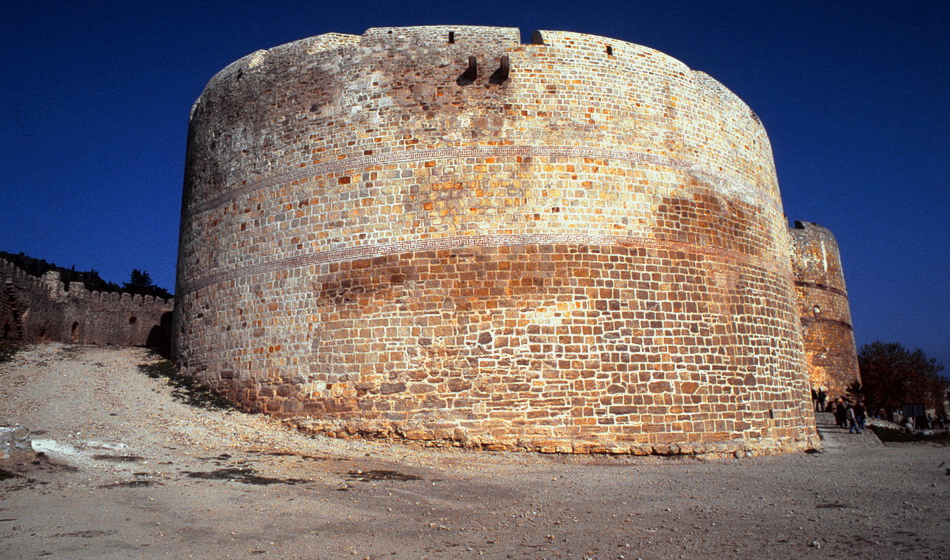
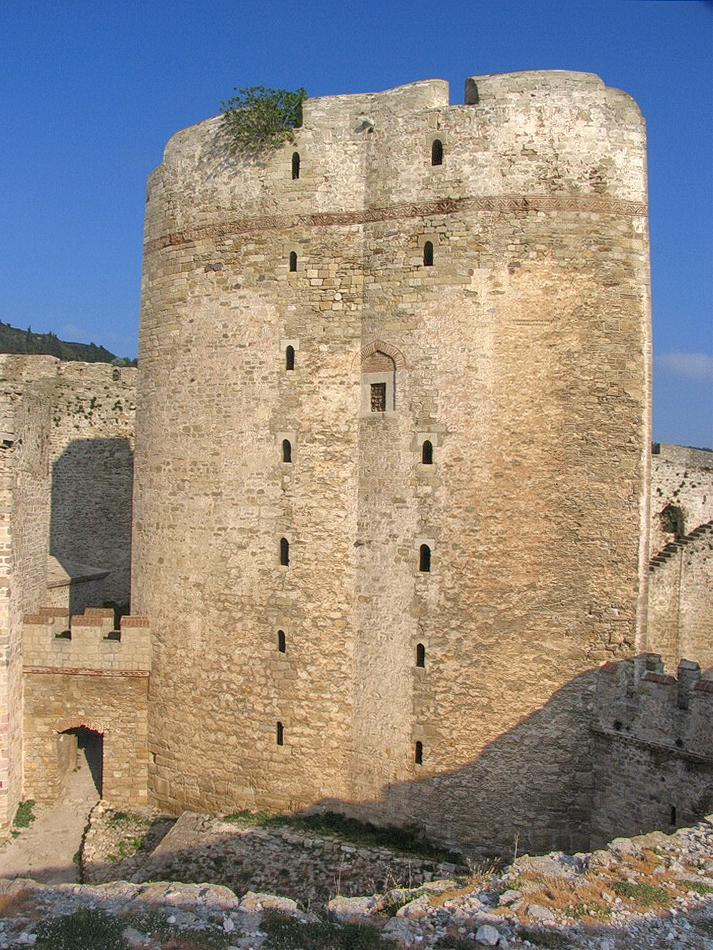
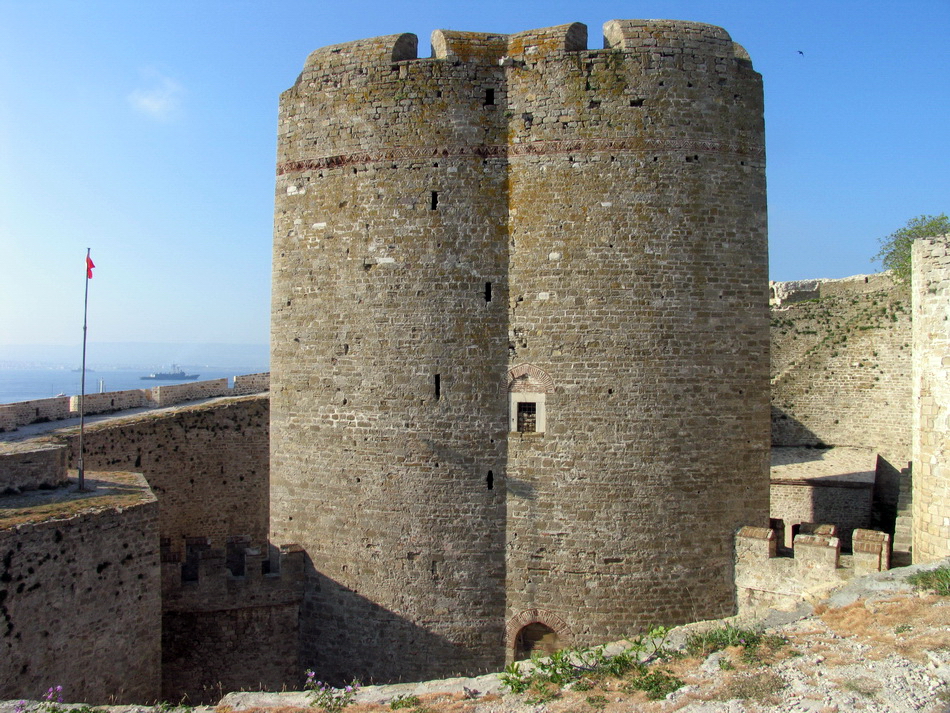
Kilitbahir Fortress was built in 1462–1463 by Sultan Mehmed II, following the conquest of Constantinople, opposite Çimenlik Fortress on the Asian shore. Its name derives from Kilidü’l-Bahr, meaning “Lock of the Sea.” Situated at the narrowest part of the strait, the two fortresses were designed to control maritime passage with their artillery and strengthen the defence of Istanbul.
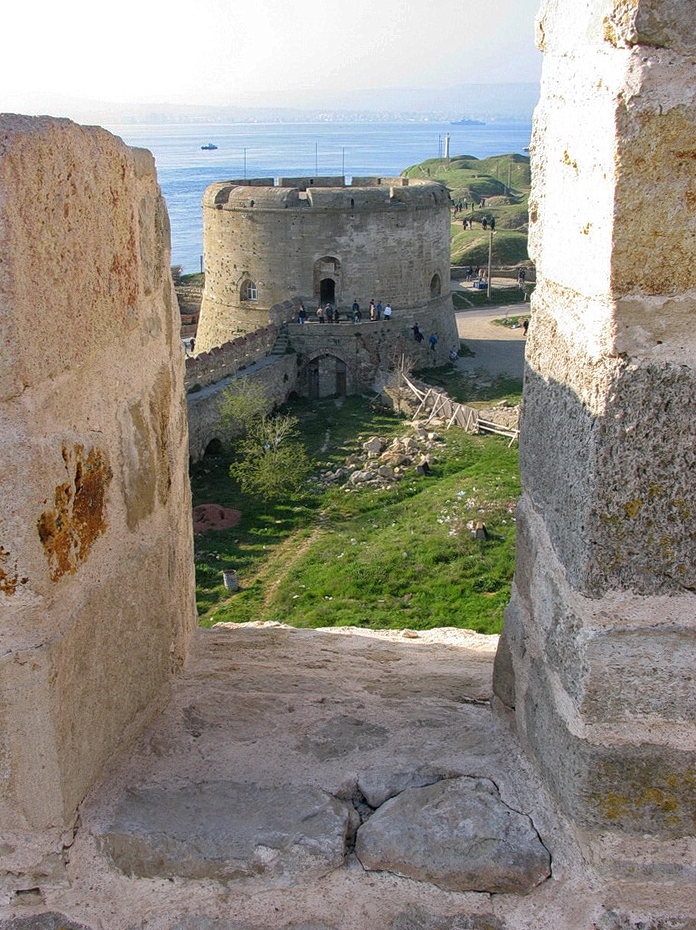
The most distinctive architectural feature of Kilitbahir Fortress is its inner plan, resembling a three-leaf clover. With its tall central tower, massive stone walls, defensive arrangement and surrounding moat, it is an unusual example of military architecture from its period. During the reign of Süleyman the Magnificent, the fortress was repaired and additional walls and a tower were built. As I photographed this structure, which retained its importance in the defence of the strait for centuries, I was drawn to the geometry of the stone walls, the varying heights of the ramparts and the relationship between the fortress and the sea.
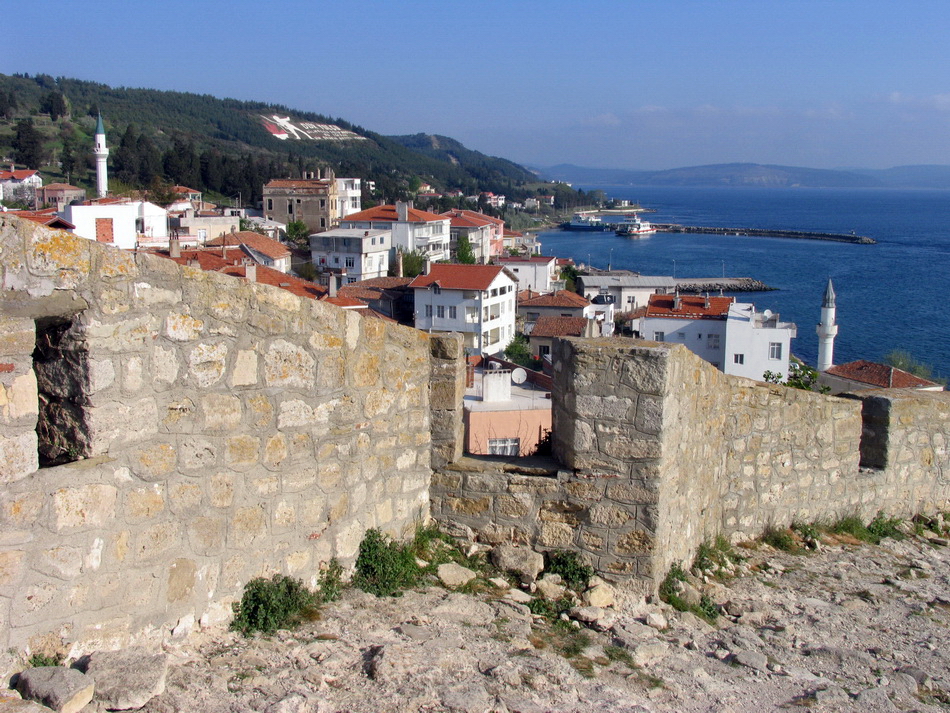
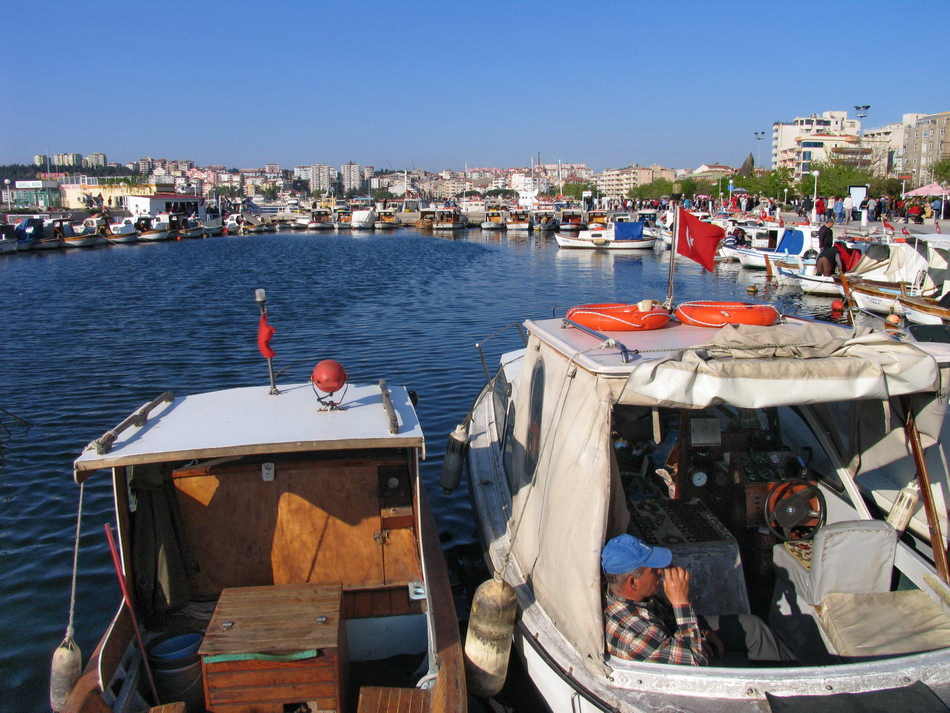
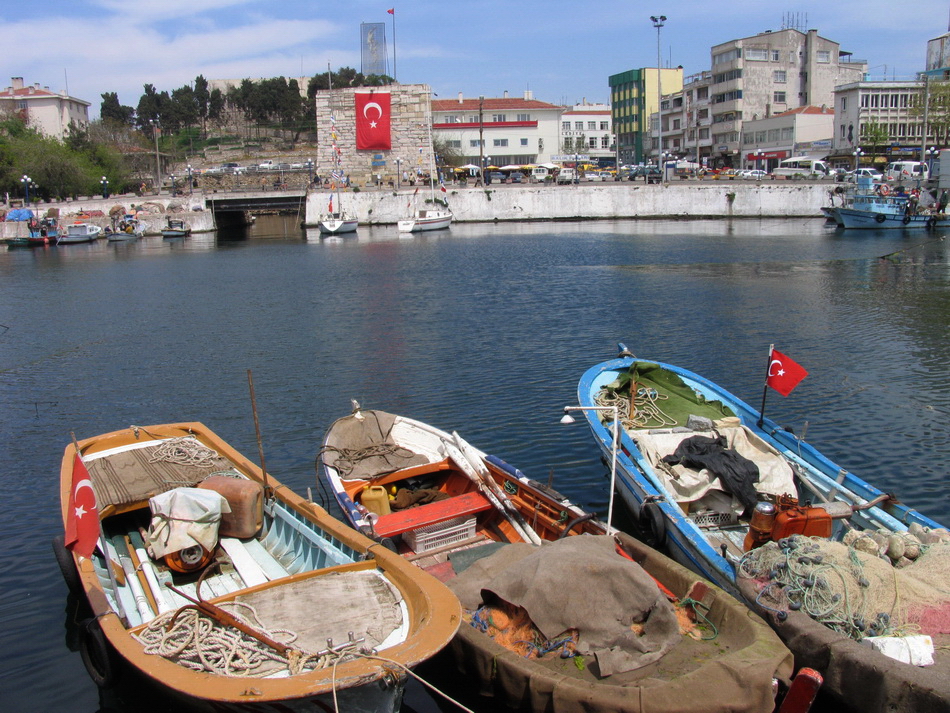
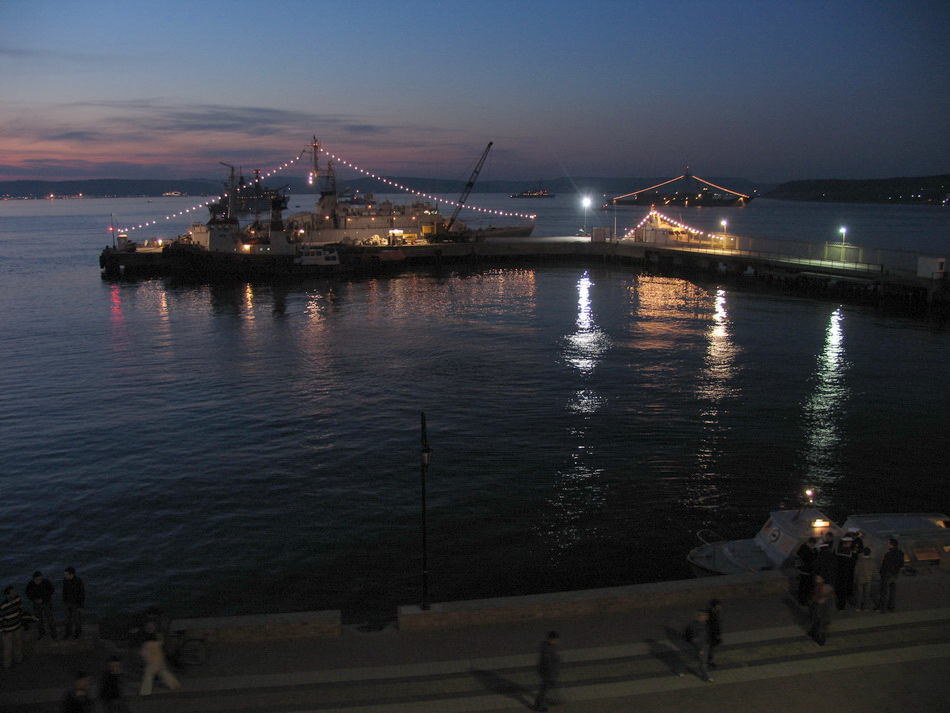
The two shores of the Dardanelles form a complementary historic landscape. On one side stand the ramparts of Kilitbahir; on the other, the city and its waterfront life. Ships passing through the strait, boats along the shore and the rhythms of daily life share the same setting as the old military structures. The history of Çanakkale cannot be understood through wars alone: the city also bears the traces of trade, seafaring and cultures that have developed around this waterway over many centuries.
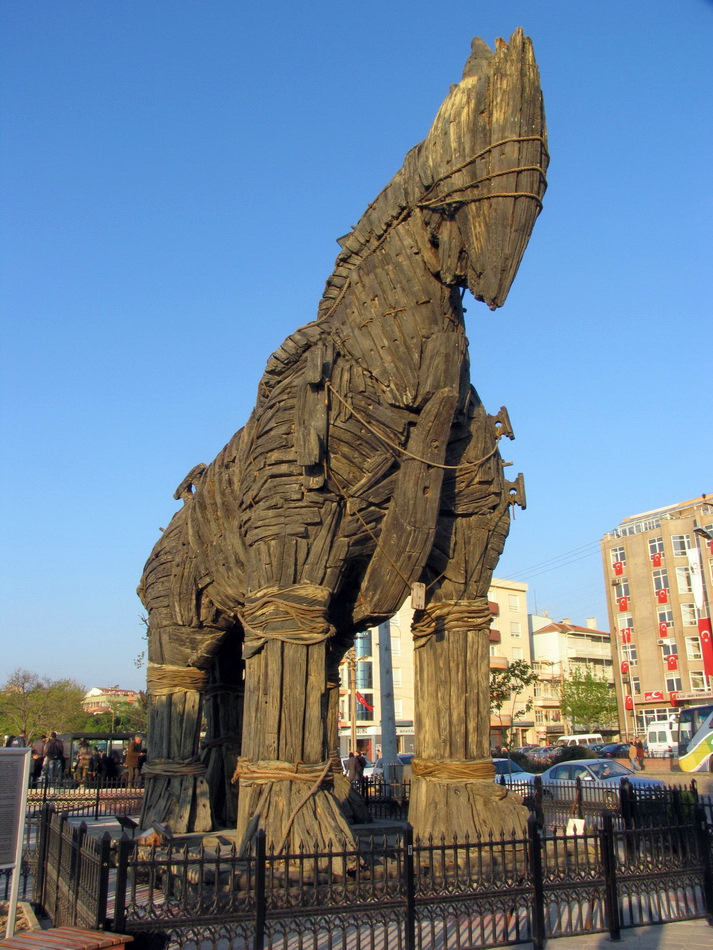
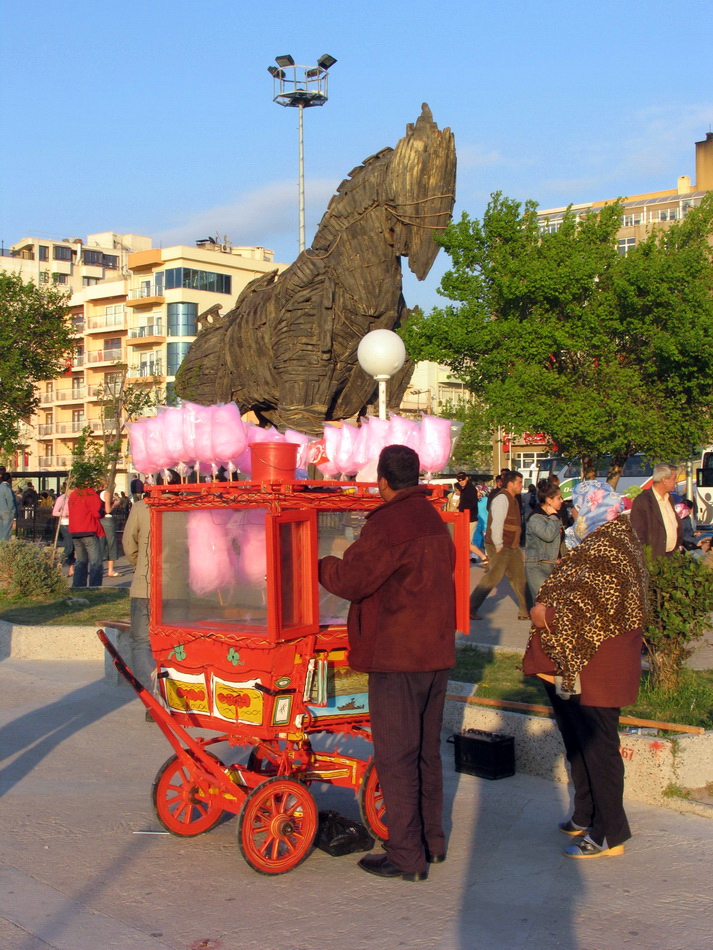
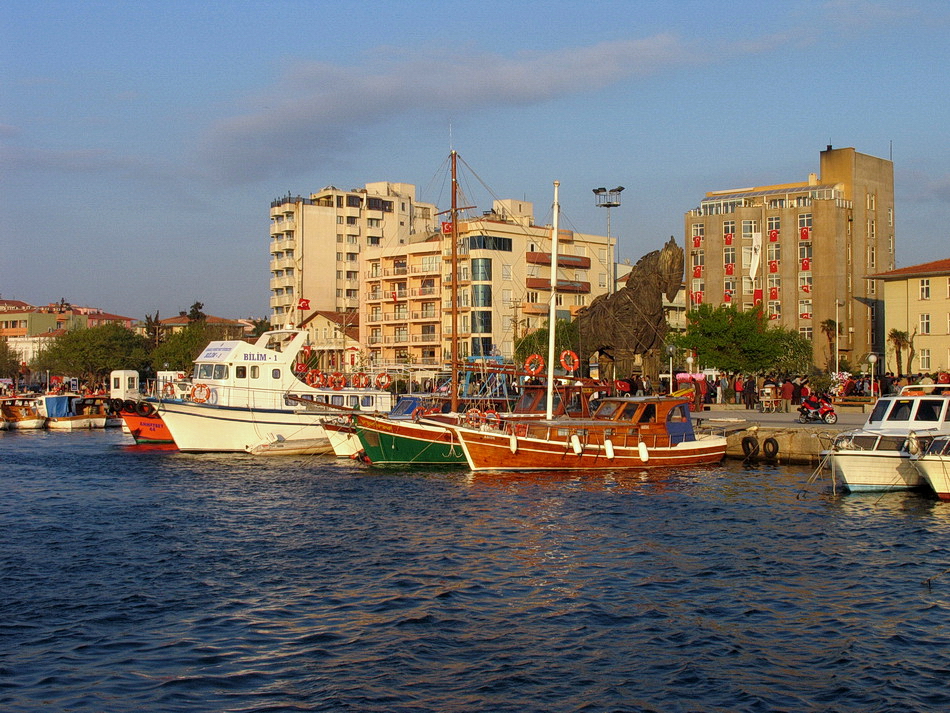
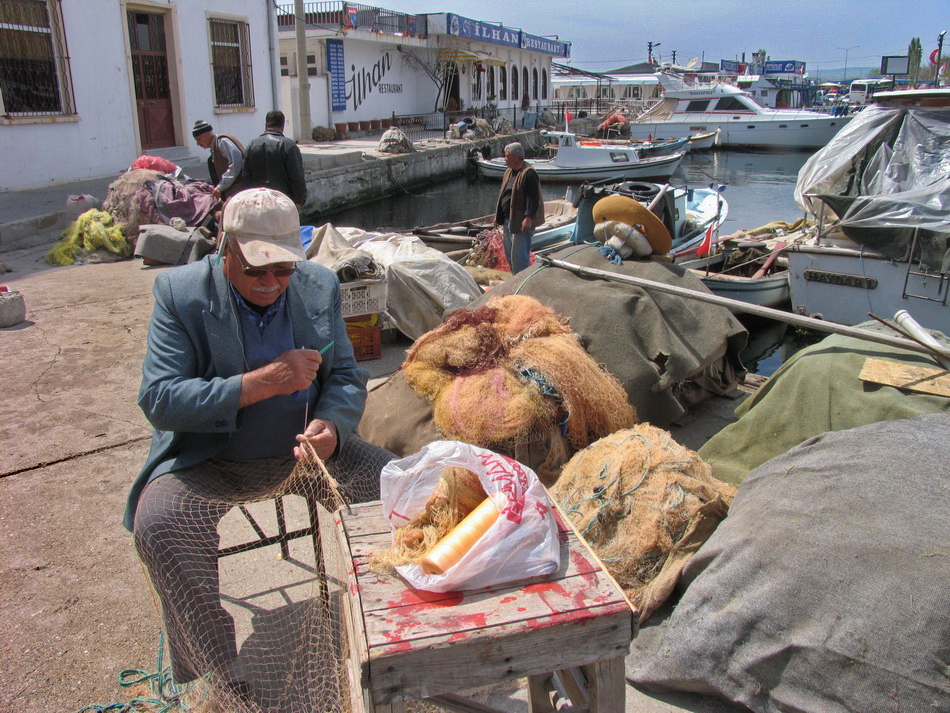
As I walked through the city, I photographed its streets, squares, historic buildings, boats along the waterfront and small details of everyday life. The large wooden Trojan Horse on the promenade was another striking symbol of the city. Troy, immortalised in Homer’s Iliad, opens a window onto a much older past. The horse displayed in the city centre had been used in the 2004 film Troy and was donated to Çanakkale after filming. Bringing together the legends of ancient Troy and modern cinema, it had become a focus of visitors’ attention.
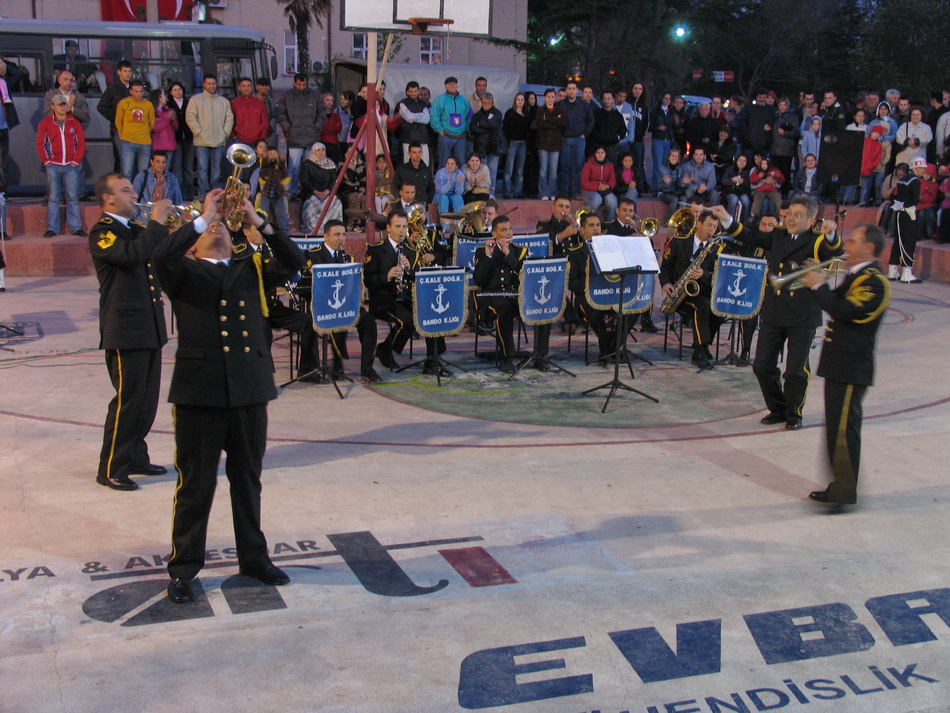
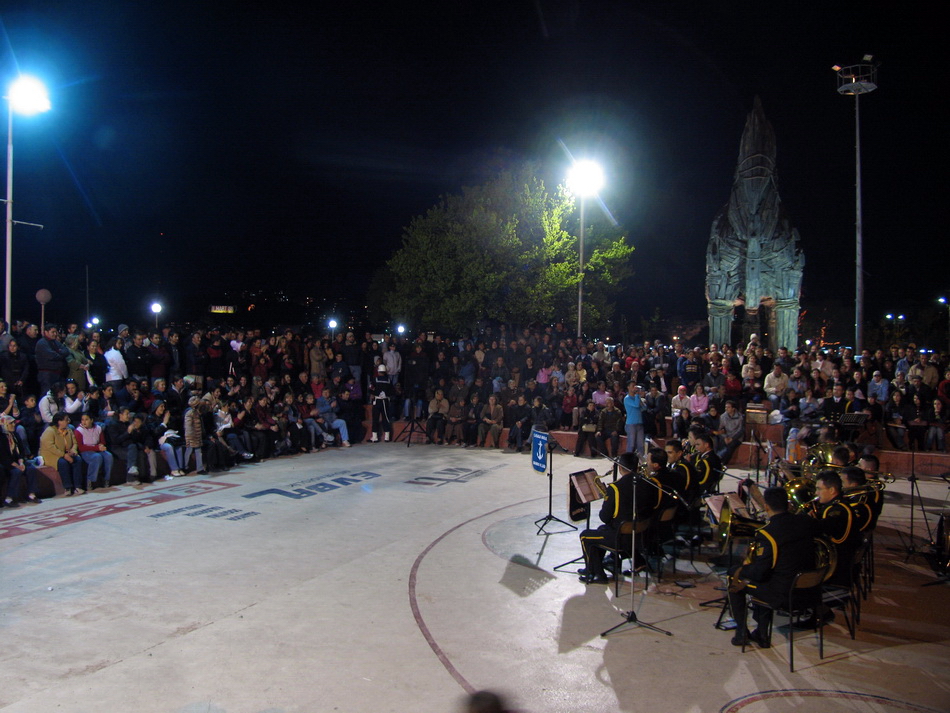
The open-air musical performances I encountered in the evening revealed another side of the visit. A city that remembered war and hosted commemorative ceremonies during the day continued its ordinary life after dark. That contrast reminded me that Çanakkale exists not only through its past, but also through the people who live there.
These photographs offer a glimpse of the days I spent in Çanakkale in April 2005. From encounters between Anzac visitors and local young people to the centuries-old stone walls of Kilitbahir, from views of the strait to everyday life in the streets, this series is my attempt to document Çanakkale in the 90th anniversary year of the Gallipoli campaign—not only as a place of remembrance, but as a living city shaped by its history.