
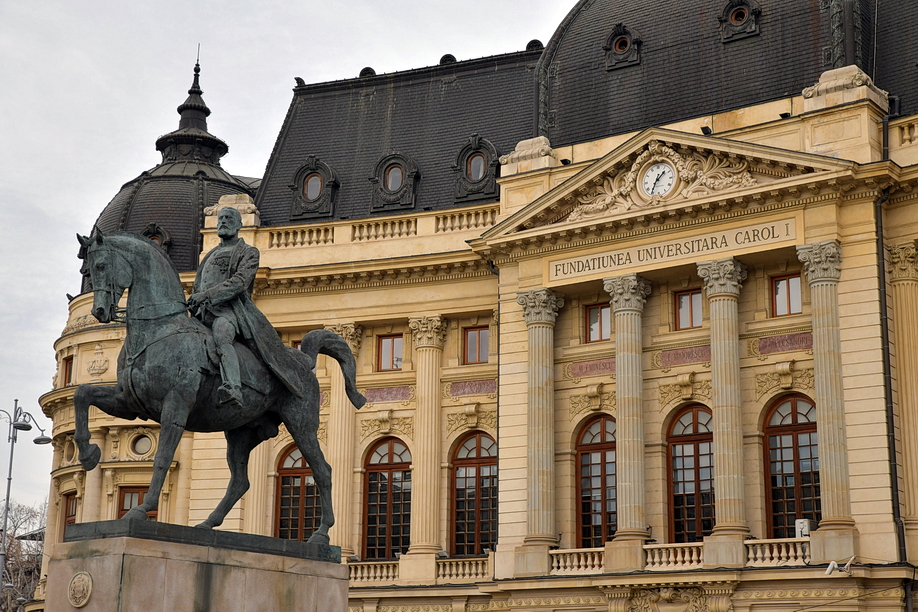
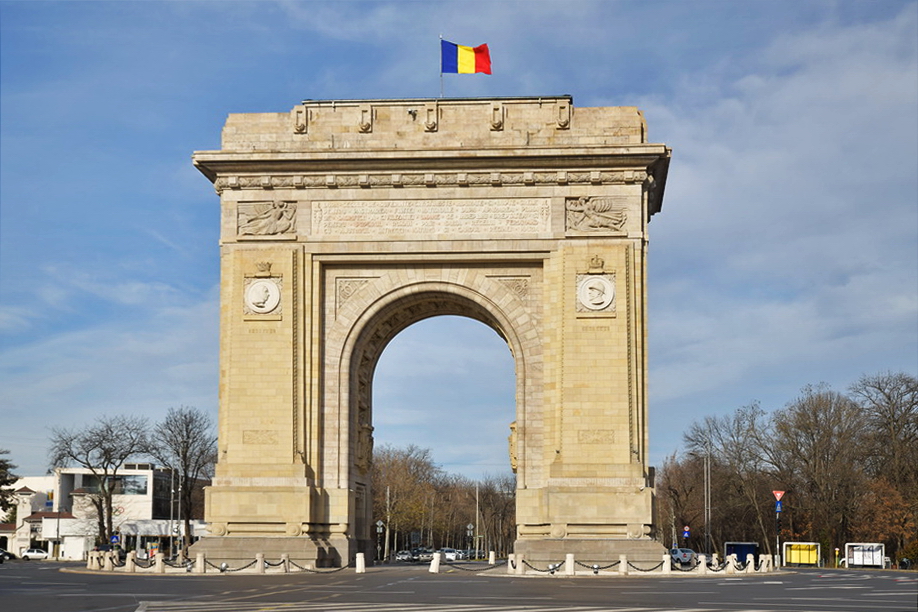
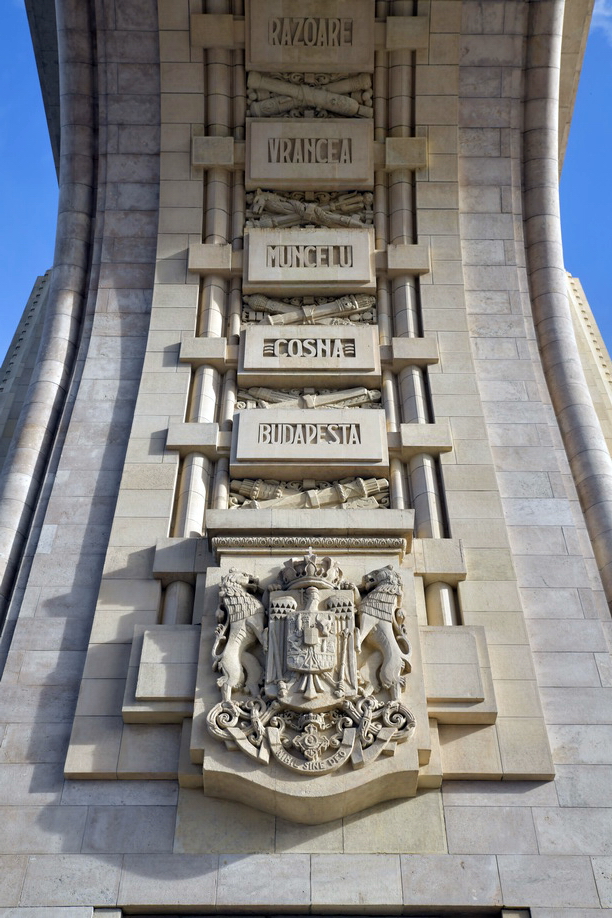
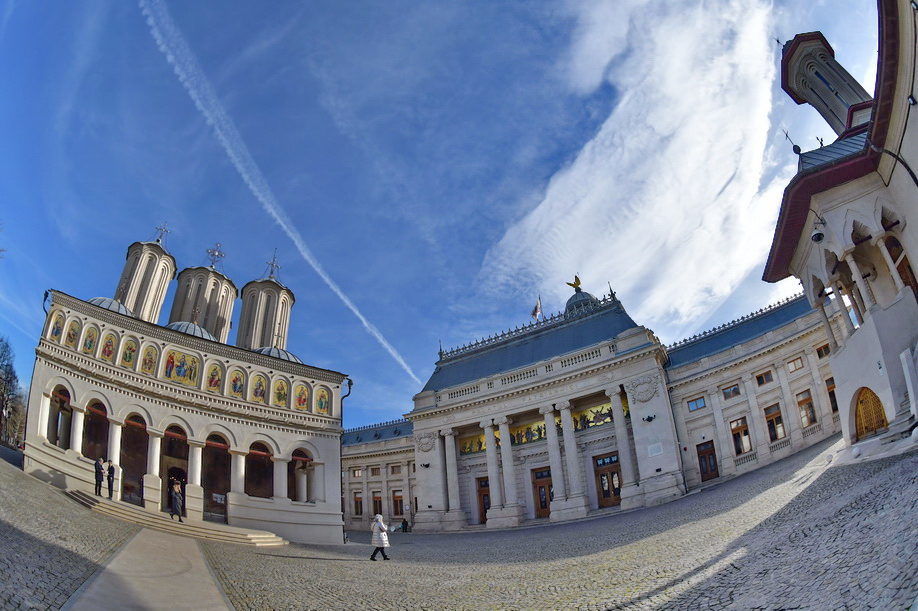
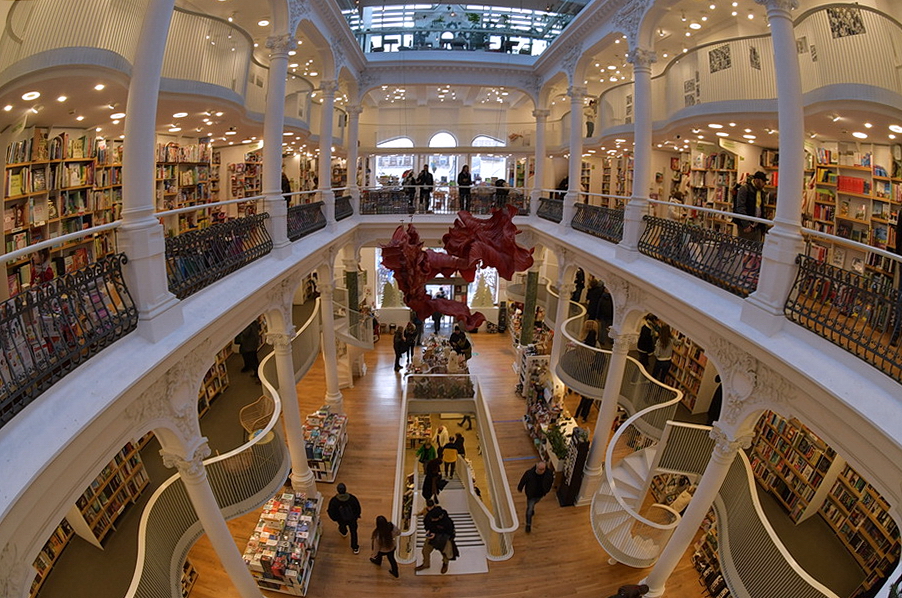
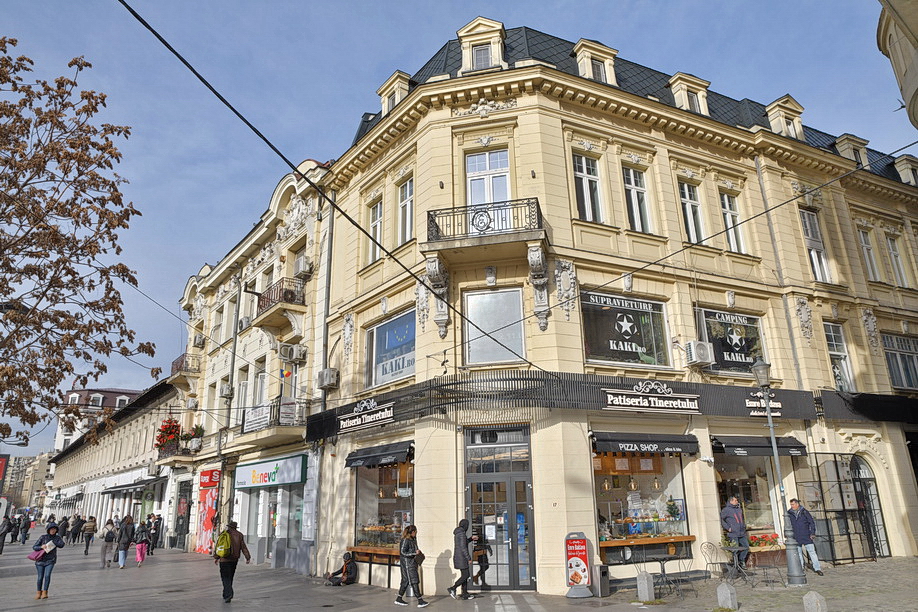
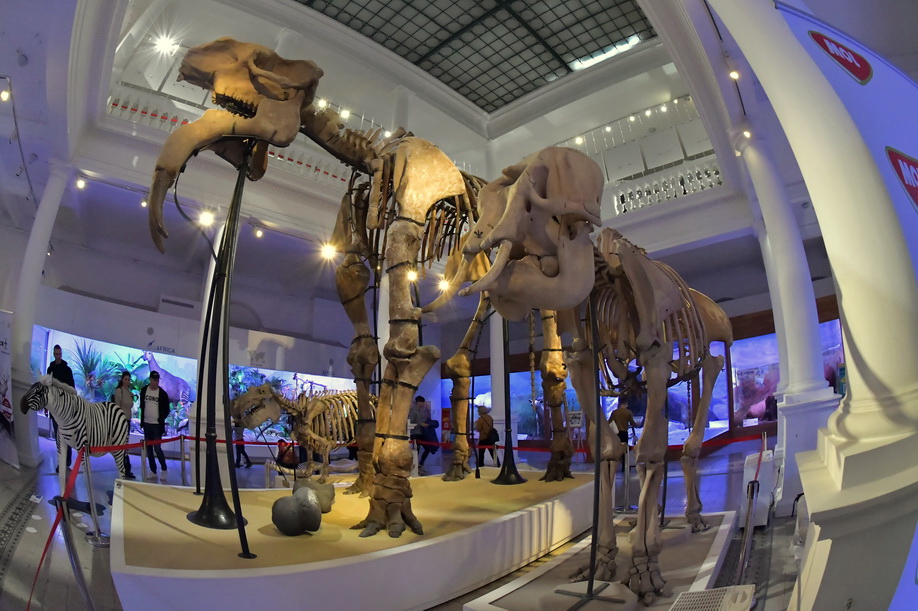
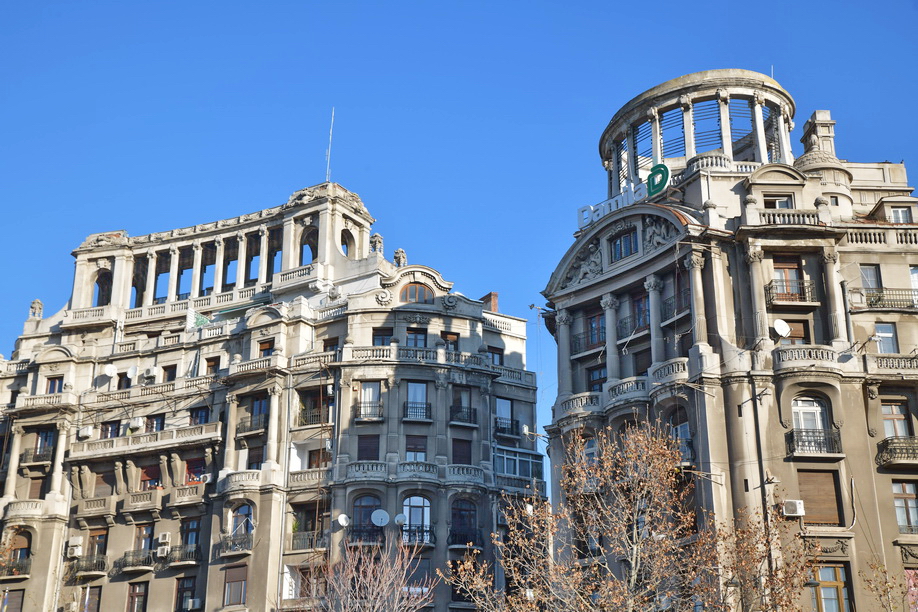
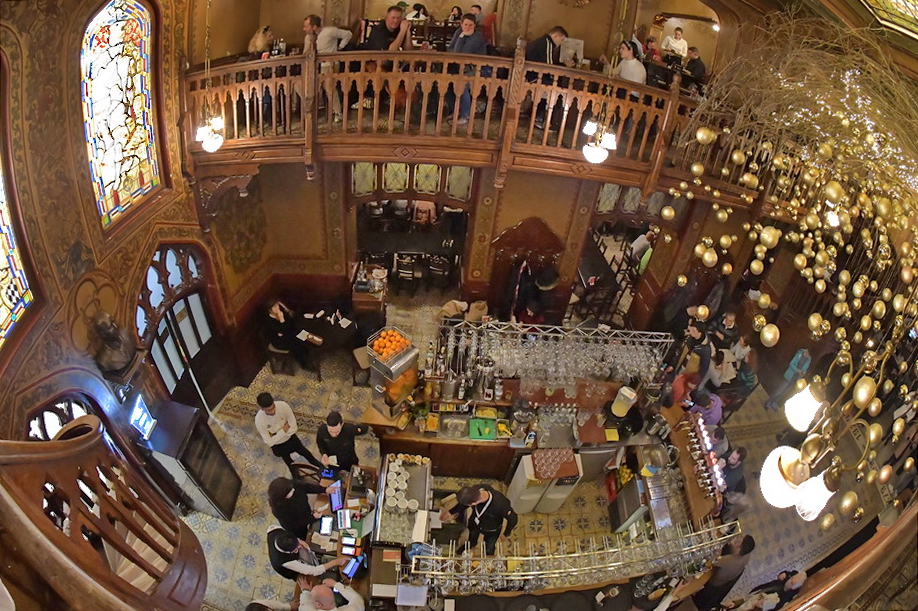
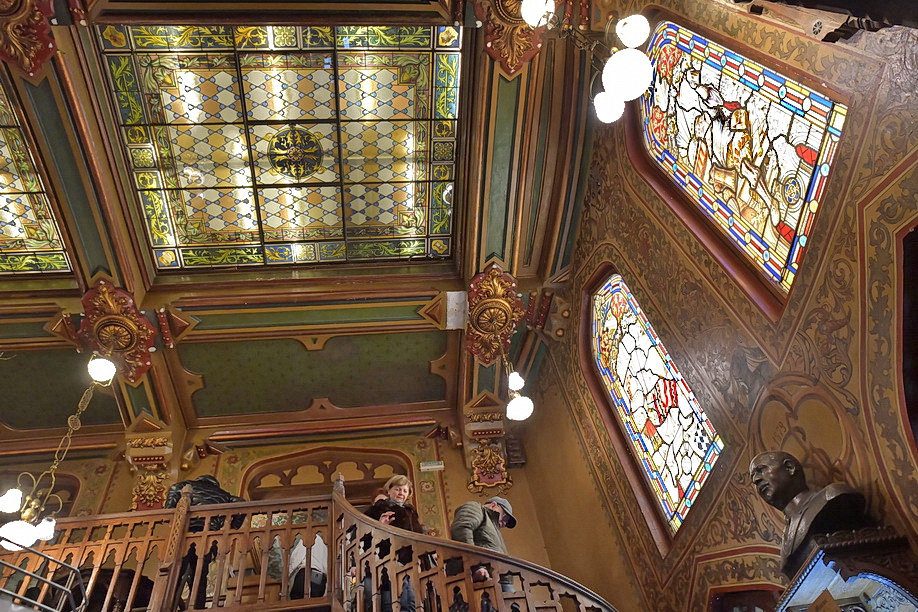
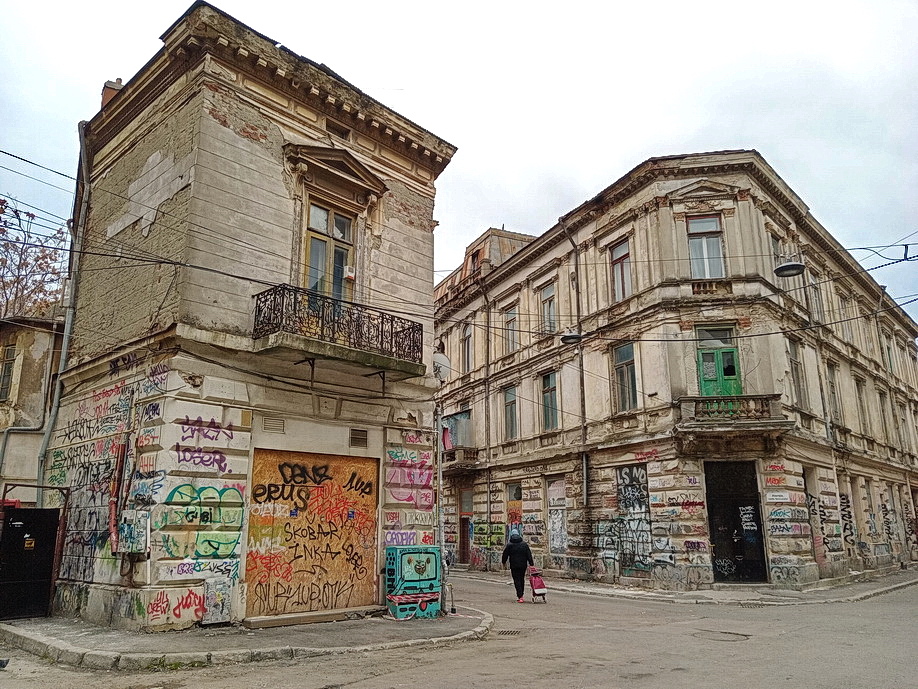
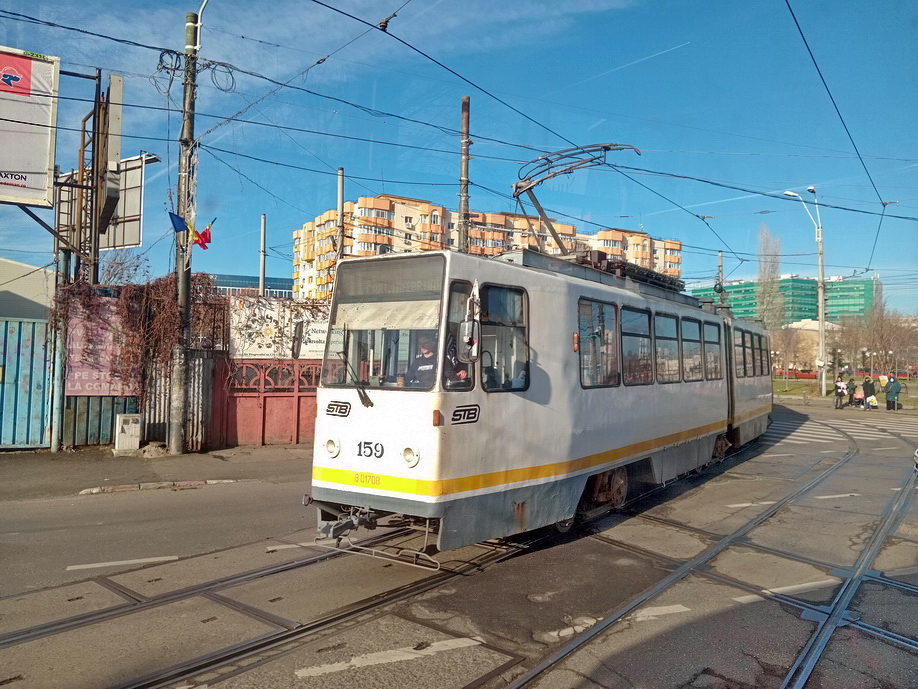
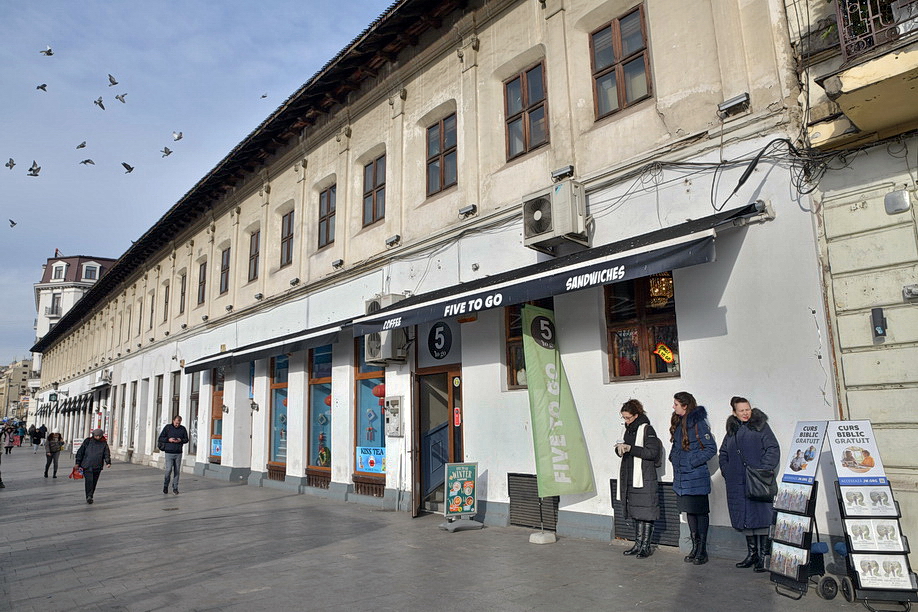
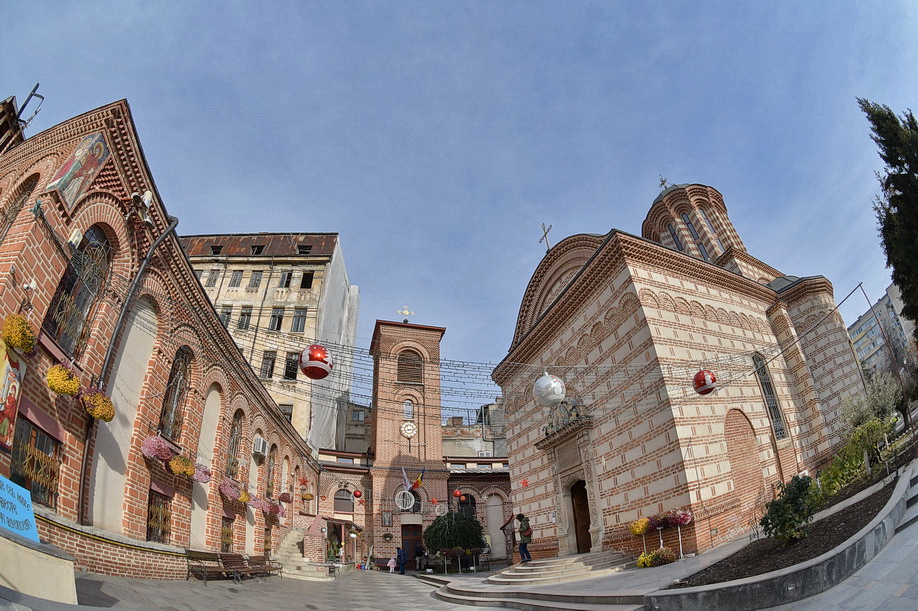
In December 2023, I walked through Bucharest with my camera, looking beyond the familiar description of the Romanian capital as the “Little Paris of the East.” The comparison belongs to a particular period of the city’s history, when broad boulevards and elegant buildings expressed an ambition to belong to the great European capitals. But Bucharest is much more complicated, and much more interesting, than a single nickname suggests.
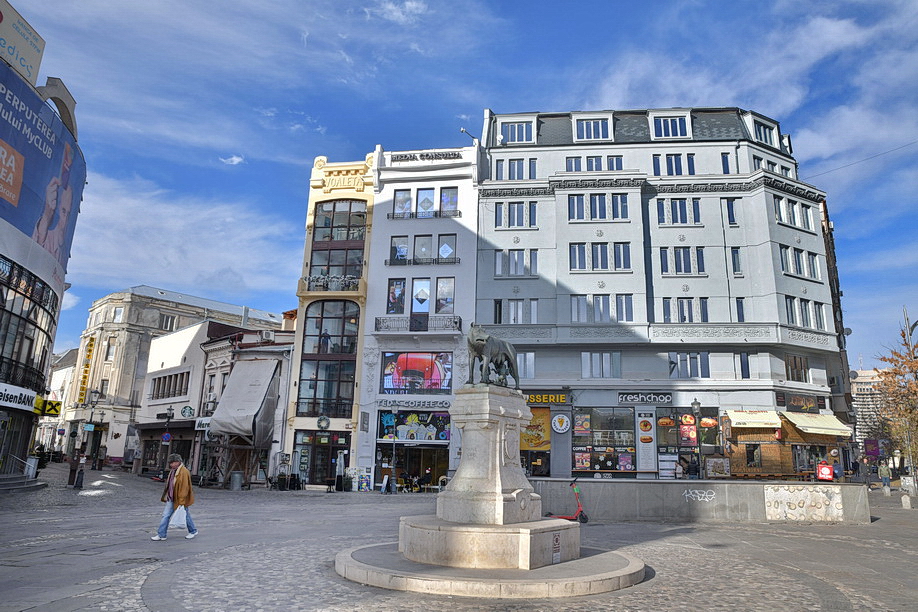
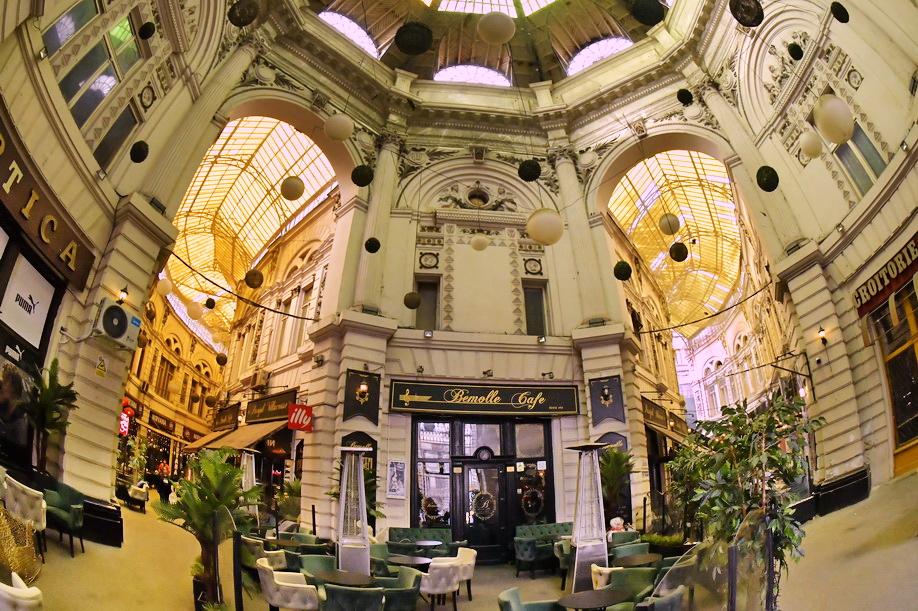
Bucharest’s historical centre did not develop according to a single grand plan. The old merchant quarter, around Lipscani, recalls a city shaped by trade routes and workshops as much as by royal decisions. The very name Lipscani points to merchants dealing in goods from Leipzig. Its lanes suggest a different urban scale from the broad avenues created later.
The city grew along the Dâmbovița River and became an important centre of Wallachia before emerging as the capital of a united Romania in the nineteenth century. Its streets still carry traces of successive periods: churches set back from busy roads, ornate nineteenth-century façades, interwar apartment buildings, monumental socialist-era projects and the everyday improvisations of contemporary urban life.
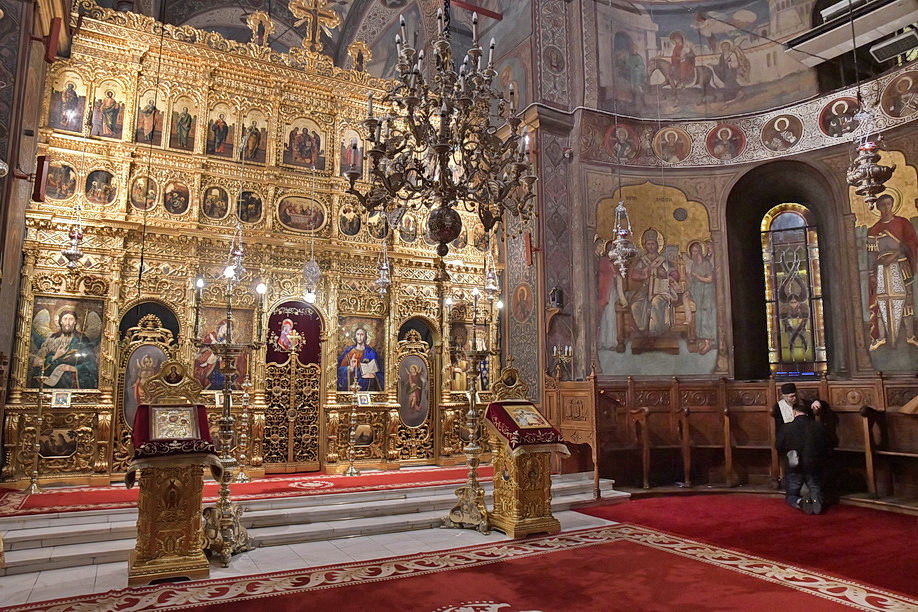
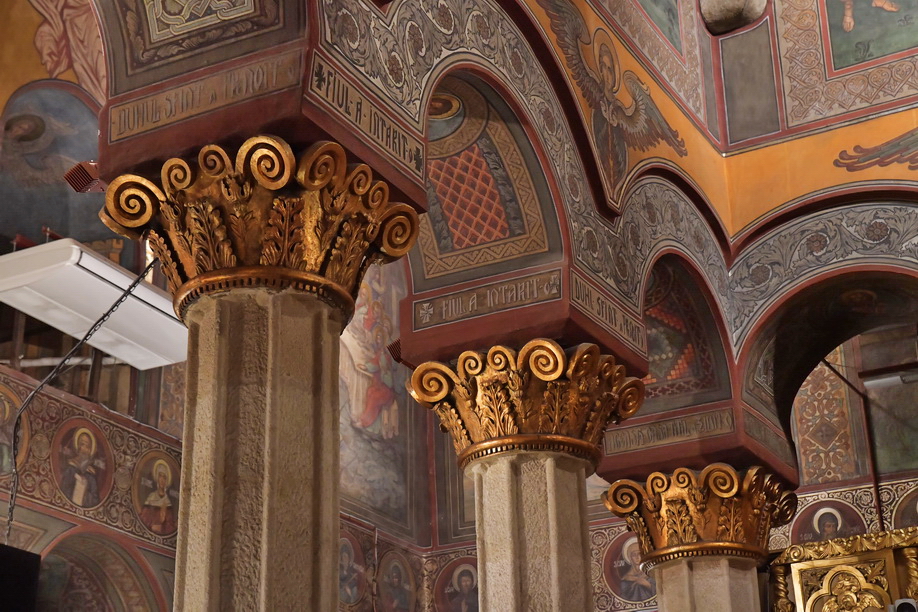
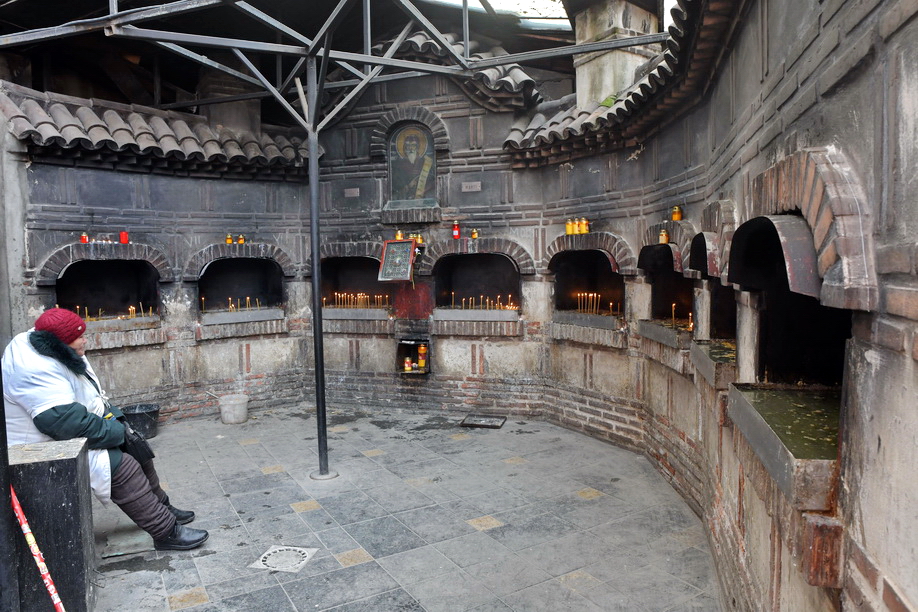
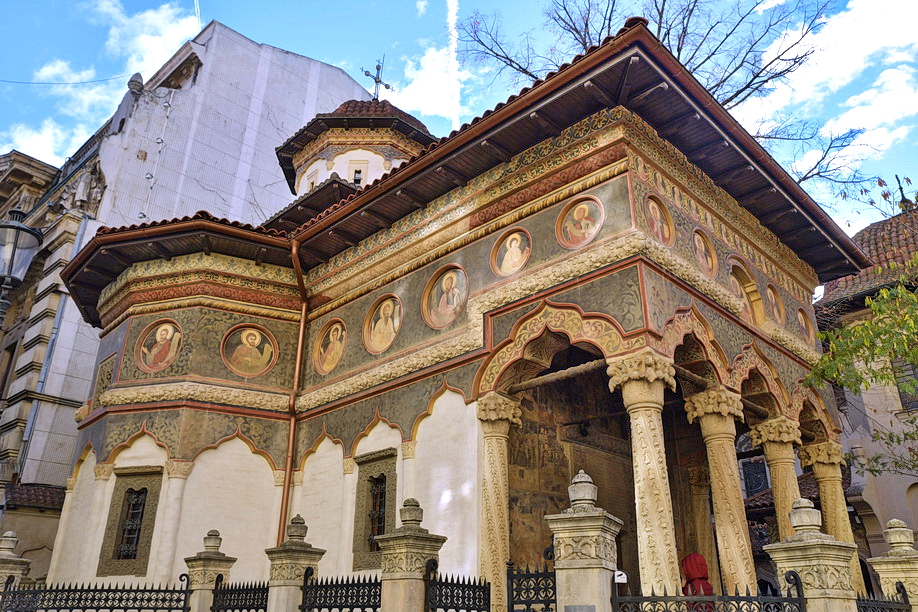
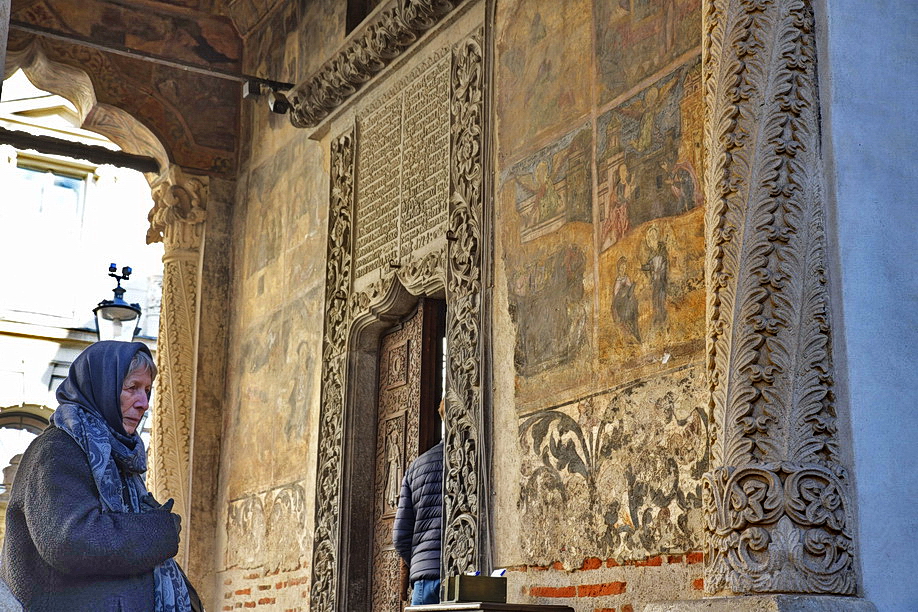
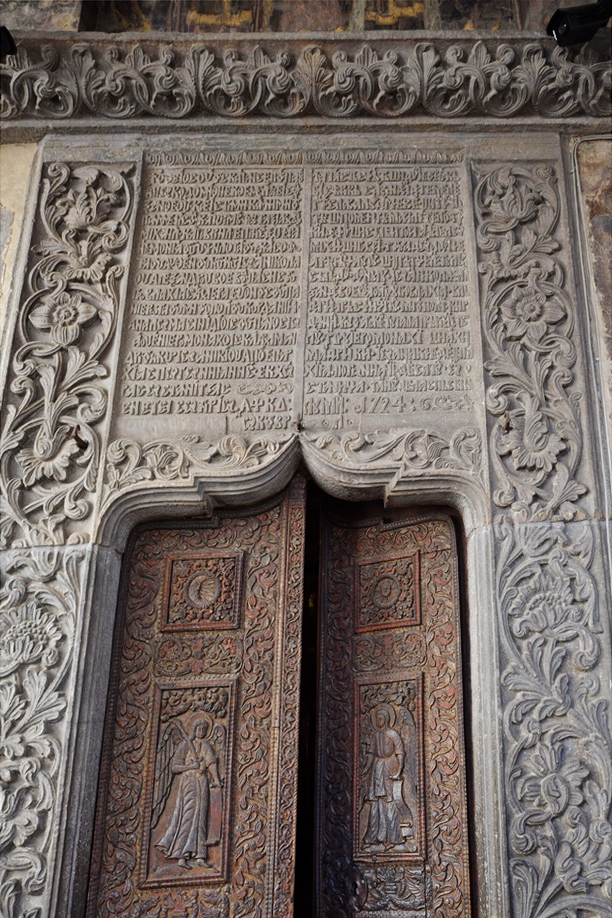
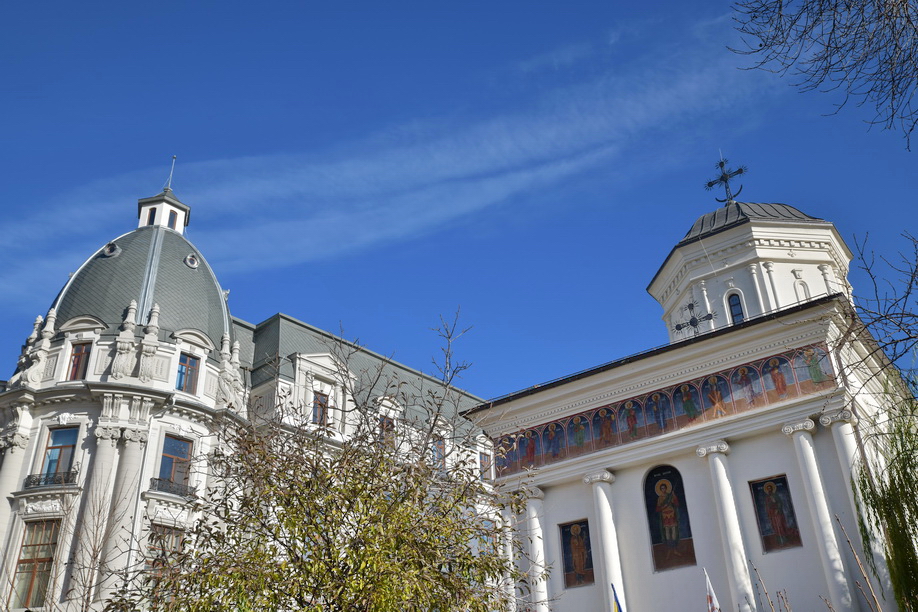
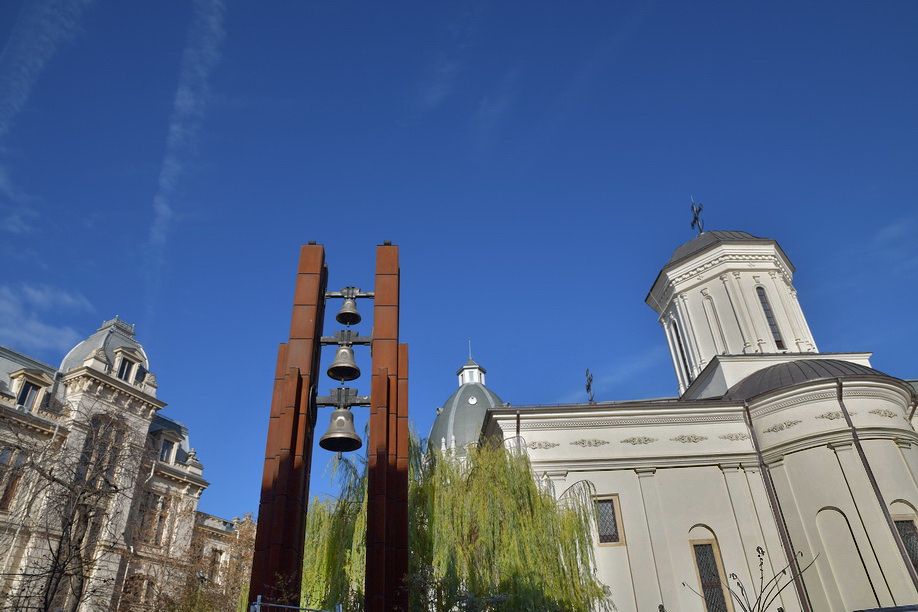
Religious buildings reveal another side of this layered history. Small Orthodox churches may stand only a short distance from busy commercial streets or large modern structures. Some survived the communist period through extraordinary efforts: under the direction of engineer Eugeniu Iordăchescu, several churches and historic buildings were moved on rails to save them from demolition. Their survival reminds us that the city’s present appearance is the result not only of destruction but also of deliberate preservation.
The twentieth century left particularly visible marks. The 1977 earthquake damaged many buildings, while the large-scale demolitions of the Ceaușescu years transformed entire neighbourhoods. The enormous Palace of Parliament and the avenues around it embody that period’s ambition to reshape the city. Their scale contrasts sharply with the smaller streets, older houses and places of worship that survived.
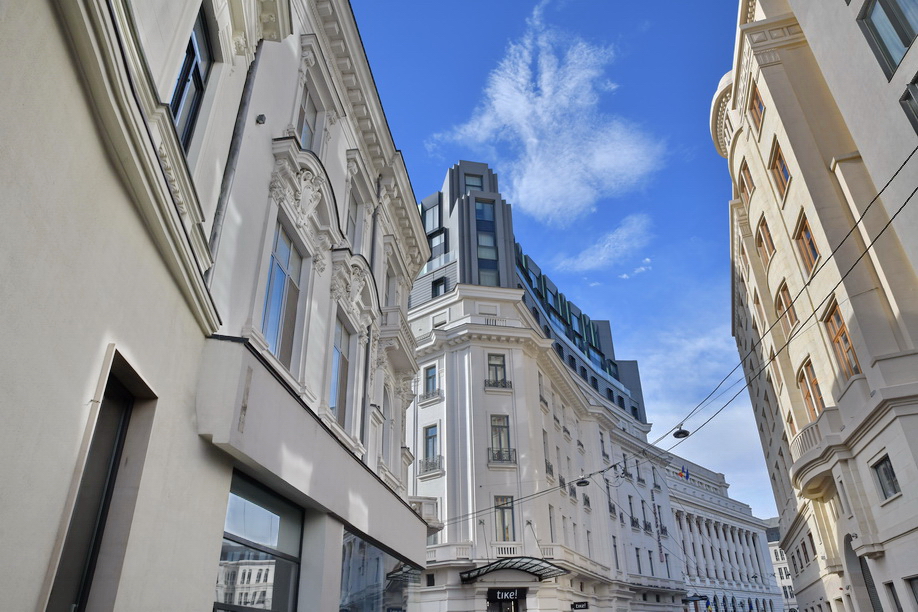
Bucharest also carries the architectural confidence of the years between the two world wars. Alongside Beaux-Arts façades and eclectic nineteenth-century houses are striking examples of Art Deco and Romanian modernism. Their clean lines and curved corners tell a different story from the heavy monumental language of the late socialist period. In the same walk, a photographer can encounter several competing ideas of what a modern capital ought to look like.
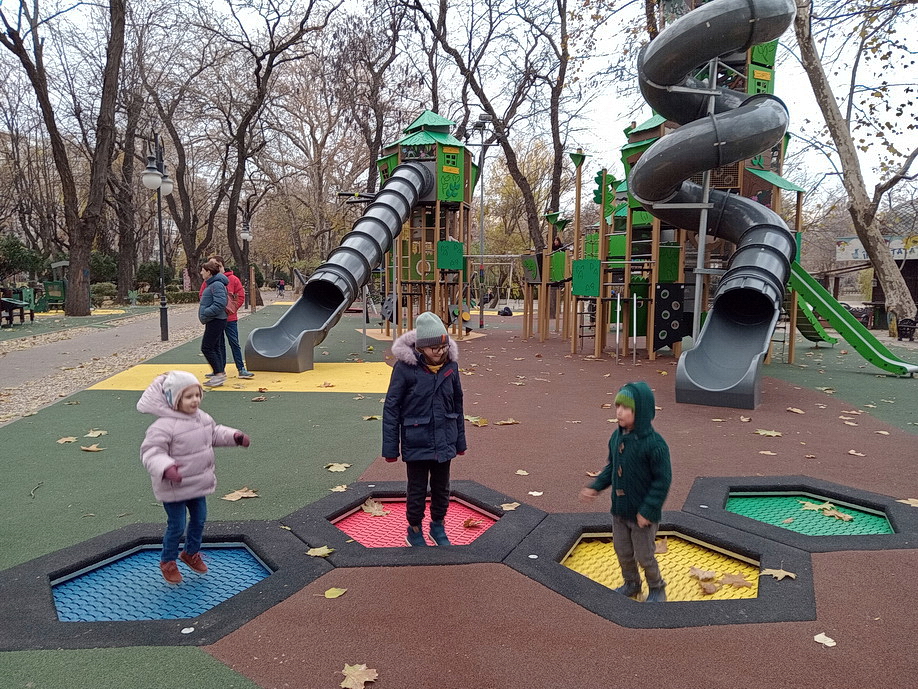
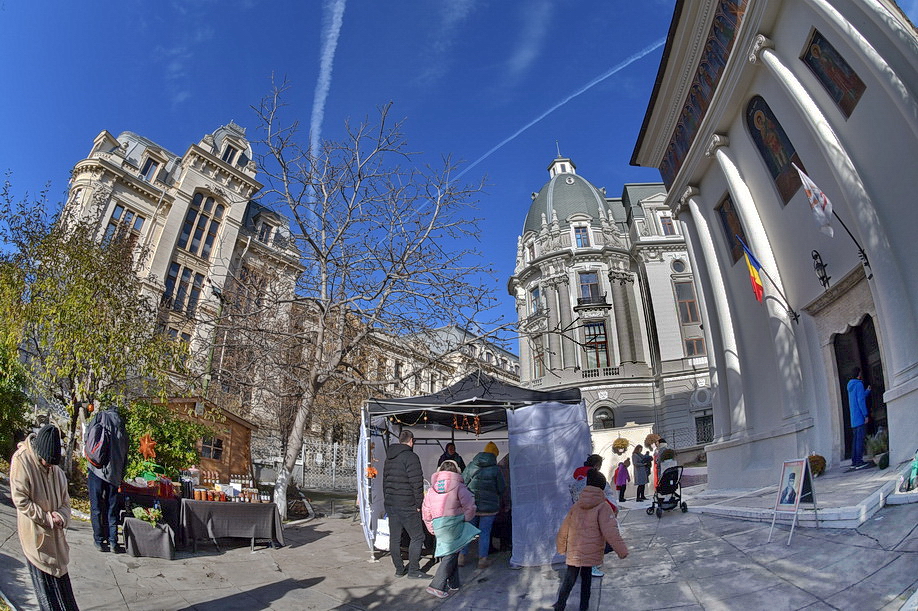
For a photographer, these contrasts are more compelling than a catalogue of landmarks. A city reveals itself through the relationship between buildings and the people who use them, through winter light on a façade, the movement of pedestrians, shop windows, public squares and quiet corners away from the main routes.
The Palace of Parliament is impossible to separate from the human cost of the Civic Centre project. Entire streets, homes and religious buildings were cleared or displaced during the 1980s. The scale of the building is remarkable, but understanding it also means remembering the neighbourhoods that disappeared to make room for it. This tension between spectacle and absence is one of Bucharest’s most powerful historical contrasts.
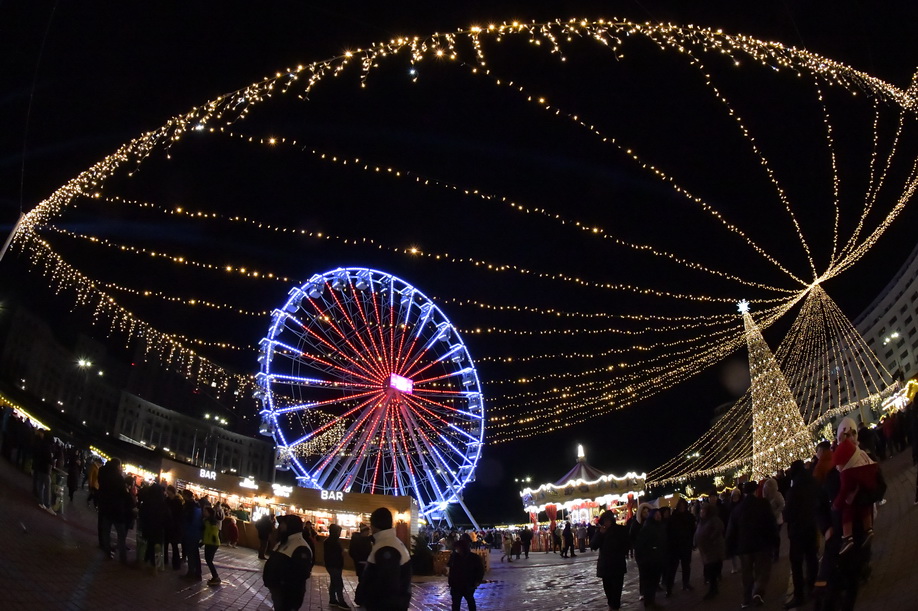
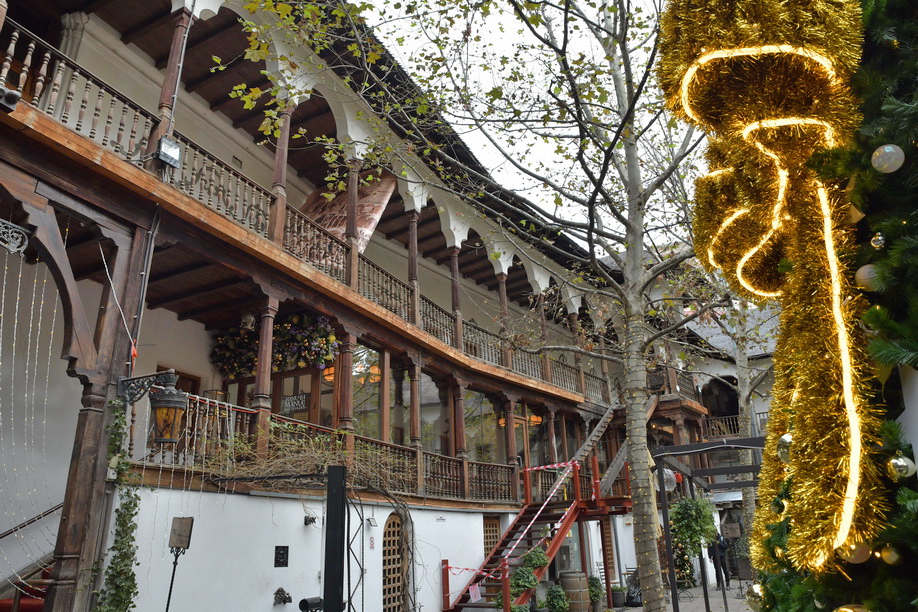
During my stay, Bucharest also had the atmosphere of the approaching Christmas season. Decorations and evening lights changed the appearance of familiar urban spaces. Rather than treating the capital as a collection of monuments, I wanted these photographs to reflect the different historical layers and rhythms that coexist in its streets.