
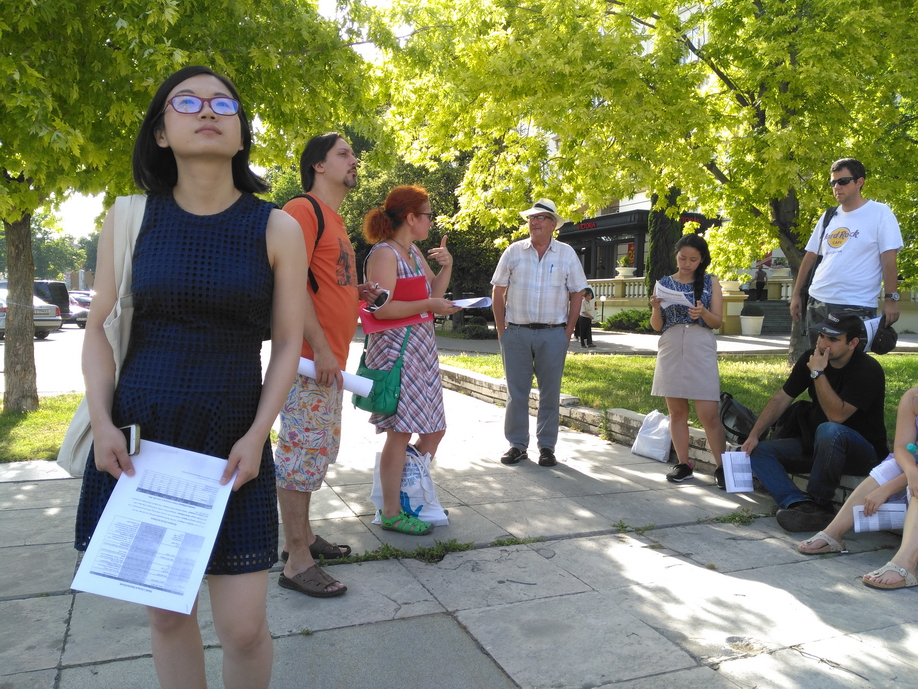


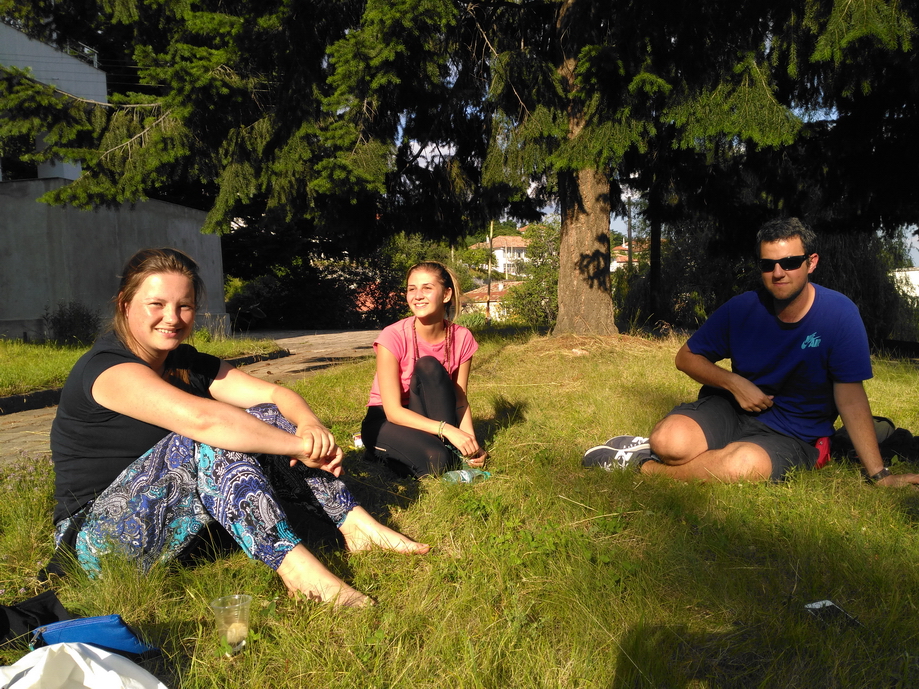
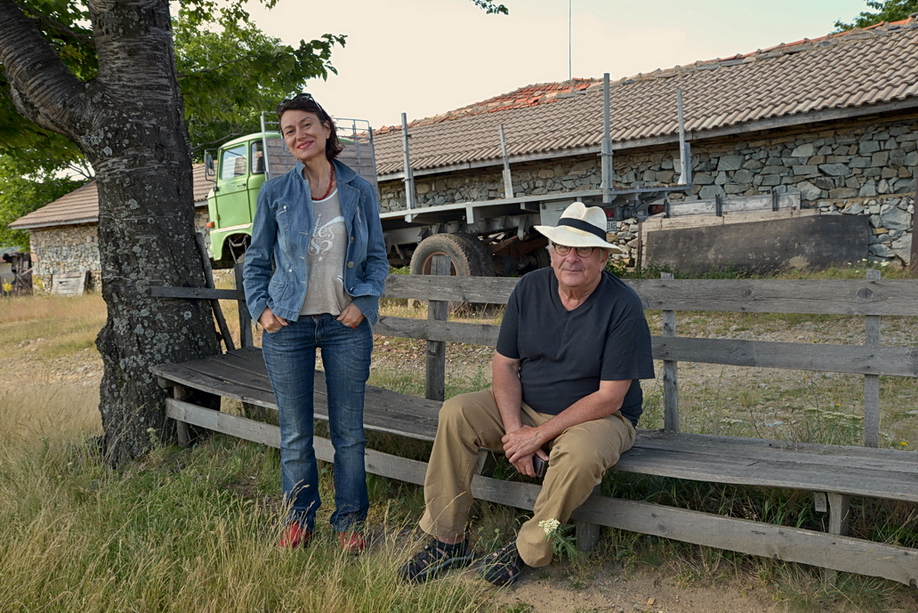
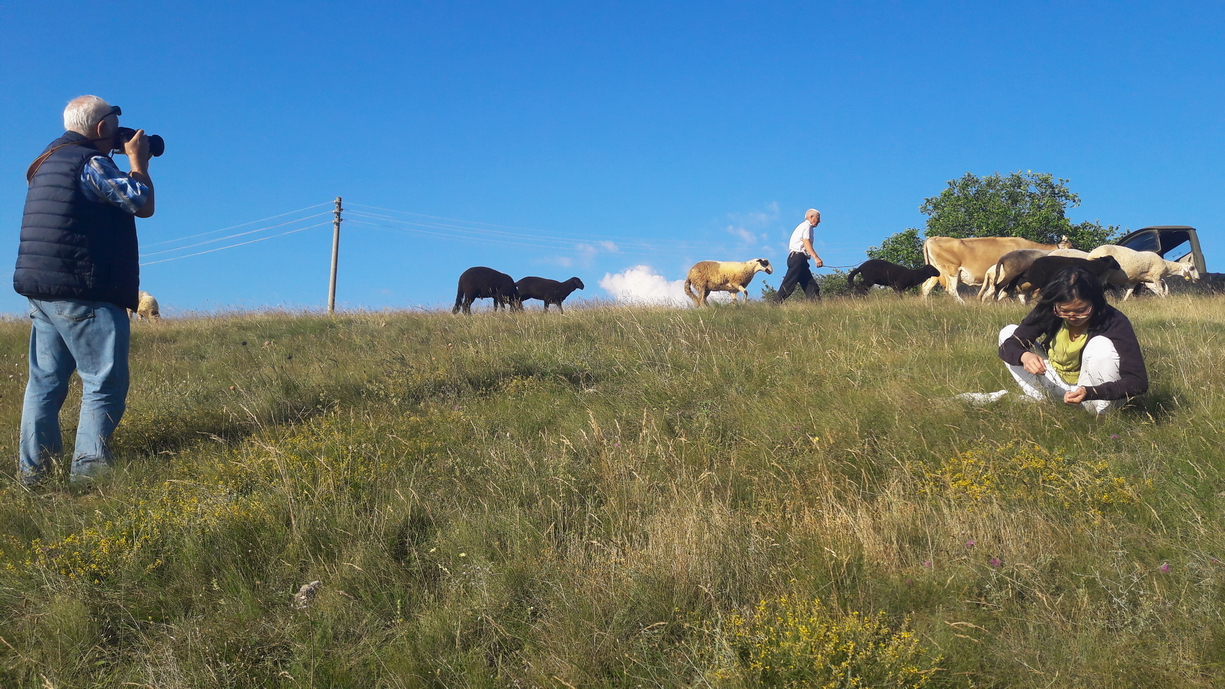
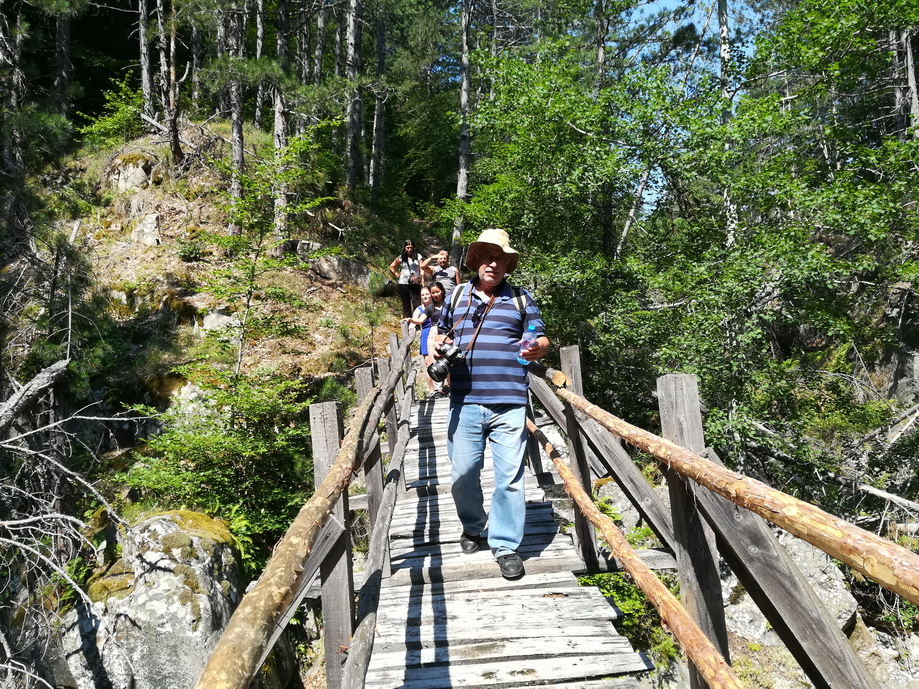
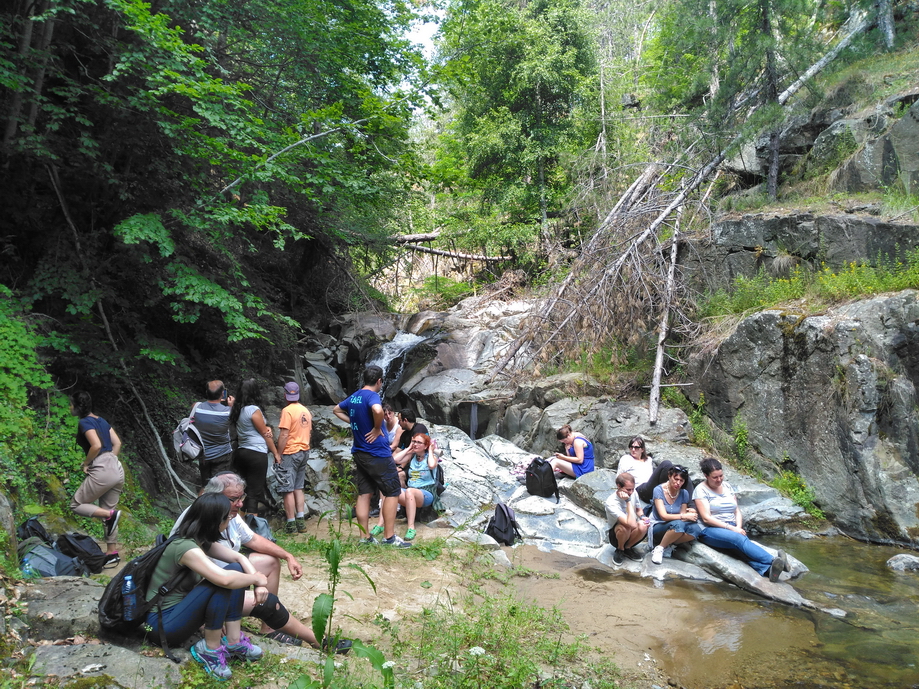
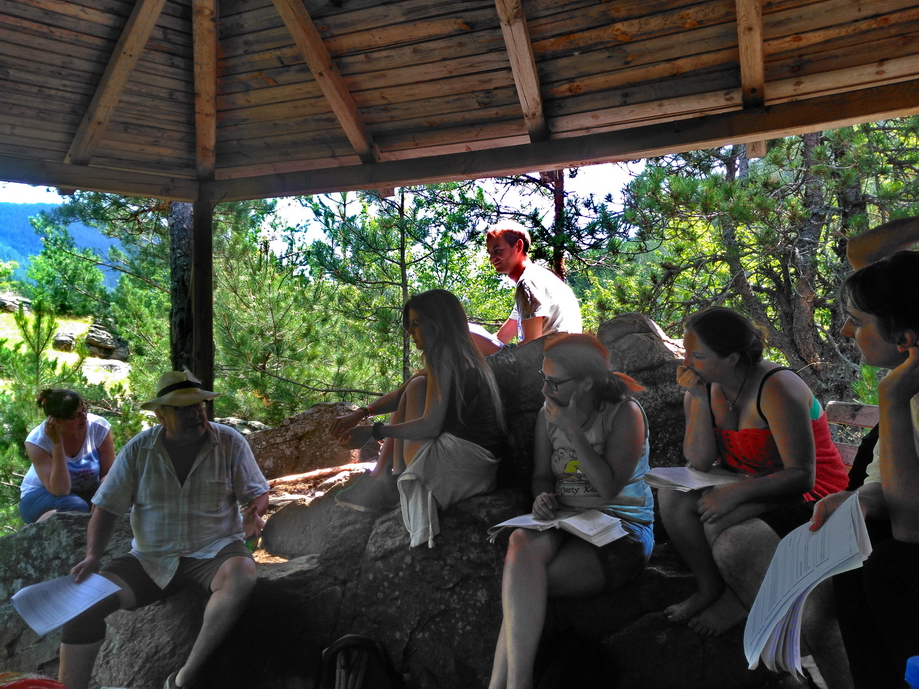
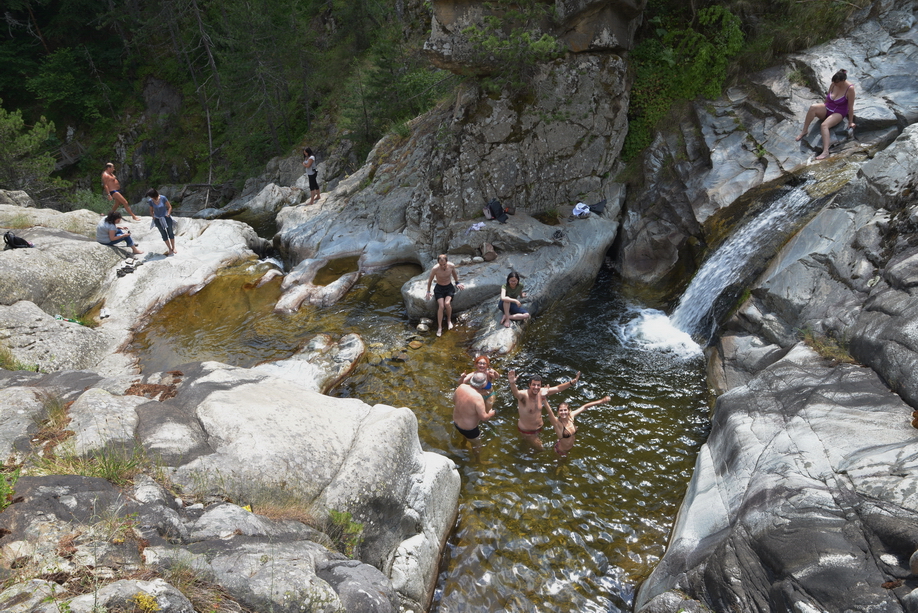


In July 2017, at the age of 63, I became a student again. I had joined the Balkan Summer School on Religion and Public Life, organised through Paisii Hilendarski University of Plovdiv. I had travelled in Bulgaria before for my photographic work on Roma communities, but this was my first visit to Plovdiv and my first experience of a summer school. My own student years had unfolded amid the political turmoil of the 1970s. Returning to a classroom decades later, among participants from several countries, was unexpectedly exciting. I was the oldest in the group, but curiosity made the difference in age seem unimportant.
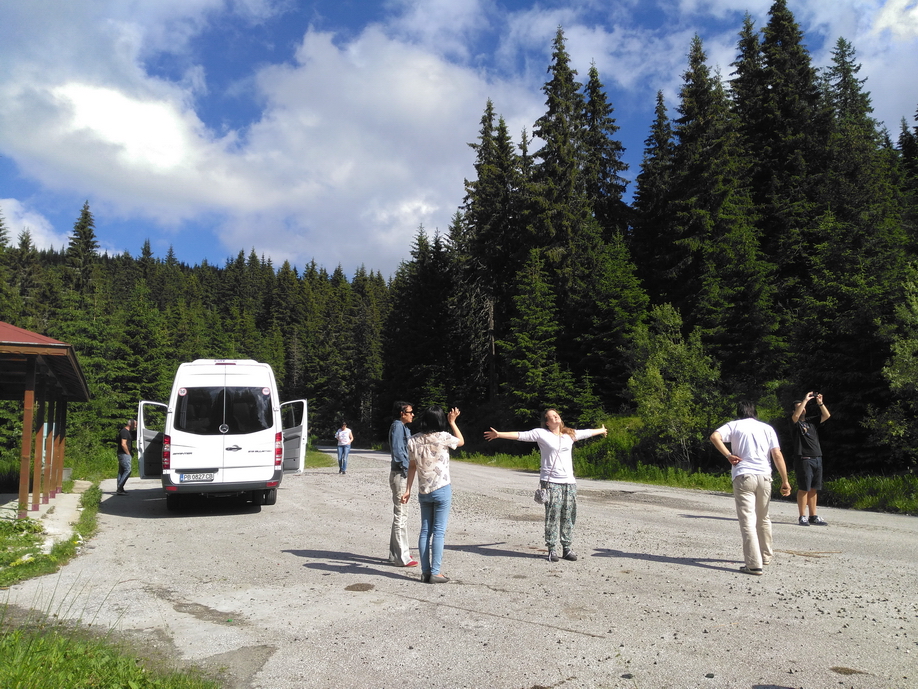
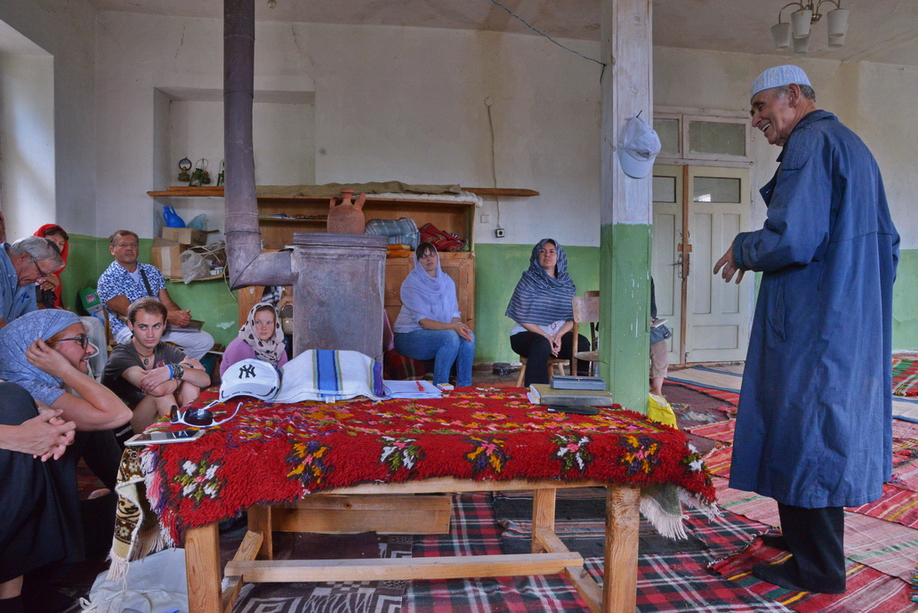
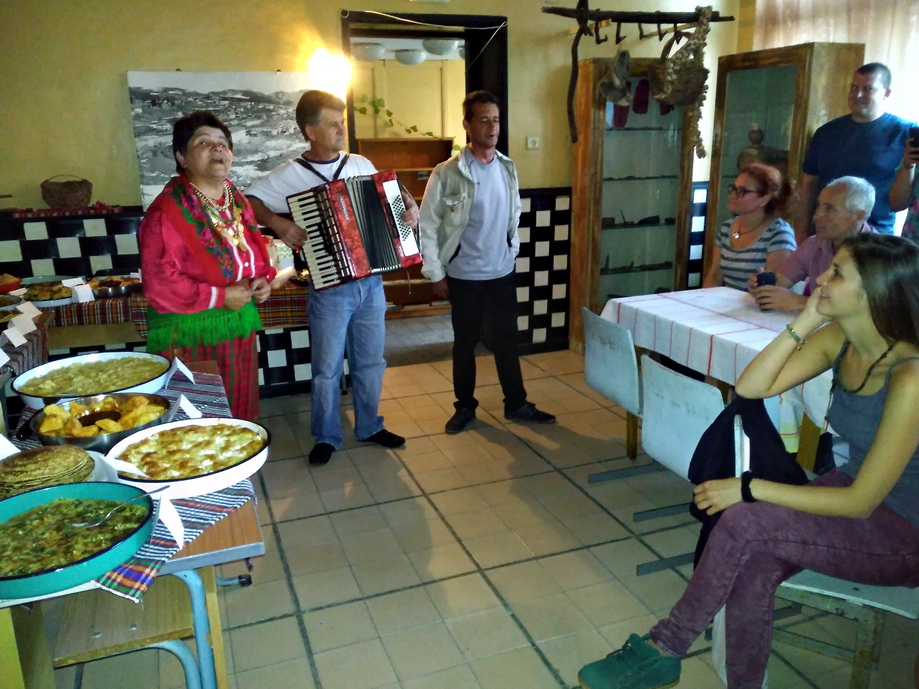
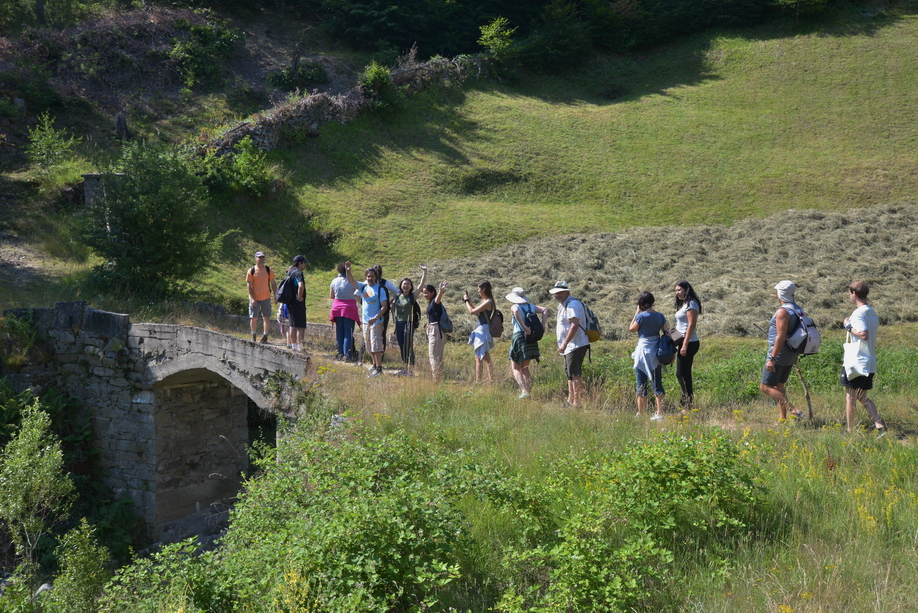
The ten-day programme explored the theme “Neighbors and Foreigners.” Much of our work took us beyond the university and into Zagrazhden, a village in the Rhodope Mountains, roughly a hundred kilometres from Plovdiv. We stayed at a university facility and worked in small groups, meeting residents and listening to their accounts of everyday life. The village's older population, mountain setting and memories of a changing rural economy offered a very different setting from a conventional lecture room.
Zagrazhden lies in a region where Pomak communities have long lived. Pomaks are commonly described as Bulgarian-speaking Muslims, although identities and personal understandings of belonging vary. The Rhodopes have been shaped by centuries of contact among languages, faiths and political powers. For a course concerned with the boundary between neighbour and stranger, the setting made our questions feel immediate rather than theoretical.
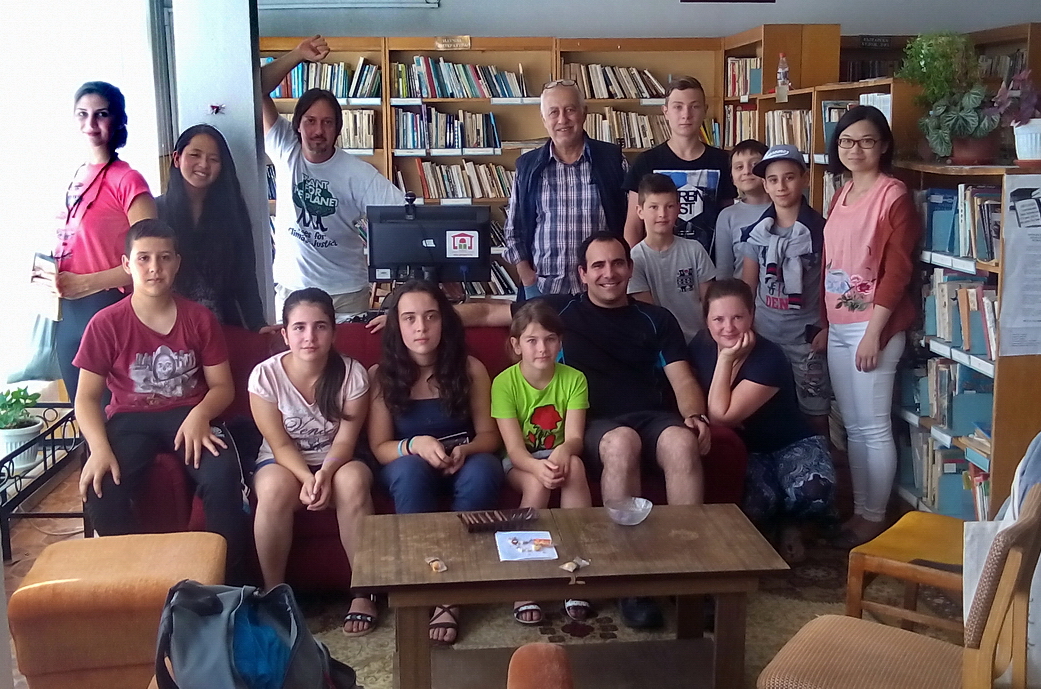
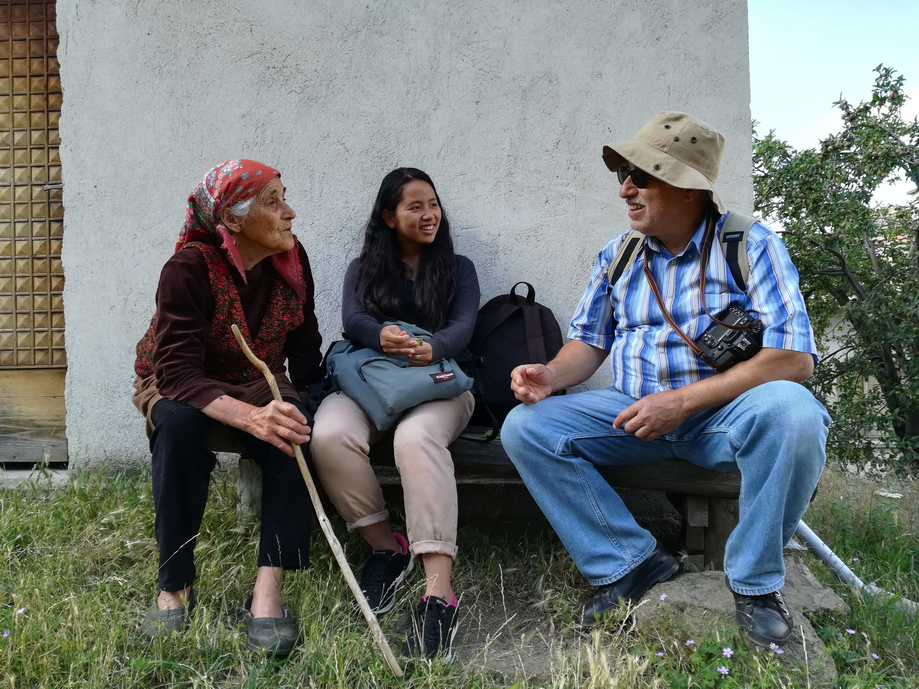
One conversation has stayed with me more vividly than almost anything else. While interviewing a villager named Elena about foreigners, I pointed to myself and asked, “Am I a foreigner to you?” She answered, “No, you are not a stranger.” When I asked why, she replied simply, “Because we are all human.” Her words pleased and surprised me. They offered no complicated definition of belonging, only a generous recognition of another person.
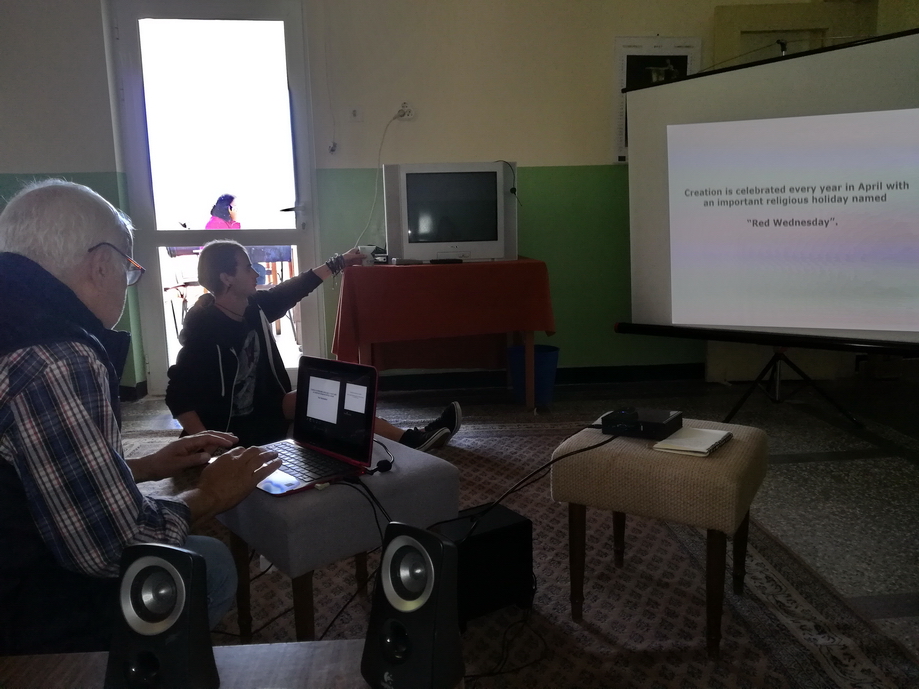
During our discussion of the interviews, Professor Maria suggested that Elena's answer recalled the egalitarian spirit associated with Bogomil thought. I was struck by the connection because I had long been interested in the ideas and rebellions surrounding Sheikh Bedreddin in the Ottoman world. Bogomilism, a medieval Christian religious movement that emerged in the Balkans, and the early fifteenth-century Bedreddin movement belong to different historical contexts. Their precise intellectual relationship is debated; nevertheless, the comparison made Elena's words resonate with my own memories and reading about struggles over equality and community.
Fieldwork also reminded me of the limits of what a photograph or an interview can reveal. A brief encounter cannot explain an entire community, and a single sentence should not be made to stand for a whole religious tradition. Yet such moments can change the way we look at people. For me, the summer school was valuable precisely because it combined academic discussion with the humility of listening.
Another part of the programme brought me back to the Harmanli refugee camp, where I had previously met Yazidi refugees. I was not permitted to photograph during this visit, but with the assistance of Hristina, a Red Cross officer, I was able to speak briefly with people there. Their displacement was a sobering reminder that the words “foreigner” and “stranger” are not merely subjects for a seminar: they can shape the most difficult circumstances of a person's life.
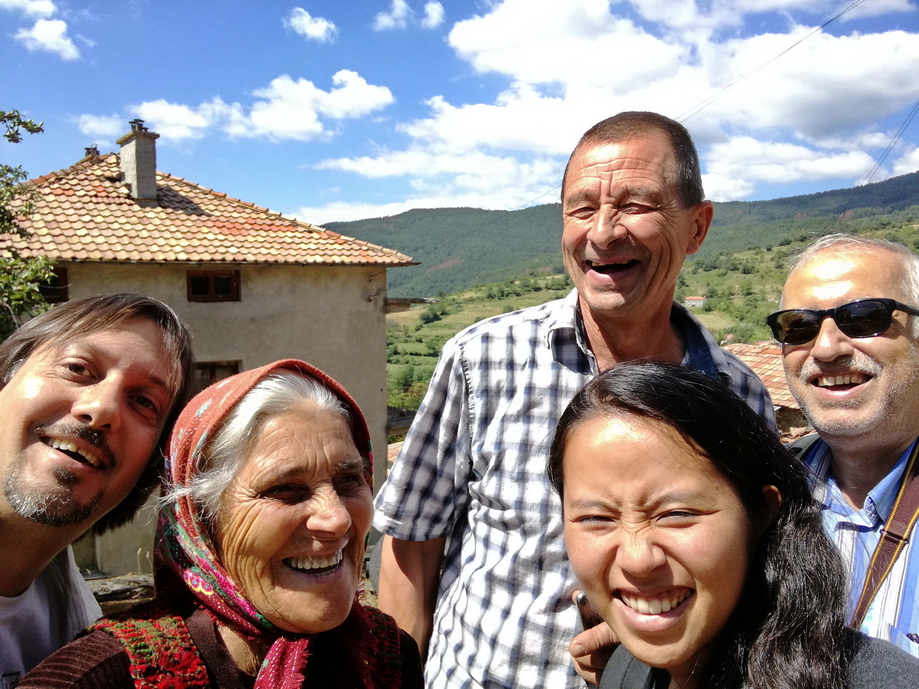
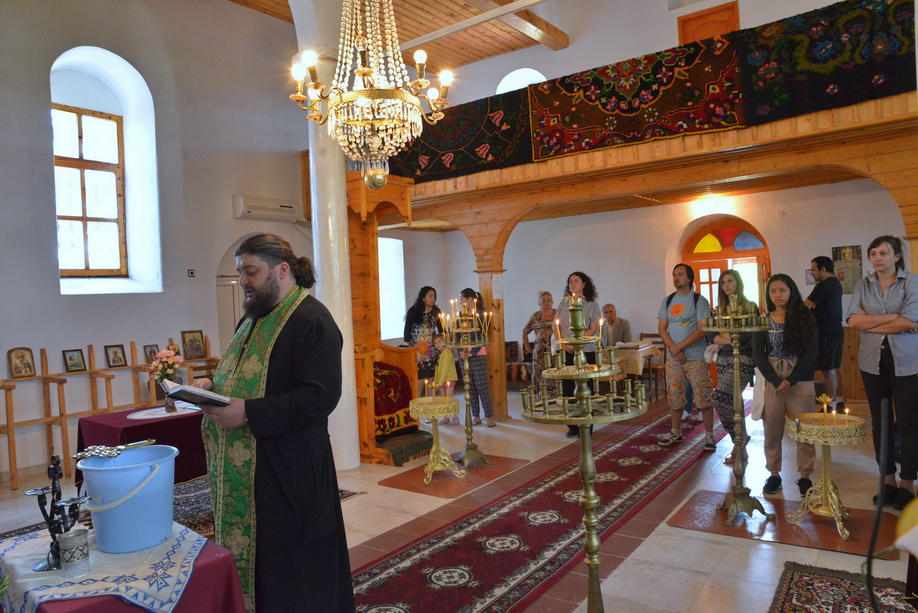
I remember the friendships, conversations, journeys and shared discoveries as warmly as the formal programme. At 63, I had expected to learn about the religious and social history of the Balkans. I did, but I also came away with something less easily measured: a renewed belief in the value of meeting people without assuming that difference must create distance. The photographs on this page belong to those days of learning, travelling and being welcomed.